Tokyo Backpacker Guide: Budget Hostels, Street Food & Free Adventures




Tokyo on a Budget: The Complete Backpacker’s Guide – Tokyo backpackers can sleep in capsule hotels or dorms for under ¥3,000 per night in neighborhoods like Asakusa and Shinjuku, eat incredible convenience store meals for ¥100-200, and explore free attractions like Senso-ji Temple and Meiji Shrine.
Street food costs around ¥300 per item, while ramen shops with vending machines serve filling bowls for ¥1,000.
Walking between districts saves money and reveals hidden gems, and shopping at supermarkets during evening hours unlocks serious discounts on prepared foods.
The Tokyo backpacker guide below breaks down exactly how to maximize every yen during your Tokyo adventure.
Key Takeaways
Hide- Book hostels in Asakusa for under ¥3,000 per night; avoid peak seasons and weekends to save ¥1,000-2,000.
- Eat at convenience stores and ramen shops with ticket machines for meals under ¥1,000; shop supermarkets after 7 PM for discounts.
- Visit free attractions like Senso-ji Temple, Meiji Shrine, Ueno Park, and explore neighborhoods like Harajuku and Shimokitazawa on foot.
- Walk between districts instead of taking trains to save ¥170 per transfer and discover hidden cafes and street art.
- Use 24-hour metro passes, rent bikes for ¥100-200 per hour, and avoid rush hours between 7:30-9:30 AM and 5:30-8:00 PM.
Your Complete Introduction to Tokyo Backpacker Guide
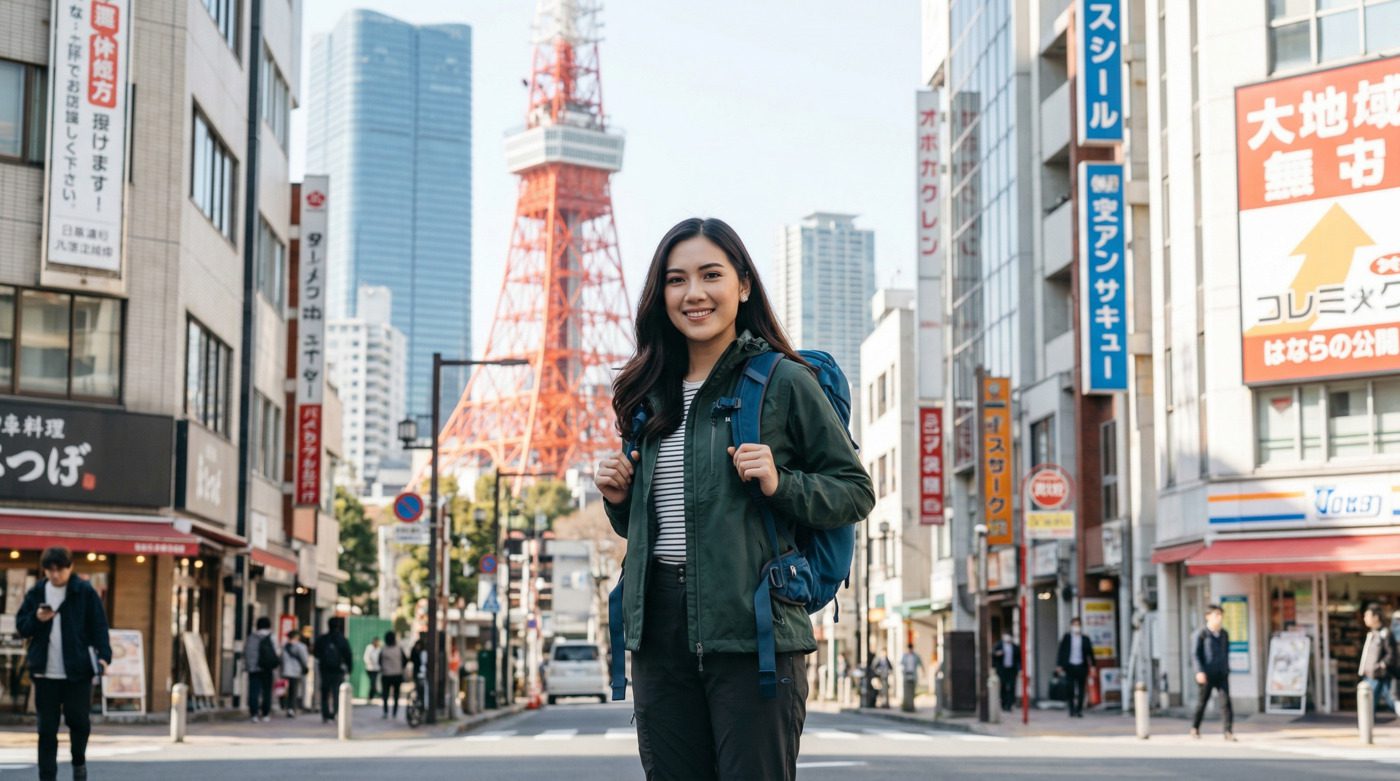
While Tokyo consistently ranks among the world’s most expensive cities, savvy backpackers can explore this electrifying metropolis on a shoestring budget—and honestly, sometimes the budget options end up being the most authentic experiences anyway!
The secret? Thinking like a local rather than a tourist.
Skip the overpriced hotel breakfast buffets and grab onigiri from 7-Eleven instead.
Time your visit during local festivals to experience Tokyo’s cultural heartbeat without spending a yen.
Souvenir shopping doesn’t require hitting expensive Ginza boutiques—100-yen stores offer quirky Japanese treasures that won’t demolish your travel fund.
Trust me, watching salary workers slurp ramen at midnight teaches you more about Tokyo than any guided tour ever could.
Freedom means choosing experiences over luxury!
Tokyo Trip Add-Ons
Equip yourself for the ultimate Tokyo adventure with the following add-ons, curated just for you.








Finding Your Perfect Budget Accommodation in Tokyo
Finding the right hostel in Tokyo can make or break your budget travel experience—trust me, location and vibe matter way more than you’d think!
The secret to snagging an amazing spot isn’t just about finding the cheapest bed (though that helps), but understanding which neighborhoods match your travel style, what amenities actually deserve your yen, and how to time your booking so you’re not paying tourist-season prices.
Let’s break down exactly where to stay, what to look for, and when to click that “reserve now” button.
Book Your Tokyo Stay Today
Browse curated hotels/traditional ryokans from our partner platforms. Best prices, verified reviews, instant booking.
 Booking.com
 Agoda
Agoda Trip.com
 Expedia
 Tripadvisor
 Traveloka
Top Neighborhood Picks for Tokyo Backpacker Hostels
Choosing the right neighborhood for your hostel can make or break your Tokyo adventure, and trust me, location matters way more than you might think!
Each area of this massive city has its own personality—from the neon-soaked streets where young fashionistas strut their stuff to quiet temple districts where you can actually hear yourself think.
Let’s break down three top picks that offer the perfect mix of affordability, convenience, and that authentic Tokyo vibe you’re craving.
Shibuya and Harajuku: Heart of Youth Culture
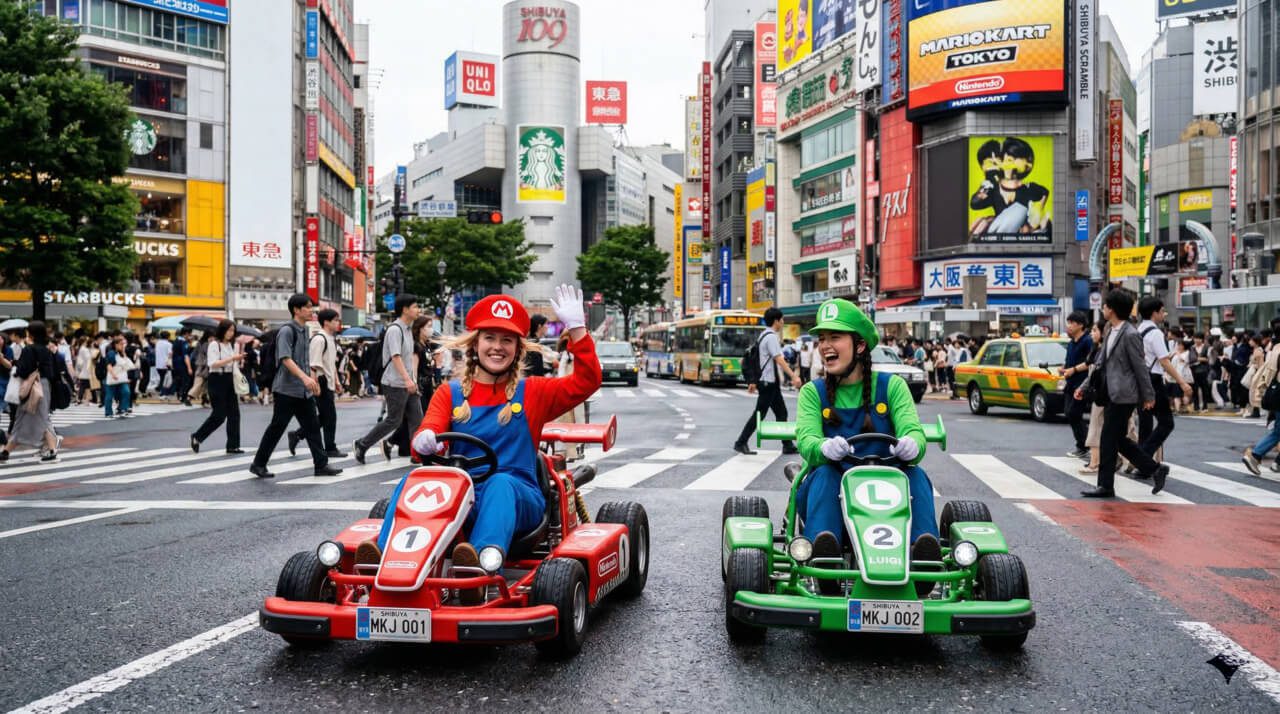
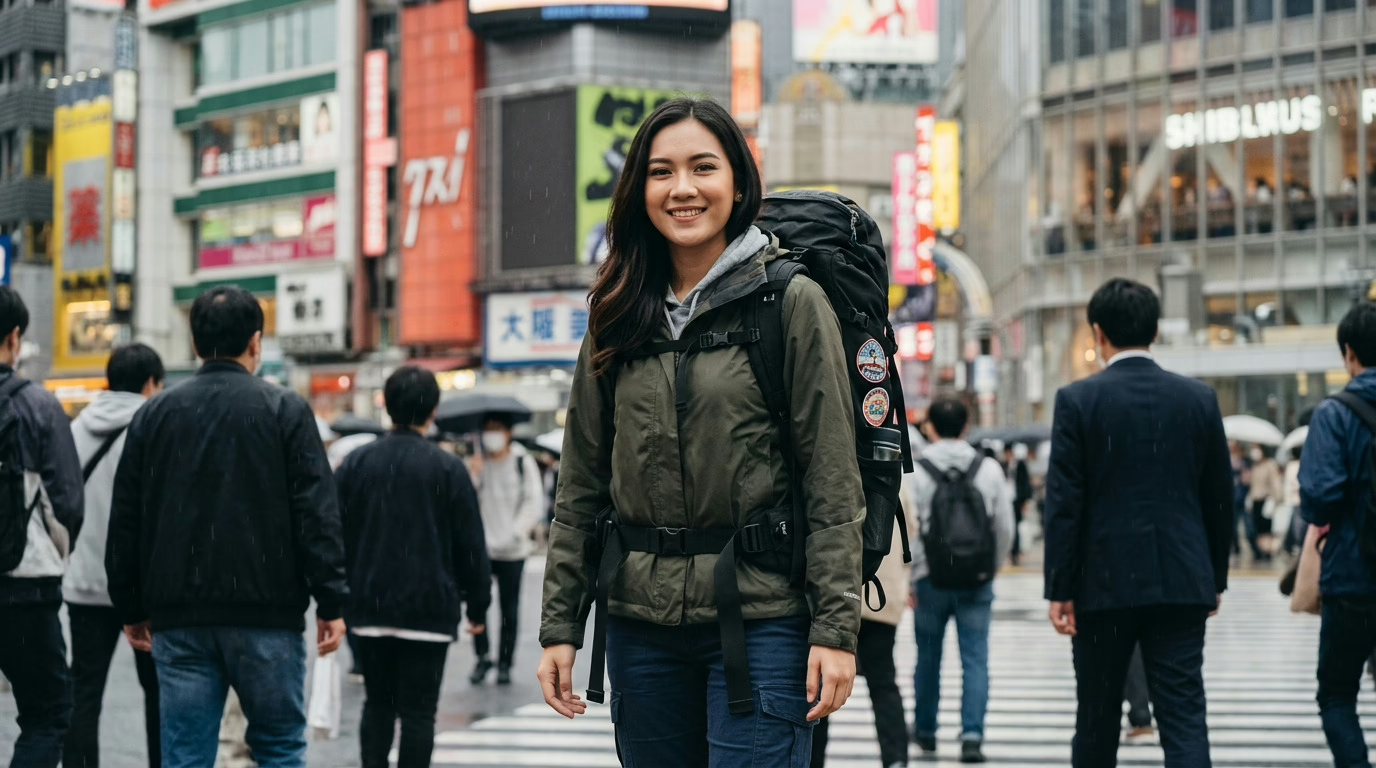
Backpackers seeking Tokyo’s most electric atmosphere will find themselves drawn to the twin neighborhoods of Shibuya and Harajuku, where neon-lit streets pulse with creative energy day and night.
The iconic Shibuya crossings offer prime people-watching—seriously, it’s like watching organized chaos!
Meanwhile, Harajuku fashion showcases Japan’s wildest street styles.
Budget hostels here put travelers steps from midnight ramen runs and spontaneous karaoke sessions.
Asakusa: Traditional Tokyo with Modern Convenience
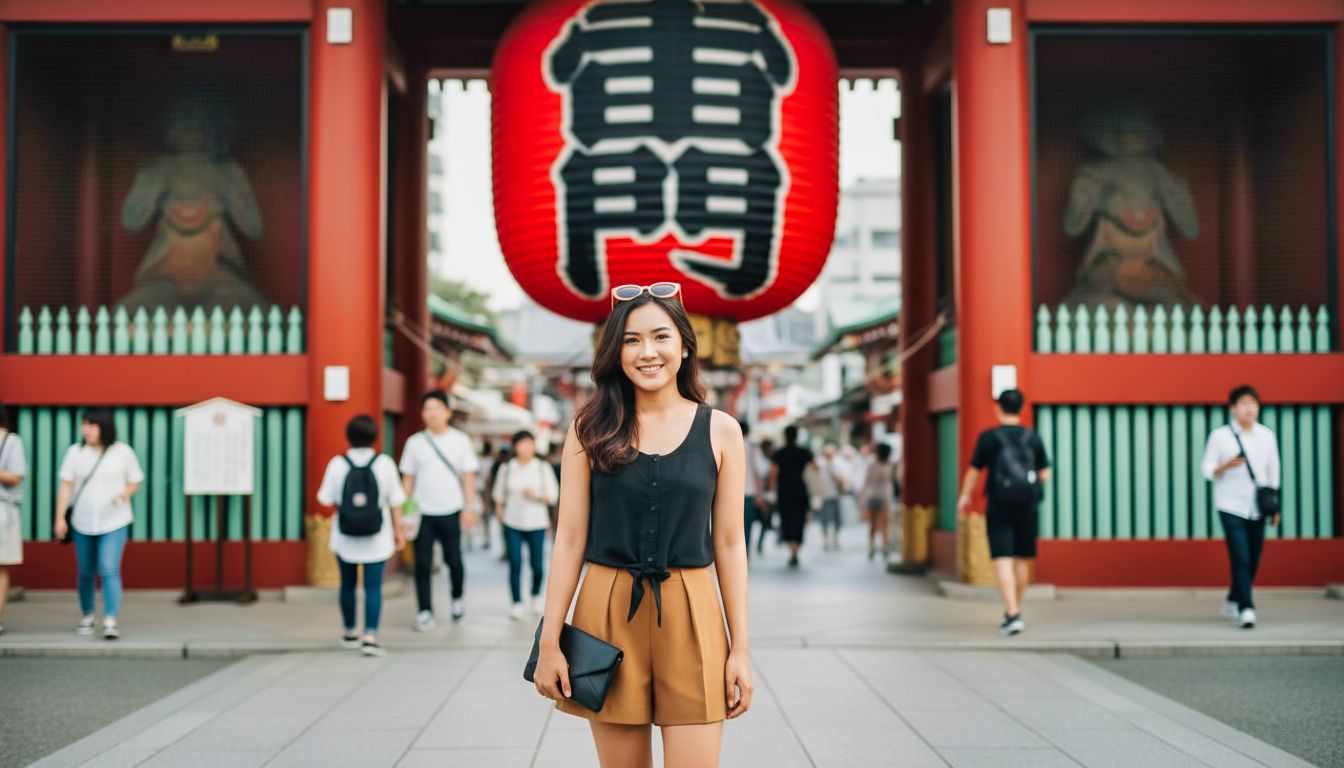
While modern Tokyo races forward at breakneck speed, Asakusa stands as the city’s time capsule—where ancient temple grounds meet surprisingly affordable hostels that won’t drain a backpacker’s budget.
Traditional craftsmanship shops line narrow streets, yet modern architecture keeps popping up everywhere.
Trust me, you’ll find clean dorm beds for under ¥3,000! The neighborhood blends old-world charm with backpacker essentials perfectly.
Shinjuku: Non-Stop Energy and Transport Hub
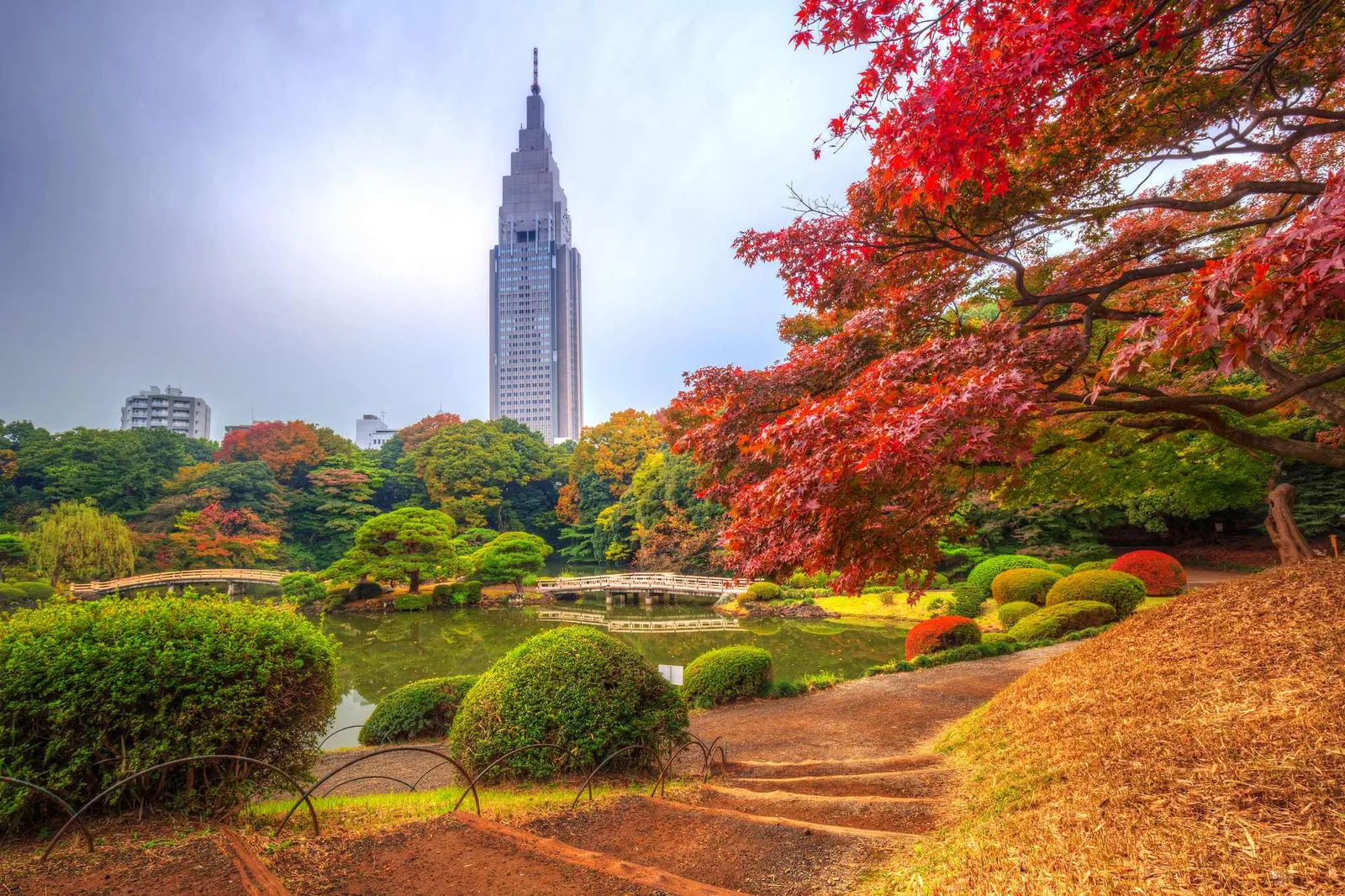
Where else can travelers stumble out of a capsule hotel at 3 AM to find ramen shops, karaoke bars, and twenty-four-hour convenience stores still buzzing with life? Shinjuku’s neon nightlife never sleeps, making it perfect for spontaneous adventurers.
The massive station connects virtually everywhere in Japan—seriously, you’ll use it constantly.
Budget hostels here put backpackers right in Tokyo’s electric heart without breaking the bank!
Harajuku
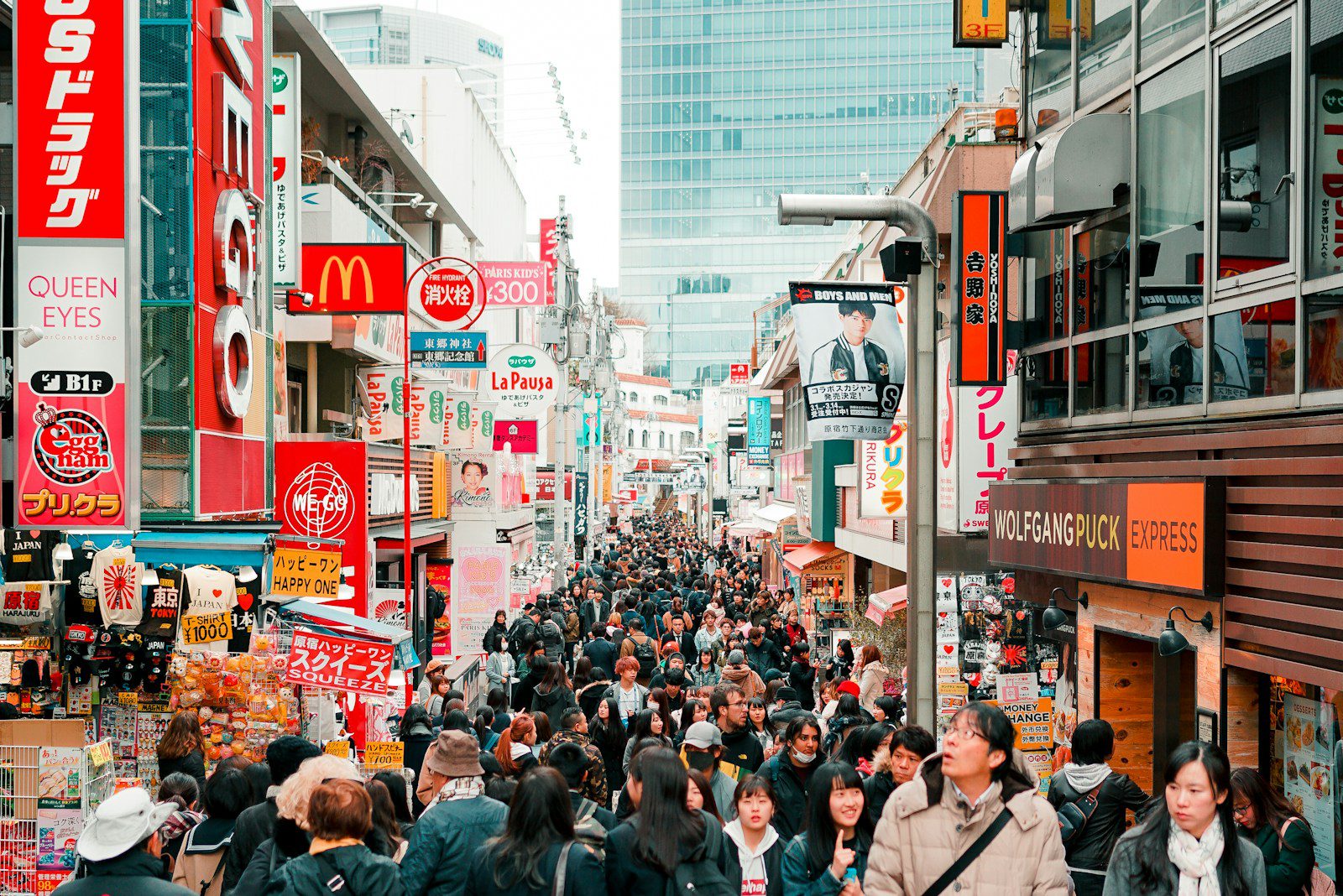
Shibuya and Harajuku sit 15 minutes apart on foot, giving backpackers access to two distinct atmospheres from a single base. Dorm beds in this area average ¥2,800–¥4,000 per night.
Shibuya Crossing, Takeshita Street, and Cat Street are all walkable. Hostels here tend to attract younger travelers and offer strong social programming including bar crawls and group ramen tours.
What Makes a Great Tokyo Hostel Experience
Not all Tokyo hostels are created equal, and knowing what separates the amazing from the merely adequate can save your entire trip! The best hostels strike that perfect balance between giving you privacy when you need to crash after exploring Shibuya all day and creating opportunities to meet other travelers who might become your ramen-hunting crew.
Beyond just a bed, you’ll want to look for places with practical amenities like kitchens (those 7-Eleven meals add up fast, trust me) and those essential social spaces where backpackers naturally gather to swap stories and travel tips.
Is It Cheap to Stay in a Hostel in Tokyo?
Yes. Tokyo hostels cost ¥2,000–¥4,500 per night for a dorm bed, making them among the most affordable in any major Asian city. Pod-style capsule hotels run ¥3,000–¥5,000 and include private sleeping pods with built-in lighting and power outlets.
Prices vary significantly by season. Weekday rates run ¥1,000–¥2,000 cheaper than weekends. Avoid booking during cherry blossom season (late March to early April) and Golden Week (late April to early May), when the same dorm bed can double in price.
January and February offer the lowest rates. Typhoon season in September also brings discounted availability, though weather is unpredictable.
Pod-Style Capsule Hotels vs. Traditional Dorms
Pod-style capsule hotels provide a private sleeping pod with a sliding or curtained door, built-in USB charging, reading light, and sometimes a small TV screen. Shared bathrooms and common areas are standard. Expect to pay ¥3,000–¥5,000 per night.
Traditional dorms offer bunk beds in shared rooms of 4–12 people. Privacy is limited, but the social atmosphere is stronger. Dorm beds typically cost ¥2,000–¥3,500 per night and include locker storage.
Choose pods for sleep quality and personal space. Choose dorms for meeting other travelers and keeping costs at the absolute minimum.
What Amenities Should You Look for in a Tokyo Hostel?
The most valuable hostel amenities for budget travelers in Tokyo are a shared kitchen, coin laundry, free Wi-Fi, and 24-hour reception.
These four features can save ¥1,500–¥3,000 per day compared to eating out and using laundromats.
Shared kitchens allow self-catering with supermarket ingredients.
Coin laundry machines typically cost ¥200–¥300 per wash cycle, with detergent available for ¥100. Look for hostels with social events — weekly ramen tours and bar crawls are common and often free or heavily subsidized for guests.
Booking Timing and Seasonal Pricing
Book Tokyo hostels at least 4–6 weeks in advance for cherry blossom season (late March to early April) and Golden Week (April 29 to May 5).
During these periods, dorm beds sell out weeks ahead and prices spike 50–100%.
For travel outside peak periods, booking 1–2 weeks ahead is usually sufficient. Weekday stays (Monday–Thursday) consistently cost ¥1,000–¥2,000 less than Friday and Saturday nights.
Always check cancellation policies — free cancellation options let you rebook if cheaper rates appear closer to your travel date.
Eating on a Budget in Tokyo
Tokyo’s food scene is one of the most backpacker-friendly in the world once you know where to look. Convenience stores, ramen shops, supermarkets, and festival stalls all deliver filling, high-quality meals for ¥200–¥1,000.
The city rewards travelers who eat like locals. Sitting down at a tourist-facing restaurant in Shibuya or Shinjuku costs two to three times more than the same quality meal at a neighborhood ramen shop or konbini.
Convenience Store Food (Konbini)
Japanese convenience stores — 7-Eleven, FamilyMart, and Lawson — sell restaurant-quality prepared food at backpacker prices. Onigiri rice balls cost ¥100–¥200, hot fried chicken runs ¥130–¥180 per piece, and fresh bento boxes average ¥400–¥600.
Seasonal items rotate regularly, and hot food counters are restocked throughout the day.
Tokyo convenience stores also sell fresh sandwiches, salads, instant ramen cups, and desserts. For a full meal under ¥500, konbini is the most reliable option in Tokyo.
Ramen Shops and Ticket Machine Ordering
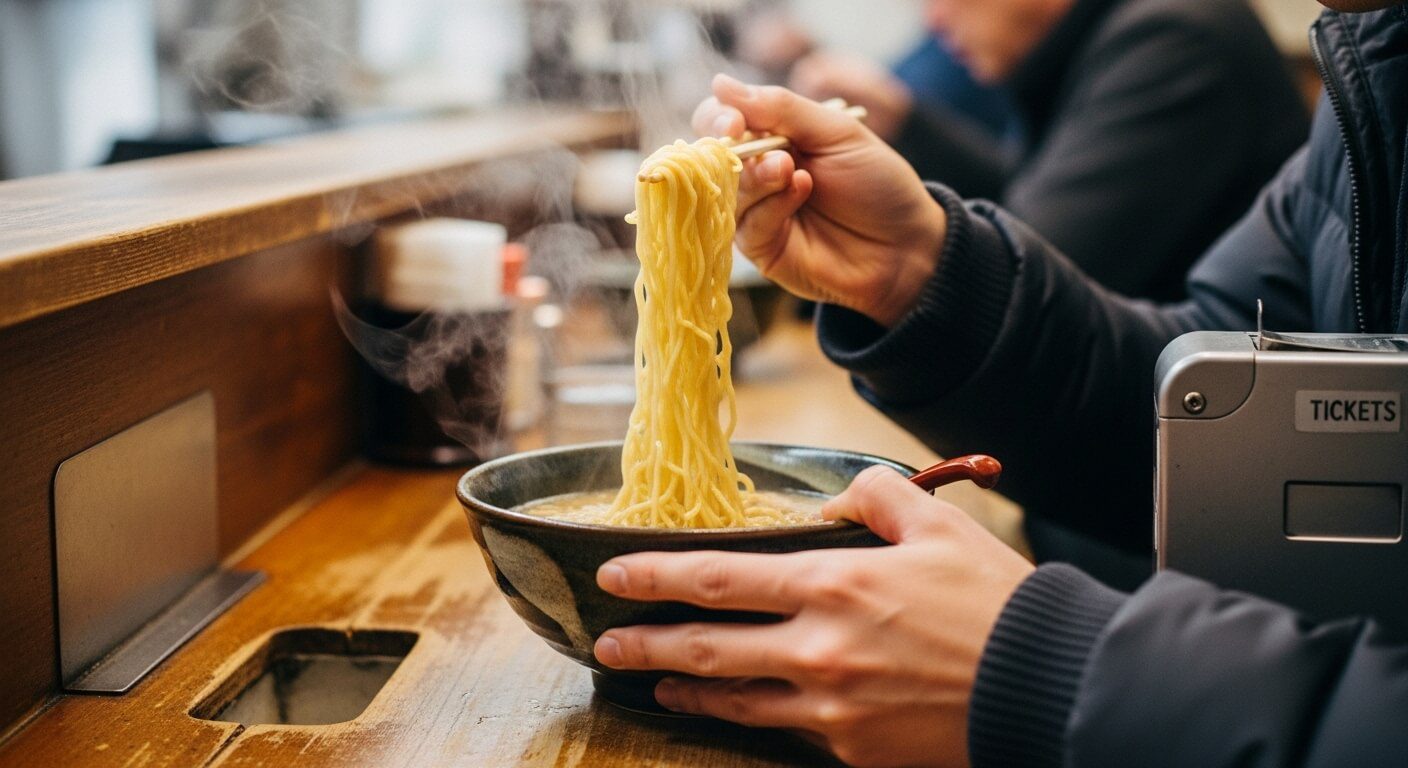
Ramen shops are the best value sit-down dining in Tokyo, with most bowls priced at ¥800–¥1,200. While you’re there, try Ichiran Shibuya as well.
The ordering process uses a ticket vending machine at the entrance — insert cash, select your ramen type, and hand the printed ticket to staff.
No Japanese language skills are required. Many machines have photo buttons or English labels.
Toppings like extra chashu pork (¥100–¥200) or a soft-boiled egg (¥100) are optional add-ons. For a deeper dive into ordering etiquette, see our guide to Tokyo ramen shop customs and ordering.
Sushi Train Restaurants
Kaiten-zushi (conveyor belt sushi) restaurants offer fresh fish at ¥100–¥300 per plate, with each plate holding two pieces.
Color-coded plates indicate price tiers. Diners grab plates directly from the belt or order via touchscreen tablet.
Chains like Sushiro, Kura Sushi, and Hamazushi operate across Tokyo with consistent quality and English-friendly ordering systems.
A satisfying meal of 6–8 plates costs ¥600–¥1,500 — a fraction of traditional sushi restaurant prices.
Family Restaurant Chains
Family restaurants (famiresu) offer picture menus, English-friendly ordering, and predictable pricing across the city. Key chains include
Gusto (breakfast sets from ¥500), Saizeriya (Italian dishes from ¥300), Jonathan’s (all-day menu), and Denny’s Japan (Japanese-Western fusion).
These chains are open late and often 24 hours, making them reliable options after evening activities.
Drink bars offering unlimited soft drinks, coffee, and tea are typically ¥200–¥300 extra.
Festival Stalls and Night Markets
Matsuri (festival) food stalls sell takoyaki (octopus balls) for ¥300–¥500, yakisoba for ¥400–¥600, and okonomiyaki for ¥500–¥700 — roughly half the price of equivalent dishes in tourist-facing restaurants.
Check event calendars at ward offices or ask hostel staff about upcoming local festivals.
Tsukiji Outer Market operates daily from around 5 AM and offers fresh seafood snacks, tamagoyaki (rolled egg), and grilled scallops for ¥200–¥600 per item.
Arriving before 8 AM means fresher stock and friendlier vendors. For the best food neighborhoods across the city, see our Tokyo foodie district guide.
How Much Can You Save Shopping at Supermarkets After 7 PM?
Shopping at Tokyo supermarkets after 7 PM can cut your food costs by 30–50%.
Staff apply yellow discount stickers to prepared foods, bento boxes, sushi trays, and items nearing their sell-by date during this window, with the deepest discounts appearing 30 minutes before closing.
A bento box that costs ¥580 at full price drops to ¥290–¥400 with a discount sticker.
Supermarkets in residential neighborhoods — Maruetsu, Ito-Yokado, and Precce — apply discounts more aggressively than those in tourist-heavy areas. Weekends and rainy evenings often see earlier markdowns due to lower foot traffic.
Backpackers staying in hostels with kitchen access can supplement discounted prepared foods with affordable staples: instant dashi stock (¥200–¥300), curry roux blocks (¥150–¥250), fresh tofu (¥80–¥150), and seasonal vegetables like daikon and kabocha squash.
Free Things to Do in Tokyo For Backpackers
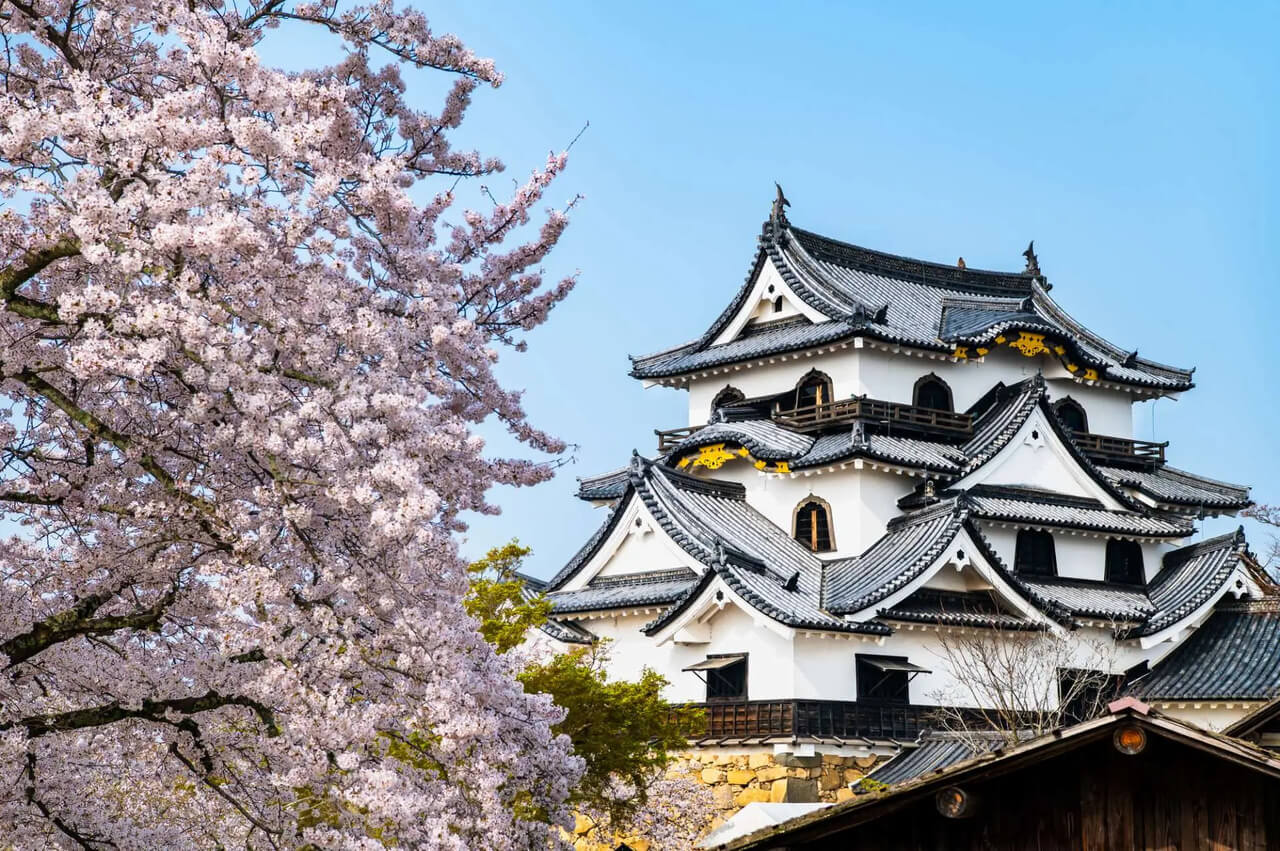
Tokyo offers dozens of genuinely free experiences, from ancient temple grounds and imperial gardens to vibrant street art districts and riverside cycling paths.
Many of the city’s most memorable moments cost nothing at all. For a comprehensive list, see our guide to free activities across Tokyo.
19 Best Free Things to Do in Tokyo
Astonishing free attractions await in Tokyo, from ancient temples to futuristic ... Read More
Book Tokyo Attractions Now
Skip ticket lines and secure your spot at Tokyo's top attractions. From Tokyo Skytree to teamLab, reserve tours and activities in advance.
 Viator
 GetYourGuide
 Klook
Klook WeGoTrip
Senso-ji Temple and the Asakusa District
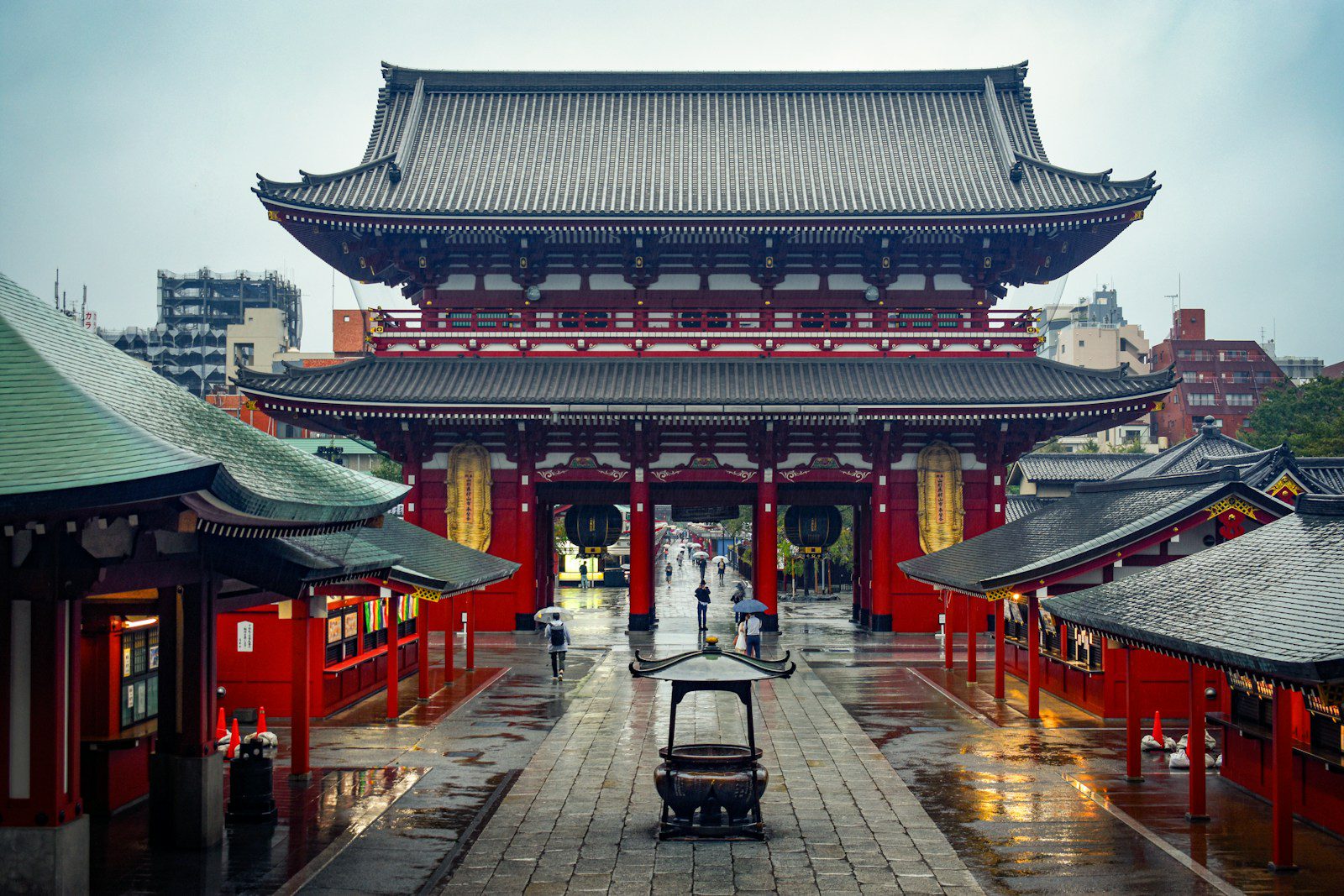
Senso-ji Temple is Tokyo’s oldest temple, founded in 628 AD, and admission to the grounds is completely free.
The iconic Kaminarimon (Thunder Gate) and the 250-meter Nakamise Shopping Street leading to the main hall are accessible at all hours.
Arrive before 8 AM to experience the temple without crowds.
The surrounding Asakusa district rewards slow exploration — narrow side streets hide craft workshops, traditional sweet shops, and independent cafes. The entire area is walkable from Asakusa Station on the Tokyo Metro Ginza Line.
Meiji Shrine and Yoyogi Park
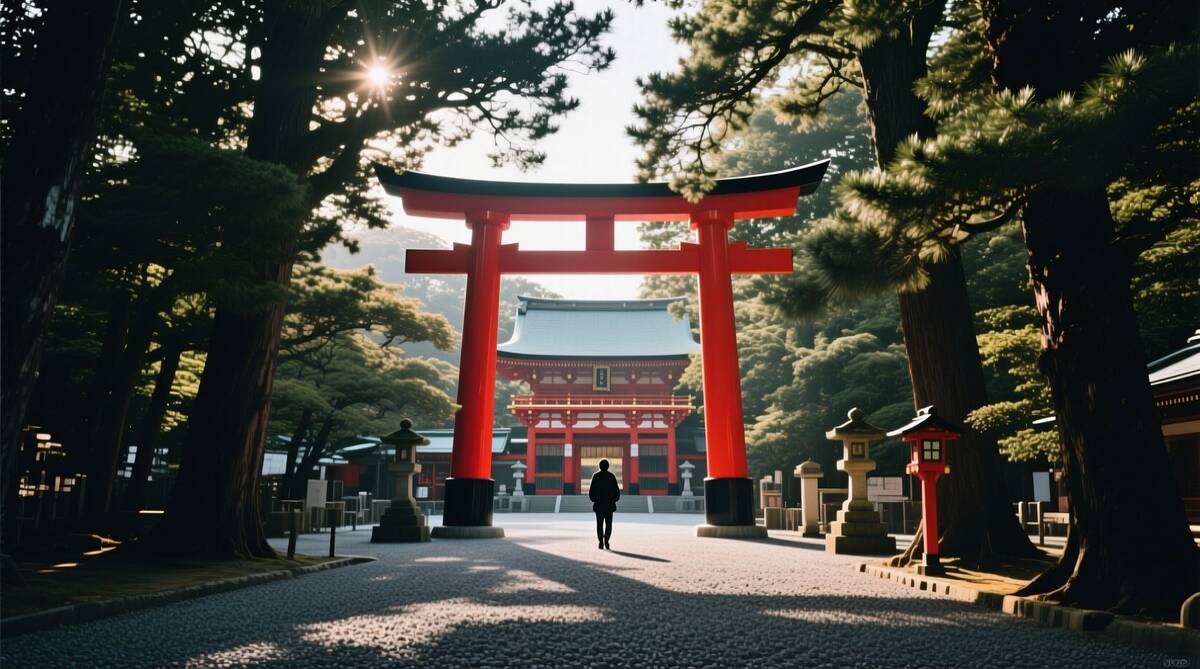
Meiji Shrine, completed in 1920 and dedicated to Emperor Meiji and Empress Shoken, sits inside a 70-hectare forested area in central Tokyo.
Entry to the shrine grounds is free and open daily from sunrise to sunset.
The adjacent Yoyogi Park (open 24 hours, free) is one of Tokyo’s largest green spaces.
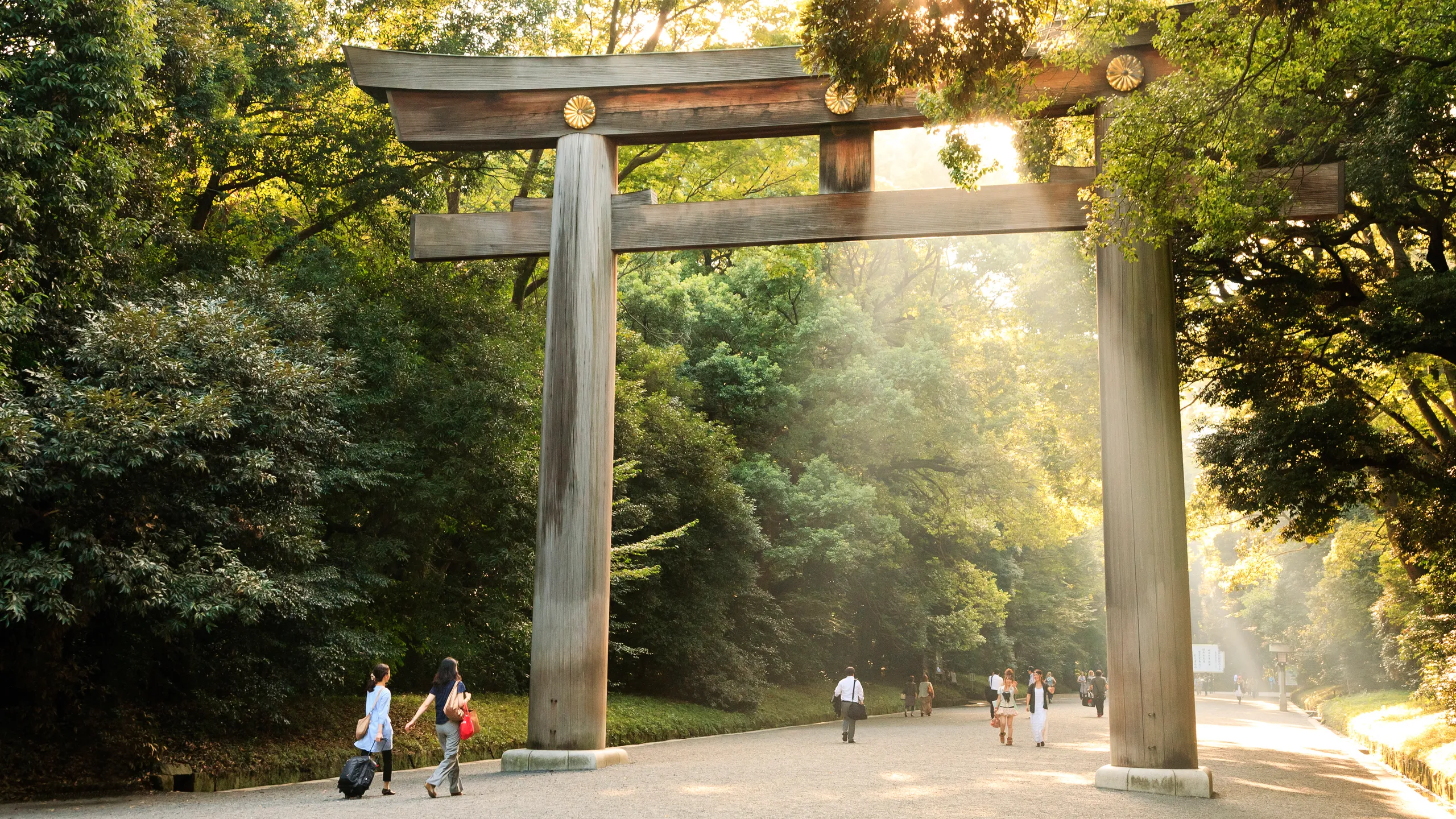
On weekends, street performers, musicians, and cosplay groups gather near the park’s main entrance. The Meiji Shrine–Yoyogi Park combination pairs naturally with a walk through Harajuku’s Takeshita Street, all within 15 minutes on foot.
Imperial Palace East Gardens
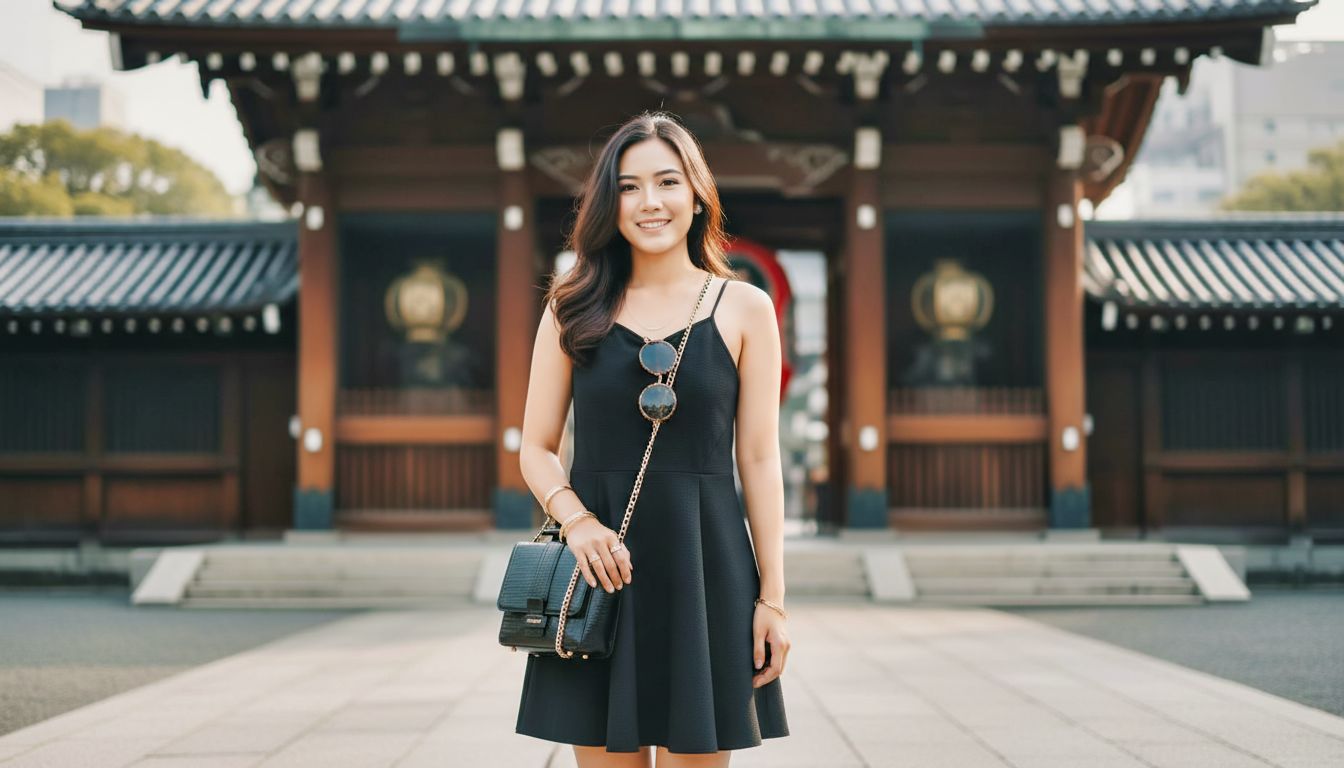
The Imperial Palace East Gardens occupy the former site of Edo Castle’s innermost compound and are free to enter Tuesday through Thursday and Saturday through Sunday (closed Monday, Friday, and during imperial events). Opening hours are 9 AM to 4:30 PM (5 PM in summer).
Highlights include the original stone walls of Edo Castle, manicured Japanese garden sections, and seasonal flower displays.
The gardens connect directly to the 5-kilometer Imperial Palace jogging loop, which is also free and popular with locals year-round.
Ueno Park
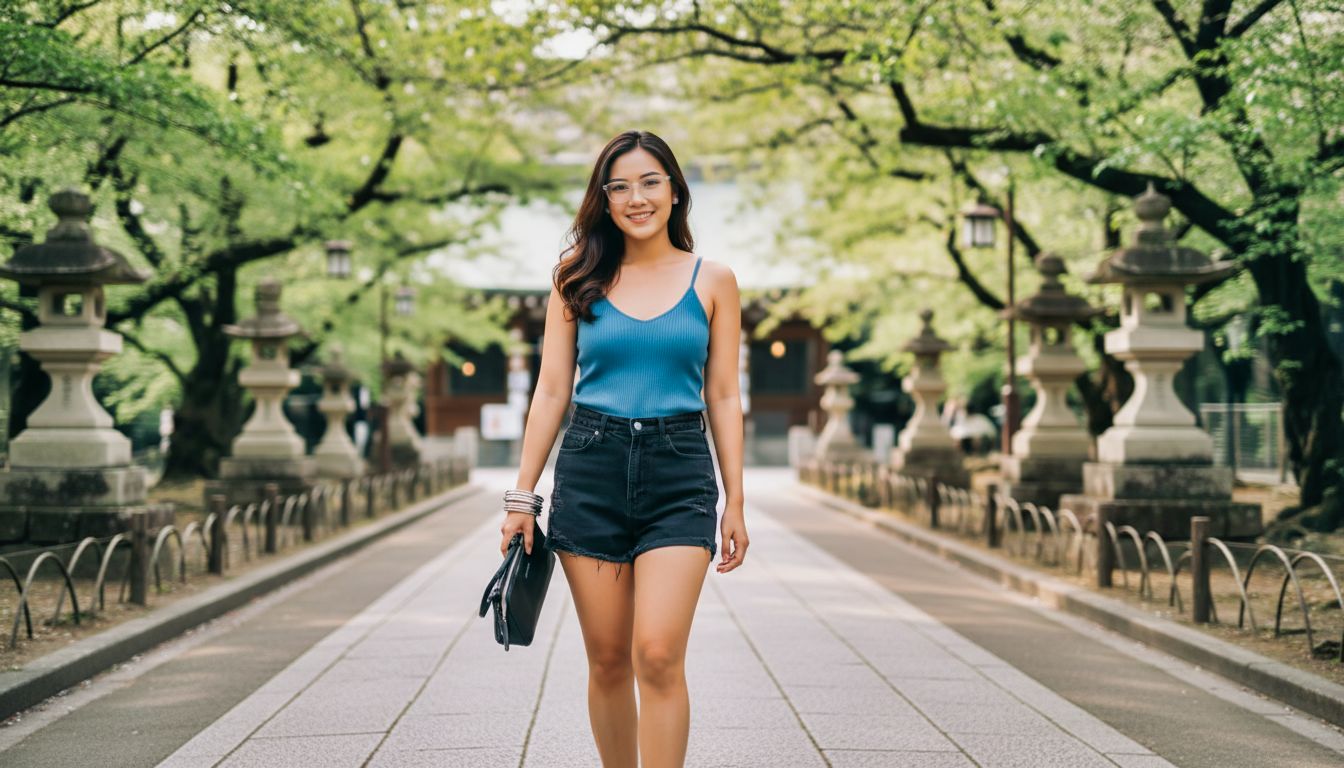
Ueno Park is a 53-hectare public park in Taito City, free to enter at all times.
It contains the Tokyo National Museum, Tokyo Metropolitan Art Museum, National Museum of Nature and Science, and Ueno Zoo — all within walking distance of each other.
Museum admission fees vary (Tokyo National Museum costs ¥1,000 for adults), but the park grounds, Shinobazu Pond, and outdoor sculpture areas are always free.
Cherry blossom season transforms Ueno into one of Tokyo’s most famous hanami (flower viewing) spots, with thousands of picnickers gathering under the trees each spring.
Is Shinjuku Gyoen Worth the Admission Fee?
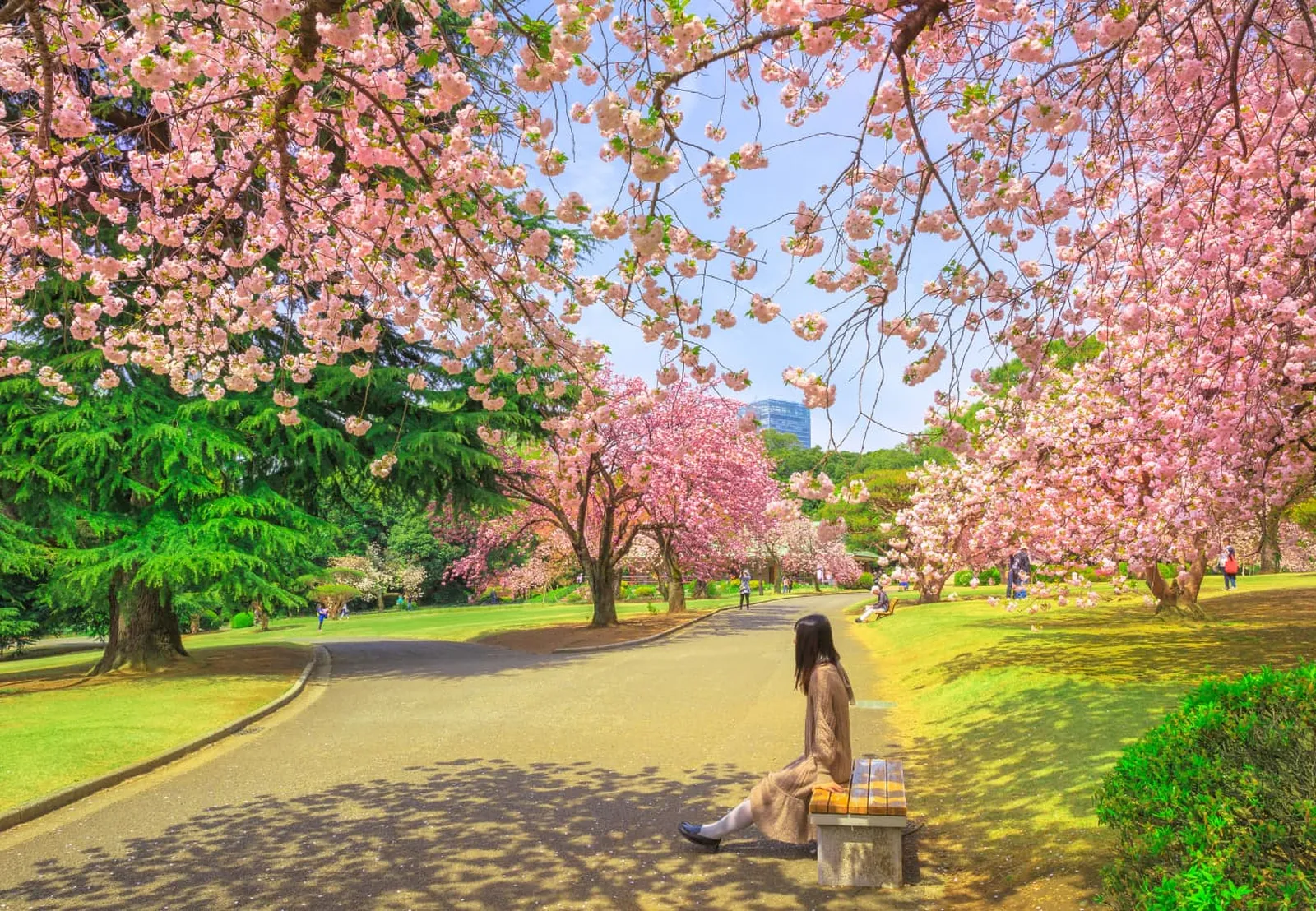
Yes. Shinjuku Gyoen charges ¥500 for adults (¥250 for students) and delivers 144 acres of Japanese, French formal, and English landscape gardens in a single visit.
The park is one of the best cherry blossom viewing spots in Tokyo during late March and early April.
Autumn foliage peaks in November, and the tropical greenhouse is included with admission.
The park is open Tuesday through Sunday, 9 AM to 4:30 PM (last entry 4 PM). Alcohol is prohibited, making it calmer than Ueno Park during hanami season.
At ¥500, it represents exceptional value compared to most paid Tokyo attractions.
Harajuku Street Art and Fashion Districts
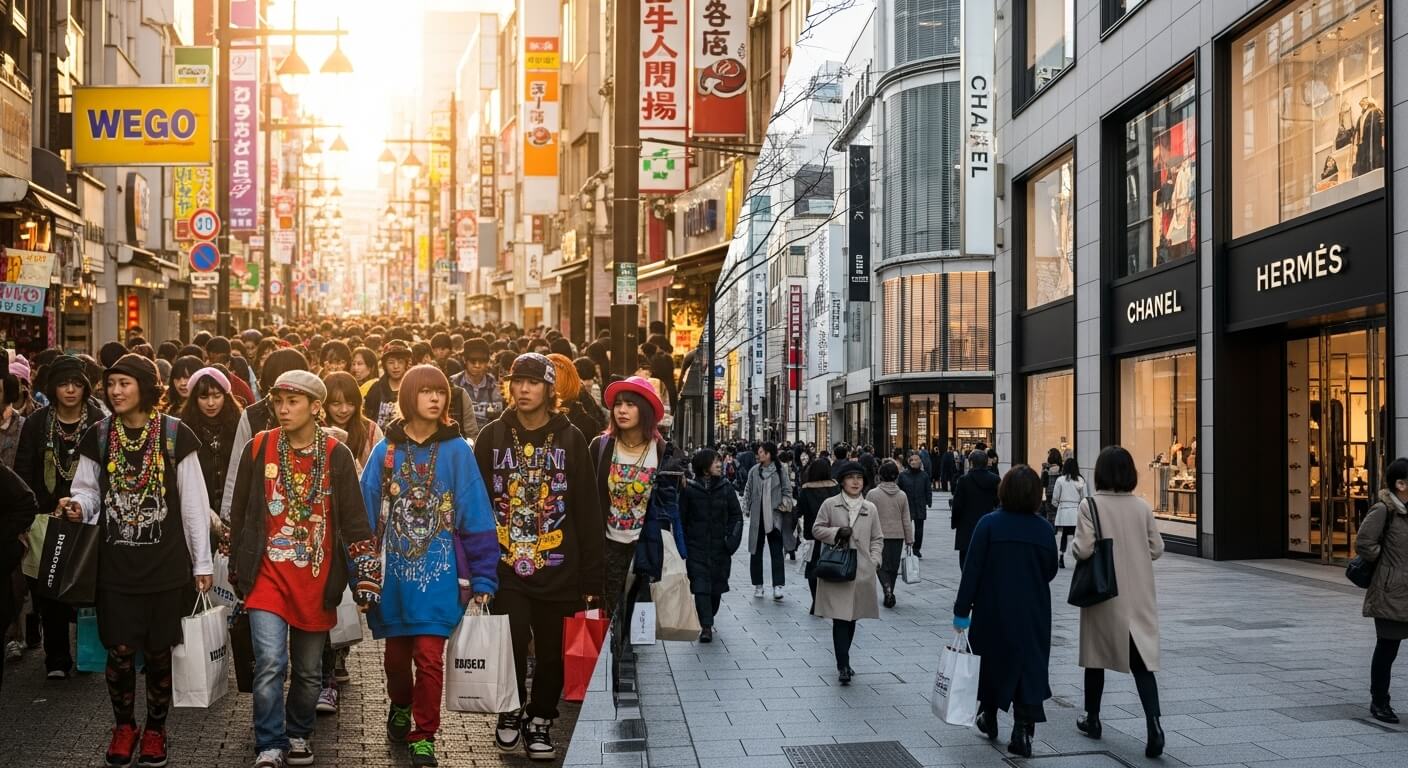
Harajuku’s Takeshita Street, Cat Street, and the Ura-Harajuku backstreets are free to explore and offer some of Tokyo’s most visually striking street art, independent fashion boutiques, and youth culture.
No admission fee applies anywhere in the district.
Cat Street runs parallel to Omotesando and features murals, vintage clothing shops, and independent cafes. Ura-Harajuku (the backstreets west of Meiji-dori) is quieter and more local in character.
For photography tips at Tokyo’s most iconic visual locations, see our Tokyo photo spots guide.
Golden Gai Evening Stroll
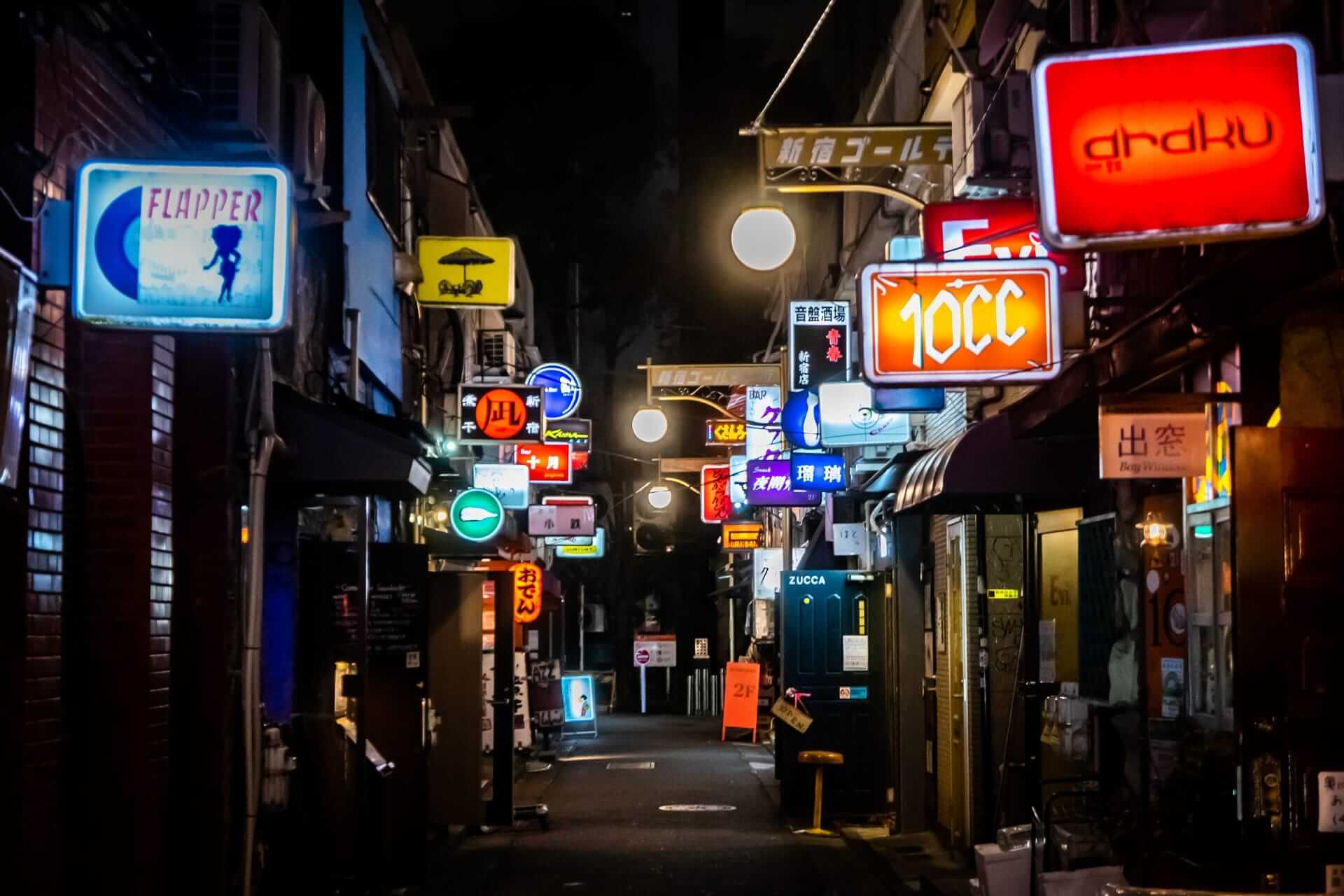
Golden Gai in Shinjuku is a network of six narrow alleyways containing approximately 200 tiny bars, each seating 5–8 people.
Walking through the alleyways is completely free and takes about 20 minutes at a leisurely pace.
The area is most atmospheric after 8 PM when lanterns are lit and bar owners stand outside.
Entering a bar typically requires a cover charge of ¥500–¥1,000 on top of drink prices, but simply walking through and photographing the corridors costs nothing.
Golden Gai is a 10-minute walk from Shinjuku Station’s east exit.
Self-Guided Walking Tours
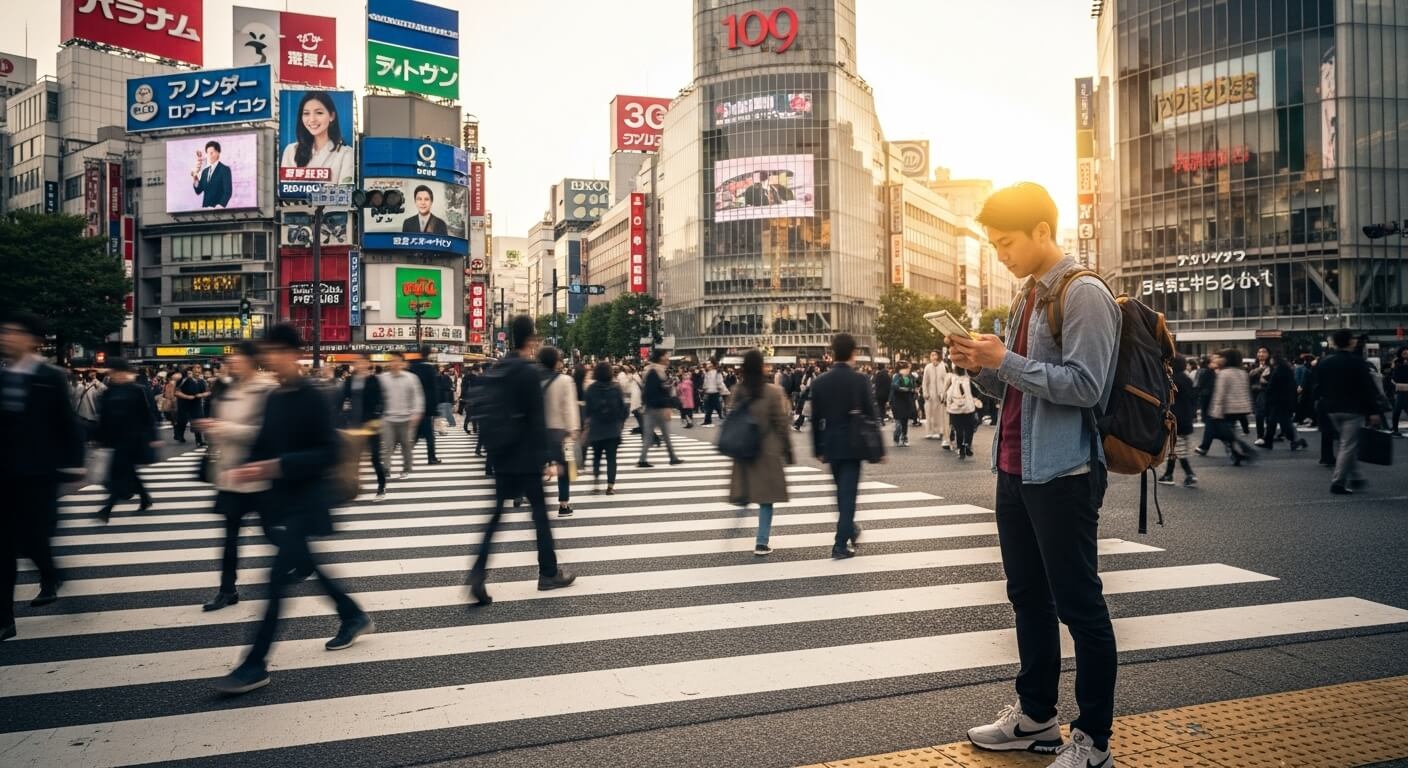
Several Tokyo neighborhoods reward self-guided exploration on foot, with no guide fees or booking required.
Our free walking tour routes cover the best self-guided itineraries across the city.
Standout routes include the Meguro River path (3.8 km, spectacular during cherry blossom season), the Yanaka Ginza retro shopping street (old Tokyo atmosphere, free to browse), and the Shimokitazawa arts district (independent theaters, vintage shops, live music venues).
Download offline maps before leaving your hostel to navigate without mobile data.
For more information, read our free things to do in Tokyo guide.
Getting Around Tokyo on a Budget as a Backpacker
Tokyo’s public transport network is extensive, reliable, and affordable when used strategically.
A single subway ride costs ¥170–¥320 depending on distance. The key to keeping transport costs low is combining day passes, strategic walking, and off-peak travel.
Which Train Pass Actually Saves Money in Tokyo?
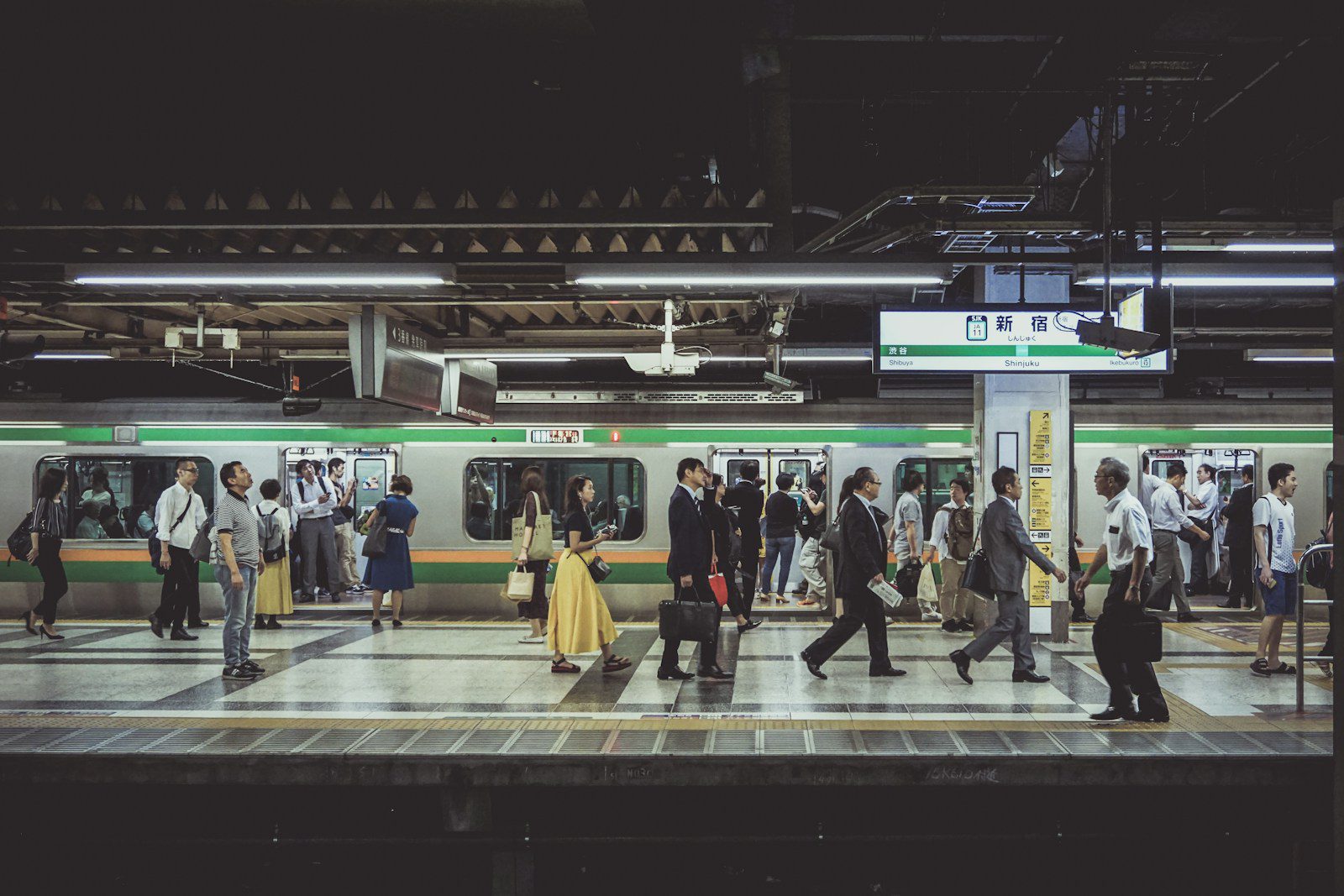
The Tokyo Metro 24-Hour Ticket (¥600) saves money if you take three or more Metro rides in a day. The Toei One-Day Pass (¥700) covers Toei subway lines and buses.
The Common One-Day Ticket (¥900) covers both Tokyo Metro and Toei networks and pays for itself after four rides.
For visitors staying 3–7 days and focusing on central Tokyo, the Tokyo Subway 72-Hour Pass (¥1,500) offers the best value.
It covers unlimited rides on all Tokyo Metro and Toei lines. The JR Pass is rarely cost-effective for travel within Tokyo alone — it makes more sense for travelers covering multiple cities.
Compare options in detail with our JR Pass vs. Tokyo Metro Pass guide.
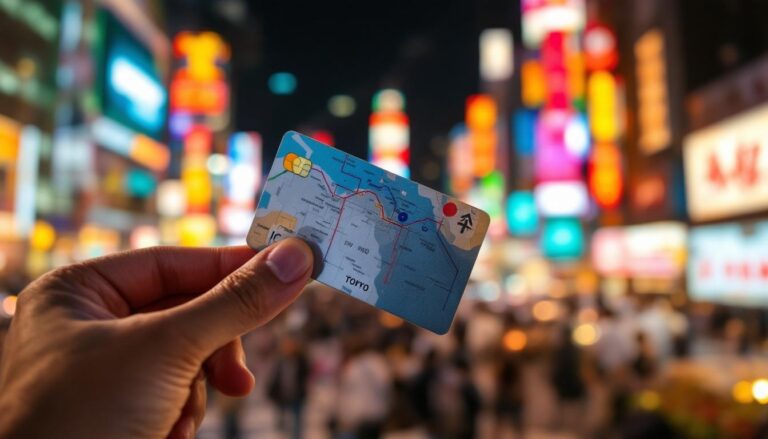
Load a Suica IC card for any rides not covered by a day pass. Suica works on all trains, buses, and even at convenience stores.
Top-up at any station machine in ¥1,000 increments.
Get Greater Tokyo Pass
Enjoy unlimited travel on trains, trams, and Toei buses at no extra cost, making sightseeing in the Kanto area both affordable and convenient with considerable savings.
Walking Routes Between Major Stations
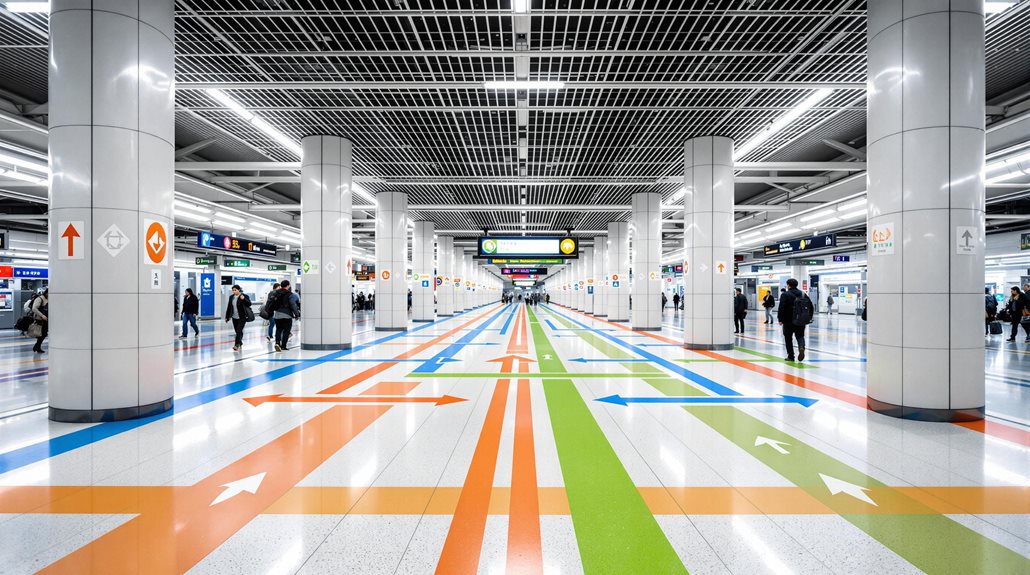
Several major Tokyo station pairs are close enough to walk, saving ¥170–¥210 per trip.
Harajuku to Shibuya takes 15 minutes on foot and passes Cat Street and Omotesando. Shibuya to Ebisu takes 12 minutes along a quiet residential route.
Ginza to Tokyo Station is a 15-minute walk through the Marunouchi business district, passing department store food halls and public art installations.
Akihabara to Ueno takes 20 minutes along Showa-dori. These routes reveal street-level Tokyo that is completely invisible from underground platforms.
Rush Hour Timing and How to Avoid It
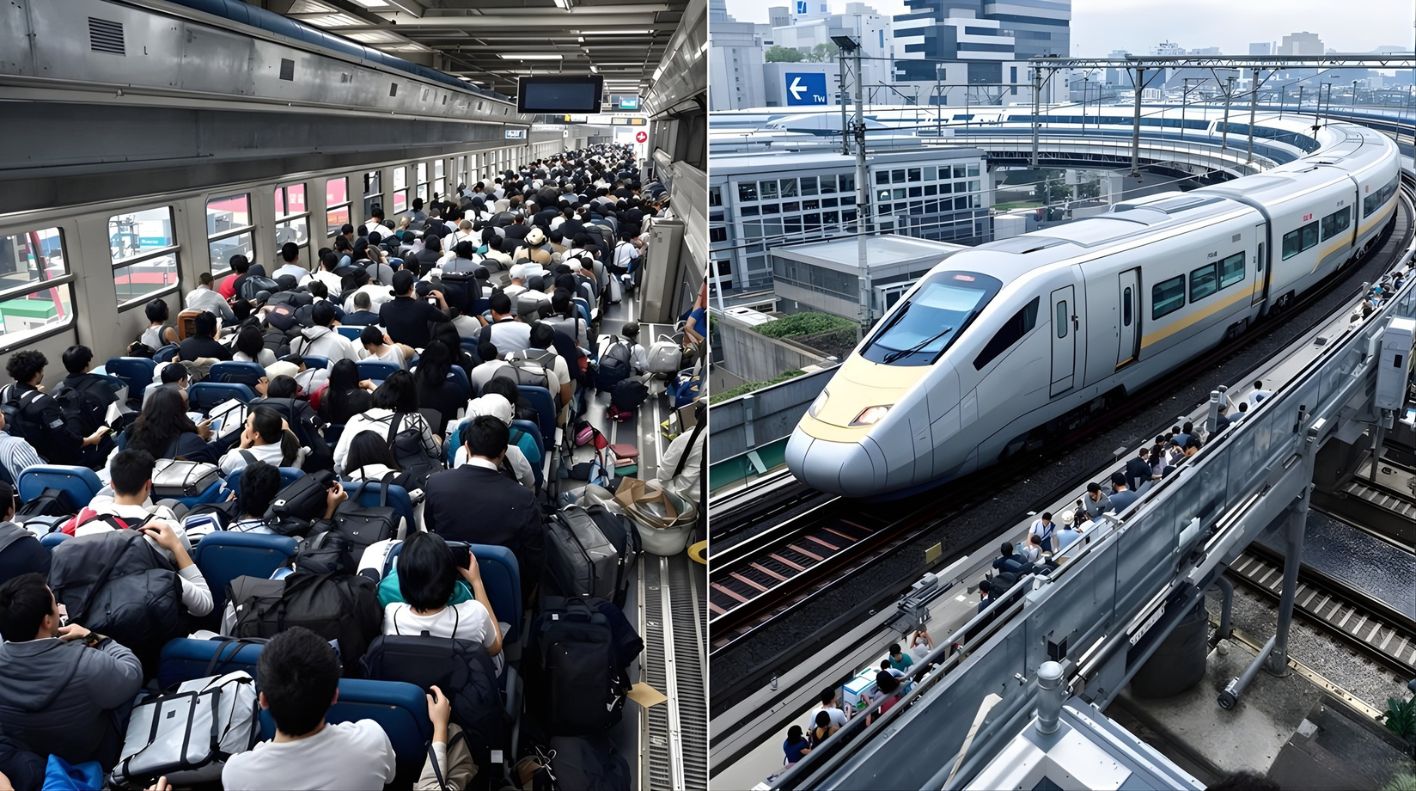
Tokyo’s rush hour runs 7:30–9:30 AM and 5:30–8:00 PM on weekdays.
Trains during these windows are extremely crowded, and while fares do not increase, the experience is uncomfortable and disorienting for first-time visitors.
Backpackers have a structural advantage: flexible schedules. Shifting sightseeing starts to 10 AM avoids morning crush entirely. Mid-morning (10 AM–noon) and early afternoon (1–4 PM) offer the most comfortable riding conditions. Late-night trains after 10 PM are quiet and easy to navigate.
For travel after midnight, see our late-night Tokyo transport guide.
Bicycle Rentals and Cycling Routes
Docomo Bike Share and Hello Cycling operate docked bike-sharing stations across central Tokyo, charging ¥165–¥200 for 30 minutes or ¥1,650 for a full day.
Both apps require registration with a credit card or IC card.
The best cycling routes for budget travelers include the Imperial Palace 5-kilometer loop (flat, no traffic), the Sumida River path from Asakusa to Tsukiji (4 km, scenic), and the Tamagawa cycling road (longer suburban escape).
Cycling between neighborhoods eliminates train fares entirely and covers ground faster than walking.
Free Shuttle Buses in Tourist Areas
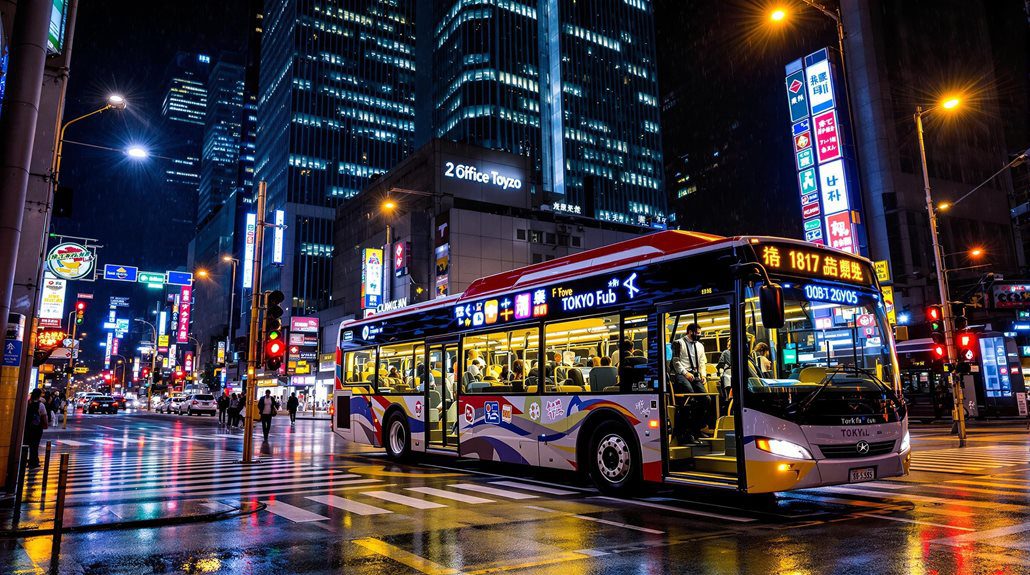
Several Tokyo shopping and entertainment districts operate free shuttle buses that most visitors never discover. Odaiba runs a free internal loop bus connecting Palette Town, DiverCity, and Aqua City.
Roppongi Hills operates a complimentary shuttle from Roppongi Station.
These services run during business hours (typically 10 AM–9 PM) and are clearly marked at stops.
They are particularly useful for covering the longer distances within Odaiba, where walking between attractions takes 20–30 minutes.
Money-Saving Tips for Tokyo Backpackers
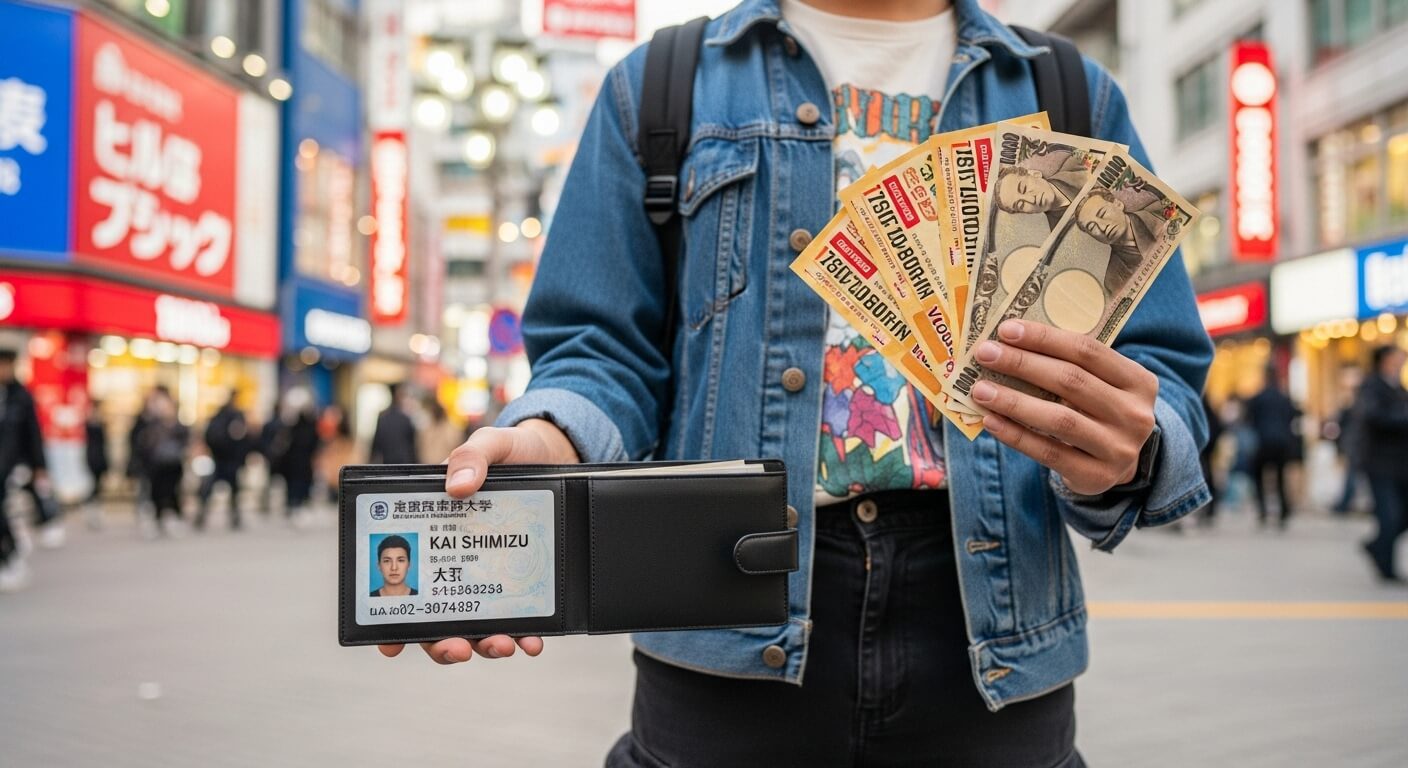
The most effective budget strategies in Tokyo combine the right apps, cultural awareness, and timing. Small adjustments to daily habits — when you shop, how you pay, and which tools you use — compound into significant savings over a week-long trip.
Also Read: How to Save Money on Tokyo Attractions With Discount Passes
Apps That Cut Daily Spending in Tokyo
Several apps deliver measurable savings for Tokyo backpackers. Google Translate’s camera feature instantly translates Japanese menus and signs — preventing accidental orders of premium dishes priced at ¥3,000+ when the ¥800 lunch set is right below.
Download the app’s Japanese language pack for offline use before arriving.
Klook and KKday sell attraction tickets at 20–40% below gate prices for popular spots including teamLab venues, Tokyo Skytree, and day trips.
The Tokyo Subway Pass (purchasable via Klook) costs ¥1,500 for 72 hours of unlimited Metro and Toei rides. The Grutto Pass (¥2,500) grants entry to 100+ museums and cultural facilities across the city.
For navigating menus and signs beyond restaurants, our Tokyo translation apps guide covers the most reliable tools for non-Japanese speakers.
Weather Apps That Prevent Costly Mistakes
Tokyo’s weather shifts quickly, and an unexpected rainstorm can add ¥500–¥3,000 to your daily budget through emergency umbrella purchases, unplanned cafe stops, or taxi rides.
Checking forecasts each morning takes 30 seconds and prevents these avoidable costs.
Tenki.jp provides hyperlocal hourly forecasts and is the most accurate app for Tokyo weather. Yahoo! Weather Japan sends push notifications for sudden rain.
Japan Weather Association offers real-time radar.
On days with rain forecast, plan indoor activities first and keep outdoor sightseeing for clear afternoon windows.
Do You Need to Tip in Tokyo?
No. Tipping is not practiced in Japan and is generally considered unnecessary or even awkward. Service charges are never expected at restaurants, hotels, taxis, or any other service business.
Exceptional service is standard and built into pricing.
If a server returns change, accept it normally. Attempting to leave a tip may cause confusion. Saying “arigatou gozaimasu” (thank you very much) is the appropriate way to express appreciation.
This no-tipping culture makes budgeting in Tokyo straightforward — the price on the menu is exactly what you pay, plus 10% consumption tax.
Public Bathhouses (Sento)
Public bathhouses, called sento, charge ¥450–¥550 per visit in Tokyo — one of the city’s best-value experiences.
Most sento are open from late afternoon until midnight and provide hot communal baths, sometimes with rotenburo (outdoor baths) and sauna facilities.
Etiquette rules are consistent: wash thoroughly at the individual shower stations before entering communal pools, keep towels out of the water, and observe gender-separated bathing areas.
Small towels (¥50–¥100) and soap (¥50–¥100) are available to purchase if you forget your own.
For full etiquette guidance, see our Tokyo onsen and bathhouse rules guide.
Student Discounts and Discount Cards
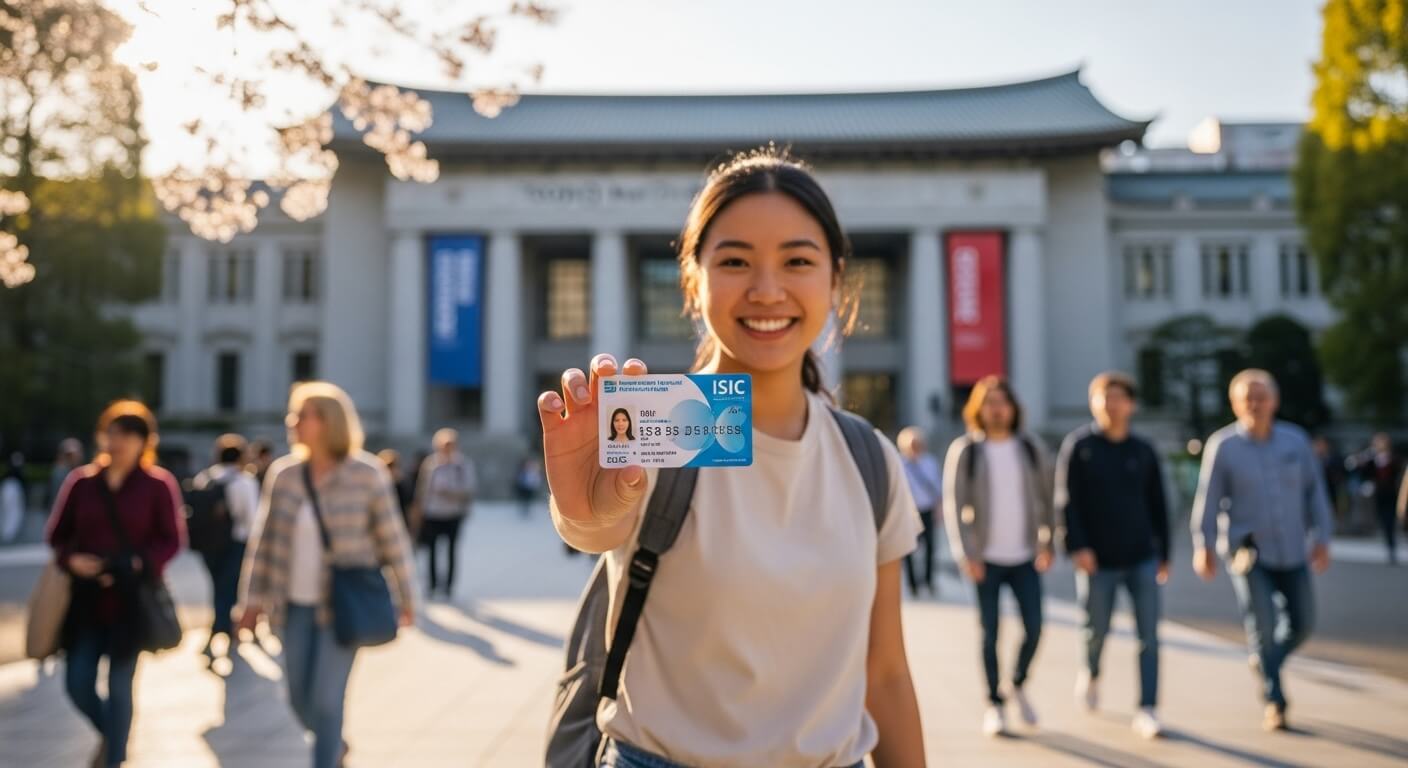
A valid student ID unlocks discounts at many Tokyo museums, temples, and attractions.
The Tokyo National Museum reduces adult admission from ¥1,000 to ¥500 for students. Many private museums and galleries offer 20–30% student reductions.
Always carry your student ID and ask at ticket counters — discounts are not always advertised in English.
For a full breakdown of available reductions, see our Tokyo student discounts guide.
Sample Daily Budget for Tokyo Backpackers
A realistic daily budget for a Tokyo backpacker ranges from ¥4,500 to ¥8,000, depending on accommodation type and activity choices.
The breakdown below assumes a hostel dorm bed and a mix of free and low-cost activities.
| Category | Budget Option | Mid-Range Option |
|---|---|---|
| Accommodation | ¥2,500 (dorm bed) | ¥4,000 (capsule hotel) |
| Breakfast | ¥200 (konbini onigiri) | ¥500 (cafe set) |
| Lunch | ¥800 (ramen shop) | ¥1,200 (famiresu) |
| Dinner | ¥600 (supermarket bento) | ¥1,500 (izakaya) |
| Transport | ¥600 (day pass) | ¥900 (combo pass) |
| Activities | ¥0 (free temples/parks) | ¥1,000 (one paid attraction) |
| Total | ¥4,700 | ¥9,100 |
Cutting accommodation to ¥2,000 (cheapest dorms in Asakusa) and eating exclusively from convenience stores and supermarkets can push the daily minimum below ¥4,000.
Building Connections in Tokyo
Meeting other travelers and locals is one of the most rewarding parts of backpacking Tokyo. The city has a well-established infrastructure for social connection, from hostel common rooms to organized language exchange events.
Hostel Common Rooms and Social Events
Hostel common rooms are the fastest way to meet fellow travelers in Tokyo. Share your daily plans during breakfast, join impromptu game nights, or coordinate group trips to save on transport costs. Many hostels organize weekly events — ramen tours, bar crawls, and temple walks — that are free or heavily subsidized for guests.
Exchange social media handles before checkout. Connections made in hostel common rooms frequently lead to shared day trips, restaurant discoveries, and ongoing travel friendships.
Language Exchange Meetups
Tokyo hosts regular language exchange meetups at cafes and bars across the city, most of which are free to attend beyond the cost of a drink. Weekly gatherings in Shinjuku, Shibuya, and Shimokitazawa attract both Japanese locals wanting to practice English and international travelers learning Japanese.
Search for events on Meetup.com or ask hostel staff for current recommendations. These events offer genuine cultural exchange and often lead to local recommendations that no guidebook covers.
Social Media Communities for Real-Time Tips
Online communities deliver current, practical information that printed guides cannot match.
The Tokyo Backpackers Facebook Group posts daily updates on events, hostel deals, and transport disruptions.
Reddit’s r/JapanTravel provides fast, honest answers to specific questions. Instagram’s #TokyoBackpacker tag surfaces recent photos and meetup announcements.
Join at least one community before arriving. Real-time tips on which ramen shop just opened, which train line is delayed, or where the weekend flea market is happening can meaningfully improve your daily experience.
Frequently Asked Questions (FAQs)
How much money do I need per day in Tokyo as a backpacker?
A realistic daily budget is ¥4,500–¥6,000, covering a dorm bed (¥2,500), three meals from convenience stores and ramen shops (¥1,200–¥1,800), and a day transport pass (¥600). Sticking to free attractions keeps activity costs at zero.
Is Tokyo safe for solo backpackers?
Tokyo is consistently ranked among the world’s safest cities for solo travelers. Violent crime rates are extremely low, the train system is reliable and well-signed in English, and lost property is almost always returned.
Solo female travelers also report high levels of safety throughout the city.
What is the best time of year to visit Tokyo on a budget?
January and February offer the lowest accommodation prices and thinner crowds. Late May to mid-June (outside Golden Week) and October are also good value periods with pleasant weather.
Avoid late March to early May (cherry blossom season and Golden Week) and late December, when prices peak.
Do Tokyo hostels have age limits?
Most Tokyo hostels accept guests of all ages, though some party-focused properties set a minimum age of 18. A small number of capsule hotels are male-only or female-only.
Check individual hostel policies on booking platforms before reserving — age restrictions and gender policies are listed in the property details.
Can I use a credit card everywhere in Tokyo?
Credit card acceptance has expanded significantly, but cash remains essential in Tokyo.
Many ramen shops, small restaurants, neighborhood shrines, and local markets are cash-only.
Carry at least ¥3,000–¥5,000 in cash at all times. 7-Eleven ATMs accept international cards 24 hours a day and are the most reliable cash withdrawal option for foreign visitors.
How do I get from Tokyo's airports to budget hostels cheaply?
From Narita Airport, the Airport Limousine Bus costs ¥3,200 to central Tokyo and drops passengers near major hotels.
The Narita Express (N’EX) costs ¥3,070 to Shinjuku.
The cheapest option is the Keisei Skyliner to Ueno (¥2,570) or the Keisei Limited Express (¥1,290, slower).
From Haneda Airport, the Tokyo Monorail to Hamamatsucho costs ¥500 and connects to the JR Yamanote Line.
What should I pack to save money in Tokyo?
Pack a reusable water bottle — Tokyo tap water is safe to drink and free, eliminating the need to buy bottled water.
Bring a universal power adapter, a small padlock for hostel lockers, and a lightweight rain jacket to avoid emergency umbrella purchases.
A portable battery pack prevents the need for paid charging stations. Download offline maps and translation apps before departure to avoid roaming data costs.