
Meiji Jingu
The Shinto shrine, known for its beautiful garden, is located in a forest and features a seasonal iris garden.
4.6 (42127 reviews)
Overview
Book Experience
Attraction Types
Operating Hours
Location
Things to Know
 Book Experience Now!
Check current price and availability.
 Viator
 Booking.com
 Trip.com
 GetYourGuide
 Klook
Klook
Overview
Meiji Jingu is a peaceful Shinto shrine located in the center of Tokyo. It is surrounded by a large forest with over 100,000 trees, providing a calm contrast to the busy city nearby. The shrine is dedicated to Emperor Meiji and Empress Shoken.
Visitors can observe traditional rituals and admire the simple, elegant architecture. The shrine also features a beautiful iris garden that blooms during certain seasons, and walking paths through the forest that offer a quiet retreat.
Meiji Jingu provides a serene experience, whether one comes to pay respects, learn about history, or simply enjoy the atmosphere, amidst the lively city of Tokyo.
Meiji Jingu: Tokyo’s Forest Sanctuary of Spiritual Heritage – In the heart of Tokyo, where urban energy pulses through crowded streets, Meiji Jingu stands as a remarkable contrast—a forested haven of tranquility earning a stellar 4.6-star rating from over 42,000 visitors.
This venerable Shinto shrine, surrounded by a lush forest, offers not just a glimpse of traditional Japan but a genuine respite from the metropolitan bustle that defines the city.
Meiji Jingu Shrine: A Forest Born from Devotion
Meiji Jingu isn’t just any green space in Tokyo—it’s a deliberately created forest sanctuary that tells a profound story of national dedication.
Established in 1920 to commemorate the virtue of Emperor Meiji and Empress Shoken who led Japan’s modernization, the shrine’s grounds encompass an impressive 70 hectares of carefully cultivated woodland.
What makes this forest truly special is its origin story.
The densely wooded area contains over 100,000 trees of various species, many donated from regions across Japan.
Also read:
This collective contribution symbolizes the unity of the nation in honoring their beloved emperor and empress, creating a living memorial that continues to grow and evolve over a century later.
The Journey Through Sacred Grounds of Meiji Jingu
Your experience at Meiji Jingu follows a thoughtfully designed path that gradually transitions you from Tokyo’s modern chaos to a space of spiritual calm.
The journey itself becomes a form of meditation, each step taking you deeper into a forest that seems impossible to find in one of the world’s largest cities.
Majestic Torii Gates
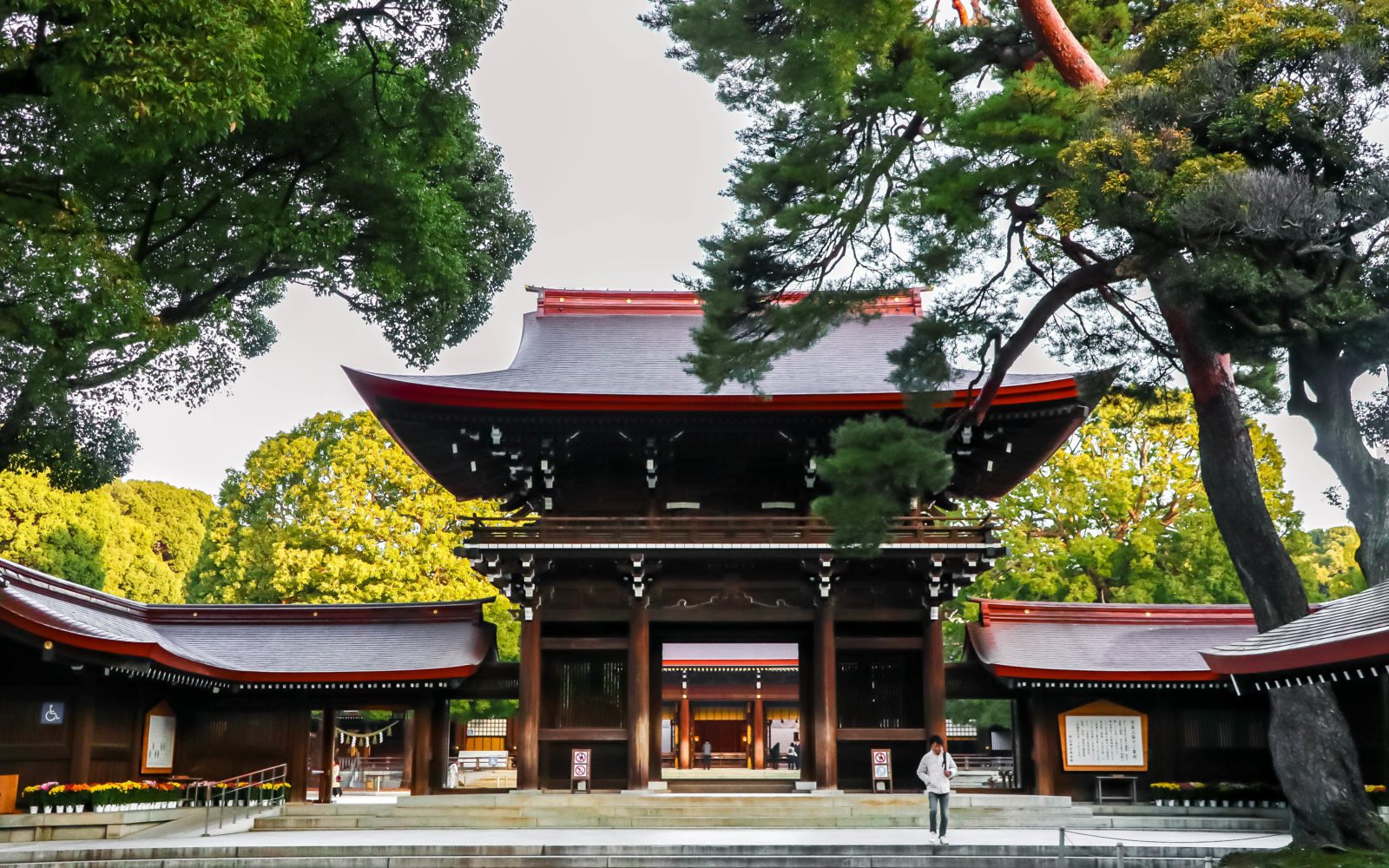
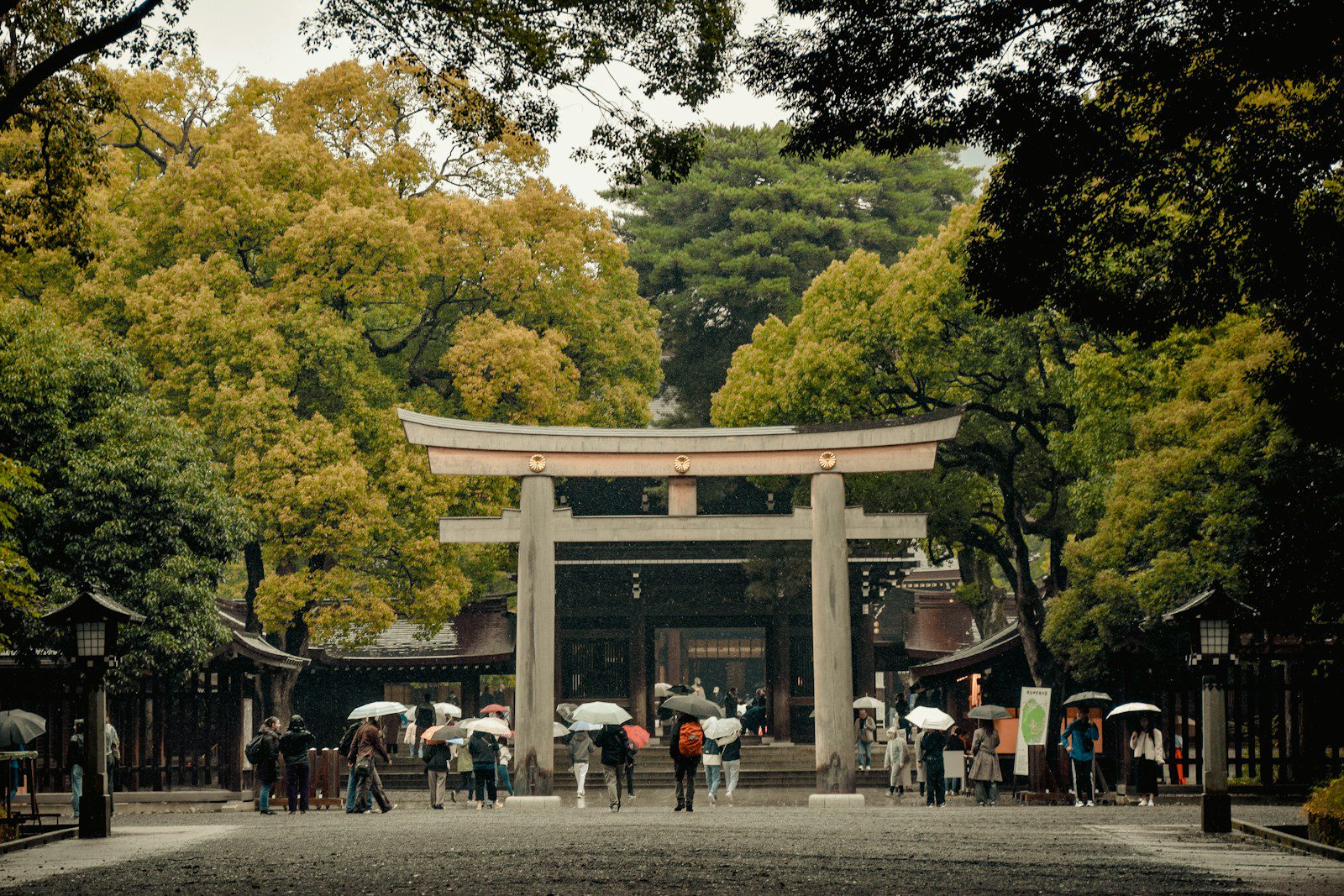
Your first encounter with Meiji Jingu comes in the form of imposing torii gates that mark the boundary between the secular world and sacred space.
Two large gates frame the entrance to this Shinto shrine, creating a dramatic threshold that immediately signals your departure from everyday Tokyo.
These massive wooden structures, among the largest torii gates in Japan, command attention through their scale and simplicity.
As you pass beneath them, you’re following a tradition observed by millions of visitors—acknowledging the transition into a space where different rules and rhythms apply.
The Forest Path
Beyond the torii gates, a wide gravel path leads you through what feels like an ancient forest, though in reality, it’s barely a century old.
The thoughtful design of these pathways guides visitors naturally toward the main shrine buildings while allowing the forest to work its magic on your senses.
The lush forest effectively blocks out the sights and sounds of Tokyo, enveloping visitors in an environment of zen where they can clear their minds as they walk to the main shrine entrance.
This sensory shift is perhaps Meiji Jingu’s greatest gift—the ability to transport you from urban chaos to natural serenity in just a few steps.
The Main Shrine Complex
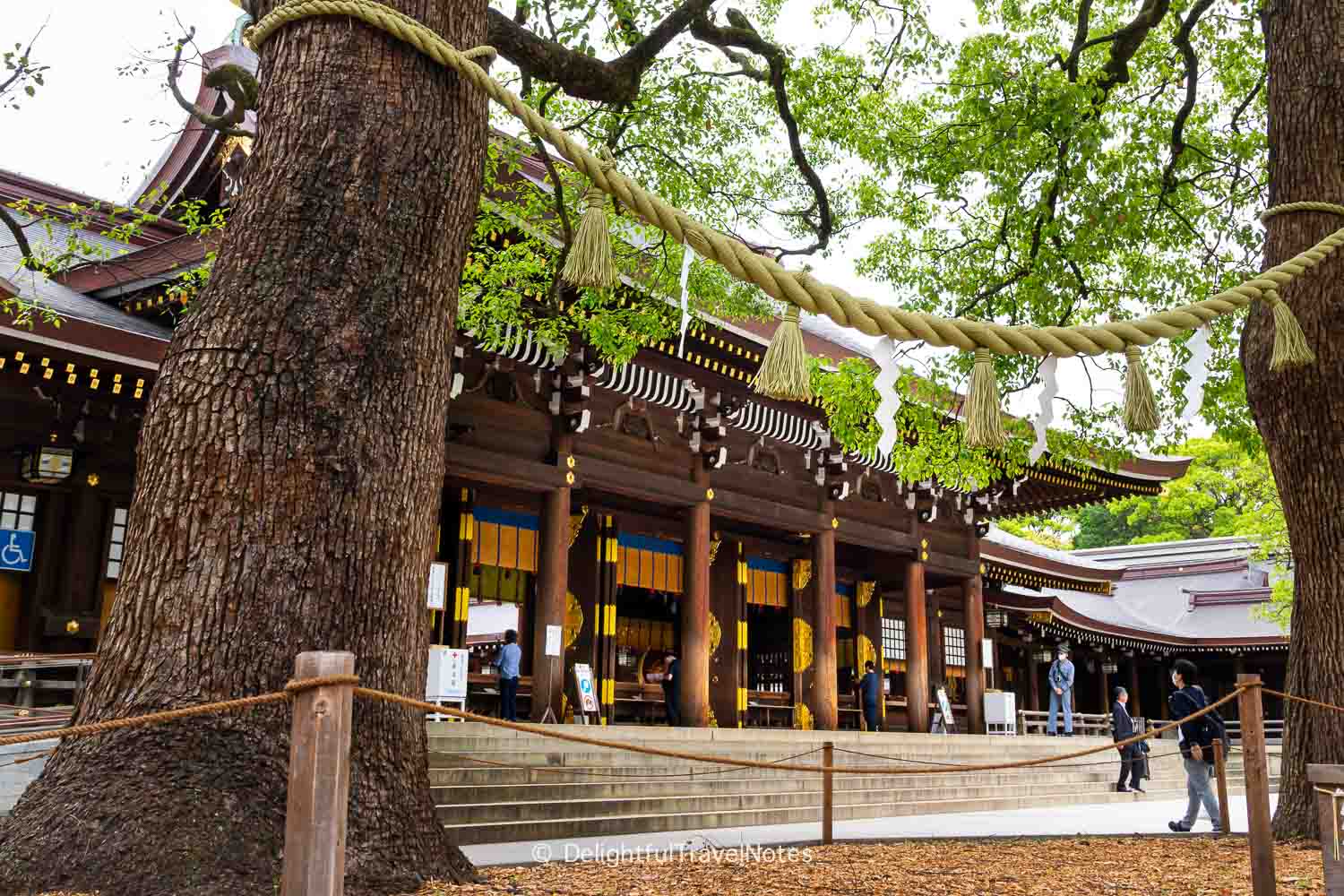
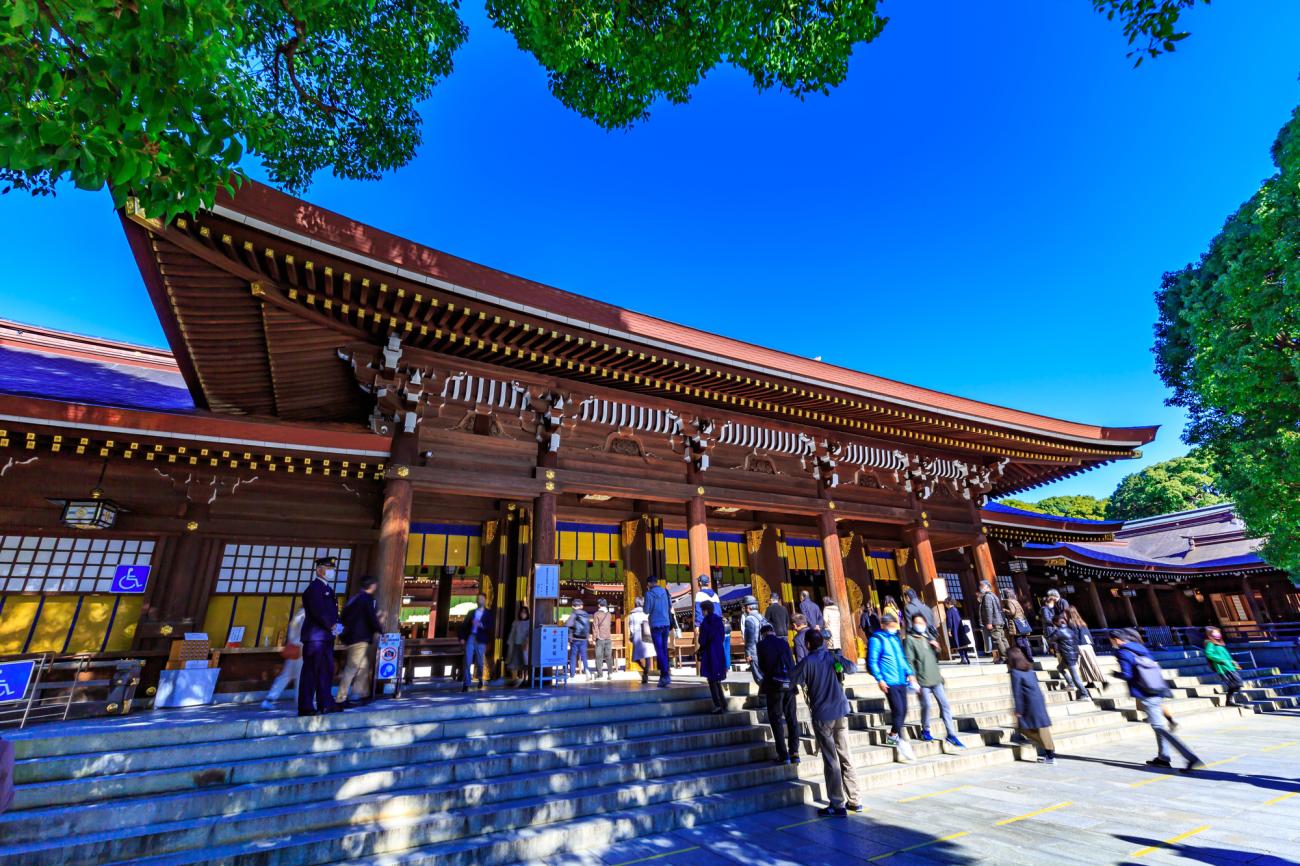
At the heart of the forest lies the main shrine complex, where the spirits of Emperor Meiji and Empress Shoken are enshrined according to Shinto tradition.
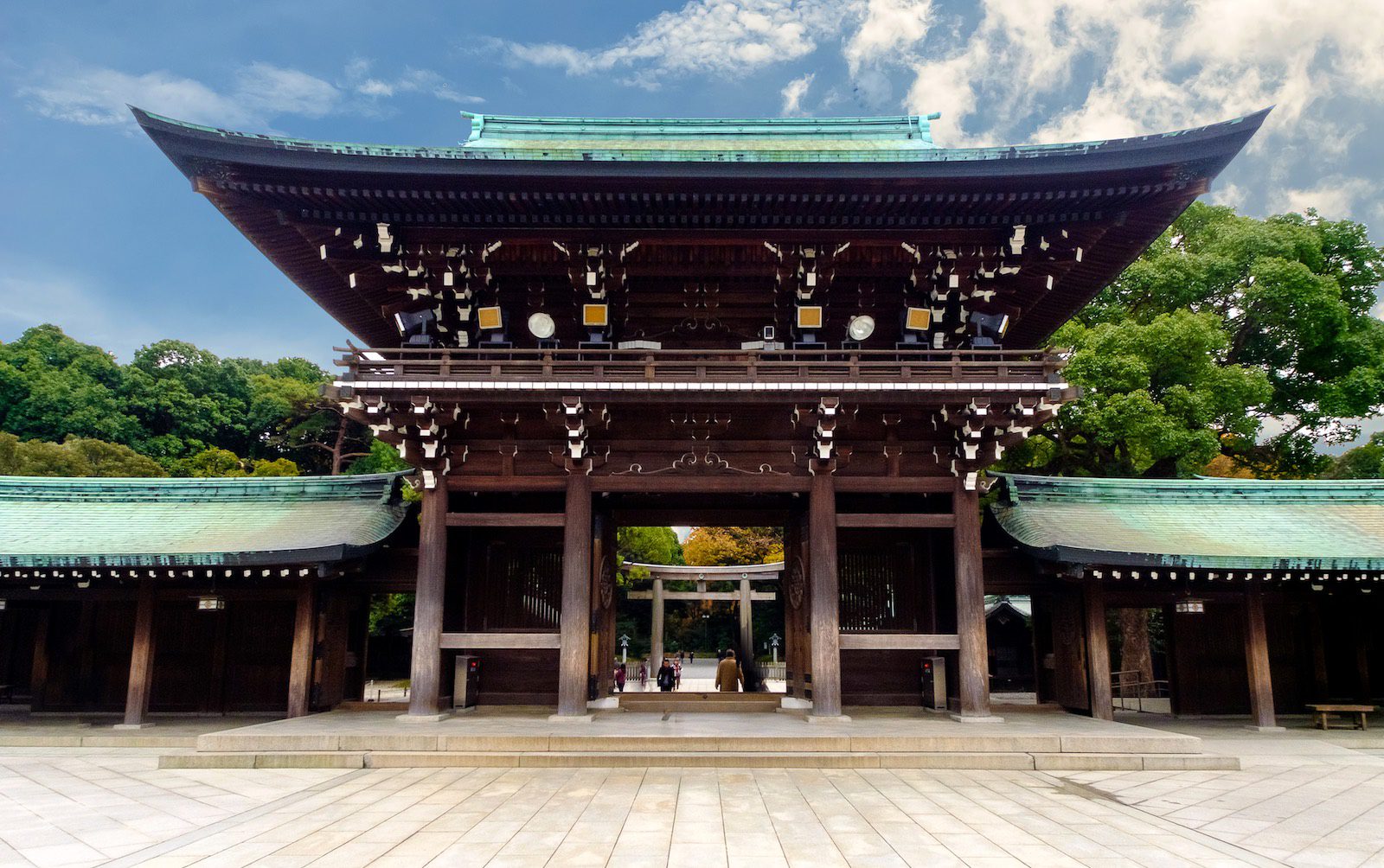
The buildings exemplify traditional Japanese architecture with their copper-plated roofs, graceful proportions, and natural wood construction.
Here, visitors can participate in typical Shinto practices like writing wishes on wooden ema tablets or making small offerings at the main hall.
The atmosphere encourages quiet reflection, whether you’re familiar with Shinto customs or experiencing them for the first time.
Seasonal Highlights at Meiji Jingu
Meiji Jingu transforms with each passing season, offering returning visitors new perspectives and experiences throughout the year.
This seasonal rhythm connects deeply with Japanese cultural appreciation for nature’s changing face.
Spring Renewal
Spring at Meiji Jingu brings subtle new growth to the forest, with fresh green leaves emerging on the trees and wildflowers dotting the forest floor.
While less famous for cherry blossoms than some other Tokyo locations, the shrine’s few sakura trees bloom in perfect harmony with their forest surroundings, creating intimate pockets of pink among the greenery.
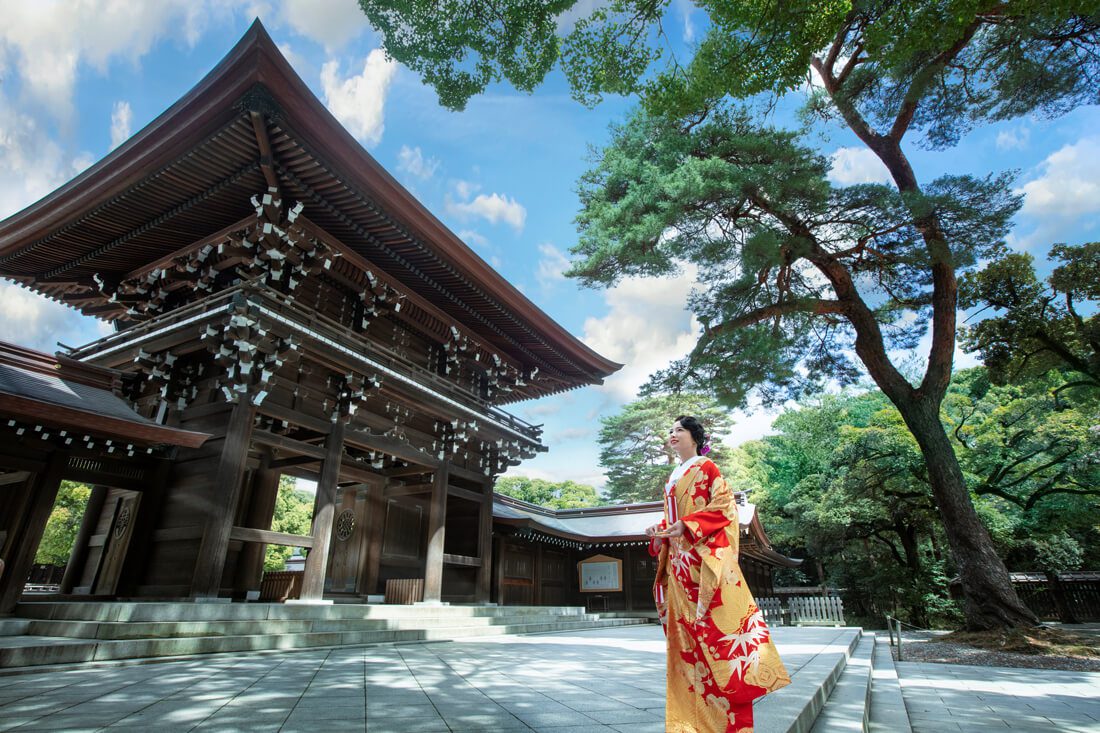
This season also marks the beginning of wedding season, when you might glimpse traditional Shinto ceremonies taking place on the grounds, adding another layer of cultural experience to your visit.
Summer Sanctuary
Summer transforms Meiji Jingu into a cool refuge from Tokyo’s humid heat. The dense canopy of trees creates a microclimate several degrees cooler than the surrounding city streets, making it a popular escape during the hottest months.
Also read:
June brings a special highlight to the Inner Garden—the blooming of irises. These elegant flowers create vibrant patches of purple and white against the green backdrop, attracting flower enthusiasts from across the city.
Autumn Colors
Fall brings subtle color changes to Meiji Jingu’s forest, with Japanese maples and ginkgo trees introducing warm yellows and reds among the evergreens.
The quality of light changes too, with golden afternoon sunshine filtering through partially bare branches to create a warm, contemplative atmosphere.
This season often sees comfortable temperatures and lower humidity, making it ideal for exploring the shrine grounds at a leisurely pace.
Winter Stillness
Winter at Meiji Jingu offers perhaps the most unique experience, especially during the first days of January.
Every New Year, over three million visitors flock to Meiji Jingu for the year’s first prayers (hatsumode)—an astonishing demonstration of the shrine’s cultural importance.
Outside this busy period, winter brings a special stillness to the forest.
The occasional dusting of snow transforms the shrine into a monochrome wonderland, while the bare branches of deciduous trees reveal architectural details of the shrine buildings normally hidden by foliage.
Practical Information for Visitors
Planning your visit to Meiji Jingu requires just a bit of preparation to ensure you can fully appreciate this special place.
Hours and Access
Meiji Jingu is open every day throughout the year with free admission. The shrine opens at sunrise and closes at sunset, which means opening hours vary with the seasons.
This natural rhythm allows you to experience the shrine in different lights depending on when you visit.
You’ll find Meiji Jingu at 1-1 Yoyogikamizonocho, Shibuya, Tokyo.
The shrine is conveniently located near several major stations, making it easily accessible regardless of where you’re staying in Tokyo. The closest JR station is Harajuku, and the closest subway station is Meiji-jingumae.
Accessibility Features
We appreciate that Meiji Jingu has made efforts to welcome visitors of all abilities.
The shrine offers wheelchair-accessible entrances and parking lots, making the main areas navigable for those with mobility challenges.
The main pathways are wide and well-maintained, though some secondary trails may be more difficult to navigate.
On-site parking is available for those arriving by car, though public transportation remains the recommended option due to limited parking spaces and Tokyo’s notorious traffic.
Beyond the Main Shrine
While the main shrine complex rightfully captures most visitors’ attention, Meiji Jingu offers several additional attractions worth exploring if time permits.
Meiji Jingu Museum
Opened relatively recently, the Meiji Jingu Museum is regarded for its elegant design by famous architect Kuma Kengo.
The museum contains items used or associated with the emperor and empress, offering deeper insight into the lives of these influential historical figures.
The museum requires a separate admission fee, but the thoughtfully curated exhibits provide valuable context that enhances your understanding of the shrine’s significance.
The Inner Garden
For a small additional fee, you can access the Inner Garden, a special area within the shrine grounds that showcases traditional Japanese landscape design.
This peaceful space centers around a pond said to have been designed by Emperor Meiji himself as a gift to his empress.
Visitors to Tokyo in June should drop by the Inner Garden—irises in full bloom are always a treat. The garden’s seasonal highlights make it worth visiting at different times of year.
Experiencing Meiji Jingu Thoughtfully
To make the most of your visit to this special place, consider these suggestions that go beyond the typical tourist experience.
Morning Tranquility
For a more contemplative experience, try visiting Meiji Jingu shortly after opening time.
The early morning light filtering through the trees creates a magical atmosphere, and you’ll share the space with locals who come for morning prayers rather than tourist crowds.
This timing also allows you to experience the shrine before visiting the adjacent areas of Harajuku or Shibuya, creating a peaceful start to a potentially busy day.
Cultural Immersion
If you’re lucky, you may spot a traditional Shinto wedding taking place on the grounds, particularly on weekend mornings.
These ceremonies offer a glimpse into living Japanese traditions—a reminder that Meiji Jingu isn’t just a historical site but a place of ongoing cultural significance.
Take time to observe other visitors engaging in traditional practices at the shrine.
The act of cleansing hands and mouth at the temizuya water pavilion, writing wishes on ema tablets, or making offerings at the main hall—these simple rituals connect visitors to centuries of tradition.
Forest Bathing
The Japanese practice of shinrin-yoku, or “forest bathing,” finds a perfect setting at Meiji Jingu. Rather than rushing through to the main shrine buildings, allow yourself time to simply be present in the forest environment.
Find a quiet bench along the pathways, close your eyes, and engage your senses—the rustling leaves, fragrant air, and filtered sunlight combine to create a naturally therapeutic experience that contrasts beautifully with Tokyo’s urban intensity.
Read More
Attraction Types
Tourist Attraction
Shinto Shrine
Related Tours
Powered by

Tokyo 6hr Private Tour with Government-Licensed Guide
4.9 (3090 reviews)
Duration: 6 hours
From $155
Book Now

Tokyo Customized Private Tour: See Top Attractions in 1 Day
5.0 (949 reviews)
Duration: 4 to 8 hours
From $75
Book Now
Customizable Private Tokyo Tour with an English-speaking Driver
5.0 (92 reviews)
Duration: 9 hours
From $320
Book Now
Tokyo Morning Tour : Meiji Shrine, Asakusa and Fire Ritual
5.0 (12 reviews)
Duration: 4 hours 30 minutes
From $71
Book Now
Tokyo 4hr Private Tour with Government-Licensed Guide
4.9 (1,081 reviews)
Duration: 4 hours
From $106
Book Now

Tokyo Private Driving Tour by Car/Van - English speaking driver
5 (74 reviews)
Duration: 8 to 9 hours
From $363
Book Now

Tokyo Guided Small-Group Biking Tour
5 (1,152 reviews)
Duration: 6 hours 30 minutes
From $106
Book Now
Tokyo 1-Day Bus Tour, hotel pick-up and drop-off, Japan Gray Line
4.4 (51 reviews)
Duration: 8 hours 30 minutes
From $95
Book Now
Tokyo Private Driving Tour by Car or Van with Chauffeur
4.8 (501 reviews)
Duration: 10 hours
From $342
Book Now
Tokyo Private Driving Tour by Car/Van- English speaking chauffeur
4.9 (621 reviews)
Duration: 9 hours
From $367
Book Now
Tokyo Private Tour by Car/Van with English Speaking Driver
4.8 (44 reviews)
Duration: 10 hours
From $349
Book Now
Tokyo Panoramic 1 Day: Meiji Shrine, Asakusa, Odaiba and SKYTREE®
4.3 (1,171 reviews)
Duration: 9 hours 10 minutes
From $92
Book Now
Private Tour Guide in English or Spanish (Español)
5 (60 reviews)
Duration: 2 to 4 hours
From $69
Book Now
Private Tokyo with Exceptional Guide Tailored to Your Needs
5 (17 reviews)
Duration: 4 to 8 hours
From $162
Book Now
Private Tokyo Tour with Licensed Guide & Vehicle (Max 15 persons)
4.9 (75 reviews)
Duration: 6 hours
From $570
Book Now
Private Walking Tour in Tokyo - Perfect for First-Time Visitors
5 (86 reviews)
Duration: 3 to 6 hours
From $138
Book Now
Tokyo 8hr Private Tour with Licensed Guide from Yokohama
4.9 (53 reviews)
Duration: 8 hours
From $198
Book Now
Tokyo Private Day Trip - Enjoy Your First-Time Visit to Tokyo!
4.9 (693 reviews)
Duration: 7 hours
From $106
Book Now
Tokyo Private Driving Tour by Car/Van with English Chauffeur
4.9 (140 reviews)
Duration: 9 hours
From $320
Book Now
Tokyo Private Sightseeing Tour with English Speaking Chauffeur
5 (127 reviews)
Duration: 8 to 9 hours
From $363
Book Now
Tokyo 8hr Private Tour with Government-Licensed Guide
4.9 (96 reviews)
Duration: 8 hours
From $205
Book NowRelated Tours
Powered by

Tokyo: Meiji Shrine Historical Tour with Local Guide
4.8 (62 reviews)
2 hours • Small group
From $33
Book Now


Tokyo: 1 Day Bus Tour with Meiji-Jingu,Odaiba,lunch&Skytree
4.8 (36 reviews)
9 - 9.5 hours
From $90
Book Now
Harajuku : Blend of Tradition & Pop Culture for Family Tour
5 (3 reviews)
2 hours • Skip the line • Small group
From $52
Book Now

Tokyo: Private City Highlights Tour with Local Guide
4.8 (1,174 reviews)
4 - 6 hours • Pickup available
From $104
Book Now
Tokyo: Harajuku Meiji Shrine 1h walking Explanation Tour
5 (4 reviews)
1 hour • Small group
From $46
Book Now
Tokyo Spiritual Tour: Meiji Shrine, Asakusa and Fire Ritual
5 (54 reviews)
4.5 hours
From $76
Book Now
:Tokyo,Shibuya /Meiji Shrine tour in KIMONO/English-friendly
5 (2 reviews)
3 hours • Small group
From $97
Book Now
Tokyo: Private Customizable Guided Tour with Local
(17 reviews)
6 hours • Small group • Pickup available
From $48
Book Now

Tokyo: Meiji shrine, Shibuya highlight with hidden gem tour
5 (1 reviews)
3.5 hours • Small group
From $55
Book Now
Tokyo: Private Custom Tour to Hidden & Iconic Spots
4.9 (254 reviews)
2 - 8 hours • Pickup available
From $82
Book Now
Tokyo Full Day Private Customized Tour with English Driver
4.9 (56 reviews)
10 hours • Skip the line • Pickup available
From $483
Book Now

Tokyo: Private Tailored Tour with a Local Guide
4.3 (14 reviews)
1 day • Pickup available
From $83
Book Now
Shibuya & Harajuku: Hidden Gems & Highlights Private Tour
4.5 (124 reviews)
2 - 6 hours
From $92
Book Now
Tokyo: Full-Day Sightseeing Bus Tour
4.7 (1,681 reviews)
10 hours • Optional audio guide
From $131
Book Now
Tokyo: Customized Private Historical Guided Photoshoot Tour
5 (23 reviews)
4 - 5 hours • Small group • Pickup available
From $138
Book Now
Harajuku: Kawaii Fashion and Pop-Culture Tour
4.8 (11 reviews)
3 hours • Small group
From $83
Book Now
Tokyo: Private Guided Tour with Hotel Pickup and Drop-off
4.3 (143 reviews)
1 day • Pickup available
From $510
Book Now
Tokyo: Meiji Shrine, Imperial Palace and Senso-ji Bus Tour
4.4 (7 reviews)
8 hours
From $78
Book Now
Tokyo: Vegan Sushi and Meiji Shrine and Harajuku Walk
4.8 (13 reviews)
3 hours • Small group
From $62
Book NowRelated Tours
Powered by

Tokyo City, Open Top Bus Sightseeing Trip
★ 4.0 • (272) • 8K+ booked
Tours • Tokyo
From US$ 13.05
Book Now
Tokyo Amazing Sightseeing Bus Day Tour
★ 4.6 • (536) • 9K+ booked
Tours • Tokyo
From US$ 101.49
Book Now
Tokyo in a Day: Iconic Must-Sees and Hidden Highlights
★ 5.0 • (6) • 50+ booked
Tours • Tokyo
From US$ 69.05
Book Now
Tokyo Baseball or Soccer Experience with a Local Fan (TICKET INC.)
★ 5.0 • (17) • 100+ booked
Tours • From Tokyo, Yokohama
From US$ 66.00
Book Now

Tokyo Panoramic 1 Day: Meiji Shrine, Asakusa, Odaiba and SKYTREE®
★ 4.9 • (12) • 200+ booked
Tours • Tokyo
From US$ 89.75
Book Now
Tokyo: Meiji Shrine Historical Tour by Japanese Guide
★ 5.0 • (2) • 50+ booked
Tours • Tokyo
From US$ 31.09
Book Now
Tokyo: Private Tour by Car with English-Speaking Driver
★ 4.1 • (13) • New Activity
Tours • Tokyo
From US$ 396.90
Book Now

Tokyo, Japan | One-day tour by chartered car
★ 5.0 • (30) • 200+ booked
Tours • Tokyo
From US$ 365.15
Book NowThings to Know
- Onsite services
- Wheelchair accessible entrance
- Wheelchair accessible parking lot
- On-site parking
Our Notes & Verdicts
Our Rating: 4.8
We give Meiji Jingu an outstanding 4.8 out of 5 stars. Having visited dozens of shrines throughout Japan, we find ourselves returning to Meiji Jingu whenever we’re in Tokyo for its perfect balance of accessibility and authenticity.
What continually impresses us is how this relatively young shrine (just over a century old) has created such a mature forest environment that genuinely disconnects visitors from the surrounding metropolis.
The absence of an admission fee makes this world-class experience available to everyone, while the respectful atmosphere maintained by both staff and visitors creates a genuine sense of spiritual space rather than just another tourist attraction.
When friends ask us for a single place that captures traditional Japanese aesthetics and values within Tokyo’s modern landscape, Meiji Jingu is always our first recommendation.
Operating Hours
Location
1-1 Yoyogikamizonocho, Shibuya, Tokyo 151-8557, Japan
Nearest Train Station(s)
Harajuku Station (JR Yamanote Line) and Meiji-jingumae Station (Tokyo Metro Chiyoda and Fukutoshin Lines)
Nearest Bus Stop(s)
Meiji-jingumae Station and Harajuku Station
 DiscoverCars
 RentalCars
Tokyo Trip Add-Ons
Equip yourself for the ultimate Tokyo adventure with the following add-ons, curated just for you.



Related Attractions
Tokyo Metropolitan Government Building
Free observation decks atop Tokyo's iconic twin-to...
Imperial Palace East National Gardens
Palace gardens & Edo castle ruins. Large landscape...
Meiji Jingu Gyoen
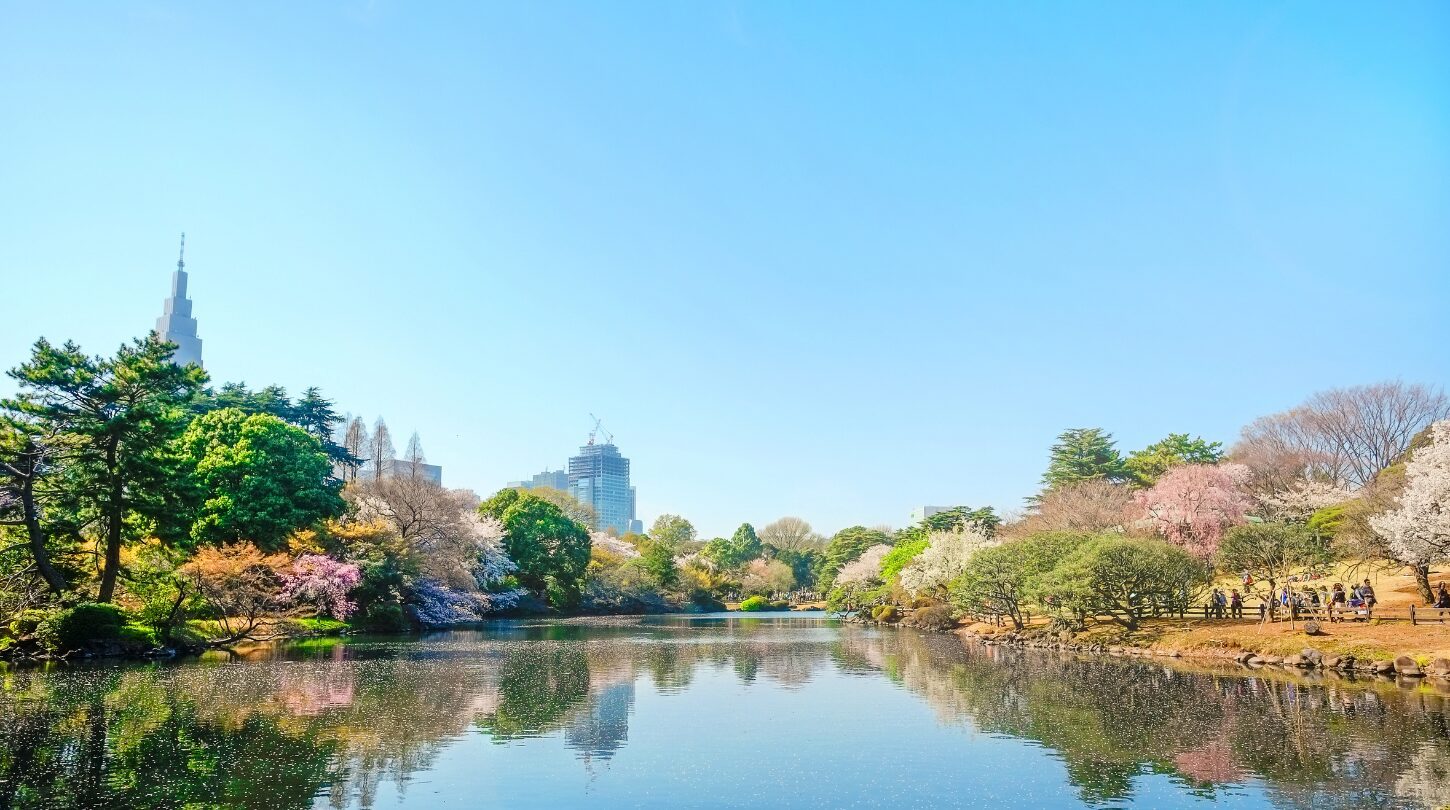
Tranquil garden within Meiji Shrine featuring iris...
Shinjuku Golden-Gai
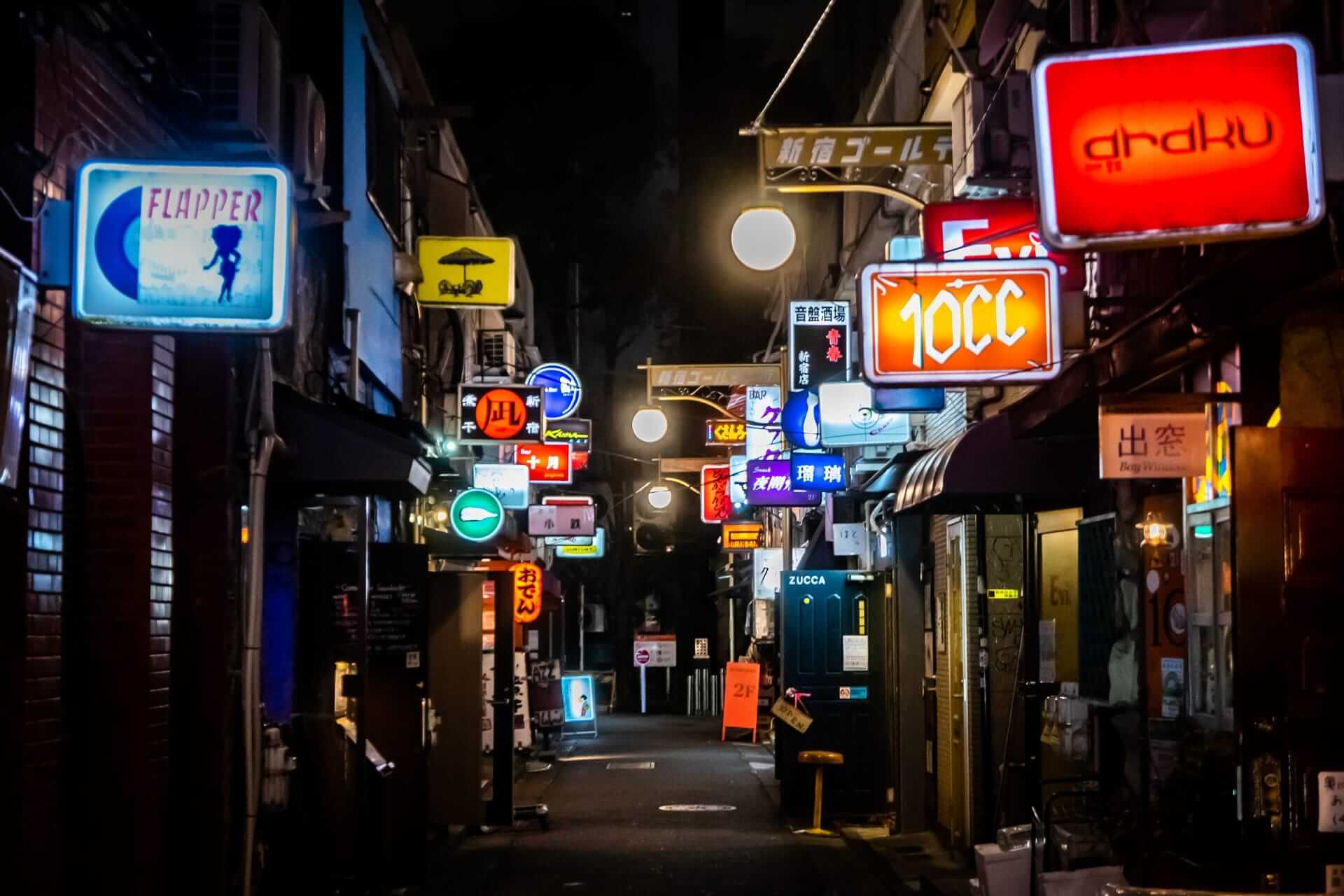
This historic maze of narrow alleys in Shinjuku's ...
Shinjuku Gyoen National Garden
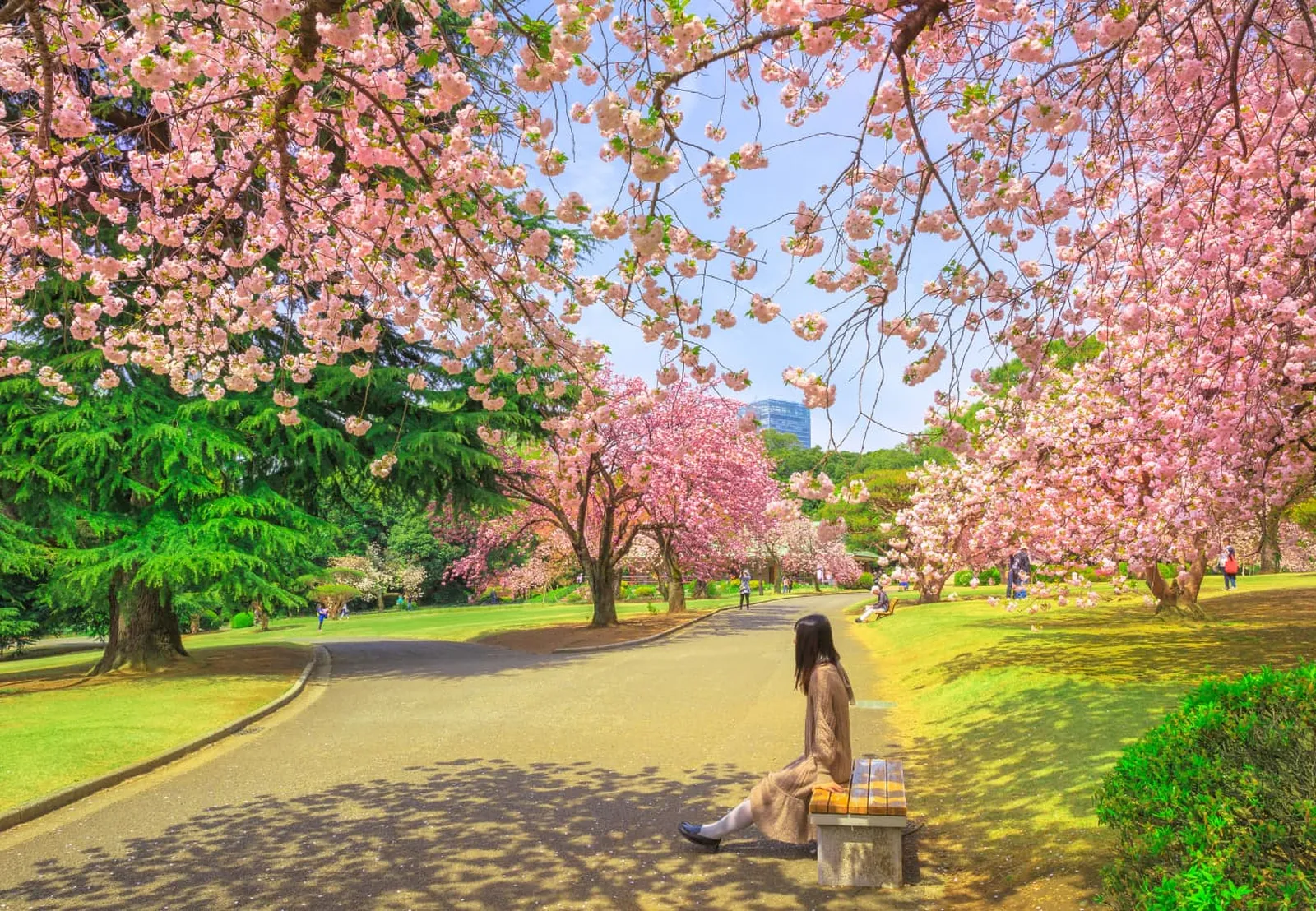
A well-known city park in Tokyo that combines thre...
Tsukiji Outer Market
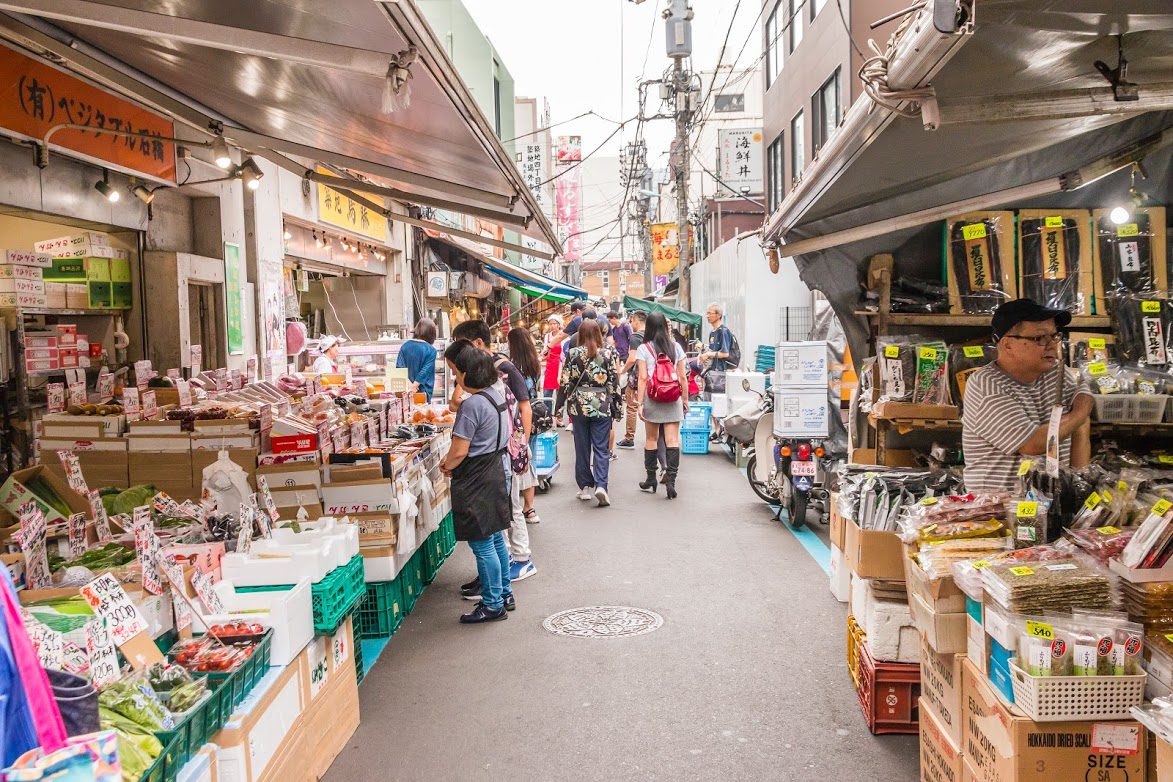
Large wholesale fish market featuring a diverse se...
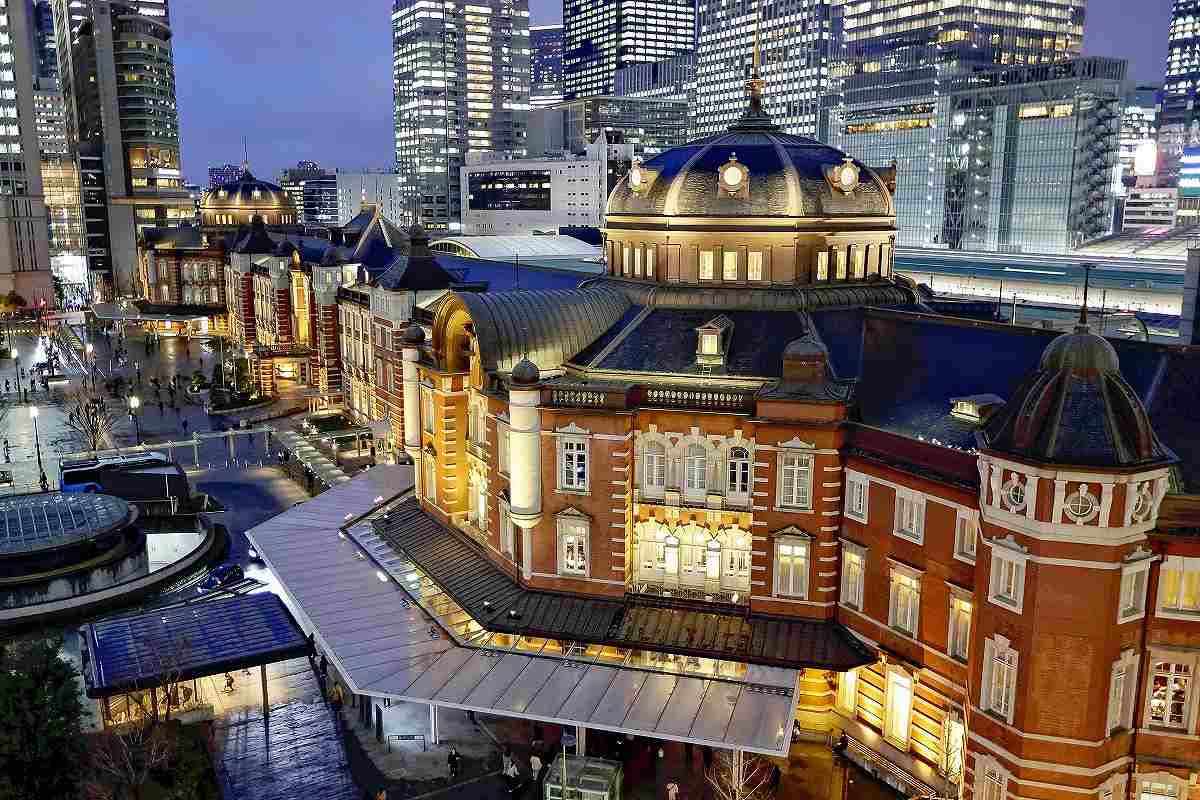
Tokyo Station Marunouchi North Gate Dome
A major railway station in Tokyo that plays a sign...
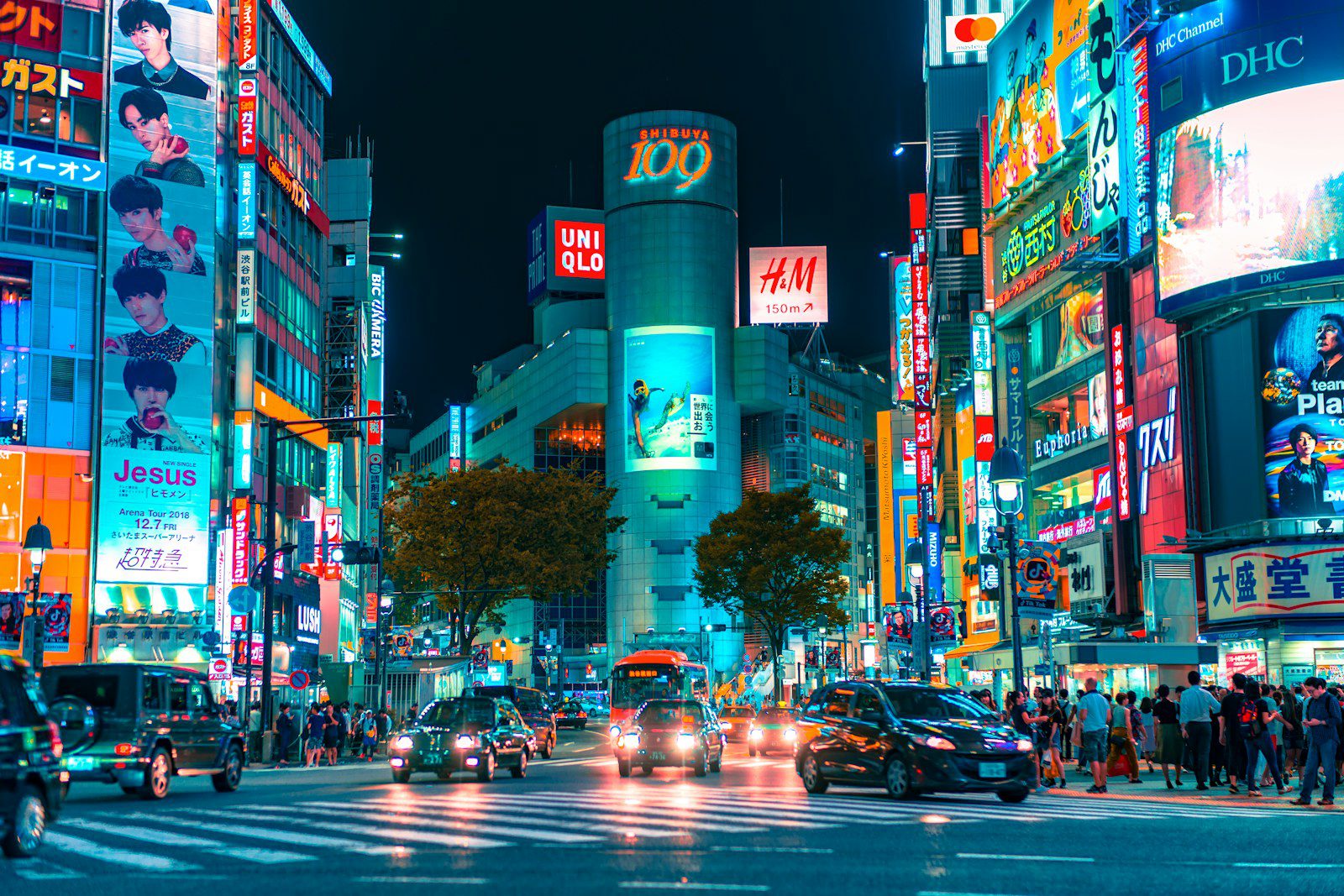
Shibuya Scramble Crossing
Shibuya Scramble Crossing is an intersection locat...
Frequently Asked Questions (FAQs)
Meiji Jingu is celebrated as one of Tokyo’s most significant Shinto shrines, renowned not only for its spiritual importance but also for its tranquil, forested sanctuary in the heart of the city.
Established in 1920 to honor Emperor Meiji and Empress Shoken, the shrine commemorates the pivotal Meiji Restoration, a period when Japan cast off centuries of feudal isolation and embraced modernization with astonishing speed and ambition.
The shrine’s sprawling grounds, shaded by more than 100,000 trees donated from across Japan, evoke a sense of reverence and unity, while the massive torii gates and traditional architecture transport visitors into a world where history, nature, and ritual intertwine.
Meiji Jingu is also famous for its role in annual Shinto ceremonies and as the site of Japan’s most attended New Year’s pilgrimage, drawing millions who come to offer prayers for the year ahead.
A visit to Meiji Jingu is not merely a tourist’s detour but a journey into the soul of modern Japan, where echoes of the past resonate beneath towering cypress and camphor trees.
The shrine’s peaceful forest, meticulously planted and nurtured over generations, offers a rare respite from Tokyo’s relentless pace, inviting reflection and quietude.
Beyond its natural beauty, Meiji Jingu’s historical gravitas and living traditions-weddings, festivals, and the gentle clatter of ema plaques bearing hopes and wishes-create an atmosphere that is both solemn and uplifting.
For those who seek more than just sightseeing, who yearn to feel the pulse of a nation’s transformation and the serenity of sacred space, Meiji Jingu is not just worth visiting; it is essential.
Reaching the main shrine complex is a gentle, almost meditative stroll of about ten minutes from either Harajuku or Yoyogi Station, the entrances marked by towering torii gates that signal a passage from the city’s clamor into a realm of quietude.
The approach, shaded by a cathedral of ancient trees, is as much a part of the experience as the shrine itself, encouraging visitors to slow their pace, breathe deeply, and absorb the subtle interplay of sunlight, leaf, and stone.
For those who linger to explore the gardens, treasure museum, or simply to savor the tranquility, the walk can easily extend into a leisurely hour or more, each step dissolving the boundaries between city and sanctuary.
Unlike the sleepless city that surrounds it, Meiji Jingu honors the rhythms of nature, opening its gates at sunrise and closing them at sunset. This daily cycle, dictated by the sun rather than the clock, imbues the shrine with a sense of timelessness and respect for the natural world.
While the exact hours shift with the seasons, visitors must plan their pilgrimage accordingly, for the gates will close as dusk falls, preserving the sacred quiet of the forest until dawn.
In this way, Meiji Jingu remains a place not only of spiritual refuge but also of gentle discipline, reminding us that even in the heart of modernity, some sanctuaries keep their own ancient hours.
Disclaimer
While we at Tokyo Trip Guide do our best to show you accurate prices, we just can't promise they'll stay the same. Here's why: since we're not actually selling anything ourselves - we work with partner companies who set their own prices - we can't control what deals they offer. That's why it's best to check directly with our suggested deal providers to see their latest prices for attraction tickets.
Just so you know, if you end up buying something from the providers we list here, we might get a small commission. We'd be really happy if you used our recommended links to make your bookings!