
Imperial Palace East National Gardens
Palace gardens & Edo castle ruins. Large landscaped gardens in the grounds of a palace first built in 1888, with some Edo castle ruins.
4.4 (8591 reviews)
Overview
Book Experience
Attraction Types
Operating Hours
Location
Things to Know
 Book Experience Now!
Check current price and availability.
 Viator
 Booking.com
 Trip.com
 GetYourGuide
 Klook
Klook
Overview
The Imperial Palace East National Gardens is a peaceful retreat in the center of Tokyo. This large park, part of a palace built in 1888, features carefully designed gardens and the historic remains of Edo Castle.
The gardens have a 4.4-star rating based on over 8,500 reviews, showing they are a popular destination for both locals and tourists.
Visitors can enjoy the changing seasons, learn about the area’s history, and take a calm walk or have a moment of reflection. The gardens are open most days from 9 AM to 4 PM, except on Fridays and Mondays.
They are easily accessible, with parking and public restrooms available, making them suitable for families and a great addition to any Tokyo itinerary.
Finding Peace at the Imperial Palace East National Gardens – The Imperial Palace East National Gardens sit at the heart of Tokyo, offering a peaceful escape from the city’s constant motion.
With an impressive 4.4-star rating from over 8,500 visitors, these gardens provide a glimpse into Japan’s royal heritage while serving as a green sanctuary in the urban landscape.
As we walked through the grounds where the Edo Castle once stood, we found ourselves transported to a different time—one where samurai walked these same paths and shogun rulers gazed upon these same trees.
Imperial Palace East National Gardens: A Historical Oasis in Central Tokyo
These gardens aren’t just any green space—they’re built on the grounds of the Imperial Palace, first constructed in 1888.
What makes this location special is how it preserves sections of the original Edo Castle ruins while creating a harmonious landscape that honors Japan’s natural beauty.
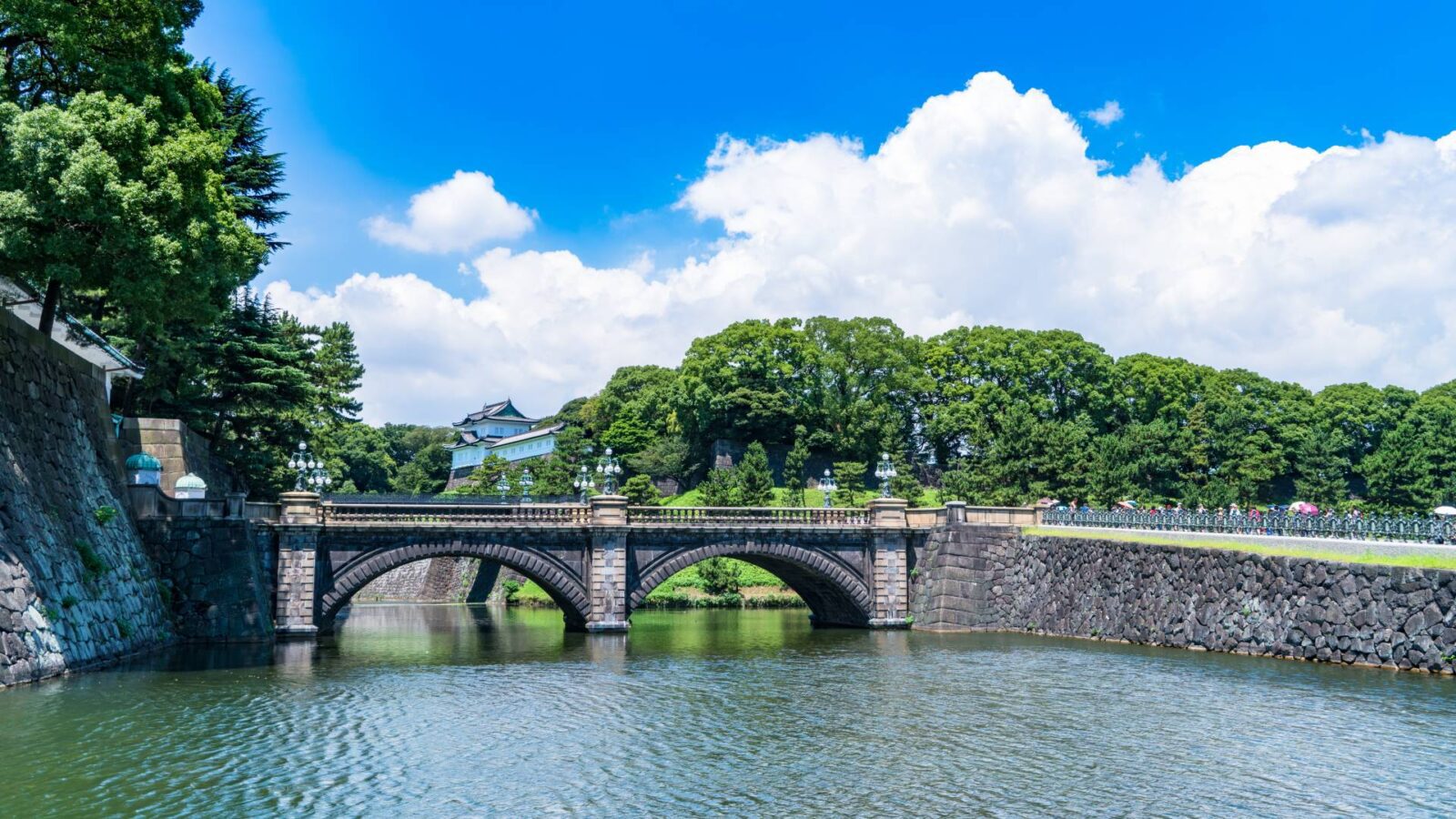
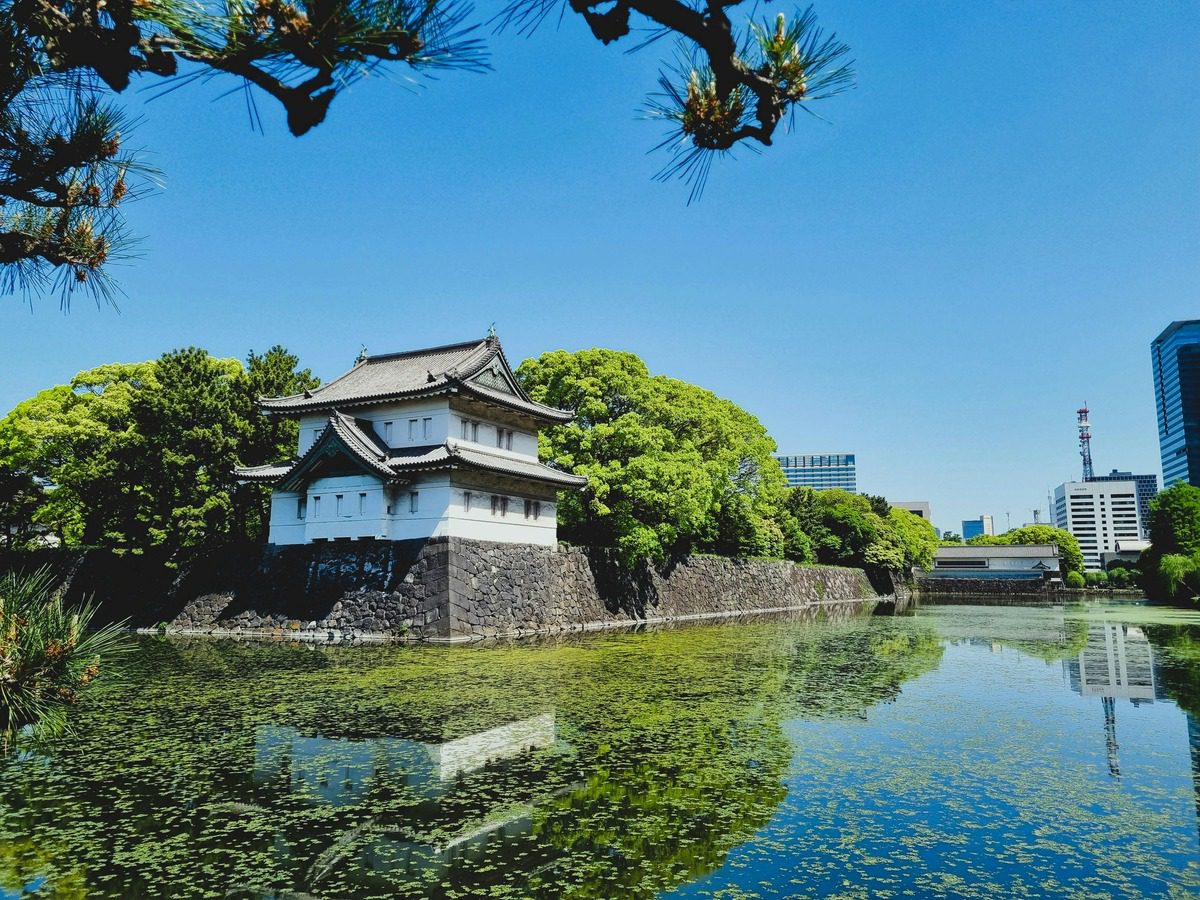
The gardens maintain a careful balance between structured design and natural growth. Stone walls from the feudal era stand alongside meticulously pruned pine trees.
You’ll spot massive stones that once formed the castle foundation, now peaceful sentinels watching over visitors who stroll the same grounds once reserved for royalty.
Exploring the East Garden Landscapes
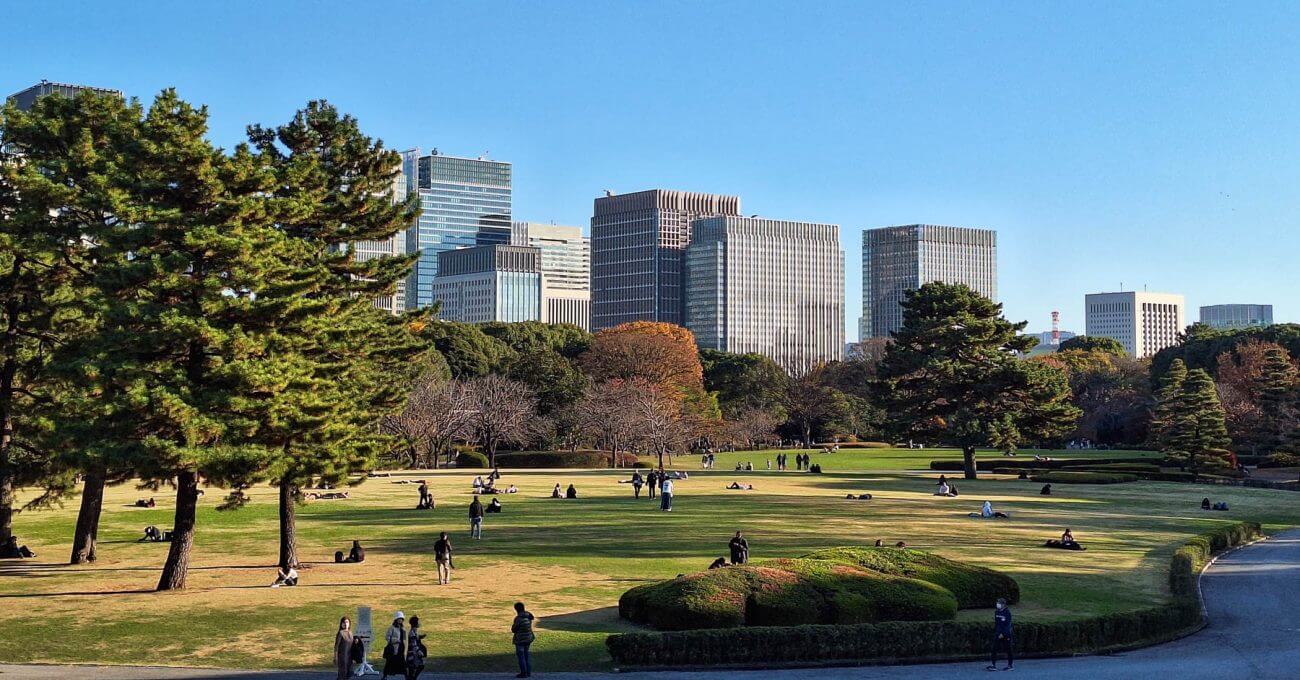
As you wander through the Imperial Palace East National Gardens, you’ll discover various landscapes designed to showcase different aspects of Japanese garden aesthetics.
The thoughtful layout guides visitors through a series of visual experiences, each offering a new perspective on the relationship between nature and human design.
Also read:
Stone pathways wind through open lawns and wooded areas, creating a journey that feels both planned and spontaneous at the same time.
Seasonal Beauty Throughout the Year
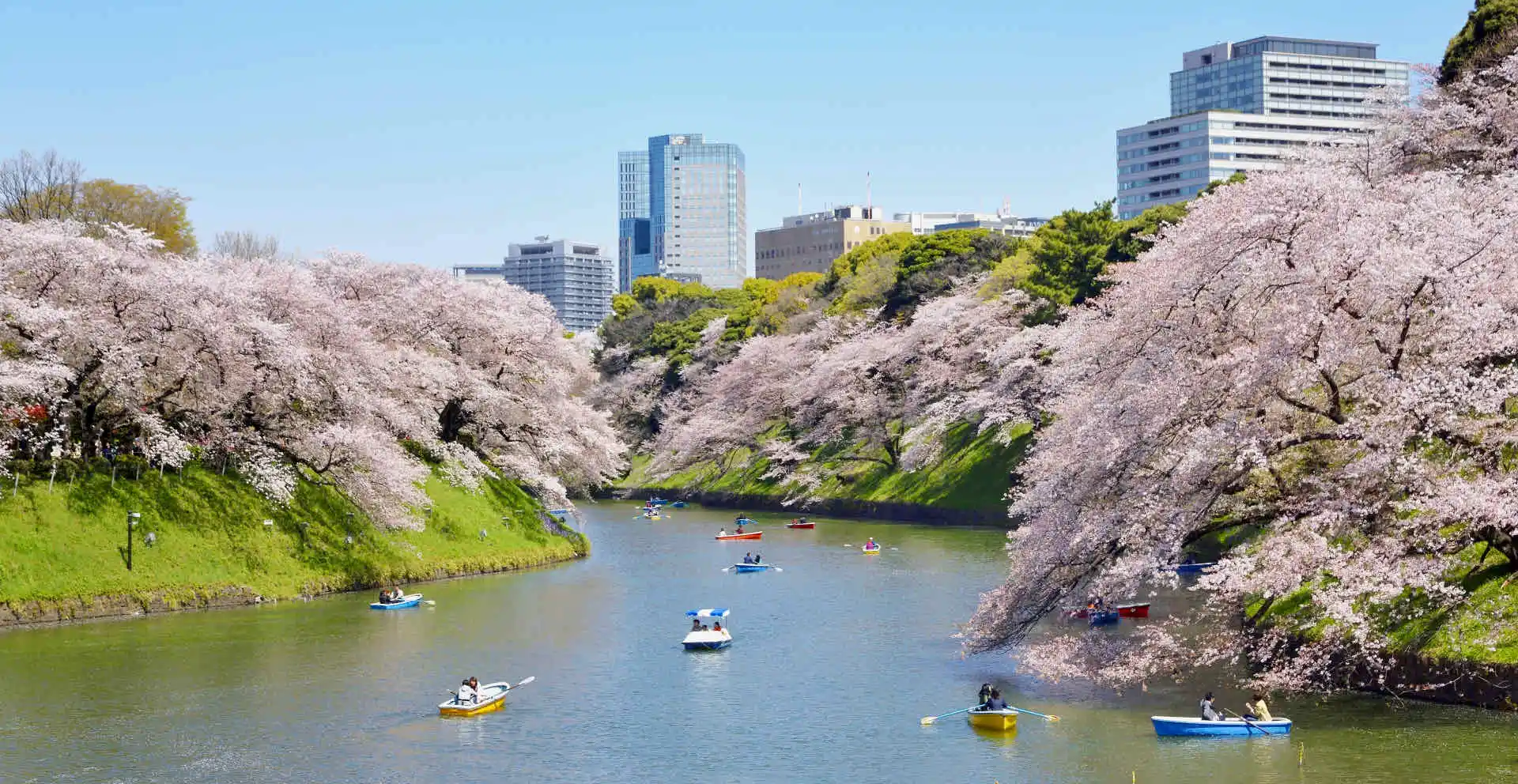
One of the most remarkable aspects of the Imperial Palace East National Gardens is how they transform with each season. Spring brings cherry blossoms that dust the pathways with pink petals.
Summer sees lush greenery providing shade from the Tokyo heat. Fall transforms the gardens into a canvas of red and gold as maple leaves change color.
Even winter has its charm, with bare branches creating artistic silhouettes against the sky.
We recommend planning your visit to the Imperial Palace East National Gardens based on what seasonal display you’d like to experience. Each offers a completely different atmosphere and photographic opportunity.
Notable Garden Features
The gardens are divided into several distinct areas, each with its own character:
Ninomaru Garden
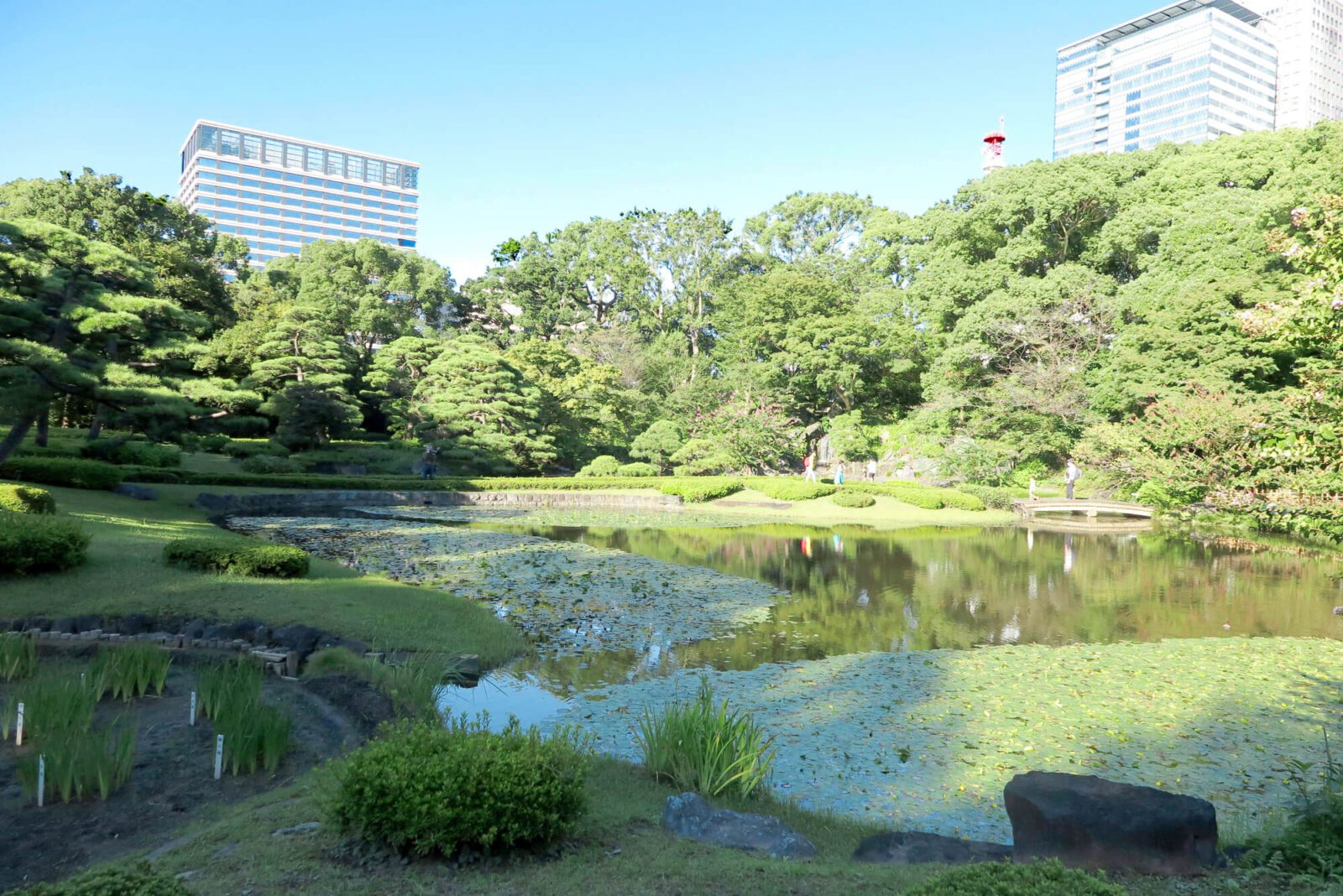
This traditional Japanese landscape garden features a central pond surrounded by carefully positioned stones and trees.
The Ninomaru Garden within the Imperial Palace East National Gardens was designed for contemplation, with every element placed to create harmony. Find a bench here and take a moment to absorb the peaceful atmosphere.
Honmaru Area
This higher ground offers excellent views across the Imperial Palace East National Gardens and parts of Tokyo beyond.
The stone foundations visible here help you imagine the scale of the original castle that once dominated the skyline.
Practical Information for Your Visit to Imperial Palace East National Gardens
Planning a trip to the Imperial Palace East National Gardens requires a bit of preparation to ensure you make the most of your experience.
We’ve gathered all the essential information you’ll need based on our recent visit, from opening hours to accessibility features.
This practical guidance will help you focus on enjoying the gardens rather than worrying about logistics during your time there.
The Imperial Palace East National Gardens are open Tuesday through Thursday and on weekends from 9 AM to 4 PM. They remain closed on Mondays and Fridays, so plan your visit accordingly.
We suggest arriving early to enjoy the gardens when they’re least crowded and when the morning light creates a magical atmosphere among the trees and stone pathways.
You’ll find the entrance at 1-1 Chiyoda, Chiyoda City, Tokyo 100-8111. The gardens are easily accessible by public transportation, with several subway stations nearby. If you have questions before your visit, you can contact them at +81 3-3213-2050.
The Imperial Palace East National Gardens are designed with accessibility in mind, featuring wheelchair-accessible entrances and public restrooms.
Families will be happy to know they’re great for children, with open spaces where little ones can safely explore. There’s also on-site parking available if you’re traveling by car.
Connecting with Japanese History and Culture
Walking through the Imperial Palace East National Gardens offers more than just scenic views—it provides a connection to Japanese history that feels both tangible and profound.
As you move through spaces once reserved for some of Japan’s most powerful historical figures, you can’t help but feel the weight of the stories these grounds have witnessed.
The stone walls tell tales of feudal power while the carefully maintained gardens showcase Japan’s ongoing relationship with nature and beauty.
This combination makes the Imperial Palace East National Gardens not just a park but a living museum that brings history to life through landscape.
Photography Opportunities
The Imperial Palace East National Gardens offer some of the most photogenic settings in Tokyo, combining natural elements with historical structures.
During different times of day and in changing seasons, the visual character of the gardens transforms, rewarding repeat visitors with new perspectives.
Whether you’re an amateur photographer or simply want memorable vacation photos, these gardens provide countless opportunities to capture stunning images.
For photography enthusiasts, the Imperial Palace East National Gardens offer endless possibilities. The contrast between ancient stone structures and seasonal flora creates compelling compositions.
Wide pathways framed by trees make for natural leading lines, while the occasional traditional building provides perfect focal points.
The changing light throughout the day transforms the character of the gardens. Morning brings soft, diffused light that’s perfect for capturing the subtle textures of stone walls and tree bark.
Afternoon light filters through the trees, creating patterns on the ground that add depth to your images.
A Perfect Starting Point for Exploring Tokyo
Due to its central location and historical significance, the Imperial Palace East National Gardens serve as an excellent introduction to Tokyo.
The gardens provide context for understanding the city’s development from a feudal center to a modern metropolis.
After spending time in this peaceful environment, you’ll have a better appreciation for the layers of history that exist throughout Tokyo, even in its most contemporary districts.
The central location of the Imperial Palace East National Gardens makes them an ideal first stop on your Tokyo adventure.
After spending a morning among the trees and historic ruins, you’ll be just steps away from other Tokyo highlights.
The surrounding Chiyoda district offers museums, shopping areas, and excellent restaurants where you can sample local cuisine.
We found that starting our day at the Imperial Palace East National Gardens gave us a peaceful introduction to Tokyo before diving into its more hectic aspects.
This mental reset helped us appreciate both the calm and energetic sides of this fascinating city.
Read More
Attraction Types
National Reserve
Garden
Park
Tourist Attraction
Related Tours
Powered by

Imperial Palace East Garden and Heritage of Edo Castle Tour
4.8 (318 reviews)
Duration: 2 hours 30 minutes
From $24
Book Now
Tokyo: Imperial Palace and Shogun Historical Walking Tour
5.0 (42 reviews)
Duration: 2 hours
From $25
Book Now
Tokyo 6hr Private Tour with Government-Licensed Guide
4.9 (3,172 reviews)
Duration: 6 hours
From $155
Book Now
Tokyo Customized Private Tour: See Top Attractions in 1 Day
5.0 (975 reviews)
Duration: 4 to 8 hours
From $75
Book Now

Tokyo Castle & Imperial Palace , Historical Walking Tour
4.8 (37 reviews)
Duration: 2 hours
From $35
Book Now
Tokyo: Imperial Palace Shogun Historical Walking Tour
4.9 (85 reviews)
Duration: 2 hours
From $42
Book Now
Tokyo 4hr Private Tour with Government-Licensed Guide
4.9 (1,117 reviews)
Duration: 4 hours
From $105
Book Now
Tokyo 3-Hour Guided E-bike Cycling Tour of the City's Hidden Gems
5 (448 reviews)
Duration: 3 to 4 hours
From $62
Book Now
Tokyo Guided Small-Group Biking Tour
5 (1,162 reviews)
Duration: 6 hours 30 minutes
From $105
Book Now
Customizable Private Tokyo Tour with an English-speaking Driver
5 (104 reviews)
Duration: 9 hours
From $320
Book Now
Tokyo Panoramic 1 Day: Meiji Shrine, Asakusa, Odaiba and SKYTREE®
4.3 (1,177 reviews)
Duration: 9 hours 10 minutes
From $91
Book Now
Tokyo: 3-Hour Bike/E-Bike Tour of the City's Hidden Gems
5 (11 reviews)
Duration: 3 hours
From $63
Book Now
Private Tokyo Tour with Licensed Guide & Vehicle (Max 15 persons)
4.9 (76 reviews)
Duration: 6 hours
From $568
Book Now
Private Tour - History, Art and Nature at the Imperial Palace
4.9 (17 reviews)
Duration: 4 hours 30 minutes
From $97
Book Now
Tokyo Private Driving Tour by Car/Van- English speaking chauffeur
4.9 (636 reviews)
Duration: 9 hours
From $347
Book Now
Tokyo Private Driving Tour by Car or Van with Chauffeur
4.8 (518 reviews)
Duration: 10 hours
From $340
Book Now
Tokyo Private Tour of the Imperial Palace East Gardens
4.8 (31 reviews)
Duration: 2 hours
From $70
Book Now
Tokyo: 3-Hour Bike/E-Bike Tour of the City's Highlights
5 (63 reviews)
Duration: 3 hours
From $59
Book Now
Tokyo Imperial Palace with Kagurazaka Alley Tour
5 (29 reviews)
Duration: 3 hours 30 minutes
From $61
Book Now
Private Tokyo with Exceptional Guide Tailored to Your Needs
5 (19 reviews)
Duration: 4 to 8 hours
From $81
Book Now
Tokyo 8hr Private Tour with Licensed Guide from Yokohama
4.9 (58 reviews)
Duration: 8 hours
From $197
Book Now
Tokyo Private Tour by Car/Van with English Speaking Driver
4.8 (45 reviews)
Duration: 10 hours
From $348
Book Now
Tokyo Private Driving Tour by Car/Van - English speaking driver
5 (80 reviews)
Duration: 8 to 9 hours
From $362
Book NowRelated Tours
Powered by


Tokyo: Imperial Palace & Tokyo Castle History Walking Tour
4.5 (307 reviews)
2 hours
From $34
Book Now
Tokyo: Imperial Palace East Gardens and Tokyo Station Tour
(112 reviews)
2.5 hours
From $41
Book Now
Tokyo: 1 Day Bus Tour with Meiji-Jingu,Odaiba,lunch&Skytree
4.7 (51 reviews)
9 - 9.5 hours
From $89
Book Now
Tokyo: Shogun Tour of the Imperial Palace East Gardens
4.8 (306 reviews)
2.5 hours
From $31
Book Now

Tokyo: East Garden of the Imperial Palace with History Guide
4.8 (99 reviews)
2 hours • Small group
From $45
Book Now

Tokyo Private Sightseeing Tour W/English Speaking Driver
4.8 (83 reviews)
10 hours • Pickup available
From $447
Book Now
Tokyo: Imperial Palace, the history of Japan (FRENCH GUIDE)
5 (21 reviews)
2 hours • Small group
From $41
Book Now
Tokyo: Samurai History Tour (Imperial Palace, 47 Ronin)
5 (9 reviews)
4 hours • Small group
From $38
Book Now
Tokyo: Imperial Palace with Nostalgic Alley Kagurazaka tour
4.5 (6 reviews)
3.5 hours • Small group
From $55
Book Now
Tokyo: 1-Day Private Customizable Tour by Car
4.6 (104 reviews)
10 hours • Pickup available
From $358
Book Now
Tokyo City: Customize Day Tour English Speaking Chauffer
4.9 (18 reviews)
1 day • Pickup available
From $443
Book Now
Tokyo : Must-see attractions private tour
4.8 (40 reviews)
2 - 8 hours • Pickup available
From $56
Book Now
Tokyo: Private Custom Insider Tour with a Local Host
4.7 (210 reviews)
2 - 8 hours
From $92
Book Now
Tokyo: Private Customizable City Tour with Chauffeur
5 (2 reviews)
9 hours • Pickup available
From $396
Book Now
Tokyo full day private tour with Guide
3.4 (7 reviews)
9 hours • Pickup available
From $359
Book Now

Tokyo: Explore with Expert Guides on a Private Tour
4.1 (6 reviews)
4 - 7 hours • Pickup available
From $244
Book Now
Tokyo: Full Day Tokyo City Private Tour Must Seeing Places
4.4 (5 reviews)
1 day • Pickup available
From $468
Book Now![[Limit AUT] Tokyo: Private Autumn leaves Photography Tour](https://i0.wp.com/cdn.getyourguide.com/img/tour/aabf77f1c7edc0aaf2087b50d5cfde49e7722af97aa14e617dfa4e097f559710.jpg/132.webp)
[Limit AUT] Tokyo: Private Autumn leaves Photography Tour
5 (7 reviews)
4 - 6 hours • Pickup available
From $103
Book Now

Related Tours
Powered by

teamLab Borderless Ticket: MORI Building DIGITAL ART MUSEUM
Instant confirmation • ★ 4.8
Museums • Tokyo
From US$ 28.65
Book Now

Tokyo City, Open Top Bus Sightseeing Trip
Book now for tomorrow • ★ 4.0
Tours • Tokyo
From US$ 13.05
Book Now
Roppongi Hills Tokyo City View Observatory Deck Ticket
Instant confirmation • ★ 4.7
Observation decks • Tokyo
From US$ 9.85
Book Now
Tsukiji Fish Market Food and Walking Tour
English guide • ★ 4.9
Tours • Tokyo
From US$ 23.29
Book Now
Ghibli Museum, Hotel Gajoen Tokyo, and Edo-Tokyo Open Air Architectural Museum Tour
English guide • ★ 4.7
Tours • Tokyo
From US$ 186.19
Book Now
Art Aquarium Museum GINZA ticket
Instant confirmation • ★ 4.6
Museums • Tokyo
From US$ 17.49
Book Now
Things to Know
- Onsite services
- Wheelchair accessible entrance
- Public restroom
- Good for kids
- On-site parking
- Wheelchair accessible parking lot
Our Notes & Verdicts
Our Rating: 4.8
Our time at the Imperial Palace East National Gardens left us with a profound appreciation for this green haven in Tokyo’s urban center.
We give this historical treasure a 4.8/5 rating based on our visit. What truly sets these gardens apart is how they balance historical significance with natural beauty—all while remaining free to the public.
The well-preserved Edo Castle ruins provide a fascinating glimpse into Japan’s past, while the meticulously maintained gardens offer a space for reflection that’s increasingly rare in modern cities.
Our favorite moment was watching the late afternoon sun cast long shadows across the ancient stone foundations, creating a magical connection between past and present that we’ll remember long after our visit.
Operating Hours
Location
1-1 Chiyoda, Chiyoda City, Tokyo 100-8111, Japan
Nearest Train Station(s)
Otemachi Station, on the Chiyoda, Tozai, Marunouchi, Hanzomon, and Mita subway lines
Nearest Bus Stop(s)
Ote-mon Gate and other access points. The Otemon Tower‧JX Building Parking and Palaceside Building Parking are bus stops near the gardens, offering convenient access.
 DiscoverCars
 RentalCars
Tokyo Trip Add-Ons
Equip yourself for the ultimate Tokyo adventure with the following add-ons, curated just for you.



Related Attractions
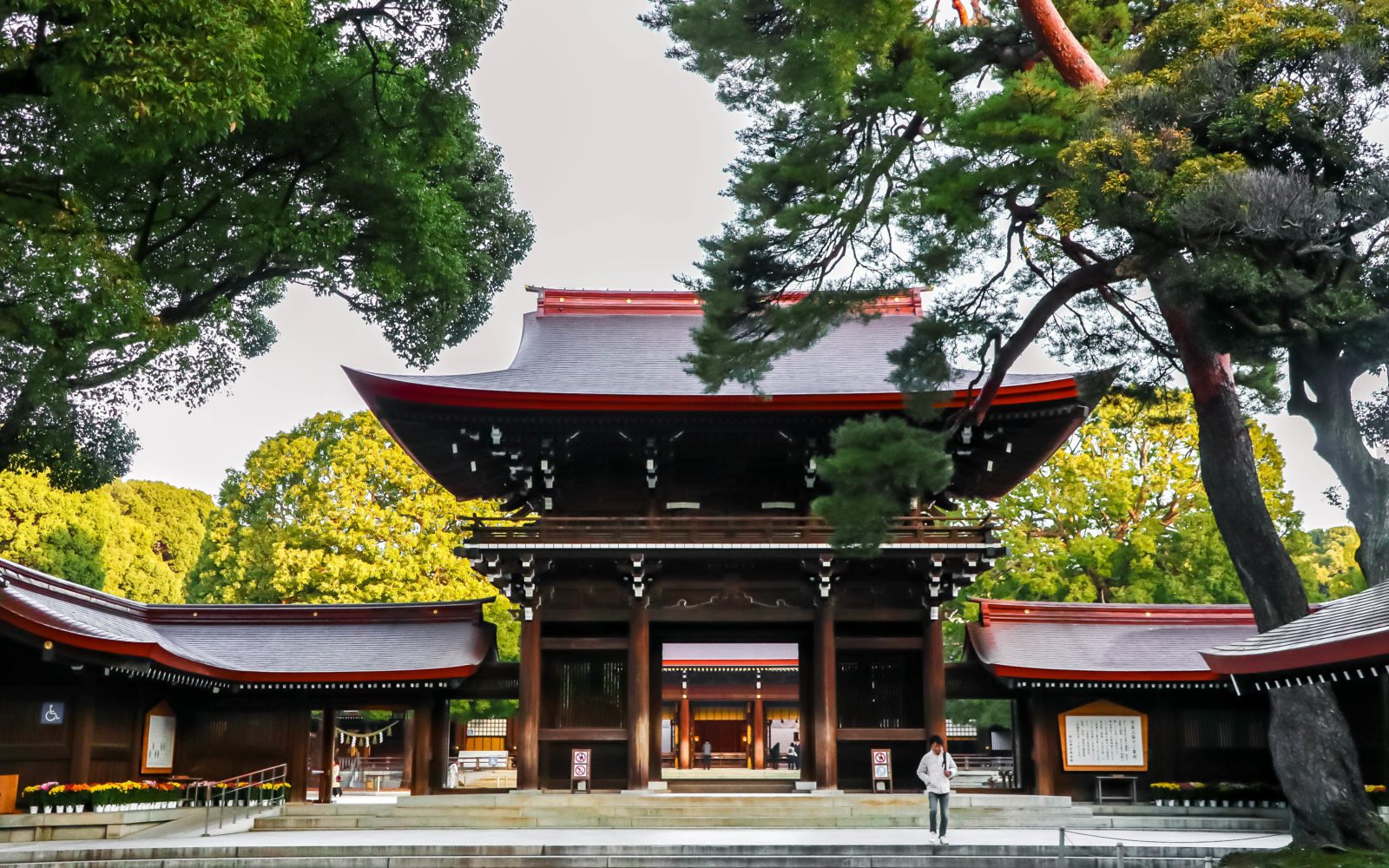
Meiji Jingu
The Shinto shrine, known for its beautiful garden,...
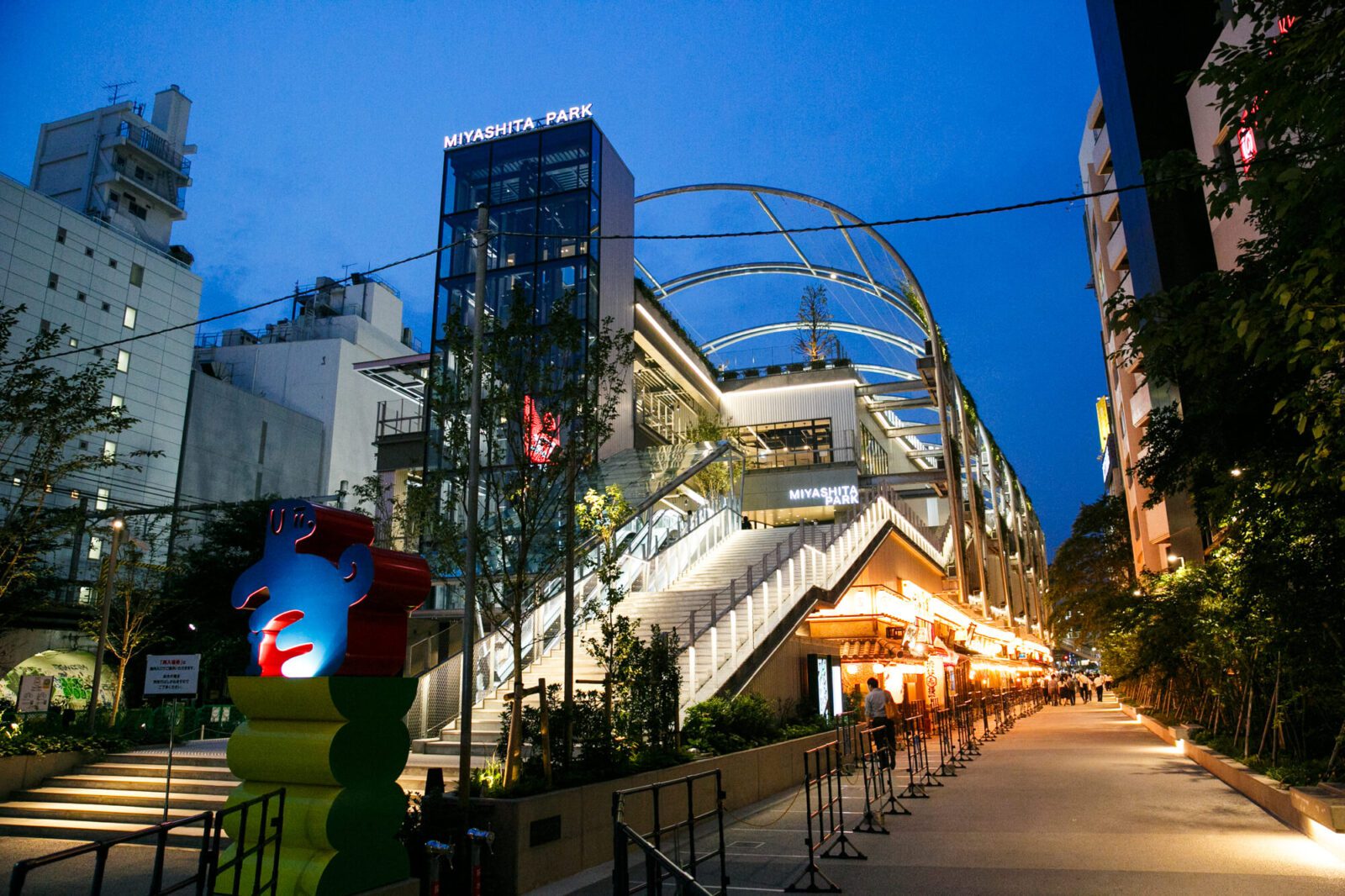
Miyashita Park
Miyashita Park is a multi-level urban park in cent...
Takeshita Street
Takeshita Street in Harajuku: short but iconic 350...
Tokyo Tower
Tokyo Tower is a notable building in Tokyo, Japan,...
Tsukiji Outer Market
Large wholesale fish market featuring a diverse se...
Shibuya Scramble Crossing
Shibuya Scramble Crossing is an intersection locat...
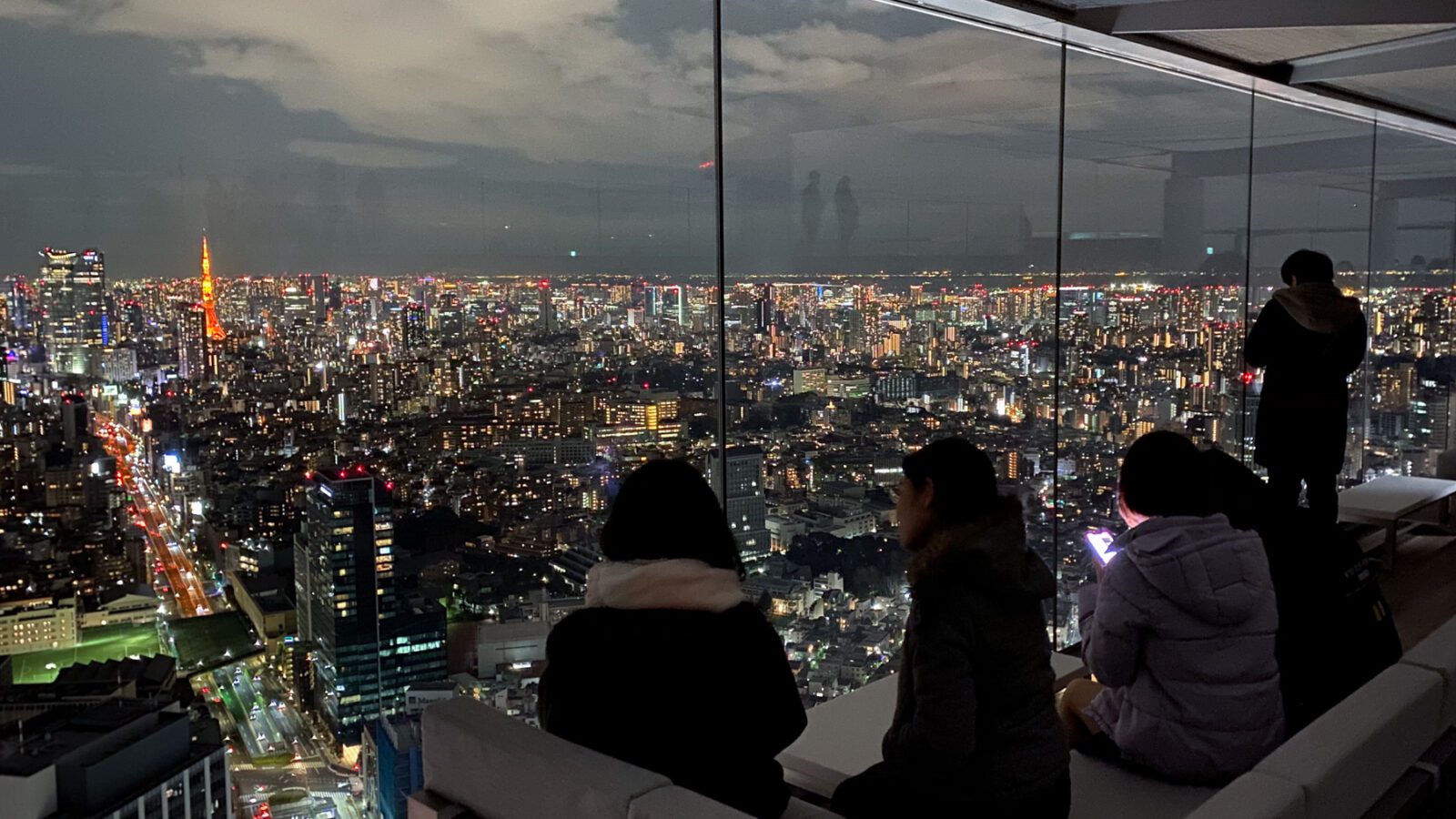
Shibuya Sky
An observation deck located high above Shibuya, of...
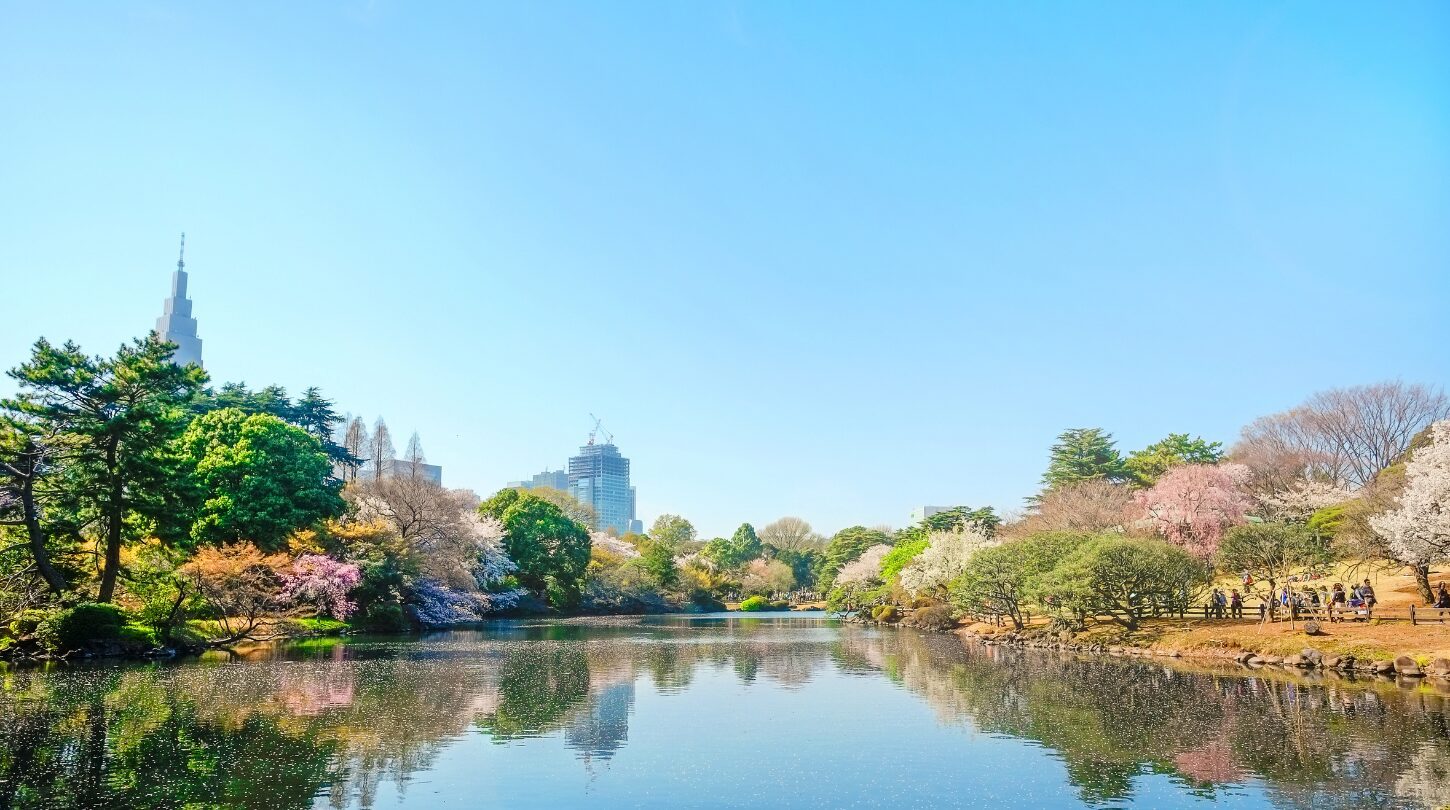
Meiji Jingu Gyoen
Tranquil garden within Meiji Shrine featuring iris...
Frequently Asked Questions (FAQs)
To enter the Imperial Palace East Gardens, your journey begins conveniently at the Otemachi Station, accessible via multiple Tokyo subway lines including Chiyoda, Tozai, Marunouchi, Hanzomon, and Mita. From there, a brief five-minute walk brings you to the Ote-mon Gate, the historic main entrance of Edo Castle, which now serves as a welcoming portal to the gardens.
Alternatively, you can reach the gardens by a 10 to 15-minute walk from Tokyo Station, allowing visitors to immerse themselves gradually in the surrounding urban tapestry before stepping into the serene garden space.
The gardens are open daily except Mondays, Fridays, and certain holidays, with clear signage and multiple gates such as Hirakawa-mon and Kitahanebashi-mon facilitating entry, all free of charge but subject to baggage inspection to preserve the sanctity of the grounds.
Indeed, the Imperial Palace East Gardens are open to the public without any admission fee, offering a rare glimpse into the historical heart of Tokyo at no cost.
This generosity invites both locals and travelers alike to wander through the expansive 210,000 square meters of grounds, where the echoes of Edo Castle’s former grandeur linger in the moats, stone walls, and guardhouses.
The free access underscores the gardens’ role as a public cultural asset, bridging Japan’s imperial heritage with contemporary urban life, allowing visitors to experience a tranquil oasis amidst the bustling metropolis.
The main precincts of the Imperial Palace remain closed to the public primarily because it serves as the residence of the Imperial family.
This exclusivity preserves the privacy and security of the Emperor and his household, maintaining a dignified separation between public historical interest and private imperial life.
Access to the palace grounds is thus highly restricted, with entry permitted only on two special occasions annually: January 2nd for the New Year’s Greetings and December 23rd for the Emperor’s Birthday.
Outside these days, guided tours of the palace grounds are available but require prior reservation and do not allow entry into the buildings themselves, reflecting a careful balance between openness and respect for imperial privacy.
The Imperial Palace East Gardens are not merely botanical spaces; they are a living tapestry woven from Japan’s layered history, natural beauty, and cultural symbolism.
Situated on the grounds of the former Edo Castle’s innermost defenses, the gardens preserve the footprints of a bygone era-moats, stone walls, and the foundations of the castle tower, which once stood as Japan’s tallest before succumbing to fire in 1657.
Walking through the gardens, one encounters a harmonious blend of expansive lawns, meticulously restored Edo-period gardens, and seasonal floral displays that paint the landscape with plum blossoms in winter, irises in summer, and fiery maples in autumn.
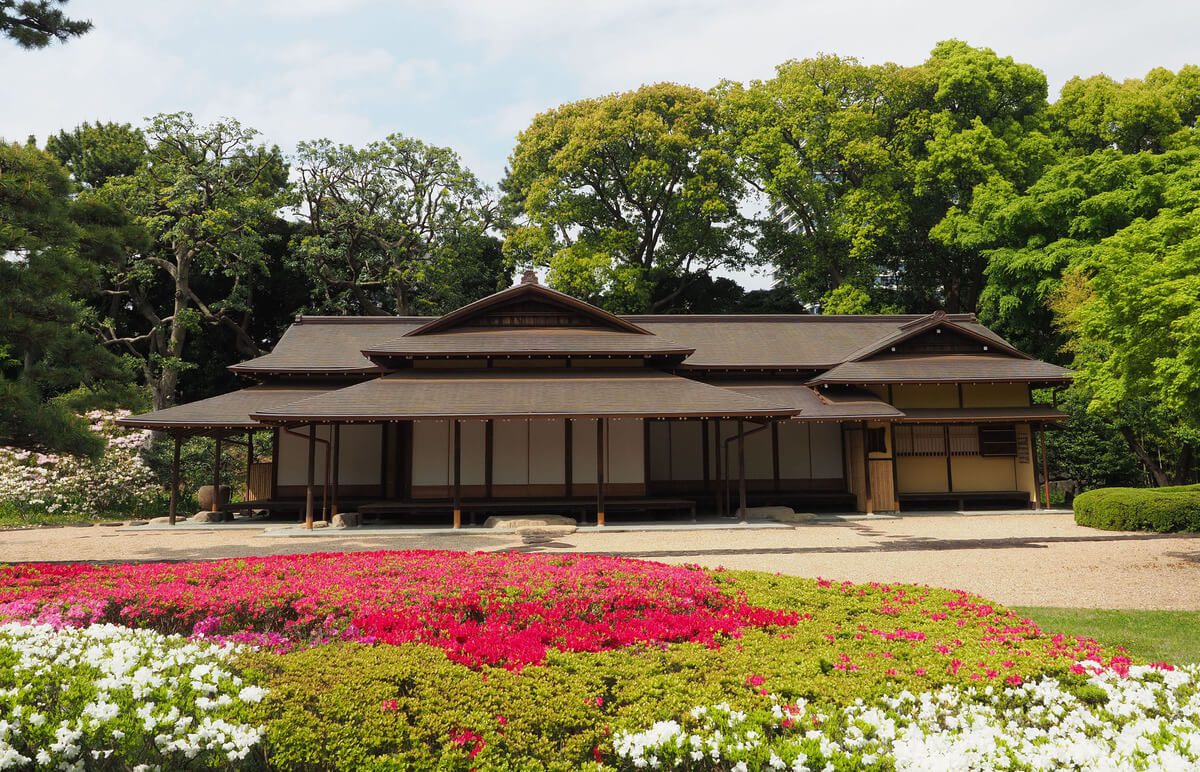
The gardens also house the photogenic Suwano teahouse and the Museum of the Imperial Collections, enriching the visitor experience with cultural depth. Climbing the ruins of the former castle tower offers panoramic views that connect past and present, inviting reflection on the passage of time and the resilience of tradition amid Tokyo’s relentless modernity.
In essence, these gardens are a serene sanctuary where history, nature, and art converge, offering a sensory and intellectual feast that lingers long after the visit.
Disclaimer
While we at Tokyo Trip Guide do our best to show you accurate prices, we just can't promise they'll stay the same. Here's why: since we're not actually selling anything ourselves - we work with partner companies who set their own prices - we can't control what deals they offer. That's why it's best to check directly with our suggested deal providers to see their latest prices for attraction tickets.
Just so you know, if you end up buying something from the providers we list here, we might get a small commission. We'd be really happy if you used our recommended links to make your bookings!