
Tokyo Tower
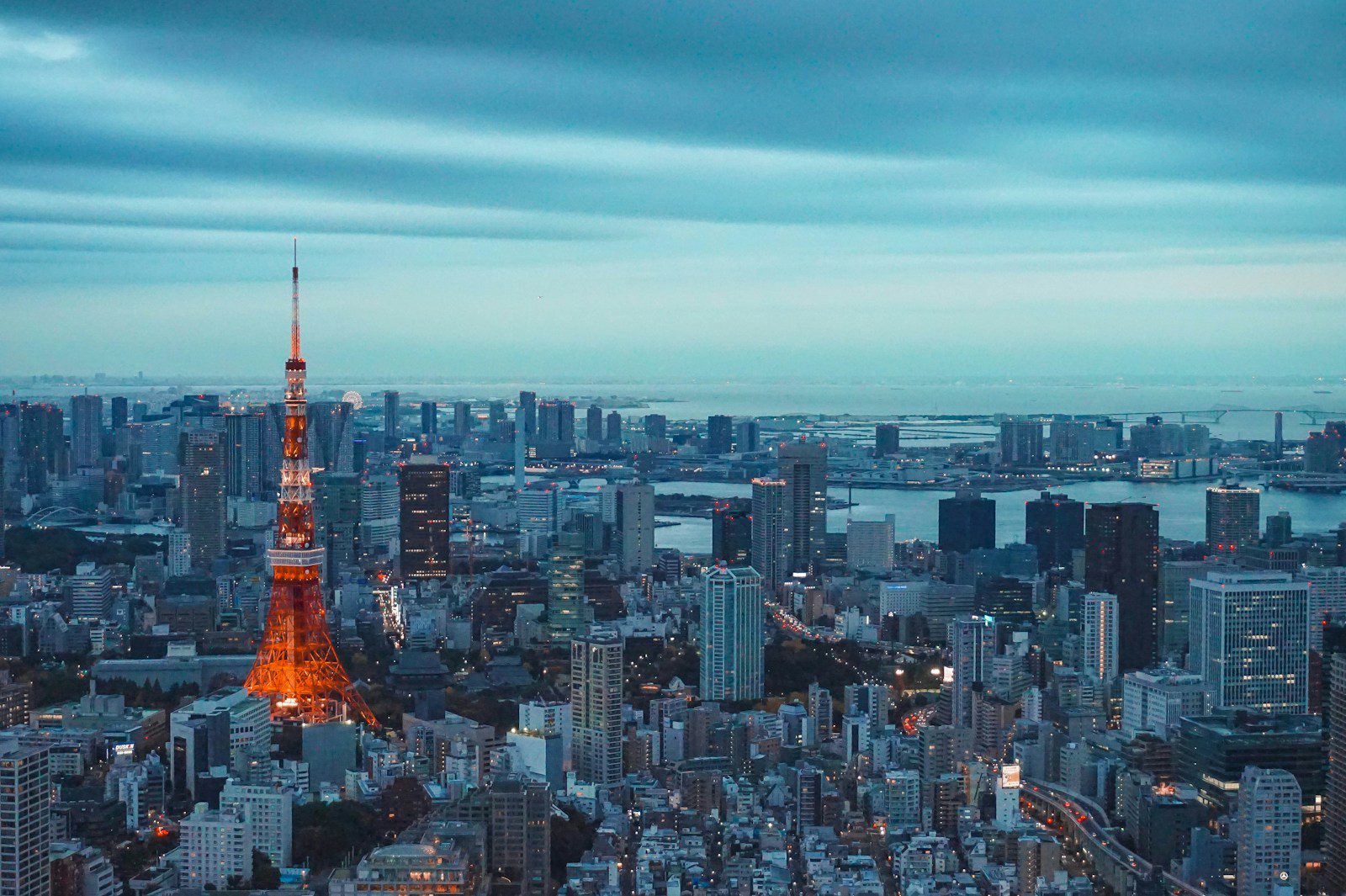
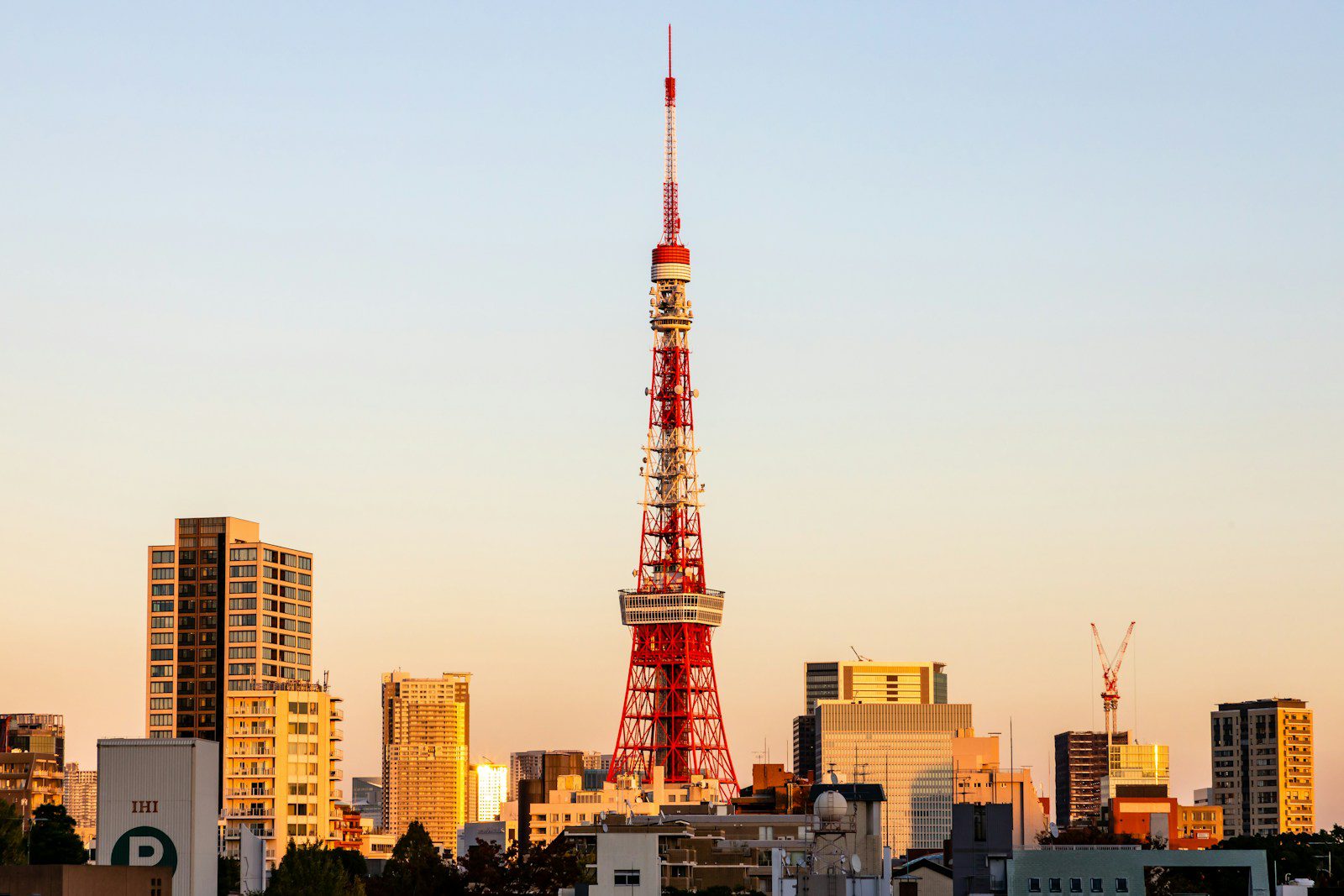
Tokyo Tower is a notable building in Tokyo, Japan, recognized for its distinctive red and white striped appearance and observation decks that provide expansive views of the city.
4.5 (83632 reviews)
Overview
Book Experience
Attraction Types
Operating Hours
Location
Things to Know
 Book Experience Now!
Check current price and availability.
 Viator
 Booking.com
 Trip.com
 GetYourGuide
 Klook
Klook
Overview
Tokyo Tower is an iconic tower, which shares architectural similarities with Paris’s Eiffel Tower, stands as a recognizable landmark in Tokyo, Japan.
Visitors can access multiple observation platforms located at different heights, offering panoramic views of the surrounding area.
Beyond its viewing decks, Tokyo Tower houses various attractions including exhibits, dining options, and souvenir shops.
The structure has become both a popular tourist destination and a distinctive element of the city’s skyline, drawing numerous visitors who wish to experience its elevated vantage points and additional amenities throughout the year.
Tokyo Tower: Tickets, Observation Decks & Visitor Guide (2026) – At 333 metres, Tokyo Tower has dominated the city’s skyline since 1958 — and despite the arrival of the taller Tokyo Skytree, it remains the more atmospheric of the two.
This guide covers everything you need to plan your visit: ticket prices, the difference between the two observation decks, the best time to go, how to get there, and where to photograph it from the street below.
The Story Behind Tokyo Tower
The striking resemblance to the Eiffel Tower is no coincidence.
Built in 1958, Tokyo Tower was inspired by its Parisian counterpart but engineered specifically to withstand Japan’s earthquakes and typhoons.
What makes it endure is how it has evolved — from a purely functional communications tower into one of Tokyo’s most beloved landmarks.
Its distinctive orange-and-white pattern (officially “International Orange”) keeps it visible against the ever-changing skyline.
When you visit today, you’re standing inside a structure that witnessed Japan’s transformation from post-war recovery to economic powerhouse.
That context gives the tower a weight that newer, taller buildings simply don’t have.
Tokyo Tower has also cemented itself in Japanese pop culture, appearing in countless films, anime series, and TV dramas.
For fans of Japanese media, visiting can feel like stepping into a favourite scene.
Tokyo Trip Add-Ons
Equip yourself for the ultimate Tokyo adventure with the following add-ons, curated just for you.







Tokyo Tower Observation Decks: Main Deck vs. Top Deck
Tokyo Tower has two observation levels.
Choosing between them — or combining both — is the most important decision you’ll make before you arrive.
Main Deck (150m)
The Main Deck is the standard entry-level experience.
At 150 metres, it offers 360-degree views through large panoramic windows, with landmarks including the Imperial Palace, Tokyo Skytree, Shiba Park, and Zojoji Temple visible below.
The deck also features a glass floor panel — a popular photo stop — along with a café and a gift shop.
It’s a comfortable, well-equipped space that works well for most visitors.
Ticket price: 1,500 JPY for adults
Top Deck (250m)
The Top Deck sits at 250 metres and delivers a noticeably more expansive panorama.
The enclosed viewing area wraps around the full circumference, and on clear days — particularly winter mornings — Mt. Fuji is visible to the west.
The Top Deck experience is more premium: fewer crowds, better sightlines, and a more considered design.
It costs more than the Main Deck, but the upgrade is worth it for first-time visitors, anyone visiting on a clear day, or anyone coming specifically for the night view.
- Ticket price: 3,300 JPY for adults (web price) / 3,500 JPY (counter price) — includes Main Deck (150m) access
- Our recommendation: First-timers should go straight to the Top Deck.
If budget is a concern, the Main Deck delivers excellent value — but you’ll notice the difference in scale and atmosphere.
Advance online booking is available and recommended during peak periods, as Top Deck tickets can sell out by mid-morning on busy days.
Visit Tokyo Tower Today
Reserve your tickets early via our trusted travel partners for the best experience.
Is Tokyo Tower Worth Visiting at Night?
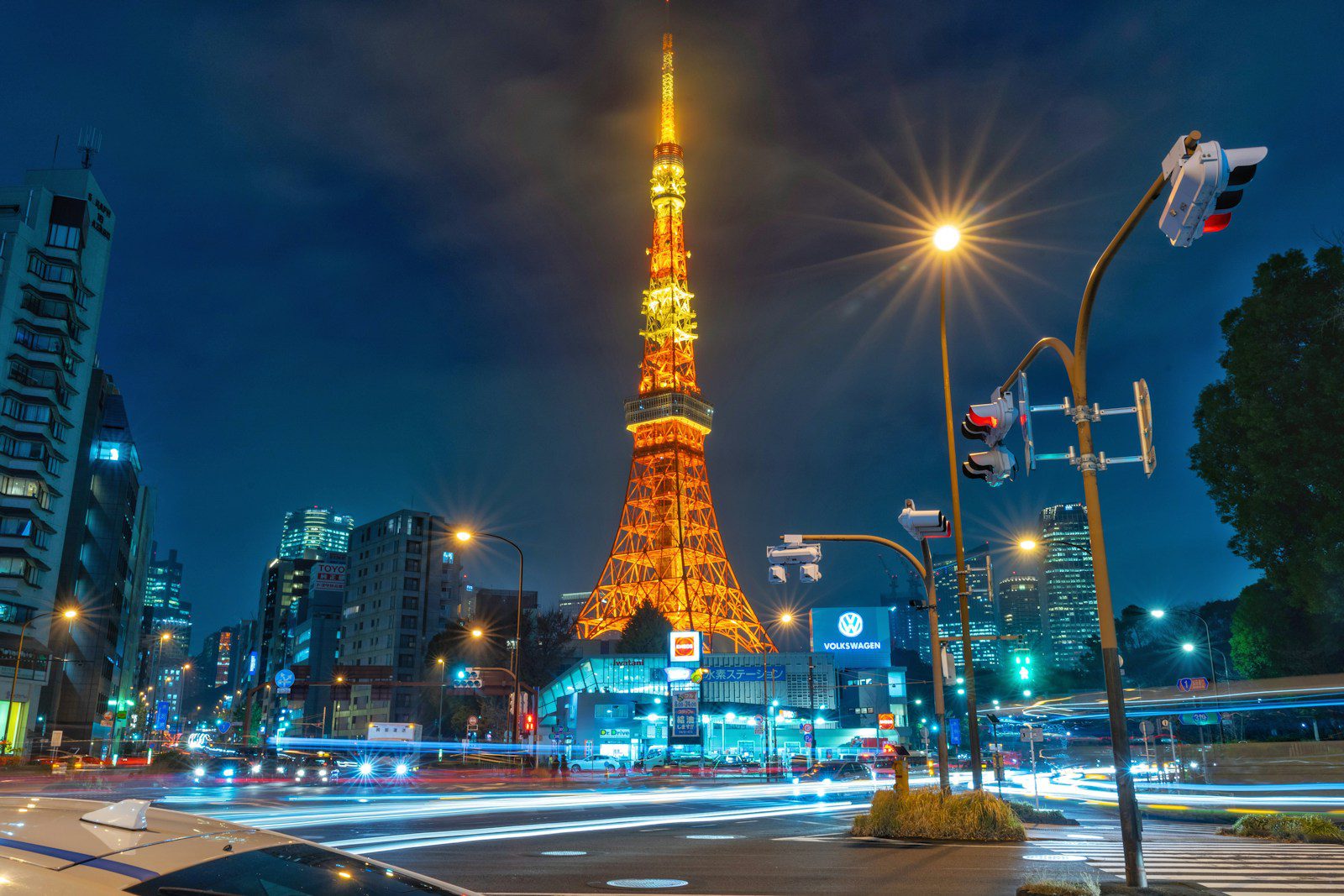
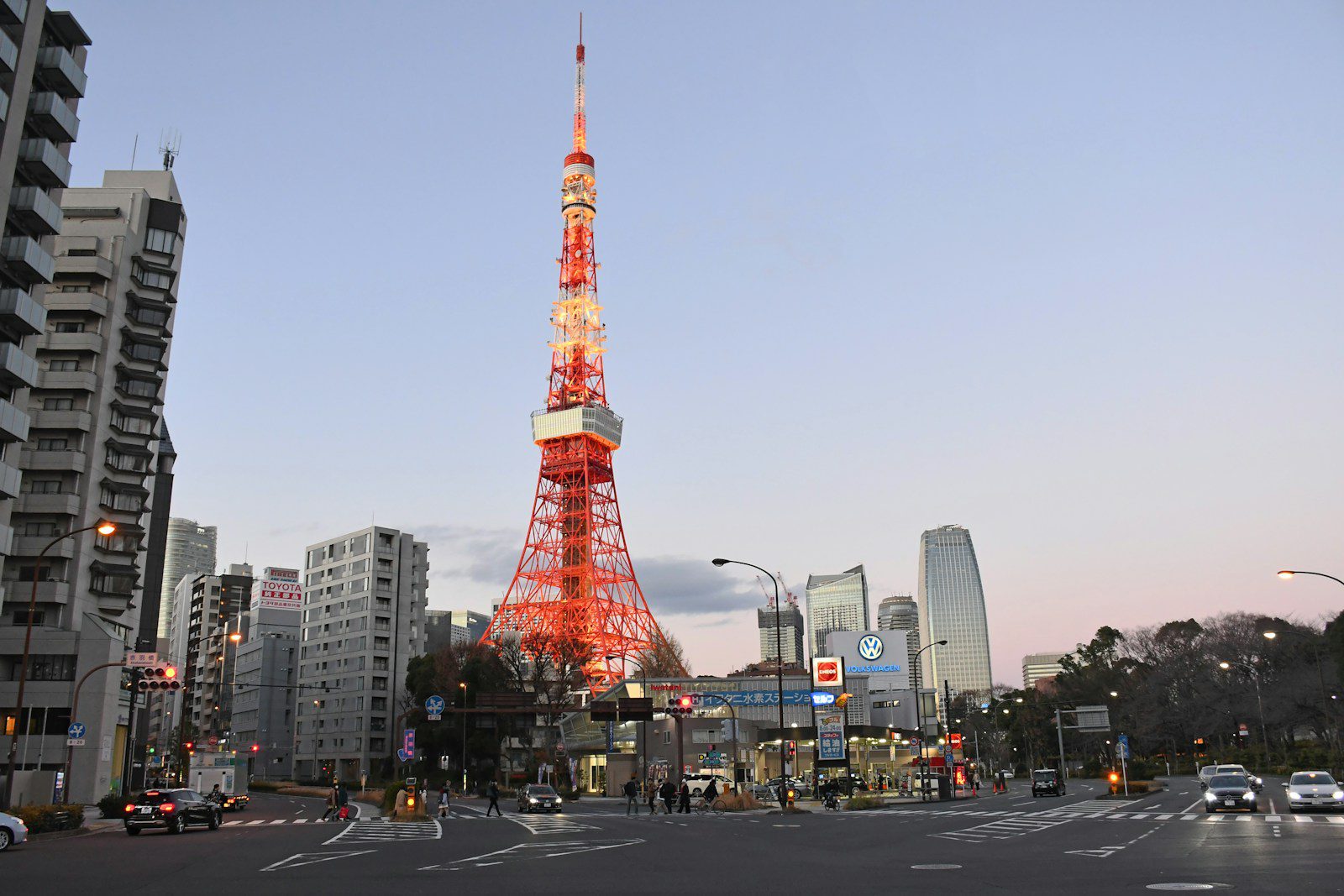
Yes — the night visit is arguably the best version of Tokyo Tower. The Diamond Veil LED illumination transforms the tower after dark, and the view from the observation decks across Tokyo’s lit-up grid is genuinely spectacular.
The tower’s lighting changes colour for special events and national holidays, so check the official website before your visit for any scheduled illuminations.
Sunset timing varies by season.
Arriving 30–45 minutes before sunset lets you watch the city transition from golden hour to full illumination — one of the most photogenic windows of the day.
For the full evening experience, time your visit to the Main Deck café or Top Deck around dusk.
The shift from daylight to city lights happens quickly and is worth being in position for.
Best Time to Visit Tokyo Tower
The best overall time to visit is a clear weekday morning in winter (December–February), when Mt. Fuji is most visible and crowds are thinnest. For atmosphere, a weekday evening in any season is hard to beat.
Time of Day
- Morning: Best visibility, fewest crowds, highest chance of seeing Mt. Fuji
- Sunset: Dramatic light transition; arrive 30–45 minutes before sunset
- Night: Diamond Veil illumination; the city view is exceptional
Day of Week
Weekdays are significantly quieter than weekends.
Saturday afternoons in particular can see long queues for the Top Deck elevator.
Season
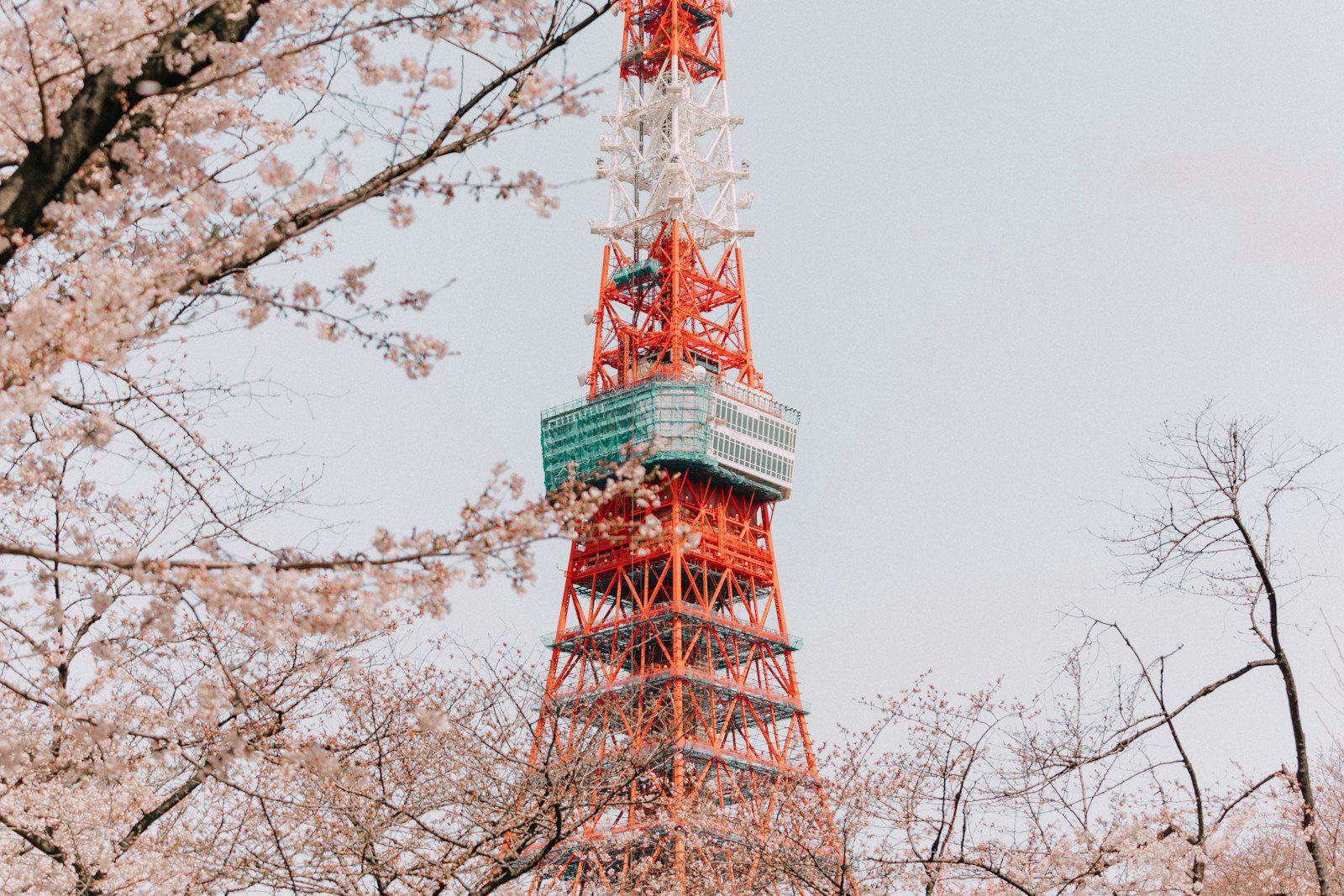
- Spring (late March–April): Cherry blossoms in Shiba Park frame the tower — a classic shot. Visibility is moderate. Crowds are high. See our Tokyo cherry blossom photography guide for timing and angles.
- Summer: Special illumination events; hazy visibility during humid months. Check our Tokyo summer survival guide if visiting July–August.
- Autumn (November): Foliage in surrounding parks adds colour. Good visibility returns. See Tokyo autumn foliage spots for nearby viewing.
- Winter (December–February): Clearest air of the year; best chance of Mt. Fuji views; holiday illuminations in December.
If It’s Overcast
Don’t cancel.
The tower itself, FootTown, and the adjacent Zojoji Temple are all worth visiting regardless of visibility.
Save the Top Deck for a clearer day if you can, but the Main Deck experience holds up in any weather.
Tokyo Tower Tickets, Opening Hours & Practical Info
| Detail | Information |
|---|---|
| Opening hours | 9:00am–11:00pm daily (Main Deck last entry 10:30pm; Top Deck last entry 10:15pm) |
| Main Deck ticket | 1,500 JPY (adults) |
| Top Deck ticket | 3,300 JPY web / 3,500 JPY counter (adults, includes Main Deck) |
| Where to buy | On-site or online (advance booking recommended for Top Deck) |
| Visit duration | 1–2 hours typical; longer if combining with Zojoji Temple |
| Accessibility | Lifts to all decks; wheelchair-accessible entrances and facilities |
| Parking | Paid on-site parking available; public transport strongly recommended |
If you’re planning to visit multiple paid attractions in Tokyo, it’s worth reading our guide to saving money on Tokyo attractions with discount passes before you book — some passes include Tokyo Tower entry or nearby attractions.
Families visiting with children will find the tower well set up — interactive exhibits in FootTown keep younger visitors engaged while adults take in the views.
For more family planning, see our Tokyo with kids guide.
Getting to Tokyo Tower
Tokyo Tower is in Minato City and is not on the Yamanote Line — a common point of confusion for first-time visitors.
Plan your route in advance.
Nearest stations:
- Akabanebashi Station (Toei Oedo Line) — 5-minute walk; use the Akabanebashi exit
- Onarimon Station (Toei Mita Line) — 6-minute walk; use exit A1
- Kamiyacho Station (Tokyo Metro Hibiya Line) — 7-minute walk; use exit 1
From Hamamatsucho (JR Yamanote/Keihin-Tohoku Line): approximately 15-minute walk north through Shiba Park.
A pleasant route if the weather is good.
Full address: 4 Chome-2-8 Shibakoen, Minato City, Tokyo 105-0011
Public transport is strongly recommended.
If you’re navigating Tokyo’s rail network for the first time, our JR Pass vs. Tokyo Metro Pass comparison will help you choose the right ticket for your trip.
Where to Photograph Tokyo Tower
“Tokyo tower view” searches often come from people who want the exterior shot — not just the view from the deck.
Here are the best vantage points.
Zojoji Temple Gate
The classic shot. Stand at the main gate (Sangedatsumon) and frame the tower rising directly behind the temple roof.
Works in every season; particularly striking during cherry blossom season and at night.
Entry to the temple grounds is free.
Shiba Park Lawn
A wider, lower-angle view that captures the tower’s full height.
Good for golden hour.
The park is directly adjacent to the tower and free to enter.
The Base Looking Up
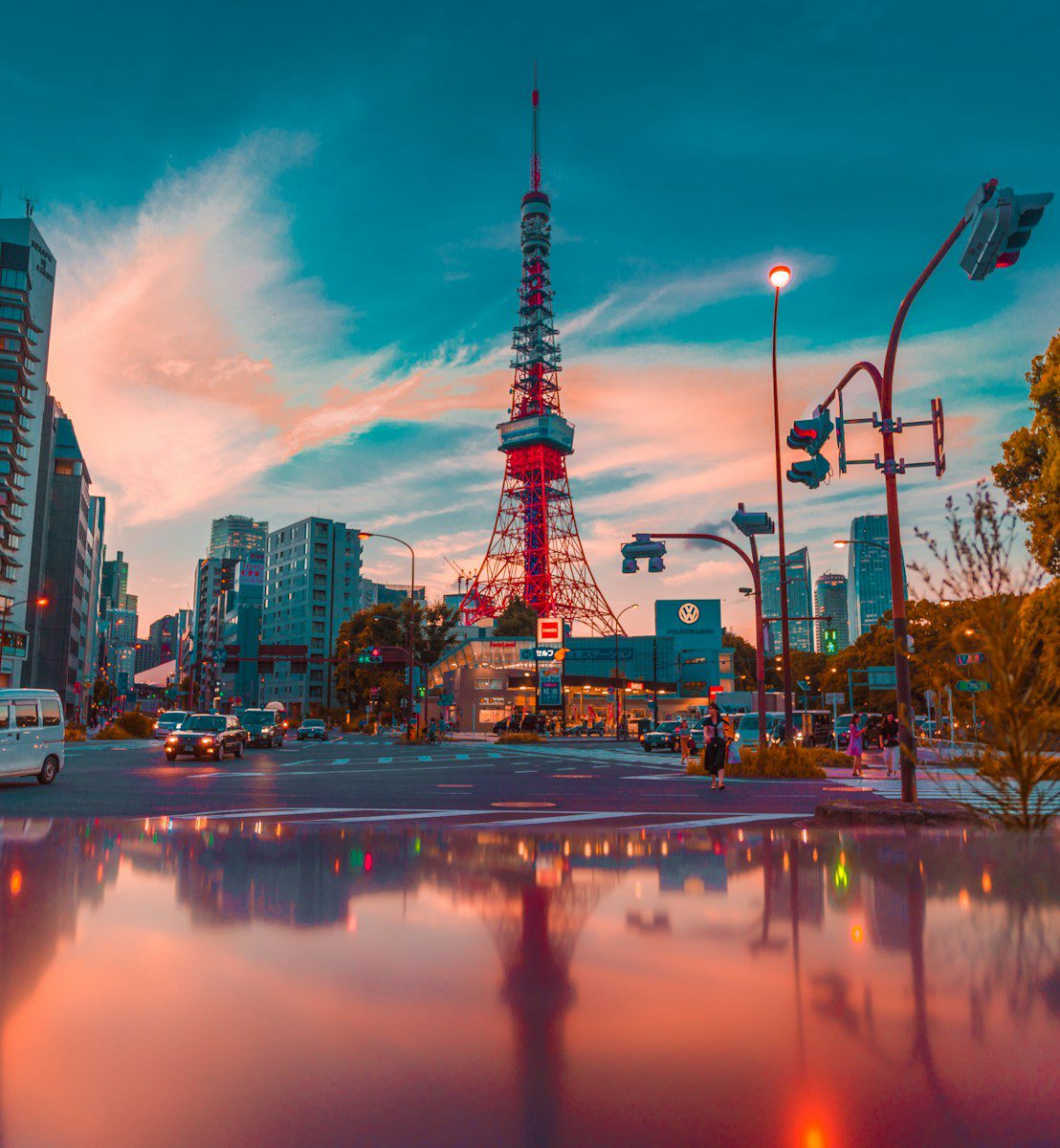
Underrated. Standing directly beneath the tower and shooting upward gives a dramatic geometric perspective.
Best in the late afternoon when the light catches the lattice structure.
Roppongi Hills Sky Deck
For a distant elevated view of the tower against the broader Tokyo skyline.
About 10 minutes by taxi from Tokyo Tower.
Useful for context shots showing the tower’s relationship to the city.
Night Illumination
The Diamond Veil LED display runs nightly.
The tower changes colour for special events — check the official website for the current schedule.
The Zojoji gate shot at night, with the illuminated tower behind, is one of the most iconic images in Tokyo photography.
For more shooting locations across the city, our guide to Tokyo photo spots and Instagram-worthy locations covers the full range of angles and neighbourhoods.
What’s Around Tokyo Tower
Tokyo Tower sits in a neighbourhood that rewards a longer visit.
Plan at least half a day to do it properly.
Zojoji Temple
Directly adjacent to the tower — free entry, open grounds, and a striking architectural contrast between Edo-period Buddhism and 1950s modernism.
The main gate dates to 1605. Don’t skip it.
Shiba Park
Shiba Park is a relaxed green space immediately surrounding the tower.
Good for a pre-visit stroll or a post-visit wind-down.
Cherry blossoms here in late March and early April are excellent.
Minato Neighbourhood
The broader Minato ward has strong dining options, particularly along the streets between the tower and Hamamatsucho.
For neighbourhood food recommendations across Tokyo, see our Tokyo foodie areas guide.
Roppongi
Approximately 10 minutes by taxi or a 20-minute walk.
Combining Tokyo Tower with Roppongi Hills makes a natural half-day itinerary — art, views, and dining in one loop.
Tokyo Tower Through the Seasons
Here are the details for each season:
Spring at Tokyo Tower
Cherry blossoms in Shiba Park frame the tower in pink — one of the most photographed combinations in Tokyo.
The Japan cherry blossom forecast can help you time your visit to peak bloom.
Spring also brings some of the clearest skies of the year, increasing your chances of seeing Mt. Fuji.
Summer
Special illumination events run through summer, and the tower plaza hosts performances and cultural displays.
Visibility is lower due to humidity and haze.
Evenings are more comfortable than afternoons.
Autumn
Changing leaves in Shiba Park and surrounding areas create strong foreground colour against the orange tower.
November is a particularly good month for photography.
Air clarity improves through the season.
Winter
The clearest air of the year. December brings holiday illuminations — the tower is often lit in seasonal colours.
January and February mornings offer the best statistical chance of seeing Mt. Fuji from the Top Deck.
Dress warmly; the observation decks are enclosed but the walk from the station is exposed.
Read More
Attraction Types
Tourist Attraction
Art Gallery
Landmark
Shopping Mall
Observation Deck
Related Tours
Powered by


Tokyo 6hr Private Tour with Government-Licensed Guide
4.9 (3,061 reviews)
Duration: 6 hours
From $158
Book Now
Tokyo 4hr Private Tour with Government-Licensed Guide
4.9 (1,075 reviews)
Duration: 4 hours
From $108
Book Now
Flagship 2-Hours Official Street Go-Kart Tour - Tokyo Bay Shop
4.9 (3,905 reviews)
Duration: 2 hours to 2 hours 30 minutes
From $119
Book Now
Customizable Private Tokyo Tour with an English-speaking Driver
5 (86 reviews)
Duration: 9 hours
From $320
Book Now
【Open 1st Anniv.】Popular Sushi Making Class near Tokyo Tower
5 (162 reviews)
Duration: 1 hour 30 minutes
From $53
Book Now
Tokyo Tower Observation Deck E-Tickets.
4.4 (16 reviews)
Duration: 1 hour 30 minutes
From $15
Book Now
Tokyo Guided Small-Group Biking Tour
5 (1,149 reviews)
Duration: 6 hours 30 minutes
From $108
Book Now
THE TOKYO PASS,Unlimited Entry to Cultural Attractions in Tokyo
5 (1 reviews)
Duration: 1 hour to 2 days 12 hours
From $40
Book Now
Tokyo Private Driving Tour by Car/Van - English speaking driver
5 (74 reviews)
Duration: 8 to 9 hours
From $370
Book Now
Shibuya / Tokyo Tower 120min Go Karting Tour - *IDP required!*
4.9 (42 reviews)
Duration: 2 hours
From $136
Book Now
FAST&FURIOUS:Real Experience Daikoku Car Meet
4.4 (219 reviews)
Duration: 4 to 5 hours
From $158
Book Now

Tokyo 1-Day Bus Tour, hotel pick-up and drop-off, Japan Gray Line
4.4 (50 reviews)
Duration: 8 hours 30 minutes
From $97
Book Now

Tokyo 8hr Private Tour with Government-Licensed Guide
4.9 (96 reviews)
Duration: 8 hours
From $208
Book Now
Tokyo Private Day Trip - Enjoy Your First-Time Visit to Tokyo!
4.9 (689 reviews)
Duration: 7 hours
From $108
Book Now
Official Street Go-Kart Tour - Shinagawa Shop
4.9 (288 reviews)
Duration: 1 hour to 1 hour 15 minutes
From $101
Book Now
Tokyo Private Driving Tour by Car/Van- English speaking chauffeur
4.9 (613 reviews)
Duration: 9 hours
From $374
Book Now
Tokyo Private Car Tour: Professional Guide and Driver/Optional airport xfer
4.9 (50 reviews)
Duration: 8 hours
From $1,063
Book Now
Tokyo Private Driving Tour by Car/Van with English Chauffeur
4.9 (136 reviews)
Duration: 9 hours
From $320
Book Now
Red Tokyo Tower Night Ticket
3.3 (7 reviews)
Duration: 1 hour to 2 hours 30 minutes
From $27
Book Now
Daikoku JDM Tokyo Drift Fast Furious Style Car Culture Experience
4.9 (159 reviews)
Duration: 3 to 4 hours
From $126
Book NowRelated Tours
Powered by


Tokyo: Daikoku JDM Fast Furious Drift Style Car Experience
4.9 (401 reviews)
4 hours • Small group
From $123
Book Now
Daikoku Parking Tokyo URUSAI JDM TOUR on R35 or Chaser
4.7 (112 reviews)
3 hours • Pickup available
From $386
Book Now
Tokyo: Fast & Furious Tokyo Drift 3 Experience
4.8 (453 reviews)
4 hours • Small group • Pickup available
From $164
Book Now
Tokyo: A Half-Day Trip Bus Tour in the Morning
4.7 (123 reviews)
4 - 4.5 hours • Small group
From $42
Book Now
Tokyo: Traditional Japan Festival Dance Show at Tokyo Tower
4.1 (111 reviews)
1 hour
From $35
Book Now
Tokyo: Daikoku PA & Shibuya Private Tour in a JDM Car
5 (48 reviews)
4.5 hours • Private group
From $246
Book Now
Tokyo: Sushi Making Class in a Happi Coat near Tokyo Tower
4.9 (698 reviews)
1.5 hours
From $93
Book Now
Tokyo: Hop-On Hop-Off Sightseeing Bus Ticket
3.9 (2,901 reviews)
1 - 2 days • Optional audio guide
From $34
Book Now
Tokyo: Imperial Palace, Sensō-ji Temple, & Tokyo Tower Tour
4.5 (196 reviews)
4 hours
From $42
Book Now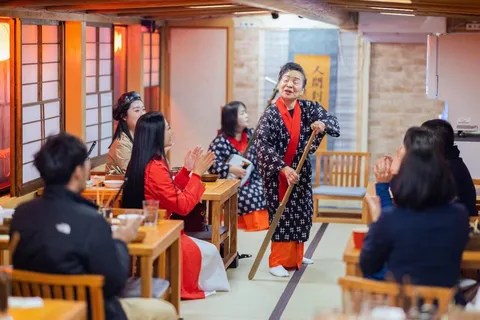
Tokyo: Yakatabune Dinner Cruise with Japanese Show & Drinks
4.7 (738 reviews)
1 - 1.5 hours
From $46
Book Now

Shibuya Kart: Guided Go-karting tour through Shibuya & Tokyo
4.6 (26 reviews)
1 - 1.5 hours • Small group
From $133
Book Now

Tokyo Drift: GT-R Car Club R35 Liberty Walk Daikoku meeting
4.8 (821 reviews)
4 hours
From $267
Book Now
Tokyo: Dance Show & Performance Dinner Cruise & Tokyo Tower
4.7 (132 reviews)
1.5 - 3.5 hours
From $111
Book Now
Tokyo: Daikoku Car Meetup & Night City Tour with Local Guide
4.6 (159 reviews)
3 hours • Pickup available
From $126
Book Now
Tokyo: Full-Day Sightseeing Bus Tour
4.7 (1,670 reviews)
10 hours • Optional audio guide
From $133
Book Now
Tokyo: Guided Daikoku JDM and Tokyo Car Culture Tour
4.9 (55 reviews)
4 hours • Small group
From $150
Book Now

Tokyo: Shibuya Crossing x Tokyo Tower and more! Go-Kart Tour
4.9 (37 reviews)
1 - 1.5 hours • Small group
From $211
Book Now
Tokyo: Shibuya Crossing, Harajuku, Tokyo Tower Go Kart Tour
4.6 (395 reviews)
105 minutes • Small group
From $126
Book Now

Tokyo: Private City Highlights Tour with Local Guide
4.8 (1,167 reviews)
4 - 6 hours • Pickup available
From $105
Book NowRelated Tours
Powered by


Roppongi Hills Tokyo City View Observatory Deck Ticket
4.7 • (4,314) • 100K+ booked
Observation decks • Tokyo
From US$ 10.70
Book Now
teamLab Borderless Ticket: MORI Building DIGITAL ART MUSEUM
4.8 • (16,643) • 500K+ booked
Museums • Tokyo
From US$ 29.05
Book Now
Mt. Fuji 5th.St & Hakone Day Trip from Tokyo with lunch (from Tokyo)
4.4 • (3,749) • 70K+ booked
Tours • From Tokyo
From US$ 96.69
Book Now
Klook Pass Greater Tokyo
4.4 • (5,947) • 100K+ booked
Attraction passes • Tokyo
From US$ 46.39
Book Now
Mt. Fuji Sakura & Ropeway & Fruit Picking Oshino Hakkai from Tokyo
4.4 • (1,854) • 20K+ booked
Tours • From Tokyo
From US$ 92.55
Book Now
TOKYO SKYTREE® Ticket
4.7 • (18,020) • 700K+ booked
Observation decks • Tokyo
From US$ 14.99
Book Now

FAST&FURIOUS Tokyo Drift REAL EXPERIENCE Daikoku Parking
4.8 • (298) • 3K+ booked
Tours • Tokyo
From US$ 174.45
Book Now
Mt. Fuji & Lake Kawaguchi Tour from Tokyo (English Chinese Korean)
4.5 • (1,556) • 20K+ booked
Tours • From Tokyo
From US$ 62.15
Book Now
Fast&Furious Tokyo drift Daikoku Car Meetup Night Tour with JDM Car
4.3 • (7) • 200+ booked
Tours • From Tokyo
From US$ 174.89
Book NowThings to Know
- Onsite services
- Wheelchair accessible entrance
- Wheelchair accessible parking lot
- Getting tickets in advance recommended
- Good for kids
- On-site parking
- Paid parking lot
Our Notes & Verdicts
Our Rating: 4.8
We couldn’t help but be awestruck by Tokyo Tower the moment we laid eyes on its vibrant red-and-white frame piercing the sky. Climbing up to the observation deck felt like stepping into a postcard—Tokyo’s endless sprawl unfolded before us, with Mount Fuji peeking through on clear days. The energy of the city buzzed below as we snapped photos and soaked in every angle. Even the little shops and art gallery at the base added a delightful touch to our visit. With a personal rating of 4.8, we found it to be a perfect blend of touristy charm and genuine wonder, and we’re already planning our next trip back to see the city lights at night!
Operating Hours
Location
4 Chome-2-8 Shibakoen, Minato City, Tokyo 105-0011, Japan
Nearest Train Station(s)
Akabanebashi (Oedo Line), Kamiyacho (Hibiya Line), and Onarimon (Mita Line). Hamamatsucho (JR Yamanote and Keihin-Tohoku Lines) is also a good option, though a bit further away.
Nearest Bus Stop(s)
The closest bus stops to Tokyo Tower are the "Tokyo Tower" and "Higashi-Azabu Itchome" bus stops operated by Toei Bus.
 DiscoverCars
 RentalCars
Tokyo Trip Add-Ons
Equip yourself for the ultimate Tokyo adventure with the following add-ons, curated just for you.
Related Attractions
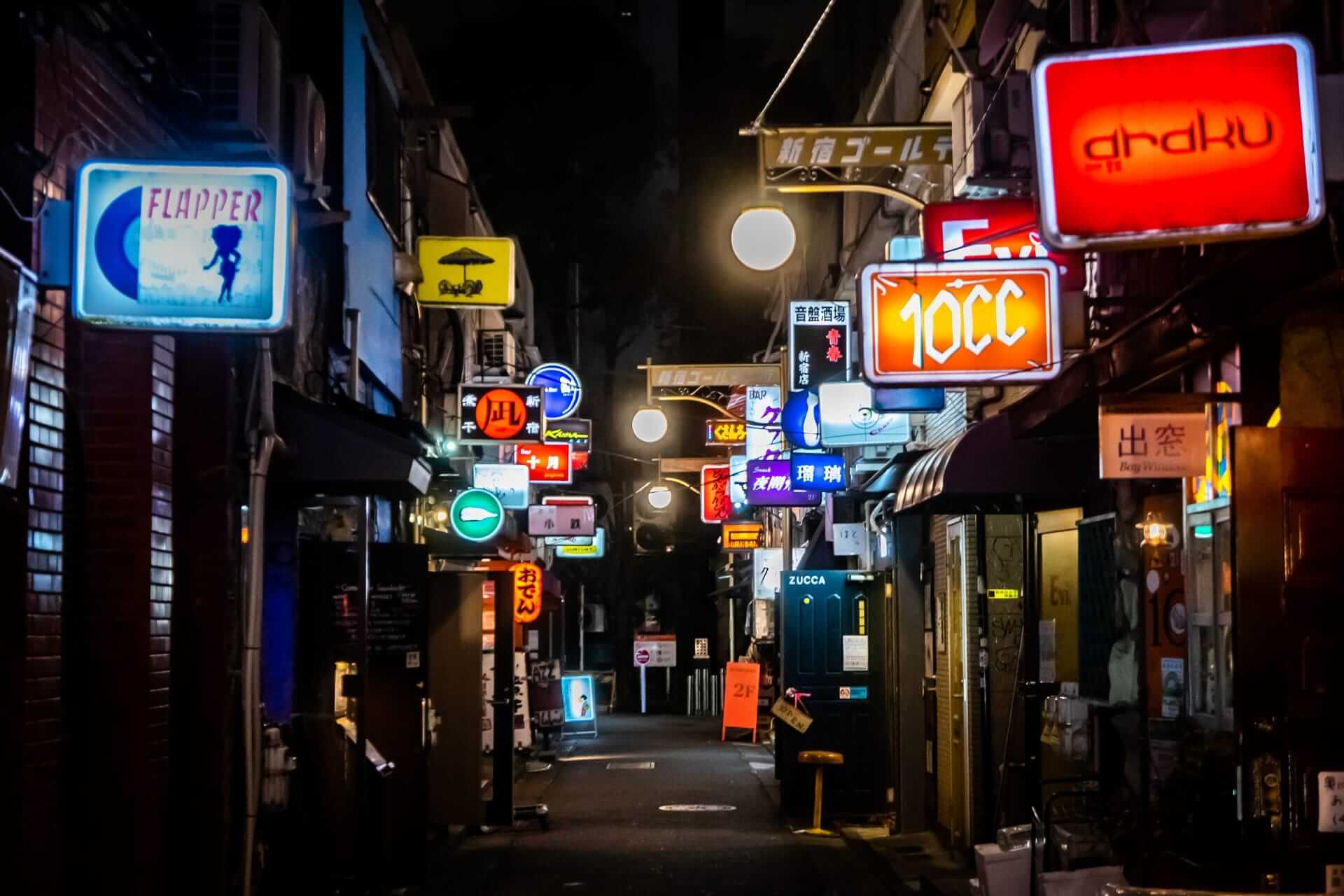
Shinjuku Golden-Gai
This historic maze of narrow alleys in Shinjuku's ...
Shibuya Scramble Crossing
Shibuya Scramble Crossing is an intersection locat...
Sangūbashi Park
Small neighborhood park in Yoyogi, Shibuya, known ...
Yoyogi Park
Park on the site of the 1964 Olympic village. The ...
Tokyo Station Marunouchi North Gate Dome
A major railway station in Tokyo that plays a sign...
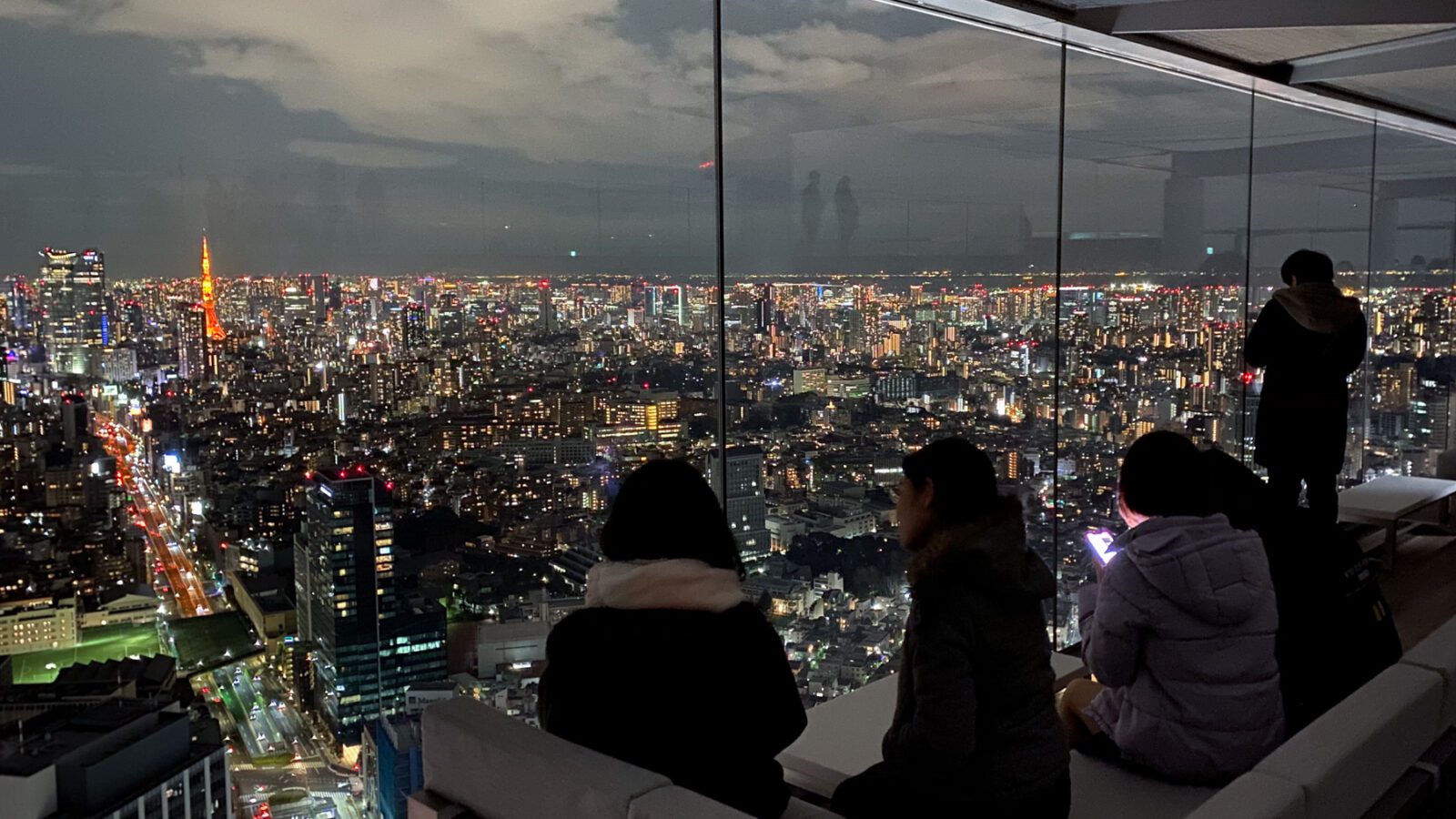
Shibuya Sky
An observation deck located high above Shibuya, of...
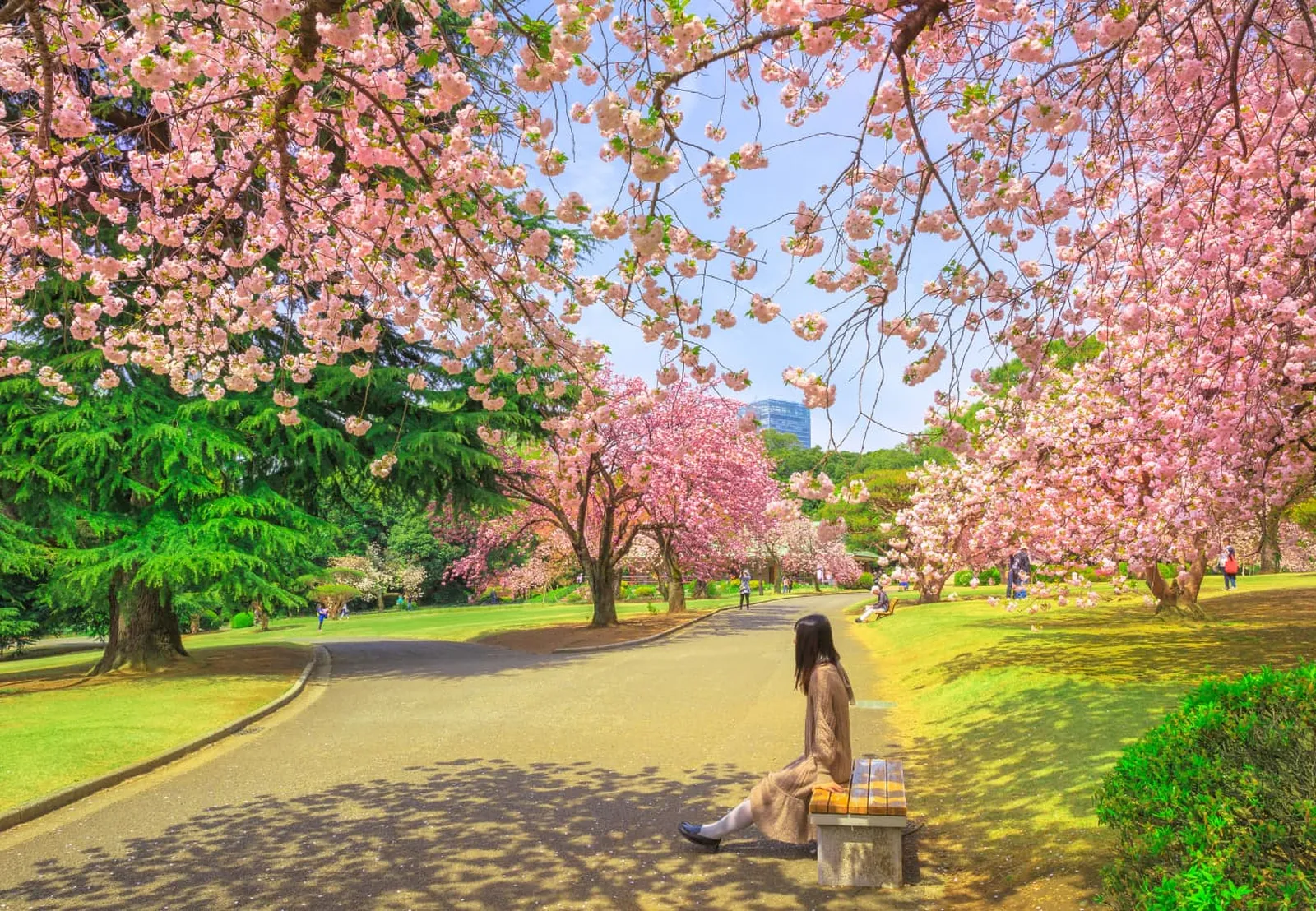
Shinjuku Gyoen National Garden
A well-known city park in Tokyo that combines thre...
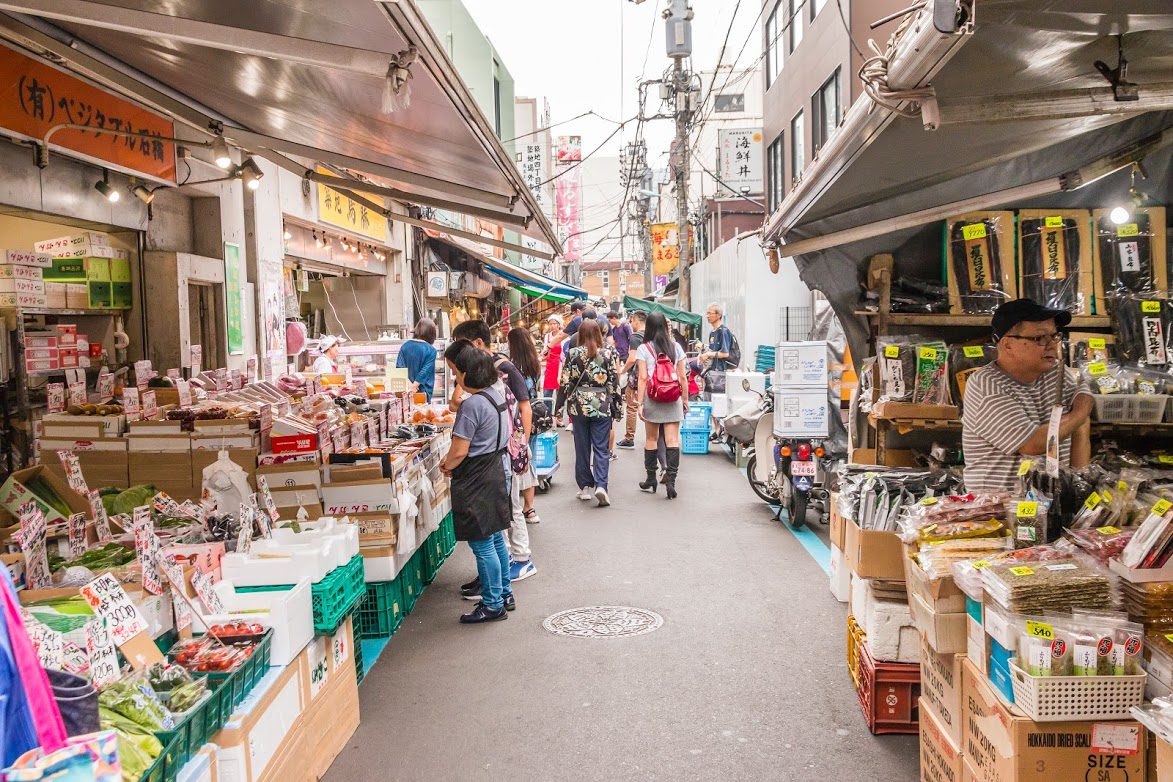
Tsukiji Outer Market
Large wholesale fish market featuring a diverse se...
Frequently Asked Questions (FAQs)
Tokyo Tower holds a unique place in Japan’s history and culture. Completed in 1958, it was built during Japan’s post-war recovery and quickly became a symbol of the nation’s resilience and technological advancement.
Its striking red and white design, inspired by the Eiffel Tower, stands as a beacon of hope and modernity.
The tower not only serves as a broadcasting hub but also offers panoramic views of Tokyo, and on clear days, even Mount Fuji is visible.
Its construction, partly using scrap metal from American tanks, further symbolizes resourcefulness and the spirit of renewal that defined Japan’s rapid economic growth after World War II.
While you can freely enter the base area known as FootTown, accessing the observation decks of Tokyo Tower requires an admission fee.
There isn’t a free option to walk up to the main or top observation decks; adults typically pay between ¥900 and ¥1,400 depending on which deck they wish to visit.
The climb itself is usually done via elevator, but there are occasional “stair climb” events with a separate fee.
Tokyo Tower is slightly taller than the Eiffel Tower.
Tokyo Tower stands at 333 meters, while the Eiffel Tower reaches about 330 meters to the tip.
Despite the small difference in height, Tokyo Tower has more floors-fifteen compared to the Eiffel Tower’s three-making it not only taller but also more expansive in terms of interior space.
A popular legend associated with Tokyo Tower says that if you watch the moment the tower’s lights turn off at midnight with your lover, you will find happiness together.
This romantic myth draws many couples to the base of the tower late at night, hoping to share in the magic of the moment.
Yes, Tokyo Tower’s design was directly inspired by the Eiffel Tower in Paris.
Japanese architect Tachū Naitō adapted the French model, adding unique engineering features to withstand earthquakes and typhoons, and giving it a distinctive red and white color scheme to comply with aviation regulations.
The result is a structure that pays homage to its European inspiration while embodying Japanese innovation and resilience.
Tokyo Tower is famous for its nighttime illuminations.
The tower features two main types of lighting: the “Landmark Light,” which bathes the structure in warm orange hues during winter and cool white in summer, and the “Infinity Diamond Veil,” a newer, more dynamic display.
Special light shows and seasonal events, such as the Winter Fantasy Orange Illumination, further enhance its presence on the Tokyo skyline, making it a beloved sight after dark.
Tokyo Tower offers two ticket options: the Main Deck (150m) at 1,500 JPY for adults, and the Top Deck Tour (150m + 250m) at 3,300 JPY online or 3,500 JPY at the counter for adults.
The Top Deck Tour already includes Main Deck access — there is no separate “combined ticket.” Tickets can be purchased on-site or booked online in advance — recommended during peak seasons when Top Deck slots sell out early.
Yes, on clear days, Mt. Fuji is visible to the west from both observation decks, though the Top Deck at 250m gives the best sightline.
Winter mornings (December–February) offer the highest chance of a clear view, as cold, dry air reduces haze.
Summer and rainy season visibility is significantly lower.
Tokyo Tower wins on atmosphere; Tokyo Skytree wins on height.
The Skytree (634m) offers a higher vantage point and more modern facilities, but Tokyo Tower’s 1958 lattice structure, central location, and cultural resonance make it the more emotionally engaging visit.
First-timers often prefer Tokyo Tower; those who want the highest possible view should consider the Skytree. Both are worth visiting if time allows.
Allow 1–2 hours for the tower itself — including queuing, the elevator ride, and time on the observation deck.
Add 30–45 minutes if you plan to explore FootTown at the base.
Budget a full half-day if you’re combining the visit with Zojoji Temple and Shiba Park, which are both immediately adjacent and free to enter.
Disclaimer
While we at Tokyo Trip Guide do our best to show you accurate prices, we just can't promise they'll stay the same. Here's why: since we're not actually selling anything ourselves - we work with partner companies who set their own prices - we can't control what deals they offer. That's why it's best to check directly with our suggested deal providers to see their latest prices for attraction tickets.
Just so you know, if you end up buying something from the providers we list here, we might get a small commission. We'd be really happy if you used our recommended links to make your bookings!