
Shibuya Scramble Crossing
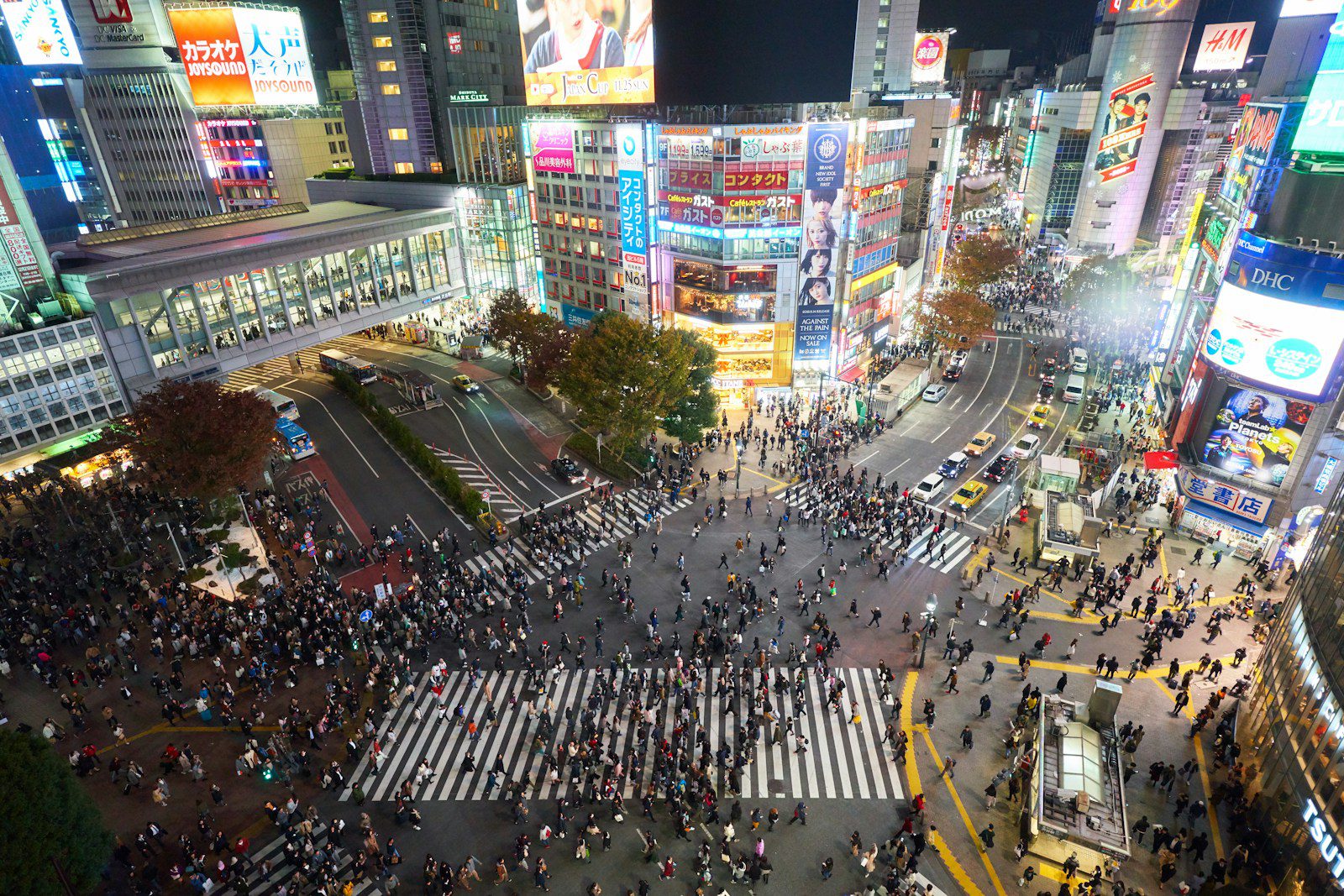
Shibuya Scramble Crossing is an intersection located in front of Shibuya Station. It is known as the world's busiest crosswalk and has become a well-known landmark in Tokyo.
4.5 (12246 reviews)
Overview
Book Experience
Attraction Types
Operating Hours
Location
Things to Know
2-2-1 Dogenzaka, Shibuya-ku, Tokyo 150-0043, Japan
 Book Experience Now!
Check current price and availability.
 Viator
 Booking.com
 Trip.com
 GetYourGuide
 Klook
Klook
Overview
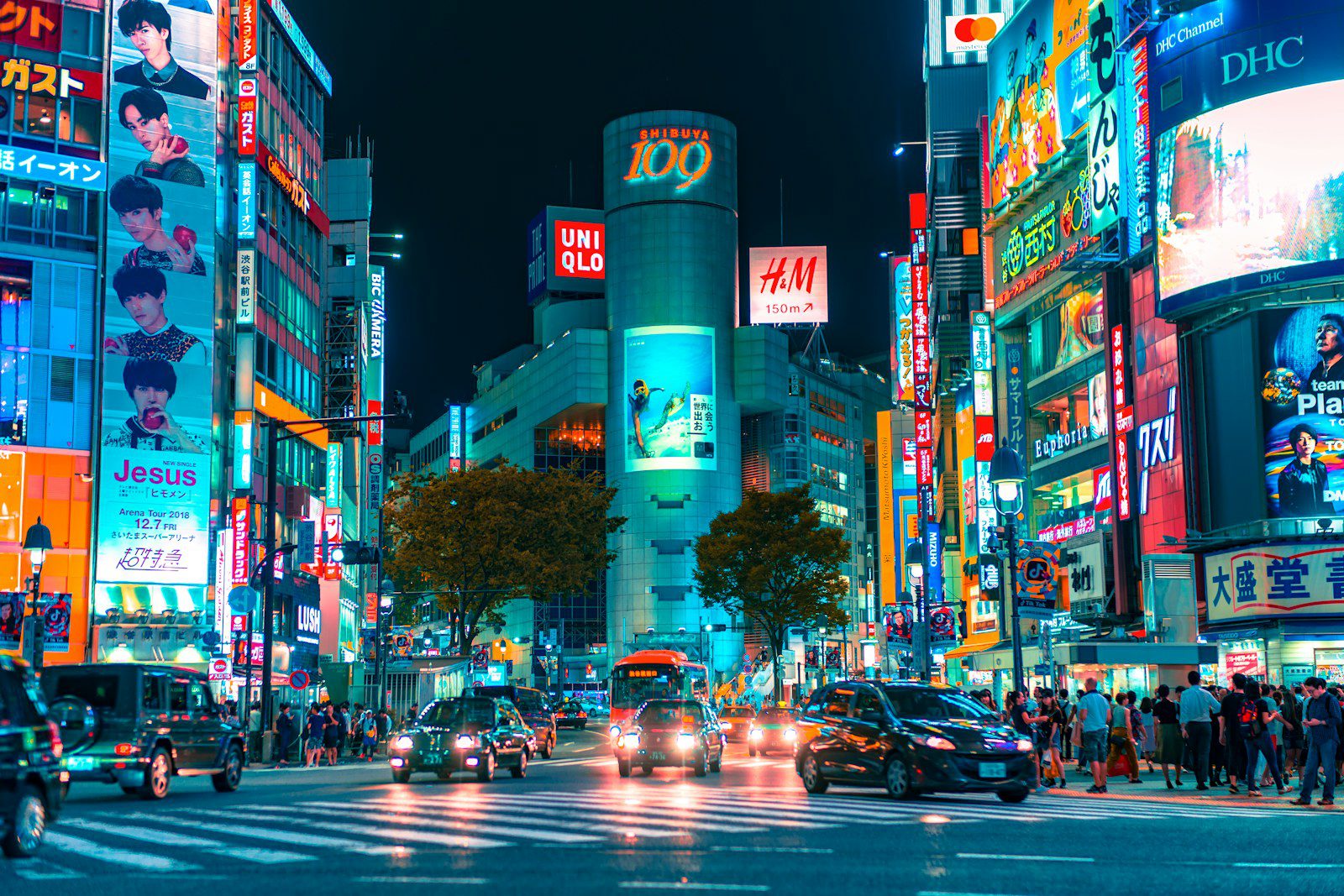
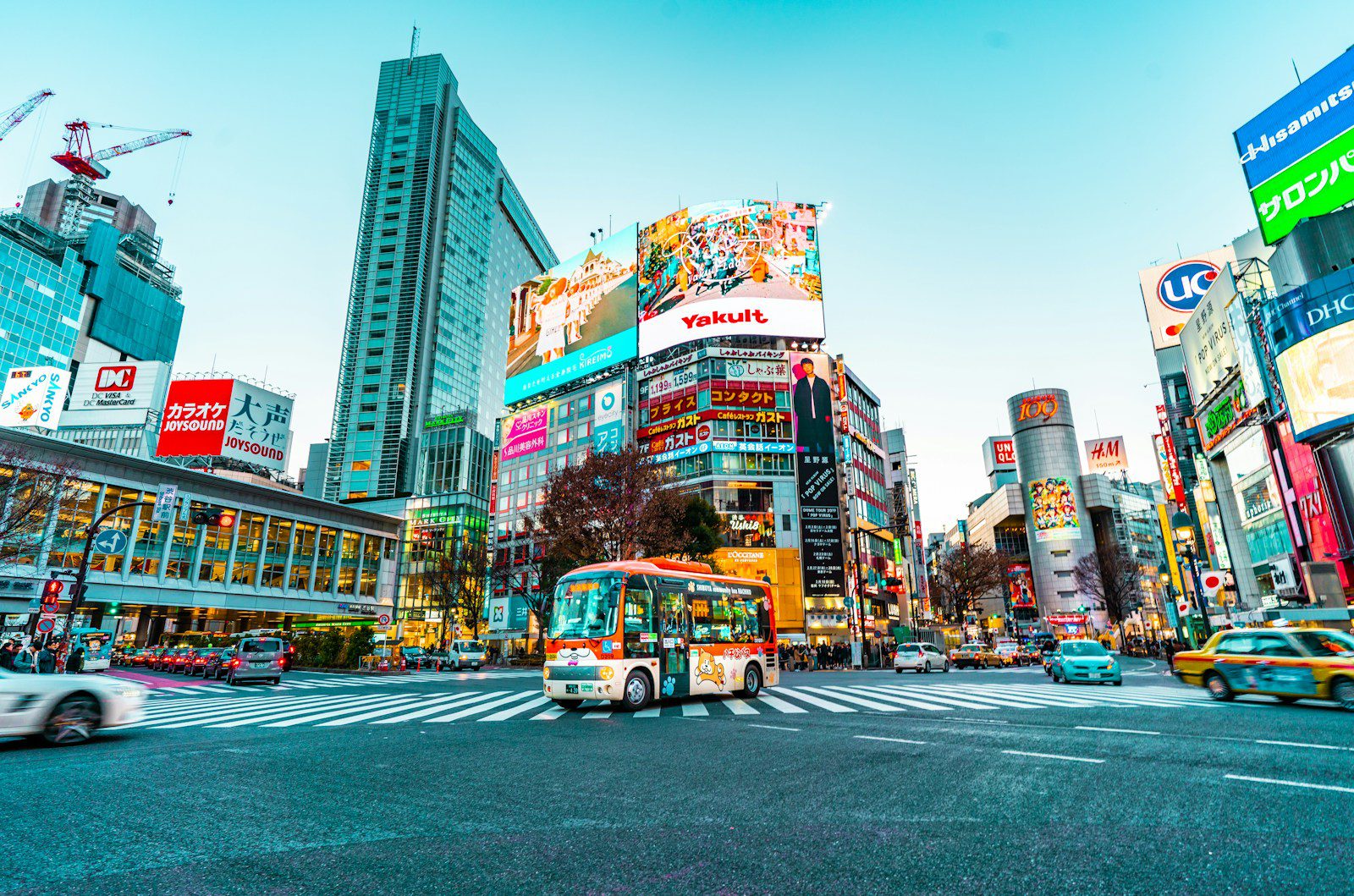
Shibuya Scramble Crossing, located in the heart of Tokyo, is a notable example of urban activity. It is often referred to as the ‘Times Square of Tokyo.’ This famous intersection is home to a large number of pedestrians who cross at the same time every few minutes, creating a busy and dynamic scene.
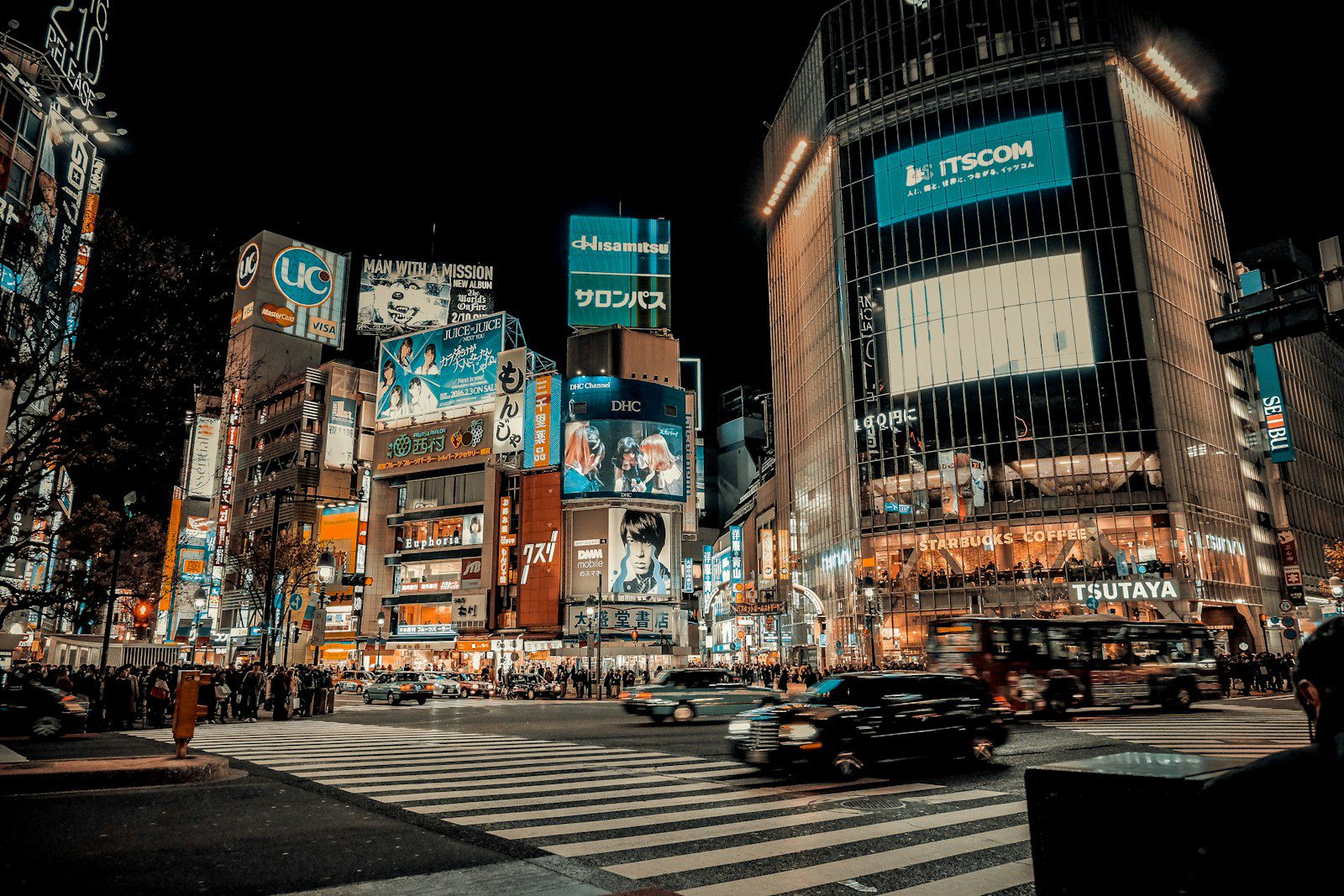
Standing in the midst of this crowd, surrounded by tall neon billboards and constant activity, gives a sense of the energy of modern Japan.
The crossing is more than just a place to cross the street; it is a cultural landmark, a popular meeting point, and a key experience for those interested in experiencing Tokyo’s lively atmosphere.
Observing or participating in the crowd at Shibuya Scramble Crossing is always an impressive experience due to its size and energy.
Shibuya Scramble Crossing: The Complete Visitor Guide 2026 – At the heart of Tokyo’s most electric district sits an attraction that shouldn’t work on paper — a street crossing.
But Shibuya Scramble Crossing isn’t just an intersection; it’s a living spectacle that draws visitors from every corner of the world.
Open 24 hours, completely free, and impossible to miss, this is one Tokyo experience that genuinely lives up to the hype.
Whether you’re here for the photography, the cultural curiosity, or just to say you did it — here’s everything you need to plan your visit.
The Spectacle of Shibuya Crossing
The first time you see Shibuya Scramble Crossing, your brain briefly refuses to believe it.
The traffic lights turn red in all directions simultaneously, and suddenly thousands of people pour into the intersection from every corner at once.
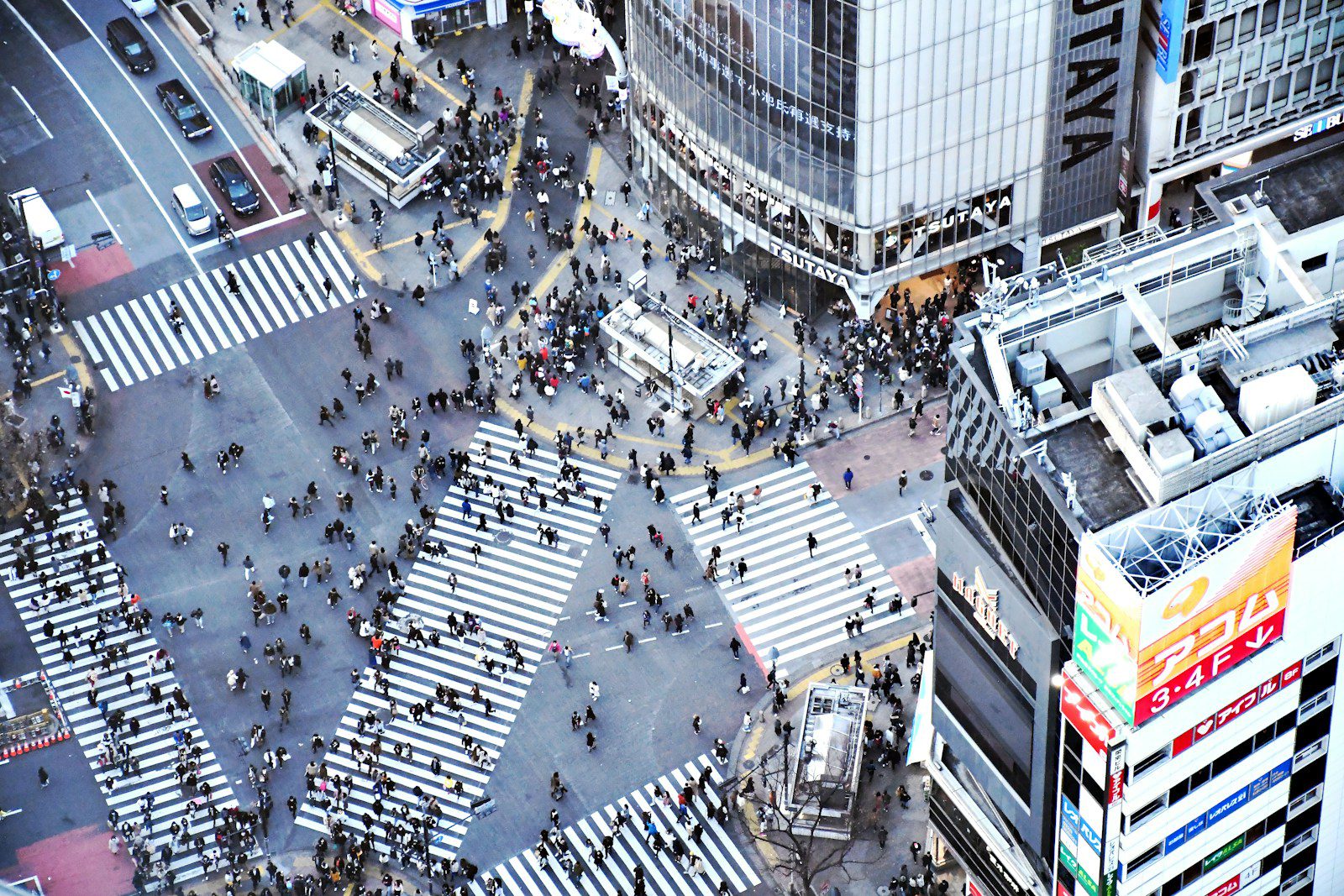
Up to 3,000 people cross during a single light change at peak hours — a perfectly choreographed dance of humanity that repeats every 80 seconds throughout the day and long into the night.
From street level, the experience is disorienting in the best possible way.
You’re moving through a tide of people flowing in every conceivable direction, yet somehow nobody collides.
There’s no shouting, no shoving, no visible traffic management — just Tokyo operating on its own unspoken logic.
It’s one of those rare travel moments that’s actually more impressive in person than in the photos.
The crossing sits directly outside Shibuya Station, one of Tokyo’s busiest transit hubs, which explains both its scale and its relentlessness.
Daily foot traffic runs between a quarter and half a million people — every single day.
Tokyo Trip Add-Ons
Equip yourself for the ultimate Tokyo adventure with the following add-ons, curated just for you.







A Brief History of Shibuya Crossing
Shibuya Scramble Crossing was inaugurated in 1973, designed as a practical solution to the surging pedestrian traffic around one of Tokyo’s most active train stations.
For decades it functioned as exactly that — an efficient intersection — before cinema and pop culture transformed it into something else entirely.
The crossing’s appearance in Sofia Coppola’s Lost in Translation and its recurring role in anime, music videos, and video games turned it from a local commuter fixture into a global bucket-list destination.
Today it is widely recognised as the world’s busiest pedestrian crossing.
The scramble design itself — halting all vehicles simultaneously to let pedestrians cross in every direction at once — is what gives the crossing its name and its drama.
Tokyo didn’t invent the scramble format, but Shibuya is the intersection that made it famous.
What started as urban infrastructure has quietly become one of the most recognisable images of modern Japan.
When to Visit Shibuya Scramble Crossing
Timing your visit makes a real difference to the kind of experience you’ll have.
Best
Good
Mixed
Poor
Jan
Feb
Mar
Apr
May
Jun
Jul
Aug
Sep
Oct
Nov
Dec
Here’s a straightforward breakdown:
| Time of Day | Crowd Level | Best For |
|---|---|---|
| Weekday mornings (7–9 AM) | Very high | Seeing the commuter rush in full force |
| Weekday midday | Moderate | Relaxed crossing, easier photos |
| Weekday evenings (6–9 PM) | Peak | Maximum crowds, best energy |
| Saturday afternoons | Very high | Weekend energy, fashion crowd |
| Early weekday mornings (before 7 AM) | Low | Near-empty crossing, long exposures |
| Rainy evenings | High | Umbrella reflections, moody neon shots |
For sheer spectacle and the full Tokyo chaos experience, weekday evenings between 6 and 9 PM deliver the largest crowds.
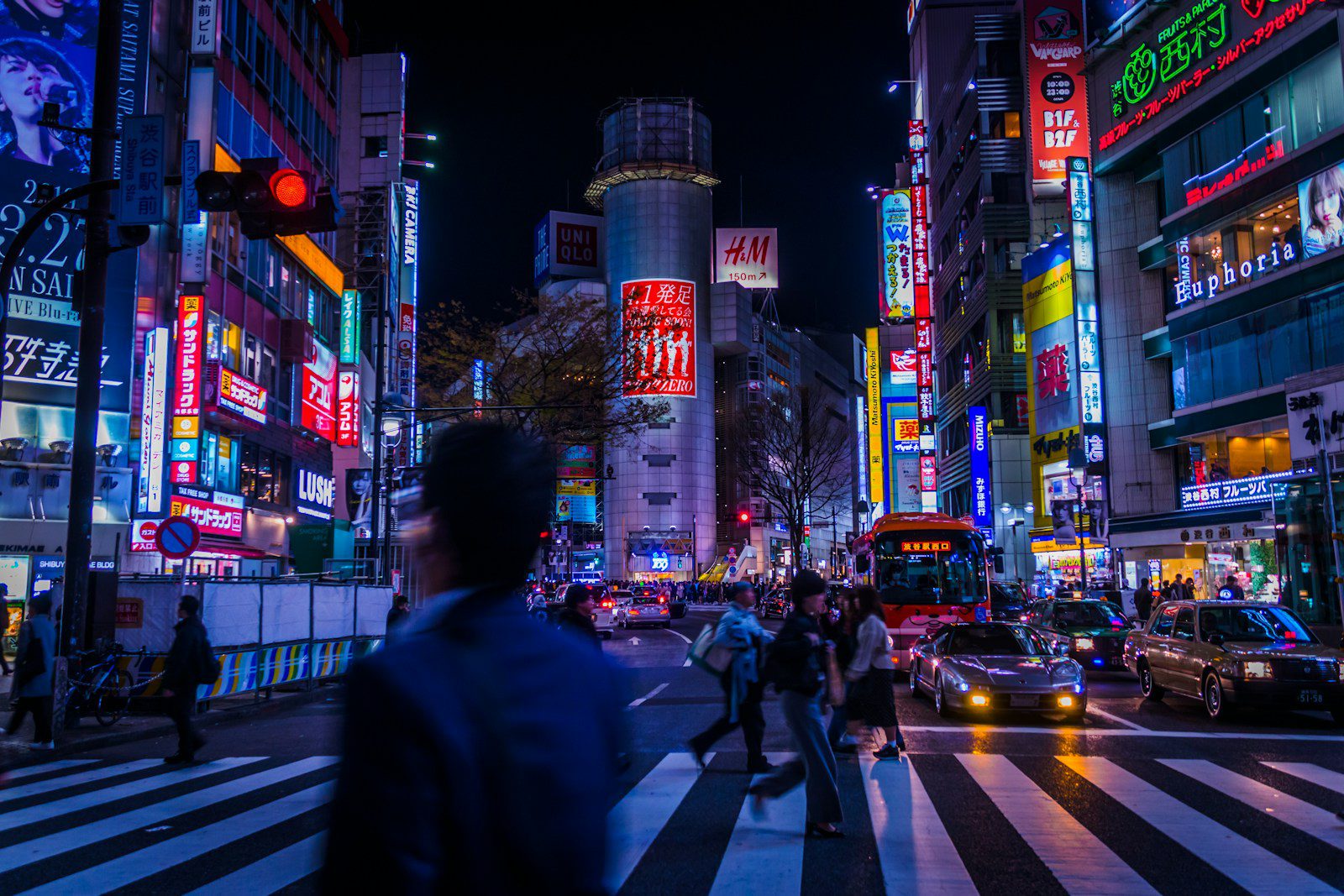
Photographers specifically chasing the rain-slicked neon reflection shot — one of the most popular images from Tokyo — should aim for a rainy evening after dark.
The wet pavement turns the entire intersection into a mirror of lights, and it genuinely looks like a film set.
If you want to actually cross without feeling like a sardine, midmorning on a weekday gives you a calmer version that still has plenty of activity.
How long to spend: Budget 30–60 minutes at street level for the full experience.
If you’re heading to an elevated viewing spot, add another 1–2 hours on top of that.
Best Viewing Spots Around Shibuya Crossing
Each viewing spot offers a genuinely different experience.
Here’s an honest look at your options:
Starbucks QFRONT (3F Shibuya Tsutaya) — Free (cost of a drink)
The classic choice.
The third-floor window of Starbucks inside the Shibuya Tsutaya building gives a direct eye-level view across the crossing.
It’s the easiest option and doesn’t require any planning.
The catch: it fills up fast during peak hours and seats are first-come, first-served.
Get there early or be prepared to hover.
Best for casual visitors who just want the postcard view without climbing anything.
Mag’s Park (Magnet by Shibuya109 Rooftop) — ¥1,800 (includes one drink)
The open-air rooftop of the Magnet by Shibuya109 building sits directly above one corner of the crossing, giving you a straight-down overhead angle that’s different from anything you get at Starbucks.
The ¥1,800 entry includes a drink, and the open-air setting makes it excellent for photography without glass reflections.
Less visited than Shibuya Sky, so queues are usually shorter.
Shibuya Sky (Shibuya Scramble Square Rooftop) — ¥2,200 online / ¥2,500 at counter
The highest vantage point, sitting 229 metres above street level on the rooftop of Shibuya Scramble Square.
You can see the full scale of Shibuya’s street grid from here — the crossing becomes one small piece of a massive urban panorama.
Spectacular on clear days, with Mt.
Fuji visible in good weather.
Book in advance online (¥2,200) rather than buying at the counter (¥2,500), and check availability early because time slots sell out.
Open daily 10:00–22:30, last entry at 21:20.
Shibuya Mark City Walkway — Free
The elevated walkway inside the Shibuya Mark City shopping complex offers a free elevated view with a side-angle perspective.
Not as dramatic as Shibuya Sky or Mag’s Park, but a solid no-cost alternative if the other spots are packed.
Street Level — Free, 24/7
Don’t overlook this one.
No elevated viewpoint actually replicates the feeling of being inside the crossing when the lights change.
Walk across multiple times.
Stand at different corners.
This is the experience — the viewing spots are just a bonus.
Photography Tips for Shibuya Crossing
Getting a good shot here is part skill, part timing.
A few things that actually help:
- For overhead shots: Shoot from Mag’s Park or Shibuya Sky — both give a clean downward angle without shooting through glass.
- For the classic eye-level shot: Starbucks QFRONT’s third-floor window is the standard, though you’re shooting through glass, which affects quality in low light.
- Shoot in burst mode during the light change — the moment the crowds surge is a split second, and single shots frequently miss the peak.
- For night reflections: A rainy evening after dark is the goal. The wet asphalt reflects the neon signs beautifully. Use a slightly slower shutter speed to capture motion blur in the crowd.
- Tripods are not permitted at street level and most indoor viewing spots won’t allow them either. Shoot handheld or brace against a railing.
- Wide-angle lens handles the scale of the crossing better than a standard focal length — the full intersection is wider than most people expect.
How to Get to Shibuya Scramble Crossing
Getting there is genuinely simple.
Shibuya Station is served by multiple lines, and the crossing is immediately outside the station regardless of which line you arrive on.
For a full breakdown of navigating Tokyo’s train network, check out our Tokyo Metro shortcuts guide.
- JR Lines (Yamanote, Shonan-Shinjuku, Saikyo): Use the Hachiko Exit. The crossing is directly in front of you as you exit.
- Tokyo Metro Ginza Line: Use exits B3 or B5, which bring you up on the crossing’s perimeter.
- Tokyo Metro Fukutoshin Line / Tokyu Toyoko Line: Exits B5 and B3 both work. The crossing is a short walk from either.
The crossing is free to visit 24 hours a day, 7 days a week.
No tickets, no entry requirements — just show up.
Get Greater Tokyo Pass
Enjoy unlimited travel on trains, trams, and Toei buses at no extra cost, making sightseeing in the Kanto area both affordable and convenient with considerable savings.
 Buy on Traveloka
Cultural Significance of Shibuya Scramble
What makes Shibuya Scramble more than a commuter junction is what it quietly demonstrates about Tokyo.
Despite thousands of people crossing simultaneously from multiple directions with no marshalling, collisions are essentially non-existent.
People self-organise into loose lanes of movement without any visible coordination — social choreography at enormous scale, happening every 80 seconds, all day, every day.
A Symbol of Urban Japan
For many visitors, Shibuya Scramble Crossing represents modern Japan in concentrated form — efficient yet frenetic, densely packed but orderly.
The massive video screens and advertisements surrounding the intersection showcase Japan’s consumer culture and technological reach, while the crowd behaviour illustrates something harder to quantify: a deeply embedded social consideration that keeps the whole system running without friction.
Standing at the corner, watching the pattern repeat again and again, it starts to feel less like chaotic spectacle and more like something deliberately designed — which, in a way, it is.
In Popular Media
Shibuya Scramble is one of the most filmed locations in Japan.
It has appeared in Lost in Translation, Fast & Furious: Tokyo Drift, the John Wick franchise, and dozens of anime series and video games — most notably The World Ends with You and Yakuza 0.
Directors reach for it when they need a single shot that instantly communicates “Tokyo.” That media presence has turned a working intersection into a global pilgrimage point, which creates an interesting dynamic: tourists treating every light change as a photo opportunity, locals treating it as the fastest route to the train.
What to Do Near Shibuya Crossing
The crossing itself takes maybe 10 minutes to experience properly.
The surrounding Shibuya neighbourhood has plenty to fill the rest of your time.
Here are the best walkable options:
- Center-gai — The pedestrian street running directly behind the crossing, lined with fast food, takoyaki stalls, karaoke bars, and game centres. The beating heart of Shibuya’s youth culture.
- Hachiko Statue — A 2-minute walk from the crossing, outside the Hachiko Exit of Shibuya Station. The loyal dog statue is a classic Tokyo photo stop and a popular local meeting point.
- Miyashita Park — A rooftop park and shopping complex a 5-minute walk away, with rooftop dining, a skate park, and a hotel for a more relaxed pace.
- Shibuya Stream — A riverside development along the Shibuya River, about 5 minutes on foot, with restaurants and a pleasant outdoor walkway.
- Shibuya 109 — The iconic cylindrical fashion tower right next to the crossing, packed with boutiques catering to younger Tokyoites.
- Shibuya Hikarie — A 34-floor mixed-use tower with shopping, dining, and a Sky Lobby with free city views on the 11th floor.
Practical Tips for Visitors
A few things worth knowing before you go:
- The crossing is accessible by wheelchair, with the station and surrounding areas offering accessible routes. Shibuya Scramble Square provides excellent accessible facilities.
- Rain is not a deterrent — a wet evening often produces better photos than a clear one. Pack a compact umbrella.
- If you’re booking Shibuya Sky, buy tickets online in advance. The ¥300 saving over counter price is minor; the real benefit is avoiding sold-out time slots.
- Cross more than once. Walk the perimeter, cross from different corners, and spend time on both sides of the street. The experience changes depending on where you’re standing.
Dining Near Shibuya Crossing
Food options around Shibuya Scramble range from quick convenience store snacks to high-end dining experiences.
For a quick bite, the basement food halls of department stores offer amazing variety and quality at reasonable prices.
Ramen shops and standing sushi bars provide authentic Japanese dining experiences without long waits or complicated reservations.
Many restaurants display plastic food models in their windows, making it easy to choose a meal even if you can’t read Japanese menus.
Our favorite discovery was a small okonomiyaki restaurant down a side street where the chef prepared savory Japanese pancakes right at our table.
These local spots may not have English menus, but pointing and smiling goes a long way when language barriers arise.
Read More
Attraction Types
Tourist Attraction
Related Tours
Powered by


Tokyo Shibuya Club Hopping Tour with Local Japanese Clubbers
4.9 (113 reviews)
4 hours
From $138
Book Now
Tokyo: Shibuya Crossing, Harajuku, Tokyo Tower Go Kart Tour
4.6 (-396 reviews)
105 minutes • Small group
From $126
Book Now
Tokyo: Fast & Furious Tokyo Drift 3 Experience
4.8 (-457 reviews)
4 hours • Small group • Pickup available
From $163
Book Now
Shibuya Kart: Guided Go-karting tour through Shibuya & Tokyo
4.6 (-27 reviews)
1 - 1.5 hours • Small group
From $133
Book Now
Tokyo: Shibuya Crossing x Tokyo Tower and more! Go-Kart Tour
4.9 (-39 reviews)
1 - 1.5 hours • Small group
From $210
Book Now
Tokyo: Daikoku PA & Shibuya Private Tour in a JDM Car
5 (-48 reviews)
4.5 hours • Private group
From $245
Book Now
Shibuya#2 Go Karting Tour with Funny Costume
4.8 (-21 reviews)
1 hour • Skip the line • Small group
From $108
Book Now
Tokyo: Guided Go Kart Tour from Harajuku to Shibuya Crossing
4.5 (-86 reviews)
75 minutes • Small group
From $112
Book Now
Tokyo: Shinjuku Food Tour (13 Dishes and 4 Eateries)
4.9 (-1,052 reviews)
3 hours • Small group
From $117
Book Now
Tokyo: Shibuya Walking Tour with Crossing & Hachiko Statue
4.9 (-33 reviews)
2 hours
From $24
Book Now
Tokyo: Shibuya Highlights Walking Tour & Secret Backstreets
5 (-9 reviews)
1.5 hours • Small group
From $22
Book Now
Tokyo: 3-Hour Bike or E-Bike City Highlights Tour
4.8 (-127 reviews)
3 hours • Skip the line • Small group
From $70
Book Now
Tokyo: Private Tailored Tour with a Local Guide
4.3 (-14 reviews)
1 day • Pickup available
From $84
Book Now
Shibuya/Tokyo Tower & Shinjuku/Shibuya Go Karting Tours
4.8 (-82 reviews)
1.5 - 2 hours • Small group
From $119
Book Now
Tokyo: Private Custom Tour to Hidden & Iconic Spots
4.9 (-250 reviews)
2 - 8 hours • Pickup available
From $83
Book Now


Tokyo: City Go-Karting Tour with Shibuya Crossing and Photos
4.4 (-100 reviews)
1 hour • Small group
From $112
Book Now
Shibuya, Harajuku and Shinjuku Private Tour with Local Guide
5 (-6 reviews)
3 hours
From $77
Book Now
Daikoku & Tokyo Private JDM Tour by 700HP R34 GT-R
4.9 (-64 reviews)
3.5 - 4 hours • Pickup available
From $608
Book Now

Related Tours
Powered by

Klook Pass Greater Tokyo
4.4 • (5,953) • 100K+ booked
Attraction passes • Tokyo
From US$ 45.89
Book Now
Shibuya Local Bar & Izakaya Crawl Evening Tour in Tokyo
4.9 • (55) • 700+ booked
Tours • Tokyo
From US$ 41.55
Book Now


MAGNET by SHIBUYA109 - Crossing View & Rooftop Lounge MAG8 Ticket
5.0 • (4) • 500+ booked
Observation decks • Tokyo
From US$ 12.45
Book Now
Tokyo Night Bus Tour: Akihabara, Shibuya, Karaoke & City Lights
4.7 • New Activity
Tours • Tokyo
From US$ 44.39
Book Now
Kamakura, Enoshima, & Asakusa One Day Tour
4.7 • New Activity
Tours • From Tokyo
From US$ 67.85
Book Now
Shibuya Go Karting Experience by Akiba Kart Shibuya
4.8 • (586) • 10K+ booked
Outdoor & sports activities • Tokyo
From US$ 75.59
Book Now

Tokyo City, Private One Day Tour with Hotel Pick up & Drop Off
4.7 • New Activity
Tours • Tokyo
From US$ 622.79
Book Now
”Tokyo Restaurant Bus" for Sightseeing With Lunch or Dinner in Tokyo
4.7 • 100+ booked
Tours • Tokyo
From US$ 132.99
Book Now
Shibuya Go Kart Experience with Neo Tokyo Kart
4.6 • (340) • 10K+ booked
Outdoor & sports activities • Tokyo
From US$ 100.75
Book NowThings to Know
- Onsite services
- Wheelchair accessible entrance
- On-site parking
- Wheelchair accessible parking lot
Our Notes & Verdicts
Our Rating: 4.8
Shibuya Scramble Crossing earns a 4.7/5 in our books, making it an absolute must-visit during any Tokyo trip. What seems like a simple intersection has given us some of our most vivid Tokyo memories across multiple visits.
We love the contrast between watching from above—seeing the perfect flow of humanity like a well-rehearsed dance—and then joining the crossing ourselves, becoming part of that living pattern.
While some may find it strange to visit a crosswalk as a tourist attraction, we believe Shibuya Scramble offers something rare: an authentic glimpse into everyday Tokyo life that’s simultaneously ordinary and extraordinary.
The experience costs nothing, requires no ticket or reservation, yet delivers one of the most memorable Tokyo experiences. Whether you cross once or spend hours watching from different angles, Shibuya Scramble captures the essence of modern Japan in a way few other attractions can match.
Operating Hours
Location
2-2-1 Dogenzaka, Shibuya-ku, Tokyo 150-0043, Japan
Nearest Train Station(s)
Shibuya Station, Hachiko Exit
Nearest Bus Stop(s)
Shibuya Fukuras bus stop
 DiscoverCars
 RentalCars
Tokyo Trip Add-Ons
Equip yourself for the ultimate Tokyo adventure with the following add-ons, curated just for you.
Related Attractions
Meiji Jingu
The Shinto shrine, known for its beautiful garden,...
Tokyo Station Marunouchi North Gate Dome
A major railway station in Tokyo that plays a sign...
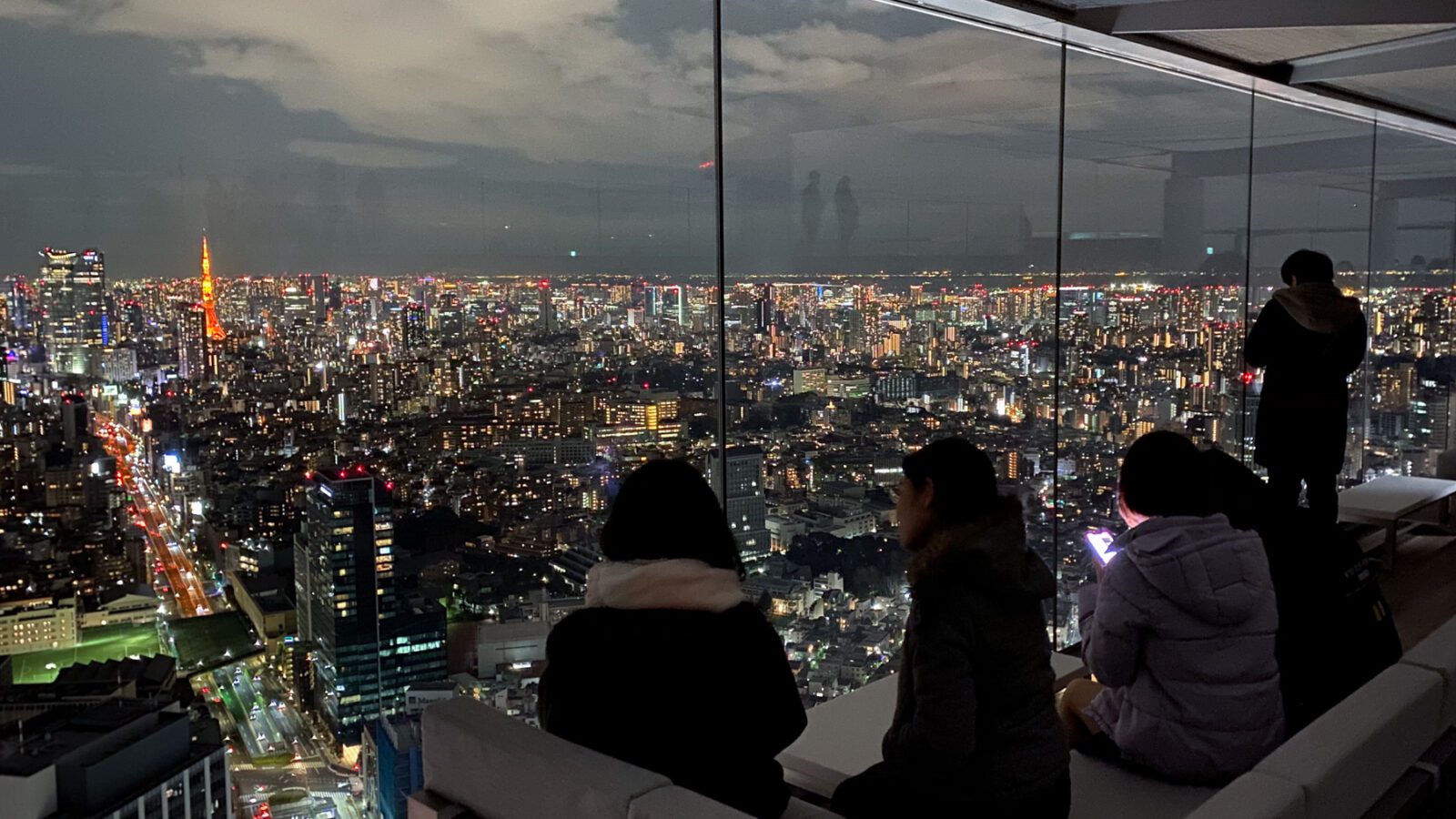
Shibuya Sky
An observation deck located high above Shibuya, of...
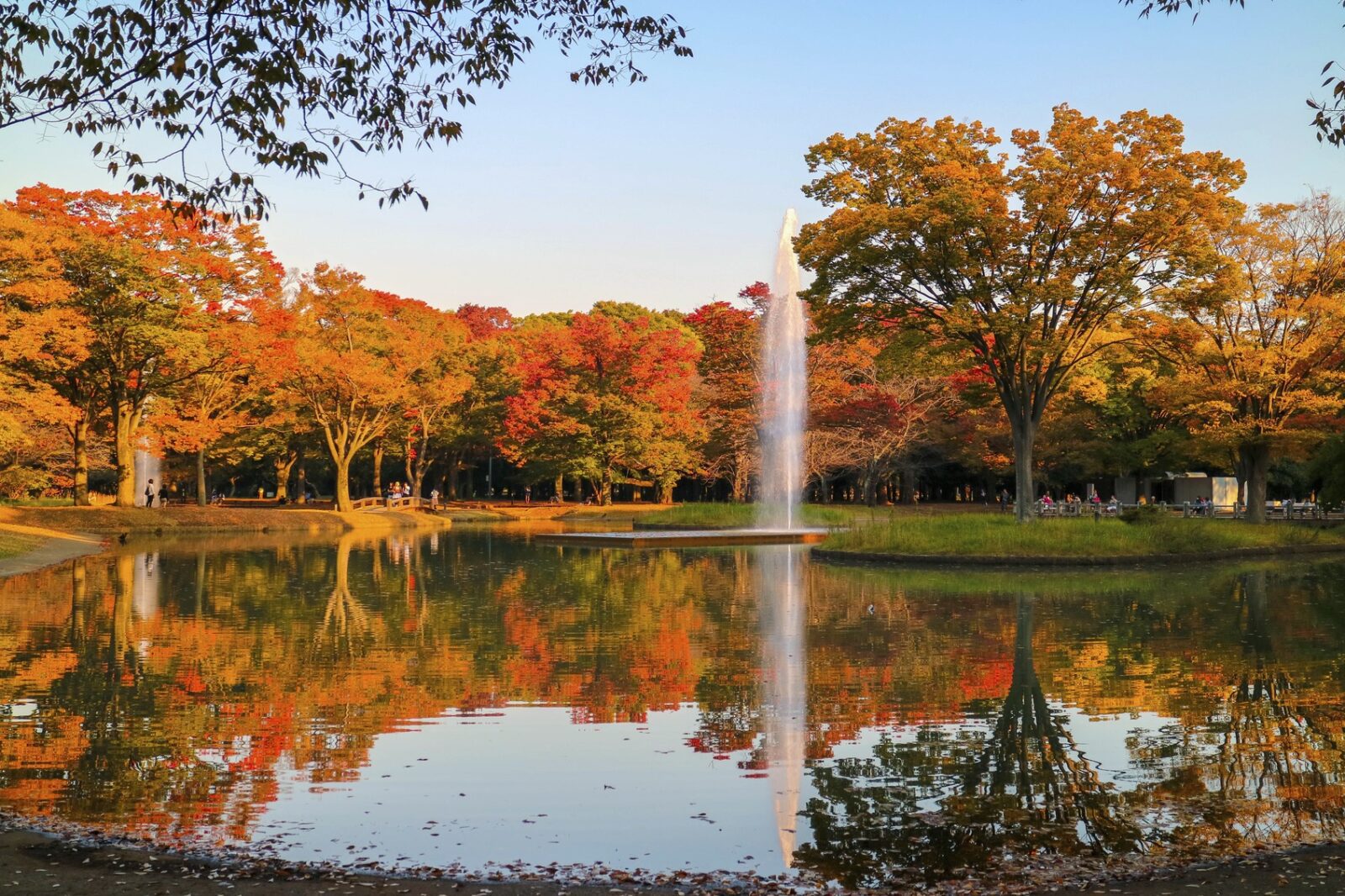
Yoyogi Park
Park on the site of the 1964 Olympic village. The ...
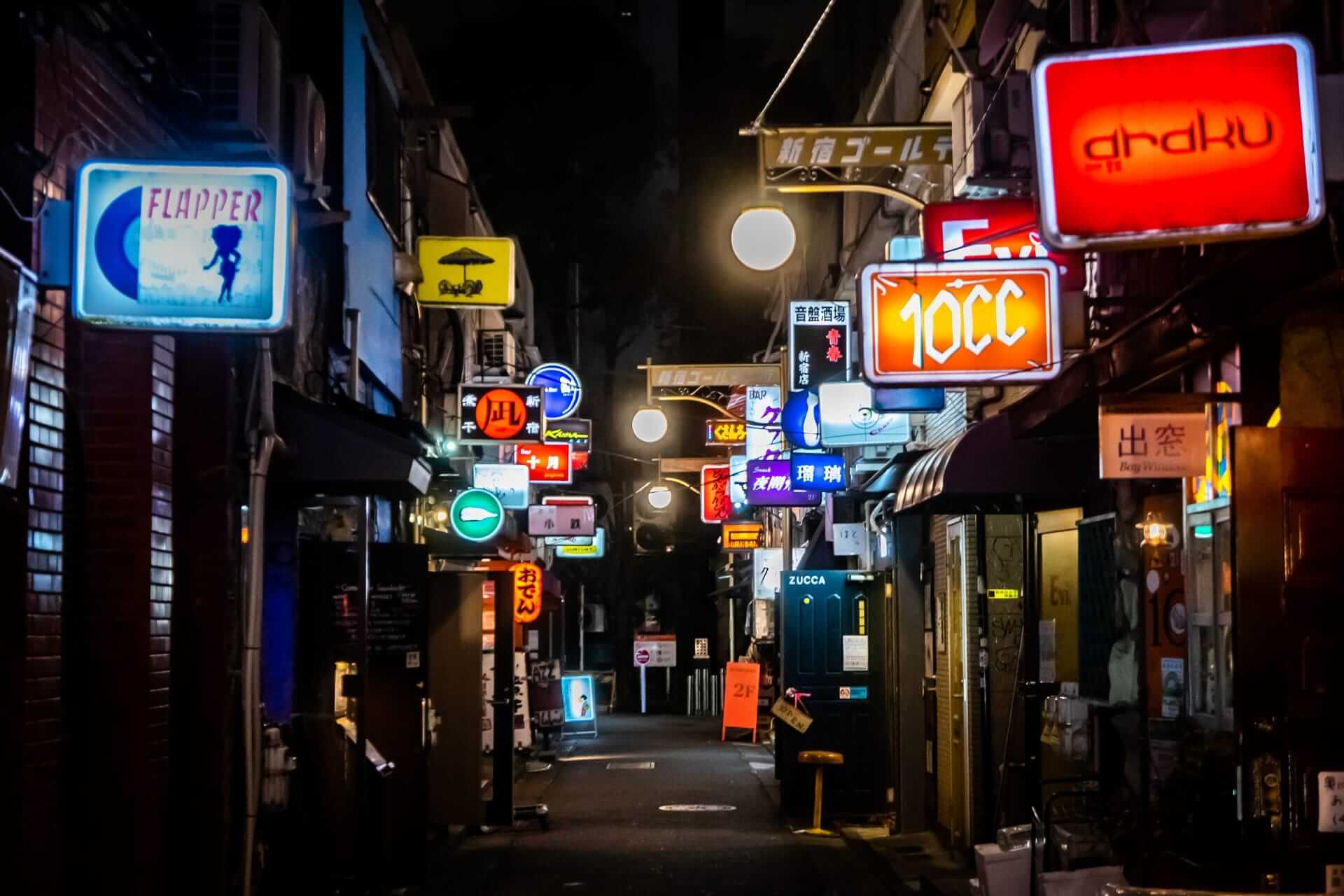
Shinjuku Golden-Gai
This historic maze of narrow alleys in Shinjuku's ...
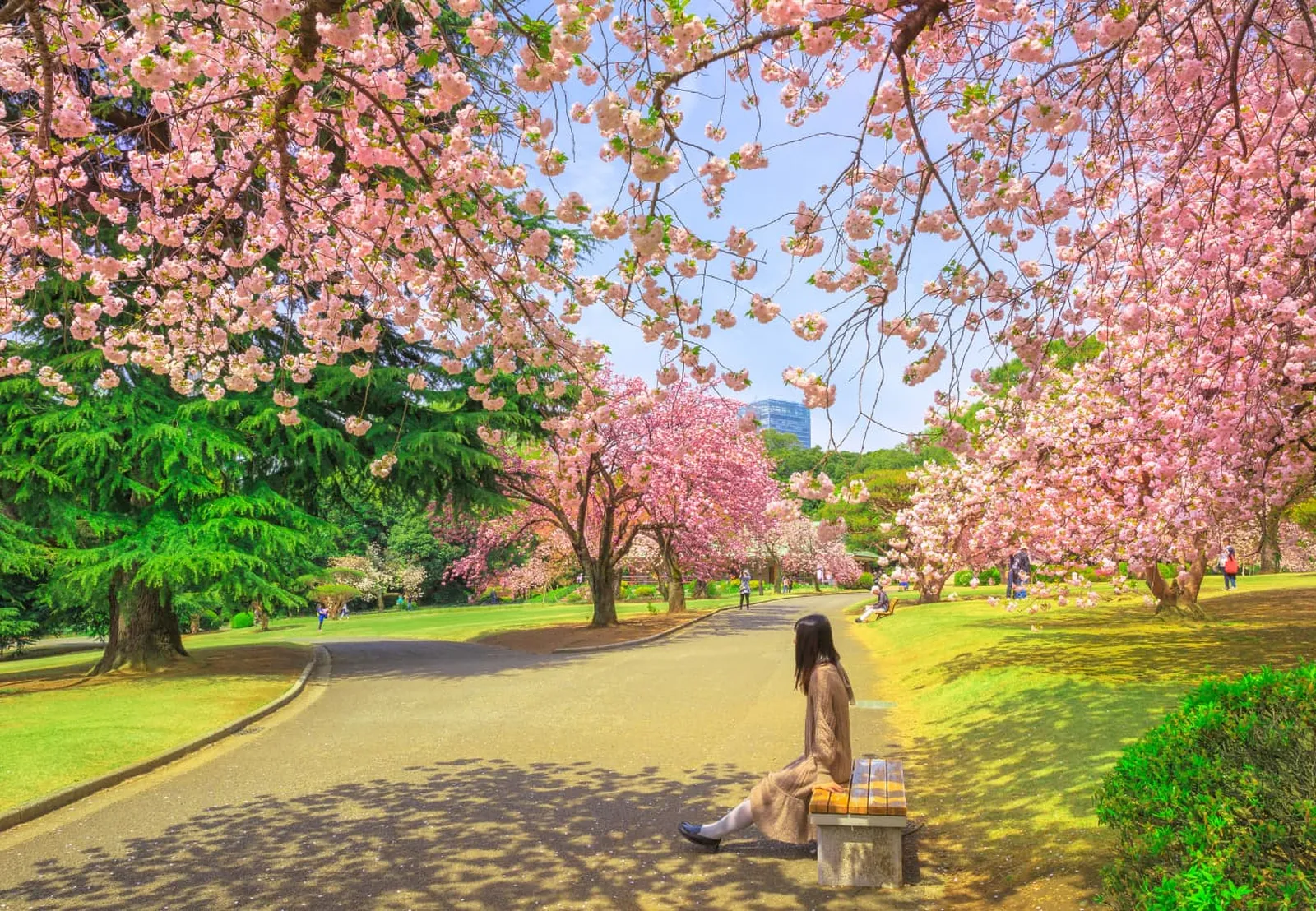
Shinjuku Gyoen National Garden
A well-known city park in Tokyo that combines thre...
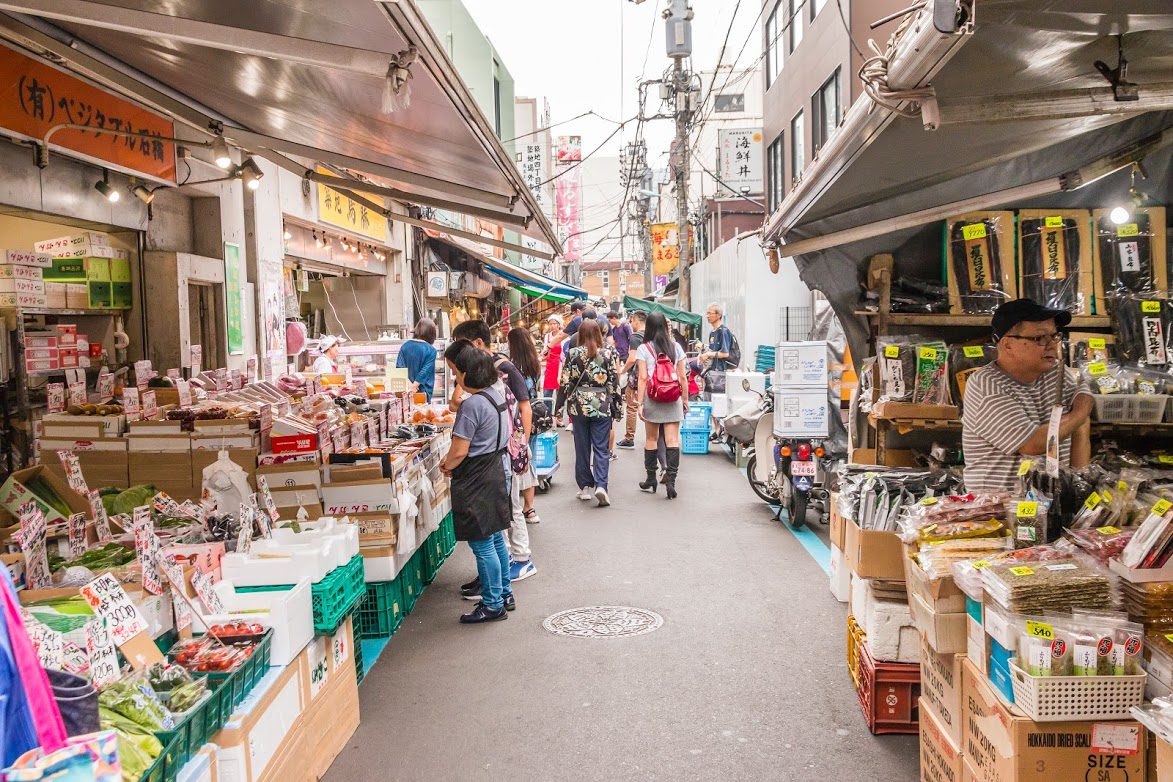
Tsukiji Outer Market
Large wholesale fish market featuring a diverse se...
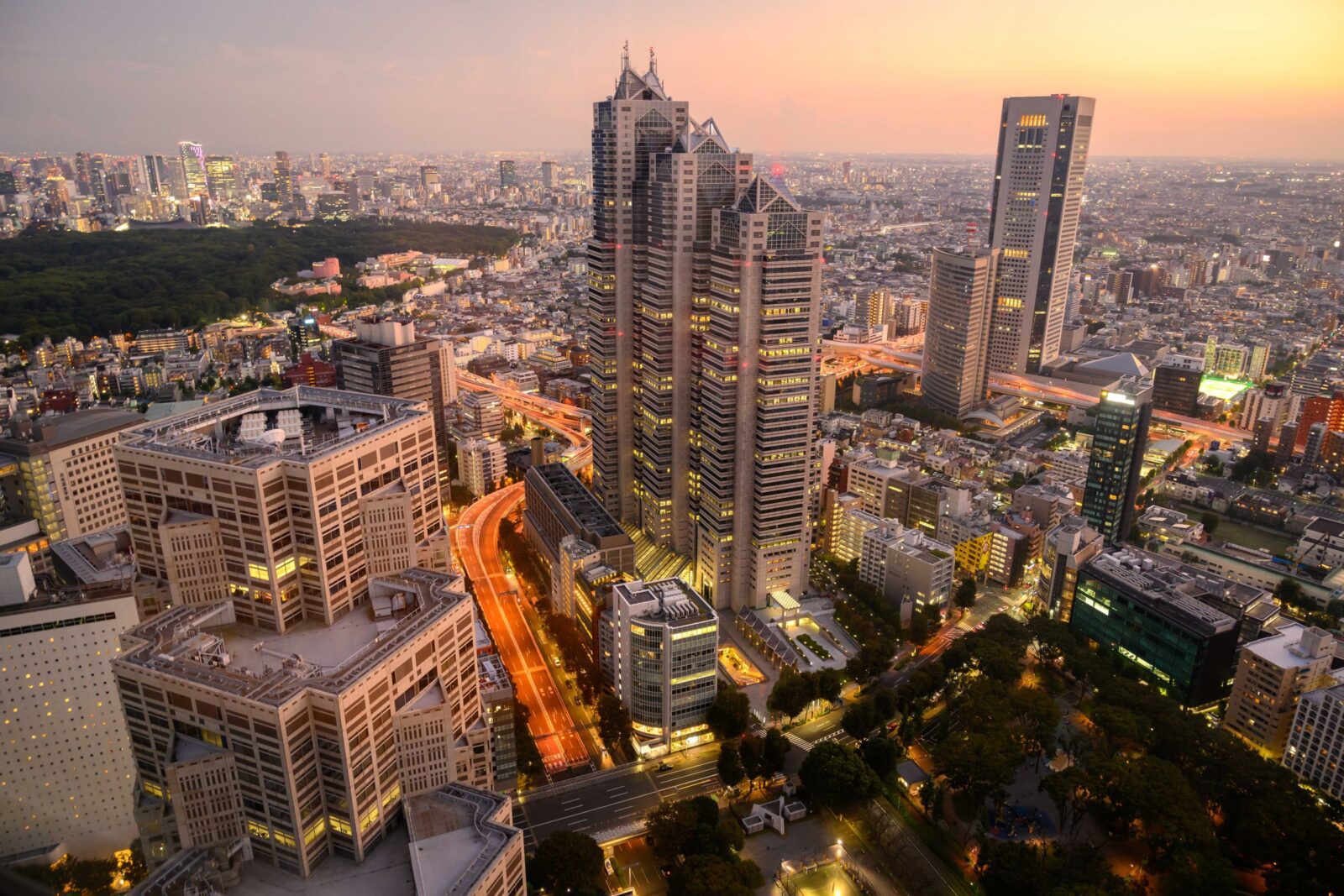
Tokyo Metropolitan Government Building
Free observation decks atop Tokyo's iconic twin-to...
Frequently Asked Questions (FAQs)
Shibuya Crossing isn’t just any intersection-it’s famously known as the busiest pedestrian crossing in the world, where thousands of people flood the streets all at once, creating a mesmerizing, almost choreographed dance of urban life.
Its iconic status comes from how it perfectly captures Tokyo’s vibrant energy and fast-paced culture, with neon billboards flashing and crowds weaving in every direction.
Plus, it’s been featured in countless films and commercials, making it a global symbol of Tokyo’s electric city vibe and a must-see spot for visitors craving that authentic Tokyo experience.
Oh, absolutely! Whether you’re a first-timer or a seasoned traveler, stepping into the scramble is like jumping into a living movie scene. The sheer energy is contagious-when the light turns green, it’s a flood of humanity moving in every direction, and you’re right in the middle of it all.
Grab a coffee at the nearby Starbucks or head up to Shibuya Sky for a bird’s-eye view, and you’ll see why people get hooked on watching this urban ballet unfold. Beyond the crossing itself, the surrounding Shibuya area is packed with shops, food spots, and nightlife, so it’s a full-on Tokyo adventure waiting to happen.
Brace yourself-on any given day, over 2.4 million people weave their way across Shibuya Crossing! At peak moments, around 2,500 to 3,000 pedestrians flood the intersection simultaneously, creating that famous “scramble” effect where everyone crosses in every direction at once.
It’s like watching a perfectly timed, bustling river of humanity, and despite the chaos, the flow is surprisingly smooth and orderly. This staggering foot traffic cements Shibuya Crossing’s reputation as the busiest pedestrian intersection on the planet.
Up to 3,000 people cross during a single light change at peak hours. Daily foot traffic through the intersection ranges from 250,000 to 500,000 people.
Yes. The crossing itself is free to walk through 24 hours a day, 7 days a week. Paid viewing spots like Shibuya Sky (¥2,200 online) and Mag’s Park (¥1,800 including a drink) are optional extras.
Weekday evenings between 6 and 9 PM for maximum crowds. Rainy evenings after dark for the best photography. Early weekday mornings (before 7 AM) if you want a quieter experience.
Yes! The third-floor Starbucks inside Shibuya Tsutaya (QFRONT building) gives you a free elevated view for the price of a coffee. The Shibuya Mark City elevated walkway is another free option.
30–60 minutes at street level is enough for the full experience. Adding Shibuya Sky or Mag’s Park means budgeting an additional 1–2 hours for the observation deck visit.
Take any train to Shibuya Station and use the Hachiko Exit (JR lines) or exits B3/B5 (Tokyo Metro). The crossing is immediately visible from the exit.
Disclaimer
While we at Tokyo Trip Guide do our best to show you accurate prices, we just can't promise they'll stay the same. Here's why: since we're not actually selling anything ourselves - we work with partner companies who set their own prices - we can't control what deals they offer. That's why it's best to check directly with our suggested deal providers to see their latest prices for attraction tickets.
Just so you know, if you end up buying something from the providers we list here, we might get a small commission. We'd be really happy if you used our recommended links to make your bookings!