Tokyo National Museum
This is a prominent location featuring Japanese art and antiques. It is an impressive museum complex that focuses on the art and historical artifacts from Japan, along with other Asian countries.
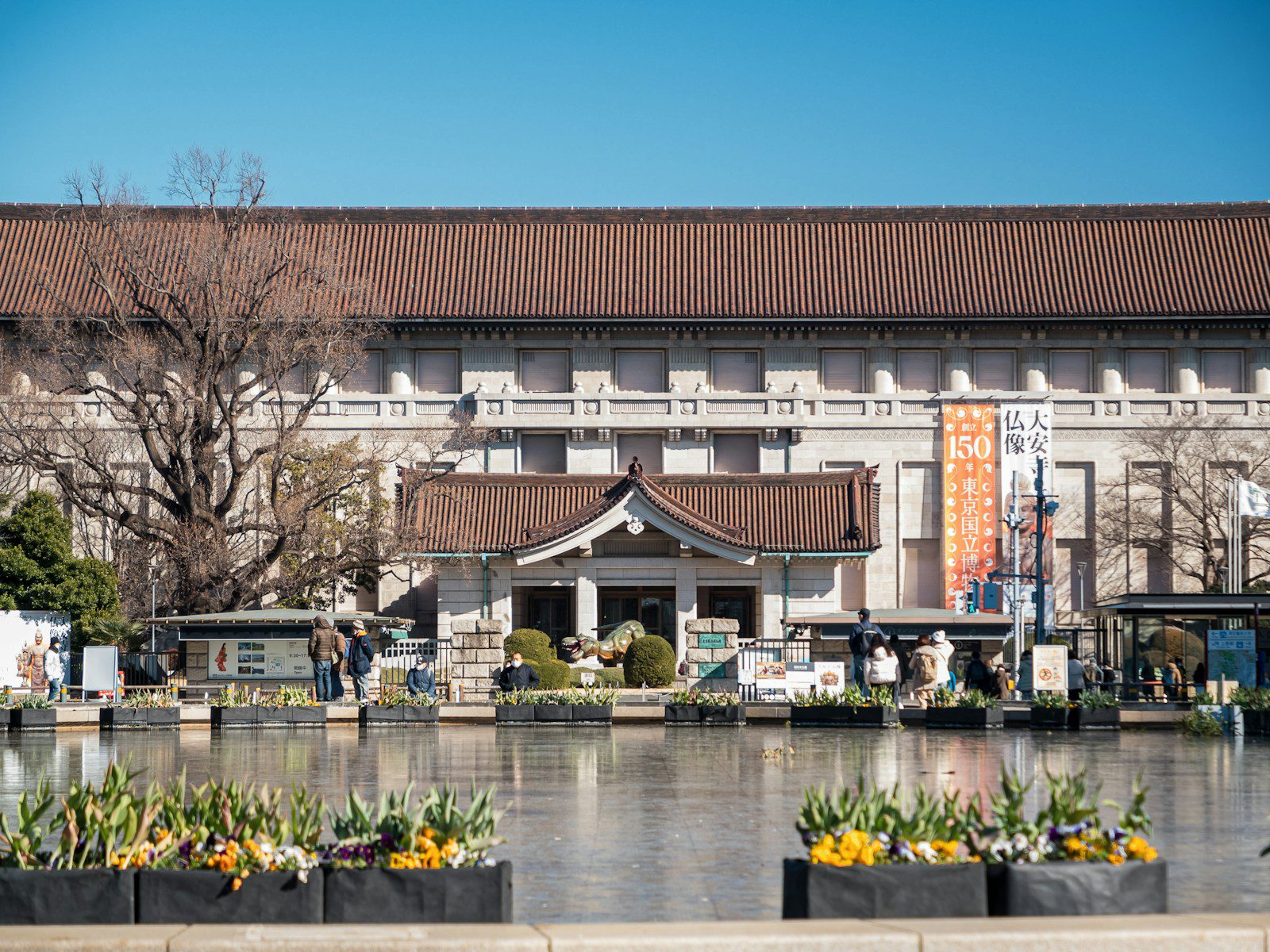






The Tokyo National Museum, situated in Ueno Park, is Japan’s oldest and most esteemed cultural institution. It holds the world’s largest collection of Japanese art and artifacts, representing over 5,000 years of history.
Founded in 1872, the museum offers an insight into Japan’s rich cultural history through exhibitions of samurai swords, ancient Buddhist statues, intricate ceramics, and valuable paintings that illustrate the country’s past.
With a collection of over 110,000 items and changing exhibitions, each visit offers the chance to discover new treasures. The galleries combine traditional Japanese architecture with modern design, creating a harmonious environment.
Visitors can explore a wide array of exhibits, from ancient Jomon pottery and beautiful kimono textiles to large Buddha statues.
The Tokyo National Museum provides an engaging experience of Japanese art, enhancing appreciation of the country’s cultural heritage and is a vital destination for anyone looking to truly understand Japan’s essence.
Tokyo National Museum is the kind of place that both dazzles and grounds you.
Set inside leafy Ueno Park, this stately complex gathers centuries of Japanese art and archaeology under elegant roofs, then invites you to wander, breathe, and time-travel at your own pace.
If you’re curious about samurai armor, serene Buddhist sculpture, silk screens that ripple with gold leaf, or the story of how islands became a nation, you’ll find your bearings here in the most satisfying way.
Meet Tokyo National Museum: Japan’s Cultural Time Capsule
You don’t need to be an expert to fall for it.
The museum’s buildings feel approachable yet grand, the curation is thoughtful, and the labels are clear and accessible in multiple languages.
There’s a palpable quiet in the galleries, the scent of old wood in certain halls, and a welcome breeze when you step back outside into Ueno Park’s tree-lined paths.
A quick snapshot: ratings, location, and vibe
Locals and travelers agree this is a standout: with a 4.5 rating from over 26,000 reviews and our own enthusiastic 4.8 author rating, Tokyo National Museum earns its place on any Tokyo itinerary.
You’ll find it at 13-9 Uenokoen, Taito City, Tokyo 110-8712, tucked in the northern stretch of Ueno Park where museums cluster like old friends.
The atmosphere mixes scholarly calm with genuine wonder; it’s the kind of museum where a first-time visitor can lose track of time, and regulars come back for special exhibitions and seasonal highlights.
Want the practicals at your fingertips?
The museum typically operates 9:30 AM–5 PM Sunday through Thursday, and extends to 8 PM on Friday and Saturday, giving you a chance to enjoy the galleries after sunset.
For quick questions or accessibility clarifications, call +81 50-5541-8600, and for the latest exhibitions and tickets, the official website at https://www.tnm.jp/ is your best guide.
Why this museum matters
Tokyo National Museum is Japan’s oldest museum and a standard-bearer for the country’s cultural heritage.
Its core mission is to collect, preserve, and present art and antiquities from Japan and across Asia, which it does through a constellation of buildings that each tell a facet of the broader story.
The collection ranges from Jomon-era ceramics to masterful Edo-period screens, from lacquerware that gleams like still water to robes woven with poetry.
This is also the place to orient yourself in Japan’s timeline. Think of it as a living syllabus and a treasure vault in one.
Whether you’re a weekend stroller or a postgraduate researcher, the museum rewards curiosity with layers of discovery.
What to See: The Buildings and Galleries
The museum isn’t a single building but a composed ensemble that unfolds as you approach along broad walkways.
Each building has its own personality, its own rhythm of light and shadow, and its own storyline.
Together, they keep your visit lively and varied—you can shift from medieval arms and armor to luminous scroll paintings to ancient Silk Road artifacts without ever feeling whiplash.
Honkan (Japanese Gallery): the heart of the collection
The Honkan, with its dignified facade, is the museum’s soul. Inside, you’ll find a beautifully organized walk through Japanese art from prehistory to the modern era.
Highlights include polished suit-of-armor sets that once moved like black waves on the battlefield, ink paintings whose restraint feels like an exhale, and folding screens that capture storms, seasons, and courtly life with fearless flair.
Don’t rush the ceramics. Those early earthenware forms, humble and tactile, lead naturally into glazed ceramics whose surfaces hold blues and greens like bottled sky.
The Honkan excels at gently connecting dots—how religious belief shaped aesthetics, how courtly taste influenced textiles, how artisans learned from nature and each other.
Toyokan (Asian Gallery): threads across the continent
The Toyokan offers insights into Asia beyond Japan. This exhibit showcases cultural exchange through various artifacts: Buddha statues that evolve from sturdy Gandharan designs to refined East Asian styles, textiles that reflect trade routes and extensive travel, and ceramics that demonstrate a shared appreciation for beauty shaped by local craftsmanship.
This display serves as a peaceful reminder that Japan’s history is interconnected with that of other cultures.
Spend a few extra minutes with works from China and Korea; you’ll spot motifs and techniques that echo in Japanese art.
The curators present these resonances without heavy-handedness, letting the objects do the talking. It’s quiet diplomacy in glass cases.
Heiseikan: archaeology, special shows, and big ideas
Heiseikan often hosts special exhibitions and anchors the museum’s archaeology displays.
You’ll meet the deep past here: Jomon pots with flame-like rims, Yayoi-period metalwork, and Kofun-era artifacts that hint at ritual and governance.
In Heiseikan, the labels are especially helpful, connecting artifacts to daily life—how people ate, worshipped, decorated, and remembered.
When a major special exhibition is in residence, Heiseikan can be the star of the day.
These shows might dive into a single master’s life, a cross-regional theme, or a spectacular loan. If your dates overlap with a blockbuster, it’s worth reserving timed tickets early.
Hyokeikan: a historic building with ceremonial charm
Hyokeikan is a handsome, historic building, often used for special events and select exhibitions.
It’s an architectural treat—grand yet humane, with a kind of ceremonial elegance perfect for showcasing treasures that need breathing room.
Check what’s on when you visit; sometimes it’s a quiet oasis, other times it’s the talk of the town.
Even when the program is modest, the building itself is a reason to step inside. The proportions, the light, the hush—it’s like entering a carefully composed photograph.
Gallery of Horyu-ji Treasures: serenity distilled
This is where serenity is distilled into objects.
Donated by Horyu-ji Temple, the collection includes early Buddhist artifacts that radiate calm—delicate metalwork, ritual implements, and objects of devotion that whisper across thirteen centuries.
The space is thoughtfully designed, with lighting and cases that encourage contemplation rather than crowding.
If you’re feeling the pace of the day, pause here. A slower gait suits these rooms, and you may leave with a renewed appetite for the rest of the museum.
Kuroda Memorial Hall: the painter’s touch
A short walk from the main cluster, the Kuroda Memorial Hall focuses on Kuroda Seiki, a pivotal figure in modern Western-style painting in Japan.
It’s compact and refreshing, like a palate cleanser for the eyes. The works bridge Japan and Europe, revealing how artists negotiated tradition and modernity during a moment of cultural acceleration.
Because it’s slightly apart, it’s often quieter. If you’ve come for the larger story of Japanese art’s evolution, this stop completes the arc.
Navigating the Complex Like a Pro
There’s an art to seeing art well. The campus is big enough to invite wandering but clear enough to keep you anchored.
A little planning—ten minutes with a map and a glance at the day’s exhibitions—can turn a good visit into a great one.
Map, flow, and pacing that feel natural
Start at the Honkan to set your baseline for Japanese art, then pivot to either Heiseikan for archaeology or Toyokan for Asia-wide context.
Plan for micro-breaks between buildings: step outside, sip some water, let the last gallery sink in before diving into the next.
If you have a full day, give each major building an hour, plus 20–30 minutes for the Horyu-ji Treasures and the Kuroda Memorial Hall.
If you’re here for a special exhibition, anchor your schedule around it.
Those shows can be popular and time-specific, so book ahead and arrive a bit early for your slot. Always leave a cushion—this is a museum that rewards lingering.
Audio guides, labels, and language
Labels are generally bilingual, with English support that’s clear and friendly.
Audio guides or smartphone-based guides are often available; they’re especially helpful for connecting motifs across rooms or spotlighting easy-to-miss details.
If you prefer to read as you go, the concise wall texts are enough to keep you oriented without bogging you down.
For families or mixed-interest groups, consider splitting devices between two people and sharing earbud tips.
That way, one can listen while the other keeps an eye out for details to point out—it’s surprisingly fun to “co-pilot” an exhibit.
Photography, lockers, and good etiquette
Photography rules vary by gallery or specific objects, so look for signage and always err on the side of discretion. Flash is typically prohibited to protect sensitive materials.
If you’re carrying a backpack, use the coin lockers near entrances or wear it on your front to avoid accidental bumps.
As for etiquette, bring your indoor voice and a mindful pace. The museum’s calm is part of the experience, and it’s contagious; even children often soften their steps here.
When in doubt, follow staff guidance—they’re unfailingly polite and genuinely helpful.
Tickets, Hours, and Smart Timing
The museum has a friendly schedule and a fair price point, which together make it easy to slot into your Tokyo plans.
You can wander in on a whim or plan a whole afternoon; either way, a little timing strategy smooths the way.
Operating hours and last entry
The Tokyo National Museum opens at 9:30 AM every day of the week. From Sunday through Thursday, galleries close at 5 PM.
On Friday and Saturday, you have the luxury of late openings until 8 PM—perfect for a twilight stroll through Ueno Park beforehand and a calm, evening visit after the day’s bustle has eased.
While the museum doesn’t broadcast a strict last-entry time in the materials provided here, aim to arrive at least an hour before closing to do justice to a building or two.
If you’re targeting a blockbuster special exhibition, add even more cushion to savor it without rushing.
Tickets, passes, and booking tips
General admission is budget-friendly compared to many world museums, and it unlocks a packed day of discovery.
Special exhibitions may require a separate or timed ticket, so check the official website for details and bundles.
Getting tickets in advance is recommended, especially on weekends or during major shows.
If you’re touring Tokyo for several days, consider pairing your museum day with a transport pass that covers the JR and Metro lines to Ueno. It keeps the day frictionless, especially if you plan to hop elsewhere after your visit.
Crowds and the best times to visit
Weekday mornings are the sweet spot: the first hour after opening has a tranquil hum as the campus wakes up.
Late evenings on Friday and Saturday are also wonderful—fewer field trips, a gentler pace, and galleries that feel almost private.
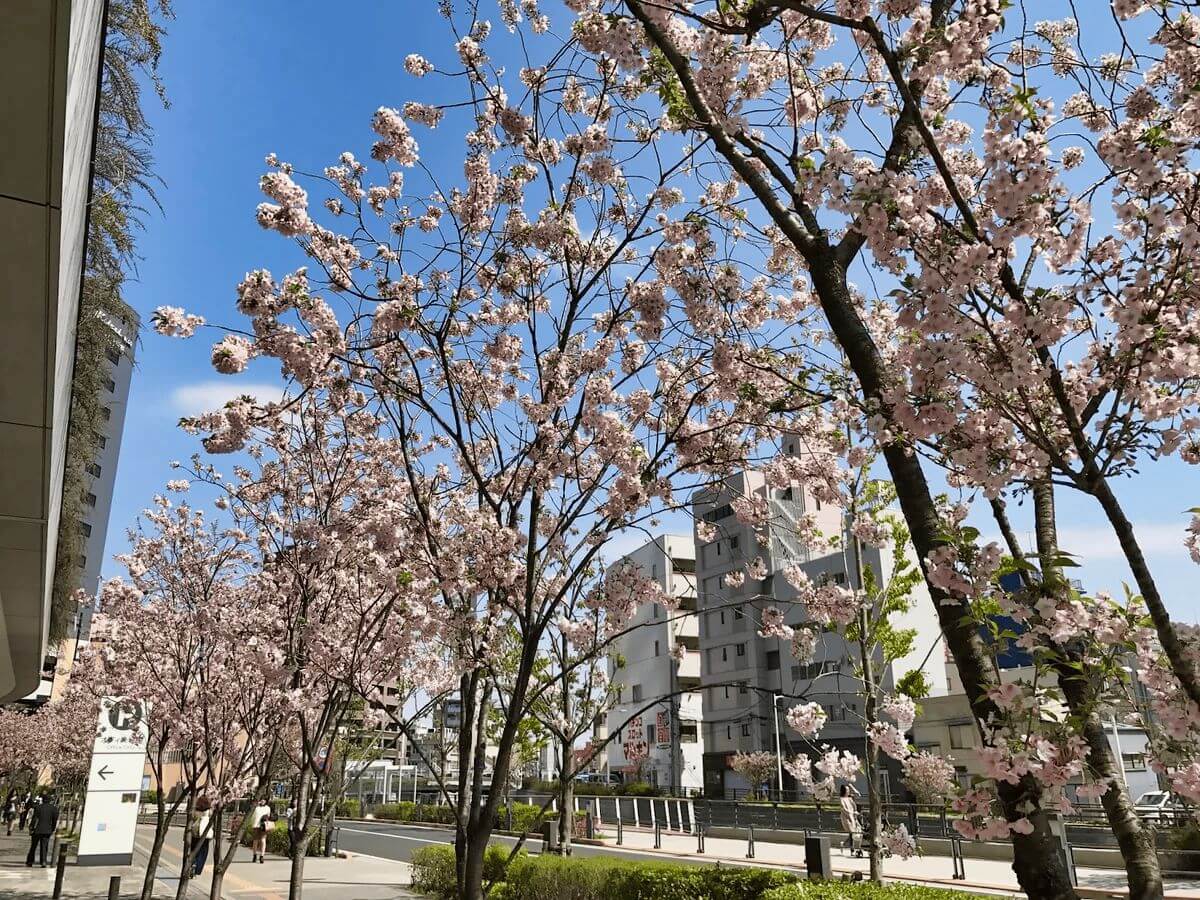
Weekends in spring can be busy due to cherry blossoms, but arriving early or targeting the late afternoon helps.
If you get caught in a crowd, pivot to a less busy building for a while—Toyokan and the Horyu-ji Treasures can be calmer when Honkan or a special exhibition is buzzing. Then circle back when the flow thins.
Accessibility and Family Essentials
One of the museum’s quiet strengths is how welcoming it is. From level entries and elevators to clear signage and staff who take time to help, the campus is designed to include, not exclude.
Families, wheelchair users, and visitors with different sensory needs can all expect thoughtful accommodation.
Wheelchairs, lifts, and restrooms
There are wheelchair-accessible entrances and restrooms, and the galleries are linked with elevators that make multi-floor exploration straightforward.
Ramps are smooth, doorways generous, and staff are quick to assist if you need directions to the nearest lift. Wide benches and occasional seating clusters offer rest points without breaking the flow of your visit.
Accessible restrooms are distributed across buildings, so you won’t have to trek back to a single hub.
If you’re planning a longer day, ask at the information desk for a quick orientation; they’ll mark accessible routes and quiet break zones on a map with practiced ease.
Visiting with kids: curiosity encouraged
This is a family-friendly museum in the best sense: children are welcomed as budding discoverers.
You’ll find restrooms, a restaurant, and open-air spaces just outside for wiggles and breathers.
In the galleries, steer kids toward storytelling objects—armor with animal motifs, expressive masks, or screens that read like a picture book across panels.
Plan for short bursts: 20–30 minutes in a gallery, then a few minutes outside or by a window before diving back in.
A scavenger-hunt mindset keeps energy high; have everyone choose a favorite object in each building and explain why.
Quiet corners and sensory breaks
If you or someone in your group needs a calm reset, the Gallery of Horyu-ji Treasures often provides a serene space. Even walking between buildings can be a sensory break—trees, fresh air, and open sky are wonderful regulators.
Carry a water bottle and a light snack to enjoy outdoors; the museum is near multiple rest spots in the park.
Eating and Drinking: Cafés and Nearby Bites
Great art stirs appetite, and the museum plans for that. You’ll find an on-site restaurant and café options that deliver solid comfort food, restorative drinks, and sweet treats.
If you prefer fresh air, Ueno Park is a picnic dream with benches and lawns just steps away.
On-site café comforts and tea breaks
The on-site restaurant and café serve a dependable lineup—think curry rice with a gentle kick, hearty sandwiches, seasonal desserts, and tea or coffee that resets your tempo. It’s ideal for refueling between buildings.
If you snag a window seat, you can people-watch and plan your next gallery hop while you refuel.
When a special exhibition is on, themed menu items sometimes appear; they’re fun without being gimmicky.
If the café is crowded, step out for a quick park stroll and circle back—a ten-minute breather often clears the queue.
Picnics and Ueno Park delights
Ueno Park is essentially the museum’s backyard, and it’s glorious in fair weather. Pick up onigiri or bento from shops near Ueno Station and stake out a bench beneath the trees.
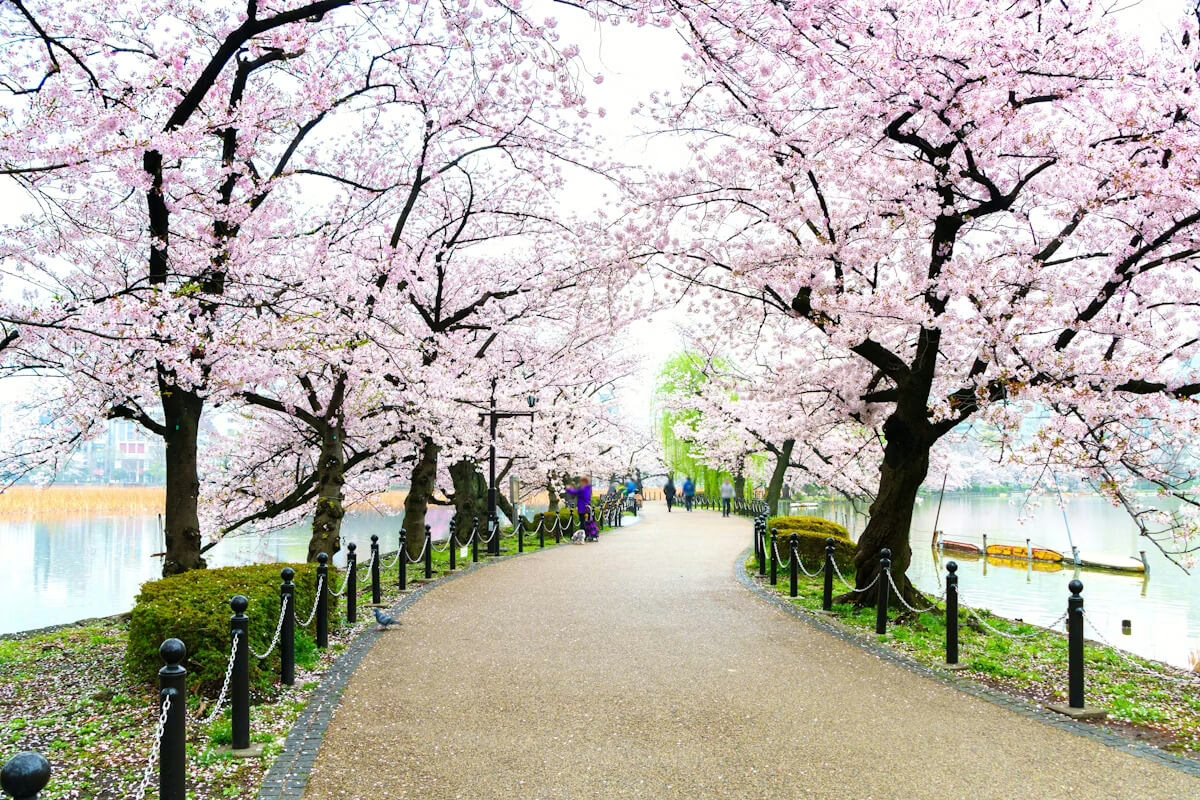
Spring brings cherry blossoms, summer delivers dappled shade, and autumn turns the leaves into a warm mosaic.
If you’re traveling with kids, this is a lifesaver: let them run a bit, then return to the galleries refreshed. Keep trash with you until you find designated bins; the park is lovingly maintained and it shows.
Restaurants around Ueno and Ameyoko
Beyond the park, Ueno buzzes with options. Ameyoko, a lively market street just south of Ueno Station, is packed with casual spots for yakitori, ramen, sushi, and sweets.
If you want something calmer, head a few blocks east for old-school kissaten coffee houses, or north for neighborhood izakaya where the vibe is easy and warm.
Reservations aren’t essential for casual places, but if you’re eyeing a popular ramen shop at peak times, expect a short line. The reward is usually near-instant gratification once you’re seated.
Getting There and Transit Tips
Convenience is one of the museum’s best features.
With multiple train and subway lines fanning into Ueno, you can reach the museum smoothly from almost anywhere in Tokyo.
Plan your arrival at the Park Exit of Ueno Station and you’ll be gliding under trees within minutes.
Trains and subways: the easiest route
Ueno Station is your main gateway, served by JR lines like the Yamanote and Keihin-Tohoku, plus Tokyo Metro’s Ginza and Hibiya Lines.
Keisei Ueno Station, just across Shinobazu-dori, delivers you from Narita Airport via the Skyliner in a snap.
Uguisudani Station on the JR line is another close option on the park’s north side, and Nezu Station on the Chiyoda Line works if you’re approaching from the west.
From JR Ueno’s Park Exit, follow signs for Ueno Park and then the museum; the walk is about 10–15 minutes, flat and pleasant.
You’ll pass street performers, families on strolls, and seasonal food stalls that may tempt you before you even reach the museum gates.
Buses and parking: smooth arrivals
Multiple bus routes serve Ueno Park and deposit you within an easy walk of the museum. Look for stops labeled Ueno Park or Ikenohata 1-chome, and the bus terminals at Ueno and Keisei Ueno Stations.
If you’re driving, there is on-site parking and additional lots around Ueno Park, though spaces can fill during peak seasons, especially on cherry blossom weekends.
Cyclists will find bike parking around the park’s edges. As always in Tokyo, obey parking signage—orderliness keeps everything flowing.
From Narita or Haneda: airport to art, fast
From Narita, the Keisei Skyliner to Keisei Ueno Station is the most direct path; you’ll be strolling past lotus ponds in about 45 minutes after touchdown.
From Haneda, ride the Tokyo Monorail to Hamamatsucho and transfer to the JR Yamanote Line bound for Ueno, or take the Asakusa Line to connect with the Hibiya or Ginza Lines as needed.
Either way, the final leg is an easy walk through the park.
Seasonal Magic: When to Visit
One of the joys of Tokyo National Museum is how the experience changes with the seasons.
The galleries are climate-controlled sanctuaries, but the park wraps your visit in seasonal color, fragrance, and light. Choosing your moment adds its own poetry to the day.
Spring: blossoms and soft breezes
Spring in Ueno Park is a swirl of petals and picnickers. Visiting the museum in the morning, then stepping out into blooming cherry trees, feels like a scene from a storybook rendered in pastel.
It’s popular—no surprise—but the museum’s extended Friday and Saturday hours let you drift in later to avoid peak crowds.
Inside, spring exhibitions sometimes spotlight themes of renewal, nature, or seasonal poetics. Even if they don’t, your eyes will be primed to notice floral motifs tucked into textiles and screens.
Summer: cool refuge on warm days
Tokyo summers can be toasty, and the museum provides an elegant refuge. Plan a late-morning start, soak in the cool galleries, and break for an iced coffee at the café.
The park’s ponds are lush and green; the air feels heavy with growth and possibility.
If you’re sensitive to heat, target Friday or Saturday evenings. The walk from the station is calmer and the light at dusk is honeyed—a lovely prelude to quiet galleries.
Autumn: gold light and crisp air
Autumn brings luminous skies and the rustle of leaves underfoot. It’s the season for long, contemplative walks between buildings and leisurely lunches on a park bench.
The museum’s wood tones and warm lighting feel especially inviting, and the Asian galleries seem to glow a bit brighter.
Crowds thin compared to spring, but weekends still hum. Aim for weekday mornings if you like galleries to yourself.
Winter: tranquil halls and clear views
Winter’s crisp air sharpens everything. Ueno Park feels contemplative, and the museum’s calm is at its most profound.
You can easily spend a full day indoors, surfacing for warm meals and the simple pleasure of seeing your breath as you cross the courtyard.
If you’re in Tokyo over the New Year period, consult the website for any special hours or programs. It’s a wonderful time to welcome the year with art and intention.
Nearby Highlights to Pair With Your Visit
Ueno is a cultural constellation, and the museum sits at its bright center.
You could spend a whole day orbiting nearby attractions, then return to the museum for an evening encore.
Ueno Park icons: animals, water, and wide skies
Within a short walk you’ll find Ueno Zoo, where families gravitate to panda antics and leafy paths.
Shinobazu Pond offers a pause by the water, with lotus leaves spreading like green umbrellas in summer.
Along the park’s main alleys, street musicians and pop-up food stands add human warmth to the grand spaces.
If you’re an early bird, a sunrise lap through the park before the museum opens is quietly spectacular.
The light filters through branches, joggers pad by, and you’ll have the pathways largely to yourself.
The museum cluster: sisters in art and science
The National Museum of Western Art, right by Ueno Station, showcases European masters inside a Le Corbusier building—an architectural pilgrimage in itself.
The Tokyo Metropolitan Art Museum pulls in strong rotating shows and public programs, while the National Museum of Nature and Science lets you geek out on dinosaur bones, space, and Japanese ecosystems.
For a sense of Tokyo’s past, the Shitamachi Museum near Shinobazu Pond recreates street scenes and homes from the early 20th century. It’s intimate, hands-on, and a charming counterpoint to the grandeur of national institutions.
Beyond Ueno: easy urban adventures
Venture south to the Ameyoko market for post-museum snacks and window-shopping.
To the west, the Yanesen area (Yanaka, Nezu, Sendagi) charms with narrow lanes, small galleries, and old-fashioned sweet shops; it’s a gentle place to let your senses downshift.
If you’re chasing neon and gadgets after a day of antiquities, Akihabara is just two stops away on the JR line.
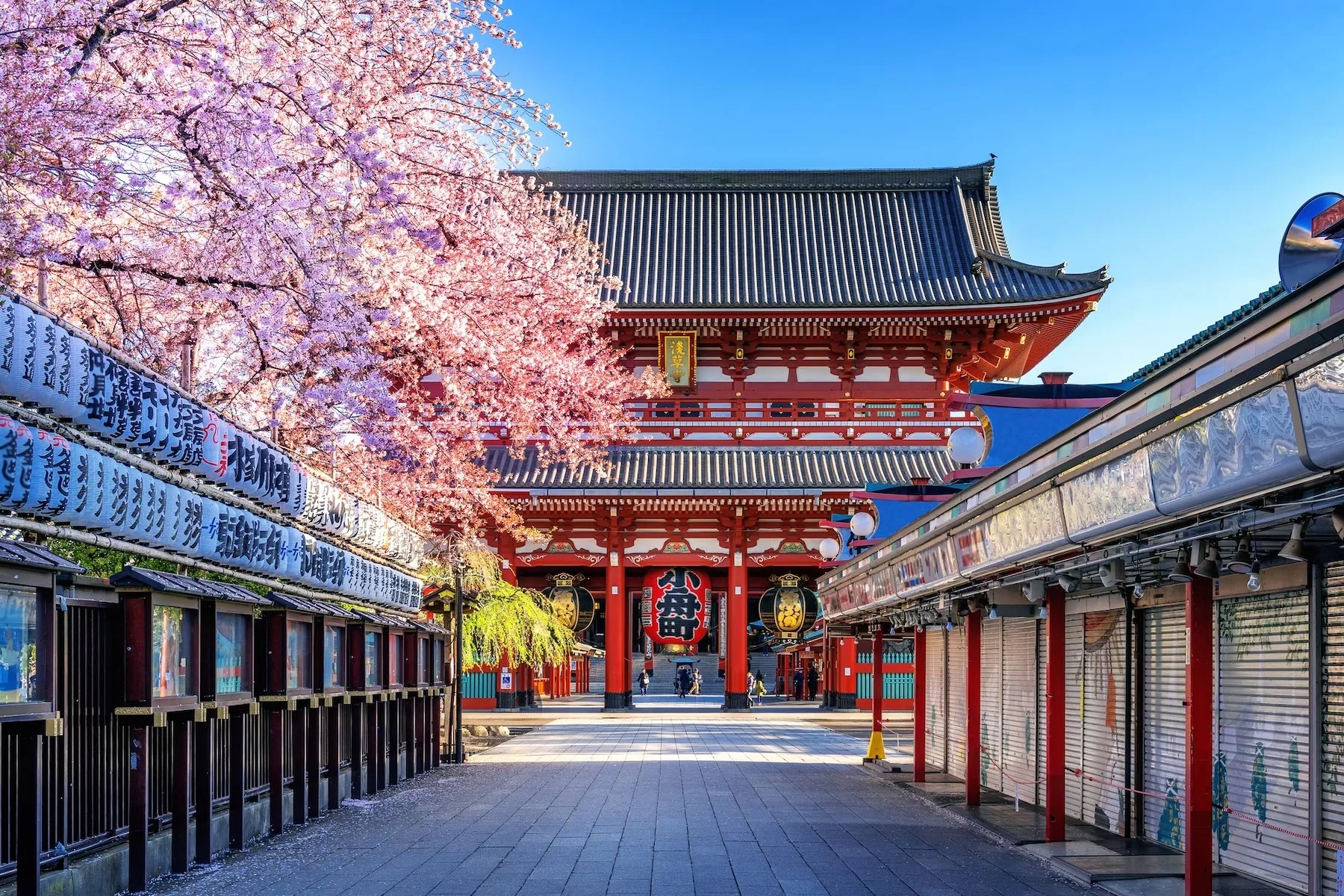
Asakusa’s Senso-ji is also close; pair it with the museum for a powerful combination of spiritual architecture and curated history. You’ll come away with a fuller picture of Tokyo’s many selves.
Who Will Love the Tokyo National Museum?
The museum is suitable for people with a wide range of interests and curiosity. It offers a flexible experience that caters to different paces and interests.
Whether you prefer a brief tour of the main attractions or a longer, more thorough exploration that leaves you feeling satisfied, you will feel welcome and gain a valuable experience.
First-time visitors to Japan
Start here to get the touchstones of Japanese art and culture in view.
The Honkan’s chronological flow clarifies the big periods—Jomon, Yayoi, Kofun, Nara, Heian, Kamakura, Edo—and gives you a vocabulary that enriches temples, gardens, and towns you’ll see later. It’s your decoder ring for Japan.
Keep the visit focused and digestible: two buildings plus a café break is a perfect first pass. You’ll leave eager to come back.
Art and history buffs
If you live for material culture, you’ll thrive here. Spend a generous hour with Buddhist sculpture styles and another with decorative arts; meditate on sword fittings as tiny canvases of genius.
The Toyokan’s Silk Road connections and the Heiseikan’s archaeology galleries give you crosswinds that invigorate the narrative.
Bring a notebook or a notes app—there are so many rabbit holes worth chasing later. One visit rarely feels like enough.
Families and casual travelers
Even if museums aren’t your usual thing, this one’s a pleasure.
The variety of objects keeps interest high, and the setting in Ueno Park gives you outdoor interludes tailor-made for resetting attention spans.
The on-site amenities—restaurant, restrooms, accessible routes—make logistics easy.
Set a simple challenge for your group: vote on the single object you’d take home (in fantasy, of course). The debates will last you all the way back to the station.
Sample Itineraries to Fit Your Day
You don’t need a minute-by-minute schedule, but a light framework helps.
Below are three flexible outlines you can adjust on the fly based on energy, interest, and crowd flow.
90 minutes: highlights with heart
- Start in the Honkan. Spend 45 minutes moving from early ceramics to Edo-period screens. Linger with one object per room that truly pulls you.
- Pop into the Toyokan for 20 minutes to sense Japan’s dialogue with Asia—Buddhas, ceramics, and trade-route treasures.
- Finish at the Horyu-ji Treasures for a serene 15–20 minute glide through early Buddhist artifacts. Exit to the park for a contented stroll.
Half-day: context and contrast
- Honkan for an hour, focusing on sculpture, painting, and metalwork.
- Heiseikan for 45 minutes, blending archaeology with any special displays.
- Break for lunch at the on-site restaurant or a park picnic.
- Toyokan for an hour—compare motifs across regions and watch echoes form in your mind.
- Optional finale at Kuroda Memorial Hall if time and energy allow.
Full day: the grand tour
- Morning in the Honkan with deliberate pacing; take photos of labels you want to revisit.
- Late morning in Heiseikan for archaeology depth.
- Lunch on-site or in the park, then a mindful walk under the trees.
- Afternoon in Toyokan and the Horyu-ji Treasures, inserting a café break when needed.
- Check if Hyokeikan has a special show; if so, cap your day there. You’ll leave full-hearted and happily tired.
Practical Details at a Glance
The museum sits at 13-9 Uenokoen, Taito City, Tokyo 110-8712, an easy walk from JR Ueno Station’s Park Exit and the Keisei Ueno Station entrance.
Hours are 9:30 AM–5 PM Sunday through Thursday, with extended openings until 8 PM on Friday and Saturday.
Phone assistance is available at +81 50-5541-8600, and the website at https://www.tnm.jp/ posts current exhibitions, ticketing, and notices.
On-site conveniences include a restaurant, restrooms, and wheelchair-accessible entrances and facilities.
It’s family-friendly, good for kids without dumbing anything down, and advance tickets are recommended during busy periods.
On-site parking and nearby lots serve drivers, while multiple bus stops and stations make public transport the easiest bet.
Respectful and Sustainable Visiting
Great museums are guardians of memory, and we’re all co-caretakers when we pass through their doors.
A gentle, mindful approach keeps fragile artifacts safe and preserves the contemplative atmosphere that makes the experience special.
Preservation-minded behavior
Keep a small buffer between yourself and display cases, and avoid leaning on plinths or railings.
If a room is crowded, step aside and wait your turn for close views—it’s a little act of grace that ripples outward. Follow photography rules strictly; non-flash policies aren’t fussy—they’re essential.
Dress in layers so you can adjust comfortably without carrying bulky outerwear through galleries, and use lockers for daypacks. The less you’re juggling, the more you’ll see.
Supporting the arts you love
If the museum moves you, say thank you with support—buy a catalog, pick up a postcard that keeps a favorite screen on your fridge, or donate if you can.
Small gestures add up and help fund conservation, research, and educational programs that keep the collection vibrant.
Share the love by bringing friends next time or by pairing your visit with local galleries and bookstores. Culture thrives when curiosity circulates.
Final Thoughts
Tokyo National Museum makes the vastness of Japanese art feel intimately knowable.
It folds centuries into a day without rush, offering clear pathways through complex stories and encouraging you to follow your own fascinations.
Step out when you need air, step back in when a new curiosity catches the light—there’s no wrong way to enjoy it.
When you leave, the city around you will feel more legible: temple roofs will hint at dynasties, kimono patterns will speak in seasons, and even the rhythm of Tokyo’s streets will echo motifs you saw inside.
That is the museum’s quiet magic. It’s not just a place to learn; it’s a place to see, anew, the world you’re walking through.
What's Available
Frequently Asked Questions (FAQs)
Visiting the Tokyo National Museum is undoubtedly worthwhile, especially for those captivated by the deep currents of history and the intricate artistry of Japan.
As Japan’s oldest and largest museum, it houses an expansive collection of approximately 120,000 pieces, spanning centuries of cultural evolution. Walking through its galleries is like traversing the rich tapestry of Japanese civilization, from delicate samurai armor to exquisite ukiyo-e prints.
While some may find the experience intellectually demanding due to the density of information, it offers a profound glimpse into Japan before the modern era, making it a memorable and enriching destination for lovers of history and art.
The Tokyo National Museum is special not just for its vastness but for the depth and rarity of its collections. It holds nearly 90 items designated as National Treasures and hundreds more classified as Important Cultural Properties.
The museum’s six buildings each tell different stories, with the Honkan showcasing ancient to 19th-century Japanese art, the Heiseikan diving into archaeology, and the Toyokan presenting Asian art beyond Japan’s borders.
Beyond tangible artifacts, the museum embodies Japan’s enduring legacy and its place within the broader Asian cultural sphere, offering visitors a narrative that bridges time, culture, and geography.
Reservations are generally not mandatory to visit the Tokyo National Museum; tickets can be purchased at the entrance on the day of your visit.
However, on busy days or for special exhibitions, buying tickets online in advance is advisable to avoid long lines and secure entry.
Some special exhibitions may require separate tickets, and these can often be bought in advance either online or at the museum, making planning flexible for most travelers.
The museum is quite English-friendly, with free English guided tours and comprehensive English explanations available for many exhibits. While the level of English varies somewhat across temporary exhibitions, the main collections provide ample support for non-Japanese speakers. This accessibility allows international visitors to engage fully with Japan’s cultural heritage, making the museum a welcoming space for those eager to understand and appreciate the richness of Japan’s history and art.
Editor's Review
We’ve returned to Tokyo National Museum more times than we can count, and it always greets us with the same calm generosity.
We love how the Honkan gives a clear timeline without feeling academic, and how the Toyokan quietly connects Japan to the rest of Asia.
On good weather days, we pause between buildings just to let the gallery light fade from our eyes and the green of Ueno Park flood back in. It’s a rhythm that makes a long museum day feel like a gentle walk.
Our favorite ritual is simple: an hour in the Honkan, a coffee and cake at the café, and then a slow wander through the Horyu-ji Treasures where serenity pools around you.
Even when it’s busy, the museum never loses its poise; staff are kind, signage is clear, and the overall experience feels thoughtfully designed.
Every visit leaves us with a new favorite object and a renewed appreciation for how art holds time together.