Akihabara Electric Town
Tokyo's legendary electronics and anime district, where neon-lit streets packed with tech stores, anime shops, maid cafes, and gaming centers create Japan's ultimate otaku paradise.
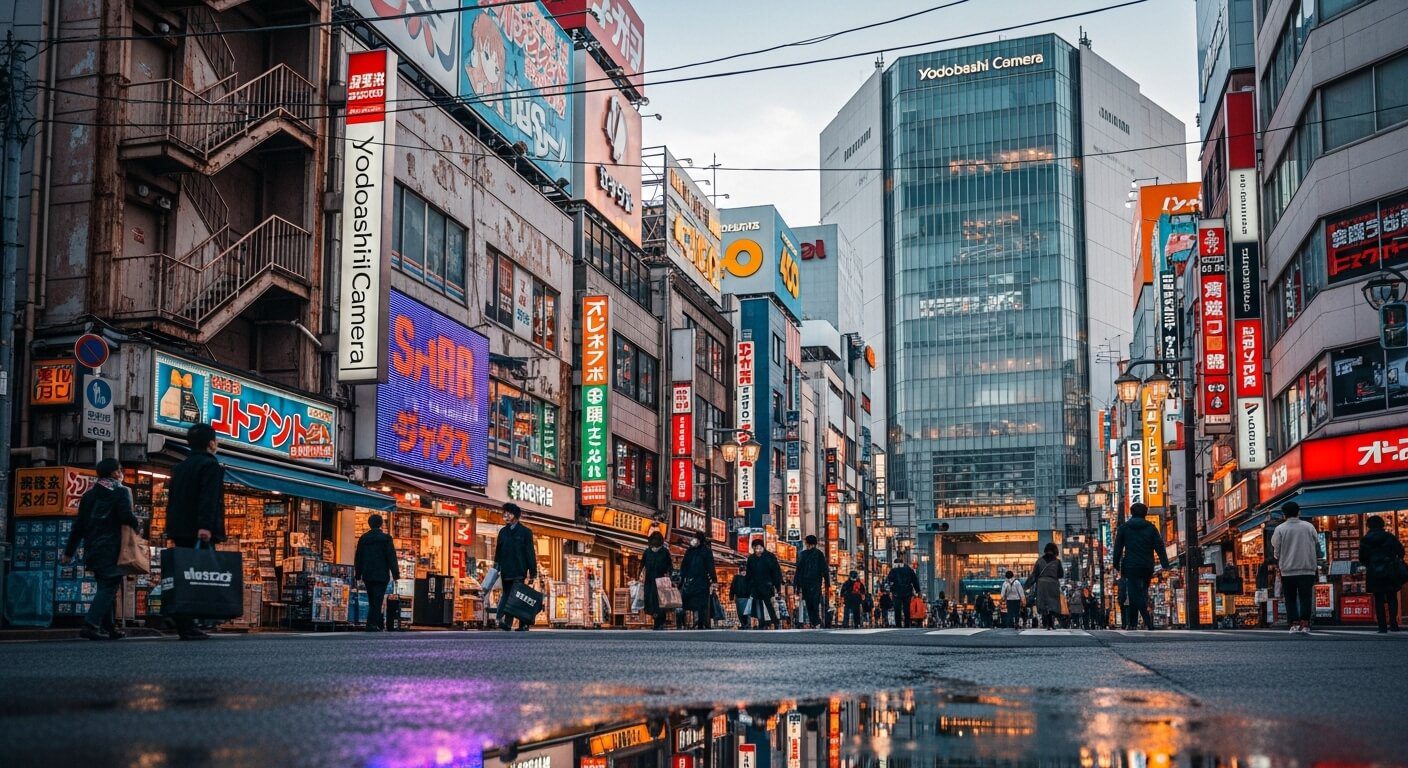






Akihabara Electric Town, what residents refer to as “Electric Town”—a district that has served as Tokyo’s technology and popular culture center since the 1950s. Akihabara (known colloquially as “Akiba”) established its prominence when post-World War II informal markets trading radio components and excess military electronics evolved into authorized retail establishments beneath the railway tracks, subsequently developing into the extensive commercial zone visible today.
The district is concentrated around Akihabara Station and Chuo-dori Street, featuring densely constructed buildings that extend throughout the adjacent streets of Sotokanda in Chiyoda Ward.
What originated as a destination for purchasing household appliances and transistor radios has transformed into a cultural landmark where large-scale electronics retailers such as Yodobashi Camera (a nine-story facility), anime-specialized merchants including Animate and Gamers, vintage gaming establishments, maid cafes, arcades, and collectible figurine vendors occupy virtually every commercial space.
The district maintains continuous operation in that some establishment remains accessible at all times, although individual businesses observe varying schedules (typically operating from 10:00 AM to 8:00 PM or 9:00 PM).
Visitors could dedicate an entire day—or conceivably a full week—to examining the numerous retailers offering merchandise ranging from advanced smartphones and computer hardware to uncommon anime memorabilia, classic video games, and cosplay attire.
Akihabara also represents the origin point for Japanese popular culture exports: maid cafes where staff members wear elaborate costumes and address patrons as “masters,” themed dining establishments devoted to particular anime franchises, multi-level arcades featuring contemporary rhythm games and UFO catchers, and an AKB48 theater where Japan’s most recognized idol group performs regularly.
The district attracts technology specialists seeking specialized components, anime enthusiasts visiting authentic locations from their preferred series, international visitors experiencing Japanese subculture, and local residents browsing current electronic products.
The environment is disorderly, intense, completely distinctive, and precisely what one would anticipate from Tokyo’s premier destination for enthusiast culture.
Akihabara Electric Town: Your Complete Guide to Tokyo’s Ultimate Geek Paradise
Exploring Akihabara Electric Town: Your Ultimate Tokyo Otaku District Guide – Come wander through the glowing corridors where massive eight-story anime megastores stand right alongside tiny electronics shops tucked into every available space.
You’ll see maid cafe servers dancing their choreographed routines right there on the sidewalks, and get this – you can grab a vintage 1980s Famicom cartridge at 2:00 PM and walk out with the newest VR headset just fifteen minutes later.
Akihabara isn’t merely a shopping district—it’s a living museum of Japan’s technological evolution, a commercial shrine to otaku culture, and quite possibly the most sensorially overwhelming square kilometer in Tokyo.
Akihabara’s Identity: Understanding Electric Town’s Evolution
Akihabara, affectionately shortened to “Akiba” by locals and devotees worldwide, occupies several densely packed blocks in Chiyoda Ward centered on Akihabara Station and the vibrant Chūō-dōri Avenue.
This district earned its reputation organically across seven decades, transforming from post-war black market radio stalls into the planet’s concentrated epicenter of gaming, anime, and technology retail.
The transformation tells modern Japan’s story in miniature.
What began as desperate vendors selling salvaged vacuum tubes beneath train tracks in the 1940s evolved into the “Electric Town” (Denki-gai) supplying Japan’s economic miracle with televisions and refrigerators during the 1960s.
The 1980s personal computer boom attracted global enthusiasts seeking cutting-edge technology, while the 1990s anime explosion fundamentally reshaped the district’s DNA into today’s hybrid identity.
Contemporary Akihabara operates as multiple districts occupying identical geography.
Massive nine-floor electronics retailers serve Tokyo residents buying practical appliances, coexisting alongside specialty anime chains (Animate, Gamers), retro gaming archeological sites (Super Potato), maid cafes performing elaborate theatrical service, multi-story arcades, and countless micro-specialty shops catering to obsessions so specific they support entire businesses.
Over 300 shops pack into roughly one square kilometer, creating retail density that overwhelms first-time visitors.
- Tokyo Photo Spots: Instagram-Worthy Locations & Tips
- Tokyo New Year’s Guide: Shrine Visits & Holiday Traditions
- Tokyo Safety Guide: Crime Statistics & Precautions for Tourists
- Tokyo Autumn Leaves Calendar: Peak Viewing Times
- Useful Japanese Travel Phrases to Know Before Traveling to Tokyo
- Tokyo Onsen Etiquette: Hot Spring Rules & Cultural Significance
The district appears so frequently in anime series—Steins;Gate set its time-travel conspiracy here, Akiba’s Trip literally named itself after the location—that international fans treat specific street corners as pilgrimage sites, photographing buildings featured in episodes they’ve watched dozens of times.
Getting to Akihabara Station
Akihabara Station serves as the district’s central hub, accessible via multiple train lines that make reaching Electric Town straightforward from any Tokyo location.
The JR Yamanote Line provides the most convenient access, with trains arriving every 3-5 minutes connecting major stations including Tokyo, Shinjuku, Shibuya, Harajuku, and Ueno.
Additional rail access includes:
- JR Chūō-Sōbu Line: Direct connections to Shinjuku, Nakano, and Chiba
- JR Keihin-Tōhoku Line: Links Yokohama, Shinagawa, Tokyo, and Ōmiya
- Tokyo Metro Hibiya Line: Underground access to Ginza, Roppongi, and Ebisu
- Tsukuba Express: Connects suburban areas and Tsukuba Science City
Exit through the Electric Town Exit (Denkigai-guchi) from JR platforms to emerge directly onto Chūō-dōri Avenue surrounded by the district’s main attractions.
This exit places you in the heart of the action—other station exits deposit visitors in ordinary commercial areas or residential neighborhoods requiring navigation back toward the interesting sections.
The station itself handles massive daily traffic but maintains clear English signage.
Follow yellow signs marked “Electric Town Exit” or look for icons depicting electronics and anime characters.
Train fare from Tokyo Station costs ¥140, from Shinjuku ¥170, and from Shibuya ¥200 using regular tickets, though IC cards like Suica or Pasmo simplify payment and offer slight discounts.
Navigating the District’s Geography
The district centers on Chūō-dōri Avenue, a wide, pedestrian-friendly boulevard running north-south from the station.
Major retailers line this main artery, making initial orientation simple even for visitors with limited Japanese language skills.
Side streets branching perpendicular to Chūō-dōri—particularly westward—contain smaller specialty shops, vintage game stores, component suppliers, and the hidden businesses that reward exploration.
The Akihabara Radio Center occupies the narrow space beneath the elevated JR tracks immediately beside the station, housing dozens of cramped component shops in corridors barely wide enough for two people.
Radio Kaikan, an iconic red-trimmed building directly across from the Electric Town Exit, serves as a useful landmark visible throughout the district and consolidates multiple specialty retailers across ten floors.
Everything worth visiting sits within comfortable walking distance, with most attractions 5-10 minutes from the station on flat, paved streets.
The compact geography means spontaneous discovery while wandering, though smartphone GPS helps locate specific stores tucked into side streets.
Mobile signal quality occasionally struggles among tall buildings clustered closely together, so screenshot maps or addresses before diving deep into the district.
Sundays from approximately 1:00 PM to 6:00 PM, Chūō-dōri closes to vehicle traffic, transforming into hokosha tengoku (pedestrian paradise).
This creates relaxed browsing atmosphere where visitors can occupy the street freely, though it also concentrates crowds significantly and attracts street performers, promotional activities, and cosplayers.
If quieter exploration appeals more, visit weekday mornings around 10:00-11:00 AM when shops open but crowds haven’t materialized.
Electronics and Technology Retail
The massive electronics retailers that built Akihabara’s original reputation remain foundational to the district’s identity, offering tax-free shopping advantages and selections that online retail struggles to match.
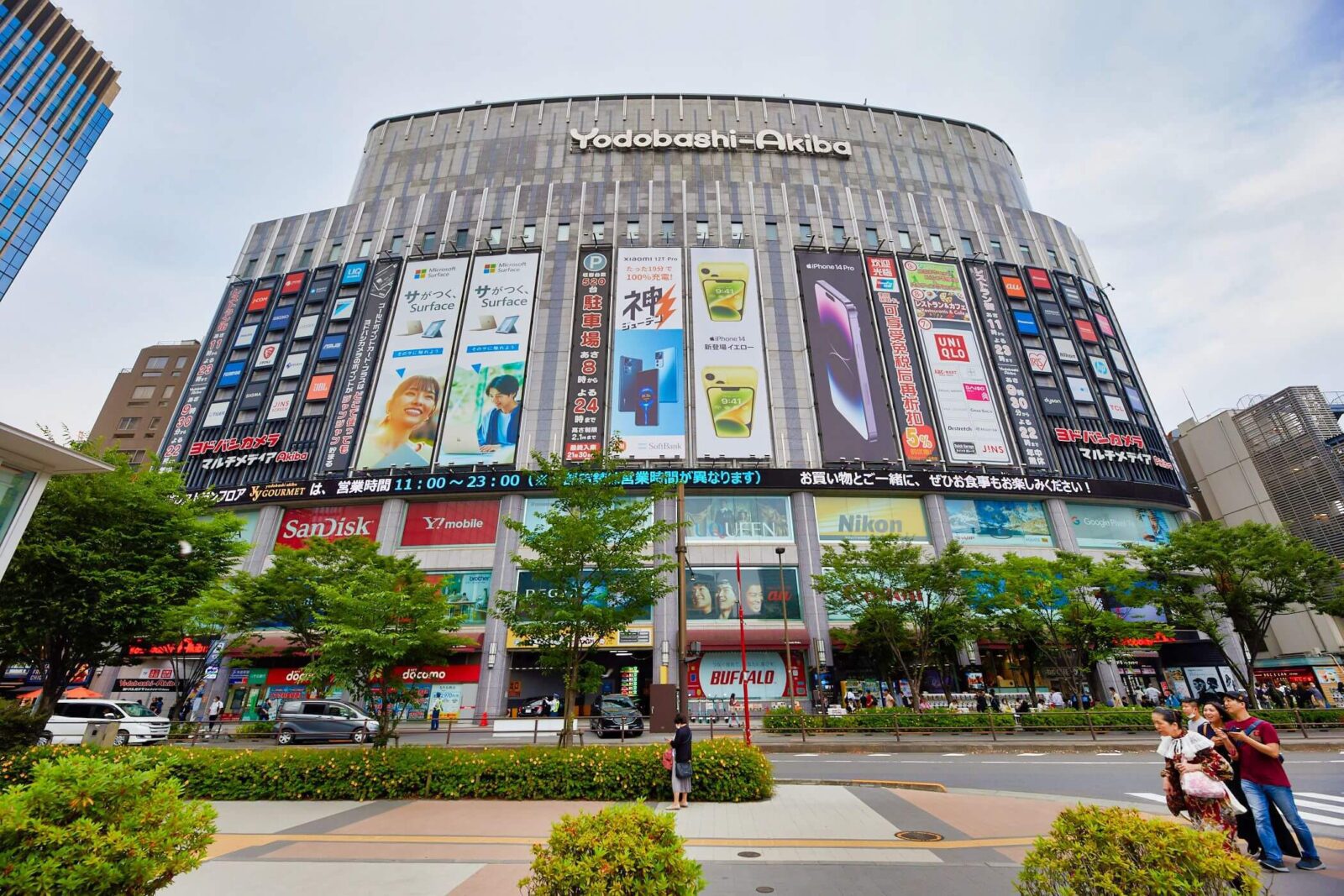
Yodobashi-Akiba, connected directly to the station’s north side, spans nine floors covering cameras, computers, home appliances, musical instruments, sporting goods, toys, hobby supplies, and restaurants.
The selection genuinely overwhelms first-time visitors—entire floors dedicated exclusively to headphones, or gaming peripherals, or specific camera brands.
Bic Camera and its electronics-focused subsidiary Sofmap operate multiple locations throughout Akihabara with similarly comprehensive inventories.
These retailers compete aggressively on price, and tax-free shopping saves 10% for tourists spending over ¥5,000 at a single store on the same day.
Bring your passport to claim this discount at dedicated tax-free counters near checkout areas.
Don’t assume Japanese pricing automatically beats Western markets, particularly after considering voltage differences (Japan uses 100V versus 120V in North America or 220-240V in Europe), warranty coverage validity outside Japan, and potential import duties when returning home.
Research specific products beforehand, especially big-ticket items like mirrorless cameras or laptops.
The genuine advantage often lies in availability—certain camera lenses, regional electronics variants, limited-edition colors, and specialty accessories sold exclusively in Japanese markets appear here months before international release.
Staff at major retailers typically speak functional English and can explain basic product specifications, though technical discussions sometimes require patience and translation apps.
Product packaging and manuals default to Japanese, though many electronics include English modes or international firmware.
Component Shops and Hobbyist Suppliers
The small parts shops beneath the train tracks and scattered through side streets preserve original Akihabara’s DNA from its 1940s origins.
These cramped spaces, barely wider than hallways and stacked floor-to-ceiling with labeled drawers containing electronic components, serve engineers, robotics enthusiasts, and anyone building custom electronics projects.
You’ll find resistors organized by ohm rating, capacitors sorted by voltage, rare connectors, prototype boards, specialty cables, and components impossible to source through normal consumer channels.
Most component shop owners speak limited or no English, operating businesses serving Japanese professionals rather than tourists.
However, the inventory organization remains logical if you understand basic electronics—components group by type and value, with clear labeling in standardized formats.
Cash payment works more reliably here than credit cards, and some shops maintain minimum purchase amounts.
These shops aren’t tourist attractions designed for browsing—they’re working businesses where you might stand beside Japanese engineers sourcing parts for professional projects.
Serious hobbyists find them invaluable; casual visitors usually photograph the atmospheric storefronts and move along.
Anime and Manga Shopping Headquarters
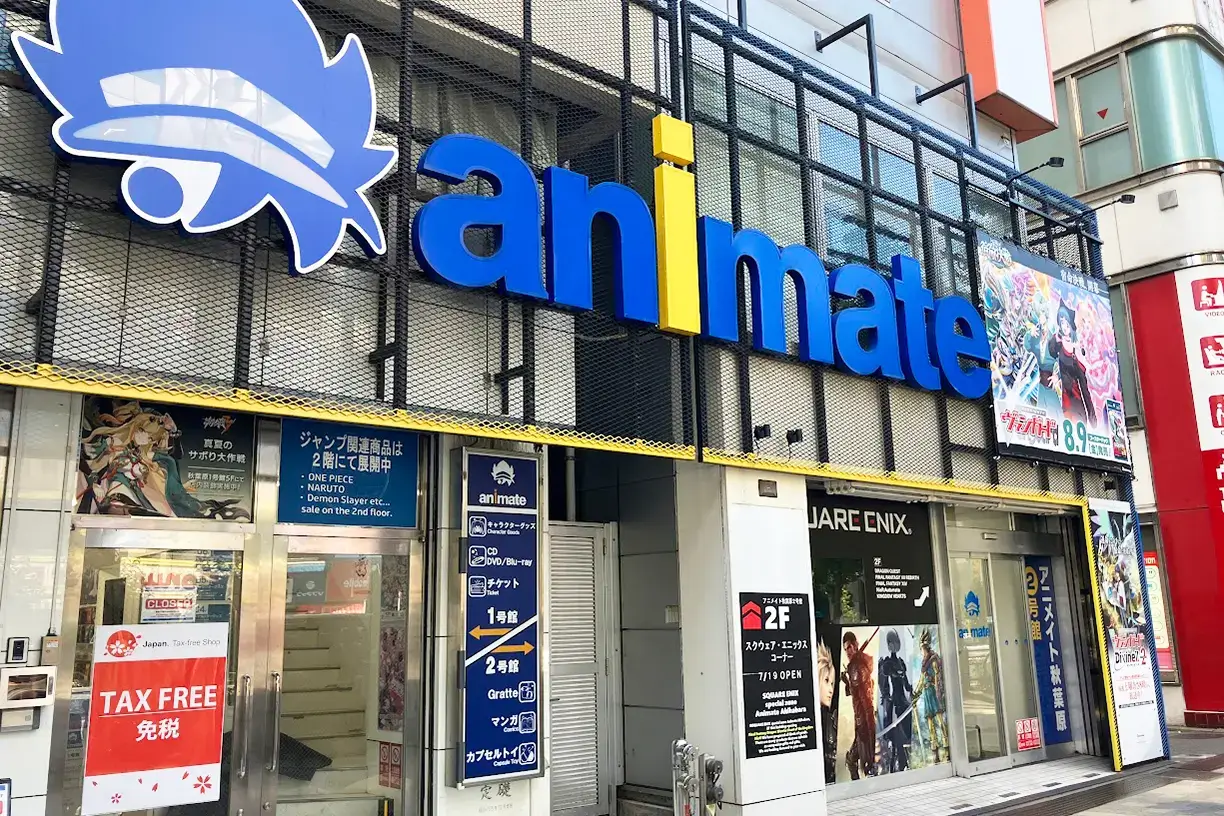
Animate Akihabara dominates anime merchandise retail with two connected buildings totaling eight floors following its 2023 renovation.
The selection covers current broadcast series, classic franchises from the 1980s onward, exclusive collaboration goods, manga volumes, light novels, character merchandise spanning every imaginable category, dōjinshi (fan-made publications), and music CDs.
Prices reflect official retail—this isn’t a discount outlet, but the inventory depth and exclusive items available nowhere else justify full-price purchases for serious fans.
Gamers, Melonbooks, and similar specialty chains stock comparable merchandise with slight inventory variations based on their wholesale relationships and target demographics.
Visiting multiple stores makes sense when hunting specific characters or series, as each retailer secures different manufacturer exclusives and collaboration items.
Radio Kaikan consolidates numerous specialty shops across ten floors in a single building directly across from the station.
Different floors focus on figures, garage kits, idol merchandise, retro games, card games, and increasingly niche categories.
The building functions as curated shopping where you can experience diverse anime retail without walking streets—particularly valuable during Tokyo’s sweltering summer or rainy season.
Floor directories appear in Japanese and English near elevators, though shops change locations periodically as rental agreements shift.
The top floors generally house smaller independent businesses specializing in specific franchises or collector categories, while lower floors contain larger retailers with broader selections.
Secondhand and Vintage Treasure Hunting
Mandarake Complex operates multiple specialized locations throughout Akihabara, with each building focusing on different product categories—one location for vintage manga and dōjinshi, another for figures and toys, a third for trading cards and collectibles.
Prices for used items run 30-70% below retail depending on condition and rarity, though truly scarce collectibles command premium prices regardless of their secondhand status.
Condition varies significantly in secondhand shops, making careful inspection essential.
Examine figures for paint damage, missing accessories, loose joints, or bootleg indicators (incorrect manufacturer logos, cheap plastic quality, poor paint application, spelling errors on packaging).
Manga and dōjinshi show normal used-book wear—yellowing pages, creased covers, spine damage—with pricing reflecting condition grades.
Staff can answer basic questions but rarely provide detailed English explanations of item provenance or history.
Book-Off locations throughout the district sell used manga, light novels, and some character goods at aggressive discounts targeting volume sales.
The selection leans toward common series rather than rare finds, but bargain hunters can build substantial manga collections cheaply.
Most volumes cost ¥100-500 depending on series popularity, publication date, and condition.
Book-Off organizes inventory alphabetically by series title in Japanese, which challenges browsing without reading ability, though smartphone translation apps help identify titles.
The secondhand market operates with surprising efficiency—popular items get purchased quickly, inventory rotates constantly, and pricing reflects real-time market conditions.
Visit multiple shops across several days if you’re seriously hunting specific items, as new inventory arrives unpredictably.
Retro Gaming Paradise
Super Potato occupies legendary status among retro gaming enthusiasts worldwide, selling vintage consoles, cartridges, accessories, and gaming memorabilia from Famicom through PlayStation 2 across multiple floors.
The top floor houses a retro arcade with playable classic cabinets—for many visitors, experiencing original arcade hardware in working condition justifies the trip alone.
Prices reflect global retro gaming market trends, meaning rare titles command serious money while common games stay affordable.
Verify region compatibility before purchasing.
Japanese consoles and games often use different video standards (NTSC-J versus NTSC or PAL) and region locks preventing play on North American or European hardware without modifications.
Shop staff understand basic compatibility issues and can explain fundamental concerns, though serious collectors should research specific titles beforehand using online databases.
Smaller retro shops scattered throughout the district specialize in particular eras or manufacturers—some focus exclusively on Nintendo products, others on Sega, PlayStation, or arcade hardware.
These specialist shops sometimes hold rare items that larger stores overlook or price incorrectly, making exploration worthwhile for dedicated collectors with specific wants.
Budget expectations: Common games start around ¥500-1,000, popular nostalgic titles run ¥2,000-5,000, genuinely rare collectibles reach ¥10,000-100,000+ depending on scarcity, condition, and whether they include original packaging.
Complete-in-box items command significant premiums over cartridge-only sales.
The retro gaming community takes condition seriously.
Shops grade items using Japanese condition standards that differ from Western grading—familiarize yourself with terms like A-rank (excellent), B-rank (good with minor wear), and C-rank (acceptable with visible damage) before making expensive purchases.
Figure and Model Kit Specialists
Dedicated figure shops showcase everything from affordable prize figures (¥1,000-3,000) won from arcade crane games to premium scale figures (¥10,000-30,000+) with museum-quality sculpting and painting.
Kotobukiya Akihabara operates both retail floors and exhibition spaces displaying upcoming releases, prototype figures, and limited editions.
The building attracts serious collectors willing to pre-order figures months in advance and pay premium prices for exclusive variants.
Garage kit shops cater to advanced modelers who purchase unpainted resin kits requiring assembly, modification, and painting—serious hobby territory where prices reflect the craftsmanship involved.
These shops also stock modeling supplies, specialized paints, airbrush equipment, and materials for customization projects.
Staff in garage kit shops often work as professional modelers themselves, though language barriers limit technical discussions for non-Japanese speakers.
Display cases protect higher-end figures from handling, but most shops allow close examination of mid-tier products before purchase.
Inspect paint quality for overspray or missed details, check joints for looseness or stress marks, and verify packaging condition if you maintain collections for potential resale value.
Bootleg figures represent significant problems in the global market—stick to reputable established shops rather than suspicious discount vendors offering prices well below market rates.
Original character figures, limited collaboration releases, and discontinued items appreciate significantly over time.
Collectors treat certain figures as investments, with some releases selling for 2-3 times retail on secondary markets.
Understanding which manufacturers, sculptors, and licenses hold value requires research through collector communities and price tracking databases.
Maid Cafes: Understanding the Phenomenon
Maid cafes provoke stronger reactions than any other Akihabara attraction—foreign visitors either find them adorably entertaining or profoundly uncomfortable, rarely neutral.
These themed cafes employ servers dressed in Victorian-style maid costumes who address customers as “goshujin-sama” (master) or “ojōsama” (mistress), perform songs and choreographed routines, play interactive games, and create theatrical dining experiences emphasizing service and fantasy.
The food and drinks don’t justify the prices—expect ¥1,500-3,000+ per person for mediocre desserts and beverages decorated with chocolate sauce drawings.
You’re paying for performance and atmosphere, not culinary excellence.
Most cafes charge cover fees (¥500-1,000) plus mandatory drink and food orders, with additional charges for photos with staff, special song performances, or personalized decorations.
Popular chains include:
- Maidreamin: Multiple locations, tourist-friendly with English menus and picture guides
- @home cafe: Established chain with consistent service standards
- Cure Maid Cafe: Smaller, more intimate atmosphere with regular customers
Understand the cultural context: maid cafes emerged from Japanese moe culture celebrating cuteness, innocence, and exaggerated service, creating spaces where (primarily male) customers receive hospitality and attention.
Western interpretations sometimes misread this as purely sexual, missing the emphasis on fantasy, escape from normal social hierarchies, and the deliberate artificiality that creates safe distance from reality.
Photography rules vary by cafe—some permit photos with staff for additional fees (¥500-1,000 per photo), others prohibit customer photography entirely to protect staff privacy.
Respect these boundaries absolutely, as violations result in immediate ejection without refunds.
The experience works best when you embrace the deliberate performance rather than analyzing it too seriously or expecting genuine social interaction.
Game Centers and Arcade Culture
Multi-story game centers along Chūō-dōri offer distinctly Japanese arcade experiences impossible to replicate elsewhere.
Unlike Western arcades that often feel neglected and dated, Japanese game centers meticulously maintain equipment, constantly update with newest releases, and create clean, organized environments despite housing hundreds of machines.
Major locations include:
- SEGA Akihabara Buildings 1-5: Multiple facilities each specializing in different game categories
- Taito Station: Extensive UFO catcher (crane game) floors and rhythm games
- GiGO (formerly SEGA GiGO): Popular among competitive fighting game players
Rhythm games like maimai, Chunithim, Taiko no Tatsujin, and beatmania IIDX dominate prime floor space, attracting skilled players whose performances draw spectator crowds.
Fighting games occupy dedicated floors with tournament-grade cabinets and competitive players practicing seriously.
Vintage games appear in dedicated retro sections, usually costing ¥100 per play versus ¥100-300 for modern titles.
The skill level on display in Japanese arcades genuinely impresses.
Rhythm game players achieve accuracy percentages and combo chains that seem physically impossible, while fighting game competitors execute frame-perfect combos in tournament matches that attract crowds betting on outcomes.
UFO Catcher Strategy and Economics
UFO catchers (crane games) fill entire floors in most game centers, containing prizes from plush characters to expensive figures and electronics.
These machines are engineered for profit, not player success—the claw strength, prize positioning, box weight, and physics deliberately make winning difficult enough to ensure profitability.
Improving your odds:
- Watch skilled players before attempting—strategies vary dramatically by machine type and prize positioning
- Target prizes positioned near the chute or barely held by packaging edges
- Some machines allow repositioning rather than lifting—slide prizes gradually toward goals
- Staff will sometimes reset impossibly positioned prizes if you’ve spent ¥500-1,000 without progress
- Budget ¥500-2,000 if seriously attempting to win valuable prizes
Consider whether the prize justifies the expense—equivalent items often cost less in retail shops nearby.
The entertainment value comes from the challenge itself and the satisfaction of winning, not economic efficiency.
Regular players develop relationships with specific arcades and staff, who sometimes provide positioning assistance or reset prizes to winnable positions for persistent customers.
Arcade culture in Japan maintains social etiquette rules: don’t hog popular machines during busy periods, don’t photograph players without permission, and don’t celebrate victories too loudly.
Most arcades prohibit food and drinks near machines to prevent damage.
Themed Cafes and Unique Dining
Beyond maid cafes, Akihabara hosts numerous concept cafes catering to specific interests: butler cafes (reverse of maid cafes with male servers treating customers as aristocracy), animal cafes (interact with owls, hedgehogs, or cats under supervision), and collaborations with specific anime franchises rotating seasonally.
Each delivers distinct atmospheres and experiences, though all charge premium prices for theming rather than food quality.
Gundam Cafe, operated officially by Bandai Namco, serves Gundam-themed food and drinks in spaces decorated with life-size model displays and franchise imagery.
It’s more accessible than maid cafes for visitors uncomfortable with the performance aspects, though still fundamentally about paying for atmosphere over cuisine.
Menu items include burgers and desserts decorated to resemble mobile suits, with prices around ¥1,500-2,500 per person.
Limited-time collaboration cafes celebrating specific anime series open regularly throughout the district for 2-6 month periods.
These temporary pop-ups offer exclusive merchandise available only to dining customers, themed menus with dishes named after characters, and decorated spaces recreating locations from the shows.
Information about current collaborations appears on Tokyo’s anime tourism websites and franchise official accounts.
The economics of themed cafes rely on merchandise sales and repeat visits from dedicated fans rather than food quality.
Customers often purchase exclusive clear files, coasters, or character goods available only through dining, spending ¥3,000-8,000 total per visit when combining meals and merchandise.
Operating Hours and Optimal Visit Times
Most shops operate approximately 10:00 AM to 8:00 PM or 9:00 PM, though individual businesses vary significantly.
Major retailers like Yodobashi-Akiba and Bic Camera maintain consistent schedules with extended hours, while smaller specialty shops might open later (11:00 AM or noon) or close earlier depending on owner preferences and staff availability.
Strategic visiting times:
- Weekday mornings (10:00 AM – 12:00 PM): Quietest period, easy browsing, minimal crowds, relaxed shopping
- Weekday afternoons (2:00 PM – 5:00 PM): Moderate crowds, good balance of atmosphere and maneuverability
- Weekend afternoons (1:00 PM – 6:00 PM): Maximum energy and chaos, significant crowds, full district atmosphere
- Sunday pedestrian hours (1:00 PM – 6:00 PM): Street festival atmosphere, cosplayers, performers, very crowded
- Evening (6:00 PM – 8:00 PM): Neon signage fully illuminated, locals finishing work, moderate crowds
Avoid major Japanese holidays (Golden Week in late April/early May, Obon in mid-August, New Year) and major conventions unless you specifically want that intensity.
Comiket (Comic Market) occurs in August and December at Tokyo Big Sight, but attendees flood Akihabara before and after the event, creating genuinely overwhelming crowds and depleted shop inventory.
Budget Planning Across Spending Levels Before Visiting Akihabara Electric Town
Akihabara accommodates every budget from free window shopping to serious five-figure collecting:
- Free activities: Walking the streets experiencing the atmosphere, browsing shops without purchase obligations, watching street performers on Sundays, arcade spectating, photographing the district, exploring Radio Center corridors
- Budget tier (¥1,000-5,000): Small souvenirs, gashapon capsule toy prizes, used manga volumes, arcade gaming sessions, convenience store meals, affordable character keychains or phone accessories
- Mid-range (¥10,000-50,000): Electronics accessories, new figures, retro games, themed cafe experiences, moderate collectible purchases, several manga volumes or light novels
- Serious shopping (¥100,000+): Major electronics (cameras, computers, high-end audio equipment), rare collectibles, extensive figure collections, bulk vintage game purchases
Tax-free shopping becomes financially significant on electronics purchases—that 10% savings on a ¥200,000 camera lens equals ¥20,000 returned.
Factor processing time into your schedule, as tax-free paperwork at checkout adds 5-15 minutes depending on store efficiency and queue lengths at dedicated counters.
Payment Methods and ATM Access
Major retailers accept international credit cards reliably—Visa, Mastercard, and American Express work without issues.
Smaller specialty shops vary dramatically, with some accepting cards above minimum purchase amounts (¥1,000-3,000) and others operating strictly cash-only.
Component shops beneath the train tracks and tiny vintage stores especially prefer cash transactions.
ATM locations:
- 7-Eleven and FamilyMart convenience stores: Accept most international cards using PLUS or Cirrus networks
- Akihabara Station: Japan Post Bank and other banking ATMs near ticket gates
- Major retailers: Yodobashi-Akiba and Bic Camera have in-store ATMs
- Post offices: Nearest branch on Kanda-Sakumagashi-dōri accepts international cards
Withdraw sufficient cash before exploring side streets where ATM access becomes limited.
Most international cards work at convenience store ATMs, though withdrawal limits typically cap around ¥50,000-100,000 per transaction.
Some ATMs charge ¥110-220 foreign card fees, though this varies by your bank’s international agreements.
Credit card acceptance at themed cafes ranges from universal at major chains to non-existent at small independent establishments.
Call ahead or check websites if you’re planning expensive themed cafe visits and prefer card payment.
Language Considerations and Communication
Major retailers employ multilingual staff and provide English signage, making basic transactions straightforward for international visitors.
Floor guides appear in English and Chinese, product categories use icons and international symbols, and tax-free counter staff typically speak functional English sufficient for processing purchases.
Smaller specialty shops present communication challenges—owners range from conversational English speakers to zero English capability.
Translation apps help bridge gaps, though technical terminology (specific electronics components, obscure anime titles, collector-specific jargon) sometimes confuses machine translation systems.
Most shops display prices clearly using Arabic numerals, reducing negotiation needs and misunderstandings.
Product descriptions in specialty shops appear exclusively in Japanese on packaging and signage.
Staff will explain basic details through gestures, simple English, or translation apps if you ask patiently.
The Akihabara shopping culture emphasizes browsing at your own pace without pressure, so staff typically leave customers alone unless approached for assistance.
Useful phrases:
- “Sumimasen” (Excuse me—for getting attention)
- “Eigo no menu ga arimasu ka?” (Do you have an English menu?)
- “Kore wa ikura desu ka?” (How much is this?)
- “Zeikin nashi dekimasu ka?” (Can you do tax-free?)
- “Arigato gozaimasu” (Thank you very much)
Smartphone translation apps work adequately for basic communication, though speaking clearly into the microphone produces better results than typing.
Useful Japanese Travel Phrases to Know Before Traveling to Tokyo
Essential Japanese Phrases Every Tokyo Traveler Should Know Before Arrival – Landing in Tokyo … Read More
Some shops maintain product databases with English descriptions accessible through staff computers—ask if you need detailed specifications for electronics or compatibility information.
Dining Options and Food Strategy
Akihabara’s dining scene prioritizes convenience over culinary excellence, though quality options exist for those seeking them.
Convenience stores (7-Eleven, FamilyMart, Lawson) appear every few blocks, offering prepared foods, bento boxes, snacks, and drinks for ¥500-1,000 per satisfying meal.
These aren’t emergency fallbacks—Japanese convenience store food maintains surprisingly high quality for the price and speed.
Fast food chains include McDonald’s, KFC, Yoshinoya (beef bowls), Sukiya (rice bowls), Matsuya (various Japanese comfort food), and Tenya (tempura rice bowls).
Expect ¥500-800 for filling, quick meals at these establishments.
Nothing remarkable gastronomically, but they serve functional purpose when prioritizing shopping over dining experiences.
Yodobashi-Akiba dedicates its restaurant floors (7th-9th) to diverse cuisines spanning Japanese, Chinese, Italian, and specialty restaurants.
These aren’t tourist traps—they serve local shoppers and workers, maintaining reasonable quality at moderate prices (¥1,000-2,000 for full meals).
The variety helps groups with different preferences find acceptable options in one location.
Side streets contain legitimate restaurants catering to locals: ramen shops, izakaya (Japanese gastropubs), curry houses (CoCo Ichibanya appears multiple times in the district), and family restaurants offering better value than themed cafes.
These businesses survive on repeat customers rather than tourist novelty, incentivizing consistent quality and honest pricing.
Vending Machine Culture
Akihabara embraces Japan’s vending machine culture enthusiastically, with machines appearing on virtually every block dispensing hot and cold beverages.
Beyond standard soft drinks, you’ll find machines offering hot canned coffee, tea varieties, energy drinks, seasonal specialty beverages, and occasionally alcohol.
Most beverages cost ¥100-200, providing cheap refreshment while shopping during Tokyo’s humid summers.
Some streets feature unusual vending machines selling toys, collectibles, used electronics, or specialty items—part of the district’s embrace of automated retail.
These work better as curiosities for photographing than practical shopping, though collectors occasionally discover interesting capsule toys or limited items.
Shopping Strategies at Akihabara Electric Town and Insider Tips
Follow the following tips and strategies to have wonderful experience when exploring Akihabara Electric Town:
Price Comparison Tactics
Don’t assume the first shop you enter offers the best price, even in a district famous for competitive electronics retail.
Major chains like Yodobashi, Bic Camera, and Sofmap compete aggressively, and checking multiple stores before major purchases can reveal 5-10% price variations or different promotion combinations (loyalty points versus immediate discounts).
Smaller specialty shops sometimes beat major retailers on specific items where they’ve secured better wholesale pricing or direct relationships with manufacturers.
This applies especially to used goods, vintage items, and imported products where pricing models vary significantly based on acquisition circumstances.
Online price comparison using smartphone searches helps verify whether in-store pricing represents good value.
Japanese price comparison sites like Kakaku.com show market rates for electronics and popular items, though they don’t include tax-free discounts that tourists receive.
Tax-Free Shopping Mechanics and Processing
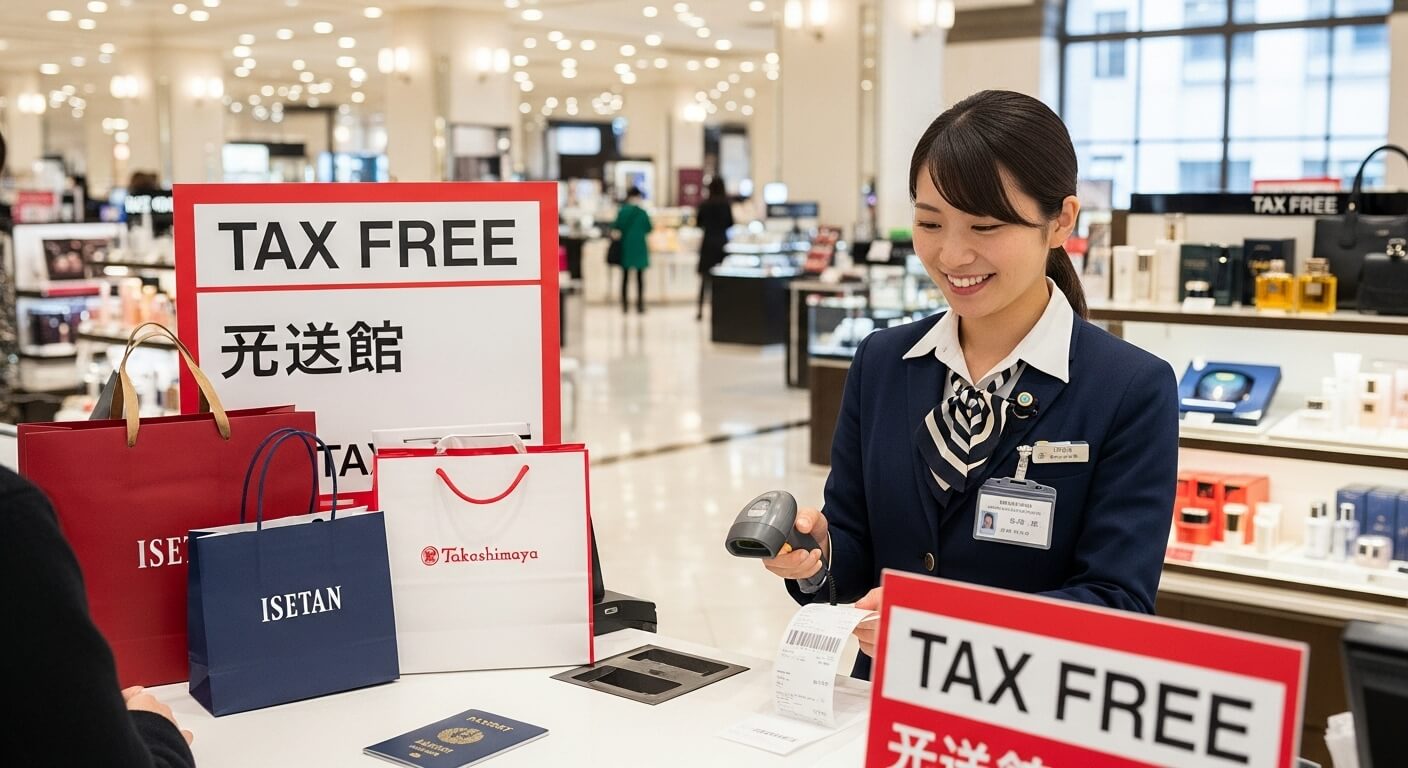
Qualifying for tax-free purchases requires spending over ¥5,000 at a single store on the same day and presenting your passport showing tourist visa status (temporary visitor stamp).
The process works differently at various retailers:
- Method 1 (most common at major retailers): Immediate discount calculated at checkout
- Method 2: Pay full price, receive refund at dedicated tax-free counter before leaving store
Both methods require paperwork—customs officials staple documentation into your passport theoretically collected upon departure, though enforcement varies.
Expect the process to add 5-15 minutes to checkout time, particularly during busy periods when tax-free counters develop queues of international shoppers.
Purchases legally must leave Japan unopened for tax-free qualification, though enforcement remains minimal.
Technically, tax-free goods shouldn’t be consumed or used within Japan—practically, this matters more for consumables (cosmetics, food) than electronics or merchandise.
Customs officials rarely inspect purchases or verify sealed packaging when you depart.
Some stores maintain minimum amounts above the legal ¥5,000 threshold or exclude certain product categories from tax-free eligibility—confirm before making purchases if you’re borderline on the minimum.
Avoiding Counterfeit Products
Bootleg figures, games, and merchandise exist throughout global anime retail, and Akihabara isn’t exempt despite Japan’s general reputation for authenticity.
Counterfeits entering legitimate retail channels remain rare, but they exist, particularly in smaller shops with questionable sourcing.
Warning signs of counterfeits:
- Prices significantly below market rates for supposedly new, sealed items
- Packaging with incorrect manufacturer logos, spelling errors, or cheap materials
- Display in questionable shops rather than established retailer chains
- Poor paint application, obvious mold lines, or cheap plastic quality on figures
- Missing official stickers, holograms, or authentication marks
Stick to reputable chains (Animate, Gamers, Mandarake, Kotobukiya, Akihabara Gamers) for guaranteed authenticity.
Most independent shops operate honestly, but unfamiliar stores selling suspiciously cheap “rare” items deserve skepticism.
When in doubt, research normal market pricing for specific items using collector databases or auction sites before purchasing.
Online communities devoted to specific collecting categories maintain bootleg guides with comparison photos and authentication advice.
Consulting these before major purchases protects against expensive mistakes.
Shipping International Purchases
Buying major electronics, bulk manga, or extensive figure collections creates luggage challenges when flying home.
Many shops arrange international shipping through courier services, though costs sometimes exceed any savings versus buying in your home country.
Japan Post offers international shipping from post office locations if you prefer handling logistics yourself.
Shipping considerations:
- Surface mail (boat): Cheapest option, takes 2-3 months, available for non-urgent items
- Airmail: Faster delivery (7-14 days), moderate cost, weight restrictions apply
- EMS (Express Mail Service): Fastest option (3-5 days), expensive, good for valuable items
Consider airline luggage weight limits (23kg for economy class typically) and excess baggage fees when purchasing heavy items.
Sometimes the “deal” on Japanese electronics evaporates after factoring ¥8,000-15,000 shipping costs or ¥10,000+ excess baggage fees.
Calculate total delivered cost before committing to major purchases, including potential import duties your country might assess.
Fragile items like figures benefit from Japanese retail packaging—shops pack purchases carefully with protective materials far exceeding Western retail standards.
Mention if items are gifts or require extra protection, and staff will often double-box valuable merchandise.
Cultural Context and Respectful Visiting
Here’s the things for further respectful visit:
Understanding Otaku Culture Without Judgment
Western media often portrays otaku culture with condescension, ridicule, or confusion, missing how it represents legitimate community around shared interests.
Akihabara exists because Japanese society created commercial space for people passionate about anime, gaming, and technology to gather, shop, and celebrate their hobbies without constant defending or apologizing.
The extensive merchandise, themed cafes, and specific specialty shops aren’t signs of social dysfunction—they’re commercialized responses to genuine demand from people who value these interests highly and spend accordingly.
The district demonstrates Japan’s tendency to take hobbies seriously, creating professional industries and dedicated infrastructure around enthusiast cultures that other countries marginalize.
Approaching Akihabara with curiosity rather than judgment creates better experiences, even if specific elements don’t appeal personally.
The commitment and craftsmanship visible in high-end figures, the community aspects of arcades and shops, and the economic ecosystem supporting niche interests all reveal fascinating aspects of contemporary Japanese culture.
Photography Ethics and Boundaries
The district’s visual richness—towering anime advertisements, colorful storefronts, themed decorations, cosplayers on weekends—invites photography.
However, respect boundaries consistently:
Generally acceptable: Photographing buildings, streets, storefronts, your own purchases, products with implied permission
- Requires permission: Photographing shop staff, other customers, shop interiors beyond basic storefronts, cosplayers (always ask first)
- Prohibited: Photographing in many maid cafes without paid photo tickets, capturing people without consent, taking upskirt or invasive photos (illegal and harshly prosecuted)
When uncertain, ask using gestures (point to camera, point to subject, questioning expression).
Most shop staff respond positively to polite requests, while assumptions and unauthorized photography create legitimate offense and potential security involvement.
Some shops post “No Photography” signs in English and Japanese near entrances—respect these absolutely.
They’re usually protecting proprietary inventory, customer privacy, or intellectual property displayed before official release.
Connected Experiences and Day-Trip Combinations
Try the following day-trip combinations and experiences:
Nearby Districts Worth Combining
Ueno (two stations north on the Yamanote Line, 3 minutes) offers museums, Ueno Park, Ueno Zoo, and traditional shopping at Ameya-Yokochō market—completely different atmosphere providing contrast to Akihabara’s intensity.
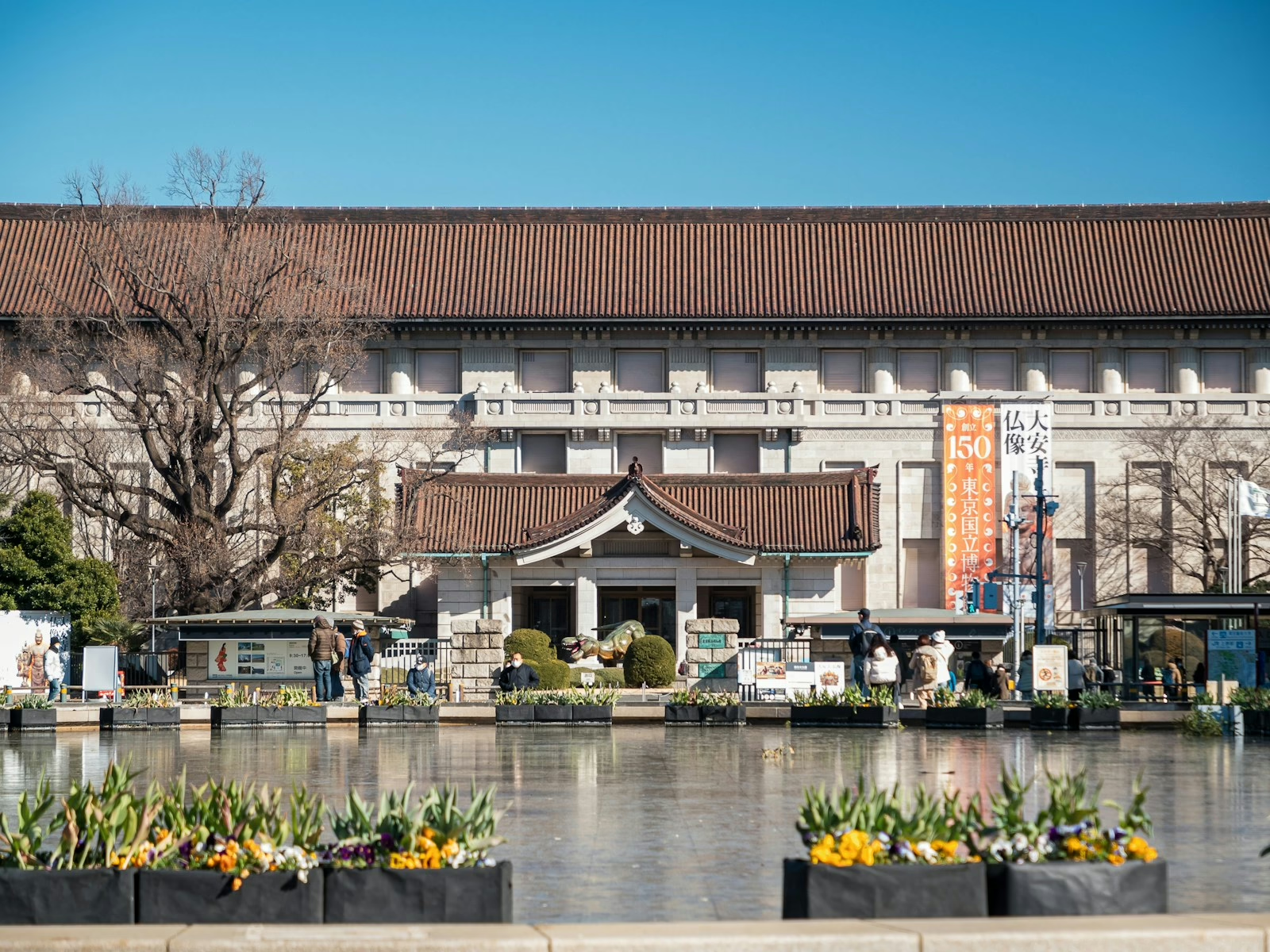
The Tokyo National Museum preserves Japanese art and cultural artifacts across multiple buildings.
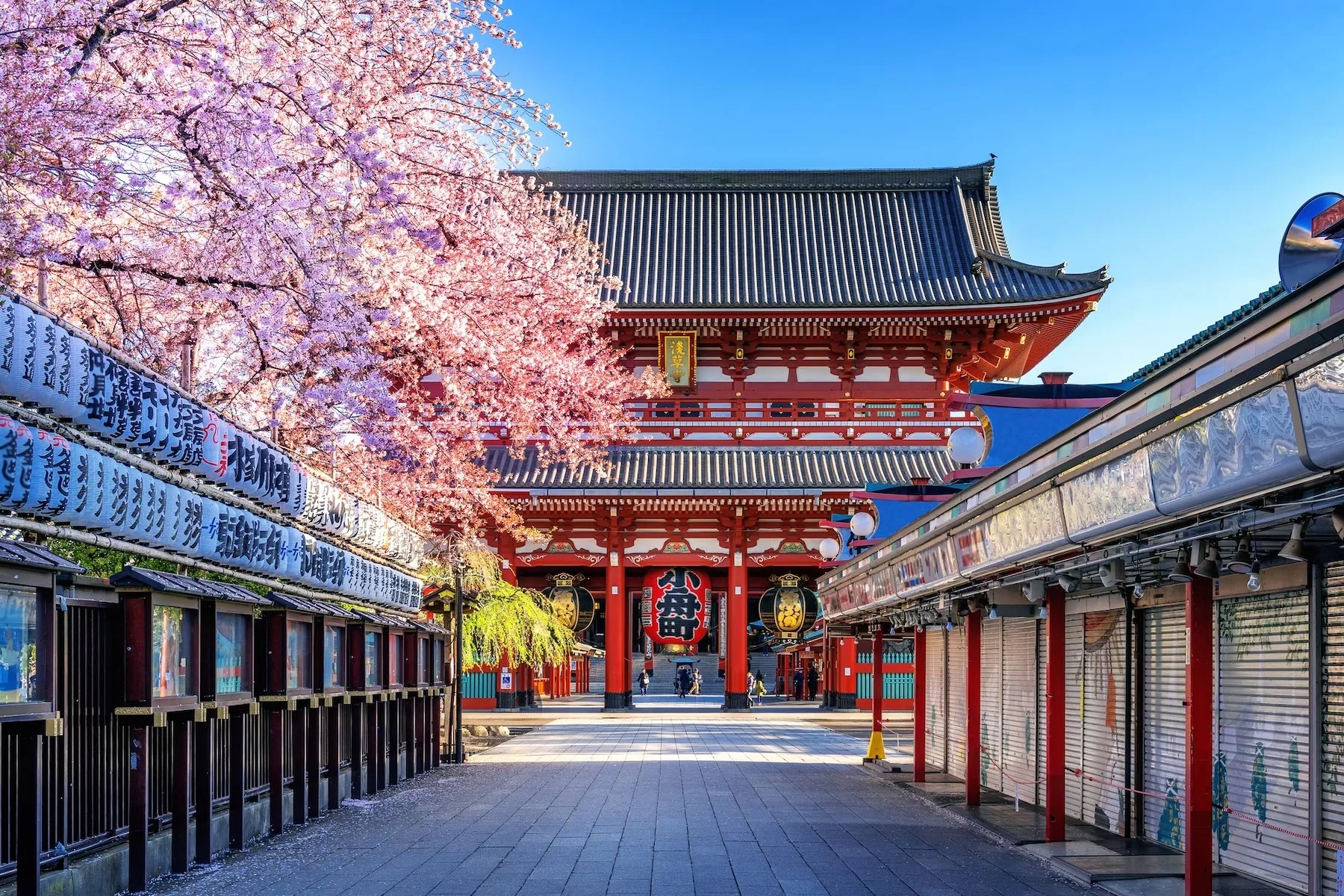
Asakusa (accessible via Tsukuba Express, 6 minutes) presents Tokyo’s traditional face with Sensō-ji Temple, historic streets, traditional crafts, and cultural experiences balancing Electric Town’s modern focus.
The neighborhood works brilliantly combined with Akihabara for visitors wanting “traditional and modern Tokyo” in a single day.
Kanda (one station south on the Yamanote Line, 2 minutes) and Jimbocho (one station west via subway) specialize in used books, including extensive manga and vintage publication selections in quieter, more scholarly atmospheres.
Serious manga collectors often hit Akihabara for new releases and Jimbocho for vintage treasures.
Efficient Day-Trip Combinations
Akihabara’s central location and excellent train access make combining it with other Tokyo experiences logistically simple:
Morning: Tsukiji Outer Market for breakfast and food shopping → Afternoon: Akihabara (Hibiya Line direct, 15 minutes) → Evening: Shibuya or Shinjuku nightlife
Morning: Meiji Shrine and Harajuku → Afternoon: Akihabara (Yamanote Line, 15 minutes) → Evening: Tokyo Skytree illumination (Sobu Line, 10 minutes)
Morning: Akihabara shopping → Afternoon: Ueno museums (Yamanote Line, 3 minutes) → Evening: Asakusa temple and traditional dinner (subway, 10 minutes)
The district works as either morning activity (arrive when shops open, avoid crowds, finish by early afternoon) or afternoon/evening destination (visit other locations in morning, hit Akihabara around 2:00 PM when energy peaks, stay through evening illumination).
Who Benefits Most From Akihabara?
Will you get the most benefit? Find out here:
Ideal Visitor Profiles
Anime and manga enthusiasts find Akihabara genuinely thrilling—this district exists specifically for you.
The merchandise selection, specialty shops catering to niche interests, secondhand market depth, and atmosphere of celebrating fan culture creates paradise for anyone deeply invested in Japanese animation.
You’ll find merchandise for obscure series, complete manga collections, exclusive collaboration goods, and community among fellow fans.
Retro gamers and collectors discover inventory impossible to match elsewhere outside Japan.
The concentration of specialty shops means finding specific cartridges, consoles, or accessories that elude online searches for years.
Prices reflect global market rates, but availability and the experience of physically browsing vintage games justify visits.
Technology hobbyists and engineers appreciate both modern electronics retailers offering latest releases and component shops preserving Akihabara’s original purpose.
If you build circuits, modify electronics, or need obscure technology accessories, these specialized suppliers serve needs that online retail doesn’t address.
Photography enthusiasts and urban explorers find visual richness in neon-saturated streets, architectural contrasts, human energy, and the collision of old Tokyo (component shops beneath tracks) with contemporary Japan (eight-story anime retailers).
The district photographs beautifully from morning through late evening.
Cultural observers wanting to understand specific aspects of contemporary Japanese society find Akihabara educational even without personal otaku interests.
The district demonstrates how Japan commercializes hobbies, creates physical spaces for fan communities, and integrates traditional service culture with contemporary entertainment.
When Akihabara Disappoints
Visitors with zero interest in electronics, anime, gaming, or Japanese pop culture probably won’t enjoy the sensory intensity and commercial focus.
If you’re seeking traditional Japanese culture, quiet temples, natural beauty, or historical sites, spend your limited Tokyo time in Asakusa, Kamakura, Ueno Park, or districts offering different experiences.
The crowds, noise, and visual chaos overwhelm some visitors regardless of interest in the content.
If you’re sensitive to sensory stimulation, prefer calm environments, or suffer from anxiety in crowded spaces, Akihabara’s intensity works against you.
Weekday morning visits mitigate this somewhat, but the district never achieves tranquility.
Families with young children face judgment calls.
The district offers kid-friendly elements (Pokémon goods, character merchandise, gaming, themed cafes), but also contains adult-oriented shops and venues requiring navigation.
Major retailers and main streets remain family-appropriate, while certain side streets contain adult content stores (clearly marked with age restrictions) that might concern parents.
Practical Summary of Akihabara Electric Town
- Location: Chiyoda Ward, centered on Akihabara Station and Chūō-dōri Avenue
- Access: JR Yamanote Line (most convenient), JR Chūō-Sōbu Line, JR Keihin-Tōhoku Line, Tokyo Metro Hibiya Line, Tsukuba Express
- Best Station Exit: Electric Town Exit (Denkigai-guchi) from JR platforms
- Typical Operating Hours: 10:00 AM – 8:00 PM (varies by shop)
- Recommended Time Allocation: 3-4 hours casual visit, 6-8 hours for enthusiasts, full day for serious shopping
- Budget Range: Free-¥5,000 (casual browsing), ¥10,000-50,000 (moderate shopping), ¥100,000+ (major purchases or collecting)
- Optimal Visit Times: Weekday mornings (quietest), weekend afternoons (maximum atmosphere), Sunday pedestrian paradise (most energetic)
- Tax-Free Minimum: ¥5,000 at single store (bring passport with tourist visa stamp)
- ATM Access: Convenience stores (7-Eleven, FamilyMart), station banking areas, major retailers
- Language: English at major retailers, limited elsewhere (translation apps helpful)
- Photography: Buildings and streets acceptable, ask permission for people and shop interiors
Final Perspective: Making Your Akihabara Decision
Akihabara delivers experiences unavailable anywhere else on earth—no other district concentrates this combination of electronics heritage, anime culture, gaming history, and otaku community into such compact, accessible geography.
It’s simultaneously functioning commercial district serving Tokyo residents and global pilgrimage site for fans making trips specifically to walk these particular streets.
The district has evolved continuously for seventy-five years and will continue changing.
Shops close when rent increases, new trends emerge and old franchises fade, the balance between electronics and entertainment shifts with market forces.
What remains constant is Akihabara’s fundamental identity as the place where technology, gaming, and anime intersect, creating both commerce and community around shared passions.
Whether you spend three hours browsing major retailers or three days hunting specific collectibles through every specialty shop, Akihabara rewards engagement proportional to your interests.
It’s not a quick checkbox attraction like many Tokyo landmarks—it’s a district that reveals more the deeper you explore.
So what’s your angle?
Are you hunting that rare Famicom game that’s eluded online searches, building your scale figure collection, experiencing maid cafe culture firsthand, stocking up on manga volumes unavailable outside Japan, or simply trying to understand what motivates millions of visitors annually to make this particular pilgrimage?
What's Available
Frequently Asked Questions (FAQs)
Casual visitors without specific shopping goals need 3-4 hours to walk the main streets, visit a major retailer, experience the atmosphere, and perhaps visit a themed cafe.
Enthusiasts with shopping lists or collecting goals should allocate 6-8 hours for thorough exploration.
Serious collectors or visitors planning extensive purchases benefit from a full day or multiple shorter visits across several days.
Akihabara offers unique cultural insight and urban atmosphere even for visitors without otaku interests, though you’ll appreciate it most with at least casual curiosity about Japanese pop culture, electronics, or contemporary Tokyo life.
The district demonstrates fascinating aspects of how Japan commercializes hobbies and creates community spaces.
However, if you prefer exclusively traditional culture, temples, and historical sites, spend your limited time in Asakusa, Ueno, or Kamakura instead.
Animate Akihabara (eight floors across two buildings) offers the most comprehensive selection of current anime merchandise and exclusive items.
Mandarake specializes in secondhand and vintage items at 30-70% below retail prices.
Radio Kaikan consolidates multiple specialty shops across ten floors in one building for efficient browsing.
Gamers provides inventory similar to Animate with different manufacturer exclusives.
Visit multiple shops when hunting specific characters or series, as each secures different exclusive collaboration goods.
Maid cafes operate as theatrical dining experiences emphasizing cuteness, service, and fantasy rather than sexuality, though individual comfort levels vary significantly.
They’re expensive (¥1,500-3,000+ per person), deliberately artificial, and work best when you embrace the performance rather than analyzing it seriously.
Research specific cafes beforehand, as atmosphere varies between tourist-friendly chains with English menus and establishments catering primarily to Japanese regulars.
They’re generally appropriate for adults and teenagers, though some families might find the exaggerated service uncomfortable.
Major retailers (Yodobashi-Akiba, Bic Camera, Animate, Sofmap) accept international credit cards reliably.
Smaller specialty shops vary significantly—some accept cards above ¥1,000-3,000 minimum purchases, others operate cash-only.
Component shops beneath the train tracks and tiny vintage stores especially prefer cash transactions.
Withdraw sufficient yen from convenience store ATMs before exploring side streets.
Budget ¥10,000-20,000 cash for a day of mixed shopping at large and small retailers.
Editor's Review
When our travel blog team first stepped into Akihabara Electric Town, we had absolutely no clue where to begin—and to be honest, that wonderfully overwhelmed feeling stuck with us even after coming back several times. This place is huge, with hundreds of shops vying for your attention inside towering buildings that seem to go on forever along Chuo-dori and the nearby side streets.
Our first afternoon was a whirlwind of hopping between Yodobashi Camera (where we somehow spent an entire hour just looking at cameras), Animate (eight glorious floors of anime goodies that turned us into instant collectors), and all sorts of quirky little shops selling everything from classic Famicom games to computer parts we couldn’t even name. The vibe is electric—in every sense of the word—with colorful signs everywhere, upbeat music pouring out of stores, and crowds of locals and visitors all searching for their next treasure.
We also popped into a maid cafe just to see what the fuss was about, and it was every bit as unusual and mildly awkward as you’d expect, but honestly, watching the staff commit so completely to their roles was pretty amazing.
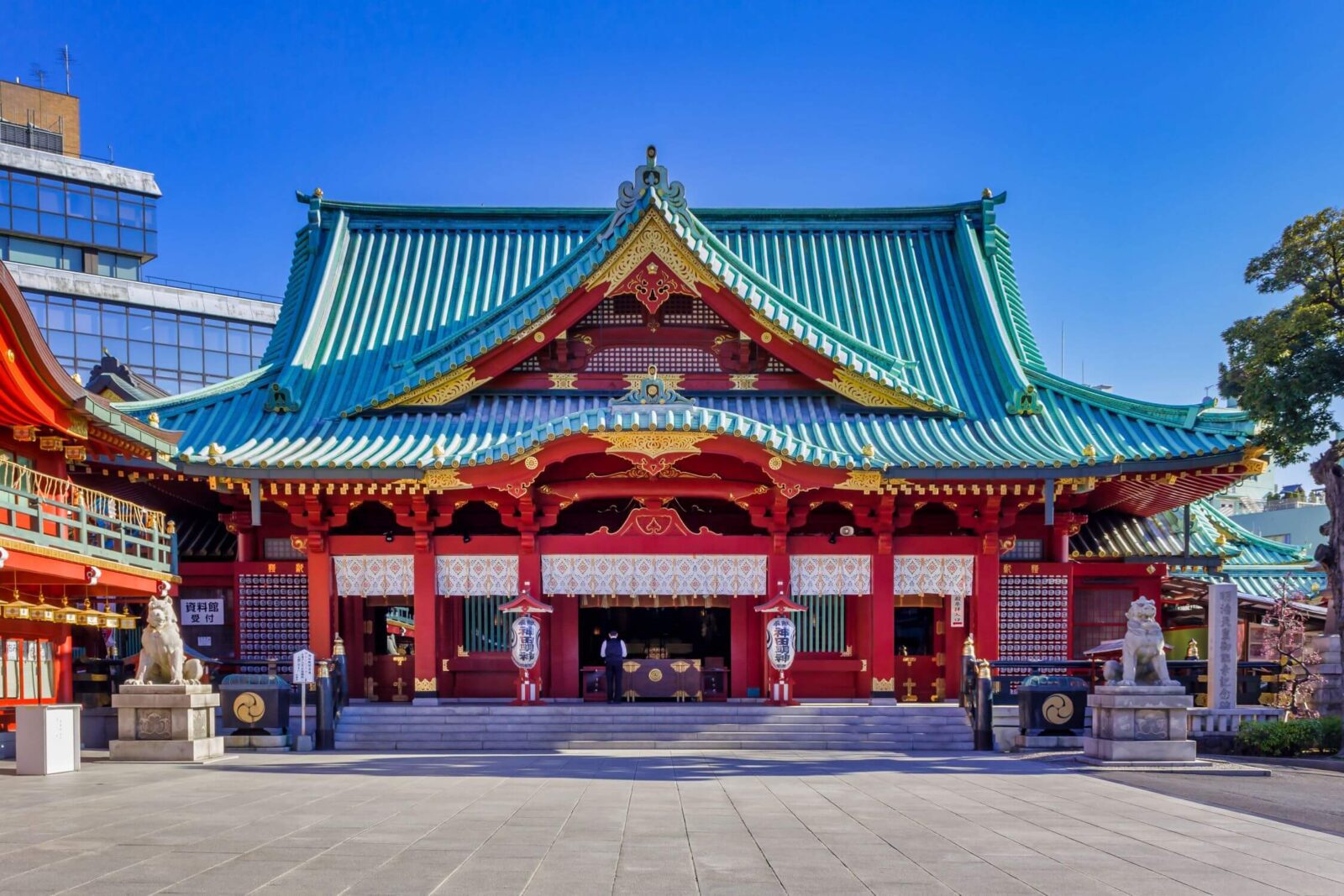
What caught us off guard most about Akihabara was how welcoming it felt even though it clearly caters to super specific interests. Even the folks on our team who aren’t into anime or tech gadgets found loads to love—exploring old-school game arcades, sampling themed cafes, stopping by Kanda Myojin shrine for a little cultural moment, and just watching the incredible mix of cosplayers, office workers, and tourists all hanging out together in this beautifully bizarre world.
The area works perfectly whether you’re ready to spend big on rare finds or just browsing and enjoying the unique atmosphere. We’d suggest going during the day (when everything’s open) and then coming back after dark to watch the neon lights turn the streets into something straight out of a cyberpunk anime.
Just make sure you wear comfy shoes, bring a reasonable budget if you’re even slightly into electronics or anime, and be ready to stumble upon at least three new hobbies you didn’t know you needed.