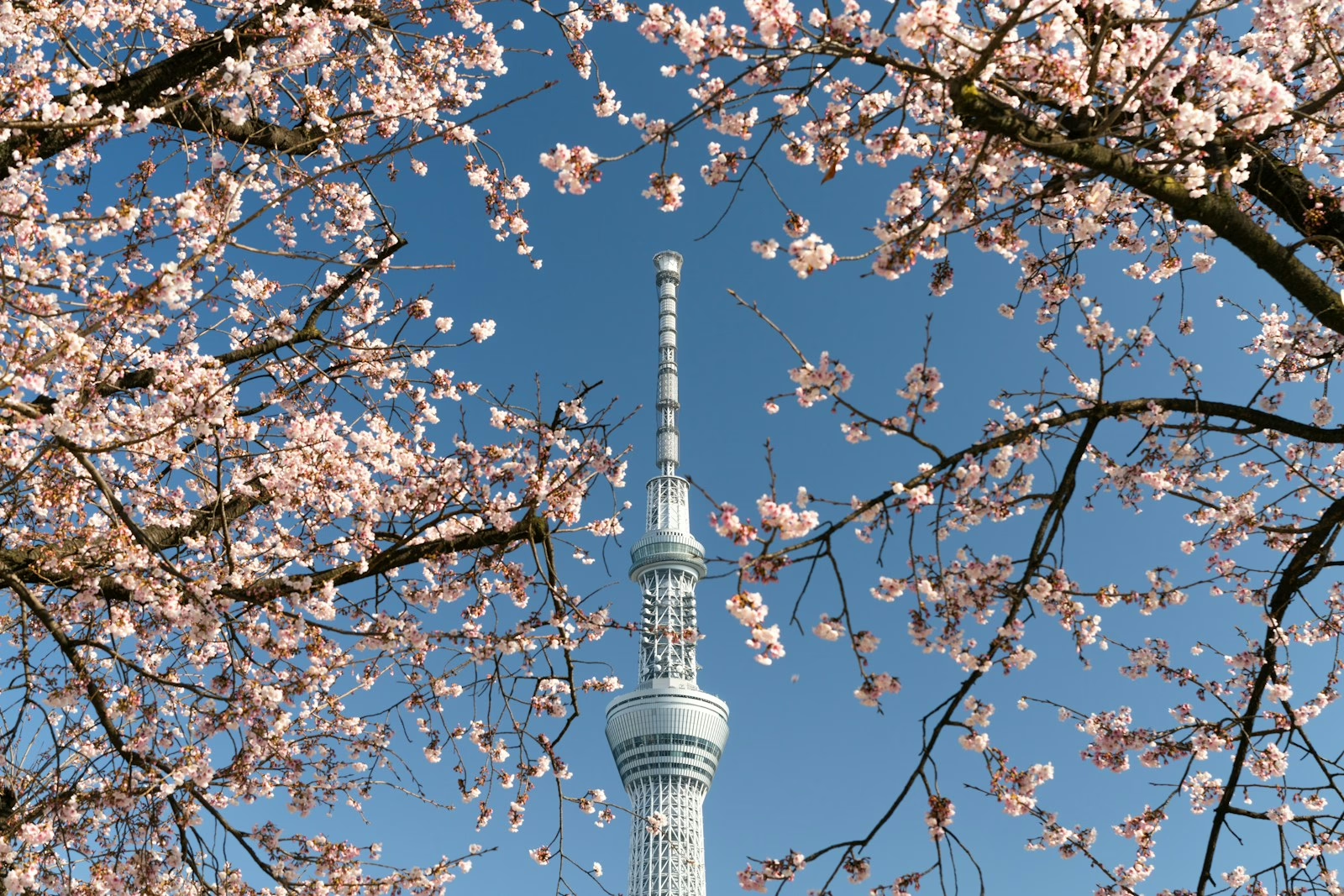
Kanda Myoujin Shrine
Historic 1,300-year-old shrine blending traditional Japanese spirituality with anime culture, known for business blessings and IT success prayers.
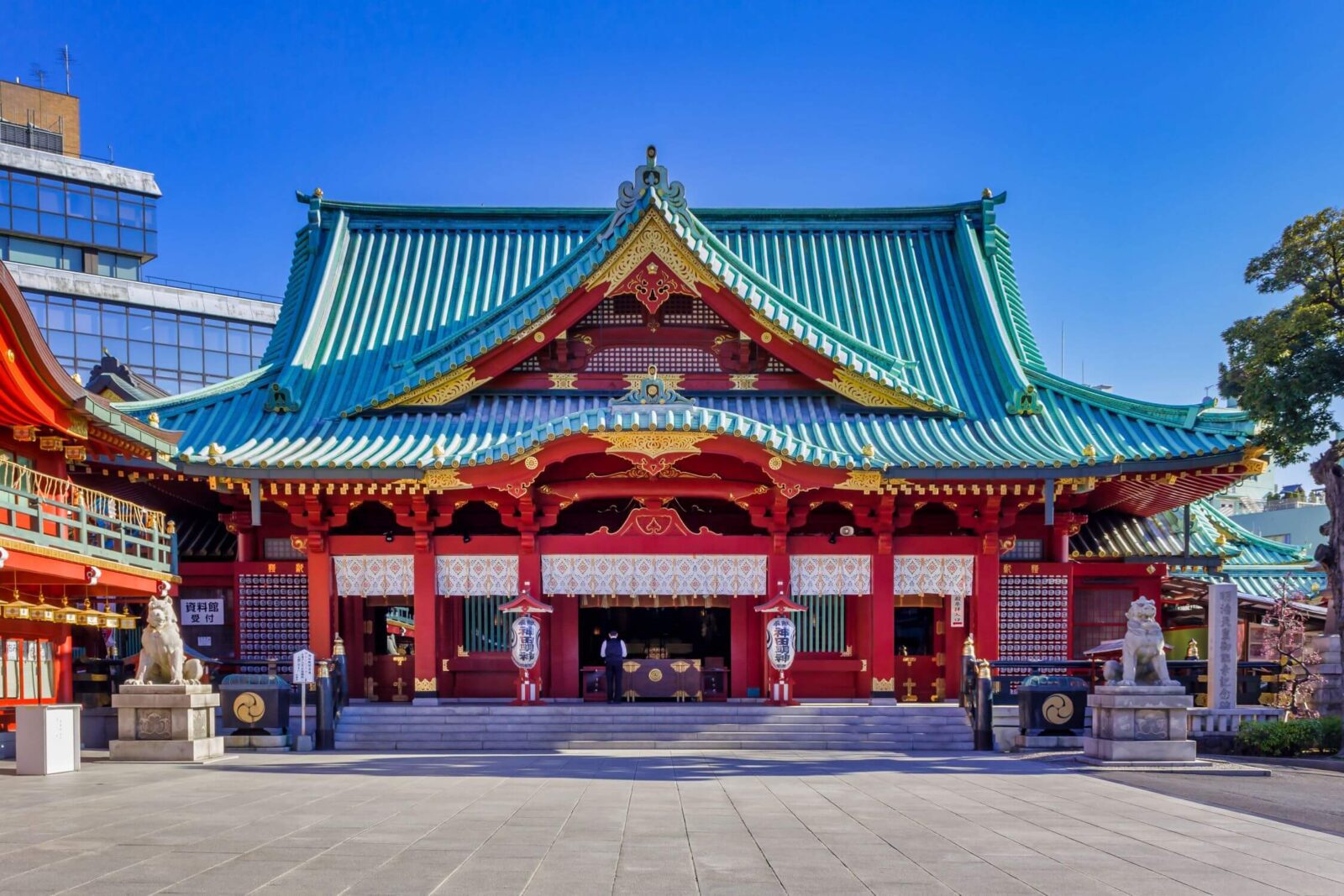






You’re at the doorstep of one of Tokyo’s most extraordinary shrines—a spot where ancient tradition meets otaku culture in the most delightful way imaginable. Kanda Myoujin (also known as Kanda Shrine) started its journey around 730 AD near what we now call Otemachi, and it’s been looking after Tokyo for almost 1,300 years.
This shrine watches over 108 neighborhoods right in the heart of Tokyo, which makes it one of the city’s most powerful spiritual spots. Business owners, IT professionals, and anime enthusiasts absolutely love this place—and yes, you read that correctly!
Now, here’s where it gets really fun: while most shrines keep things strictly traditional with their charm sales and wooden plaques, Kanda Myoujin has welcomed its spot next to Akihabara’s electric town with open arms. You’ll spot anime collaboration displays, special blessings for tech startups and electronic gadgets, and even Love Live!
character ema (wooden prayer plaques) hanging right next to traditional offerings. The shrine’s three deities—Daikokuten (god of fortune), Ebisu (god of fishermen and commerce), and Taira no Masakado (a fascinating samurai spirit)—are believed to bring business success and keep disasters at bay.
Tech companies and business folks stop by regularly for blessings, which is why you’ll often see office workers in suits praying right next to cosplayers snapping photos.
Kanda Myoujin: The Complete Guide to Tokyo’s Anime-Friendly Historic Shrine
Step through the towering vermillion gates of Kanda Myoujin, and you’ll experience something genuinely rare in modern Tokyo—a place where salarymen in crisp suits bow beside cosplayers clutching shrine maiden merchandise, where startup founders seek blessings for app launches, and where a rebellious samurai’s angry spirit somehow became a guardian deity.
This isn’t another generic shrine visit where you’ll jostle through selfie-stick crowds.
Located just minutes from Akihabara’s electric chaos, Kanda Myoujin has spent 1,300 years perfecting the art of staying deeply traditional while embracing whatever weird turn Tokyo takes next.
The shrine doesn’t just tolerate modern culture—it collaborates with it.
You’ll find anime pilgrimage plaques hanging next to centuries-old prayer boards, tech workers blessing their laptops alongside traditionalists honoring ancient gods, and a cultural museum operating in harmony with a contemporary Japanese restaurant.
If you’re looking for that perfect intersection of old Tokyo and new, this shrine delivers without trying too hard.
Visiting Kanda Myoujin Shrine: Where Ancient Tokyo Meets Akihabara Culture
Most Tokyo shrines fall into predictable categories: massive tourist magnets like Senso-ji that feel more like theme parks during peak hours, or hidden neighborhood shrines that lack the architectural wow factor for first-time visitors.
Kanda Myoujin occupies a different space entirely—historically significant enough to matter, visually impressive enough to satisfy photographers, and culturally relevant enough that locals actually use it for its intended purpose.
The shrine protects 108 neighborhoods across central Tokyo, making it one of the city’s most important religious sites from a practical standpoint.
That’s not marketing fluff—businesses throughout Kanda, Nihonbashi, Akihabara, and surrounding districts genuinely consider this their spiritual headquarters.
During hatsumode (New Year’s shrine visits), over 300,000 people pack the grounds within the first three days of January, which ranks it among Tokyo’s top-tier shrines for visitor numbers.
What makes this particularly interesting is the clientele.
You won’t just see tourists ticking boxes on their Japan bucket lists.
The shrine has cultivated specific modern communities—tech entrepreneurs seeking startup blessings, anime fans on character-related pilgrimages, and traditional festival participants who’ve maintained centuries-old connections.
This mix creates an atmosphere that feels authentically alive rather than preserved for tourism’s sake.
The Three Deities Who Make This Shrine Special
Kanda Myoujin enshrines three distinct deities, each bringing different spiritual specialties to the table.
Daikokuten, one of Japan’s Seven Gods of Fortune, handles prosperity, agriculture, and household well-being—he’s the friendly face of the trio.
Ebisu, the patron of fishermen and merchants, brings commercial luck and protects children’s health.
Unlike the other Six Gods of Fortune who originated in Chinese or Hindu traditions, Ebisu is purely homegrown Japanese mythology.
Then there’s Taira no Masakado, and his story gets complicated fast.
This 10th-century samurai led a massive rebellion against the imperial government, conquered several provinces, and declared himself the “New Emperor” before getting killed in battle.
His severed head supposedly flew from Kyoto back to Edo, and his angry spirit terrorized the region for centuries.
Rather than trying to suppress his cult following, locals decided worshipping him was safer than ignoring him—classic pragmatic Shinto thinking.
During the Meiji period, Emperor Meiji had Masakado temporarily removed from the shrine’s main deities because honoring a rebel against imperial authority sent awkward political messages.
But Masakado’s popularity with common people ran too deep, and his spirit was symbolically restored after World War II.
Today, he’s arguably the shrine’s most distinctive feature—how many places let you pray to a guy who tried to overthrow the government?
This divine combination makes Kanda Myoujin particularly powerful for business blessings, which explains the constant stream of professionals during weekday mornings.
Fortune, commercial success, and the rebellious energy to disrupt industries?
That’s basically a startup pitch deck in deity form.
Location and Getting to Kanda Myoujin
The shrine occupies a prime position at 2-16-2 Sotokanda, Chiyoda-ku, Tokyo 101-0021, perched on higher ground that overlooks the Kanda River valley.
This elevated location isn’t accidental—when Tokugawa Ieyasu moved the shrine from its original spot near Otemachi in 1616 to make room for Edo Castle expansion, the current site was chosen specifically because it could protect the castle’s northeast demon gate (kimon) according to Chinese geomancy principles.
For practical navigation, the GPS coordinates 35.7024, 139.7676 work perfectly with Google Maps or Apple Maps.
The shrine sits roughly 500 meters northwest of Akihabara Station, making it an easy walk that takes you through increasingly quiet residential streets as you leave the electronics district’s neon chaos behind.
Multiple Train Access Points
Kanda Myoujin is unusually accessible, with three major stations within comfortable walking distance:
- JR Ochanomizu Station (Chuo Line, Sobu Line): Use the Hijiri-bashi Exit for the shortest route—approximately 5 minutes walking.
You’ll cross the Kanda River, then climb the famous Otokozaka stone steps that anime fans immediately recognize. - JR Akihabara Station (Yamanote Line, Keihin-Tohoku Line): Take the Denkigai Exit (Electric Town exit) and walk 7 minutes northwest through Akihabara’s backstreets.
This route passes small electronics shops and maid cafés before transitioning into residential areas. - Tokyo Metro Suehirocho Station (Ginza Line): Use Exit 3 for a 5-minute walk that approaches the shrine from the west side.
This route avoids Akihabara’s tourist crowds entirely.
If you’re coming from other Tokyo locations, the Marunouchi Line connects to Ochanomizu Station via transfer at Tokyo Station, while the Hibiya Line reaches Akihabara directly.
The shrine’s central Chiyoda-ku location means most visitors won’t spend more than 30 minutes traveling from major hotels in Shibuya, Shinjuku, or Ginza.
Finding the Shrine on Foot
Walking from Akihabara provides the most interesting approach, especially if you’re combining this visit with electronics shopping.
Exit through the Denkigai gate, turn left along Chuo-dori Avenue, then hang a right at the first major intersection onto Kuramaebashi-dori Street.
After about 400 meters, you’ll spot directional signs in English pointing toward the shrine.
The Otokozaka stone steps serve as the dramatic main entrance—73 steep stairs flanked by stone lanterns and red torii gates.
Anime fans will instantly recognize these steps from Love Live!
scenes, and they photograph beautifully during any season.
If stairs present mobility challenges, a gentler sloped path wraps around the west side of the shrine grounds, though it lacks the visual impact of the main approach.
What Makes Kanda Myoujin Worth Your Time
The shrine grounds cover approximately 5,000 square meters, which feels spacious without being overwhelming.
You can complete a basic visit in 30 minutes, but spending 45-60 minutes allows time to properly explore the cultural museum, purchase protective charms, and soak in the architectural details that make this place photographically distinctive.
The Main Hall and Worship Experience
The honden (main hall) showcases classic Edo-period shrine architecture with elaborate wooden carvings, gold leaf accents, and that signature vermillion color that dominates Shinto sacred spaces.
The current building dates from 1934 after fires destroyed earlier structures, but construction followed traditional techniques and designs that mirror the original 17th-century layout.
Standard Shinto worship etiquette applies here: toss a coin into the offering box (¥5 yen coins are considered lucky because “go-en” sounds like “good relationship”), bow twice, clap twice, make your prayer silently, then bow once more.
Unlike some Tokyo shrines where you’ll get dirty looks for doing this wrong, Kanda Myoujin sees enough diverse visitors that nobody judges beginners who fumble through the ritual.
The shrine offers various blessing ceremonies (kito) for serious occasions—business launches, new car purchases, building construction, wedding ceremonies, and traditional coming-of-age celebrations.
These formal blessings require advance reservation and fees ranging from ¥5,000 to ¥30,000 depending on the ceremony type.
The shrine office (+81-3-3254-0753) handles English-language inquiries if you’re interested in arranging formal blessings.
The Zuishin-mon Gate and Unique Features
The Zuishin-mon gate marks the shrine’s main entrance at the top of the Otokozaka steps, featuring guardian deity statues and distinctly different ornamentation from typical shrine gates.
Look closely at the horse emblem—this represents Taira no Masakado’s personal crest, connecting the architecture directly to the rebellious samurai deity.
Most shrines use generic mythological symbols, so this personalized touch demonstrates Kanda Myoujin’s specific historical identity.
Around the grounds, you’ll notice dozens of stone lanterns (toro) donated by local businesses and neighborhood associations over centuries.
These aren’t decorative—they represent ongoing relationships between the shrine and specific Tokyo districts, creating a physical map of the shrine’s protective territory.
The names carved into the stones read like a who’s who of Tokyo’s commercial history.
The EDOCCO Cultural Complex: Museums, Food, and Shopping
The EDOCCO facility opened in 2018 as a modern cultural center within the shrine grounds, creating an interesting contrast between ancient religious space and contemporary amenities.
The building houses multiple functions under one roof while maintaining respectful architectural harmony with the traditional shrine structures.
Kanda Myoujin Museum
The museum section (technically called the Kanda Myoujin Shiryokan) displays artifacts related to the shrine’s 1,300-year history, including festival equipment, historical documents, and rotating exhibitions about Edo-period culture.
The collection isn’t massive—you’ll spend perhaps 15-20 minutes reviewing everything—but the English explanations are surprisingly thorough for a smaller Tokyo museum.
Admission is ¥300 for adults, which barely registers as an expense but helps fund preservation work.
The museum operates 10:00 AM to 4:00 PM daily, though it occasionally closes for exhibition changes or private events.
Photography is permitted without flash, making this a good opportunity to document historical pieces you won’t find at larger Tokyo museums.
Dining at EDOCCO
The building’s restaurant, 座show (Za-Show), serves traditional Japanese cuisine with modern presentation in a setting that overlooks the shrine grounds.
The menu emphasizes seasonal ingredients and Edo-period cooking techniques, though prices run higher than casual neighborhood restaurants—budget ¥2,000-¥4,000 per person for lunch, more for elaborate dinner courses.
Restaurant hours are 11:00 AM to 3:00 PM for lunch, 5:00 PM to 10:00 PM for dinner, with last orders 30 minutes before closing.
Reservations aren’t mandatory for lunch but strongly recommended for dinner, especially during festival periods or weekends.
The food quality justifies the premium pricing if you want a meal that connects culturally to your shrine visit rather than just grabbing convenience store onigiri.
The Shrine Shop Experience
The shamusho (shrine office) and attached shop operate 9:00 AM to 5:00 PM daily, selling the usual shrine merchandise with some unique twists.
Standard offerings include:
- Omamori (protective charms) in various specializations: ¥500-¥1,000 depending on size and purpose. Business success charms are particularly popular here.
- Ema (prayer plaques) for ¥500, including special designs that change seasonally or during collaborations.
Anime-themed versions appear periodically. - Goshuin stamps for ¥500, with beautiful calligraphy dated to your visit.
Bring your stamp book (goshuincho) or purchase one here for ¥1,500-¥2,000. - IT and technology blessings: Special stickers designed to affix to laptops, phones, or other devices for divine protection—only ¥300-¥500 and genuinely unique to Kanda Myoujin.
The shop also stocks more elaborate items like decorative arrows (hamaya) for ¥1,500-¥3,000 and traditional Shinto ritual items that serious practitioners might want.
Payment accepts cash and most major credit cards, though cash moves the line faster during busy periods.
The Anime Connection: Love Live! and Beyond
Kanda Myoujin’s relationship with anime culture started somewhat accidentally but has become a defining characteristic that sets it apart from other historic Tokyo shrines.
When the Love Live!
School Idol Project anime series featured the shrine prominently—one main character, Nozomi Tojo, works there as a miko (shrine maiden)—fans began making pilgrimages to photograph the exact locations shown in the series.
Rather than resist this influx of pop culture enthusiasts, the shrine leaned into it.
Special collaborations produced Love Live!-themed omamori, ema, and even shrine festival floats featuring character designs.
While those specific items aren’t permanently available, the shrine still sells periodic collaboration merchandise during anniversary events or new series releases.
The Pilgrimage Experience Today
Walk around the ema hanging areas, and you’ll spot dozens covered with Love Live!
character drawings, messages in multiple languages from international fans, and references to specific episodes or character moments.
This creates a fascinating cultural layer where 1,300 years of religious tradition now includes prayers for successful concert ticket lotteries and season release dates.
The Otokozaka steps remain the prime photo location—frame your shot correctly, and you’ll capture the exact angle used in the anime’s opening sequence.
Early morning visits before 9:00 AM give you the best chance to photograph without random strangers in the background, though honestly, seeing other fans doing the same pilgrimage creates part of the experience’s charm.
Other Anime and Cultural Collaborations
Kanda Myoujin doesn’t exclusively partner with Love Live!—the shrine has worked with various franchises including Fate/Grand Order, Sword Art Online, and others popular in nearby Akihabara.
These collaborations typically run for limited periods (2-3 months) tied to new game releases or anime season premieres, creating collectible items that sell out quickly.
The shrine also collaborates with traditional performing arts, hosting noh theater performances and tea ceremonies that predate anime by several centuries.
This dual approach—honoring both ancient traditions and contemporary culture—exemplifies Tokyo’s unique ability to embrace change without completely abandoning heritage.
Kanda Matsuri: Tokyo’s Most Spectacular Festival
If your Tokyo visit happens during an odd-numbered year in May (next occurrence: 2025, 2027, etc.), you might witness the Kanda Matsuri, one of Japan’s three great Shinto festivals.
The event only happens in odd years because it alternates with Sanno Matsuri to avoid scheduling conflicts, but when it runs, the scale is absolutely staggering.
What Happens During the Festival
The main parade occurs on the Saturday and Sunday closest to May 15, featuring over 200 mikoshi (portable shrines) carried through central Tokyo by teams of festival participants wearing traditional happi coats.
The procession includes musicians, dancers, and Shinto priests on horseback, creating a moving spectacle that stretches for kilometers through Chiyoda-ku’s modern business district.
The Miyairi ceremony represents the festival’s climax, when all portable shrines converge at Kanda Myoujin in a coordinated arrival that takes several hours to complete.
Each neighborhood association arrives with their specific mikoshi, and the energy shifts from organized parade to barely-controlled celebration as teams compete to deliver the most enthusiastic presentation.
Planning Around Festival Dates
During Kanda Matsuri weekends, the shrine and surrounding streets become extremely crowded—expect dense crowds from late morning through evening.
If you specifically want to experience the festival, arrive early (by 8:00 AM) to claim viewing spots along the parade route.
The shrine grounds themselves hit capacity quickly, with access sometimes temporarily restricted for safety reasons.
Conversely, if you’re hoping for a quiet shrine visit, avoid May entirely during odd-numbered years.
Even weekdays surrounding the main festival weekend see increased activity, special ceremonies, and preparation work that disrupts the normal peaceful atmosphere.
Practical Visiting Information
Kanda Myoujin’s shrine grounds stay open 24 hours daily, including New Year’s period and national holidays.
This unrestricted access makes it viable for pre-dawn photography sessions, late-night atmospheric visits, or simply accommodating weird jet-lagged schedules.
However, the shrine office and cultural facilities operate on specific hours, so timing matters depending on your goals.
When to Visit for Different Experiences
Early morning (7:00-9:00 AM) delivers the most peaceful experience, with just a handful of locals making quick prayers before work.
The light hits the vermillion gates beautifully at this hour, and you’ll hear birds rather than traffic.
The shrine office hasn’t opened yet, so you can’t purchase items, but the actual worship and photography opportunities peak during this window.
Mid-morning to afternoon (10:00 AM-3:00 PM) brings moderate tourist traffic, though nothing compared to major attractions like Senso-ji or Meiji Jingu.
The museum and restaurant operate during these hours, making this the best time for a comprehensive visit that includes cultural activities beyond basic shrine worship.
Weekdays see fewer visitors than weekends, but the difference isn’t dramatic.
Late afternoon (4:00-6:00 PM) attracts people finishing their Akihabara shopping who stop by before dinner.
The shrine office closes at 5:00 PM, so you’ve got limited time for purchases.
Sunset photography works well during spring and summer when longer days provide good light during these hours.
Evening and night offer something entirely different—the grounds stay illuminated with soft lighting that creates an atmospheric vibe distinct from daytime visits.
You’ll see almost nobody except occasional neighborhood residents taking evening walks.
This timing works particularly well if you’re staying nearby and want a contemplative experience after Akihabara’s sensory intensity.
Seasonal Considerations
Spring (March-May) brings cherry blossoms to the surrounding neighborhood, though the shrine grounds themselves don’t have extensive cherry trees.
The Kanda Matsuri (odd years only) creates massive May crowds that either attract or repel visitors depending on your festival interest.
Summer (June-August) gets hot and humid—Tokyo’s famous oppressive summer kicks in hard by July.
The shrine grounds offer some shade under mature trees, making it more comfortable than Akihabara’s concrete heat island, but you’ll still sweat through your shirt.
Hydrate accordingly and visit earlier in the day when possible.
Autumn (September-November) provides the most pleasant weather, with comfortable temperatures and relatively low rainfall.
Foliage around the shrine peaks in late November, adding photographic interest.
Tourist crowds remain moderate since the shrine doesn’t appear on most package tour itineraries.
Winter (December-February) brings cold but typically dry weather perfect for walking.
The major exception is hatsumode (New Year’s shrine visits) from January 1-3, when over 300,000 people cram the grounds despite freezing temperatures.
Unless you specifically want to experience this tradition, avoid the first week of January entirely.
Late January through February offers the quietest possible visits with near-zero competition for photo angles.
Who Should Visit Kanda Myoujin
This shrine appeals to overlapping but distinct visitor categories, each finding different value in the experience.
Anime and manga fans—particularly Love Live!
enthusiasts—consider it a pilgrimage site where the series literally comes to life.
The ema boards covered with character art and the location-specific scenes create connections that generic tourist attractions can’t match.
Business travelers and entrepreneurs seeking actual Shinto blessings for commercial ventures find this shrine particularly appropriate given its specialization in business success and innovation.
Tech workers from nearby companies make regular visits, creating a community of modern professionals engaging with ancient practices in completely sincere ways.
Photography enthusiasts appreciate the traditional architecture, vibrant colors, and interesting cultural juxtapositions without dealing with the massive crowds that make shooting at famous shrines frustrating.
The Otokozaka steps, the Zuishin-mon gate details, and the contrast between ancient and modern elements provide strong compositional opportunities.
Cultural tourists looking for authentic Shinto experiences that aren’t completely sanitized for tourism get that here.
Yes, the anime elements add modern weirdness, but locals genuinely use this shrine for traditional purposes—weddings, business blessings, coming-of-age ceremonies, and regular worship.
You’re witnessing living religion rather than preserved museum culture.
Budget Travelers Take Note
At zero yen admission, Kanda Myoujin ranks among Tokyo’s best free cultural experiences.
You can absolutely visit, worship, photograph, and explore without spending anything beyond transportation costs.
The only expenses come from optional purchases—charms, museum admission, restaurant meals, or souvenir items—that enhance but aren’t required for a meaningful visit.
This makes it particularly valuable for budget-conscious travelers who want cultural depth without the ¥1,000+ entrance fees that many Tokyo attractions charge.
Combine it with free Akihabara window shopping and neighborhood wandering for an entire afternoon of entertainment without breaking the bank.
Essential Visitor Tips and Insider Knowledge
The shrine’s location just outside Akihabara’s main tourist zone means most foreign visitors never discover it unless they’re specifically hunting for anime pilgrimage sites or read detailed Tokyo guides.
This relative obscurity works in your favor—you’ll experience a legitimate neighborhood shrine that happens to have fascinating history rather than a tourist trap optimized for group tours.
Photography Etiquette and Best Angles
Photography is permitted throughout the shrine grounds with standard Shinto restrictions: don’t photograph formal ceremonies without permission, avoid using flash inside buildings, and don’t photograph individuals praying at the main hall without consent.
The shrine office staff are accustomed to photographers and generally don’t hassle people who follow basic respect protocols.
The Otokozaka steps from below create the most dramatic composition, especially early morning when side-lighting defines the stone texture.
The Zuishin-mon gate from the approach side frames beautifully against the main hall behind it.
For wider shots capturing the entire complex, climb to the upper shrine grounds near the cultural museum for elevated perspectives that show the relationship between buildings.
Inside the cultural museum, photography without flash is specifically allowed, making this one of the few Tokyo museums where you can document historical artifacts legally.
Take advantage of this—the festival equipment and historical materials make for interesting detail shots.
Accessibility Considerations
The main Otokozaka entrance presents obvious challenges for wheelchair users, people with mobility limitations, or anyone uncomfortable with steep stairs.
The western slope entrance provides a gentler alternative, though it still involves moderate incline and uneven paving in sections.
The shrine grounds themselves are relatively flat once you reach the main level.
The cultural museum building includes elevator access and barrier-free restrooms, making it the most accessible portion of the complex.
The traditional shrine structures have threshold steps and tight doorways that present challenges, though you can worship at the main hall from the courtyard level without climbing additional stairs.
English signage exists for major buildings and directional information but remains limited compared to major tourist sites.
The museum includes English explanations for exhibits, and the shrine office staff can handle basic English inquiries about charms and services, though fluency varies.
Combining with Akihabara Activities
Most visitors logically combine Kanda Myoujin with Akihabara exploration since they’re within 500 meters of each other.
The question is timing—do you hit the shrine first or last?
Morning shrine visits followed by afternoon Akihabara shopping makes sense if you want the peaceful shrine experience before crowds build.
Reverse the order if you’re more interested in the anime pilgrimage aspect and want to shop for related merchandise first.
The shrine-to-Akihabara walk passes through transitional neighborhoods where you’ll spot smaller specialty shops, local restaurants, and residential streets that show everyday Tokyo.
This 7-minute connection provides cultural context that jumping straight from station to shrine misses entirely.
What to Skip
The restaurant, while quality, charges premium prices that only make sense if you specifically want the cultural dining experience or need a proper meal rather than a quick bite.
Akihabara offers hundreds of cheaper eating options within walking distance, including excellent ramen shops, curry restaurants, and casual Japanese chains.
Similarly, the museum only merits the ¥300 admission and time investment if you’re genuinely interested in Edo-period history and Shinto festival traditions.
Casual visitors who primarily want to see the shrine itself can skip this without missing essential elements.
Final Practical Details
Before you visit, check the official website at https://www.kandamyoujin.or.jp/ for special events, temporary closures, or collaboration announcements.
The site runs primarily in Japanese, but Google Translate handles it adequately for basic information.
The shrine office phone number (+81-3-3254-0753) handles inquiries in Japanese and basic English during business hours (9:00 AM to 5:00 PM daily).
What to Bring
Pack standard Tokyo walking essentials—comfortable shoes for potentially 30-60 minutes on your feet, weather-appropriate clothing since portions of the grounds lack covered areas, and your smartphone for navigation and photography.
If you collect goshuin stamps, bring your stamp book; if you don’t have one yet, this shrine sells attractive books that make good souvenirs.
Cash remains important despite Japan’s increasing card acceptance—the shrine office accepts credit cards for larger purchases, but small omamori purchases move faster with exact change.
The surrounding neighborhood has ATMs at convenience stores if you need to withdraw yen.
Getting Help and Information
The shrine office staff can answer questions about blessings, ceremonies, and general shrine information during operating hours.
For complex English inquiries, arriving during 10:00 AM to 3:00 PM weekdays gives you the best chance of finding staff with stronger English ability, though this isn’t guaranteed.
Tourist information centers in Akihabara Station provide maps and basic directions to the shrine, though staff knowledge about specific shrine details varies.
The Tokyo Visitors Information Center in Akihabara UDX building offers more specialized assistance if you’re planning formal blessings or have specific accessibility questions.
Why Kanda Myoujin Deserves Your Time
Kanda Myoujin succeeds precisely because it refuses to choose between tradition and modernity—it confidently embraces both without apology.
Where else can you pray to a rebellious samurai’s spirit while standing next to a startup founder blessing their app launch, surrounded by architecture that predates most Western countries and anime pilgrimage plaques in a dozen languages?
The shrine’s 1,300-year survival through wars, fires, government upheavals, and radical cultural shifts proves its fundamental resilience and relevance.
For travelers seeking authentic Tokyo experiences beyond the standard tourist circuit, this shrine delivers cultural depth, visual interest, and genuine local interaction without requiring special access or elaborate planning.
The zero-yen admission removes financial barriers, the convenient location eliminates logistical excuses, and the fascinating mix of visitors creates an atmosphere you won’t find at temples crowded with tour groups following flag-waving guides.
Will you visit for the anime connections, the business blessings, the beautiful architecture, or simply because it represents something fundamentally Tokyo—that ability to honor tradition while fearlessly charging into whatever comes next?
Maybe you’ll discover your own reasons when you climb those famous stone steps and encounter a place where history, spirituality, pop culture, and modern commerce coexist without contradiction.
What does a 1,300-year-old shrine that blesses smartphones and collaborates with anime franchises say about Tokyo’s future—and which version of Kanda Myoujin will still be standing 1,300 years from now?
What's Available
Frequently Asked Questions (FAQs)
Plan for 30-60 minutes depending on your interests. A basic visit seeing the main hall, gates, and grounds takes 30 minutes, while adding the cultural museum, purchasing charms, and thorough exploration extends this to a full hour. Early morning visits when the shrine is peaceful may inspire longer stays for photography or quiet contemplation.
Absolutely. While the Love Live! connections attract anime fans, the shrine’s 1,300-year history, stunning architecture, business blessing traditions, and genuine local worship community provide compelling reasons for any visitor.
The anime elements add cultural flavor but don’t define the entire experience—plenty of non-anime tourists rank it among their favorite Tokyo shrine visits.
Yes, the festival is completely free and open to public viewing, requiring no tickets or advance registration.
However, the massive crowds during festival weekends (odd-numbered years, mid-May) mean arriving early for good viewing positions.
The shrine grounds may temporarily restrict access when capacity is reached, so plan for flexibility during peak festival hours.
Kanda Myoujin offers smaller crowds, free admission, and unique modern cultural integration that larger shrines lack.
Unlike Meiji Jingu‘s tourist-heavy atmosphere or Senso-ji‘s massive temple market, this shrine maintains authentic neighborhood connections while embracing anime collaborations and tech industry blessings—creating a distinctly contemporary Shinto experience within historic framework.
Yes, these represent legitimate adaptations of traditional blessing practices to modern life.
Shinto has always blessed tools and objects important to people’s livelihoods—swords for samurai, fishing boats for fishermen, and now smartphones and startups for modern professionals.
The shrine office offers formal blessing ceremonies for electronics and business ventures following proper Shinto protocols established over centuries.
Editor's Review
When we took that quick stroll from Akihabara Station to Kanda Myoujin with our travel blog crew, we really didn’t know what we’d find—a traditional shrine sitting right in the middle of electronics stores and maid cafes? The second we walked through that stunning vermillion gate, though, it all made sense. This place has been around for 1,300 years, and it keeps evolving while staying true to itself.
The shrine grounds are kept absolutely beautiful, with gorgeous traditional architecture that creates this peaceful retreat even though you’re just moments away from one of Tokyo’s craziest neighborhoods. We saw business professionals in their suits stopping by for quick prayers before heading to the office, tourists taking pictures of the detailed main hall, and yep, anime enthusiasts searching for special collaboration items.
The way old and new Tokyo come together here just feels right.
What really charmed us was how friendly and down-to-earth Kanda Myoujin is when you compare it to some of Tokyo’s more crowded tourist shrines. Getting in is totally free, and nobody pushes you to buy anything (though we absolutely grabbed some gorgeously designed omamori charms because we couldn’t help ourselves).
We wandered around the grounds for about 45 minutes, visited the small museum in the EDOCCO cultural center, and learned about the shrine’s intriguing connection to the samurai Taira no Masakado. If you happen to visit during the Kanda Matsuri festival in May (it happens during odd-numbered years), you’ll get to see something really special—it’s one of Tokyo’s three major festivals.
Even on typical days, this shrine gives you a wonderful cultural pause between your Akihabara shopping adventures, and we walked away feeling both spiritually renewed and a little entertained by the whole “please bless my gaming PC” atmosphere.