Tokyo Student Discounts: Save Big With Student ID




Tokyo Student ID Discounts: Complete Money-Saving Guide for Students – Students can slash their Tokyo expenses dramatically with either an ISIC card ($25, UNESCO-backed, universally recognized) or a properly validated university ID showing English text and expiration dates.
Transportation discounts include the JR East Tokyo Wide Pass (¥10,180 for three days of unlimited travel) and student commuter passes cutting costs by 50%.
Museums like Tokyo National Museum drop from ¥620 to ¥410, while major retailers offer 5-15% off electronics and department store goods.
The strategy continues across dining, entertainment, and accommodation options throughout the city.
Key Highlights
Hide- ISIC cards ($25) and university-issued student IDs with English text unlock 30-50% discounts at Tokyo museums, attractions, and restaurants.
- JR regional passes and IC cards like Suica offer student transit discounts, reducing monthly commuter costs by up to 50%.
- Major museums charge students ¥410-¥620 versus regular prices; cinemas and theme parks provide 30-40% off with valid student ID.
- Electronics retailers (Yodobashi, Bic Camera) offer 5-15% student discounts; dining chains provide meal sets under ¥600 near universities.
- Students access discounted mobile plans (20-30% off), software like Adobe (65% off), and affordable dormitories or share houses.
Getting Your International Student ID Ready for Tokyo Adventures
Before students can start scoring those sweet Tokyo discounts, they need to sort out their student ID situation—and trust me, not all student cards are created equal!
Tokyo Trip Add-Ons
Equip yourself for the ultimate Tokyo adventure with the following add-ons, curated just for you.








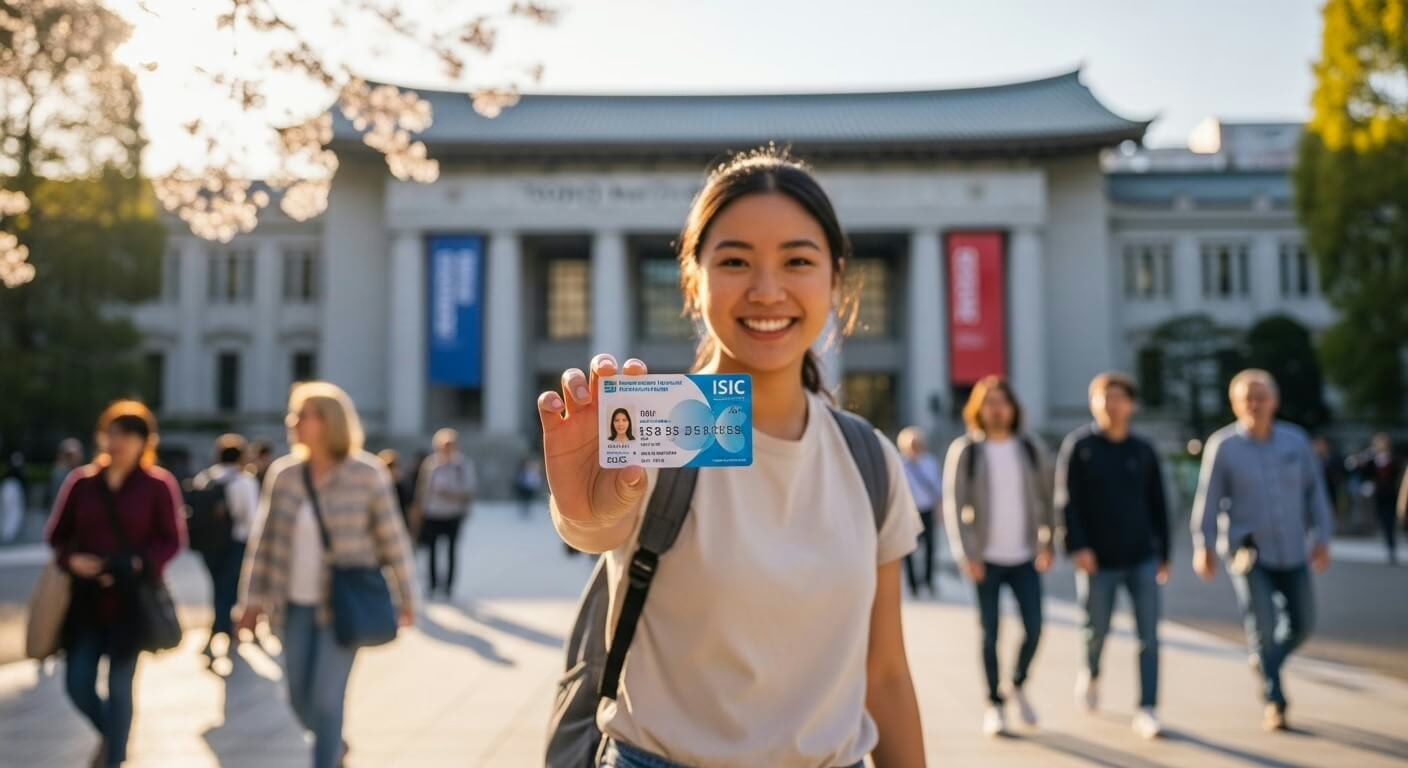
The International Student Identity Card (ISIC) is the gold standard that’ll get them into museums, restaurants, and attractions at reduced prices, but some schools issue their own internationally recognized IDs that work just as well.
- Tokyo Discount Coupon Guide: Where to Find Tourist Savings
- Tokyo Happy Hour Guide: Best Drink Deals by Neighborhood
- Monthly Tokyo Living: Budget Tips for Long Stays
- Tokyo Free Walking Tour Routes: Self-Guided Budget Adventures
- Tokyo Public Transportation Day Pass: Maximum Value Guide
- Tokyo Department Store Tax-Free Shopping Made Simple
Once students arrive in Tokyo, they might need to get their cards validated or stamped at specific locations like their university’s international office or designated ISIC service centers to enable the full range of benefits across the city.
Understanding Different Types of International Student IDs
Before hitting Tokyo’s museums, theme parks, and restaurants, students need to understand which ID cards actually access those sweet discounts—and trust me, not all student cards are created equal!
The International Student Identity Card (ISIC) is like the gold standard that gets recognized at tons of Tokyo venues, from museums to transportation services.
Meanwhile, regular university-issued student IDs can be hit-or-miss depending on whether they have English text and proper validation stamps.
Getting the right card sorted before the trip means the difference between scoring 30-50% off attractions or awkwardly explaining to a ticket clerk why your college library card should count as valid student ID!
ISIC Card Benefits and Recognition in Japan
The International Student Identity Card (ISIC) stands as the most widely recognized student ID card across the globe, and yes, that includes Japan!
This little plastic savior cuts through language barriers like butter, making discount verification a breeze at museums, restaurants, and attractions.
Most Tokyo vendors instantly recognize the UNESCO-backed design—no awkward explanations needed.
Trust me, it’s worth every penny of the $25 application fee!
University-Issued Student IDs and Their Acceptance
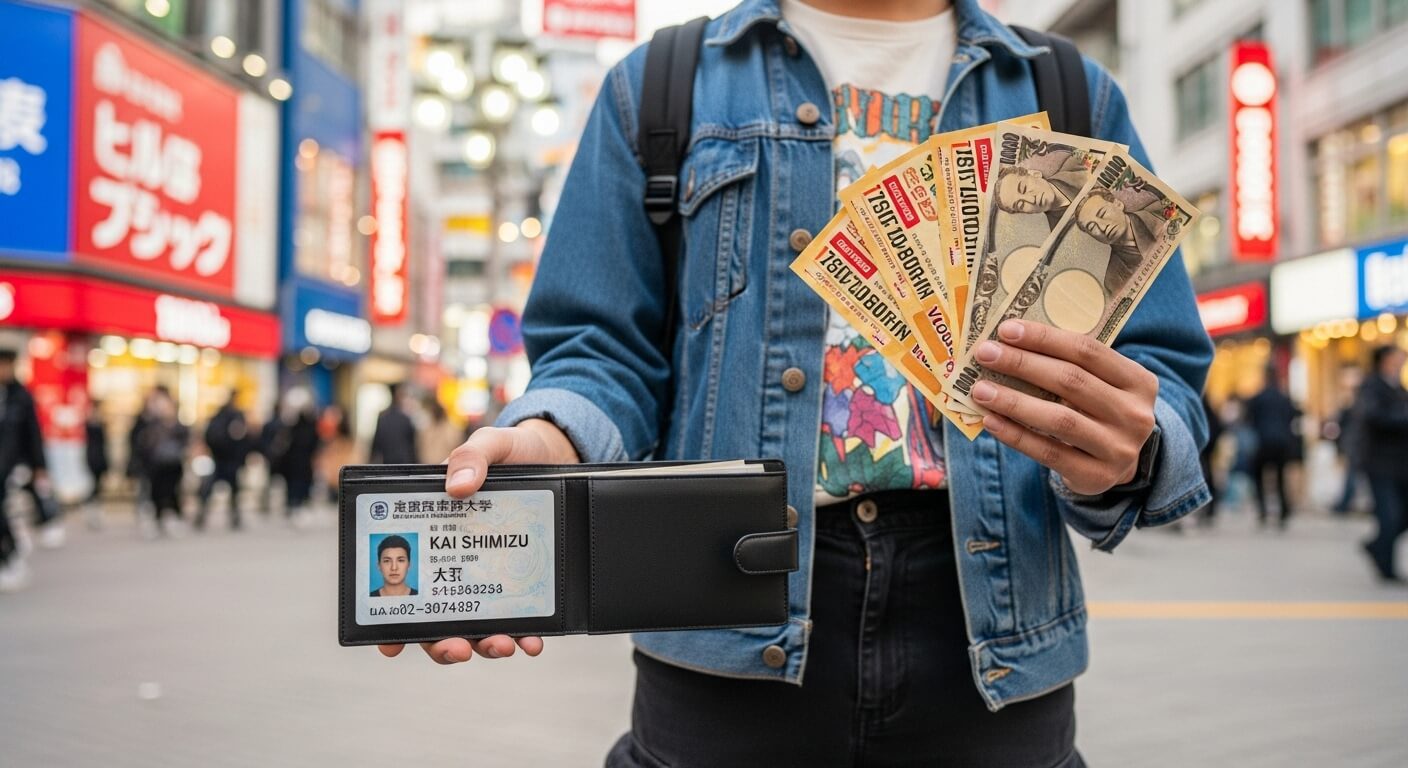
Why settle for just one student ID option when your university card might already work perfectly fine in Tokyo?
Student verification works with these cards:
- Current enrollment cards from accredited universities
- Photo IDs showing expiration dates
- Cards displaying your institution’s official seal
- English or Japanese translations for ID validation
Many Tokyo venues accept university cards directly, saving you money on extra documentation!
Where to Get Your Student ID Validated in Tokyo
Once students arrive in Tokyo with their international student ID in hand, they’ll need to know exactly where to get it validated or verified to access those sweet discounts!
Campus international offices at Tokyo universities are incredibly helpful—even if someone’s not enrolled there, many will assist visiting students with ID verification questions or point them toward the right resources.
Tourist information centers throughout the city, especially the major ones in Shinjuku and Shibuya, also support student travelers by providing validation services and extensive lists of participating discount locations (trust me, these folks have seen every type of student ID imaginable!).
Campus International Offices That Can Help
Before students can flash their ID cards for sweet discounts all over Tokyo, most international offices on campus need to verify that yes, they’re actually enrolled students and not someone’s creative cousin with a laminator!
Here’s where the international office comes in clutch with student support:
- Verify enrollment status
- Add official validation stickers
- Issue ISIC cards
- Process documentation requests
Tourist Information Centers Supporting Student Travelers
While campus offices handle the academic side of student verification, Tokyo’s tourist information centers offer another layer of support that many international students don’t even know exists.
These centers hook you up with insider knowledge about student deals at local shops and cultural festivals throughout the city.
Trust me, they’re goldmines for discovering discounts that aren’t advertised online!
Stop by any major station’s tourist center and ask specifically about student perks.
Transportation Savings That Will Make Your Wallet Happy
Getting around Tokyo can drain a student budget faster than you can say “sumimasen,” but here’s the good news—transportation discounts exist that’ll keep those yen in your pocket!
 Trip.com
 12Go
12GoThe JR Pass offers student-friendly options that make exploring beyond Tokyo totally doable, while IC cards and monthly passes turn your daily commute from a budget nightmare into something actually manageable.
Trust me, understanding these options before you arrive will save you serious cash over your stay!
JR Pass Tokyo Student Discounts You Need to Know About
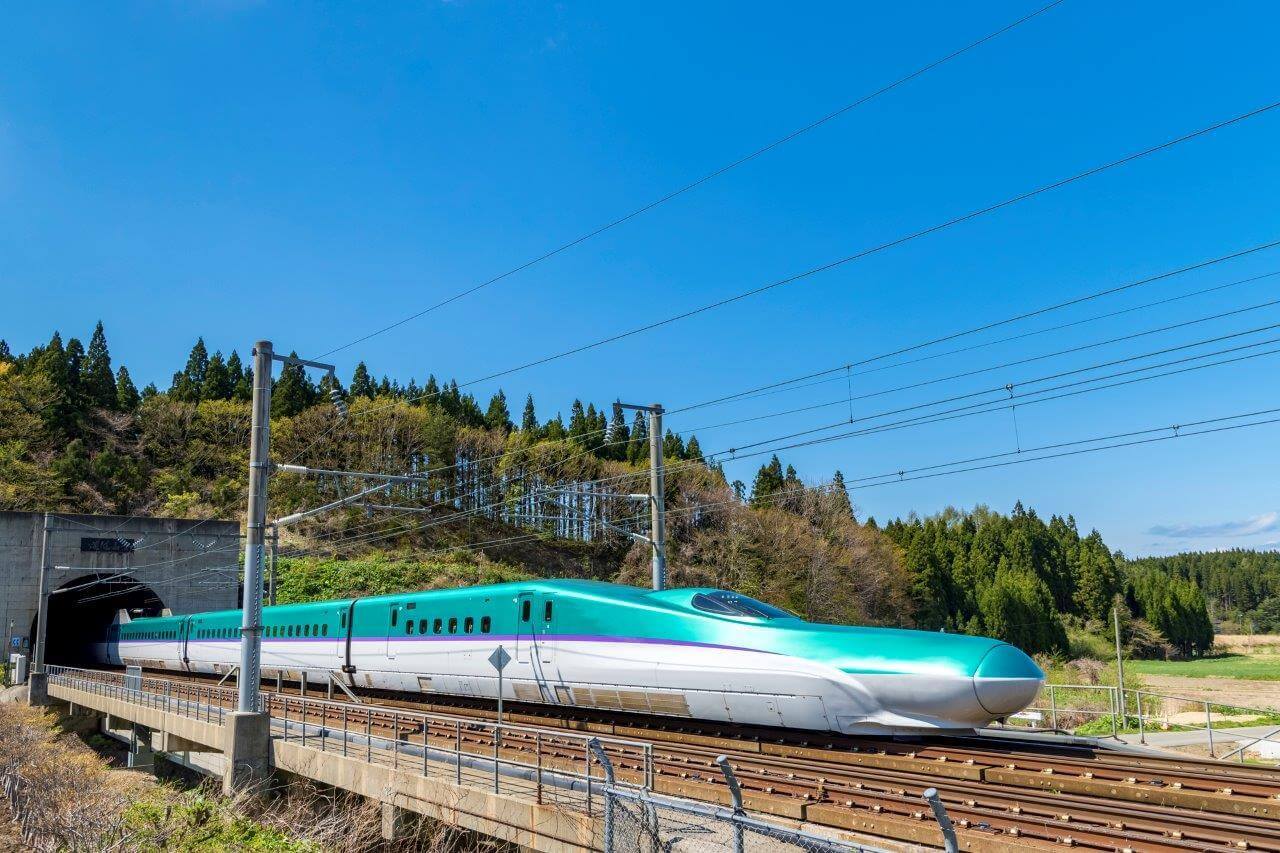
Students traversing Tokyo’s massive rail network can score some serious savings with regional JR passes that cover specific areas rather than the whole country—think of them as the “just what you need” option instead of the “everything everywhere” ticket.
Get Greater Tokyo Pass
Enjoy unlimited travel on trains, trams, and Toei buses at no extra cost, making sightseeing in the Kanto area both affordable and convenient with considerable savings.
 Buy on Klook
 Buy on Traveloka
The JR East Tokyo Wide Pass, for example, gives you three days of unlimited rides to places like Mount Fuji and Nikko for about ¥10,180, which beats buying individual tickets if you’re planning even one day trip outside the city.
And here’s the kicker: while Tokyo Metro and Toei Subway don’t offer student-specific discount cards for international students, Japanese university students with valid student IDs can get commuter passes (teikiken) that slash monthly costs by up to 20% compared to regular commuter rates!
Regional JR Pass Options for Budget-Conscious Students
How can budget-minded students explore Tokyo and beyond without watching their savings evaporate with every train ride?
Regional passes grant serious freedom:
- JR East Nagano Niigata Pass – Five flexible days exploring mountains and coastal cities
- JR Tokyo Wide Pass – Three consecutive days covering Mount Fuji and hot springs
- Hokuriku Arch Pass – Seven days connecting Tokyo to Kyoto’s historic sites
- JR East Tohoku Pass – Budget options for northern adventures
Tokyo Metro and Toei Subway Student Rates
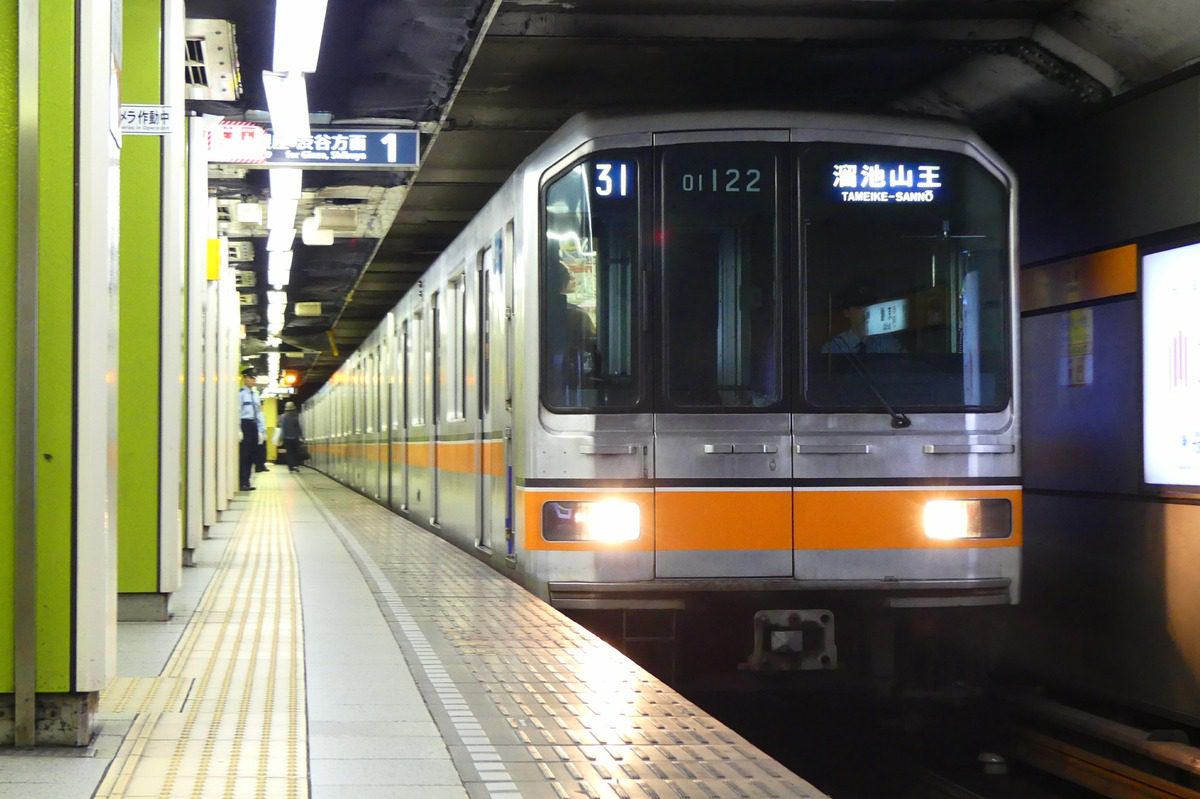
Why limit transit savings to long-distance travel when Tokyo’s extensive subway network offers its own money-saving opportunities?
Students riding Tokyo Metro and Toei lines *gain* freedom beyond discounted fares—their passes often score deals at local cafe discounts near stations!
Plus, transit hubs frequently host language exchange events where connections flourish.
Trust me, maximizing these perks transforms daily commutes into adventures while keeping cash for weekend explorations!
Discounted IC Cards and Monthly Passes for Extended Stays
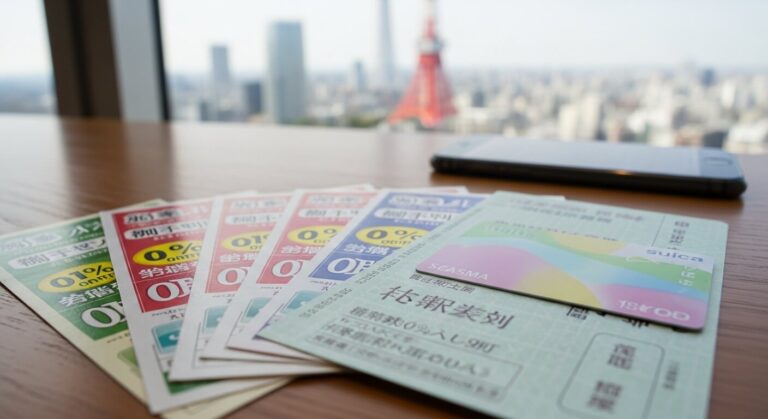
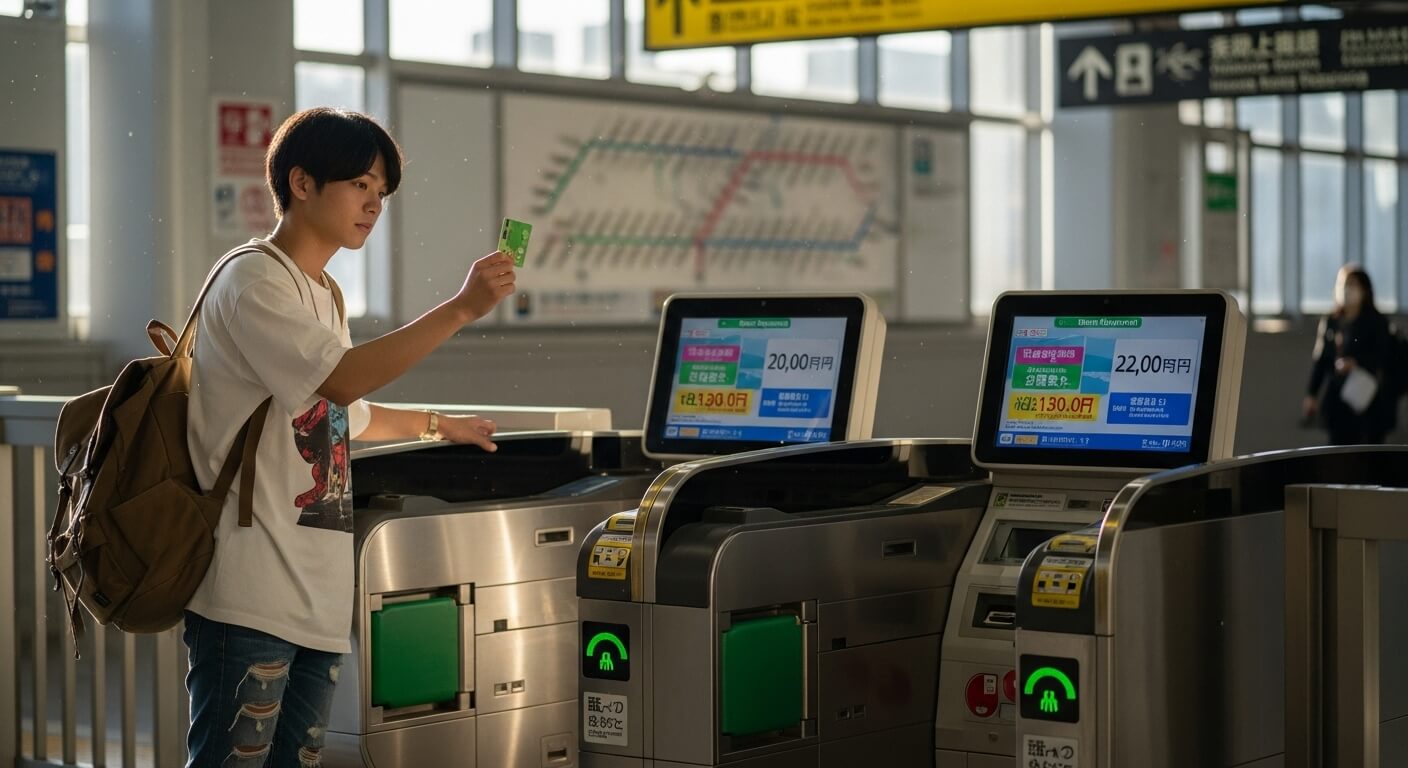
For students planning to stick around Tokyo for a semester or longer, IC cards like Suica and Pasmo offer student-specific perks that go way beyond the convenience of tap-and-go payments.
Many universities have partnered with transit companies to create special monthly pass programs that can slash transportation costs by up to 50% compared to regular commuter passes—and trust me, those savings add up fast when you’re riding the rails every single day!
Complete Guide to Topping Up a Suica Card in Tokyo
Jump into Tokyo’s fast-paced rhythm as we reveal how to top up your Suica card—discover the ... Read More
The key is knowing which programs your school participates in and how to actually register for these discounts, because they’re not always advertised clearly at the ticket counter.
Suica and Pasmo Student Benefits
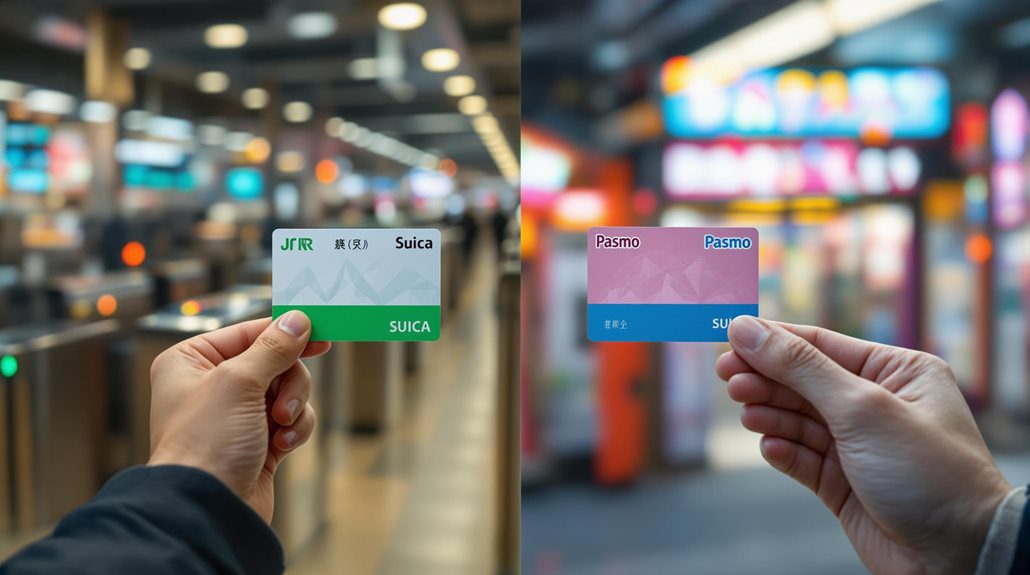
When students living in Tokyo for more than a few months start calculating their daily train fares, they often experience a moment of financial horror—those ¥200-300 trips add up fast!
Here’s the reality about Suica and Pasmo cards:
- No student discounts exist on regular IC card fares
- Commuter passes offer 30-50% savings for sustainable travel between home and school
- Purchase requires student ID and enrollment verification
- Cultural etiquette: tap cards quietly at gates
University Partnership Transportation Programs
Many international students studying in Tokyo don’t realize their university has already negotiated sweet transportation deals on their behalf—seriously, these partnerships can slash commute costs by up to 60%!
Check your school’s student affairs office about student discount policies because they’ll hook you up with exclusive passes.
International student recognition varies between universities, so ask specifically what your institution offers.
Trust me, this beats paying full fare!
Museum and Cultural Site Discounts Worth Exploring
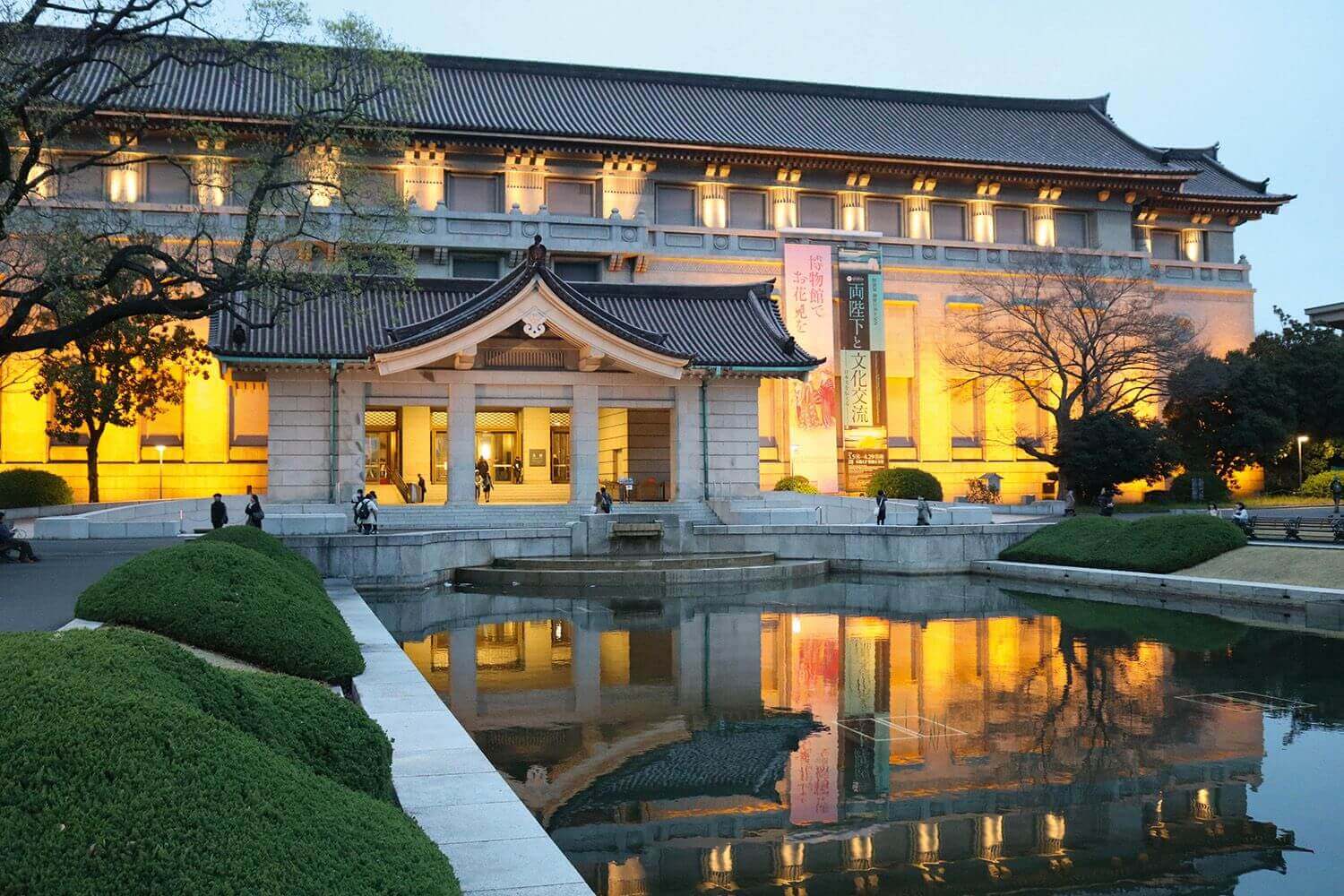
Tokyo’s museums and cultural sites are absolute goldmines for students who know where to look!
Most major museums slash their already-reasonable admission prices by 30-50% when you flash that student ID.
Many historic temples and shrines follow suit with special reduced rates.
Trust me, these discounts add up fast when you’re exploring everything from cutting-edge art galleries in Roppongi to ancient Buddhist temples in Asakusa.
Major Museums Offering Student Price Reductions
Art lovers, listen up—Tokyo’s museum scene is incredibly student-friendly!
The Tokyo National Museum slashes entry fees for students (both domestic and international), making it easy to explore centuries of Japanese art and artifacts without emptying your wallet.
Tokyo Free Museum Days: When to Visit Without Paying
Save hundreds on Tokyo museum visits by timing your trip with free admission days at top cultural ... Read More
Many modern art museums across the city, including heavy-hitters like the Mori Art Museum and teamLab Borderless, recognize international student IDs too, so always bring yours along!
Tokyo National Museum Student Entry Deals
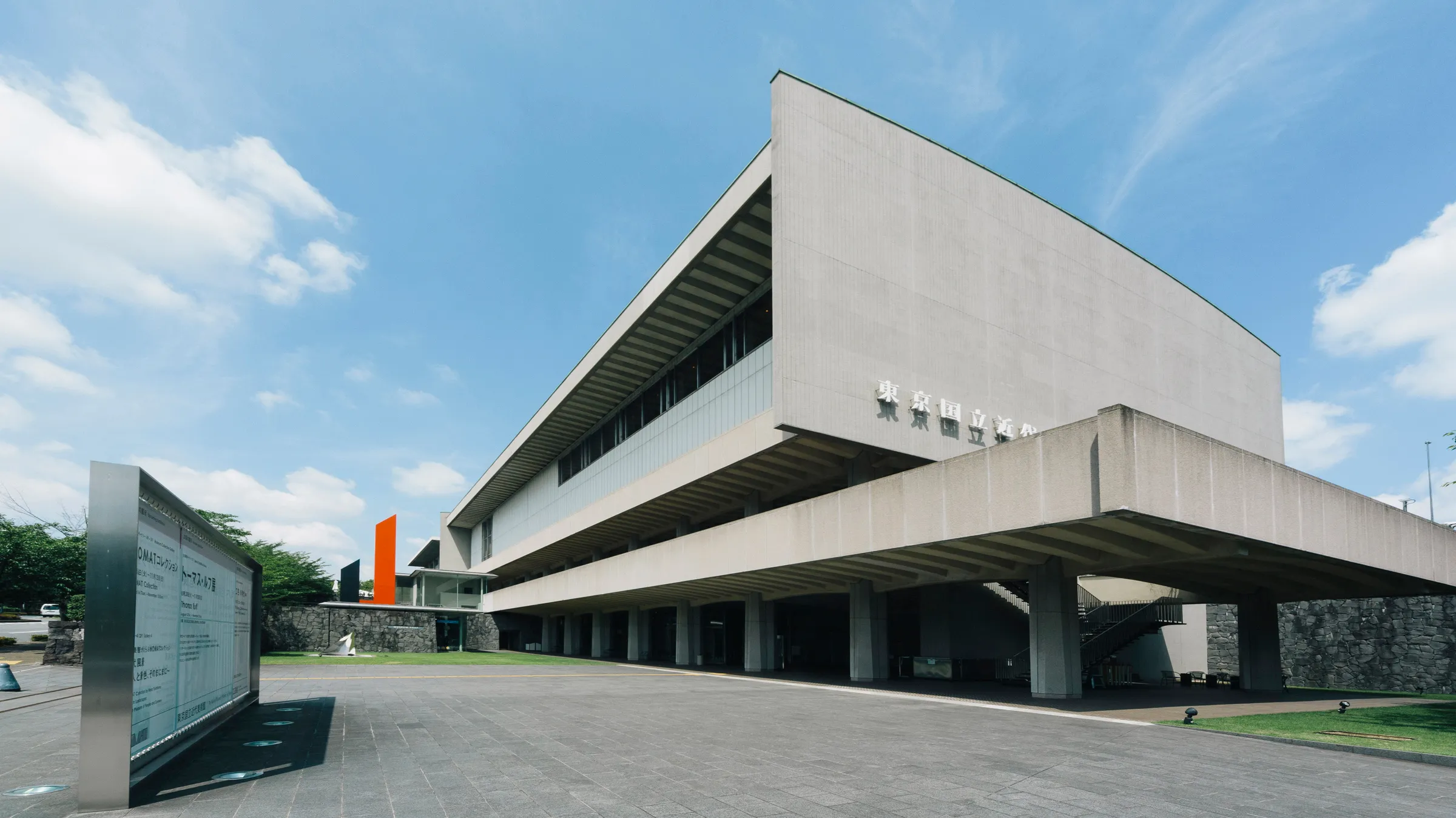
How much would students pay to explore Japan’s largest and oldest museum?
Just ¥410 instead of the regular ¥620!
Trust me, it’s worth every yen.
Here’s what makes it amazing:
- Five buildings packed with samurai swords and ancient pottery
- Art exhibitions rotating seasonally
- Language exchange opportunities with international visitors
- Traditional gardens perfect for Instagram breaks
Your student ID opens centuries of Japanese history!
Modern Art Museums with International Student Recognition
The Mori Art Museum perched 53 floors above Roppongi offers international students a sweet deal at ¥1,000 (down from ¥1,800)—and that includes access to the Tokyo City View observation deck!
Their contemporary exhibitions feature mind-bending interactive art installations that’ll have you questioning reality.
The 21_21 Design Sight in Midtown Tokyo also welcomes students with reduced admission, showcasing cutting-edge design that pushes creative boundaries.
Historic Sites and Temples with Special Student Rates
Tokyo’s historic sites and temples offer some seriously impressive student discounts that’ll make your wallet (and your Instagram feed) very happy!
Beyond the major museums, you’ll find peaceful traditional gardens like Koishikawa Korakuen and Rikugien charging students just 150 yen instead of the regular 300 yen—that’s half off to wander through centuries-old landscapes.
Cultural centers such as the Edo-Tokyo Museum and various shrine complexes also extend special rates to students, recognizing that learning about Japan’s rich history shouldn’t require emptying your bank account.
Traditional Gardens Welcoming Student Visitors
Where can students find moments of zen without emptying their wallets?
Tokyo’s traditional gardens offer student discounts that’ll make your soul (and budget) sing!
- Hama-rikyu Gardens – Stunning waterfront views with reduced student admission.
- Koishikawa Korakuen – Perfect for cherry blossom viewing season escapades.
- Rikugien Gardens – Peaceful walks minus the hefty price tag.
- Happo-en – Experience authentic tea ceremonies at student-friendly rates.
Cultural Centers Providing Educational Discounts
Museums and historic sites across Tokyo practically beg students to visit with their wallet-friendly discount programs – and trust me, you’ll want to take advantage of every single one!
Cultural exchange centers slash admission fees for art exhibitions, while temples like Sensō-ji offer reduced entry to their treasure halls.
Your student ID becomes a golden ticket to Tokyo’s incredible heritage without emptying your bank account!
Entertainment and Recreation Discounts for Student Life
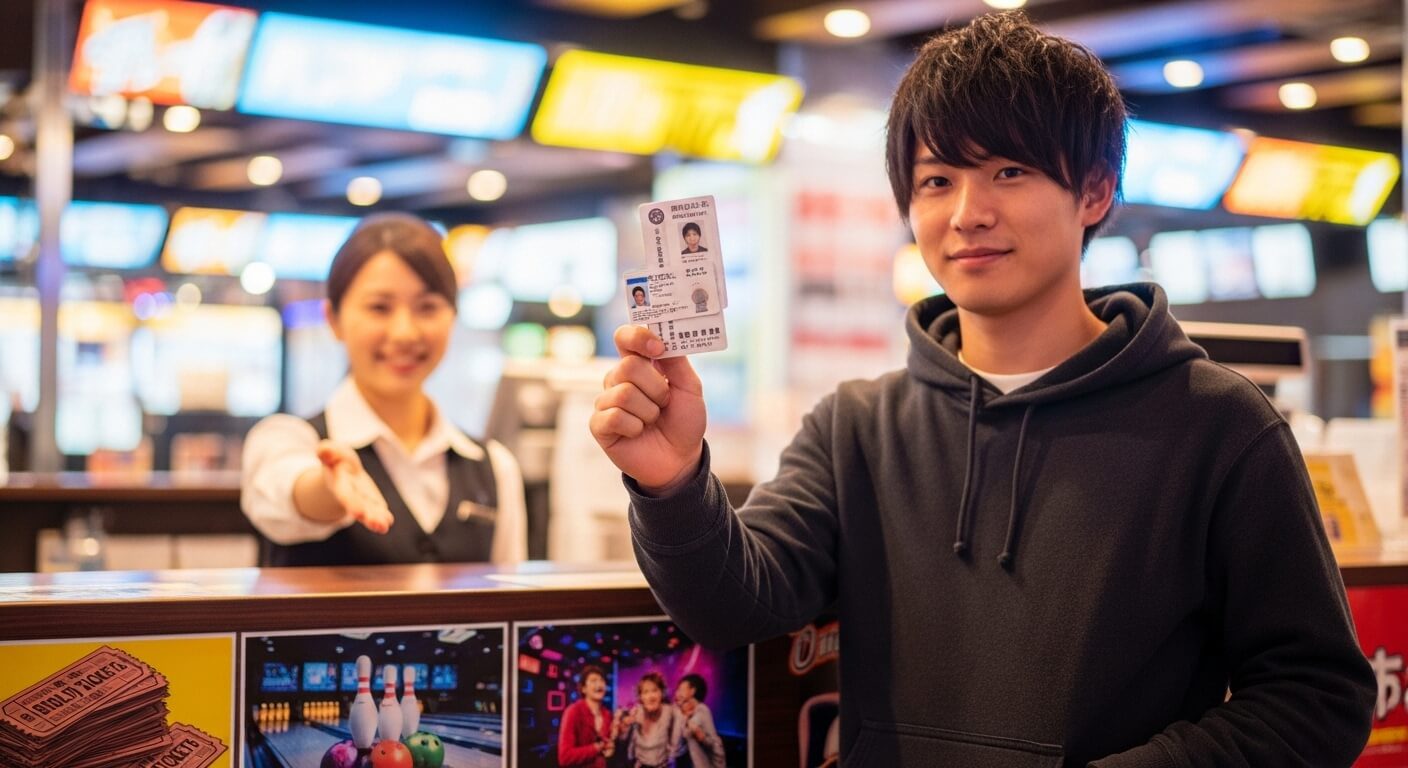
Student life in Tokyo isn’t all textbooks and train rides—there’s actually a ton of fun stuff to do without draining your bank account!
Book Tokyo Attractions Now
Skip ticket lines and secure your spot at Tokyo's top attractions. From Tokyo Skytree to teamLab, reserve tours and activities in advance.
 Booking.com
 Viator
 Expedia
 GetYourGuide
 WeGoTrip
 Tripadvisor
Major cinema chains like TOHO Cinemas and Movix offer student discounts that can slash ticket prices by 30-40%, which really adds up if you’re the type who needs to catch every new release.
How to Save Money on Tokyo Attractions With Discount Passes
Wondering how to experience Tokyo's dazzling attractions without emptying your wallet? Discount ... Read More
Even better, popular spots like Tokyo Disneyland, Tokyo DisneySea, and Fuji-Q Highland have special student passes and seasonal promotions that make these bucket-list experiences way more affordable than you’d think.
Movie Theaters and Cinema Chains with Student Pricing
Movies in Tokyo can get pricey, but students catch a break at both the big theater chains and the smaller indie spots!
Most major cinema networks like Toei and Shochiku offer student discounts that’ll slash regular ticket prices by 500-1000 yen—and yes, many accept international student IDs, so don’t leave yours at home.
The coolest part?
Independent art-house theaters often have even better deals because they genuinely want to support student film culture and get young people through their doors.
Major Cinema Networks Accepting International IDs
The biggest cinema chains in Tokyo make catching the latest blockbuster surprisingly affordable—if you know which theaters accept your international student ID!
- Toho Cinemas – Show your student card during ticket booking for ¥1,500 admission (regular price ¥1,900).
- 109 Cinemas – International IDs work here, trust me!
- United Cinemas – Student rates plus cinema snack deals on Wednesdays.
- Shinjuku Piccadilly – Premium screens at student-friendly prices.
Independent Theaters Supporting Student Culture
Why settle for mainstream multiplexes when Tokyo’s independent theaters offer soul-stirring cinema experiences *and* generous student discounts?
These cultural havens champion student led screenings where you pick what plays.
Trust me, indie film festivals here slash prices dramatically—sometimes 50% off!
Places like Uplink and Eurospace treat students like VIPs, not wallets.
You’ll discover boundary-pushing films while keeping your budget intact!
Theme Parks and Attractions Offering Student Deals

Students looking for bigger adventures beyond movie theaters will find that Tokyo’s theme parks and major attractions often extend special pricing to those with valid student IDs.
Tokyo Disneyland and DisneySea occasionally run campus-specific promotions (though they’re not year-round, so timing matters!), while museums, aquariums, and observation decks across the city regularly offer educational discounts that can slash entry fees by 20-40%.
Trust me, flashing that student card before buying tickets becomes second nature when you realize how much yen you’ll save on weekend outings!
Tokyo Disneyland and DisneySea Student Promotions

Magical experiences at Tokyo Disneyland and Tokyo DisneySea don’t have to drain a student’s entire semester budget—though both parks are notoriously pricier than their international counterparts.
Unfortunately, these theme parks don’t offer official student discounts.
However, smart students can still save:
- Purchase multi-day passes for better per-day rates
- Visit during off-peak seasons for cheaper tickets
- Skip expensive souvenir shopping inside
- Bring outside snacks (yes, it’s allowed!)
Local Attractions with Educational Discounts
While Disney might not cut students a break, Tokyo’s museums, zoos, and cultural sites are way more generous with their wallets!
Flash that student ID at Ueno Zoo, Tokyo National Museum, or the Miraikan science center for serious savings.
Many spots slash prices 50% or more!
Plus, you’ll catch cultural festivals and sample local cuisine at nearby food stalls.
Talk about winning!
Shopping and Dining Discounts in Tokyo With Student ID to Stretch Your Budget
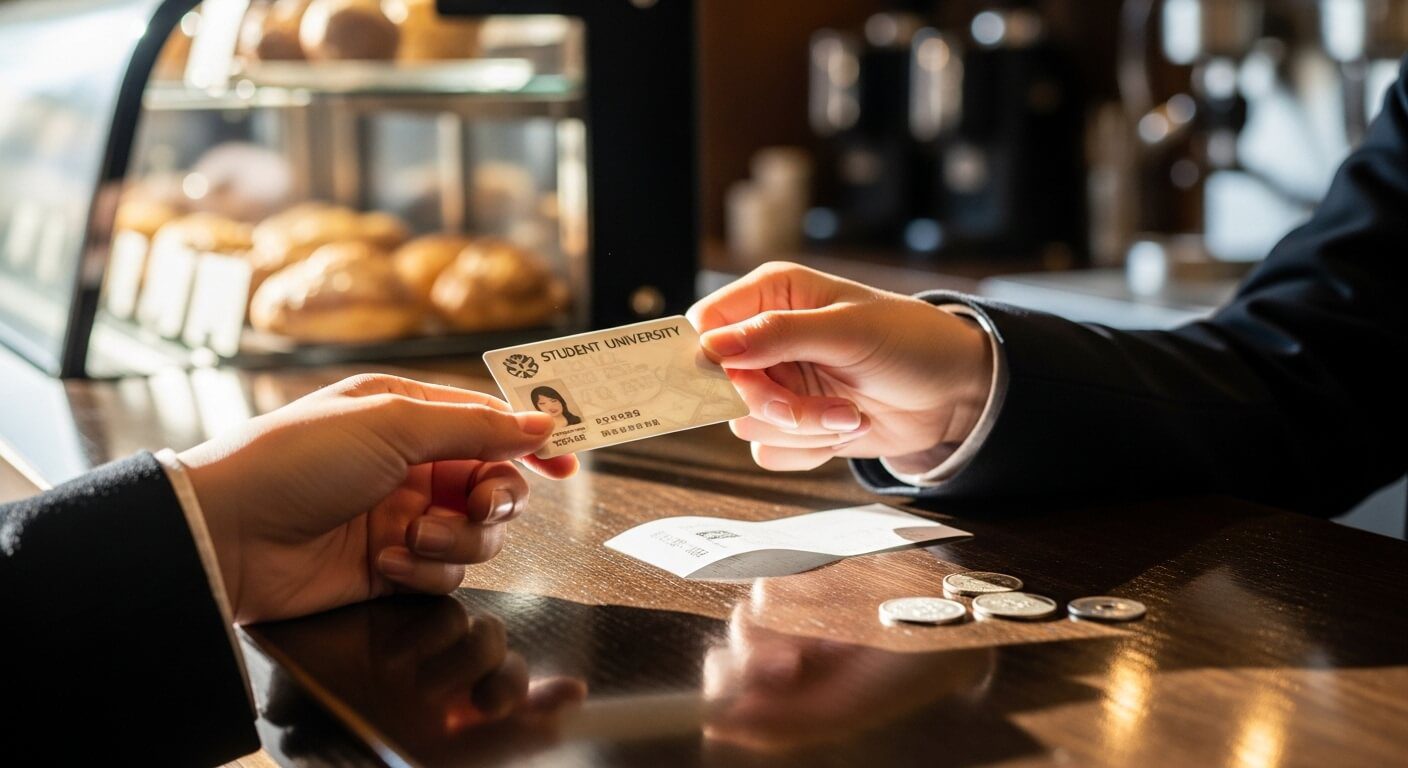
Every student knows that ramen budget life is real, but here’s the good news—major department stores like Marui and Lumine offer student discount cards that can save you 5-10% on everything from clothes to home goods!
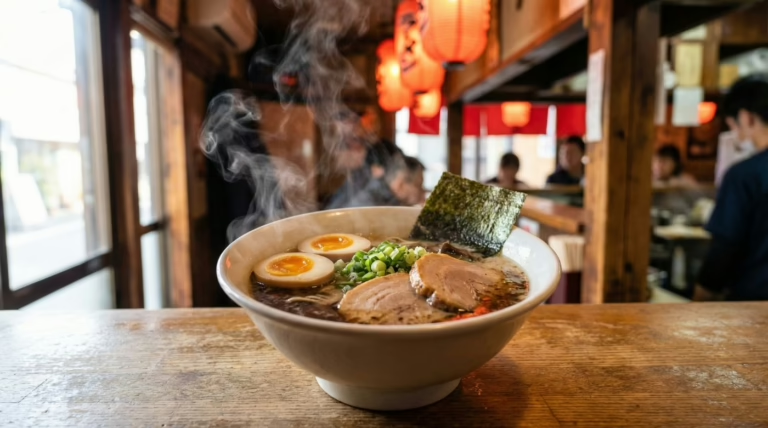
Chain restaurants across Tokyo understand the student struggle too, with places like Gusto, Saizeriya, and Jonathan’s offering meal sets under ¥600 that’ll keep both your stomach and wallet happy.
Trust me, learning which stores flash that magical “student discount” sign can be the difference between surviving on convenience store rice balls and actually enjoying Tokyo’s incredible food scene.
Department Stores and Shopping Centers with Student Benefits

Students in Tokyo can score amazing deals beyond just food and entertainment—major department stores and shopping centers offer discounts that make buying everything from laptops to trendy clothes way more affordable!
Electronics retailers like Yodobashi Camera and Bic Camera typically offer student discounts ranging from 5-15% on computers, tablets, and tech accessories (just bring your student ID card).
Fashion brands at malls like Shibuya 109 and Lumine frequently run student promotions too, so you can keep your wardrobe fresh without emptying your wallet.
Electronics Stores Offering Student Technology Discounts
Looking for a new laptop, tablet, or camera without emptying your entire bank account?
Tokyo’s electronics stores hook students up with sweet deals on tech gadgets and software solutions!
Major retailers offering student discounts:
- Bic Camera – 5-10% off with valid student ID
- Yodobashi Camera – Special student pricing on laptops
- Sofmap – Discounted software bundles
- Apple Store Shibuya – Education pricing year-round
Trust me, these savings add up fast!
Fashion Retailers Supporting Student Style
Tokyo’s fashion scene doesn’t have to destroy a student budget – dozens of retailers across the city offer legit discounts that make keeping up with style totally doable!
Major chains like UNIQLO and GU give students 10-15% off through fashion partnerships that respect your wallet.
Shibuya 109 and Harajuku boutiques frequently offer student style deals too, because looking fresh shouldn’t mean eating instant ramen for a month straight!
Restaurant Chains and Cafes with Student-Friendly Prices
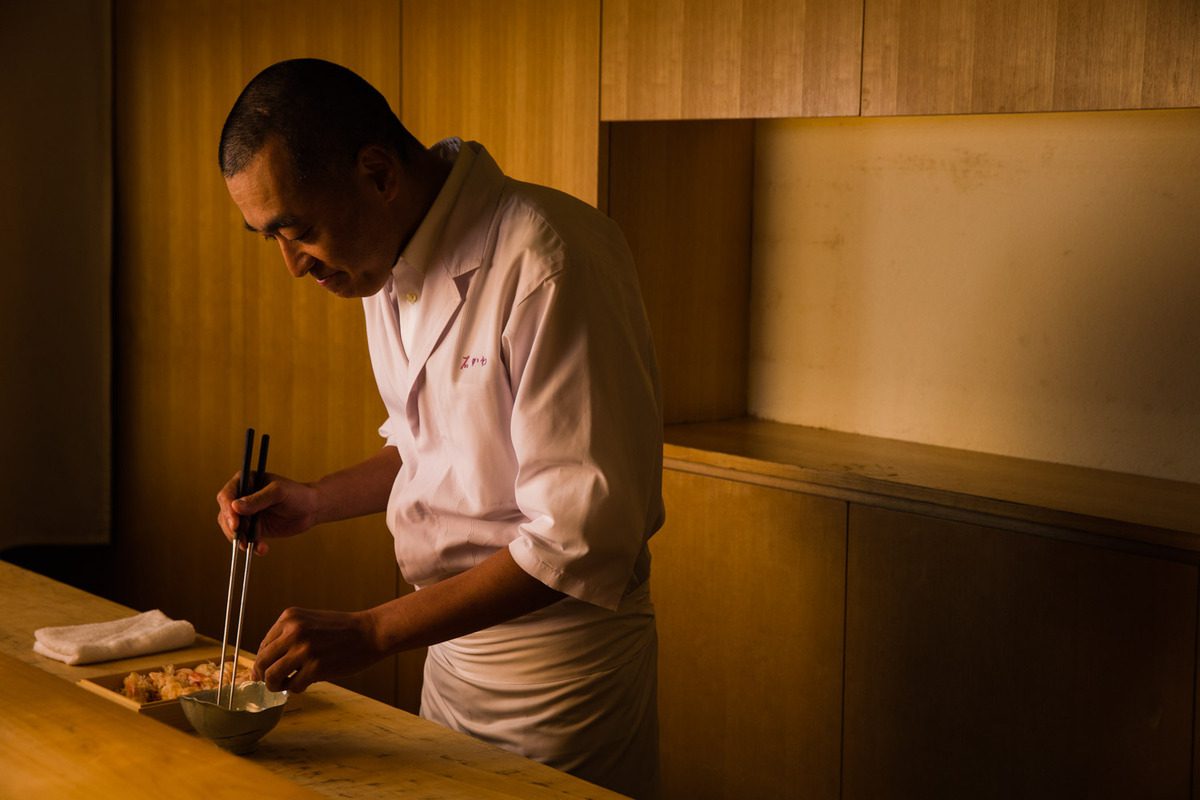
Tokyo’s student-friendly dining scene extends far beyond department store food courts, with restaurant chains and cafes across the city offering serious savings to those with a student ID in hand.
Around university neighborhoods like Waseda, Takadanobaba, and Hongo, you’ll find clusters of eateries that practically depend on student customers—meaning they’ve got to keep prices competitive or risk losing their biggest audience!
Fast food joints and casual dining spots have caught on too, rolling out student discounts that can shave 10-20% off your bill or throw in extras like free drinks and upsized portions.
University Area Dining Discounts
Where can students find the best meal deals near Tokyo’s major universities?
Campus neighborhoods offer serious savings—trust me, your wallet will thank you!
- Waseda area serves up cafe discounts and generous portions that fuel all-nighters.
- Todai’s Hongo district features budget-friendly izakayas with student menus.
- Keio’s Mita campus boasts dirt-cheap ramen joints.
- Meiji University surroundings deliver authentic meal deals without the tourist markup.
Freedom tastes better when you’re saving yen!
Fast Food and Casual Dining Student Deals
Students steering life in one of the world’s priciest cities need every advantage they can get—and Japan’s major restaurant chains are stepping up with serious discounts!
Fast food giants like McDonald’s and MOS Burger offer student meal sets that’ll save you 10-20%.
Casual dining spots including Gusto and Jonathan’s slash prices even further with special student menus.
Your student ID literally pays for itself!
Technology and Communication Discounts in Tokyo for International Students
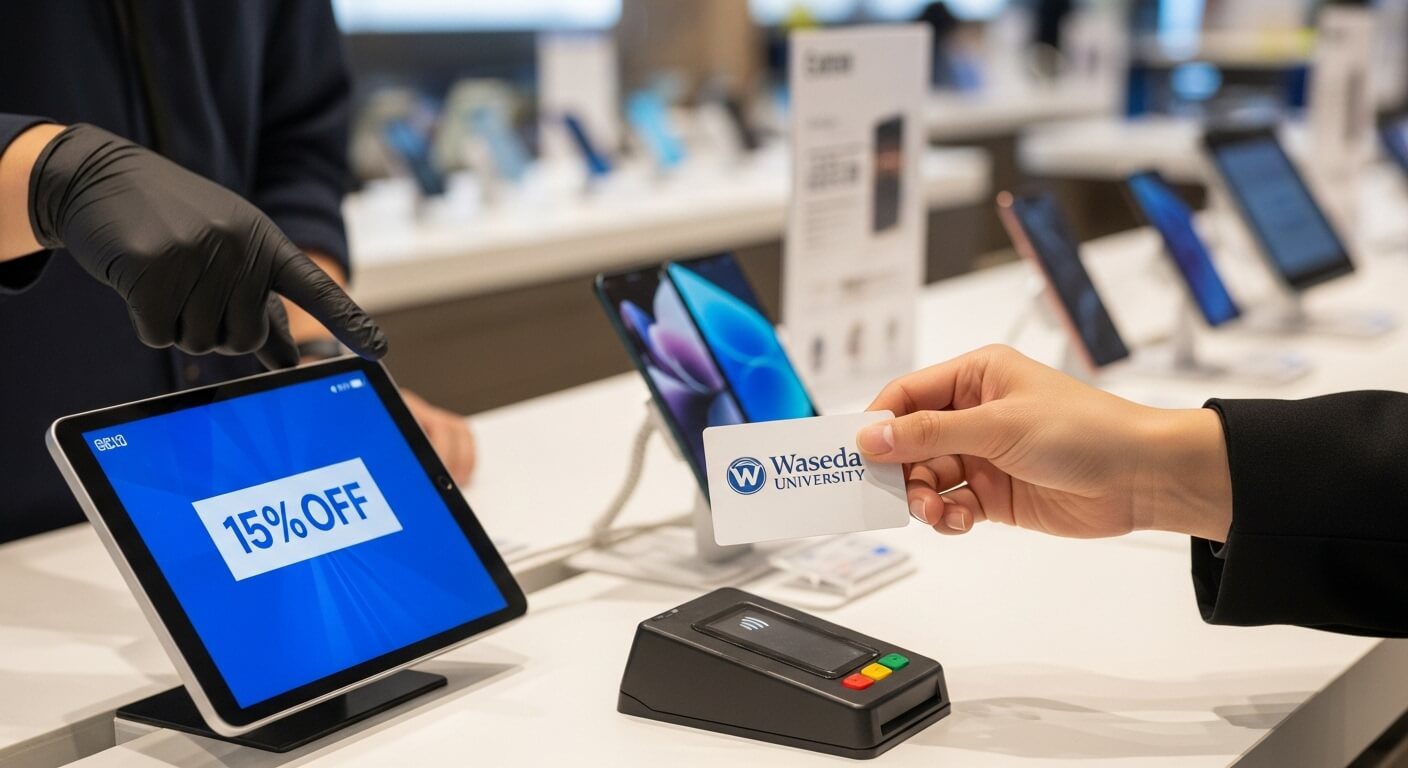
Staying connected in Tokyo doesn’t have to drain your bank account, and trust me, the right tech deals can save international students serious cash!
 Airalo
 Yesim
Yesim Saily
Saily NordVPN
Most major carriers like SoftBank, au, and Rakuten Mobile offer special student plans that slash monthly rates by 20-30% when you show your student ID—we’re talking unlimited data for as low as ¥2,000 per month instead of the usual ¥3,000-4,000.
Beyond your phone bill, students can also score hefty discounts on essentials like Adobe Creative Cloud (usually 65% off!), Microsoft Office (often free through universities), and home internet packages that understand you’ll be video calling family back home at 2 AM.
Mobile Phone Plans Designed for Student Budgets
Staying connected in Tokyo doesn’t have to drain your wallet, and honestly, having a working phone is basically essential for steering through the city, translating menus, and keeping in touch with folks back home!
International students have two main routes to contemplate: grabbing a prepaid SIM card if you’re just visiting for a semester or two, or signing up for a proper phone contract if you’re settling in for the long haul.
The good news is that several Japanese carriers offer special student pricing that can save you anywhere from 20-50% compared to regular plans—trust me, that adds up fast when you’re living on instant ramen and konbini snacks!
SIM Card Deals for Short-Term Student Visitors
How can international students stay connected in Tokyo without draining their wallets before they’ve even tried their first bowl of ramen?
Short-term visitors score amazing deals on sim card plans and prepaid data:
- Airport kiosks offer tourist-friendly packages starting at ¥1,500
- Electronics stores like Bic Camera provide activation assistance
- Data-only options eliminate unnecessary calling fees
- No contracts mean ultimate flexibility—cancel anytime!
Long-Term Phone Contract Benefits for Exchange Students
Exchange students planning to spend a semester or full year in Tokyo will find that long-term phone contracts open serious savings compared to prepaid options—we’re talking potential cuts of 30-50% on monthly bills!
Major carriers like SoftBank and au offer student-specific phone plans with contract benefits including unlimited data, free international messaging, and zero activation fees.
Trust me, showing your student ID during signup unlocks these perks instantly!
Internet and Software Discounts for Academic Work
Getting your academic work done in Tokyo requires more than just a laptop and determination—you’ll need the right software and reliable internet access, both of which can seriously strain a student budget!
The good news is that international students have access to heavily discounted (sometimes even free) software through institutional licensing programs.
Plus, co-working spaces around the city offer special student membership rates that include high-speed internet and professional work environments.
These resources can transform your study experience from hunching over a slow connection in your tiny apartment to working efficiently with industry-standard tools in spaces designed for productivity.
Student Software Licensing Programs
Why spend hundreds or even thousands of dollars on software when students can get the same professional programs for free or dirt cheap?
- Microsoft Office 365 – Free through most Tokyo universities (trust me, check your student portal first!)
- Adobe Creative Cloud – Massive student discounts make credit management easier
- Autodesk Suite – Professional software licensing at student-friendly prices
- GitHub Student Pack – Gain access to premium development tools absolutely free
Student status equals serious savings!
Co-working Spaces with Student Membership Rates
Tokyo’s co-working scene has exploded in recent years, and international students can tap into these productive spaces without breaking the bank.
Many spots offer student rates that beat any cramped study lounge on campus!
Plus, you’ll score access to lightning-fast internet, networking events with local professionals, and that essential coffee supply.
Trust me, your productivity will skyrocket in these sleek, modern environments designed for serious work.
Accommodation and Housing Discounts in Tokyo for Student Travelers
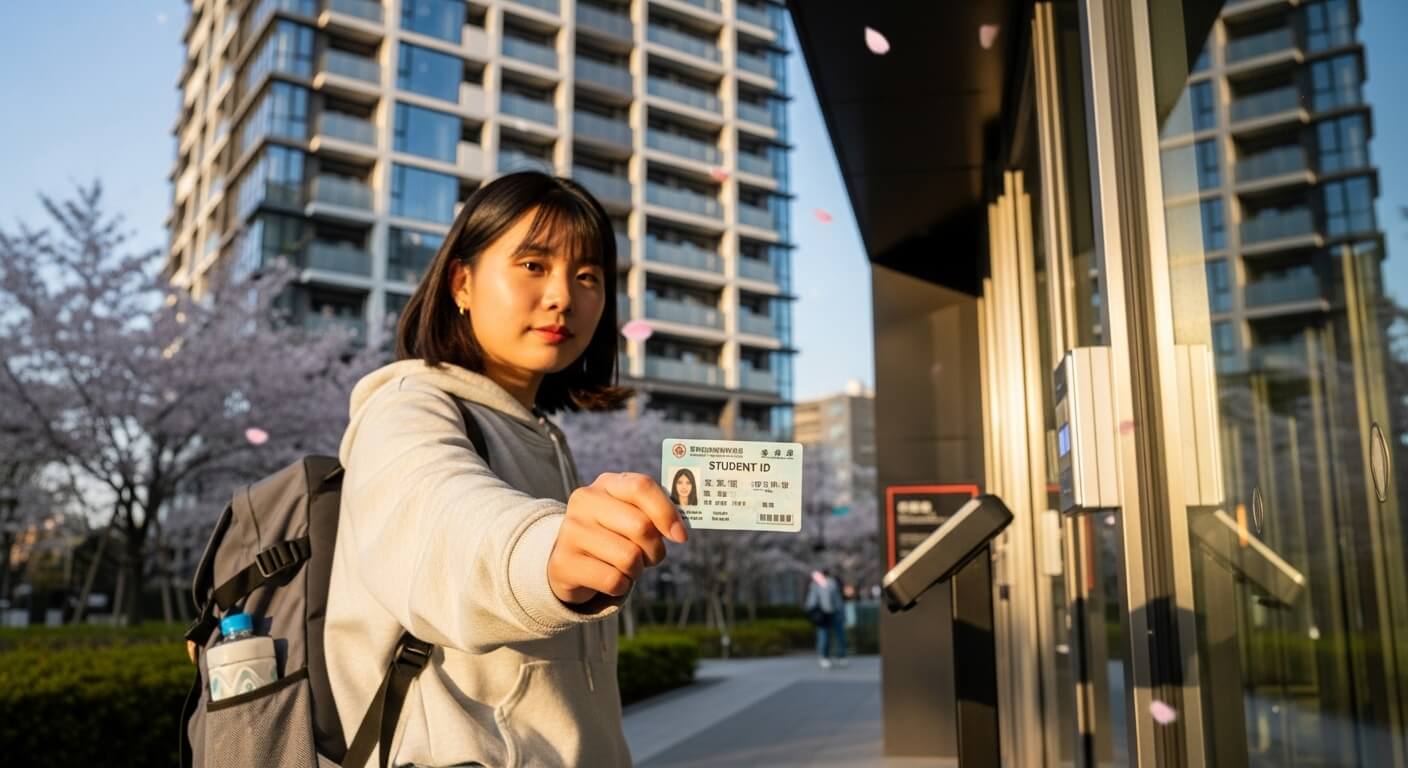
Finding affordable places to crash in Tokyo can feel like searching for a needle in a haystack, but students actually have some pretty sweet options that won’t demolish their budgets!
Book Your Tokyo Stay Today
Browse curated hotels/traditional ryokans from our partner platforms. Best prices, verified reviews, instant booking.
 Agoda
AgodaMany hostels and budget hotels across the city offer special student rates that can slash prices by 10-30% when you flash your student ID—and trust me, those savings add up fast when you’re exploring Tokyo for more than just a weekend.
Beyond the typical tourist accommodations, international students can also tap into dedicated student housing networks and university dormitories that offer monthly rates way below what you’d pay for a regular apartment in this notoriously expensive city.
Hostels and Budget Hotels with Student Rate Programs
Students visiting Tokyo can score some seriously sweet deals on places to crash, and trust me, your wallet will thank you!
International hostel chains like Hostelling International and IYH Federation regularly knock off 10-15% for anyone flashing a valid student ID (whether that’s an ISIC card or your school ID), which means more yen left over for ramen and arcade games.
Capsule hotels—those futuristic sleeping pods you’ve probably seen in photos—are already budget-friendly at around ¥3,000-4,000 per night, but several chains offer student rates that can drop prices even lower during off-peak times.
International Hostel Networks Accepting Student IDs
How can budget-conscious travelers maximize their student status when booking accommodations in Tokyo?
- Hostelling International (HI) offers verified student discounts at Tokyo locations with excellent hostel amenities.
- Generator Hostels accepts international student IDs through major booking platforms.
- St. Christopher’s Inn provides exclusive student rates year-round.
- YHA Japan guarantees additional savings beyond standard membership discounts.
Trust me, flashing that student ID releases serious savings!
Capsule Hotels Offering Student-Friendly Pricing
Why pay hostel prices when you can experience Tokyo’s iconic capsule hotels for even less?
Several capsule chains offer student discounts of 10-20% off nightly rates.
These futuristic pods include hotel amenities like Wi-Fi, lockers, and communal baths.
Trust me, you’ll save enough to splurge on local cuisine!
Check Nine Hours, First Cabin, and Anshin Oyado for student-friendly pricing.
Student Housing and Dormitory Options
Beyond short-term stays at hostels, students planning longer visits to Tokyo should seriously consider university guest house programs and share house networks—these options can slash accommodation costs by 30-50% compared to regular apartments!
University guest houses, which are basically dorms that accept visiting students from other schools, offer furnished rooms with utilities included (no surprise bills, thank goodness) and built-in communities of fellow international students.
Share houses operate on a similar concept but are privately run, giving students private bedrooms while sharing common spaces like kitchens and living rooms with housemates from around the world.
University Guest House Programs
Several Japanese universities open their guest houses and international dormitories to visiting students during certain periods, offering some of the most affordable accommodation options in Tokyo—often at half the price of budget hostels!
These programs prioritize cultural exchange and authentic experiences:
- Student housing typically costs ¥2,000-4,000 per night
- Most require university enrollment proof
- Bookings open 2-3 months ahead
- Summer break offers maximum availability
Share House Networks Supporting International Students
For students planning stays longer than a few weeks, share houses offer an alternative that bridges the gap between tourist accommodation and permanent housing.
These student housing networks specialize in cultural exchange, matching international students with Japanese roommates.
Trust me, it’s brilliant!
You’ll split rent, make actual friends, and practice Japanese daily.
Many share houses waive deposits for verified students, making move-in surprisingly affordable!
Maximizing Your Student Discount Experience in Tokyo
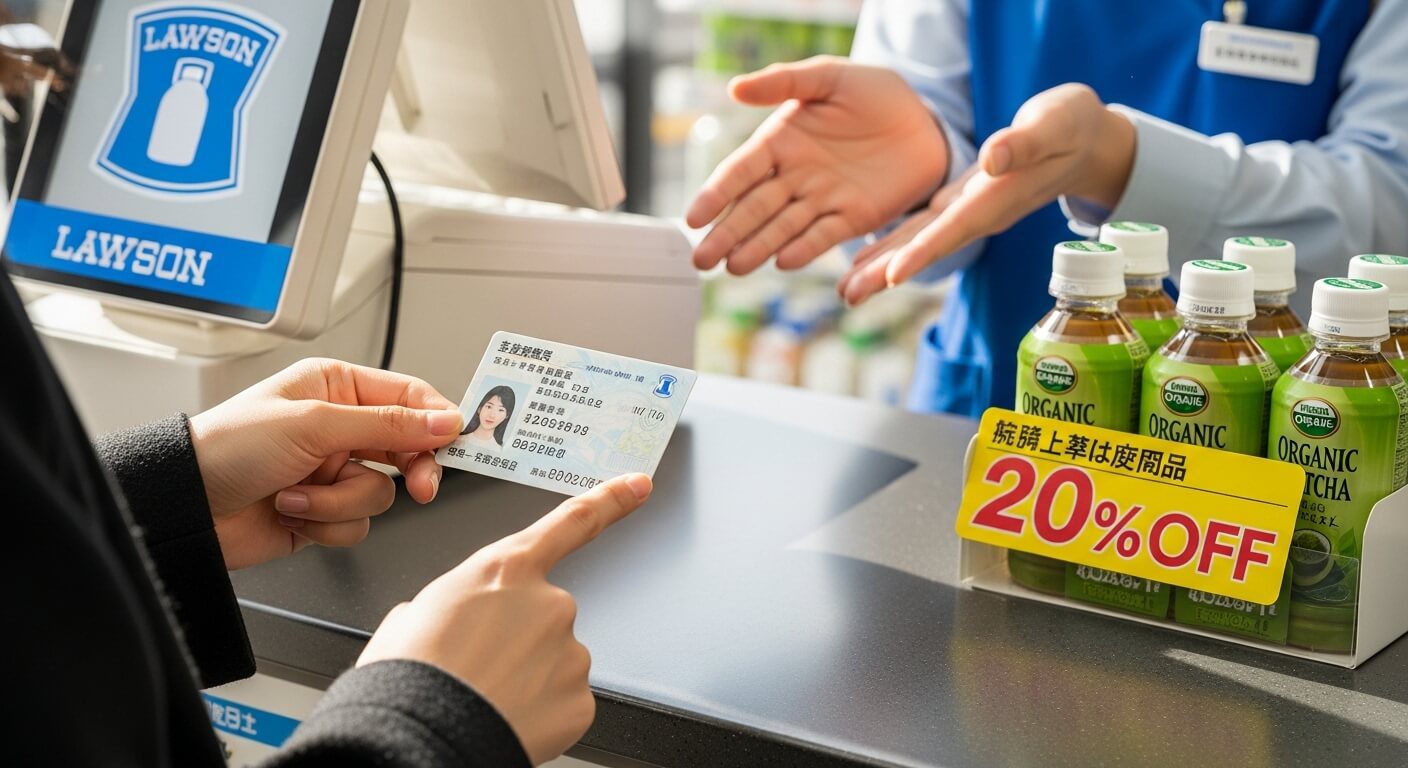
Getting the most out of student discounts in Tokyo isn’t just about flashing your ID everywhere—though trust me, that helps!
Smart students rely on specific apps and websites designed to track down the best deals across the city, from restaurant specials to entertainment venues that might not advertise their student perks.
Knowing exactly when and how to present your student ID can make the difference between scoring a sweet discount and getting a confused headshake from the cashier.
Apps and Websites That Help Find Student Deals
Finding student discounts in Tokyo doesn’t have to mean wandering around asking every shop if they offer deals—there are actually some really helpful digital platforms that gather all these savings in one place!
Your university probably has resources tucked away on their website or student portal that list partner businesses and exclusive student perks (trust me, most students don’t even know these exist).
Apps like ISIC (International Student Identity Card) and local Japanese platforms such as Gakuwari connect students directly to participating stores, restaurants, and entertainment venues across Tokyo.
Digital Platforms Aggregating Student Discounts
Why spend hours hunting down student discounts across Tokyo when technology can do the heavy lifting?
These digital platforms gather deals in one spot:
- Student Beans verifies your status through virtual classrooms and online certifications
- UNiDAYS opens exclusive Tokyo restaurant and shopping perks
- ISIC App connects international students to local discounts
- StudentRate delivers entertainment and travel deals straight to your phone
Freedom’s just a download away!
University Resources for Discount Information
Students often overlook their own universities as goldmines for discount information, yet these institutions typically maintain extensive databases specifically for their enrolled students.
Campus events frequently spotlight local deals, while study abroad offices know every student-friendly spot in Tokyo.
International student centers particularly excel at this—they’ve helped thousands before you!
Check your university portal first.
Trust me, it’s worth ten minutes of clicking around.
Tips for Successfully Using Your Student ID
Having a valid student ID is just the first step—knowing how to actually use it in Tokyo makes all the difference!
Sometimes you’ll run into language barriers when trying to explain you’re a student, so having a translation app ready or learning the phrase “gakusei waribiki” (student discount) can save you tons of hassle.
It’s also smart to carry backup documentation like an international student card or enrollment letter, because some places might not recognize your home university’s ID format and trust me, you don’t want to miss out on that sweet 20% off just because of paperwork confusion!
Language Barriers and Communication Strategies
When language differences stand between a student and a great discount, the challenge isn’t insurmountable—it just requires a bit of preparation and creativity!
Smart communication strategies beat any language barrier:
- Download translation apps before exploring Tokyo
- Learn basic Japanese discount phrases
- Point confidently at your student ID
- Use restaurant/store photos when asking questions
Trust me, most staff appreciate the effort and help enthusiastically!
Backup Documentation for Discount Verification
The reality of discount hunting in Tokyo?
Always carry backup documentation!
Trust me, your foreign student ID might raise eyebrows.
Keep digital copies of enrollment letters, international student cards, and recent transcripts on your phone.
Student ID verification can get tricky when staff can’t read English, so having discount documentation in multiple formats saves the day—and your wallet!
Wrapping Up
Tokyo’s student discounts transform expensive adventures into budget-friendly experiences!
From half-price museum tickets to discounted train passes, that student ID becomes golden.
Remember, a penny saved is a penny earned—and those savings add up fast in this amazing city.
Smart students who flash their cards at restaurants, shops, and attractions discover Tokyo doesn’t have to drain their bank accounts.
Ready to explore?
Your wallet will thank you for doing the homework on these incredible deals!