Monthly Tokyo Living: Budget Tips for Long Stays




Long-term Tokyo living becomes surprisingly affordable when residents embrace local strategies instead of tourist habits.
Skip expensive central wards for neighborhoods like Nakano or Katsushika, where rents drop 30-50%.
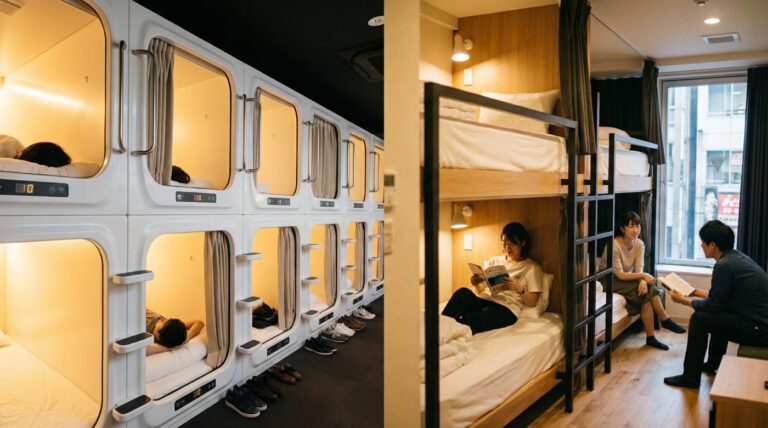
Choose share houses or furnished apartments to avoid Japan’s brutal upfront costs (think 4-6 months’ rent!).
Grab a monthly train pass for half-price commuting, hit supermarkets around 7-8 PM for discount stickers, and shop 100-yen stores for essentials.
Free parks, temple visits, and neighborhood festivals provide entertainment, while language exchange meetups build social networks without draining wallets.
Master these insider moves and Tokyo transforms from budget-buster to surprisingly manageable monthly home—the rest reveals exactly how to make it happen.
Key Highlights
Hide- Choose furnished apartments or share houses to avoid Tokyo's traditional rental upfront costs totaling 4-6 months' rent.
- Purchase monthly commuter passes to reduce train costs by 50% or more, often reimbursed by employers.
- Shop supermarkets around 7-8 PM for discounted bento boxes and fresh foods marked down 30-50%.
- Use IC cards like Suica or Pasmo to automatically calculate cheapest routes and maximize transportation savings.
- Buy a city bike for ¥15,000-30,000 to reduce transportation expenses and enhance neighborhood exploration affordably.
Finding Your Perfect Long-Term Tokyo Base
Finding the right place to call home for a month (or longer!) in Tokyo comes down to two big decisions that’ll shape your entire experience.
Tokyo Trip Add-Ons
Equip yourself for the ultimate Tokyo adventure with the following add-ons, curated just for you.








First up is picking a neighborhood that matches your budget without forcing you to live in a shoebox—and trust me, Tokyo has options ranging from wallet-friendly gems to “maybe I should’ve been an investment banker” territory.
Then there’s the classic showdown: should you grab a monthly apartment rental with that authentic local vibe, or post up in an extended stay hotel where someone else handles the utilities and Wi-Fi setup?
Choosing Neighborhoods That Won’t Break Your Budget
Most visitors only know Shibuya and Shinjuku, but trust me—the real deals are hiding in Tokyo’s quieter residential wards where locals actually live!
Understanding how Tokyo’s 23 special wards connect through train and subway lines is your secret weapon for finding affordable neighborhoods that still get you anywhere in 30-45 minutes.
Areas like Nakano, Koenji, or even parts of Adachi and Katsushika offer rents that can be 30-50% cheaper than central Tokyo.
- Tokyo Emergency Numbers and Phrases Every Traveler Should Know
- Tokyo Air Quality Guide: Pollution Levels & Health Tips
- The Complete Tokyo Taxi Guide: When to Use, How to Hail & Smart Payment Options
- Tokyo SIM Card Guide: Best Plans for Travelers
- Tokyo Airport Transportation: Cheapest vs. Fastest Options
- Tokyo New Year’s Guide: Shrine Visits & Holiday Traditions
They’re packed with authentic izakayas, local shops, and that neighborhood vibe you just can’t find in tourist central.
Exploring Affordable Residential Areas Beyond Tourist Zones
Tokyo’s most Instagram-famous neighborhoods—Shibuya, Harajuku, Shinjuku—will absolutely drain your bank account if you try to live there long-term. Instead, venture into residential areas like Nakano, Koenji, or Shimokitazawa!
You’ll discover authentic local cuisine at half the price, plus charming shopping districts where actual Tokyoites browse.
These neighborhoods offer genuine freedom from tourist traps while keeping you connected to central Tokyo via train.
Understanding Tokyo’s Ward System and Transportation Connections
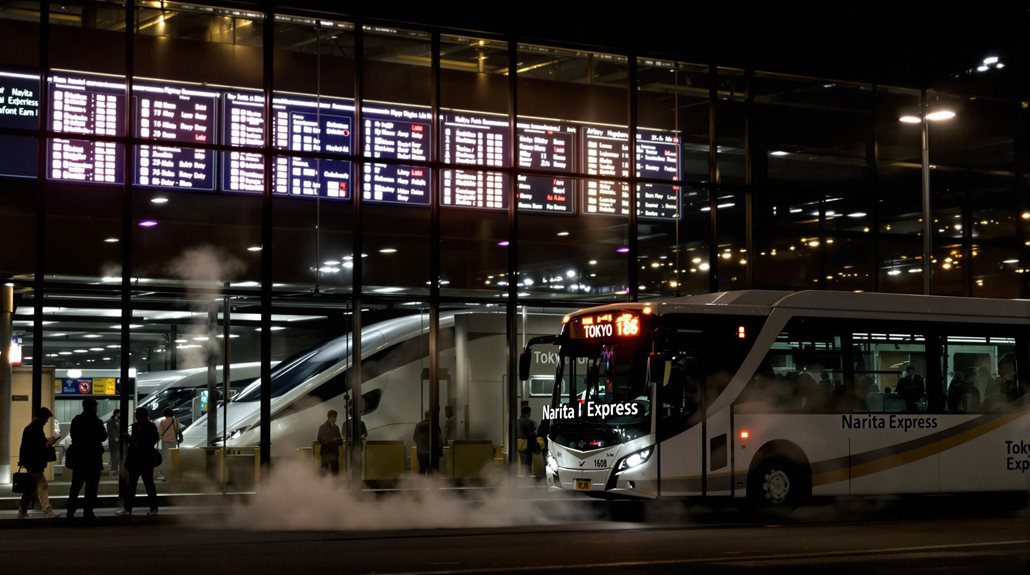
While many newcomers assume all of Tokyo operates as one massive city blob, the metropolis actually divides into 23 special wards (ku). Each of these wards has its own distinct personality and price tag.
Understanding the ward system helps you pick budget-friendly neighborhoods with stellar transportation connections.
Trust me, living near multiple train lines—not just tourist hotspots—gives you freedom to explore while keeping rent reasonable!
Monthly Apartment Rentals vs Extended Stay Hotels
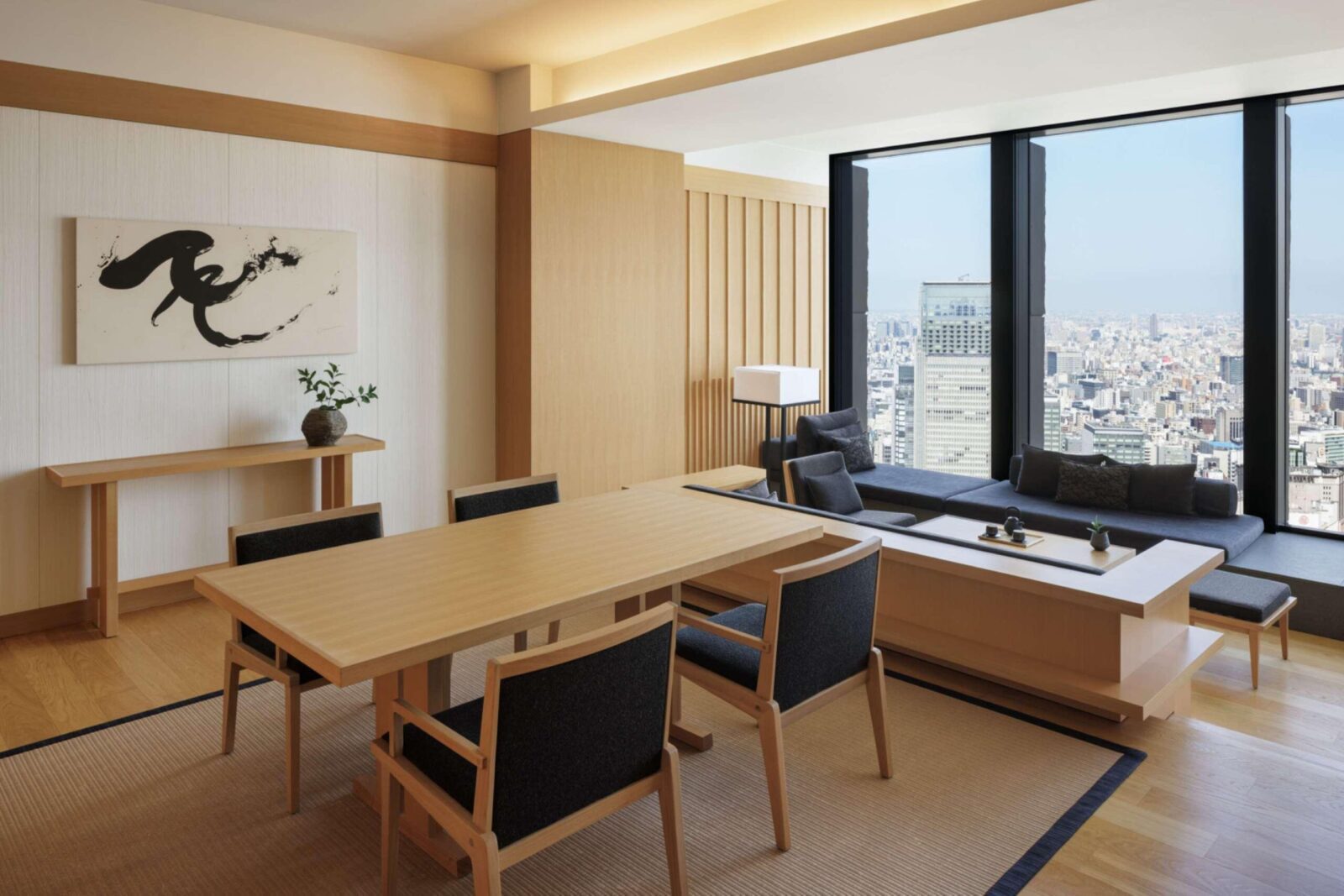
Tokyo’s rental market operates differently than most Western cities, and understanding the infamous “key money” system—where tenants pay non-refundable fees of one to two months’ rent just for the privilege of signing a lease—can save newcomers from serious sticker shock.
For those who’d rather skip this complicated traditional process, furnished apartments (known as “monthly mansions”) and share houses offer move-in-ready alternatives without the hefty upfront costs that can total six months’ rent or more.
Extended stay hotels provide the ultimate flexibility with daily housekeeping and no commitment, but they’ll cost you considerably more per month than either furnished apartments or share houses in exchange for that hotel-style convenience.
Navigating Japan’s Unique Rental Market and Key Money System
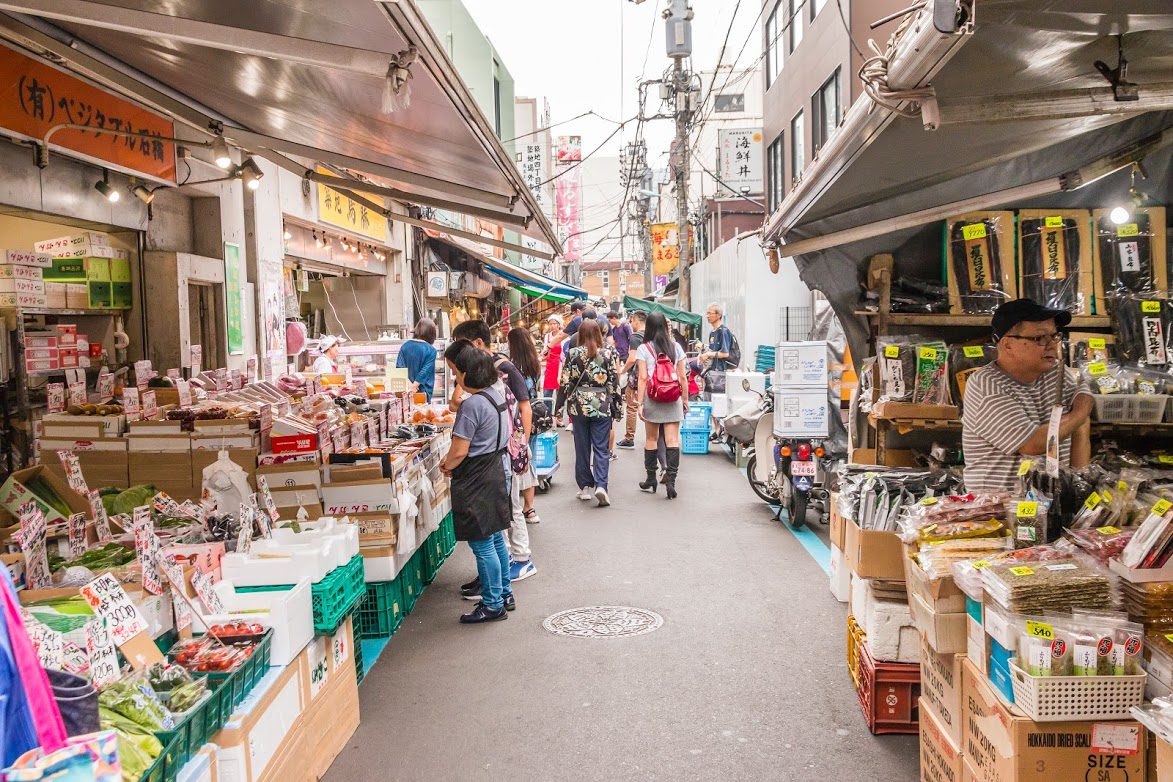
How does anyone make sense of Japan’s rental system when it feels like you need a PhD in Japanese real estate just to understand the fees?
Here’s the deal: traditional apartments demand key money (non-refundable gift to landlords), security deposits, and agent fees totaling 4-6 months’ rent upfront.
Ouch!
Monthly rentals skip this madness entirely—no rent control means flexibility rules here, letting you bounce whenever adventure calls!
Furnished Apartments and Share Houses for Flexible Living
Because furnished apartments and share houses eliminate the furniture-hunting nightmare, they’ve become the go-to choice for foreigners wanting to actually enjoy Tokyo instead of spending weekends at IKEA.
Furnished apartments offer total privacy and kitchen access—perfect for cooking freedom!
Share houses deliver instant community and dirt-cheap rent.
Both skip those brutal upfront costs traditional rentals demand.
Your wallet (and sanity) will thank you!
Mastering Tokyo’s Transportation for Monthly Savings
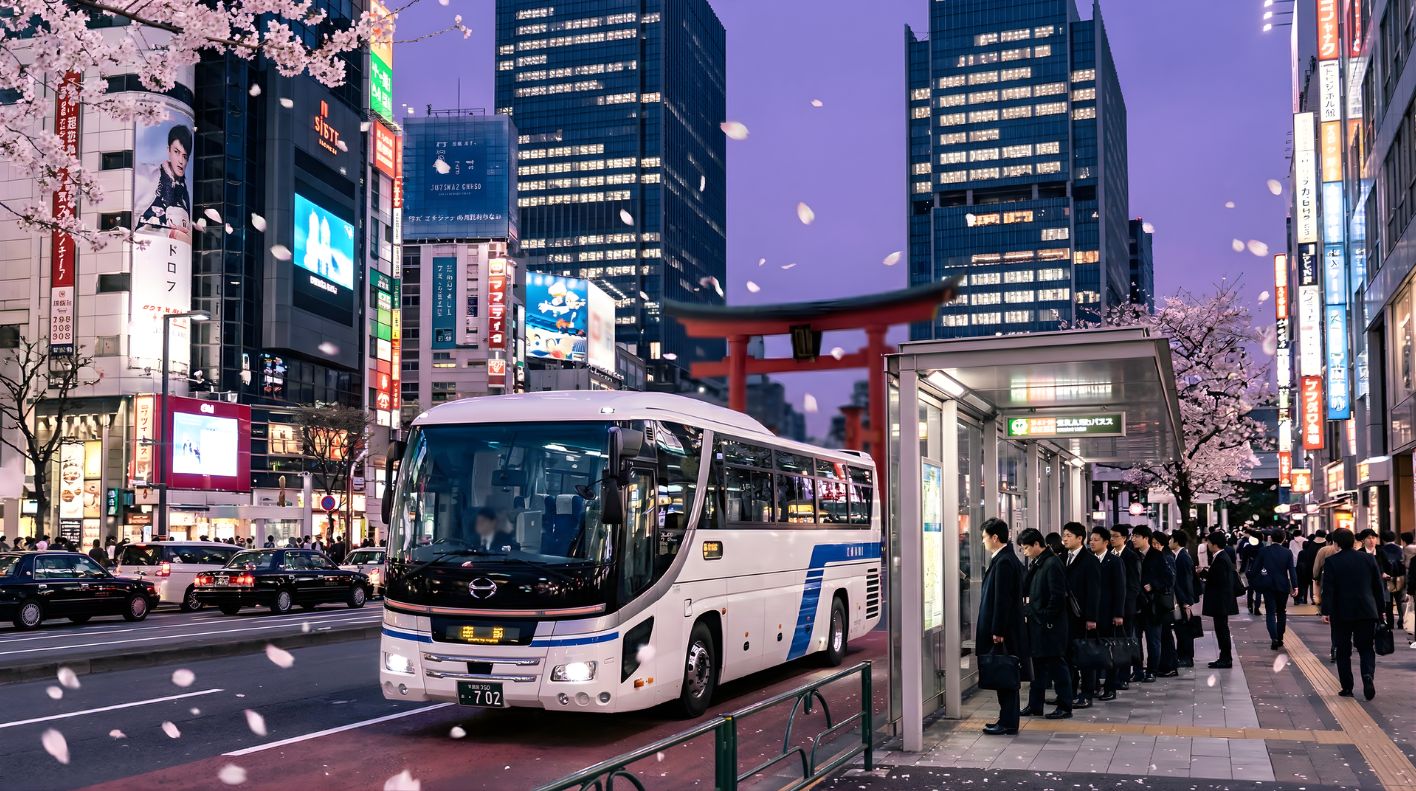
Getting around Tokyo doesn’t have to drain your monthly budget—in fact, the city’s transportation system offers some seriously smart ways to save money if you know the tricks!
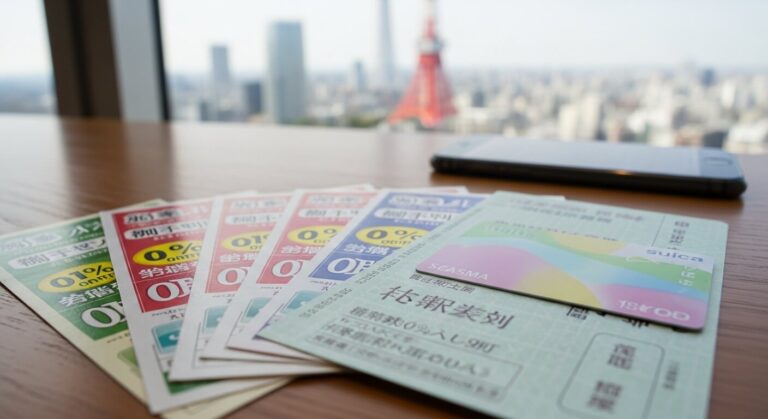
Monthly commuter passes (called teikiken) can cut your train costs by half or more when you’re taking the same route regularly, and here’s the best part: many employers will reimburse you for these passes.
But before you commit to any rail pass, consider this—Tokyo is incredibly walkable and bike-friendly, and sometimes the cheapest transportation is simply using your own two feet or wheels to get around your neighborhood.
Monthly Commuter Passes That Actually Save You Money
While buying individual train tickets might seem simpler at first, Tokyo residents who master IC card strategies and understand route optimization can slash their monthly transportation costs by hundreds of dollars—and trust me, that adds up fast!
Your rechargeable Suica or Pasmo card isn’t just a convenient tap-and-go payment method; it automatically calculates the cheapest route between stations and offers small discounts that single tickets don’t provide.
For long-term residents who’ve given up on the tourist-focused JR Pass, there are actually better alternatives that work month after month, keeping your commute affordable without the hassle of calculating fares every single day.
IC Card Strategies and Route Optimization Techniques
How much money slips through the turnstiles each month because commuters haven’t figured out the smartest way to use their IC cards?
Route planning means choosing transfers wisely—sometimes one extra stop saves ¥200 daily!
IC card benefits open serious savings:
- Auto-charge settings prevent rushed, expensive ticket purchases
- Off-peak discounts on certain routes (check your provider!)
- Transfer bonuses between compatible lines
Trust me, mastering these strategies transforms monthly budgets.
JR Pass Alternatives for Long-Term Residents
When do visitors’ JR Passes stop making sense for someone actually living in Tokyo? The moment you settle into regular routes!
Rent a Car
Get ready for the adventure of a lifetime in Tokyo with a personalized rental car tailored to your needs.
 DiscoverCars
 RentalCars
 Trip.com
Here’s the freedom hack: monthly commuter passes (teikiken) slash costs by 50% compared to daily fares. These travel discounts cover unlimited trips between two stations—perfect for work commutes.
Smart commuting tips? Choose stations strategically to maximize coverage across neighborhoods you’ll explore!
Bicycle Culture and Walking Your Way to Savings
Beyond trains and buses, Tokyo transforms into an incredibly different city when you slow down on two wheels or your own two feet!
Bike rental programs like Docomo’s red cycles dot the streets for around ¥165 per 30 minutes.
While purchasing a decent “mamachari” (those classic Japanese city bikes with baskets) runs just ¥15,000-30,000 and pays for itself in weeks compared to train passes.
Walking reveals Tokyo’s secret pedestrian networks—those covered shopping arcades, temple shortcuts, and underground passageways that turn a “20-minute train ride” into a pleasant 25-minute stroll that costs absolutely nothing.
Bike Rental Programs and Purchase Options
Tokyo’s bicycle rental programs come in two distinct flavors: short-term tourist-focused services and monthly resident memberships that can slash transportation costs dramatically.
Monthly plans typically run ¥2,000-4,000—cheaper than a single weekly train pass!
Key considerations when choosing:
- Bike maintenance is usually included in monthly memberships
- Rental insurance protects against theft and accidents
- Purchase options start around ¥15,000 for solid used bikes
Freedom on two wheels beats cramped trains any day!
Discovering Tokyo’s Hidden Pedestrian Networks
How much money could a 20-minute walk save each month compared to hopping on the train? Trust me, those ¥200 fares add up fast!
Tokyo’s pedestrian pathways connect neighborhoods in surprising ways, turning necessary trips into freedom-filled urban strolls.
Download a mapping app, lace up comfortable shoes, and discover shortcuts between stations that’ll keep cash in your pocket while exploring hidden gems!
Eating Like a Local While Watching Your Wallet
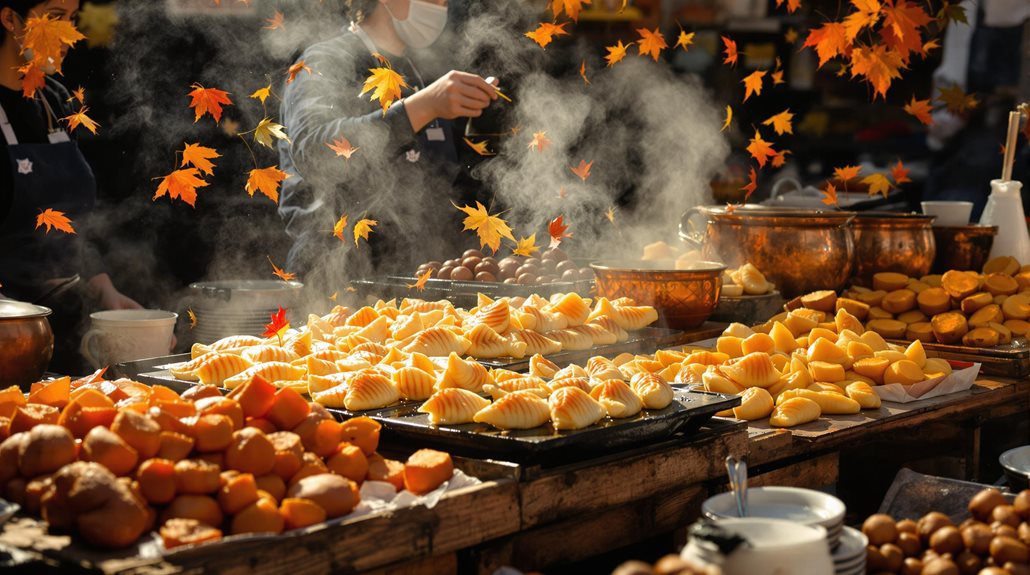
Food expenses can make or break a monthly budget in Tokyo, but here’s the good news—eating well doesn’t require emptying your wallet!
The secret lies in knowing when to hit the supermarkets (hint: timing is everything), understanding which prepared foods offer the best bang for your yen, and figuring out when cooking at home actually saves you money versus grabbing that ¥500 bento from the convenience store.
Trust me, once you crack the code on Tokyo’s food scene, you’ll eat like royalty while your bank account stays healthy!
Supermarket Shopping Strategies and Timing Tricks
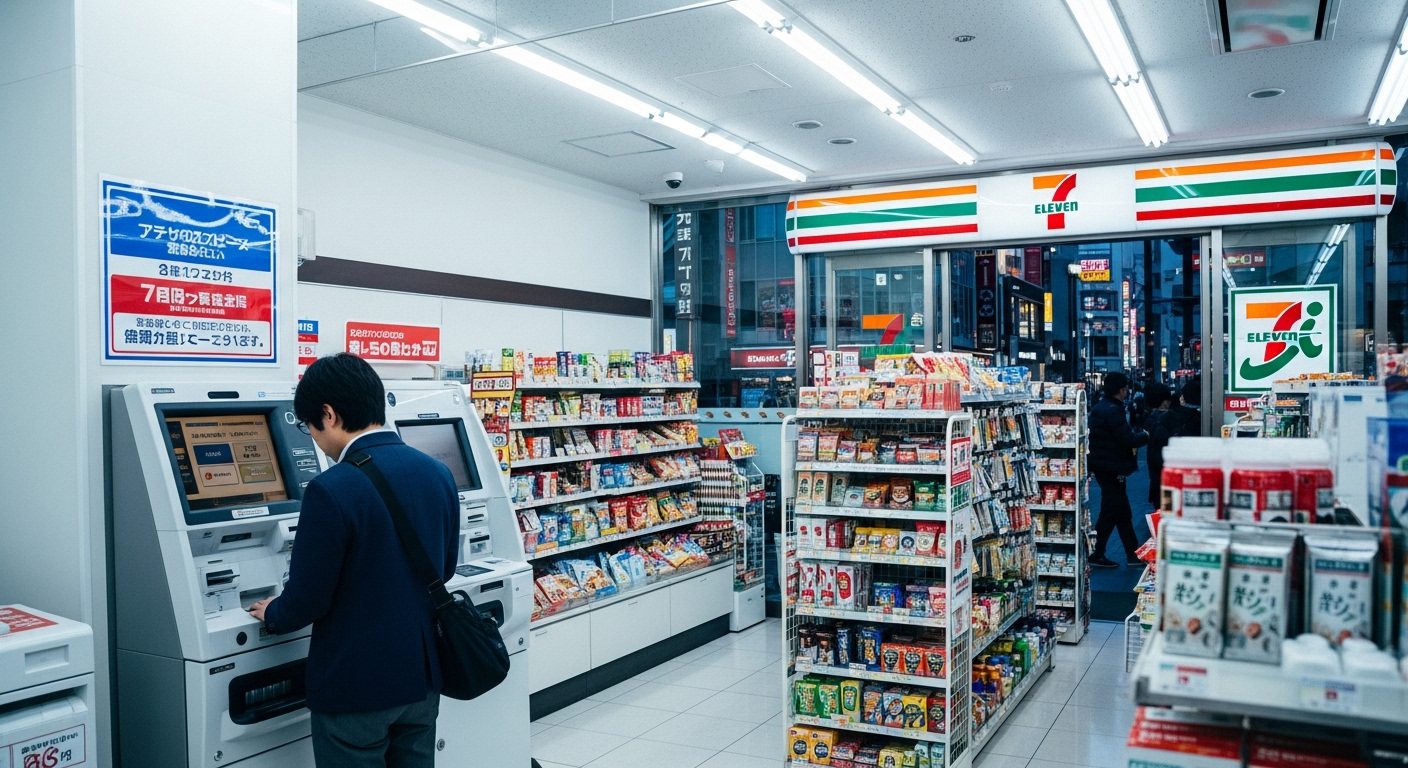
Mastering the rhythm of Japanese supermarkets can slash grocery bills by 30-50% without sacrificing quality—and honestly, it’s kind of fun once you crack the code!
The secret weapon is timing: most stores mark down fresh items (bento boxes, sashimi, prepared foods) around 7-8 PM, slapping bright yellow わけあり (wakeari, “reduced price”) or 半額 (hangaku, “half off”) stickers on perfectly good food that just needs to be eaten that night.
Learning to read those colorful seasonal price tags and understanding Japan’s obsession with shun (旬)—peak seasonal produce—means scoring premium strawberries in spring or matsutake mushrooms in fall at reasonable prices instead of eye-watering ones.
Best Times to Shop for Discounted Fresh Foods
When should savvy shoppers hit the supermarket to score the best deals on fresh food? Strategic timing transforms grocery budgets!
Evening hours—typically after 7 PM—bring heavy markdown stickers on bento boxes, sashimi, and prepared items nearing expiration.
Smart seasonal shopping strategies:
- Winter citrus bonanzas mean discounted produce galore
- End-of-day visits score 30-50% off premium items
- Rainy weekdays feature fewer crowds and better selection
Trust me, these timing tricks maximize freedom while minimizing expenses!
Understanding Japanese Food Labels and Seasonal Pricing
Exploring a Japanese supermarket without reading skills feels like playing grocery roulette—grabbing mystery packages and hoping for the best!
Learning basic Japanese food labels opens serious savings. Look for 割引 (waribiki—discount) stickers and seasonal pricing patterns.
Summer brings cheap cucumbers and tomatoes; winter means affordable daikon and cabbage.
Download a translation app, screenshot common labels, and watch your grocery budget shrink while eating like a local!
Cooking at Home vs Affordable Restaurant Options
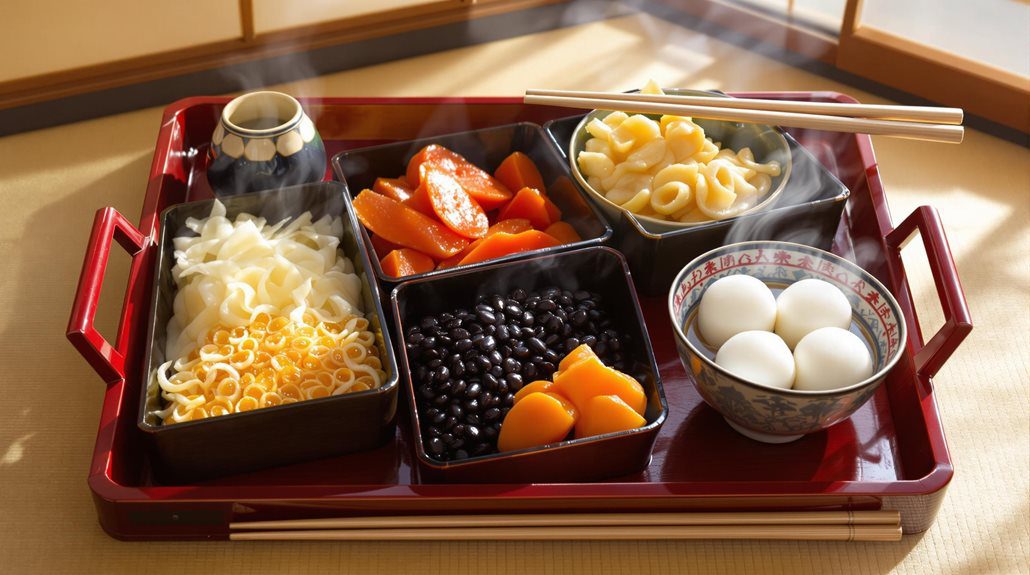
Tokyo apartments might be tiny, but that doesn’t mean residents can’t cook up something delicious—the key is knowing which kitchen tools actually earn their counter space in a shoebox-sized kitchen.
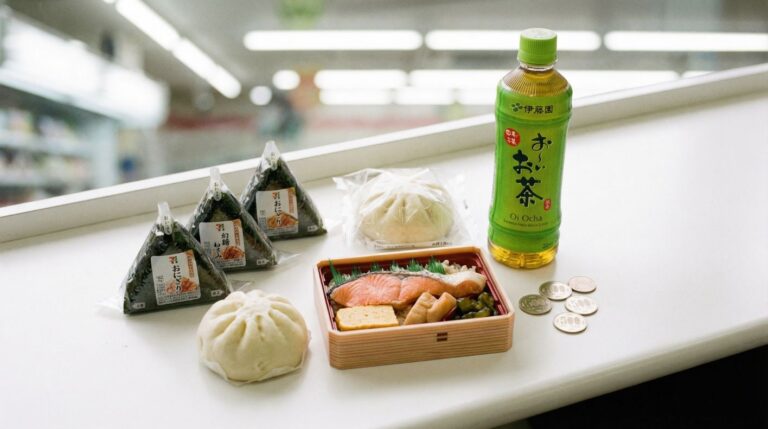
Bento boxes aren’t just adorable lunch containers; they’re actually a strategic way to portion control, save money, and make yesterday’s dinner look like a deliberate meal plan (even when it totally wasn’t).
And here’s something that surprises newcomers: convenience stores like 7-Eleven and Lawson have transformed into legitimate meal-planning allies, offering everything from protein-packed salads to microwaveable rice bowls that won’t destroy your budget or your taste buds!
Essential Kitchen Tools for Small Tokyo Apartments
How does anyone cook proper meals in a kitchen that’s barely bigger than a closet? Trust me, the right kitchen gadgets make all the difference!
Smart storage solutions transform cramped spaces into functional cooking zones.
Essential tools include:
- Multi-purpose rice cooker (cooks everything from soup to steamed vegetables)
- Compact cutting board that fits over your sink
- Nesting bowls and collapsible colanders
These maximize counter space while keeping you cooking-independent!
Bento Culture and Convenience Store Meal Planning
Even with those perfect kitchen tools ready to go, there’s another food strategy that locals swear by—one that requires zero cooking skills and costs less than you’d spend on groceries.
Welcome to bento culture! Tokyo’s convenience store meals are ridiculously good—we’re talking fresh rice bowls, seasonal vegetables, and balanced nutrition for ¥400-600.
Trust me, 7-Eleven isn’t what you remember from home!
Healthcare and Daily Necessities on a Monthly Budget
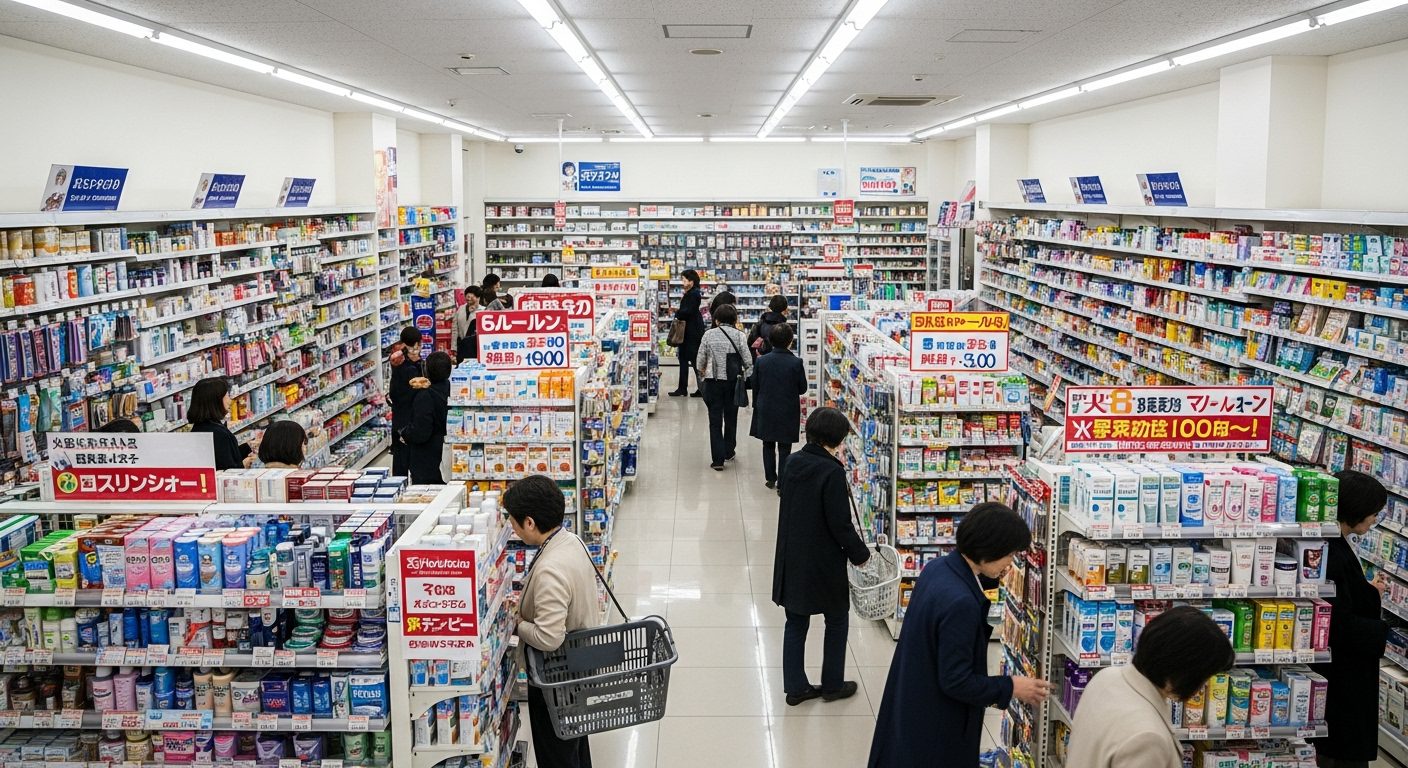
Beyond filling your belly, Tokyo living means keeping yourself healthy and stocked with everyday essentials—and trust me, the costs can sneak up on you if you’re not prepared!
Japan’s healthcare system works differently than what most visitors expect, but once you crack the code, it’s actually pretty affordable (especially compared to some countries).
Shopping for toiletries and household basics requires a bit of strategy too, since prices vary wildly depending on where you go—a bottle of shampoo at a convenience store might cost double what you’d pay at a drugstore just two blocks away!
Navigating Japan’s Healthcare System as a Visitor
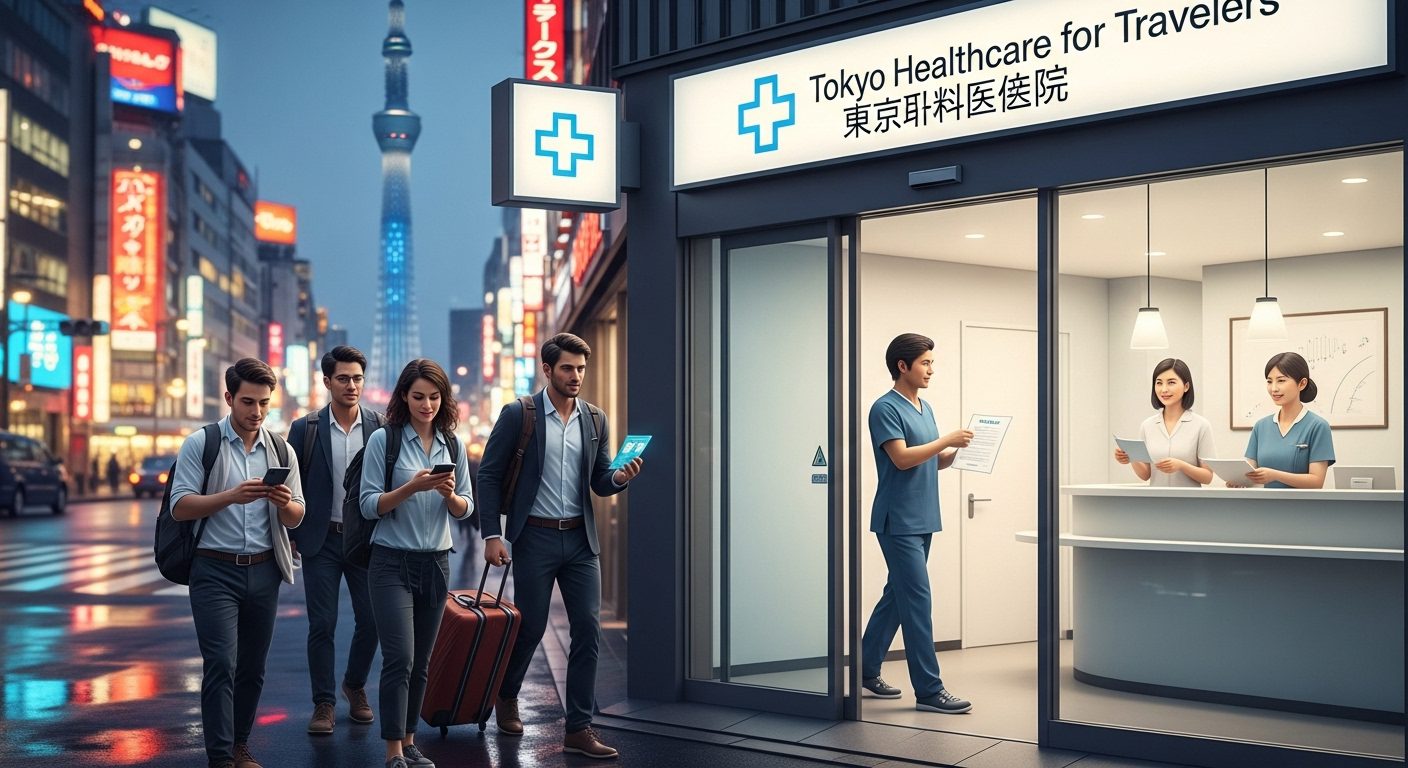
Getting sick or injured while living in Tokyo for a month brings up an important question: should visitors stick with tourist medical insurance or explore Japan’s national health options?
The good news is that Tokyo has excellent healthcare facilities, and many clinics now employ English-speaking doctors or provide interpreter services—though knowing where to find them ahead of time saves a lot of stress!
Understanding your insurance coverage and locating the right medical resources before you need them means you can focus on enjoying your stay instead of frantically googling “English doctor near me” while running a fever.
Tourist Medical Insurance vs National Health Options
Healthcare costs can make or break a monthly budget in Tokyo, and choosing between tourist medical insurance and Japan’s National Health Insurance (NHI) isn’t just about saving yen—it’s about knowing what you’re actually covered for when you need it most.
Here’s the real deal on medication coverage and emergency services:
- Tourist insurance typically covers emergency services immediately but often excludes pre-existing conditions.
- NHI slashes costs by 70% but requires three-month residency.
- Prescription medications get covered differently—tourist plans vary wildly while NHI covers most standard meds.
Finding English-Speaking Doctors and Clinics
Where does someone even start looking for a doctor who speaks English in a city of 14 million people where only about 30% of the population has basic English skills?
Also read: Useful Japanese Travel Phrases to Know Before Traveling to Tokyo
The JMIP (Japan Medical Information Project) directory lists certified clinics!
Most accept foreign health insurance, and many offer medical translation services.
Tokyo Medical and Surgical Clinic and Tokyo Midtown Clinic are popular choices for English speakers seeking freedom from language barriers.
Shopping Smart for Toiletries and Household Items
Tokyo’s famous 100-yen stores like Daiso, Seria, and Can Do are absolute game-changers for budget living—imagine getting quality toiletries, cleaning supplies, and kitchen gadgets all for roughly one dollar each!
While bulk buying sounds smart (and it often is), Tokyo apartments typically offer closet space measured in cubic centimeters rather than feet, so residents need creative strategies to stock up without turning their homes into warehouses.
The secret is knowing which items are worth hoarding when you find them on sale at discount chains like Don Quijote or Matsumoto Kiyoshi, and which ones you should just grab as needed from your neighborhood konbini.
100-Yen Stores and Discount Chain Strategies
How can anyone resist the siren call of Japan’s famous 100-yen shops? Daiso, Seria, and Can Do deliver incredible yen store savings that’ll make your wallet sing!
Stock up on quality basics without the premium price tags.
Smart discount chain strategies include:
- Comparison shopping between chains for best deals
- Timing visits during new product launches
- Buying multipacks at drug stores like Matsumoto Kiyoshi
Trust me, these tactics maximize every precious yen!
Bulk Buying Options in Space-Limited Living
Living in a compact Tokyo apartment doesn’t mean sacrificing the cost savings of bulk shopping—it just requires some creative thinking!
Invest in space saving storage like under-bed containers and vertical organizers. Partner with neighbors to split mega-packs of toilet paper and cleaning supplies.
Trust me, your wallet will thank you!
Store seasonal items at coin lockers temporarily, rotating stock as needed for ultimate freedom.
Entertainment and Culture Without the Tourist Price Tag
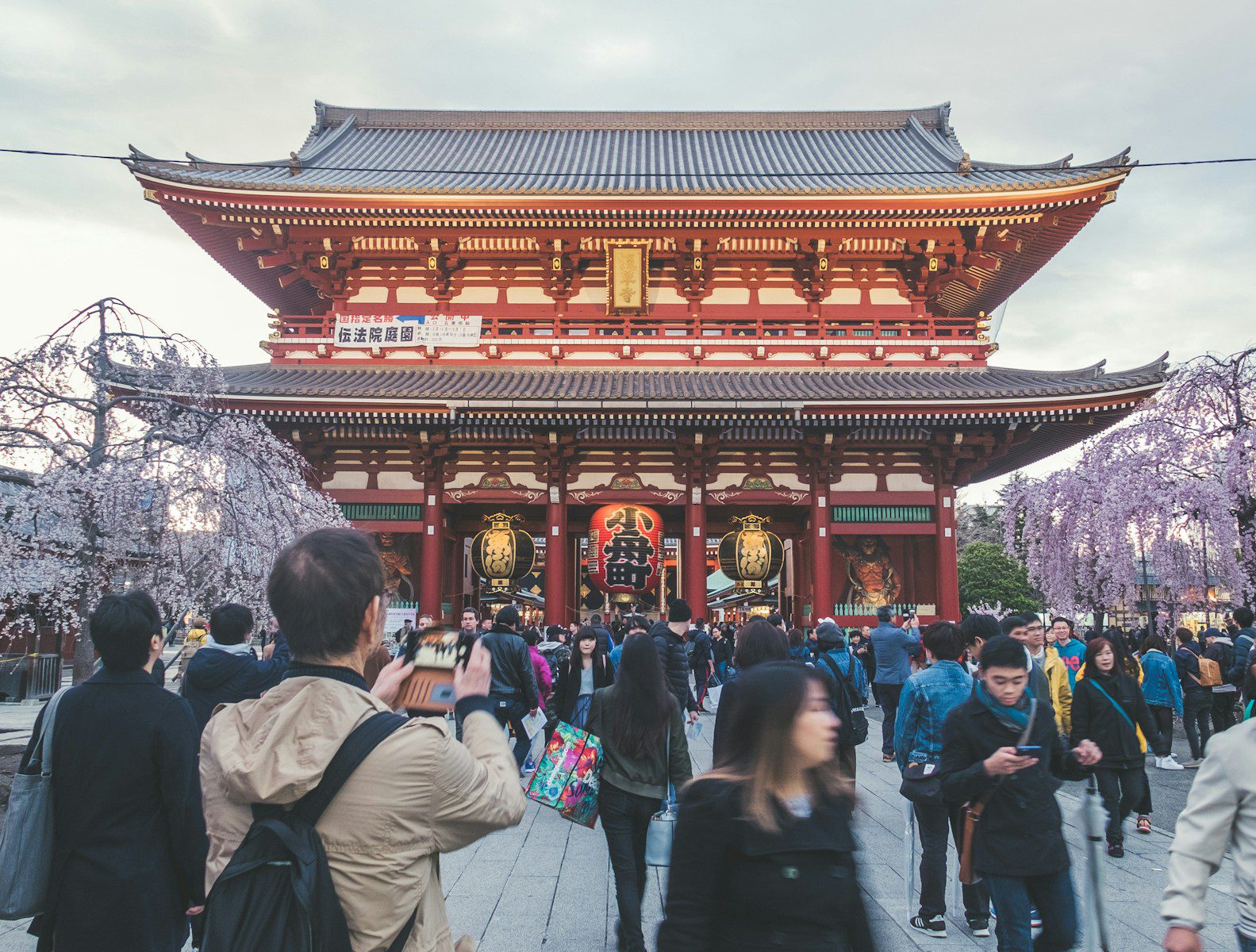
Tokyo residents quickly discover that the city’s best entertainment often costs little to nothing—you just need to know where the locals go instead of where the tour buses stop.
Free museum days, neighborhood festivals (matsuri), and public parks offer authentic cultural experiences that blow expensive tourist attractions out of the water, trust me!
Beyond saving money, joining community circles, language exchange meetups, and local hobby groups creates a social network that opens doors to insider knowledge about cheap eats, discount tickets, and events that never make it onto English tourism websites.
Free and Low-Cost Cultural Experiences
Tokyo’s cultural scene offers countless ways to experience authentic Japanese life without spending a fortune—or sometimes without spending anything at all!
From wandering through ancient temple grounds and catching spontaneous matsuri (festivals) in local neighborhoods to timing your museum visits with free admission days, the city rewards curious explorers who know when and where to look.
Trust me, some of the most memorable Tokyo moments happen at community events where you’re the only foreigner in sight, surrounded by locals celebrating everything from cherry blossoms to neighborhood traditions that have lasted centuries.
Temple Visits, Parks, and Seasonal Festivals
Why spend a fortune on entertainment when some of Tokyo’s most memorable cultural experiences won’t cost you a single yen?
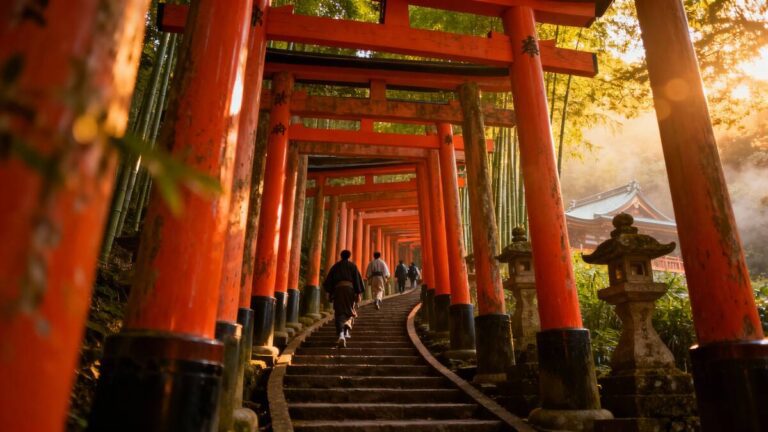
Temple visits offer serene escapes (Sensoji in Asakusa is stunning!), while parks like Yoyogi provide free picnic spots year-round.
Seasonal festivals burst with energy and tradition—trust me, they’re absolute game-changers.
Free cultural highlights:
- Cherry blossom viewing at Ueno Park
- Summer matsuri street festivals
- Autumn temple illuminations
Museum Free Days and Community Events
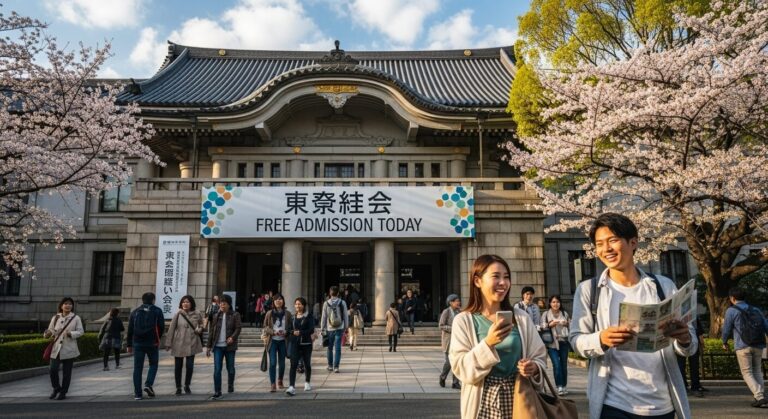
How can anyone resist free museum admission when major institutions regularly throw open their doors at zero cost? Tokyo’s National Museum waives fees on select days—check their calendar!
Community art galleries in neighborhoods like Shimokitazawa showcase local talent without charging a yen.
Local festivals pop up monthly, offering everything from traditional performances to modern installations.
Your wallet stays happy while your cultural appetite gets completely satisfied!
Building Social Connections That Save Money
The secret weapon for affordable entertainment in Tokyo isn’t a discount app—it’s the people you meet!
Language exchange meetups and volunteer groups offer free social activities while connecting you with locals who know where the best deals are (plus, you’ll actually practice Japanese instead of just staring at textbooks).
Sports clubs and hobby communities charge minimal membership fees compared to Western countries, and they’re goldmines for discovering neighborhood festivals, cheap eats, and that magical insider knowledge that transforms you from a budget-conscious foreigner into someone who lives like a savvy Tokyoite.
Language Exchange Groups and Volunteer Opportunities
Living in Tokyo doesn’t mean one has to spend a fortune on entertainment when some of the city’s best cultural experiences come completely free—and they’ll actually teach residents something valuable in the process!
Language exchange meetups and volunteer opportunities offer incredible ways to:
- Practice Japanese while making genuine friendships
- Access insider knowledge about local neighborhoods
- Build community connections that lead to future opportunities
These activities transform budget constraints into networking goldmines!
Local Sports Clubs and Hobby Communities
Joining a local sports club or hobby community in Tokyo slashes entertainment costs while simultaneously solving one of expat life’s biggest challenges—loneliness!
Local sports leagues charge minimal monthly fees (often ¥2,000-5,000) compared to tourist activities. Hobby communities like photography groups, calligraphy circles, or running clubs typically meet free or super cheap.
You’ll make genuine friends who share insider knowledge about affordable Tokyo living!
Managing Money and Staying Connected
Living in Tokyo for a month means you’ll need practical ways to access your money without getting hit with brutal ATM fees, plus reliable internet that doesn’t cost as much as your rent!
The good news is that Japan has caught up with the rest of the world when it comes to foreigner-friendly banking options and surprisingly affordable mobile plans—you just need to know where to look.
Let’s break down the smartest solutions for keeping your wallet happy and your Instagram feed updated throughout your extended Tokyo adventure.
Banking Solutions for Extended Tokyo Stays
Managing money in Tokyo means understanding one vital reality: Japan still runs on cash way more than most visitors expect, even though the city is pushing hard into digital payments!
You’ll need a solid game plan for accessing yen through ATMs that actually accept foreign cards (hint: convenience stores are your best friend here, especially 7-Eleven).
Plus, you’ll want to get smart about the growing ecosystem of mobile payment apps like PayPay and Suica cards that are transforming how locals handle daily transactions.
Figuring out this cash-meets-digital hybrid system during your first week will save you from those awkward moments of standing at a ramen counter that only accepts exact change or watching everyone else breeze through train gates while you fumble with paper tickets.
Cash Culture Navigation and ATM Access Points
Despite Japan’s reputation as a tech-forward nation, Tokyo runs on cold, hard cash in ways that might surprise first-time visitors. Many restaurants, shops, and even some hotels don’t accept cards—trust me, you’ll need yen!
For cash withdrawal success, seek out these reliable atm locations:
- 7-Eleven convenience stores (24/7 access, English menus)
- Japan Post Bank (foreigner-friendly cards accepted)
- Major train stations (multiple ATMs clustered together)
Mobile Payment Apps and Prepaid Card Systems
While cash still dominates Tokyo’s payment landscape, the city has quietly built one of the world’s most sophisticated cashless ecosystems—you just need to know which systems actually work for foreigners.
Suica and Pasmo cards reign supreme for transit and convenience stores, while PayPay accepts international cards with solid mobile app security. These tools transform cash budgeting from spreadsheet nightmare to tap-and-track simplicity!
Communication and Internet on a Budget
Staying connected in Tokyo doesn’t require draining your bank account, trust me! Mobile data can be tackled through affordable prepaid SIM cards (those little chips that give your phone service) from providers like IIJmio or LINEMO.
While pocket WiFi devices offer an alternative if you’re juggling multiple devices or traveling with friends who split the cost.
The best part? Tokyo’s free WiFi game is actually pretty strong, with thousands of hotspots scattered across convenience stores, train stations, and public spaces—though you’ll want your own connection for anything beyond checking maps and basic browsing.
SIM Card Options and Pocket WiFi Alternatives
How does someone navigate Tokyo’s maze of mobile data options without accidentally signing up for a two-year contract they can’t read? Short-term visitors should grab tourist SIM card plans at airport kiosks or electronics stores—no commitment required!
Consider these pocket wifi options:
- Rental devices from airport counters
- Monthly unlimited plans through providers like Sakura Mobile
- Prepaid data SIMs from convenience stores
Trust me, freedom means staying connected your way!
Free WiFi Networks Throughout the City
Where can budget-conscious visitors find reliable internet without spending a yen? Tokyo’s public wifi blankets convenience stores, subway stations, and major shopping districts—just look for “Free_WiFi” networks!
Train stations offer hotspot sharing through JR-EAST_FREE_Wi-Fi (registration required, but totally worth it).
Cafés like Starbucks and McDonald’s provide unlimited access.
Pro tip: download Japan Connected-free Wi-Fi app before arrival—it’s your golden ticket to staying connected everywhere!
Wrapping Up
Living in Tokyo long-term doesn’t require a fortune—just smart choices and local know-how.
By finding the right neighborhood, by mastering the train system, by eating where salarymen eat, visitors can stretch their yen surprisingly far.
The key? Think like a resident, not a tourist!
Skip the gimmicks, embrace the convenience stores, and remember that Tokyo rewards those who dig deeper. Monthly living here becomes not just affordable, but absolutely unforgettable.