
Sangūbashi Park
Small neighborhood park in Yoyogi, Shibuya, known for its appearance in the anime "5 Centimeters per Second" and serving as a local green space near Yoyogi Park.
 Book Experience Now!
 Trip.com
 GetYourGuide
Overview
Sangūbashi Park is a small local park in the Yoyogi area of Shibuya that most tourists walk right past on their way to the much larger and more famous Yoyogi Park just down the street. Unless you’re a fan of Makoto Shinkai’s anime “5 Centimeters per Second,” you probably haven’t heard of this place—and that’s exactly what makes it charming.
The park gained recognition among anime fans after appearing in the film’s opening scenes, particularly the slope with cherry trees that’s depicted during the “Cherry Blossom” chapter, though if you visit expecting an exact replica of the anime scenery, you’ll be slightly disappointed since there aren’t actually cherry trees on the concrete wall shown in the film. What does exist is a functional neighborhood park with a spacious lawn, playground equipment for kids, and that peaceful “local Tokyo” atmosphere where residents actually use the space for daily activities rather than posing for Instagram.
The park sits just a short walk from Sangubashi Station on the Odakyu Odawara Line, placing it in that sweet spot between tourist chaos (Harajuku, Shibuya, Shinjuku) and genuine residential Tokyo where normal life happens. You’re looking at maybe 10-15 minutes of wandering through a pleasant green space with seasonal flowers, a playground, open grass areas, and the kind of benches where elderly residents read newspapers and parents supervise kids—nothing spectacular, but sometimes that’s exactly what you need between major Tokyo attractions.
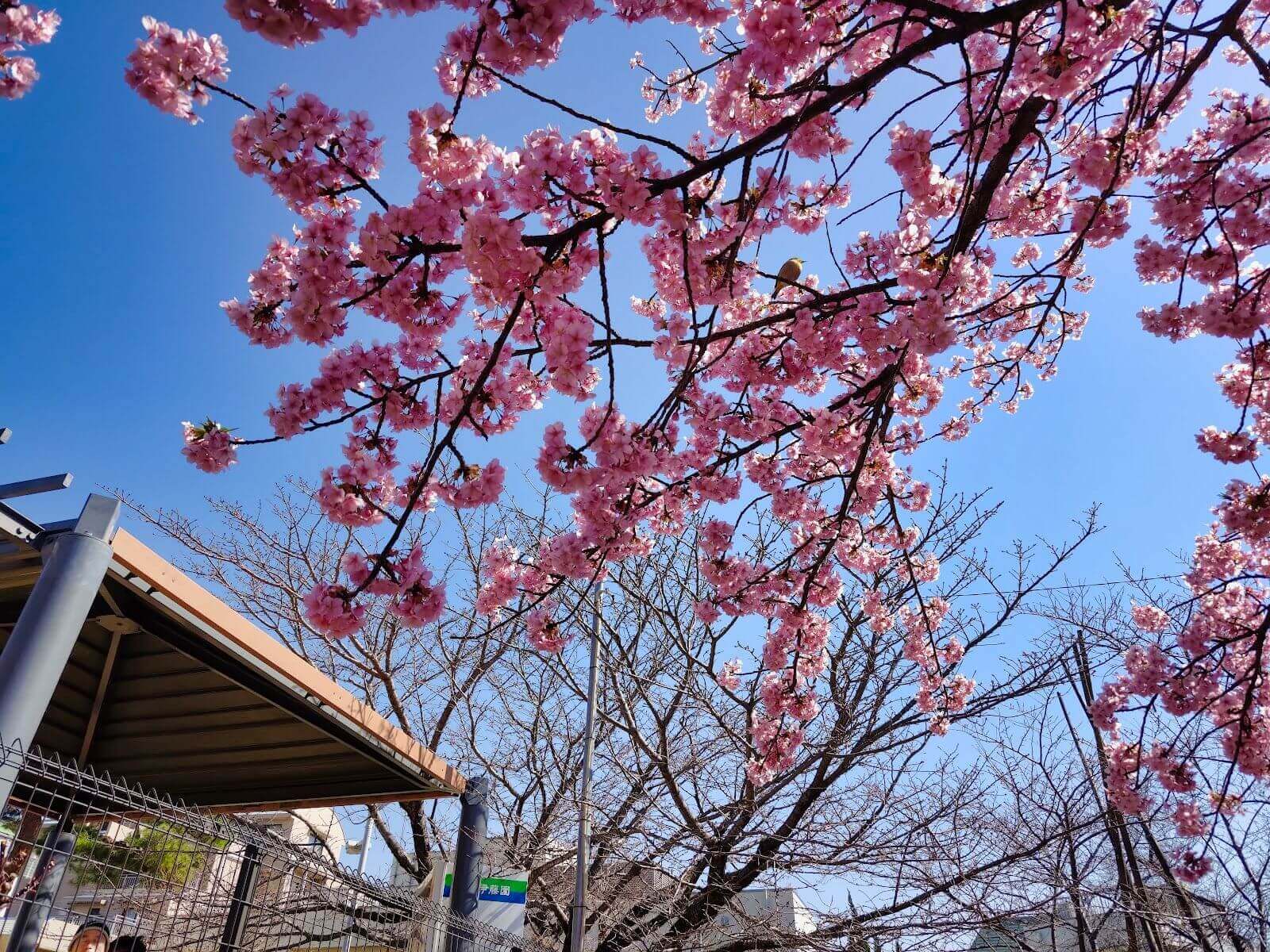
The park does have cherry trees near its entrance that bloom beautifully in spring, creating that romantic scenery the anime captured, even if the specific wall location differs from the film.
Sangūbashi Park: An Anime Pilgrimage to Tokyo’s Quiet Yoyogi Corner
Standing on that modest slope near Sangubashi Station, you’re walking through animation.
The cherry trees bloom around you—timing depending on late March or early April’s finicky schedule—and Makoto Shinkai’s “5 Centimeters per Second” suddenly stops being pixels on a screen.
Sangūbashi Park occupies just 4-4-1 Yoyogi in Tokyo’s Shibuya ward, sitting as a small, unassuming neighborhood green space that somehow contains one of anime pilgrimage’s most emotionally resonant locations.
The park itself lacks dramatic landscaping or tourist infrastructure, but what it offers instead is authenticity: the actual place where a beloved film’s opening moments took visual root, now available for anyone willing to take a 3-minute walk from Sangubashi Station on the Odakyu Odawara Line.
Most first-time visitors arrive expecting something more substantial.
The park won’t overwhelm you with size, features, or manicured grandeur—it’s a functional local space where residents walk dogs, children play on standard equipment, and elderly folks enjoy morning routines on weathered benches.
Built in 2006 on what was once metropolitan housing, Sangūbashi Park serves its neighborhood faithfully without pretension.
Also read:
- Tokyo Ramen Shop Etiquette: Ordering, Eating & Paying
- Tokyo Free Walking Tour Routes: Self-Guided Budget Adventures
- Useful Japanese Travel Phrases to Know Before Traveling to Tokyo
- Tokyo Power Outlets and Voltage: Smart Electronics Tips for Travelers
- Tokyo Autumn Leaves Calendar: Peak Viewing Times
- Tokyo Sakura Forecast: Cherry Blossom Predictions & Updates
The anime connection transformed it from anonymous to meaningful, turning a quiet Yoyogi corner into a destination for fans seeking connection between fictional emotion and physical geography.
Visiting Sangūbashi Park: Where Makoto Shinkai’s Anime Becomes Real Tokyo
Sangūbashi Park operates as precisely what its name suggests: a neighborhood park providing essential green space and recreational facilities for the surrounding residential area.
The grounds feature spacious lawn sections, standard playground equipment, walking paths winding through modest landscaping, and scattered benches positioned for people-watching or brief respites.
Cherry trees cluster near the entrance, providing seasonal color during spring bloom when pink petals create that Instagram-friendly aesthetic.
The park’s actual fame stems from one specific scene in one specific anime, yet that connection carries surprising weight for fans of Makoto Shinkai’s work.
The slope leading upward from Sangubashi Station toward the park’s northwest corner, framed by concrete walls and punctuated by cherry blossoms, appears in the film’s opening “Cherry Blossom” chapter—those breathtaking moments establishing childhood memories between main characters Takaki and Akari before distance and time separate them permanently.
For audiences who experienced that film’s emotional devastation, standing on that actual slope creates a strange, powerful collision between animated artistry and lived geography.
Here’s where careful expectations matter most: the cherry trees in Shinkai’s animation appear to grow directly against the concrete wall at the slope’s upper corner, creating that iconic image of nature and urban infrastructure merging in hyperdetailed beauty.
The real trees don’t quite match that specific composition—they’re positioned around the park entrance rather than directly on the depicted wall.
The slope itself remains unchanged, the concrete still there, the residential quiet exactly as filmed.
During cherry blossom season the visual similarity increases substantially, but any direct comparison requires mental adjustment and selective framing.
What does transfer perfectly from screen to sidewalk is the emotional atmosphere.
Also read:
That quiet residential feeling where Takaki and Akari’s childhood memories make narrative sense remains intact, unchanged by infrastructure alterations or seasonal variations.
The Emotional Weight of Fictional Locations
“5 Centimeters per Second” uses Sangūbashi Park strategically—not as elaborate backdrop but as essential emotional anchor.
The film’s three-part structure spans years and distances, beginning with this slope where two elementary school children walk together during cherry blossom season, unaware their closeness is temporary.
Shinkai renders every detail with obsessive precision: light filtering through blossoms, concrete textures, the specific angle of that upward path, Akari’s red backpack, falling petals creating visual rhythm.
Standing where those scenes were filmed, even without perfect recreation of every detail, allows viewers to inhabit the film’s emotional geography.
This is where their connection begins, where the film’s entire tragedy roots itself in an actual Tokyo location.
For fans, the pilgrimage carries meaning beyond Instagram opportunities—it’s touching the physical world where fictional heartbreak was anchored.
Visitors arriving without prior film experience perceive simply a pleasant small park in a quiet neighborhood.
Visitors arriving after emotional connection to the film perceive something more charged: a location where memory and loss became visual poetry, now available for personal reflection and recreation.
Location and Practical Navigation
Sangūbashi Park occupies a specific geographic niche within Tokyo’s complex topography: situated in the residential Yoyogi area of Shibuya City, tucked between tourist-dense Harajuku and the expansive green corridors of Yoyogi Park proper.
The park’s precise address—4-4-1 Yoyogi, Tokyo 151-0053—places it approximately 3 minutes walk from Sangubashi Station on the Odakyu Odawara Line, or roughly 6-9 minutes from Yoyogi-Koen Station serving Tokyo Metro’s Chiyoda Line if approaching from different directions.
The Odakyu line connects directly to Shinjuku, placing major Tokyo transit hubs within 10-15 minutes of the park.
This convenient positioning makes Sangūbashi Park surprisingly accessible despite being neighborhood-scale rather than famous-attraction-scale.
Most visitors discover they can reach the location through multiple route combinations depending on their larger Tokyo itinerary, with several stations and line connections providing flexibility.
Using GPS coordinates 35.6764, 139.6914 or simply searching “Sangubashi Park” in your phone’s mapping application suffices for navigation.
Once you emerge from Sangubashi Station, follow directional signs or your map toward the park—the neighborhood streets are quiet and clearly marked, making wrong turns unlikely.
The walk from the station takes you through residential streets showing Tokyo as locals experience it rather than as tour guides present it.
Strategic Routing from Yoyogi Park
The larger Yoyogi Park (encompassing 133 acres with sprawling lawns, ponds, weekend street performers, and recreational facilities) sits on Sangūbashi Park’s southern boundary, creating natural routing possibilities for visitors exploring the area.
Walking between the two parks takes roughly 10-15 minutes depending on your starting point within Yoyogi proper, passing through quiet residential streets that provide sharp contrast with Harajuku’s tourist-choked pedestrian zones.
A typical itinerary routing works this way: start at Harajuku Station, proceed to Meiji Jingu Shrine using the main forest entrance, walk through Meiji’s peaceful tree-lined approach paths, emerge into Yoyogi Park southern entrance, explore Yoyogi’s open lawns and walking circuits, gradually drift toward the northwestern corner near Sangubashi, visit the smaller park, then descend to Sangubashi Street for dining and shopping.
This single geographic sweep takes 2-3 hours depending on how thoroughly you explore each location, showing you Tokyo’s range—major shrine, massive urban park, neighborhood green space, and local restaurant culture—within one manageable walking circuit.
Arrival from Shibuya or Shinjuku
If you’re basing yourself in Shibuya Station (one of Tokyo’s busiest hubs) or heading from Shinjuku’s transit nexus, the Odakyu line provides direct routing.
From Shinjuku, Sangubashi Station is 1-2 stops westward; the journey takes minutes rather than hours.
Shibuya Station sits within reasonable distance (about 10-15 minutes walk or one station on the Odakyu line), making Sangūbashi Park accessible as an interlude rather than requiring substantial transit commitment.
This accessibility is crucial for real-world Tokyo planning.
You can visit major attractions, take a quick break at Sangūbashi Park, eat at a Sangubashi Street restaurant, and return to your accommodation without the outing dominating your schedule.
The park doesn’t demand you clear an entire afternoon—it works best integrated into larger explorations, claimed in the gaps between more time-intensive activities.
What Actually Exists at the Park
Sangūbashi Park won’t impress through elaborate features or designed spectacle—the amenities remain functional rather than fancy, practical rather than photogenic.
You’ll find spacious lawn areas where kids run barefoot in warm months and residents spread picnic blankets, standard playground equipment where children play chase and swing from bars, concrete walking paths connecting different park sections, and wooden benches scattered throughout for sitting, reading, or people-watching.
Cherry trees positioned around the entrance area provide seasonal color during spring bloom, fulfilling that visual promise Shinkai immortalized in animation.
Beyond cherry blossom season, the trees offer standard greenery and shade without the romantic impact.
The park’s northern boundary features that crucial slope and concrete wall framing visible in the film’s opening sequences—not elaborate, not decorated, just the actual urban geography that exists there regardless of anime connections.
There are no cafes operating within the park itself, no gift shops, no information kiosks.
The neighborhood lacks vendor structures or facilities beyond basic park infrastructure.
When you visit, you’re experiencing space as Tokyo residents use it daily rather than space packaged for tourist consumption.
This authenticity appeals to certain visitors and disappoints others, depending on what you expected and what you value in Tokyo experiences.
The Famous Slope and Concrete Wall
The slope leading upward from Sangubashi Station toward the park’s northwestern corner constitutes the actual location featured in “5 Centimeters per Second’s” opening sequences.
This upward path, framed by that concrete wall you see in the film, remains unchanged from the location Shinkai’s team used for reference and inspiration.
The angle still rises the same way, the wall still provides the same architectural frame, and during cherry blossom season the entrance trees create similar visual impressions.
Walking this slope carrying your memory of the animated version creates a peculiar emotional experience.
The physical geography aligns perfectly with the film’s visual composition; the specific elements—slope angle, concrete surface, tree positioning—match what appeared on screen.
Yet perfect recreation proves impossible and, ultimately, unimportant.
Being there, in that actual location, watching your feet climb the same path Takaki and Akari traveled in the film, carries its own power independent of whether every tree and branch matches perfectly.
The best time to visit is obviously late March or early April when cherry blossoms peak, but the location works for anime pilgrimage year-round.
Fans arriving in summer heat or autumn color still stand on that slope and feel the connection to a film that moved them emotionally.
Playground and Lawn Spaces
For visitors traveling with children, the park provides standard urban playground equipment: swings, slides, climbing structures, sandbox areas where kids with trucks and shovels dig contentedly.
The lawn sections offer open running space—valuable real estate in densely packed Tokyo where flat grass and freedom to move without navigating crowds or crossing streets remains rare in accessible green spaces.
Local residents use these lawn areas for evening picnics, weekend relaxation, and dog-walking routines.
You’ll see elderly couples sitting quietly on benches, young parents supervising toddlers, teenagers lounging on grass during lunch breaks.
The park functions as genuine community space rather than packaged attraction, which means it sometimes feels less “special” than landmark parks with programmed activities, but this ordinariness contains its own appeal—you’re seeing Tokyo as Tokyoites actually live it.
The Anime Connection Explained
“5 Centimeters per Second” released in 2007 as a theatrical short film, directed by Makoto Shinkai and composed of three connected narratives spanning 22 years.
The opening section, “Cherry Blossom,” establishes everything through visual poetry and minimal dialogue.
Elementary school students Takaki and Akari spend their days walking home from school past cherry blossoms, sitting together quietly, existing in that perfect childhood friendship zone before romantic awareness or real-world complications intrude.
Shinkai renders their world with obsessive detail: every petal, every light reflection, every concrete surface depicted with the hyperrealism that defines his animation style.
The film uses Sangūbashi’s slope and cherry trees to root this childhood memory in actual Tokyo geography.
When circumstances separate the characters—Takaki’s family moves, preventing easy contact—the film cuts to that slope one final time during snow, suggesting seasons passing and childhood’s temporary nature.
This location, repeated across the three-section narrative, becomes emotional anchor and visual motif.
For viewers, the film creates powerful emotional investment in these characters and this location.
Standing at Sangūbashi Station, climbing toward the park, seeing cherry blossoms (if timing aligns), viewers experience something that transcends typical tourism: tangible connection between fictional emotion and physical world.
They’re standing where the story began, in a place that helped create feeling through animation.
Anime Pilgrimage as Cultural Practice
Anime pilgrimage (called “seichi junrei” in Japanese) represents a specific form of fandom practice where enthusiasts visit actual locations featured in or used as reference for their favorite anime and manga.
The practice emerged from a single pilgrimage by fans to locations from “The Melancholy of Haruhi Suzumiya” in 2008, but has since expanded to thousands of sites throughout Japan associated with various anime properties.
These pilgrimages serve functions beyond simple tourism.
They create connection between fictional worlds and physical reality, allowing fans to inhabit the spaces where stories took root.
They acknowledge that animated works, despite their virtual creation, often draw from and reference actual geography.
They create community among fans who share emotional investment in specific stories and characters.
Visiting Sangūbashi Park as “5 Centimeters per Second” fan means participating in a larger cultural practice that recognizes anime as meaningful enough to warrant pilgrimage.
For local communities, anime pilgrimage creates interesting effects: modest attention to places that might otherwise remain unknown, tourism revenue for small shops and restaurants, infrastructure consideration as locations gain visitor interest.
Sangubashi’s restaurant street became more widely known partly through anime fans discovering the area while visiting the park.
Why This Specific Location Matters
“5 Centimeters per Second” carries particular emotional weight for viewers, partly through Shinkai’s animation brilliance and partly through the film’s treatment of distance, time, and loss.
The opening “Cherry Blossom” section establishes childhood innocence and connection before showing how life separates people despite intention or desire.
This theme—people connected by circumstance and emotion who cannot remain together—resonates across cultures and generations.
The film suggests that even brief connections leave permanent emotional impact.
Sangūbashi Park becomes the visual symbol of this theme: a place of connection, a location rendered with love and attention, a slope that appears throughout the narrative suggesting memory and the passage of time.
Visiting this location allows fans to acknowledge that the emotions they experienced watching the film connected to actual geography, actual trees, actual slopes in Tokyo.
The pilgrimage validates both the film’s emotional power and the fans’ response to that power.
Combining Sangūbashi Park with Nearby Attractions
Sangūbashi Park works best not as standalone destination requiring dedicated trip planning, but as component within larger Yoyogi area exploration.
The park occupies roughly 15-30 minutes of visiting time unless you’re deliberately lingering, making it ideal for integration with nearby attractions offering more substantial time investment.
This approach—combining park visit with dinner at nearby restaurants and walking through larger neighboring parks—creates what Japanese tourism language calls “mono no awase” or “combination,” where multiple small experiences create satisfying whole greater than individual parts.
The area immediately surrounding Sangubashi contains sufficient attractions and amenities to justify 2-3 hours exploration while remaining walkable as single circuit.
You can move between Yoyogi Park proper, Sangūbashi Park, international restaurants, and other nearby features without requiring transit beyond initial arrival at one of the accessible stations.
Sangubashi’s International Restaurant Street
Emerging from Sangubashi Station toward the park, you’ll encounter what residents call “Sangubashi Eat Street”—a shopping street lined with restaurants offering cuisine from around the world.
Turkish kebab shops share street frontage with Thai noodle places, Vietnamese pho restaurants, Italian trattorias, French bistros, Korean barbecue spots, and various other international cuisines reflecting the area’s multicultural residential population.
This density of diverse dining options creates a unique foodscape for Tokyo, where you might see salarymen eating Turkish food during their lunch break.
The restaurant street maintains authentic neighborhood character rather than curated tourist atmosphere—prices remain reasonable compared to Harajuku’s inflated rates or Shibuya’s nightlife markups.
Portions are generous, quality generally excellent, and crowds significantly lighter than in famous tourist districts.
This combination makes Sangubashi Street appealing for lunch or dinner when exploring the Yoyogi area, providing sustenance and cultural experience simultaneously.
After visiting the park and photographing the slope during cherry blossom season (if timing aligns), descending to Sangubashi Street for an extended meal converts what might otherwise be a 20-minute park visit into a fuller experience.
You’re combining anime pilgrimage with neighborhood discovery, seeing how Tokyo residents actually eat and socialize outside scripted tourist zones.
Yoyogi Park’s Expansive Grounds
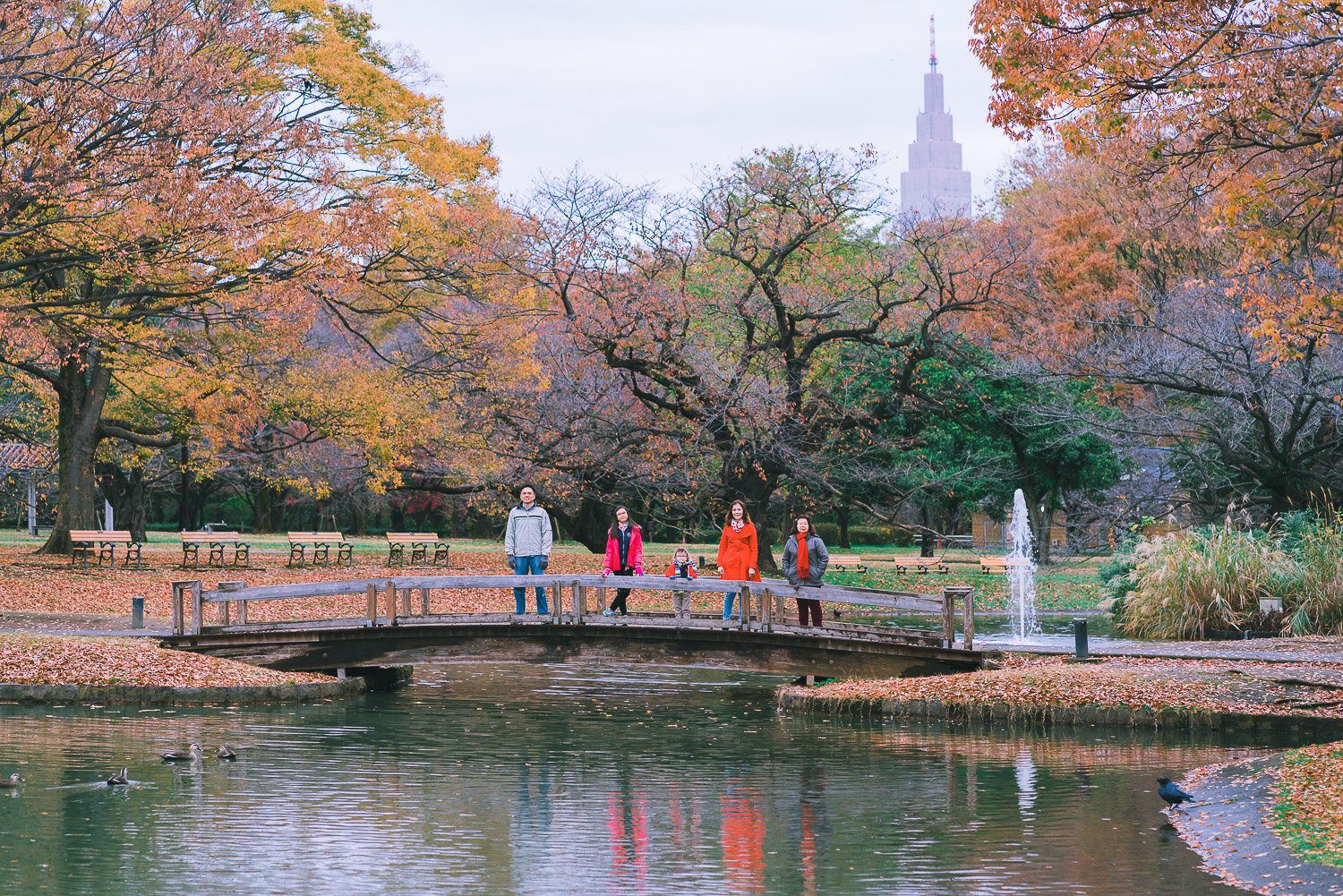
Yoyogi Park itself (133 acres of lawn, pathways, ponds, and recreational space) provides substantially more to explore than Sangūbashi’s modest neighborhood green space.
The larger park features extensive walking circuits, seasonal flowers and trees, open meadows where weekend crowds gather, ponds with turtles and waterfowl, and street performers (especially musicians and dancers on weekends) creating lively atmosphere.
If you’re in the Yoyogi area specifically to spend time in green space rather than for anime pilgrimage purposes, Yoyogi Park offers vastly more features and exploration possibilities.
A logical walking progression starts at one of Yoyogi’s southern entrances near Harajuku, gradually moves through the park’s main features and walking paths, drifts toward the northwestern boundary near Sangubashi, visits the smaller park briefly, then descends toward the restaurants and shopping street.
This 2-3 hour circuit shows you different scales of Tokyo’s green space—major urban park, small neighborhood park—connected geographically and culturally.
Meiji Jingu Shrine and Forest
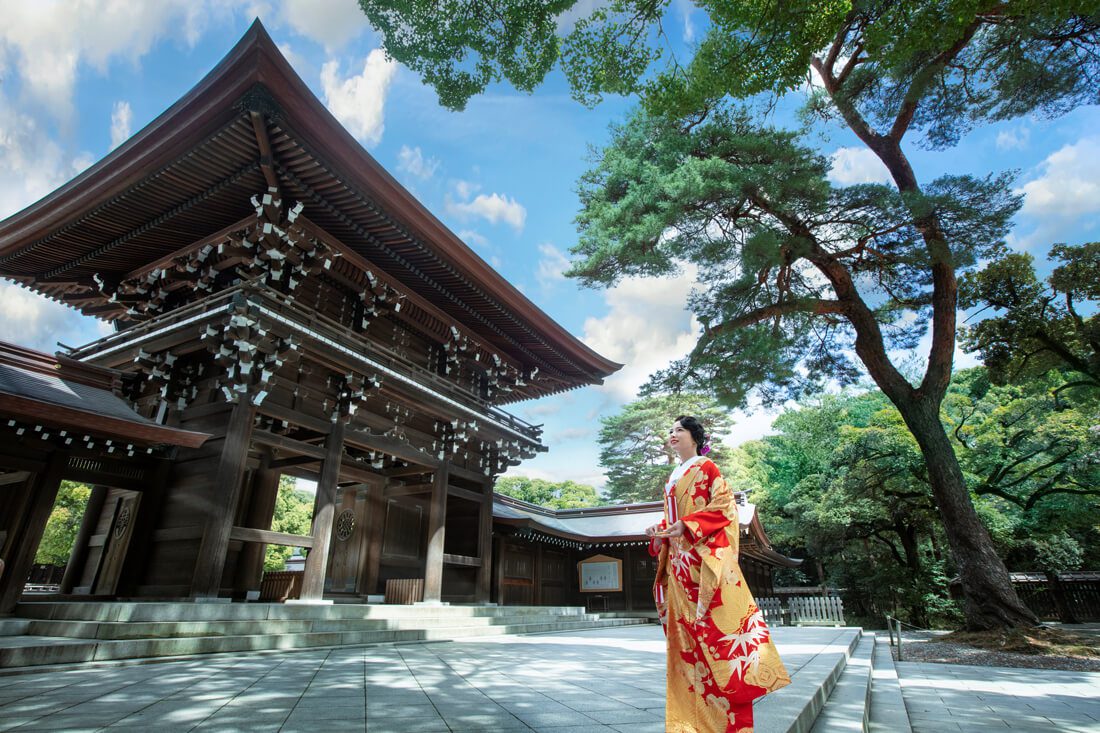
Tokyo’s most visited shrine and one of Japan’s most important Shinto sites, Meiji Jingu sits directly adjacent to Yoyogi Park with a separate entrance requiring walk through peaceful forest.
The shrine complex honors Emperor Meiji and his consort and attracts millions of visitors annually, particularly around New Year when people come seeking blessings for the year ahead.
The approach to the shrine—through tree-lined paths with minimal development or sound—contrasts sharply with Tokyo’s dense urban environment and provides spiritual centeredness before or after Yoyogi Park exploration.
Combining Meiji Jingu, Yoyogi Park, and Sangūbashi Park within single day means experiencing Tokyo’s range: spiritual/historical significance, large-scale urban recreation, intimate neighborhood character.
The geographic proximity makes this combination natural and manageable, requiring minimal transit and allowing you to move at your own pace through residential Shibuya.
Yoyogi Pony Park and Family-Focused Options
For visitors traveling with children, Yoyogi Pony Park (located at 4-1 Kamizonocho Yoyogi, Shibuya-ku, adjacent to Yoyogi Park proper) offers interaction with actual horses—a surprising urban amenity.
The pony park operates free of charge during specific hours (9:00 AM-5:00 PM, closed Mondays and national holidays) and allows kids to participate in “Brushing Time” (grooming horses with provided equipment), “Carrot Time” (feeding carrots you bring yourself), and even “Leading Horse Riding” on certain days where children walk while leading a pony.
This addition works perfectly if you’re doing the Yoyogi circuit with kids who might grow tired of just walking parks and visiting shrines.
The pony park makes the outing interactive and playful rather than entirely contemplative, combining it with Sangūbashi Park’s playground creates full day of different recreational experiences.
Who Should Actually Visit Sangūbashi Park
Sangūbashi Park appeals primarily to three categories of travelers, each finding different value in the experience.
Anime fans, particularly those who watched “5 Centimeters per Second” and felt emotional connection to its characters and themes, visit specifically for the location’s film significance.
For this group, standing on the slope during cherry blossom season potentially creates meaningful experience—physically inhabiting space that holds emotional resonance from fiction.
Travelers exploring the broader Yoyogi neighborhood specifically seeking quiet breaks from Tokyo’s more crowded tourist zones appreciate the park’s function as functional green space.
If you’re already in the area visiting Yoyogi Park, Meiji Shrine, or the Harajuku-Shibuya region and want 15 minutes of peaceful respite away from crowds, Sangūbashi Park provides exactly that without requiring transit or complicated navigation.
Families staying in or visiting the Yoyogi residential neighborhood who need playground access or open space for kids to burn energy find the park genuinely useful.
Local residents use it constantly for precisely these purposes—it’s a working neighborhood park, not curated attraction, which means it functions well for actual recreational needs without pretending to be something more elaborate.
When Sangūbashi Park Doesn’t Justify the Trip
If you haven’t seen “5 Centimeters per Second” and have no prior interest in anime locations, the park offers minimal reason to specifically visit compared to Tokyo’s other green spaces and attractions.
Yoyogi Park sits nearby with vastly more features, more space, more things to explore, and more reasons to spend extended time.
Unless the anime connection resonates with you personally, Sangūbashi represents small neighborhood park, period—pleasant enough but not remarkable.
If your Tokyo schedule is extremely compressed and you’re prioritizing major attractions—Shibuya Crossing, Senso-ji Temple, teamLab Borderless, Tokyo Tower, Tsukiji Market—Sangūbashi Park probably doesn’t deserve inclusion.
The time investment barely justifies diversion from more famous locations unless you’re already in the Yoyogi area for other reasons.
The park also lacks the infrastructure expected at designed Tokyo tourist attractions.
No cafes exist within the park proper, no information facilities, no vendor amenities, no gift shops, no programmed activities or guided experiences.
If you expect curated experiences or full-service attractions, Sangūbashi will feel sparse and underdeveloped compared to Tokyo’s major parks and recreational sites.
If your primary interest is photography and social media content creation, the park offers limited “Instagram-worthy” angles beyond the slope during cherry blossom season.
Compared to Yoyogi Park’s picturesque ponds and garden areas or Meiji Shrine’s architectural drama, Sangūbashi remains modest in visual spectacle.
Practical Logistics for Visiting
Sangūbashi Park operates as a free, open public space available 24 hours daily like virtually all Tokyo neighborhood parks—you can technically visit at any hour, though daylight provides obvious advantages for actually seeing and photographing the location.
Spring cherry blossom season, typically late March through early April depending on yearly bloom timing, offers peak visual experience matching the film’s atmosphere.
Bring your own snacks and beverages if you’re planning extended sitting—convenience stores and shops exist around Sangubashi Station and along the shopping street, but no vendors operate within the park itself.
The 3-minute walk from the station to the park proves short enough that you needn’t pre-plan supplies extensively; simply discover what’s available nearby when you arrive.
For anime fans specifically, consider bringing screenshots from “5 Centimeters per Second” loaded on your phone to compare actual location with animated version.
The slope and concrete wall area near the park’s northwestern entrance represents the key photo spot, particularly during cherry blossom season when entrance trees create visual resonance with Shinkai’s animation.
Having reference images helps identify the best angles for recreation shots and frame comparison.
Best Times to Visit Sangūbashi Park
Cherry blossom season (late March-early April) provides optimal timing for experiencing Sangūbashi Park’s emotional full impact.
The seasonal bloom, lasting roughly 1-2 weeks depending on temperature and weather, aligns the actual location most closely with how Shinkai depicted it in animation.
If you’re planning Tokyo visit specifically including anime pilgrimage, coordinating with cherry blossom timing makes sense.
That said, the location maintains emotional power year-round for dedicated fans.
Summer’s green foliage replaces cherry blossoms; autumn’s color shift creates different aesthetic; winter’s bare branches suggest sadness and loss thematically appropriate to the film’s narrative.
Each season offers its own visual and emotional tone distinct from cherry blossom romanticism.
Weekend mornings tend to be quieter than weekday afternoons when neighborhood kids might populate the playground.
If you prefer solitude for contemplative experience or photography, arriving early or visiting on weekday mornings increases chances of finding the park relatively empty.
Combining with Dining and Exploration
The park visit gains substance when combined with meal at Sangubashi Street’s international restaurants.
Dedicate roughly 15-20 minutes to park exploration and photography, then allow 45 minutes-1.5 hours for lunch or dinner, creating roughly 1-2 hour outing that justifies travel to the neighborhood.
This combination—park pilgrimage plus local dining—shows you how Tokyo residents actually live while still providing the meaningful anime connection for fans.
Plan your route considering your larger itinerary.
If you’re traveling from Harajuku, visiting Meiji Jingu, then exploring Yoyogi Park, continuing to Sangūbashi Park at Yoyogi’s northwestern corner and finishing at Sangubashi Street represents logical geographic progression.
If you’re based in Shibuya or coming from different direction, the routing might vary, but walking distances remain manageable regardless.
The Final Experience
Sangūbashi Park won’t dominate your Tokyo memories or feature prominently in trip stories unless anime carries personal significance for you.
The park remains modest in scale, modest in features, modest in facilities—a working neighborhood green space serving local community rather than designed attraction serving tourism industry.
But this very modesty contains its own appeal and meaning.
For “5 Centimeters per Second” fans, the pilgrimage validates emotional responses to fictional narrative by showing that the story’s geographical anchor exists in actual Tokyo.
Standing on that slope during cherry blossom season creates bridge between animation and reality, fiction and lived experience.
This isn’t tourism in the conventional sense—it’s personal journey to physical location holding emotional weight.
For other travelers, Sangūbashi Park serves practical purpose: quiet neighborhood green space offering brief respite from Tokyo’s density and chaos.
Combined with nearby attractions and the area’s excellent international restaurant culture, it becomes component in larger experience showing Tokyo beyond famous landmarks—the real neighborhoods where regular people live, work, eat, and relax.
Visit without excessive expectations, allow minimal time in your schedule, combine it with other nearby activities, and you’ll find Sangūbashi Park delivers exactly what small neighborhood parks should: quiet refuge, genuine community function, and for some visitors, meaningful connection between fictional worlds and physical geography.
That’s more than enough.
Read More
Attraction Types
Tourist Attraction
Public Park
Neighborhood Green Space
Anime Location
Local Recreation Area
Things to Know
- Wheelchair accessible entrance
- Picnic tables
- Public restroom
- Slides
- Swings
- Good for kids
- Playground equipment for children
- Dogs allowed
- Free public access
- Spacious lawn areas
- Walking paths
- Benches and rest areas
- Seasonal plantings including cherry trees
- Wheelchair accessible parking lot
- No on-site restaurants or cafes (available on nearby Sangubashi shopping street)
- No dedicated parking facilities
- No public toilets information available
- No free WiFi
Our Notes & Verdicts
Our Rating: 4.2
Our travel blog team visited Sangūbashi Park on a spring afternoon, and as fans of “5 Centimeters per Second,” we were excited to recreate the anime’s beautiful opening scenes. We found the slope leading up from Sangubashi Station, which appears in the film, and standing there brought back the emotional weight of those scenes, even though the concrete wall doesn’t have cherry trees growing against it like in Makoto Shinkai’s version.
The park was smaller and more practical than we expected – it’s a neighborhood spot where locals bring their kids to play and take short strolls, rather than a tourist destination with fancy cherry blossom viewpoints. But after spending the mornings crowded in Harajuku and Shibuya, we found the park’s ordinariness really pleasant. We sat on a bench, watching parents supervise their kids, an elderly couple stretching on the lawn, and other anime fans taking photos of the slope.
The cherry blossoms are gorgeous, even if they’re not exactly where the anime said they’d be. The peaceful atmosphere made it clear why Shinkai chose this park to represent Takaki and Akari’s childhood memories – small neighborhood parks just capture that bittersweet nostalgia better than big tourist attractions.
For us, Sangūbashi Park was a great 15-20 minute stop between Yoyogi Park and Sangubashi’s international restaurant street. Anime fans will love visiting for the pilgrimage value, and even non-fans might appreciate having a quiet local park to escape to when Harajuku, Shibuya, and Shinjuku get too much.
🏨 Related Accommodations
-

The Prince Gallery Tokyo Kioicho, a Luxury Collection Hotel
1-2 Kioi-Cho Chiyoda-ku, Tokyo 102-8585, Japan
-

Grand Hyatt Tokyo
6-10-3 Roppongi, Tokyo 106-0032, Japan
-
Shangri-La Tokyo
Chiyoda-ku, Marunouchi Trust Tower Main, 1-8-3 Marunouchi, Tokyo 100-8283, Japan
-

Hilton Tokyo
6-6-2, Nishi-Shinjuku, Shinjuku-ku, Tokyo 160-0023, Japan
-

Park Hyatt Tokyo
3-7-1-2 Nishi Shinjuku, Tokyo 163-1055, Japan
Not sure which hotel to select? Try these hotel search engines below
🍽️ Related Restaurants
-

-

Sushi Saito
1-4-5 1F Ark Hills South Tower, Roppongi, Minato 107-0052 Tokyo Prefecture
Japanese, Seafood
-
-

-

Sushizanmai Tsukijiekimae-Ten
3-11-9 Tsukiji Square bldg1F, Tsukiji, Chuo 104-0045 Tokyo Prefecture
Sushi, Healthy
 Explore More Restaurants
Operating Hours
Location
4 Chome-4-2 Yoyogi, Shibuya, Tokyo 151-0053, Japan
Nearest Train Station(s)
Odakyu: Sangubashi Station (Odakyu Odawara Line, 3-minute walk) | Subway: Yoyogi-Koen Station (Tokyo Metro Chiyoda Line, approximately 6-9 minutes walk)
Nearest Bus Stop(s)
Sangubashi Station Bus Stop (参宮橋駅) | Yoyogi area bus stops serving Keio Bus and local routes
 DiscoverCars
 RentalCars
 Klook
Klook
Tokyo Trip Add-Ons
Equip yourself for the ultimate Tokyo adventure with the following add-ons, curated just for you.








Related Attractions
Shinjuku Gyoen National Garden
A well-known city park in Tokyo that combines thre...
Shibuya Sky
An observation deck located high above Shibuya, of...
Meiji Jingu
The Shinto shrine, known for its beautiful garden,...
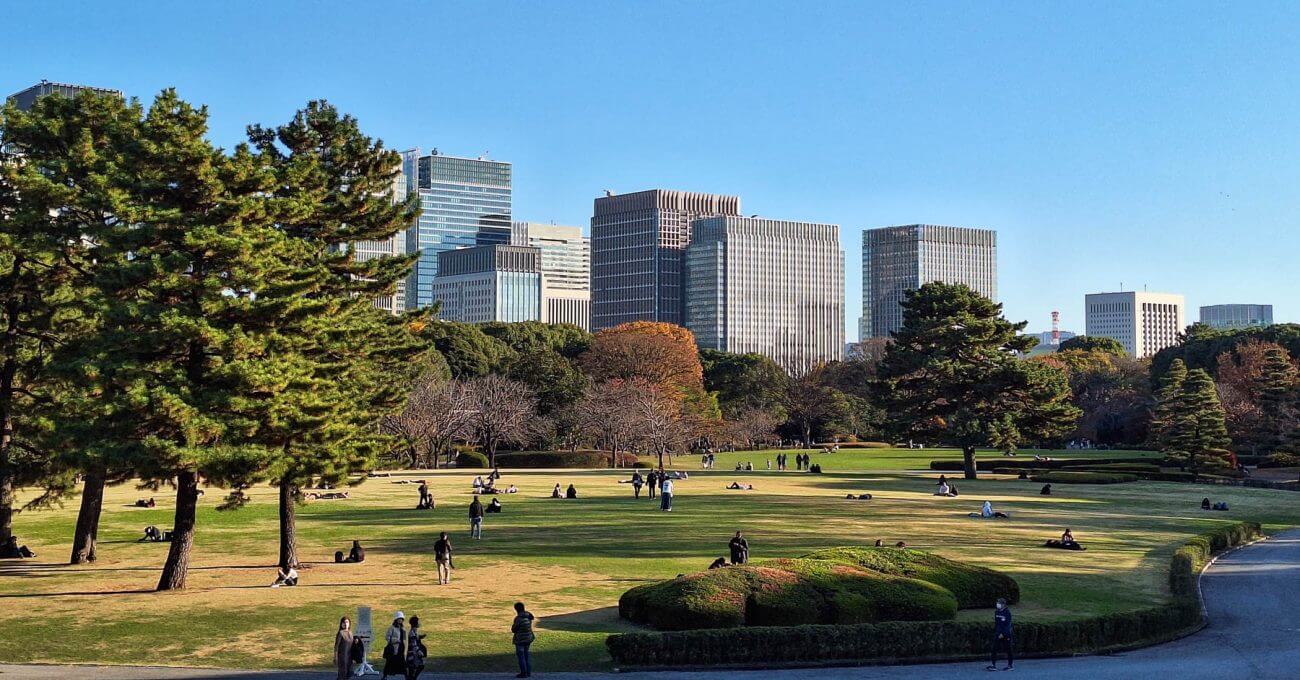
Imperial Palace East National Gardens
Palace gardens & Edo castle ruins. Large landscape...
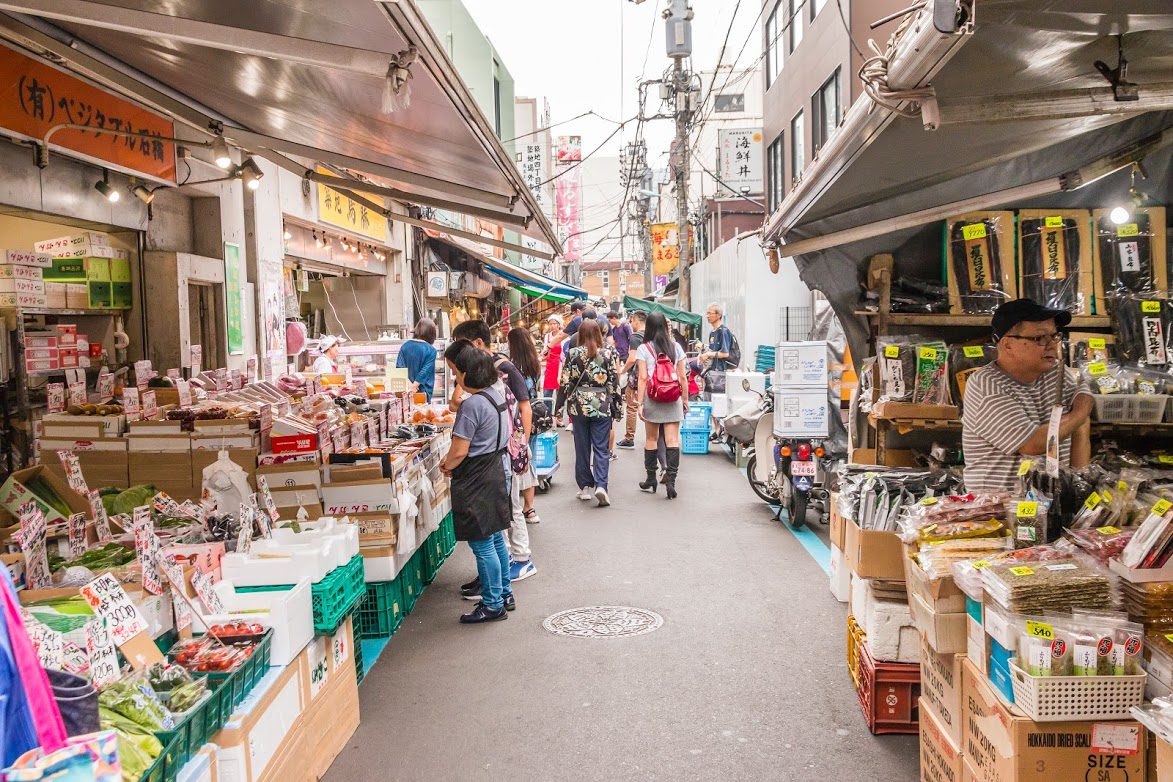
Tsukiji Outer Market
Large wholesale fish market featuring a diverse se...
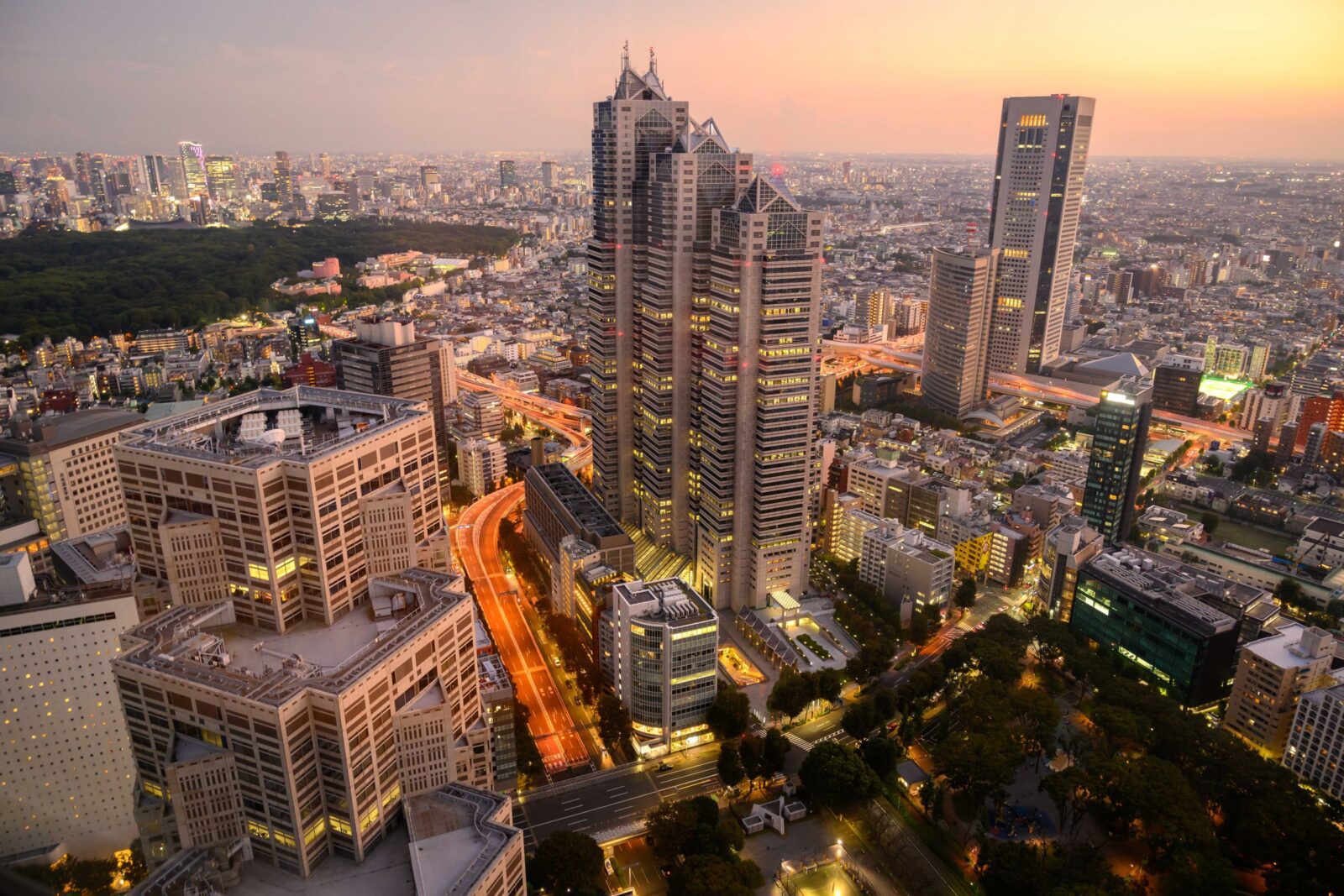
Tokyo Metropolitan Government Building
Free observation decks atop Tokyo's iconic twin-to...
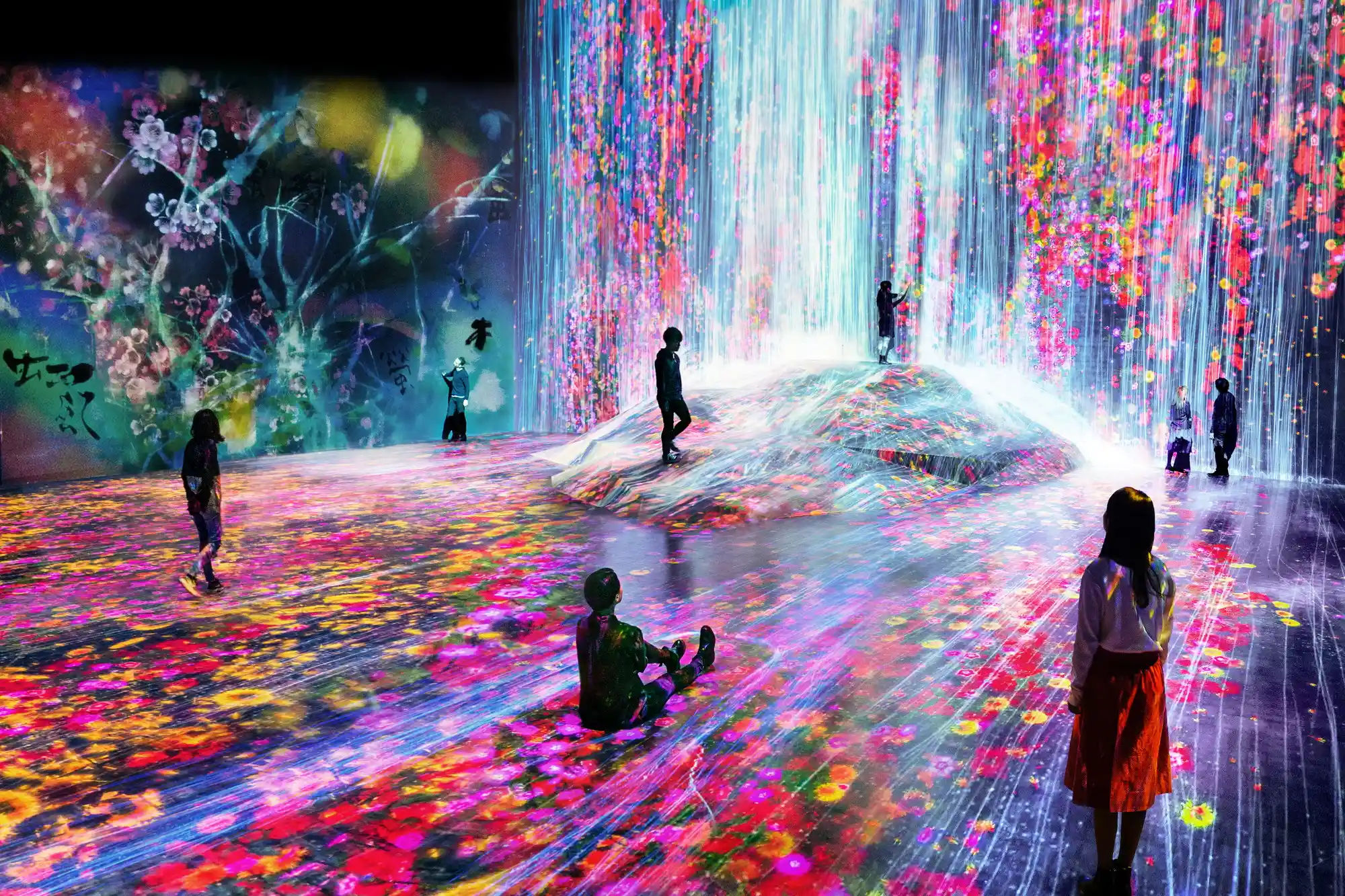
teamLab Borderless: MORI Building DIGITAL ART MUSEUM
Well-known museum featuring bright and futuristic ...
Hachiko Statue
A well-known statue of a devoted dog. A favorite g...
Disclaimer
While we at Tokyo Trip Guide do our best to show you accurate prices, we just can't promise they'll stay the same. Here's why: since we're not actually selling anything ourselves - we work with partner companies who set their own prices - we can't control what deals they offer. That's why it's best to check directly with our suggested deal providers to see their latest prices for attraction tickets.
Just so you know, if you end up buying something from the providers we list here, we might get a small commission. We'd be really happy if you used our recommended links to make your bookings!