Tokyo Capsule Hotels vs Hostels: The Complete Budget Guide




Tokyo Budget Hotels: Capsule vs Hostel: Which Is Right for You? – Tokyo’s budget accommodation scene offers two distinct experiences: capsule hotels (¥2,000–5,500/night) deliver private pods with personal TVs, climate control, and Japanese precision, while hostels (¥2,000–8,000/night) provide lively common areas where solo travelers build instant friendships.
Location shapes costs dramatically — Shibuya and Shinjuku command premium prices but cut transport spending, while Asakusa and Ueno blend affordability with cultural depth.
Understanding hidden fees, seasonal pricing, and neighborhood personalities helps you match your Tokyo capsule hotel or hostel choice to your actual travel style.
Key Highlights
Hide- Capsule hotels offer private pods with curtains/doors in compact spaces, while hostels provide shared dorms promoting social interaction and cultural exchange.
- Capsule hotels cost ¥2,000-8,000 nightly depending on amenities; hostel dorms start at ¥2,000, private rooms ¥6,000-8,000, less than budget hotels.
- Shibuya and Shinjuku locations cost more but offer nightlife access; Asakusa and Ueno provide affordable rates near cultural attractions.
- Capsules feature individual lockers, TVs, charging stations, and climate control; hostels offer communal kitchens, social events, and shared facilities.
- Proximity to train stations reduces transportation costs; spending extra ¥1,000 on central locations often saves time and commuting expenses.
Tokyo’s Budget Accommodation Landscape
Tokyo’s budget accommodation market delivers genuine quality at ¥2,000–8,000 per night ($15–55 USD) — remarkable value for one of the world’s most expensive cities.
Unlike most global capitals, budget stays here reflect Japanese hospitality standards rather than compromise.
Capsule hotels evolved from 1970s businessman crash pads into sleek, tech-forward pods with climate control, USB charging, and personal entertainment screens.
Hostels followed a parallel path, transforming into design-forward social hubs with communal kitchens and organized cultural events.
Both accommodation types benefit from Tokyo’s obsessive cleanliness culture. Staff inspect shared facilities multiple times daily, and linen replacement after every guest is standard practice across reputable properties.
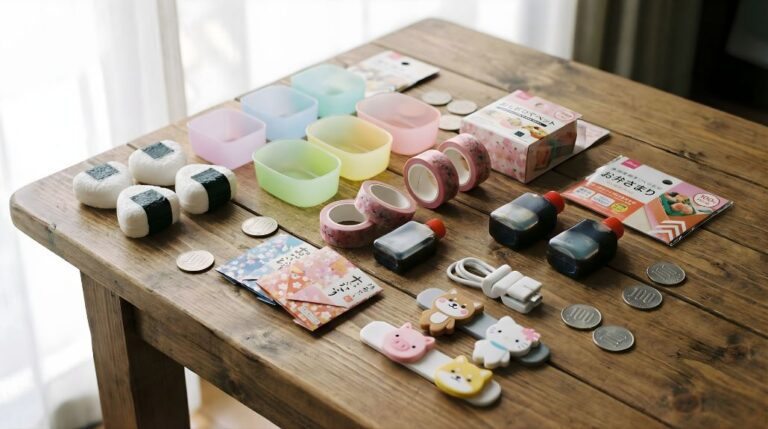
Tokyo Trip Add-Ons
Equip yourself for the ultimate Tokyo adventure with the following add-ons, curated just for you.








Price Ranges You Can Actually Expect
Nightly rates break down into three clear tiers across both accommodation types:
- ¥2,000–3,500: Basic capsule pods and hostel dorm beds — ideal when you plan to spend every waking hour exploring
- ¥3,500–5,500: Private capsules with upgraded amenities, small hostel private rooms, and better-located facilities
- ¥5,500–8,000: Premium capsules with workspace, top-tier hostels with rooftop bars, and central locations near major stations
Spending ¥1,000 extra for proximity to a major train station frequently saves ¥2,000–3,000 in daily commuting costs. Factor transport into your true nightly budget before booking.
Book Your Tokyo Stay Today
Browse curated hotels/traditional ryokans/hostels as well as capsule hotels from our partner platforms. Best prices, verified reviews, instant booking.
 Booking.com
 Agoda
Agoda Trip.com
 Expedia
 Tripadvisor
 Traveloka
Location Factors That Shape Your Costs
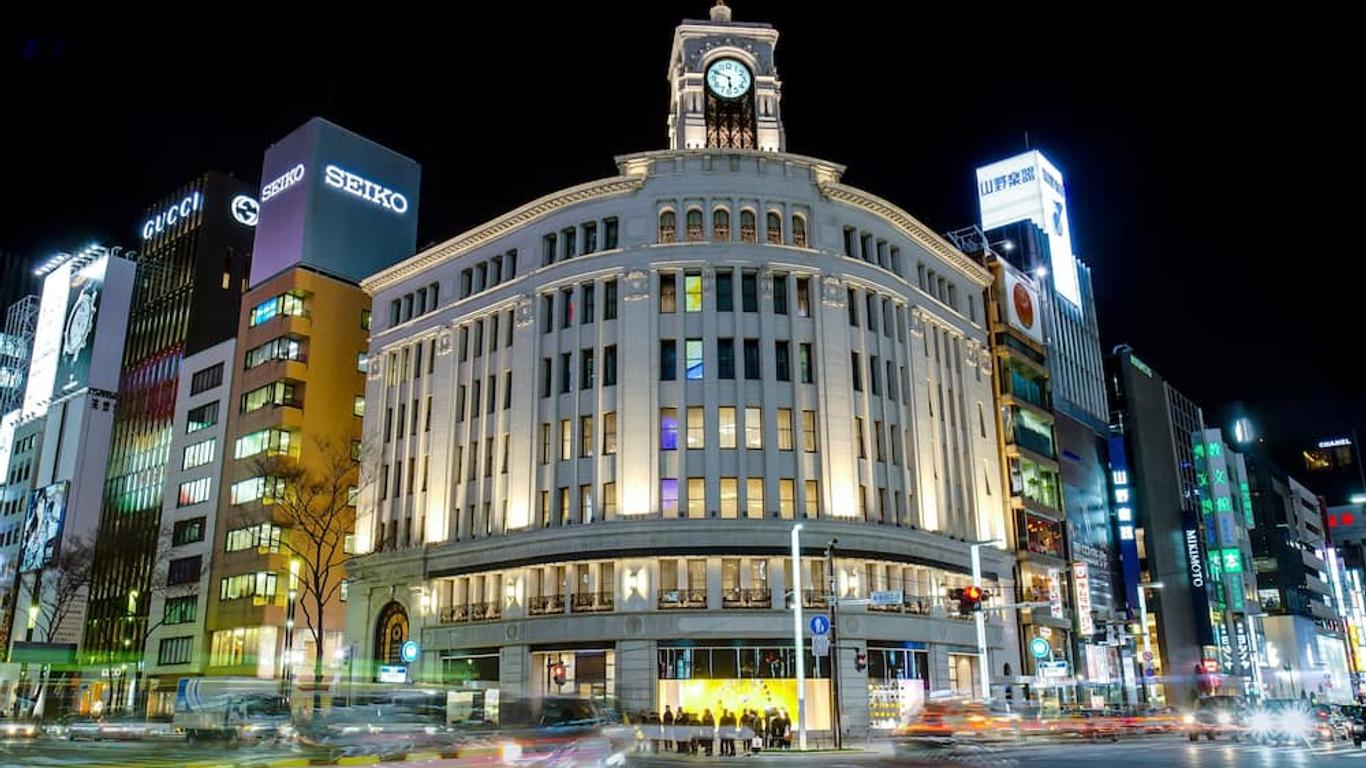
Neighborhood choice affects nightly rates by 30–60% across Tokyo’s budget accommodation market. Shinjuku and Shibuya command the highest prices but offer unmatched transit connections and late-night convenience.
Asakusa and Ueno deliver lower base rates — often ¥500–1,500 cheaper per night — while keeping guests within walking distance of subway lines. Ueno Station connects directly to Narita Airport via the Narita Express, making it particularly practical for arrival and departure days.
Ueno’s hostel cluster also sits steps from Tokyo National Museum and Ueno Park, meaning cultural sightseeing costs nothing extra beyond your accommodation.
For budget-conscious travelers, this neighborhood offers the strongest overall value equation. Check also our Tokyo backpacker guide for some inspirations on how to find the best stay without breaking the bank.
Capsule Hotels in Tokyo: What to Expect
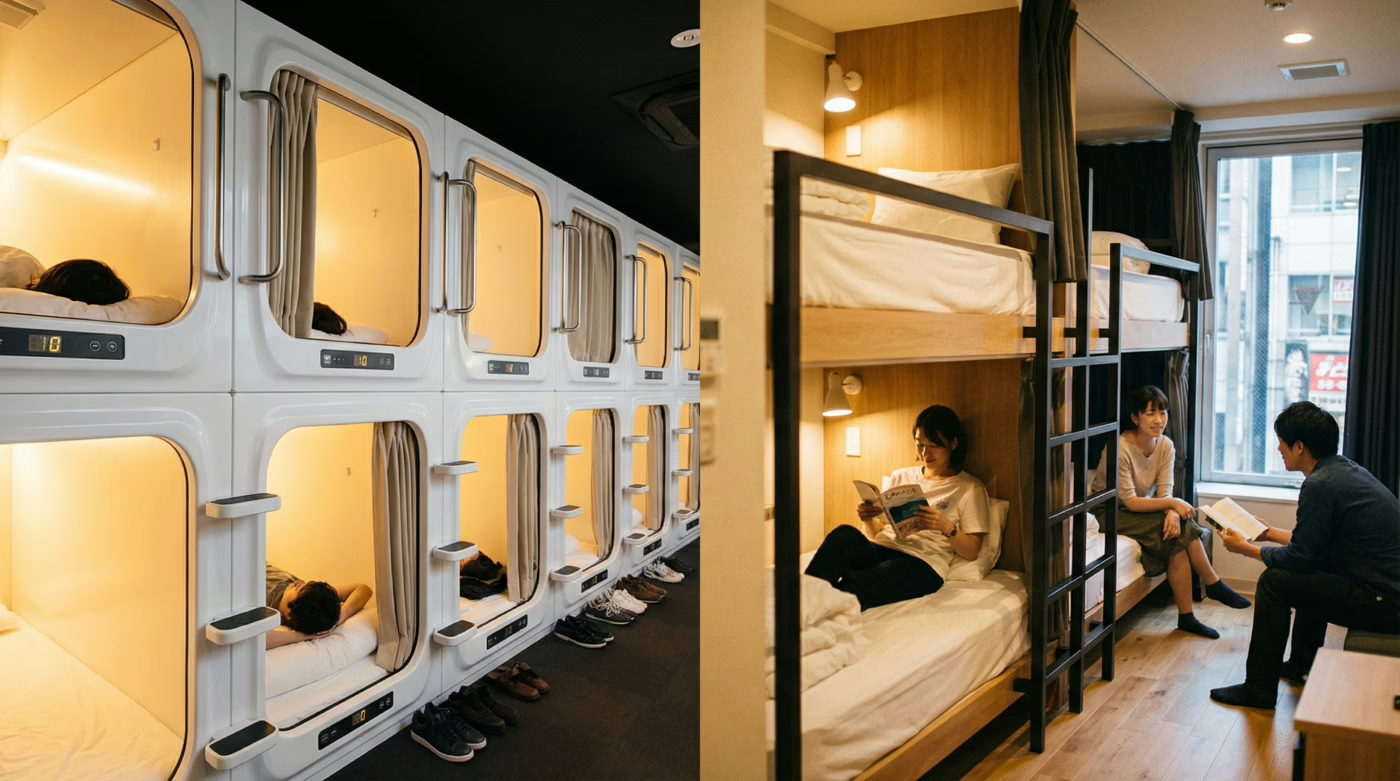
Capsule hotels are compact sleeping pods — typically 2m long × 1m wide × 1m tall — stacked in rows within a shared floor. Each pod contains a mattress, pillow, reading light, power outlet, personal TV, and a privacy curtain or sliding door.
Shared facilities include bathrooms, showers, luggage lockers, and communal lounges. Higher-end properties add onsen baths, coworking spaces, and vending machine lounges. Shoes are removed at the entrance and stored in dedicated racks — a non-negotiable cultural norm.
Most capsule hotels operate gender-separated floors for sleeping areas, though common spaces are mixed. This separation is standard practice, not an optional policy.
- Tokyo Fashion Shopping: Harajuku vs. Ginza Style Districts
- Tokyo WiFi Guide: Free Hotspots & Pocket WiFi Tips
- Tokyo With Kids: Family-Friendly Activities & Tips
- Rainy-Season Rescue: 21 Best Indoor Activities in Tokyo
- Tokyo Airport Transportation: Cheapest vs. Fastest Options
- 10 Must-Know Tokyo Metro Shortcuts for Travelers
Is a Capsule Hotel in Tokyo Comfortable for a Full Night’s Sleep?
Yes — most travelers sleep well in capsule hotels. Mattresses are firm and supportive, linens are fresh for every guest, and the enclosed pod blocks ambient light effectively.
The main adjustment is psychological rather than physical. The space measures roughly 6.5 feet long and 3.5 feet wide — enough to sit up, read, and stretch, but not to stand. Travelers who experience mild claustrophobia typically adapt within one night.
Noise is the more common complaint. Thin pod walls transmit sounds from neighboring capsules, so earplugs are strongly recommended. Properties near Shinjuku Station can also carry street noise into upper floors.
Technology and Amenities Inside Modern Capsule Pods
Modern Tokyo capsule hotels pack impressive technology into compact spaces.
Standard pod features include personal climate control panels, built-in LED lighting with adjustable brightness, USB-A and USB-C charging ports, and a flat-screen TV with streaming or cable access.
Premium properties add wireless charging pads, Bluetooth speaker connectivity, and automated privacy screens that adjust based on time of day.
The control panel — typically mounted at eye level beside the mattress — manages all functions without requiring guests to leave the pod.
Shared bathroom facilities maintain hospital-grade cleanliness standards. Powerful rainfall showers, well-lit vanity areas, and complimentary toiletry dispensers are common at mid-range and above properties.
For travelers interested in authentic Japanese bathing culture, some capsule hotels include communal onsen baths — review our guide to Tokyo onsen rules and customs before your first visit.
Capsule Hotel Neighborhoods
The right neighborhood amplifies the capsule hotel experience significantly. Each major district serves a different traveler profile.
- Shinjuku offers the densest concentration of capsule hotels in Tokyo, with properties ranging from ¥2,500 to ¥5,500 per night. The district’s 24-hour convenience stores, late-night ramen shops, and direct train connections to Narita and Haneda airports make it the most practical base for most itineraries.
- Shibuya capsule hotels skew slightly pricier (¥3,000–5,500) but place guests within walking distance of the famous Shibuya scramble crossing, major Tokyo department stores, and the Yamanote Line loop. (Oh yeah while you’re in Shibuya, don’t forget to try Mario Kart Tour).
- Asakusa capsule hotels (¥2,000–4,000) sit minutes from Sensō-ji Temple and the traditional Nakamise shopping street. The neighborhood’s quieter streets and earlier closing times suit travelers who prefer cultural exploration over nightlife.
- Tokyo Station area capsules cater to business travelers and day-trippers, with Shinkansen access to Kyoto, Osaka, and beyond directly from the station concourse.
Hostels: The Social Hub Experience
Tokyo’s modern hostels bear little resemblance to the cramped backpacker crash pads of two decades ago.
Today’s properties feature architect-designed common areas, curated local art, rooftop terraces, and organized cultural programming — all while keeping dorm beds at ¥2,000–3,500 per night.
Dorm rooms typically hold 4–12 beds, with individual reading lights, power outlets, and personal lockers at each bunk.
Privacy curtains are increasingly standard at mid-range properties. Shared bathrooms are cleaned multiple times daily.
Organized events — sake tastings, ramen-making workshops, guided neighborhood walks — are included in the nightly rate at many Tokyo hostels, adding genuine value beyond the bed price.
Dormitory Life: What the Shared Room Experience Is Really Like
Shared dorm rooms create the social dynamic that defines hostel travel.
Bunkmates rotate constantly, bringing fresh perspectives from Brazil, Germany, Australia, and everywhere between.
Practical realities: someone will return late, someone will set an early alarm, and someone will rustle a plastic bag at 2 AM.
Earplugs and a sleep mask are essential packing items for light sleepers.
The upside is genuine cultural exchange that no hotel lobby replicates. Spontaneous conversations over morning coffee regularly evolve into shared day trips to Nikko or joint ramen crawls through Shinjuku’s back alleys.
Private Room Options in Tokyo Hostels
Hostel private rooms cost ¥6,000–8,000 per night for a double — roughly half the price of a comparable business hotel room.
These rooms provide a lockable door and genuine privacy while retaining full access to communal kitchens, social lounges, and organized events.
Many Tokyo hostels now offer family rooms with en-suite bathrooms at ¥8,000–12,000 per night, undercutting family-oriented hotels by 30–50%. Families gain kitchen access for self-catering, dramatically reducing daily food costs.
Couples splitting a private hostel room pay approximately ¥3,000–4,000 each — competitive with capsule hotel rates while offering shared space and social common areas.
Top Hostel Neighborhoods in Tokyo
Three districts dominate Tokyo’s hostel scene, each serving a distinct traveler profile.
- Shibuya hostels attract young travelers and first-time visitors. Properties cluster within a 10-minute walk of the scramble crossing, with nightly rates averaging ¥2,500–4,000 for dorm beds. The district’s fashion shopping, live music venues, and late-night food scene keep guests entertained without leaving the neighborhood. Our guide to Tokyo’s fashion districts in Harajuku and Ginza covers the shopping options within easy reach.
- Ueno hostels offer the strongest cultural value proposition. Tokyo National Museum (¥1,000 entry), Ueno Zoo, and Ameyoko market are all walkable from most properties. Dorm beds average ¥2,000–3,200 per night — among the lowest in central Tokyo. Direct Narita Express access from Ueno Station simplifies airport transfers.
- Harajuku hostels put travelers at the center of Tokyo’s youth culture and street fashion scene. Takeshita Street‘s boutiques, Meiji Shrine‘s forested grounds, and Omotesando’s upscale shopping strip are all within a 15-minute walk. Dorm rates average ¥2,800–4,500 per night.
How Do Capsule Hotels and Hostels Compare?
Capsule hotels and hostels serve fundamentally different traveler needs.
Capsules prioritize individual privacy and Japanese efficiency; hostels prioritize social connection and flexible living.
The right choice depends on your travel style, companions, and daily schedule — not just the nightly rate.
The comparison below covers the five factors that matter most to budget travelers in Tokyo.
Privacy: Personal Space in Capsules vs. Hostel Dorms
Capsule hotels deliver significantly more privacy than hostel dorms. Each pod has a lockable curtain or sliding door, personal climate controls, and an individual entertainment system — no roommate interaction required.
Hostel dorm rooms share sleeping space with 4–12 strangers. Noise, light, and movement from bunkmates are unavoidable realities.
Premium hostels mitigate this with individual privacy curtains and designated quiet hours, but the fundamental shared-space dynamic remains.
For travelers who need uninterrupted sleep to function well, capsule hotels are the stronger choice regardless of price difference.
Social Opportunities: Meeting Fellow Travelers
Hostels win the social experience decisively. Common areas buzz with travelers exchanging recommendations on local food districts and transit tips.
Organized events create structured opportunities for connection without the awkwardness of cold introductions.
Capsule hotels are effectively silent zones. Polite nods in the lobby represent the ceiling of most social interactions.
The pod design and enforced quiet hours actively discourage conversation.
Solo travelers who want to meet people should book hostels. Travelers with existing companions or those who prefer solitude will find capsule hotels more comfortable.
Cleanliness Standards Across Both Types
Tokyo’s capsule hotels maintain exceptionally high cleanliness standards — pods are sanitized and linens replaced after every guest, and staff inspect shared bathrooms multiple times daily. The compact, controlled environment makes consistent maintenance straightforward.
Hostel cleanliness varies more widely between properties. Premium hostels match capsule hotel standards; budget options can fall short, particularly in high-traffic bathroom areas. Checking recent reviews on Hostelworld or Booking.com within the past 30 days gives the most accurate picture before booking.
Both accommodation types benefit from Japan’s broader cleanliness culture, which sets a higher baseline than equivalent budget options in most other countries.
Security and Valuables Storage
Capsule hotels typically provide individual lockers built into or adjacent to each pod, sized to hold laptops, cameras, and day bags.
Digital or key-operated locks are standard. Your sleeping space locks separately when you leave.
Hostel security varies by property tier. Premium hostels offer personal lockers at each bunk; budget options may provide shared storage rooms with less individual control. Dorm rooms with multiple guests cycling in and out present inherently higher risk for valuables.
For travelers carrying expensive camera equipment or electronics, capsule hotel storage provides greater peace of mind. Our guide to Tokyo electronics shopping in Akihabara is worth reading before purchasing gear you’ll need to secure.
Check-in Flexibility and House Rules
Hostels offer significantly more check-in flexibility. Most Tokyo hostels operate 24-hour reception with self-check-in kiosk options, accommodating late arrivals from international flights without penalty.
Capsule hotels frequently enforce strict check-in windows — commonly 3 PM to 10 PM — with late arrivals turned away or charged additional fees. Checkout times are equally rigid, typically 10 AM or 11 AM.
House rules also differ substantially. Capsule hotels enforce silence after 10 PM, prohibit food inside pods, and require shoes-off compliance at all times. Hostels allow common area socializing late into the evening and generally operate with more relaxed guest policies.
Is a Capsule Hotel or Hostel Cheaper in Tokyo?
Capsule hotels and hostels occupy overlapping price ranges, making direct comparison essential. Capsule hotel pods start at ¥2,000 and average ¥3,000–4,500 per night for a standard private pod. Hostel dorm beds start at ¥2,000 and average ¥2,500–3,500 per night.
For solo travelers, the price difference between a capsule pod and a hostel dorm bed is often ¥500–1,000 per night — negligible over a short trip. The real cost divergence appears in hidden fees.
Hidden Fees and Extra Charges to Watch For
Advertised rates rarely reflect the final checkout total. Tokyo’s budget accommodations add several common charges that inflate costs by 20–40%.
Capsule hotel extras to watch for:
- Towel rental: ¥200–400 per use
- Locker deposit: ¥100–500 (sometimes refundable)
- Early check-in fee: ¥500–1,500
- Facility fee: ¥300–800 per night at some properties
Hostel extras to watch for:
- Linen fee at budget properties: ¥300–600
- Locker padlock rental: ¥100–300
- Breakfast add-on: ¥500–900 (sometimes bundled at mid-range properties)
Tourist tax applies to both types: ¥100–200 per person per night, collected at checkout. Always ask “what’s included?” before confirming a booking.
Seasonal Price Fluctuations Throughout the Year
Tokyo accommodation prices follow predictable seasonal patterns that budget travelers can exploit with advance planning.
Peak pricing periods (book 3–6 months ahead):
- Cherry blossom season (late March to early April): rates rise 50–100% above base
- Golden Week (late April to early May): near-full occupancy across all budget tiers
- Autumn foliage season (mid-November): 30–50% above base rates
- New Year period in Tokyo (December 28 to January 3): premium pricing at most properties
Value windows (book 4–8 weeks ahead):
- Rainy season in Tokyo (June to mid-July): lowest annual rates, often 20–30% below base
- January to mid-February: quiet period with strong availability and competitive pricing
- August weekdays: summer heat reduces leisure demand, business travel drops
Midweek stays (Sunday through Thursday) run 20–30% cheaper than weekend rates year-round.
Shifting a trip by one week during shoulder seasons can save ¥5,000–15,000 over a five-night stay.
For Golden Week planning specifically, our Golden Week Tokyo crowds and planning guide covers booking strategy in detail.
Practical Tips for Your Tokyo Budget Stay
Booking the right accommodation is only the first step. Several practical considerations determine whether your stay runs smoothly from arrival to checkout.
Luggage Storage Solutions
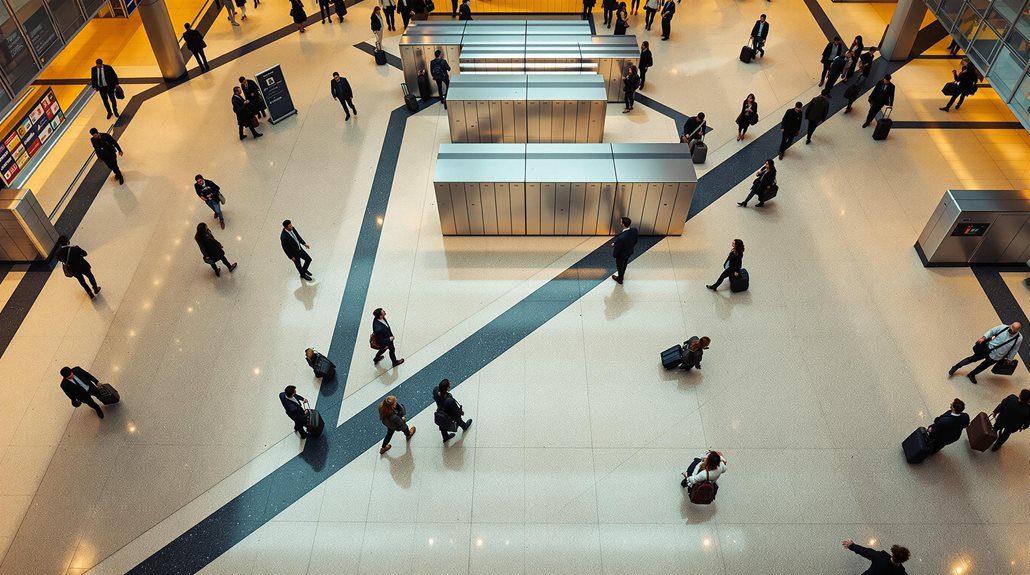
Both capsule hotels and hostels accommodate early arrivals and late departures with luggage storage options. Most properties hold bags free of charge before check-in and for several hours after checkout — confirm this policy when booking.
Capsule hotels provide front-desk storage lockers for pre-check-in bags. Hostels typically offer a dedicated luggage room with numbered tags and secure access. Neither option is universally available 24 hours, so call ahead if arriving before 8 AM.
Train station coin lockers serve as reliable backup storage. Sizes range from small (¥200–300/day) to large enough for full-size suitcases (¥500–700/day). Shinjuku, Shibuya, Ueno, and Tokyo Station all have extensive locker banks near the main exits.
Luggage Storage Tokyo
Store your luggage with our trusted local partners from ¥490/day.
 Find Your Nearest Luggage Storage
Language Barriers and Communication Tips
English proficiency varies significantly between accommodation types. Hostels almost universally employ multilingual staff — English is standard, with many properties also covering Mandarin, Korean, and Spanish.
Capsule hotels rely more heavily on digital systems. Self-check-in kiosks with English-language interfaces are common at modern properties, reducing the need for staff interaction. Signage in English is standard at tourist-oriented capsule hotels.
Download Google Translate before arriving — the camera translation function reads Japanese menus, signs, and forms instantly without an internet connection.
Screenshot your accommodation’s address in Japanese characters to show taxi drivers. Our guide to must-have Tokyo translation apps covers the best tools for navigating language barriers throughout your trip.
You can also learn some useful Japanese phrases for your daily activities in Tokyo.
Cultural Etiquette That Makes Your Stay Smoother
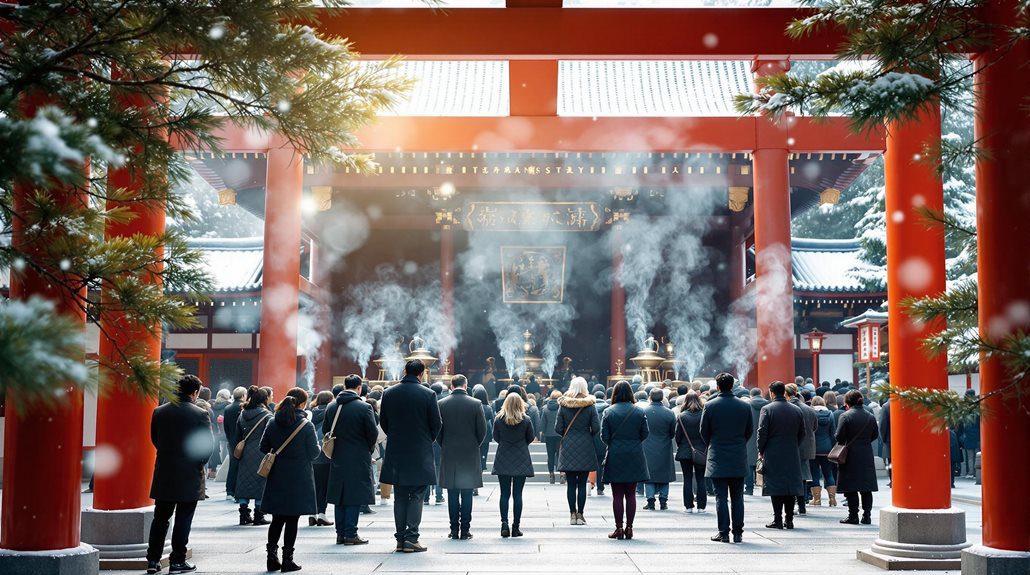
A few cultural practices are non-negotiable at both accommodation types and worth understanding before arrival.
Shoe removal at the entrance is mandatory. Slippers are provided and should be worn in common areas. Separate toilet slippers are provided in bathroom areas — switch back before leaving.
Quiet hours in capsule hotels begin at 10 PM and are strictly enforced. Phone calls inside sleeping areas are prohibited. Hostels are more relaxed but still expect reasonable noise levels after midnight.
Communal bath areas (where present) require showering thoroughly before entering the shared tub.
This rule is cultural, not optional. Our Tokyo onsen etiquette guide explains the full bathing protocol in detail.
A small bow when greeting staff and a genuine “arigatou gozaimasu” (thank you very much) at checkout earn visible appreciation and occasionally result in upgrade offers or insider local tips.
Booking Strategies for Peak Travel Seasons
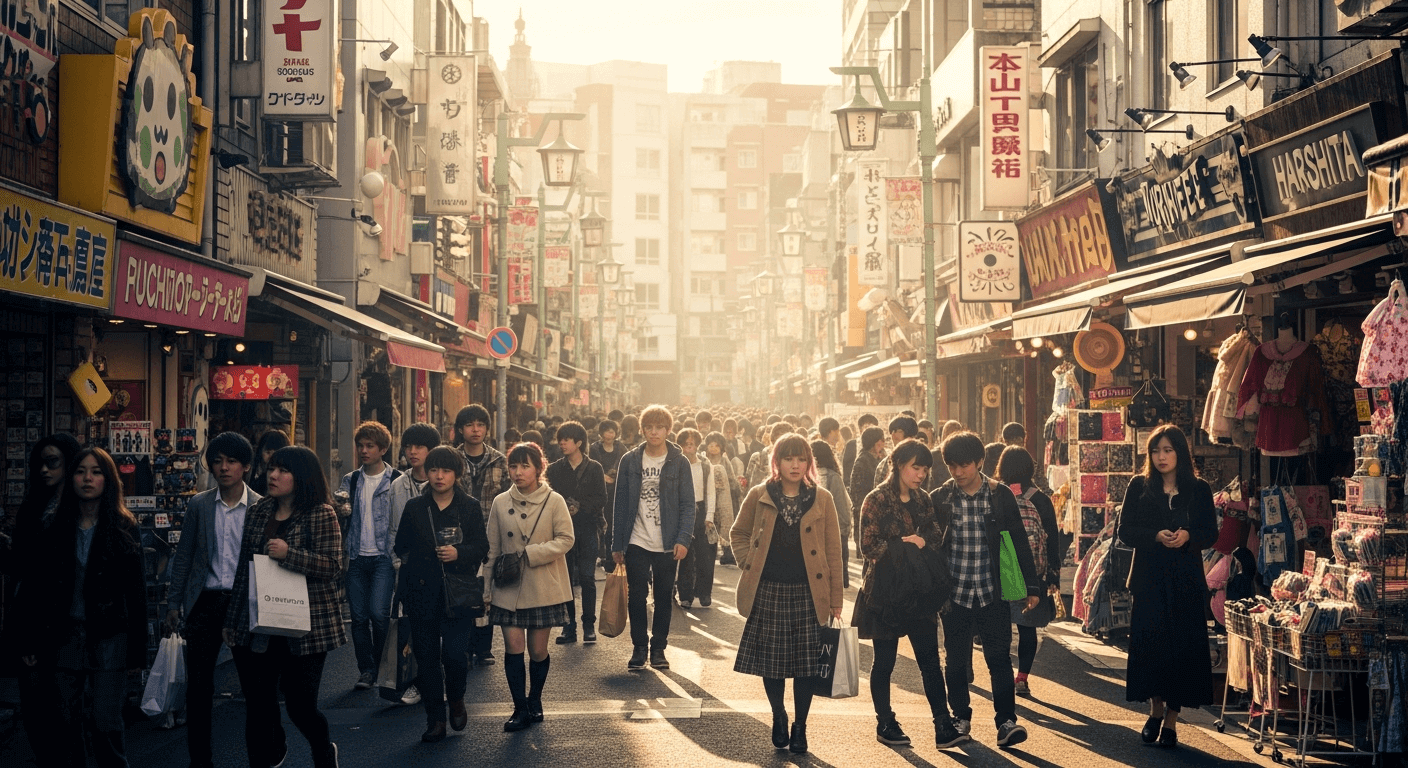
Peak-season Tokyo accommodation requires advance planning that most first-time visitors underestimate. During cherry blossom season and Golden Week, budget properties sell out 3–4 months ahead.
Book refundable rates when possible — many platforms offer free cancellation up to 48–72 hours before arrival, allowing you to lock in availability while monitoring for better options. Set price alerts on Booking.com and Hostelworld for your target dates.
Midweek check-in (Monday or Tuesday) consistently yields lower rates than Friday or Saturday arrivals, even during peak seasons. Shifting your itinerary by two or three days can save ¥3,000–8,000 over a week-long stay.
For transit planning around your accommodation location, the JR Pass vs. Tokyo Metro Pass comparison helps calculate whether a rail pass makes financial sense based on where you’re staying.
Book Your Flight to Tokyo
Ready to fly to Tokyo? Discover the unbeatable flight deals now.
 Trip.com
 Aviasales
Choosing the Right Option for Your Travel Style
The best Tokyo budget accommodation matches your travel personality, not just your price ceiling. The decision framework below covers the four most common traveler profiles.
Solo Travelers
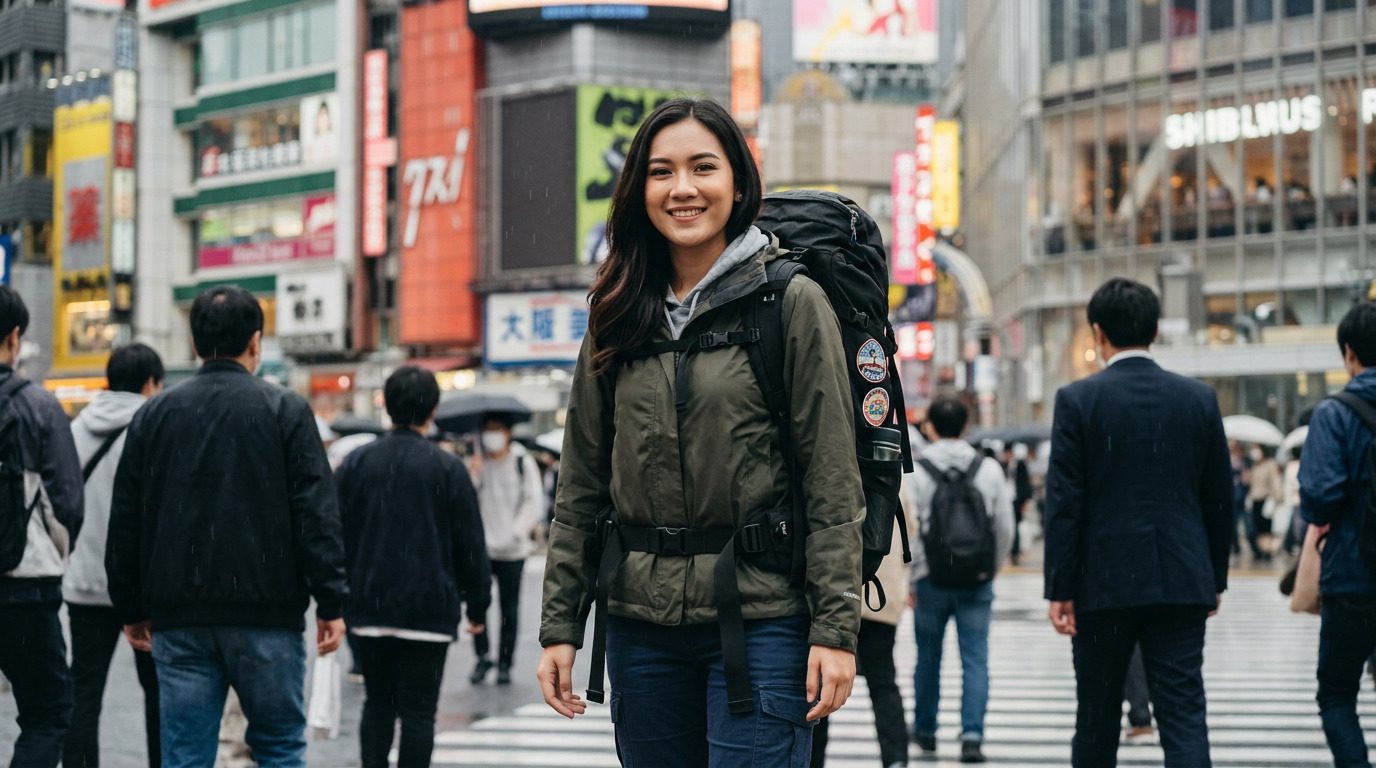
Solo travelers face the clearest trade-off: capsule hotels offer quiet autonomy and a uniquely Japanese experience, while hostels provide social infrastructure that transforms solo travel into a shared adventure.
Introverts who recharge through solitude will find capsule hotels genuinely restorative after long days of navigating crowded attractions. The pod becomes a personal sanctuary with zero social obligation.
Extroverts and first-time solo travelers benefit more from hostel common areas, where organized events and communal kitchens create natural conversation starters. Many solo travelers report that hostel connections led to their most memorable Tokyo experiences — spontaneous day trips, shared izakaya dinners, and local recommendations that no guidebook carries.
A hybrid approach works well for longer stays: book capsule hotels on recovery days and hostels when craving connection.
Couples and Friend Groups
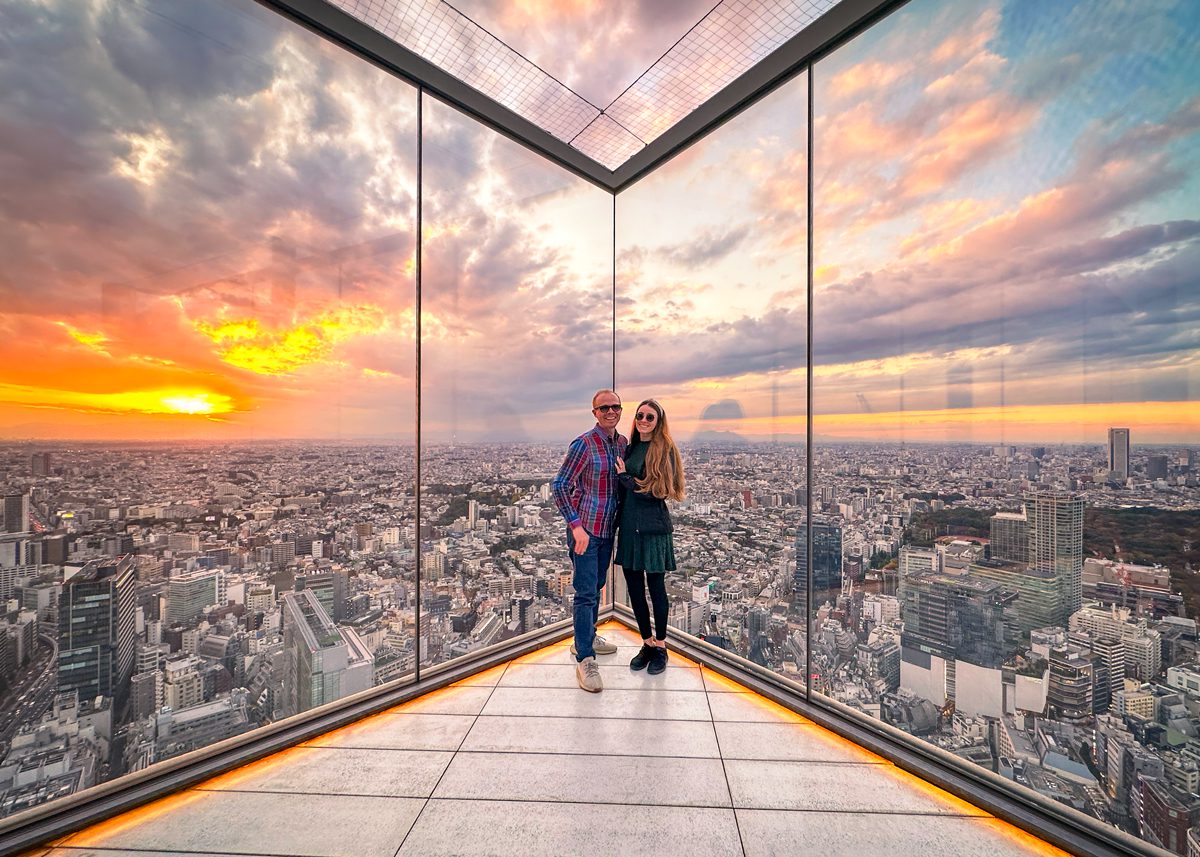
Couples and friend groups traveling together change the budget equation significantly. Splitting a private hostel room (¥6,000–8,000/night) costs ¥3,000–4,000 per person — competitive with capsule hotel rates while providing shared space and a lockable door.
Capsule hotels separate guests onto gender-specific floors in sleeping areas, making them impractical for couples who want to share a room. Friends of different genders face the same separation.
Private hostel rooms with en-suite bathrooms offer the strongest value for two travelers: hotel-level privacy at roughly half the business hotel price, plus access to communal kitchens that reduce daily food costs.
Savings on accommodation and self-catering meals free up budget for experiences — ramen tours, day trips, and the kind of Tokyo souvenir shopping that requires a dedicated budget line.
Business Travelers
Business travelers prioritizing efficiency should choose capsule hotels near major transit hubs. Tokyo Station area and Shinjuku capsule hotels offer Shinkansen access, early-morning departure convenience, and zero social friction.
Travelers combining business with networking find that hybrid hostels — properties offering private rooms alongside communal coworking spaces — provide the best of both worlds. Several Shinjuku and Shibuya hostels now feature dedicated coworking areas with reliable high-speed Wi-Fi, standing desks, and meeting room access.
For business travelers managing expenses, capsule hotels provide itemized receipts and predictable costs. Hostels with private rooms offer similar documentation at lower nightly rates.
First-Time Tokyo Visitors
First-time visitors to Tokyo gain something specific from each accommodation type that the other cannot replicate.
Capsule hotels deliver an authentically Japanese experience unavailable anywhere else in the world.
The ritual of removing shoes, navigating the pod controls, and sharing a communal onsen bath connects visitors to Japanese daily life in a way that standard hotels never achieve.
Hostels provide a support network that eases first-time navigation anxiety.
English-speaking staff offer neighborhood recommendations, transit advice, and cultural context that helps newcomers orient quickly.
Fellow travelers share real-time tips about which attractions are worth the queue and which are tourist traps.
For first-timers, a split approach — two or three nights in a capsule hotel for the cultural experience, then switching to a hostel for social connection and local knowledge — maximizes both dimensions of the Tokyo budget stay.
Verdict: Which One Would You Choose Between Tokyo Capsule Hotels vs Hostels?
Tokyo capsule hotels and hostels both deliver exceptional value at ¥2,000–8,000 per night, but they serve different traveler needs.
Capsule hotels win for solo travelers craving privacy, Japanese cultural immersion, and tech-forward efficiency.
Hostels win for social travelers, couples splitting private rooms, and first-timers who benefit from staff guidance and peer networks.
Location matters as much as accommodation type — a well-placed hostel dorm bed in Ueno often outperforms a cheap capsule hotel in an inconvenient neighborhood.
Factor transport costs, seasonal pricing, and hidden fees into your true nightly budget before booking.
Whichever you choose, Tokyo’s budget accommodation scene punches well above its price class.
The city’s hospitality culture ensures that even the most affordable options maintain standards that would qualify as mid-range in most other global capitals.
Frequently Asked Questions (FAQs)
Can I store my luggage at a Tokyo capsule hotel before check-in?
Yes. Most Tokyo capsule hotels hold luggage at the front desk before check-in and for a few hours after checkout, typically free of charge. Confirm the policy when booking, as hours vary. Train station coin lockers (¥200–700/day) serve as reliable backup storage at Shinjuku, Shibuya, and Ueno stations.
Do Tokyo capsule hotels allow couples to share a pod?
No. Capsule hotel pods are designed for single occupancy and measure approximately 2m × 1m — physically too small for two people. Additionally, most properties separate sleeping floors by gender, meaning couples cannot share the same floor. Couples should book a private hostel room or budget hotel instead.
Is Wi-Fi free at Tokyo capsule hotels and hostels?
Free Wi-Fi is standard at the vast majority of Tokyo hostels and mid-range capsule hotels. Budget capsule hotels occasionally charge ¥300–500 per day for Wi-Fi access — check the listing before booking. Connection speeds are generally reliable enough for video calls and streaming.
What should I pack specifically for a capsule hotel stay?
Bring earplugs (essential for light sleepers), a sleep mask, flip-flops for shared shower areas, and a small padlock if your target property uses non-digital lockers. Toiletries are often provided or available for purchase at the front desk, but bringing your own saves ¥200–500 per night.
Are Tokyo hostels safe for solo female travelers?
Yes — Tokyo hostels are considered among the safest in the world for solo female travelers. Many properties offer female-only dorm rooms as a standard option. Japan’s low street crime rate and Tokyo’s well-lit, well-monitored public spaces extend into the hostel environment. Read recent reviews specifically mentioning solo female experiences before booking.
How far in advance should I book a Tokyo budget hotel?
For travel during cherry blossom season (late March to early April) or Golden Week (late April to early May), book 3–4 months ahead. For standard travel periods, 4–6 weeks ahead secures good availability and competitive rates. Last-minute bookings (under one week) during peak seasons risk paying 50–100% above base rates or finding no availability at all.
Can I use a Suica card to pay at Tokyo capsule hotels and hostels?
Most Tokyo capsule hotels and hostels accept credit cards (Visa and Mastercard are universal) and cash. Suica card payment is not typically accepted at accommodation front desks, though it works at vending machines and convenience stores within the properties. Confirm payment methods when booking if you plan to pay with a specific method.