
Oshinari Park
Small riverside park along the Kitajuken River in Sumida, offering cherry blossoms, Tokyo Skytree views, and a peaceful canal-side walking path near the tower.
 Book Experience Now!
 Tripadvisor
 Trip.com
Overview
Oshinari Park sits in Sumida City just minutes from Tokyo Skytree, functioning as a narrow green corridor running alongside the Kitajuken River that connects to the Sumida River. This isn’t a sprawling park with vast lawns—it’s more of a linear riverside walkway with trees, flowers, benches, and that perfect “break from urban intensity” atmosphere you need after fighting Skytree crowds and shopping complexes.
The park’s main appeal is the combination of seasonal plantings (cherry blossoms in spring are particularly photogenic), Tokyo Skytree views from various angles along the path, and the simple pleasure of walking beside flowing water while the city continues buzzing around you.
The park operates as a genuine local amenity rather than a tourist destination—you’ll see office workers eating lunch on benches, families with kids using the small playground, joggers doing their morning routes, and the occasional photographer chasing that perfect Skytree composition framed by cherry branches or autumn leaves. Different flowers bloom throughout the year keeping the walkways colorful across seasons, and evening illuminations create what one source describes as an “ethereal atmosphere” when lights reflect off the canal water.
It’s free, open 24 hours, and requires zero planning—just show up, walk the riverside path for 10-30 minutes depending on your pace, and enjoy having discovered one of those small Tokyo green spaces that tourists often miss while beelining between major attractions.
Oshinari Park: A Peaceful Riverside Break Steps from Tokyo Skytree
Finding quiet spots near Tokyo’s biggest attractions feels nearly impossible.
The observation deck lines stretch for hours, shopping malls overflow with tourists, and you’re constantly searching for five minutes of peace.
Oshinari Park solves this problem elegantly—a slender riverside corridor running alongside the Kitajuken River in Sumida City, just minutes from Tokyo Skytree, where you can actually sit on grass, watch water flow, and breathe without fighting crowds.
This narrow green refuge won’t appear in glossy travel magazines, but that’s precisely why locals treasure it and why savvy visitors seek it out deliberately.
Most travelers walk past Oshinari Park without noticing it exists.
That’s the park’s secret advantage—it functions as an actual neighborhood green space rather than a packaged tourist attraction with admission gates, gift shops, and Instagram-optimized scenery.
Also read:
- Tokyo Etiquette Guide: Do’s and Don’ts for First-Time Visitors
- Tokyo Autumn Leaves Calendar: Peak Viewing Times
- Tokyo Luggage Storage Guide for Travelers
- Tokyo Department Store Tax-Free Shopping Made Simple
- Tokyo Time Zone and Business Hours: A Traveler’s Handy Schedule
- Tokyo Public Transportation Day Pass: Maximum Value Guide
The park delivers exactly what exhausted Skytree visitors need: seasonal flowers, shaded benches, flowing water, and perspectives on Tokyo’s most iconic tower that you simply cannot capture from official observation decks or crowded riverside plazas.
Hidden Gem Near Tokyo Skytree: Oshinari Park’s Riverside Serenity
Oshinari Park occupies a slim strip of land along the Kitajuken River at 2-chōme-18 Narihira, Sumida City, Tokyo 130-0002, stretching as a linear walking corridor rather than spreading into a traditional park with wide lawns and central gathering spaces.
The park runs parallel to major Tokyo Skytree attractions, creating a natural pedestrian route through the Sumida area while providing essential green buffer zones between concrete developments and busy commercial districts.
You’re looking at approximately 10-15 minutes if you walk the entire length leisurely, or shorter if you simply duck in for a quick bench break while moving between destinations.
The park’s defining characteristic is its narrow, canal-side design that feels more like discovering a hidden riverside path than visiting an official public park.
This layout shapes how visitors experience the space—you’re walking alongside flowing water, surrounded by trees and seasonal plantings, with Tokyo Skytree visible from nearly every vantage point as your constant visual anchor.
Accessing the Park from Tokyo Skytree
Getting to Oshinari Park from Tokyo Skytree involves minimal navigation.
The park sits roughly 5-10 minutes walking distance from Tokyo Skytree Station (Tobu Skytree Line) or Oshiage Station (Tokyo Metro Hanzomon Line, Toei Asakusa Line, Keisei Oshiage Line), making it extraordinarily convenient for visitors already in the Tokyo Skytree Town complex.
GPS coordinates around 35.7105, 139.8115 will position you in the general area, though since the park runs linearly along the canal, you might access it from multiple entry points depending on exact navigation coordinates.
Also read:
If you’re already wandering around Skytree or browsing Solamachi shopping center, simply head toward the Kitajuken River—the park runs directly alongside it, and you’ll discover access points from multiple locations along the canal without needing official signage or marked entrances.
Understanding the Linear Walking Experience
Unlike circular parks where visitors complete loops and return to starting points, Oshinari Park demands a different approach.
Most people walk one direction along the canal, enjoying the views and seasonal beauty, then either turn back the same direction or continue forward toward their next destination in the Sumida area.
The paved pathways remain relatively flat and accessible, with wooden deck sections that most reviews describe as wheelchair-accessible, though narrow spots and occasional steps might create challenges for visitors with significant mobility limitations.
The small playground area, positioned at one particular section of the park, makes it easy to spot if you’re traveling with children who desperately need to burn accumulated energy after hours in observation deck elevators and indoors shopping malls.
What Oshinari Park Actually Offers
Oshinari Park isn’t designed as an all-day destination requiring extensive planning.
Instead, it functions as a 10-30 minute experience depending on whether you’re moving briskly through the space or settling in for leisurely exploration, photography, and contemplation.
Most visitors integrate the park into larger Tokyo Skytree Town circuits, using it deliberately as a rest break from commercial intensity or as a connector walk between attractions.
The park features winding pathways beside the Kitajuken Canal, scattered benches positioned throughout for convenience store lunch breaks and extended sitting, a small playground for families traveling with young kids, and seasonal plantings that completely transform the visual experience across different times of year.
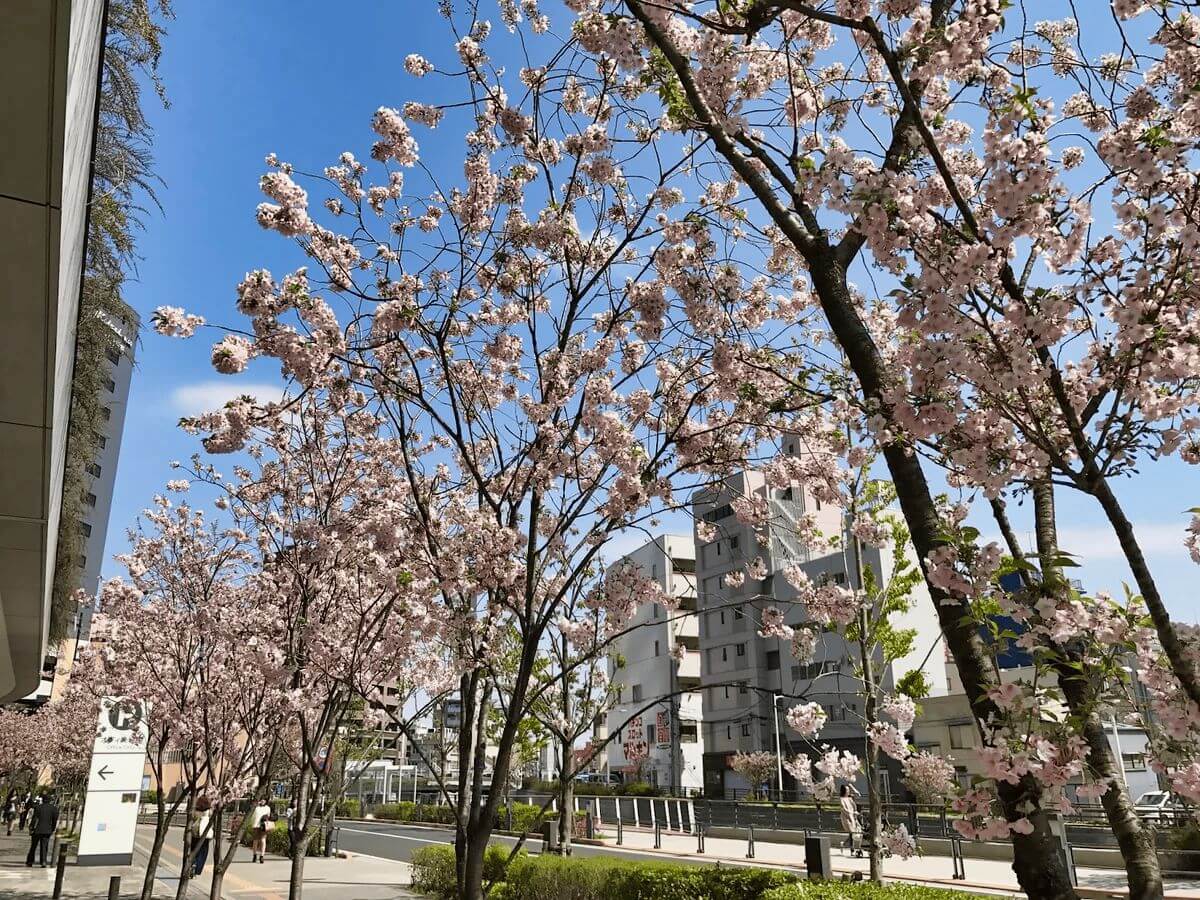
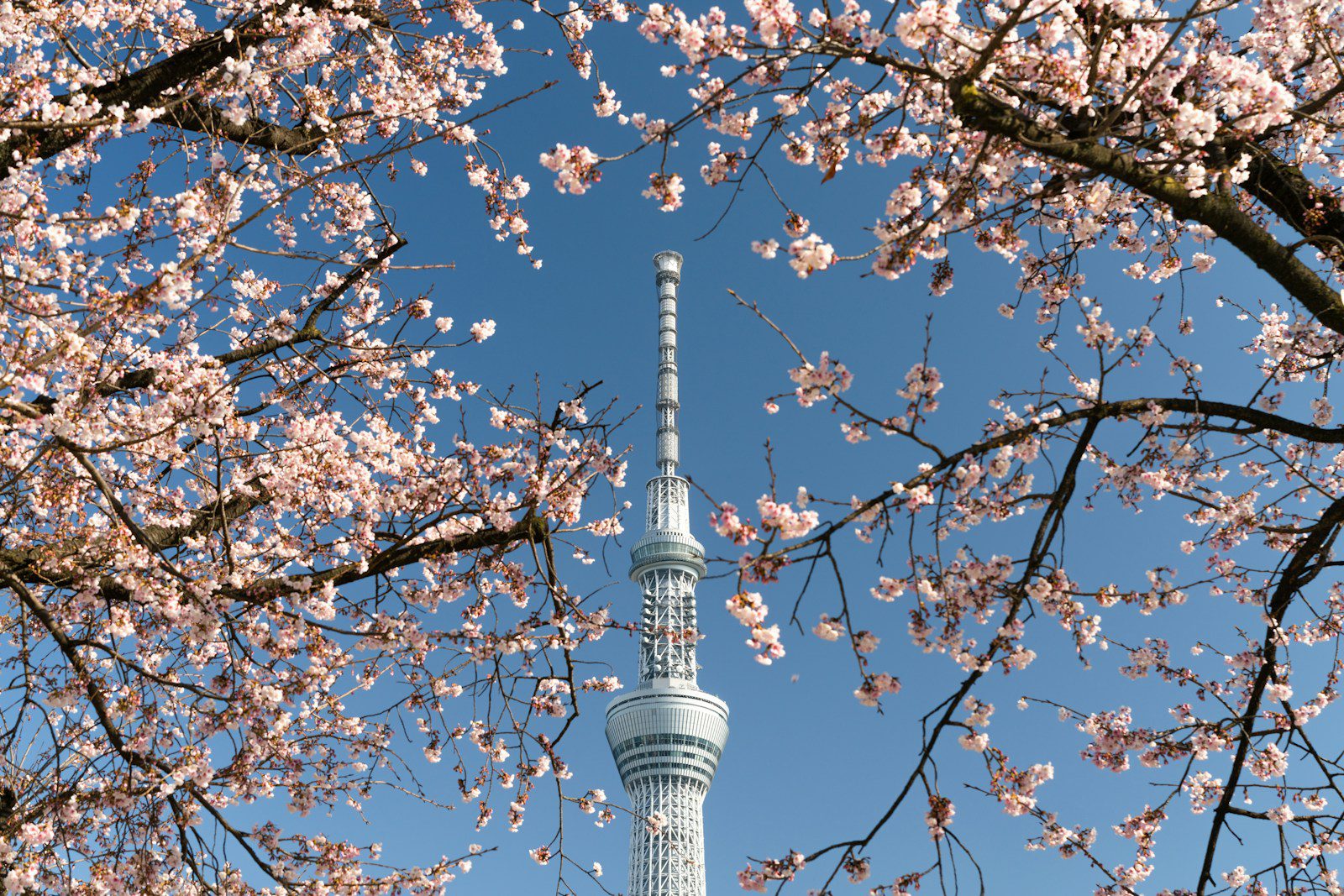
Spring transforms the riverside into a sakura corridor with pink blossoms framing Tokyo Skytree, summer offers cooling shade and various flowering plants, autumn adds fall foliage and seasonal color, and winter features evening illuminations reflecting off canal water creating atmospheric evening walks.
Walking, Photography, and Visual Discovery
The primary activity at Oshinari Park is simply walking the riverside path while Tokyo Skytree dominates the skyline overhead in an ever-present, dramatic silhouette.
The Kitajuken Canal flows beside you continuously, trees provide natural shade and seasonal color variation, and benches appear regularly enough to offer rest whenever physical fatigue becomes pressing.
Photographers arrive specifically seeking Tokyo Skytree shots with natural foreground elements—cherry blossoms in spring represent the most popular composition strategy, but autumn leaves, green summer branches, and evening illuminations each create distinctive photographic possibilities worth pursuing.
The best photographs typically emerge from finding spots where the canal, natural foliage, and Skytree align into clean, uncluttered compositions rather than battling messy backgrounds or electrical power lines.
Early morning and late afternoon light produce superior results compared to harsh midday sun exposure, and evening illuminations create reflective water surfaces that add considerable drama to nighttime photographs.
Picnicking, Relaxing, and Local Atmosphere
The park’s open spaces and distributed benches make it genuinely picnic-friendly if you grab food from nearby convenience stores or Solamachi shopping center offerings.
Families spread across grass while children play in the designated playground area, couples claim benches for quiet conversations far from surrounding crowds, and solo travelers decompress with coffee and phone scrolling after experiencing sensory overload from tourist-focused attractions.
The atmosphere maintains consistent casualness and local authenticity rather than tourist-oriented polish—you’ll observe office workers eating quick lunch breaks, elderly residents conducting daily walking routines, and joggers following morning or evening exercise routes rather than exclusive foreign visitor concentrations.
This genuine neighborhood quality makes Oshinari Park feel like discovering a resident secret rather than dutifully following published guidebook recommendations.
Seasonal Transformations and Annual Highlights
Cherry blossom season, typically occurring late March through early April, transforms the riverside path into a spectacular sakura corridor of considerable beauty.
Multiple varieties of cherry trees extend the overall bloom period well beyond the typical one-week peak window, giving visitors improved chances of encountering peak flower conditions whenever they visit during the season.
The striking visual contrast of delicate pink blossoms against Tokyo Skytree’s imposing steel structure remains the primary reason spring ranks as the park’s most photogenic season, drawing dedicated photographers with professional equipment and casual visitors carrying smartphones seeking memorable seasonal shots.
Summer sustains the park’s floral appeal through various blooming plants that maintain color throughout the season, and the riverside location provides slightly cooler microclimate compared to surrounding concrete-dominated streets and commercial districts.
Autumn Foliage and Evening Illuminations
Autumn brings fall foliage that admittedly appears less dramatic than celebrated destinations like Nikko or Kyoto, yet still adds satisfying seasonal color to the park’s trees and creates distinctly different photographic compositions when framed with Tokyo Skytree.
Winter features strategic evening illuminations strung through trees and along walkways that reflect beautifully off the water surface, creating what park descriptions call an “ethereal atmosphere” perfectly suited for romantic evening strolls or moody atmospheric photography sessions.
The park occasionally hosts local community events and neighborhood festivals throughout the calendar year, though these gatherings function as genuine resident-focused activities rather than major tourist attractions designed for visitor participation.
The seasonal evolution ensures that returning visitors discover different aesthetic qualities with each season’s arrival.
Practical Visitor Information and Accessibility
Oshinari Park costs exactly zero yen to enter, walk through, sit in, or photograph—it operates as a completely free public space open 24 hours daily with no gates, tickets, admission charges, or access restrictions of any kind.
This complete free access represents significant value when added to Tokyo Skytree visits, which charge substantial amounts for observation deck access (1,200-3,000 yen depending on which levels and ticket types you select).
Public toilets are available within the park, though cleanliness standards vary according to typical public facility maintenance patterns.
Benches and rest areas scatter throughout the corridor, and the walking paths remain generally well-maintained and pleasant throughout each season.
The park offers basic wheelchair accessibility with paved paths and wooden deck sections, though narrow spots and occasional steps create challenges depending on individual mobility requirements.
Amenities, Food, and Facilities
There’s no on-site parking specifically designated for Oshinari Park, but paid parking lots exist around Tokyo Skytree and surrounding streets at typical Tokyo rates (generally 300-500 yen per hour).
No restaurants or cafes operate within the park itself, though you’re literally minutes away from Solamachi shopping center and Tokyo Skytree Town’s extensive dining options ranging from convenience stores to restaurant chains to upscale establishments.
The park’s telephone number is +81-3-5608-6661 if you need specific information about seasonal events or conditions, and the official Sumida City park webpage provides current updates regarding temporary closures, special illuminations, or maintenance schedules.
Who Benefits Most from Visiting
Oshinari Park makes strongest sense for travelers already committed to visiting Tokyo Skytree who desire to add a green break without traveling to distant neighborhoods or major attractions.
If you’re doing the full observation deck, Sumida Aquarium, shopping mall circuit that characterizes Tokyo Skytree Town, the park functions as a natural recovery point where you can decompress away from crowds and commercial environments.
Photographers specifically chasing Tokyo Skytree shots with seasonal elements—cherry blossoms, autumn leaves, evening illuminations—benefit considerably from the riverside perspectives available here that you simply cannot obtain from official Skytree observation platforms or designated viewing areas.
Families traveling with young children appreciate having a small playground and open spaces where kids can run freely after being confined in elevators and indoor shopping centers.
The casual, low-key neighborhood atmosphere means nobody objects if children are loud or energetic, unlike more formal Japanese gardens emphasizing quiet contemplation and meditative silence.
When Oshinari Park Might Disappoint
If you’re not already planning to visit Tokyo Skytree or the Sumida area for other attractions, Oshinari Park doesn’t warrant special travel from distant Tokyo neighborhoods—it works best as an add-on rather than a standalone destination justifying dedicated travel time.
When your Tokyo schedule is extremely compressed and you’re prioritizing major attractions, skip the park entirely and invest your time in Skytree observation decks, Asakusa temples, Ryogoku sumo venues, or other significant sites demanding attention.
The park delivers pleasant but unspectacular experiences unless you catch it during peak cherry blossom season or possess specific photography goals requiring Skytree-garden compositions.
Visitors disliking small, utilitarian urban parks and preferring designed Japanese gardens with carefully curated aesthetics should instead pursue places like Rikugien or Koishikawa Korakuen, which offer substantially more polished experiences justified by their admission fees.
Honest Visitor Reviews and Realistic Reception
Tripadvisor rates Oshinari Park at a modest 3.3 out of 5 stars based on 28 reviews, a rating reflecting a straightforward “nice but not remarkable” consensus among visiting travelers.
This relatively lower rating compared to major attractions doesn’t indicate park failure—it simply demonstrates that visitors maintain realistic expectations aligned with the park’s actual scale, purpose, and aesthetic impact.
Positive reviews consistently highlight the convenient Skytree proximity, completely free access, pleasant riverside atmosphere quality, good photography opportunities during cherry blossom season, and genuine value of having quiet green space near busy tourist epicenters.
Common Praise and Legitimate Criticism
Common praise mentions the park specifically as a relaxing break spot, noting that it provides meaningful relief from Skytree and Solamachi’s aggressive commercial intensity without requiring travel to distant neighborhoods.
Several reviews recommend visiting specifically during cherry blossom season when sakura-Skytree combinations create genuinely memorable and photogenic moments.
Criticisms typically center on size expectations—some visitors expected substantially larger park area given the “park” designation and felt disappointed discovering the narrow riverside corridor layout.
Others note that without seasonal flowers or evening illuminations, the park feels somewhat ordinary rather than special, and a few reviews describe it dismissively as “just a small waterway park” that doesn’t warrant extended time allocation.
The general consensus emerges clearly: the park excels at what it is (a small, free urban riverside space conveniently near Skytree), but visitors shouldn’t construct entire Tokyo vacation plans around it as a central experience.
Creating Oshinari Park Combinations with Other Sumida Attractions
The park reaches maximum value when combined strategically with Tokyo Skytree Town attractions into half-day or full-day Sumida area experiences.
Begin with Skytree observation decks (630m or 350m options) for expansive panoramic Tokyo perspectives, descend into Solamachi for shopping and varied dining, visit Sumida Aquarium occupying the 5th-6th floors, then walk to Oshinari Park for outdoor decompression before continuing to other Sumida destinations like Asakusa’s temples or Ryogoku’s sumo culture.
Alternative routing involves starting at Asakusa’s historic temples and shopping streets, crossing Sumida River Walk to Tokyo Mizumachi’s commercial complex, exploring Tokyo Skytree Town’s full attractions, then using Oshinari Park as your final green space before heading back to central Tokyo neighborhoods.
The park’s riverside path also connects toward other Sumida green spaces like expansive Sumida Park, creating longer walking routes for visitors enjoying stringing multiple outdoor areas together into extended exploration experiences.
For cherry blossom enthusiasts, combining Oshinari Park with Sumida Park and nearby sakura locations creates focused flower-viewing Sumida days during late March-early April when multiple parks reach peak bloom simultaneously around the same timeframe.
Visitor Preparation and Practical Recommendations
Visit during cherry blossom season (typically late March-early April, though exact timing varies yearly depending on weather conditions) if you want the park at its absolute most photogenic, or during evening illumination periods for dramatically different atmospheric photographic opportunities.
Bring your own snacks or drinks from convenience stores or Solamachi shopping if you’re planning picnic breaks—there are no food vendors operating within the park itself, though commercial areas nearby mean supply runs require only minutes.
Comfortable walking shoes matter considerably since the canal-side paths, while paved and pleasant, extend the full length of the waterway and you’ll likely cover more distance than initially anticipated once you begin leisurely exploring.
The park operates 24 hours daily, though early morning visits offer the quietest atmosphere and best light for photography, while evening illuminations (winter seasons especially) create romantic moods for different visitor types.
Oshinari Park won’t emerge as the definitive highlight of your Tokyo trip or earn prominent placement in travel stories shared with friends back home, but it serves a specific purpose exceptionally well: providing free green space, flowing water, seasonal natural beauty, and Tokyo Skytree perspectives steps away from one of Tokyo’s most heavily visited tourist zones.
Sometimes exactly this proves what you need most—a bench beside a moving canal where you can breathe deeply, mentally reset, and remember that Tokyo contains quieter corners if you know where and how to look for them.
Alternative Blog Post Titles
- Hidden Gem Near Tokyo Skytree: Oshinari Park’s Riverside Serenity
- Tokyo Skytree Crowds Getting You Down? Try Oshinari Park Instead
- Beyond the Observation Decks: Oshinari Park’s Quiet Canal Escape
- Free Green Space Steps from Tokyo Skytree: Your Oshinari Park Guide
- Cherry Blossoms and Calm Waters: Why Oshinari Park Deserves Your Time
Read More
Attraction Types
Tourist Attraction
Public Park
Riverside Park
Green Space
Cherry Blossom Viewing Spot
Things to Know
- Onsite services
- Wheelchair accessible entrance
- Public restroom
- Good for kids
- Dogs allowed
- Free public access
- Walking paths along river
- Benches and rest areas
- Small playground for children
- Open spaces for activities
- Seasonal flower plantings
- Evening illuminations
- Wheelchair accessible parking lot
- No on-site restaurants or cafes (available at nearby Tokyo Skytree/Solamachi)
- No dedicated parking facility
- No free WiFi
- Limited wheelchair accessibility information (narrow riverside paths)
Our Notes & Verdicts
Our Rating: 4.8
Our travel blog team stopped by Oshinari Park after a morning at Tokyo Skytree, not expecting much – just a bathroom and a place to sit. But we stumbled upon a lovely narrow corridor along the Kitajuken River, lined with cherry trees that formed a natural canopy over the path. And right across the way, Tokyo Skytree towered above.
We ended up spending about 20 minutes just wandering along the river, watching ducks swim in the canal. It was amazing how quickly the chaotic atmosphere of the tourist complex gave way to the peaceful vibe of a neighborhood park, even though we’re just a short walk from Solamachi shopping center.
Oshinari Park won’t blow you away – it’s small and linear, more of a pleasant connector between areas than a destination in itself. But that’s what we liked about it.
After dealing with crowds at the Skytree observation deck and shopping floors, sitting on a bench beside the flowing water with Tokyo Skytree looming overhead was just what we needed to reset before continuing our day. We caught the park during cherry blossom season on a local’s tip, and the contrast between the pink petals and Skytree’s steel structure made for some beautiful, unposed photos.
For us, Oshinari Park was one of those happy accidents that reminds you Tokyo has layers. Sometimes the best moments happen in small, unplanned stops like this riverside park, rather than the attractions you spend weeks researching.
🏨 Related Accommodations
-

Asakusa View Hotel
3-17-1 Nishiasakusa, Tokyo 111-8765, Japan
Not sure which hotel to select? Try these hotel search engines below
🍽️ Related Restaurants

 Explore More Restaurants
Operating Hours
Location
2-chōme-18 Narihira, Sumida City, Tokyo 130-0002, Japan
Nearest Train Station(s)
Tobu: Tokyo Skytree Station (Tobu Skytree Line, several minutes walk) | Subway: Oshiage Station (Tokyo Metro Hanzomon Line, Toei Asakusa Line, Keisei Oshiage Line, approximately 5-10 minute walk)
Nearest Bus Stop(s)
Oshinari Park Bus Stop | Tokyo Skytree area bus stops | Oshiage Station area stops
 DiscoverCars
 RentalCars
 Klook
Klook
Tokyo Trip Add-Ons
Equip yourself for the ultimate Tokyo adventure with the following add-ons, curated just for you.








Related Attractions

Animate Akihabara
Multi-floor anime specialty store chain offering m...
Tokyo Skytree Town
A commercial complex that features the world's tal...
Sensō-ji
Tokyo's oldest temple, completed in 645, was built...
Yodobashi Akiba
Massive 9-floor electronics megastore directly con...
Kiyosumi Park
Cherry blossoms & a playground for kids. Quiet par...
Kanda Myoujin Shrine
Historic 1,300-year-old shrine blending traditiona...
Akihabara Electric Town
Tokyo's legendary electronics and anime district, ...
Tokyo Skytree
A major landmark in Tokyo and the tallest structur...
Disclaimer
While we at Tokyo Trip Guide do our best to show you accurate prices, we just can't promise they'll stay the same. Here's why: since we're not actually selling anything ourselves - we work with partner companies who set their own prices - we can't control what deals they offer. That's why it's best to check directly with our suggested deal providers to see their latest prices for attraction tickets.
Just so you know, if you end up buying something from the providers we list here, we might get a small commission. We'd be really happy if you used our recommended links to make your bookings!