Tokyo Anime & Manga Guide: Pilgrimages, Shops & Pop Culture Sites




Tokyo Otaku Guide: Anime Shops, Cafés & Pilgrimage Locations – Tokyo is the world’s greatest anime and manga destination, packing iconic pilgrimage sites, exclusive merchandise, and immersive themed experiences into a single electrifying city.
This guide covers every major district — Akihabara, Ikebukuro, Nakano, Harajuku, and Shibuya — with exact locations, prices, opening tips, and insider strategies for first-time and returning fans alike.
From tracing Your Name stairways at Suga Shrine to hunting rare figures in Nakano Broadway’s collector floors, Tokyo rewards curious, well-prepared visitors. Bring a topped-up Suica card, a foldable tote, and plenty of cash — your otaku pilgrimage starts here.
TLDR
Hide- Explore Akihabara, Nakano Broadway, and Ikebukuro for top anime shopping, rare collectibles, and character stores.
- Visit Shibuya, Shinjuku, and real-life Your Name spots for cinematic cityscapes and photo-friendly landmarks.
- Book themed cafés like Gundam, Eorzea, and Sanrio; check pop-up collaborations and reserve 1–2 weeks ahead.
- Play multi-floor arcades in Akihabara with rhythm games, crane machines, and retro cabinets; go on weekdays for shorter lines.
- Add pilgrimages to Nezu Shrine, rooftop shrines, and Shibuya mural alleys for atmospheric, anime-inspired cultural stops.
Akihabara: The Electric Town That Anime Built
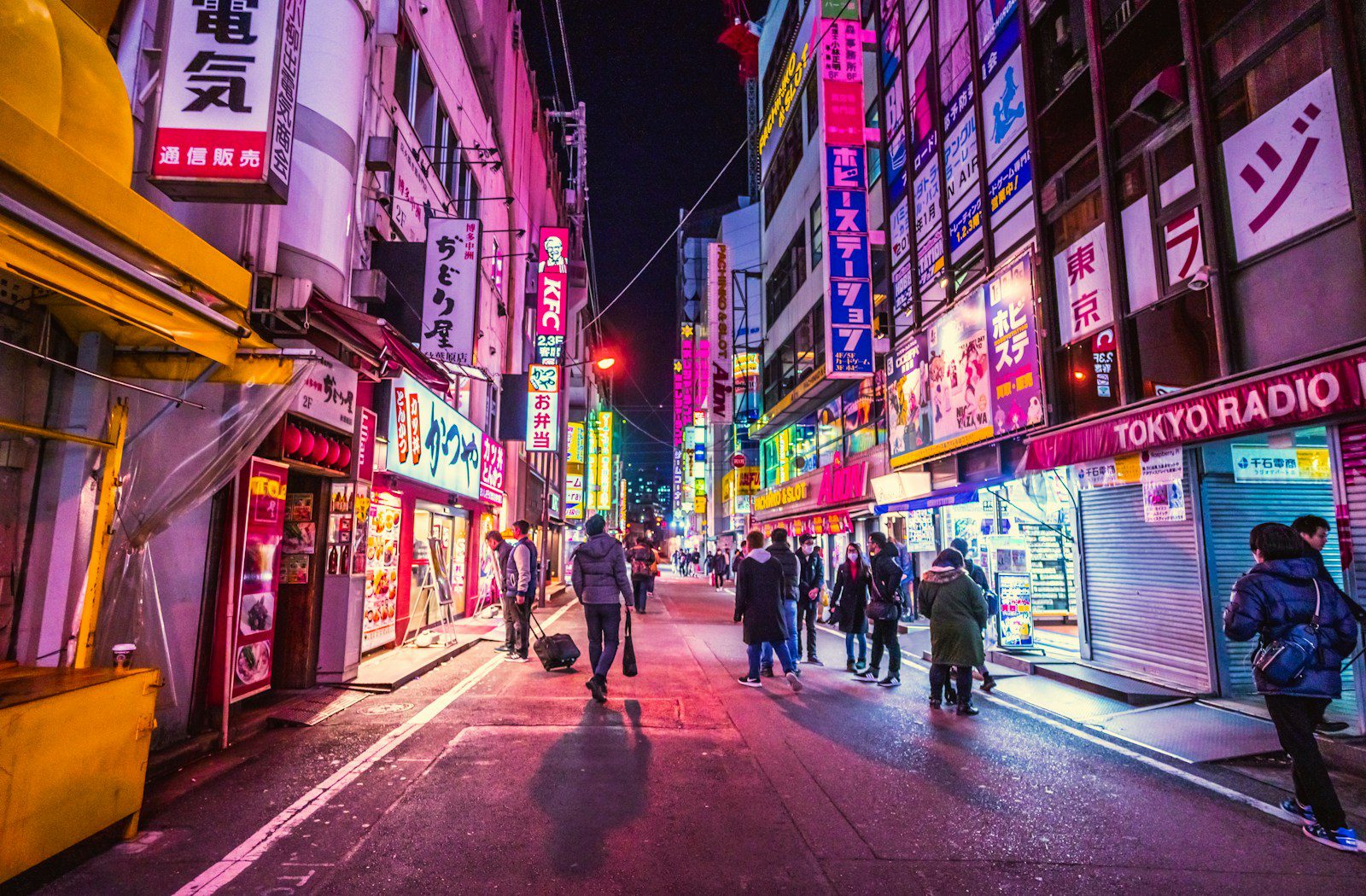
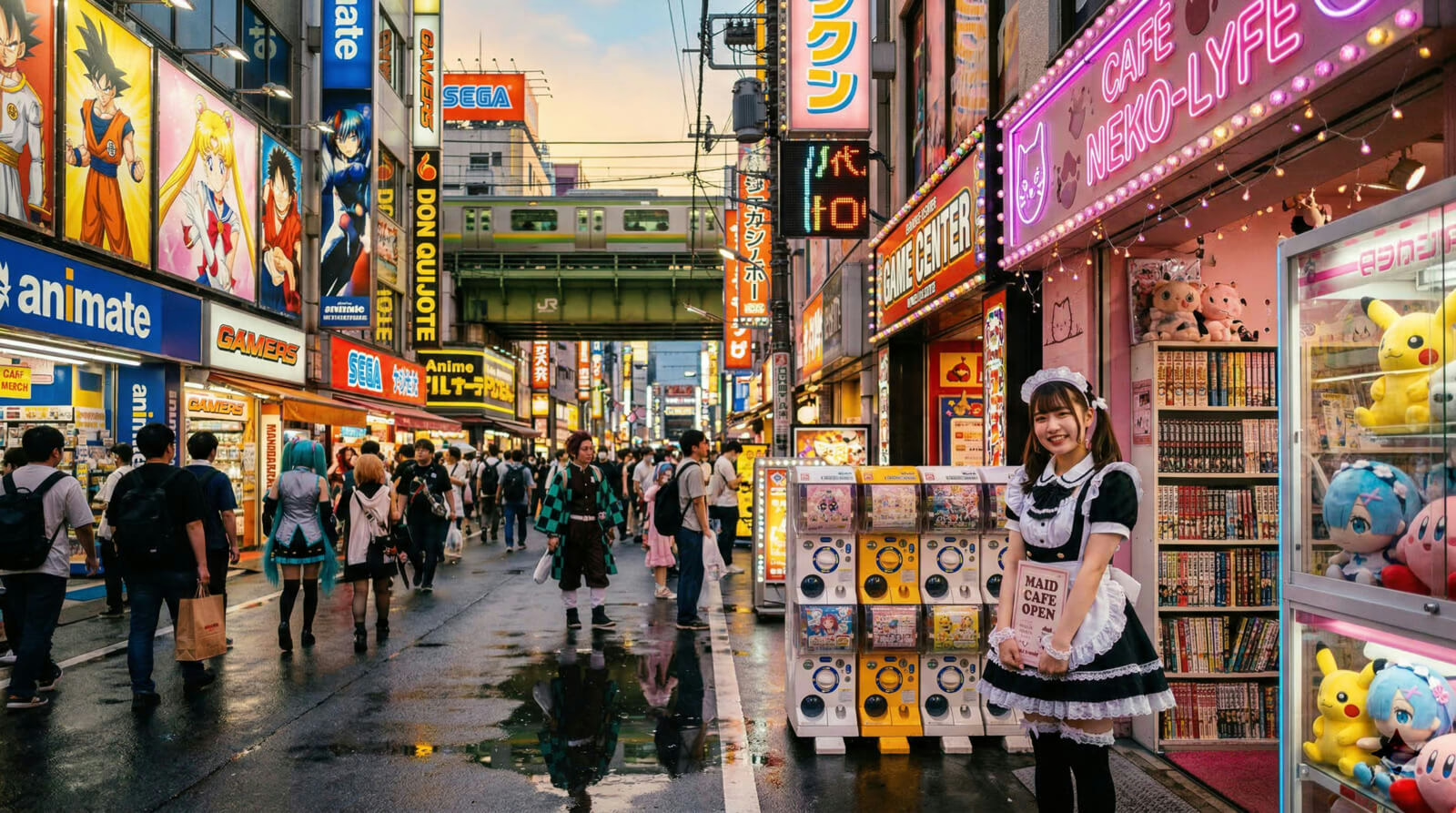
Akihabara is Tokyo’s undisputed anime and manga capital, a dense grid of specialist shops, themed cafés, and multi-floor arcades stretching along Chuo-dori and its side streets.
The district draws over 15 million visitors a year and remains the single best starting point for any anime pilgrimage.
Must-visit anchors include Animate Akihabara, Mandarake Complex, Kotobukiya, and Radio Kaikan, each stocking rare manga, limited merchandise, and towering figure displays. Themed dining spots such as the Final Fantasy Eorzea Café and Zeon Diner Tokyo add character lattes and playful rituals to the mix.
Tokyo Trip Add-Ons
Equip yourself for the ultimate Tokyo adventure with the following add-ons, curated just for you.








Cap the day at multi-floor game centres like GiGO Akihabara and Taito Station HEY, where rhythm games, crane machines, and retro cabinets keep the energy high well into the evening.
Tour Akihabara Like an Otaku
Discover the best anime & manga tours in Akihabara via our trusted partners.
 Book on Viator
 Book on Klook
 Book on GetYourGuide
 Book on Tripadvisor
Anime and Manga Shops You Can’t Miss
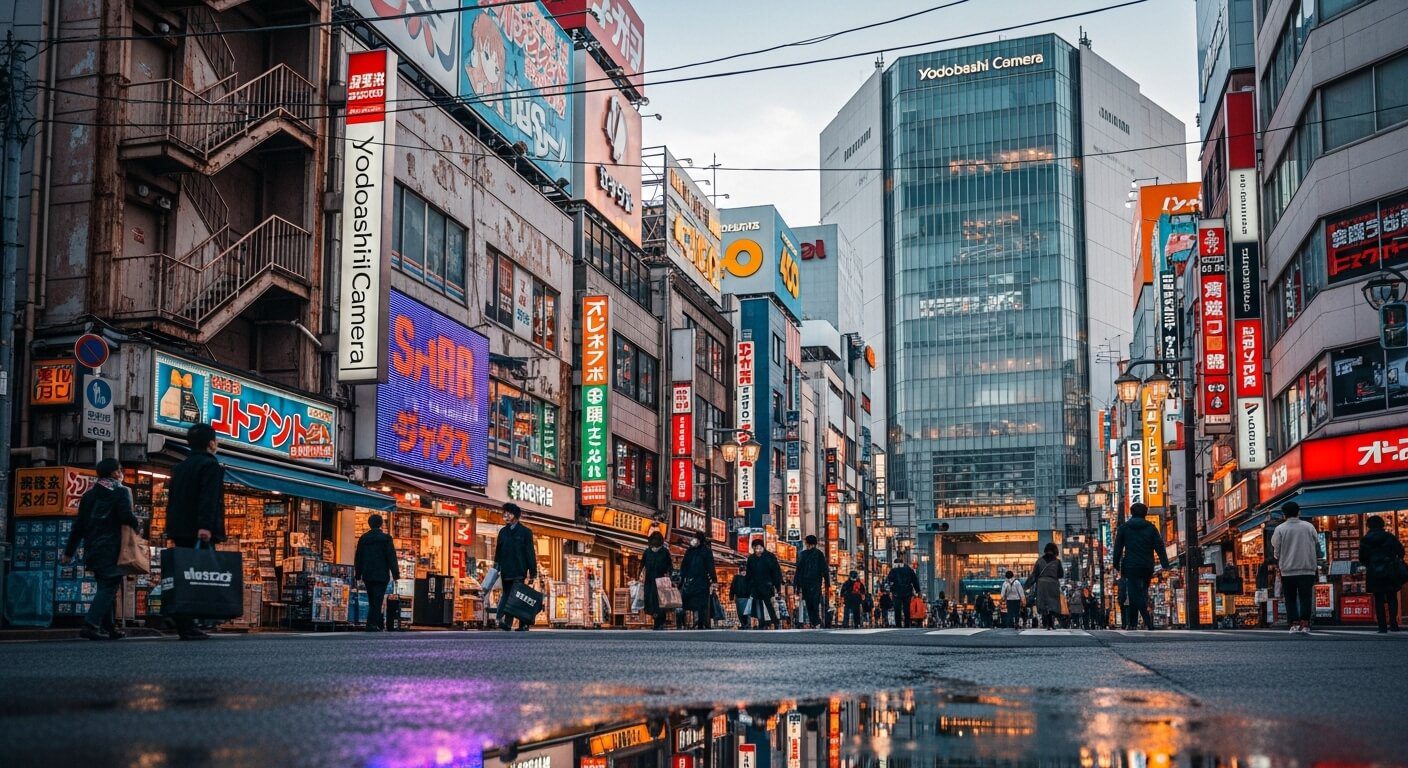
Akihabara’s two flagship stops are Mandarake Complex and Animate Akihabara, both within easy walking distance of Akihabara Station’s Electric Town Exit.
Together they cover new releases, vintage rarities, limited collabs, and event merchandise under one concentrated stretch of Chuo-dori.
For electronics and hobby kits alongside manga, Radio Kaikan’s ten floors are essential. Kotobukiya’s flagship store, one block east, specialises in high-end model kits and exclusive figure lines unavailable elsewhere in the city.
Mandarake Complex: Eight Floors of Collector’s Paradise
Mandarake Complex at 3-11-12 Sotokanda houses eight themed floors of rare manga, vintage animation cels, garage kits, doujinshi, and oddball collectibles.
Each floor targets a different category, making it easy to zero in on a specific obsession.
Arrive in the late afternoon when trade-in stock hits the shelves. Bring cash — card payments are accepted but cash speeds up checkout and occasionally unlocks small discounts at the counter.
Animate Akihabara: The Largest Anime Retail Experience
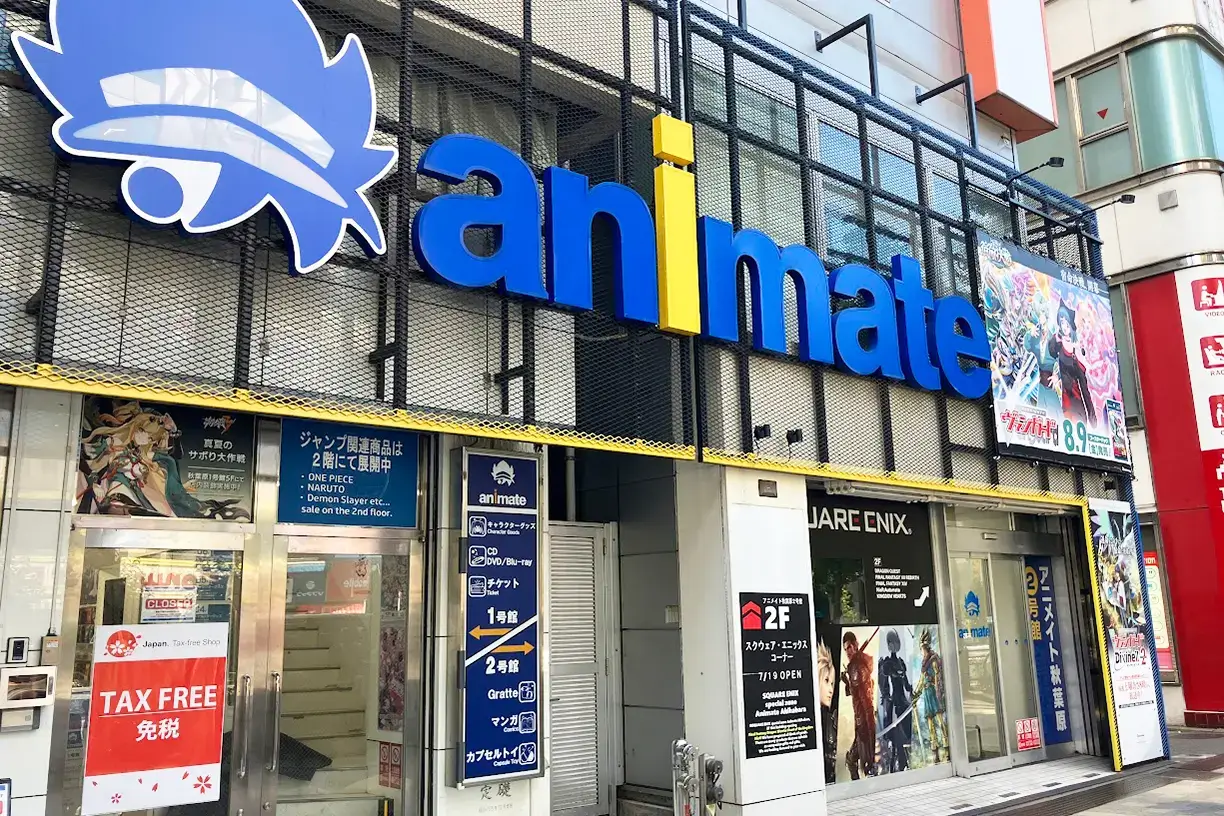
Animate Akihabara is the district’s largest dedicated anime retailer, with multiple floors of manga, merchandise, limited-edition collabs, and a busy event space hosting signings and premieres.
A tax-free counter on the ground floor processes refunds for purchases over ¥5,000.
- Tokyo Fashion Shopping: Harajuku vs. Ginza Style Districts
- Tokyo QR Code Culture: Digital Payments & Menus Made Simple
- 19 Best Free Things to Do in Tokyo
- Monthly Tokyo Living: Budget Tips for Long Stays
- Tokyo Laundry Guide: Coin Laundries & Hotel Services Made Simple
- Tokyo Airport Transportation: Cheapest vs. Fastest Options
Nearby cosplay shops stock wigs, coloured contacts, and props. Staff are knowledgeable and happy to explain sizing or character accuracy — ask freely, and photograph displays outside rather than in crowded aisles.
Do You Need Reservations for Maid Cafés in Akihabara?
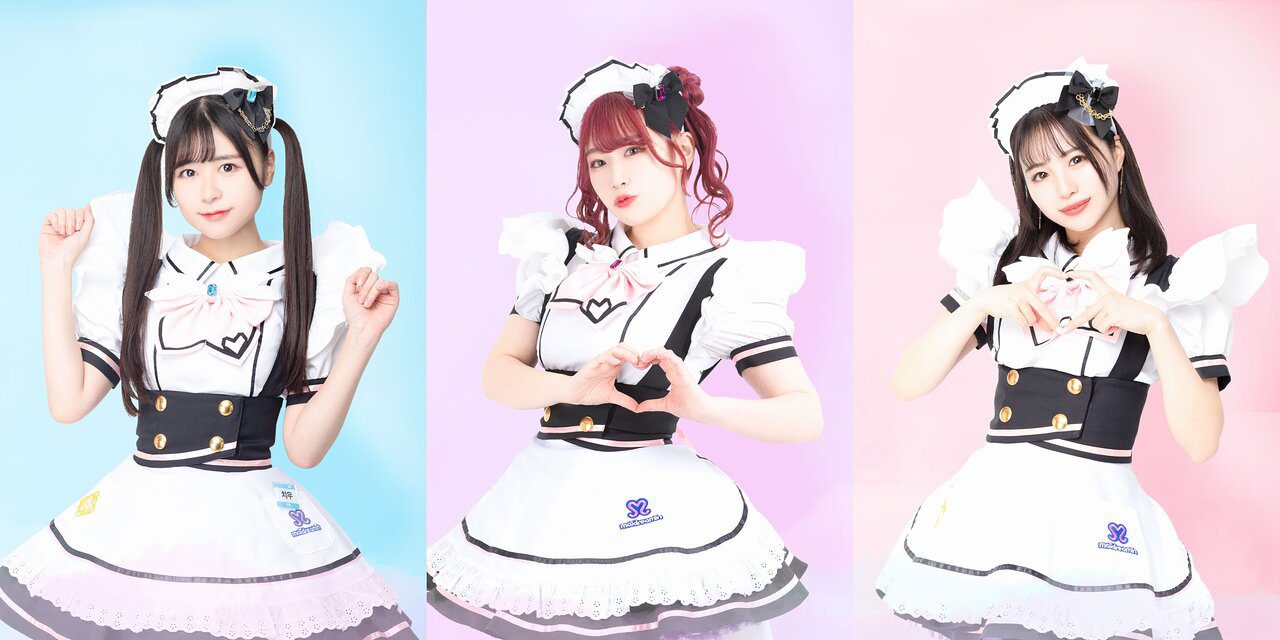
Most Akihabara maid cafés accept walk-ins, but popular venues like @home café and Maidreamin fill up fast on weekends and during cosplay events. Booking a slot online or via phone 24–48 hours ahead guarantees entry and sometimes unlocks a welcome bonus.
Expect themed menus, ketchup-art omurice, short ticketed performances, and photo sets priced at ¥500–¥1,500 per shot. Cover charges typically run ¥500–¥700 per person on top of food and drink minimums. Bring cash; some venues do not accept cards.
maidreamin Akihabara Honten
Summarize with: ChatGPT Grok Perplexity Claude maidreamin Akihabara Honten: Tokyo’s Ultimate ... Read More
Nearby manga cafés offer a quieter follow-up — private booths, unlimited soft drinks, and shelves of volumes for ¥400–¥600 per hour.
Gaming Centres and Arcade Culture
Akihabara’s game centres are multi-floor institutions, not afterthoughts. GiGO Akihabara (formerly SEGA) and Taito Station HEY anchor the scene with retro cabinets, rhythm game arenas, crane prize floors, and competitive fighter setups.
Weekday afternoons offer shorter queues and a friendlier atmosphere for newcomers. Evening tournaments — Street Fighter brackets at Club Sega Akihabara, rhythm showdowns at HEY — are announced on venue X (Twitter) feeds and welcome spectators and participants alike.
A prepaid IC card works at most modern machines. Coin-operated retro cabinets require 100-yen pieces, so keep a small supply handy.
Anime Pilgrimage Sites: Real Locations from Famous Series
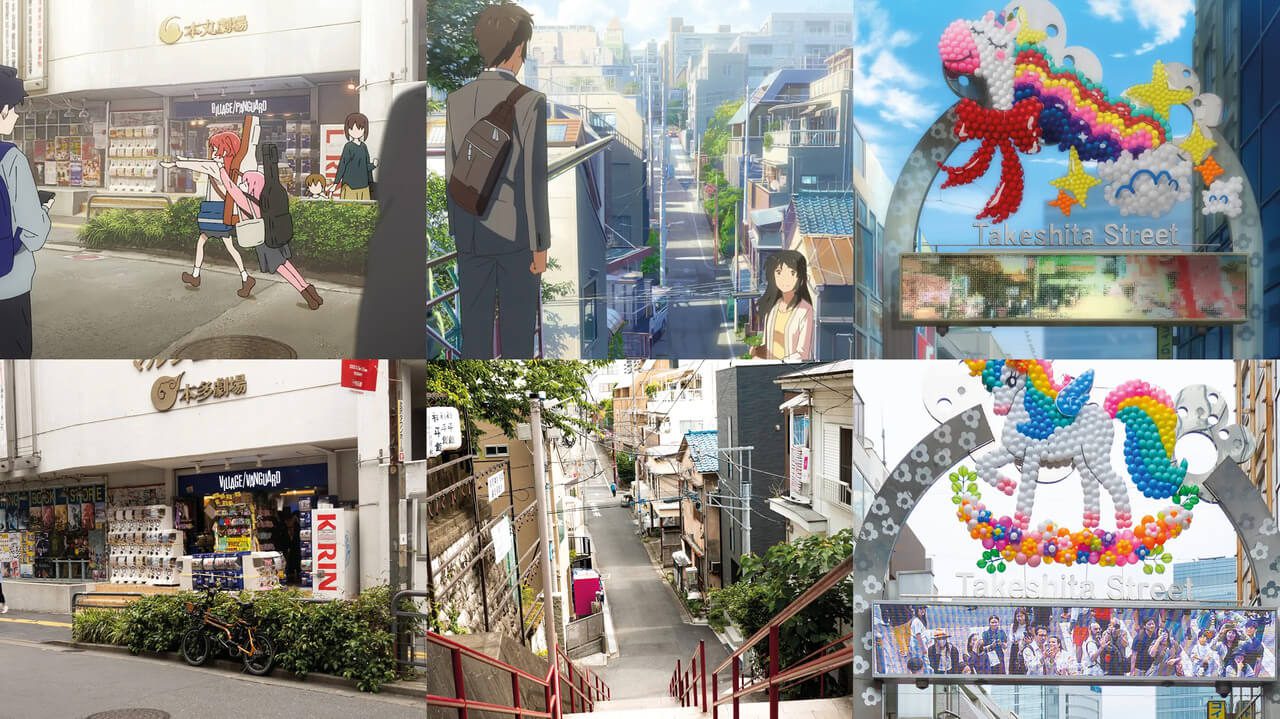
Tokyo doubles as a real-life storyboard for dozens of beloved anime series, with identifiable streets, shrines, and skylines that match film frames with striking accuracy.
Fans of Your Name, Demon Slayer, Tokyo Revengers, and Weathering With You can trace key scenes across multiple districts in a single day.
Tour Otaku Tokyo
Find your perfect anime adventure across multiple booking platforms.
Comfy shoes, a charged camera, and a downloaded location map are the only essentials. Most sites are free to visit and accessible by standard Tokyo Metro or JR lines.
Your Name Locations: Suga Shrine and Shinjuku Spots
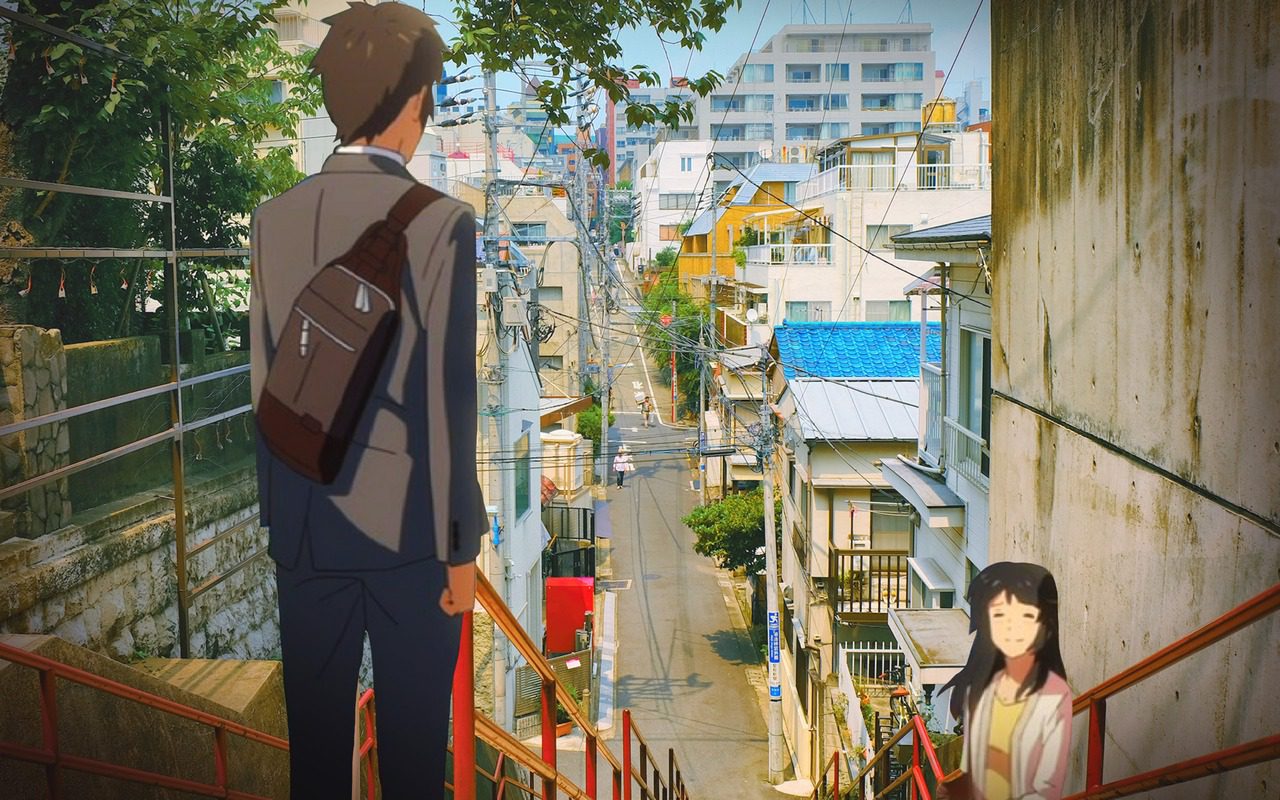
The most iconic Your Name location is Suga Shrine in Yotsuya, where the red-railed stairway matches the film’s pivotal scene frame for frame.
Arrive near golden hour for warm light and a calm atmosphere — the shrine is a working place of worship, so keep noise low and avoid blocking the path.
Nearby Shinjuku spots extend the pilgrimage.
The NTT Docomo tower visible over rooftops and the pedestrian bridges along Koshu-Kaido Avenue replicate background art with eerie precision.
Find Your Shinjuku Anime Adventure
Compare top anime & manga experiences in Shinjuku from our trusted partners.
Start at Yotsuya-Sanchome Station (Marunouchi Line), walk five minutes to the shrine, then head east toward Shinjuku Gyoen for a tranquil green break before diving into the neon district. A slim tripod helps with low-light stairway shots.
Demon Slayer Sites Across Tokyo
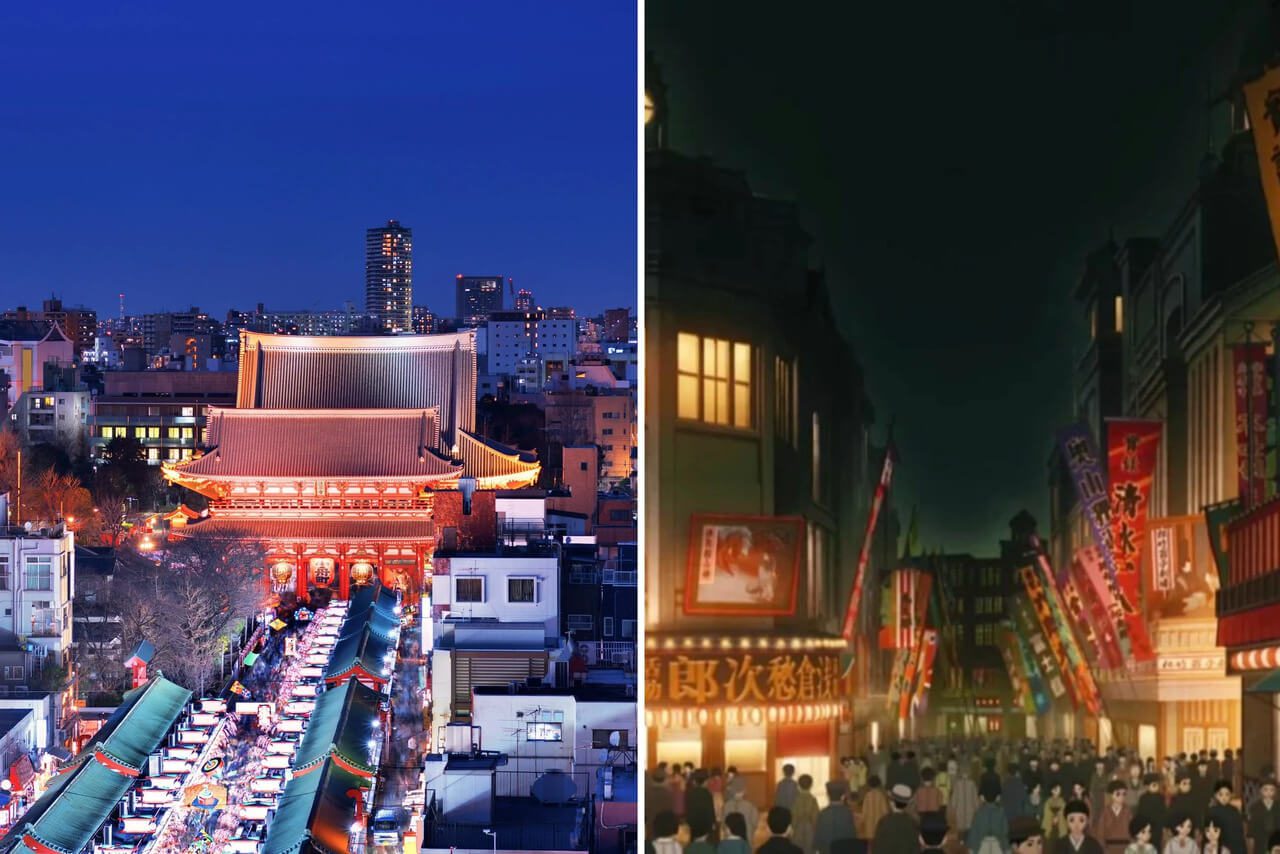
Tokyo’s Demon Slayer pilgrimage centres on Asakusa, whose Taisho-era atmosphere — lantern-lit Nakamise Street, vermilion temple gates, incense smoke — mirrors the anime’s visual tone closely. Arrive at dusk for the most atmospheric photos.
Sumida Park’s riverside paths offer a calm wander with views of Tokyo Skytree, echoing the show’s quieter moments. Nezu Shrine’s torii-lined lanes add a serene, cedar-scented detour that fits the series’ aesthetic perfectly.
For themed merchandise, rotating Demon Slayer collaboration cafés appear in Akihabara and Ikebukuro — check Animate Café’s official schedule and book at least one week ahead. Animate Ikebukuro and Radio Kaikan stock exclusive goods; arrive early on release days to avoid sell-outs.
Tokyo Revengers: Shibuya and Shinjuku Landmarks
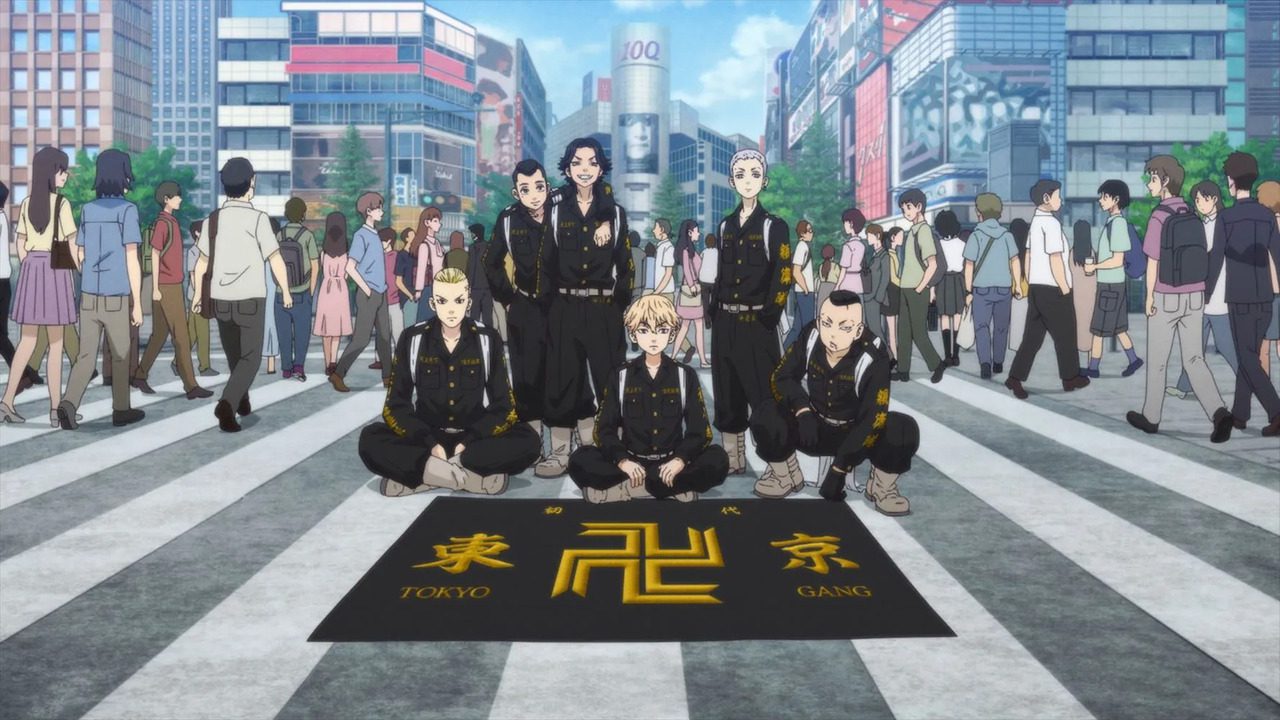
Shibuya Scramble Crossing is the Tokyo Revengers pilgrimage anchor — its late-night neon and dense pedestrian energy mirror the show’s brawl sequences directly.
Photograph from the TSUTAYA building’s second-floor window or the Starbucks terrace for the best elevated angle.
Center-gai’s narrow alley and the area around Hachiko Statue provide additional scene matches and a gentler reset between shots.
Mural-lined alleys nearby feature fan art riffing on Toman crests — worth a slow walk.
Shift to Shinjuku’s Kabukicho for evening atmosphere. Golden Gai’s tight lanes echo the show’s grittier corners.
Change into cosplay at a studio rather than on the street, and always ask permission before filming other people.
Weathering With You: Rooftop Shrines and Hidden Corners
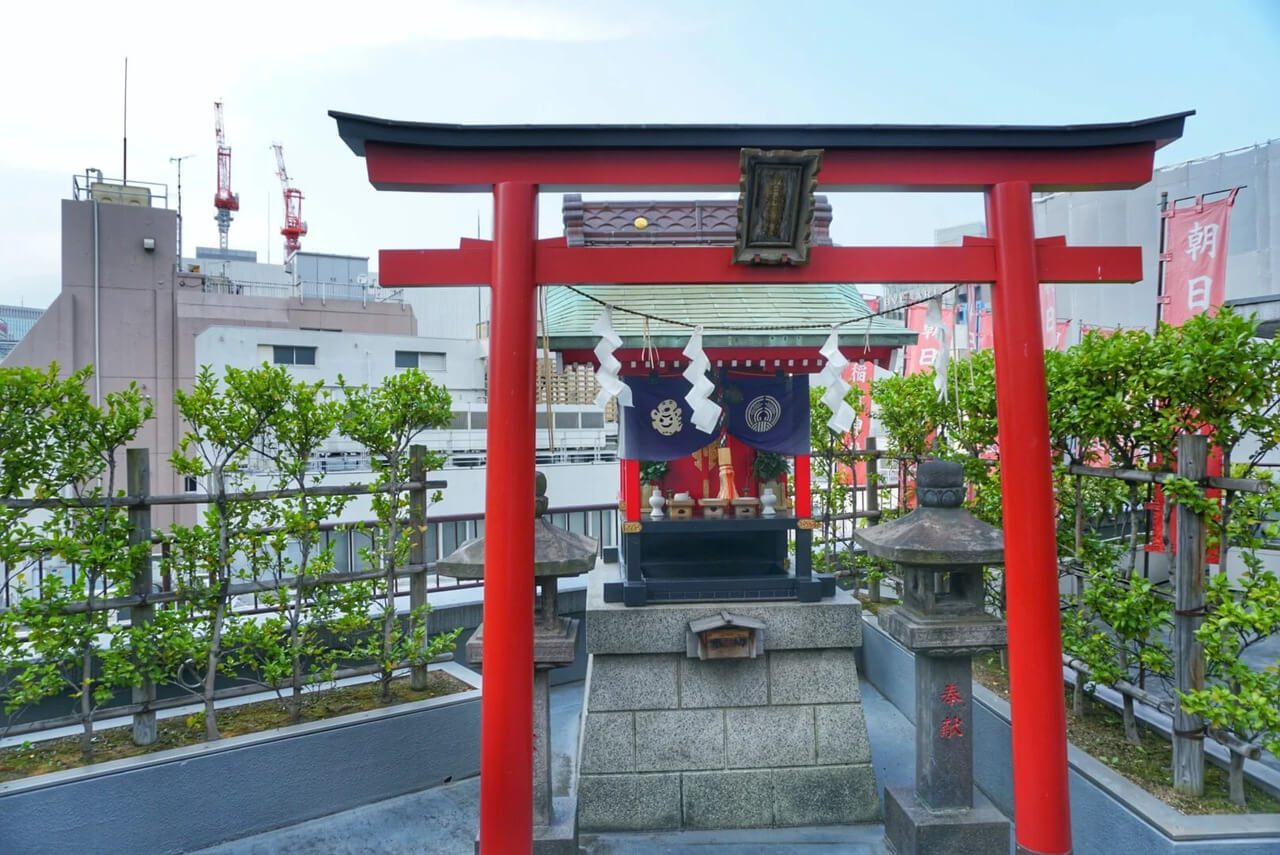
The Weathering With You pilgrimage begins at Tabata’s small Tenjin Shrine, a modest stair climb where the city’s hum feels noticeably thinner and the rooftop framing matches key film shots.
Locals use the shrine daily — visit respectfully and keep group sizes small.
Yoyogi and Shinjuku backstreets hide additional pocket-sized rooftop shrines whose vermilion gates frame neon horizons at dusk.
These locations reward patient exploration rather than GPS-pinned rushing.
Kanda-Jimbocho after rain captures the film’s ink-and-coffee mood perfectly.
Pedestrian bridges near Shibuya replicate contemplative skyline shots — late afternoon golden hour is ideal. Leave drones at the hotel; handheld cameras and a respectful pace are all you need.
Museums and Exhibitions for Anime Fans Around Tokyo
Tokyo’s anime museum landscape ranges from the world-famous Ghibli Museum to free neighbourhood institutions that most tourists overlook entirely.
Combining one ticketed anchor with one or two free stops makes for a well-rounded, budget-conscious museum day.
Temporary pop-up exhibitions rotate through department store galleries and event halls year-round, adding screen-used props, early sketches, and exclusive merchandise to the mix. Check venue social feeds every Monday for the week’s new announcements.
Is the Ghibli Museum Worth It?
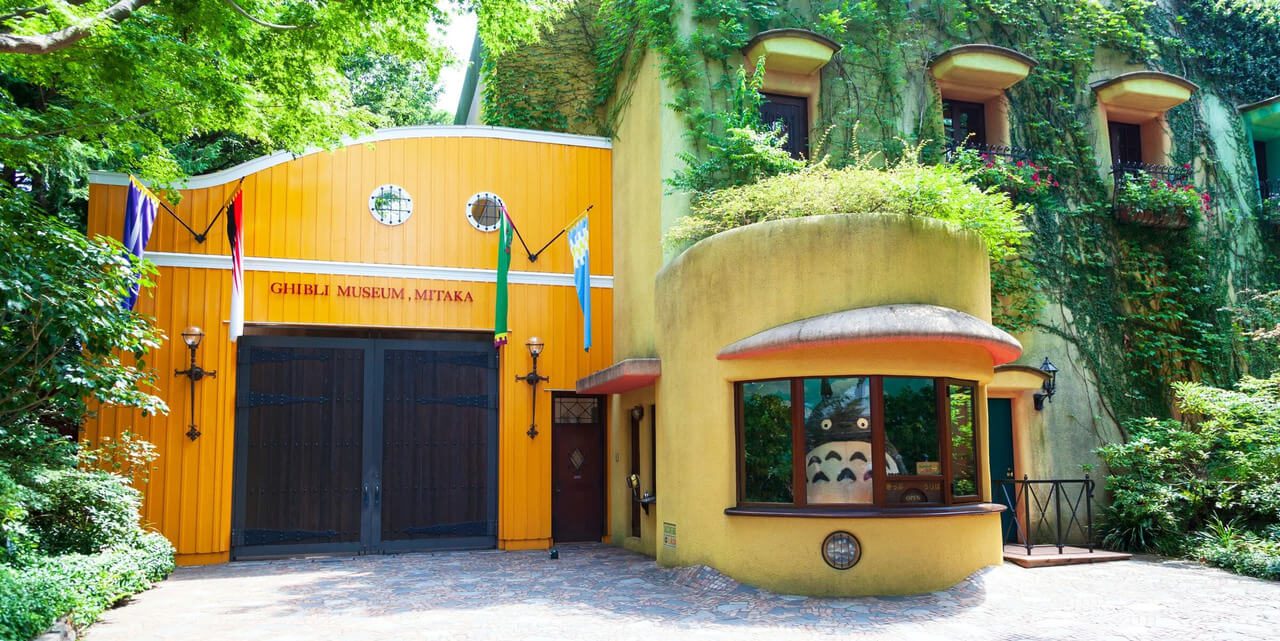
Yes! The Ghibli Museum in Mitaka is consistently rated one of Tokyo’s top cultural experiences, offering a hand-crafted, immersive environment that no other anime museum replicates.
Ivy-cloaked walls, stained-glass Totoro panels, a rooftop robot sentinel, and an exclusive short film screened only on-site justify the advance planning required.
Tickets are advance-only, released monthly on the first day of the preceding month via the official Ghibli Museum site or Lawson convenience stores.
They sell out within hours — set a calendar alert and have your booking details ready. Adult admission costs ¥1,000; children ¥100–¥700 depending on age.
Plan a weekday morning slot and arrive early to enjoy the short film screening without rushing.
Photography is prohibited inside all exhibition rooms, which sharpens the senses and keeps the atmosphere magical.
The Straw Hat Café serves hearty meals and seasonal sweets; the gift shop stocks exclusive merchandise unavailable anywhere else.
Explore the Ghibli Museum
Browse curated Studio Ghibli tours and experiences via our trusted partners.
The museum sits a 15-minute walk from Mitaka Station (JR Chuo Line) or a short ride on the dedicated shuttle bus (¥320 round trip).
Suginami Animation Museum: Free Entry and Interactive Displays
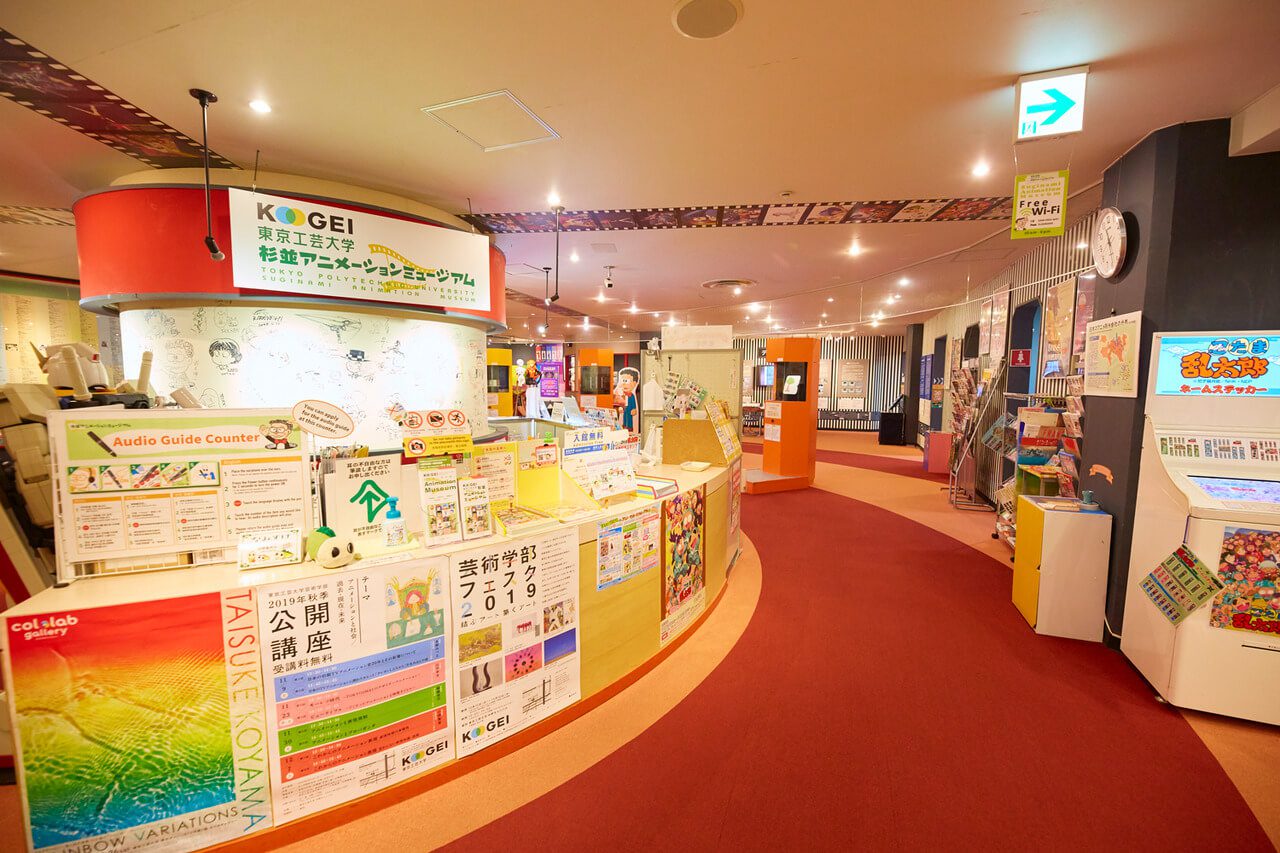
The Suginami Animation Museum in Ogikubo offers free admission and a hands-on introduction to anime production, from storyboards and voice-acting booths to original cel art you can examine up close. It is one of Tokyo’s most underrated anime stops.
Hop off at Ogikubo Station (JR Chuo Line or Tokyo Metro Marunouchi Line) and walk ten minutes to the museum inside the Asagaya Bunka Foundation building — cheerful signage marks the entrance clearly.
Interactive exhibits guide visitors through key production steps.
Try dubbing lines in the sound studio, adjust timing on a mini editing rig, and compare digital tools with retro cel layers.
Rotating galleries spotlight local studios and animation pioneers, while a cozy library streams classic titles. Weekdays feel blissfully uncrowded.
Temporary Pop-Up Exhibitions and Seasonal Shows
Pop-up anime exhibitions sweep through Tokyo year-round, turning department store galleries and event halls into limited-time showcases tied to new film releases or major anniversaries.
Ikebukuro’s Sunshine City, Shibuya’s Hikarie, and Ginza’s Matsuya are the most reliable venues.
Expect screen-used props, early production sketches, and photo zones engineered for social sharing.
Tickets sell out fast — booking online as soon as dates are announced is the smartest move.
Weekend cosplay tutorials, DJ-set night sessions, and themed drinks add extra layers to evening visits.
Lockers are common at larger venues, and staff enforce bag-check rules consistently. Arrive at opening time for the best photo opportunities and shortest queues.
Ikebukuro: The Rising Otaku District
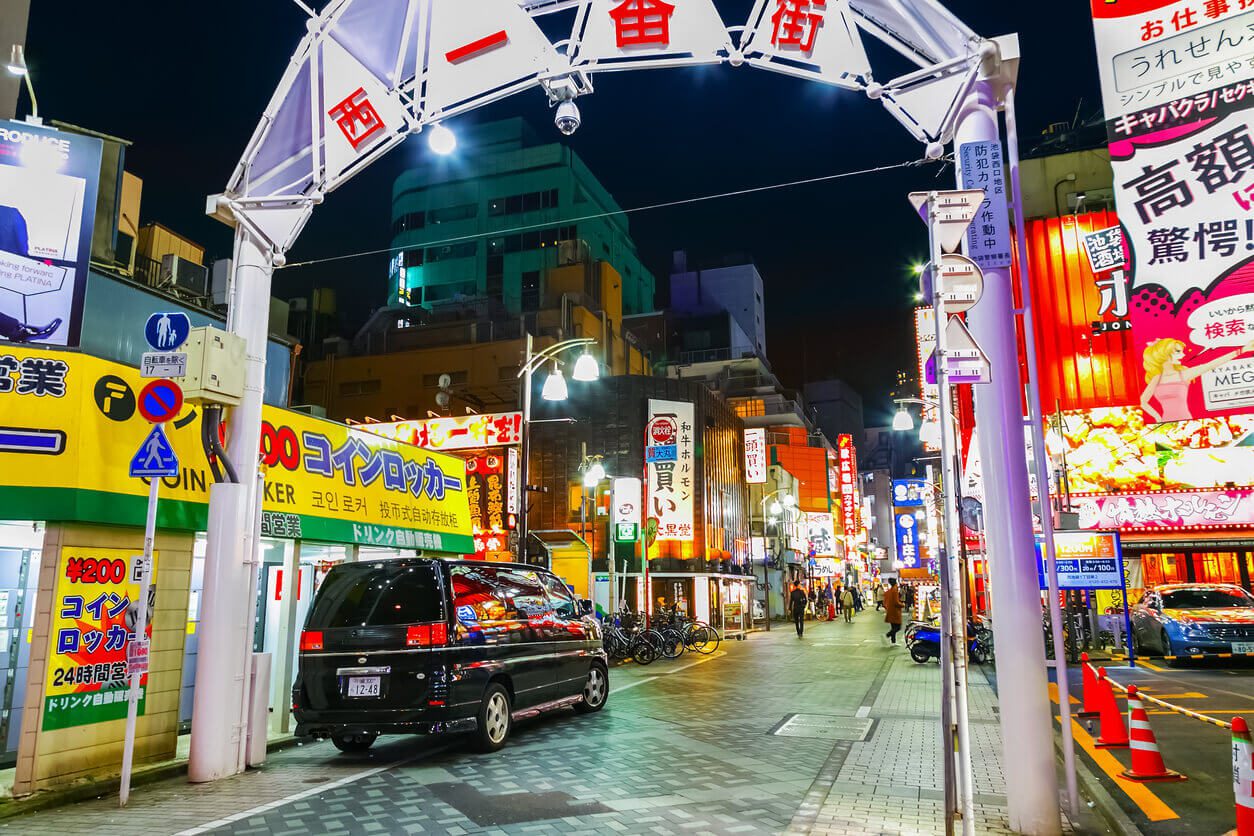
Ikebukuro has evolved into Tokyo’s second major otaku hub, with a character distinct from Akihabara — more female-fan-focused, more café-dense, and anchored by the massive Sunshine City complex.
Animate Ikebukuro, Otome Road, and Pokémon Center Mega Tokyo form the core triangle.
Discover Ikebukuro's Manga World
Find and book top-rated anime & manga tours across Ikebukuro.
K-Books and a cluster of second-hand shops reward patient treasure hunters with rare doujinshi, gently used figures, and bargain bins that undercut Akihabara retail prices on older stock. The district is a 3-minute walk from Ikebukuro Station’s East Exit.
Animate Ikebukuro and Otome Road
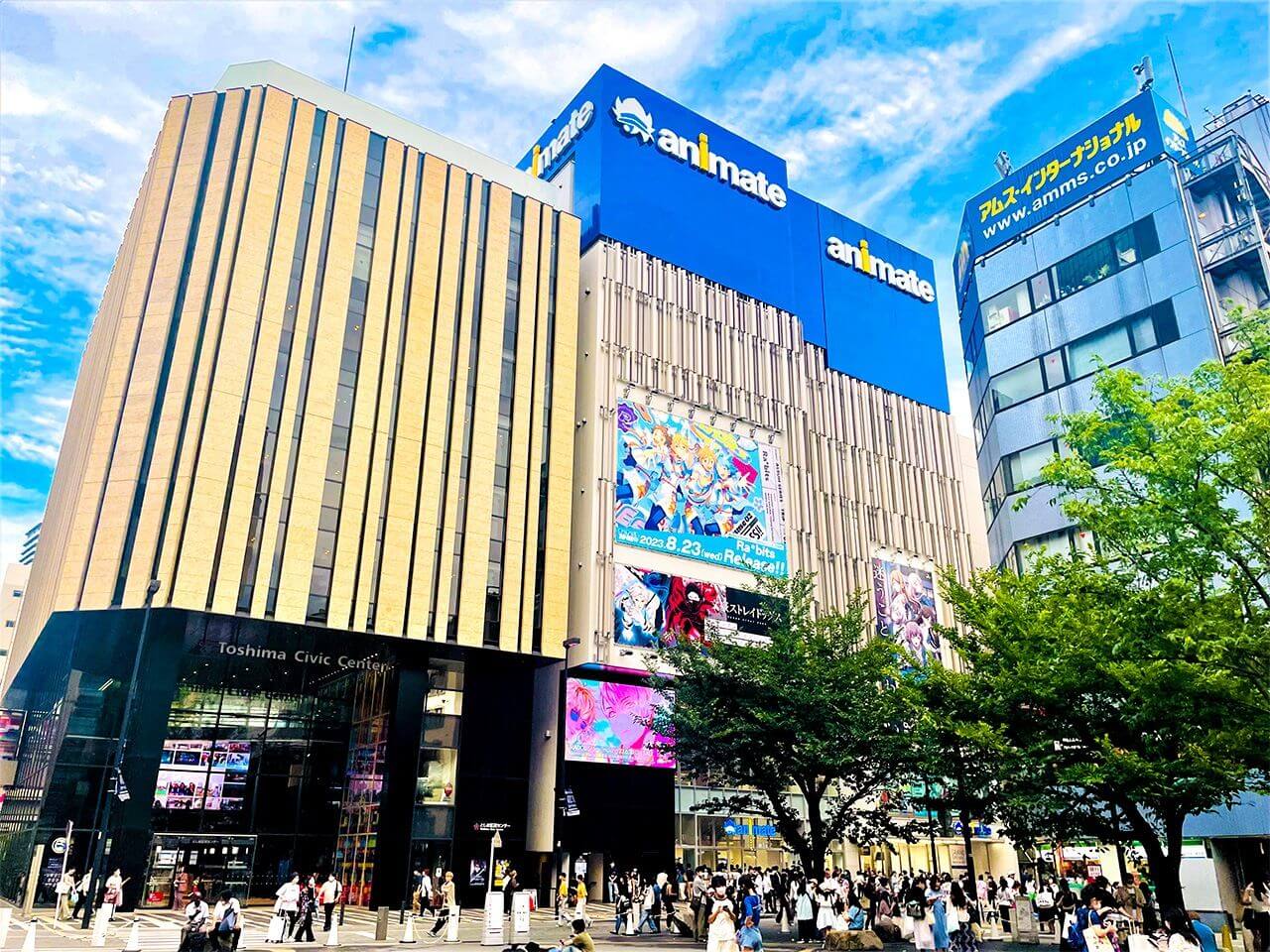
Animate Ikebukuro is the brand’s largest flagship store, anchoring the famed Otome Road — a short stretch of Higashiikebukuro where women-centred anime and BL (boys’ love) culture thrive visibly and without apology.
Multi-floor shelves stock drama CDs, anthologies, acrylic stands, and limited-edition merchandise that rotates with seasonal events and autograph sessions.
Cosplay boutiques line the surrounding sidewalks, selling wigs, coloured contacts, tailor-fit uniforms, and prop kits. Nearby parks offer quick, photogenic shoot locations.
Arrive early for lottery tickets on event days, bring cash for gacha machines, and explore the side alleys — tiny shops hide rare badges, limited jackets, and crepe stands perfect for a victory lap.
Pokémon Center Mega Tokyo and Character Stores
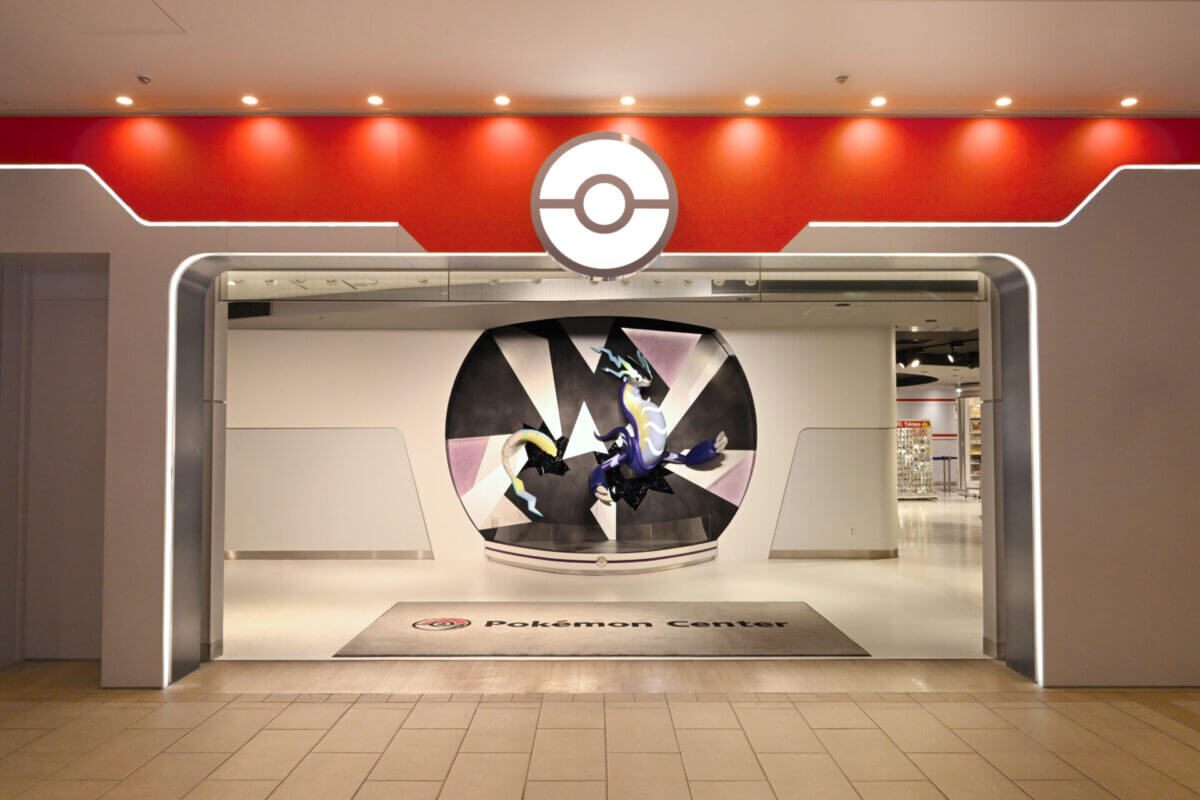
Pokémon Center Mega Tokyo, located on the second floor of Sunshine City’s Alpa building, is the largest Pokémon retail space in Japan.
Walls of plush starters, exclusive pin drops, and trading card showcases fill a bright, spacious floor engineered for extended browsing.
Timed event goods sell out within the first hour of opening — arrive early on release days.
Sunshine City’s surrounding character stores orbit like lively satellites.
Sanrio, Ghibli, and Jump shops offer limited merchandise, seasonal apparel, and gacha charms that pack easily into carry-on luggage.
Weekdays mean shorter queues; Sundays are busy but move efficiently. IC card payment is accepted at most registers.
K-Books and Second-Hand Treasure Hunting
K-Books operates multiple branches within walking distance of Ikebukuro Station, each specialising in a different category — women-focused otome goods, artbooks, first-press bonuses, and general manga.
Shelves stack high with out-of-print titles, drama CDs, and character goods tagged with honest condition grades.
Prices flex by demand, so scanning across floors before committing often reveals the same item at a lower price point.
Check the clearance carts near each entrance first. Arrive on weekday mornings for the freshest stock, bring cash, and carry protective sleeves for delicate purchases.
Nakano Broadway: The Collector’s Secret Spot in Tokyo
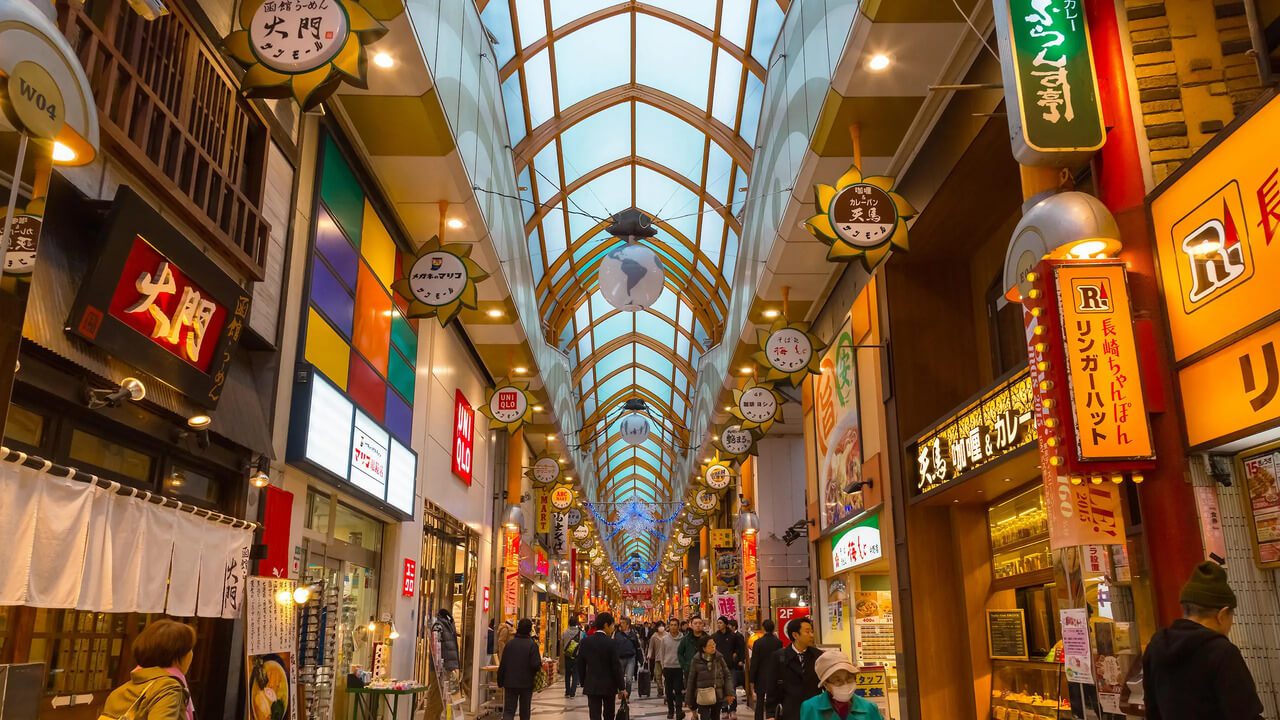
Nakano Broadway is a four-floor shopping complex above Nakano Station (JR Chuo Line, 8 minutes from Shinjuku) that houses the densest concentration of Mandarake branches in Tokyo alongside vintage toy shops, figure specialists, and indie consignment stalls.
It is quieter than Akihabara and rewards methodical exploration.
Visit on weekday afternoons for calmer aisles and fresher trade-in stock.
Nakano Broadway Anime Tours
Book the best anime & manga tours through Nakano Broadway with our trusted partners.
Check display cases for “grail” tags, and ask staff about backroom inventory — surprises are common.
Mandarake Branches and Rare Finds
Nakano Broadway’s warren of Mandarake branches is the true heartbeat of serious anime collecting in Tokyo.
Each floor hides a specialty nook — doujinshi on one level, out-of-print art books on another, vintage cels and signed tankōbon tucked behind discreet counters.
Buy-back desks allow travellers to flip duplicate purchases for quick cash, a useful option mid-trip.
Late-afternoon restocks generate surprise shelf treasures that reward patience.
Bring cash, a tote bag, and a specific want-list to stay focused. Weekday evenings offer fewer crowds and more breathing room between glass cases.
Vintage Toy Shops and Figure Collectors’ Heaven
Nakano Broadway’s third and fourth floors shift from manga into a time capsule of vinyl kaiju, Showa-era robots, and mint-in-box mecha that glint under display lighting.
Mandarake’s specialty corners, Robot Robot, and rotating consignment stalls cluster like secret coves, each stacking stock to the ceiling.
Figure collectors should ask staff for condition grades — MIB (mint in box), NOS (new old stock), or “junk treasure” ripe for restoration.
Some vendors skip card readers, so bring cash. Pack light and move nimbly; the best finds require squeezing between narrow shelves.
Harajuku and Shibuya Pop Culture Spots
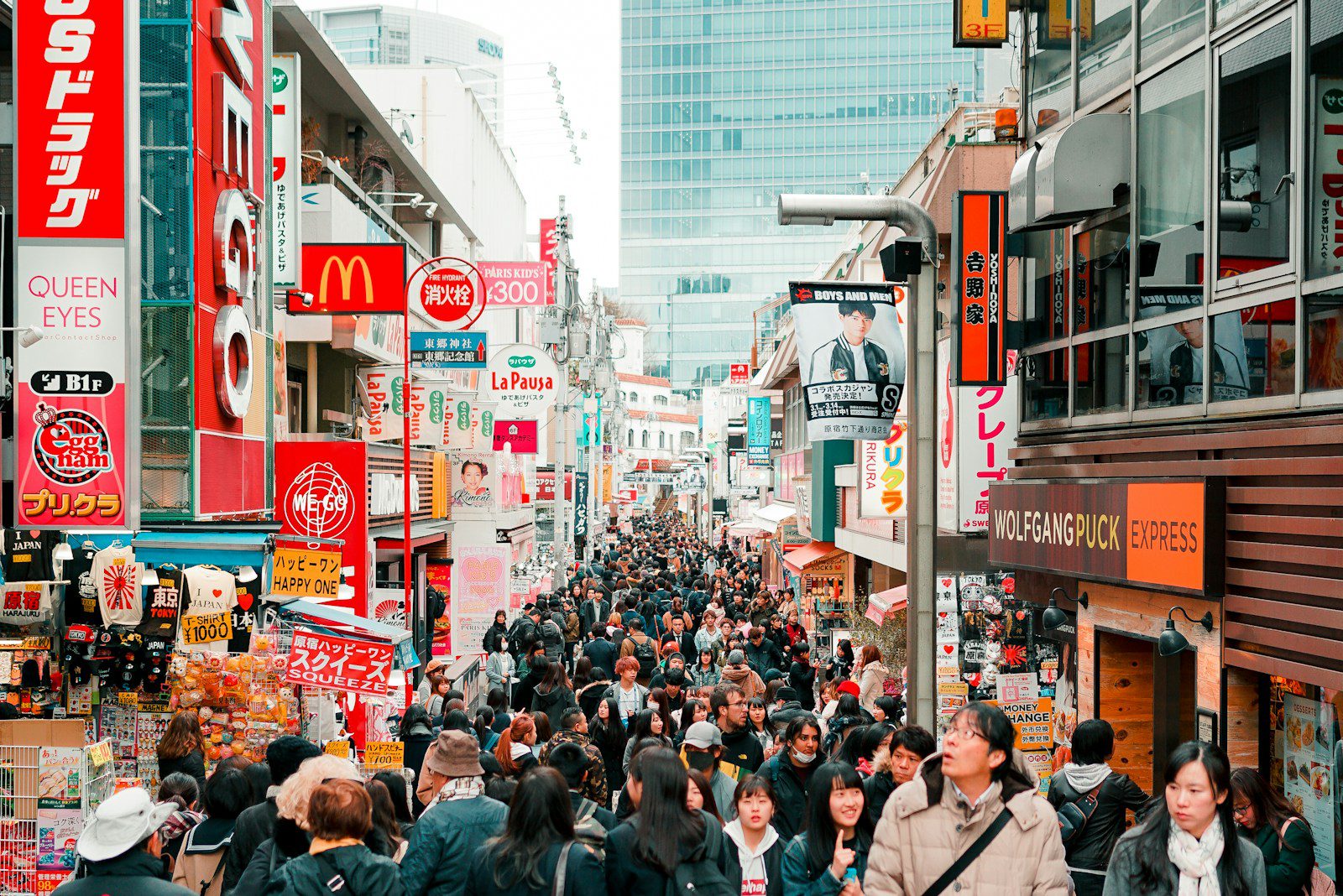
Harajuku and Shibuya together form Tokyo’s pop-culture fashion corridor, blending anime-inspired streetwear, cosplay boutiques, and official franchise merchandise within a compact, walkable area.
Shibuya 109, Takeshita Street, and Jump Shop Tokyo are the three essential stops.
For a deeper look at the fashion side of both districts, our guide to Tokyo fashion shopping in Harajuku and Ginza covers style districts, brand maps, and budget strategies in detail.
Shibuya 109 and Anime-Inspired Fashion
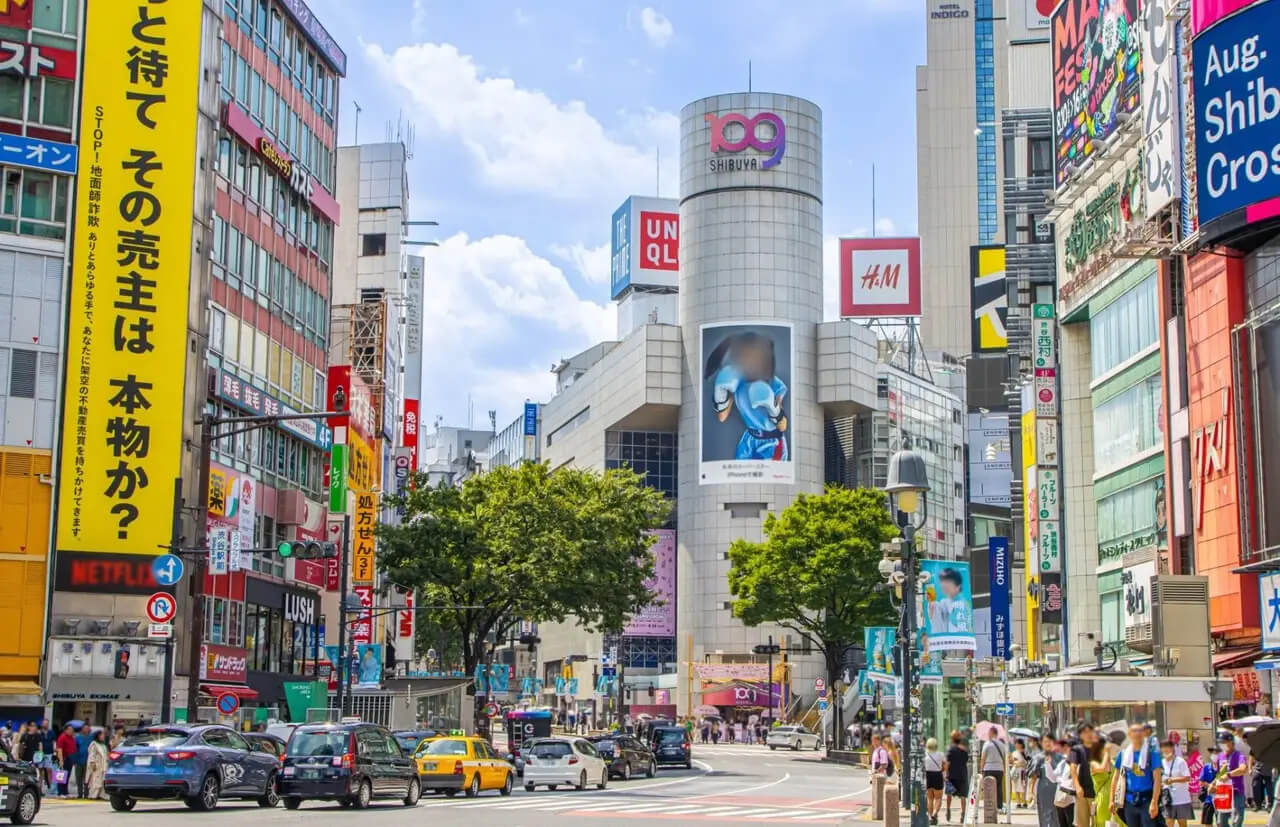
Shibuya 109 is a nine-floor fashion landmark where anime-inspired streetwear, neon sneakers, and character-motif accessories sit alongside mainstream J-fashion.
Mannequins flaunt sailor-collar blouses, techwear capes, and pastel street sets that translate cosplay aesthetics into everyday wear.
Limited drops from collabs remix iconic manga panels into jackets, tees, and bags — check the ground-floor event space for current partnerships.
DIY bars on select floors let shoppers add patches, pins, and chains to pieces on the spot.
Arrive in the late afternoon, then step outside to photograph Shibuya Crossing — the new wardrobe earns a cinematic debut against one of Tokyo’s most recognisable backdrops.
Takeshita Street: Cosplay Shops and Character Goods
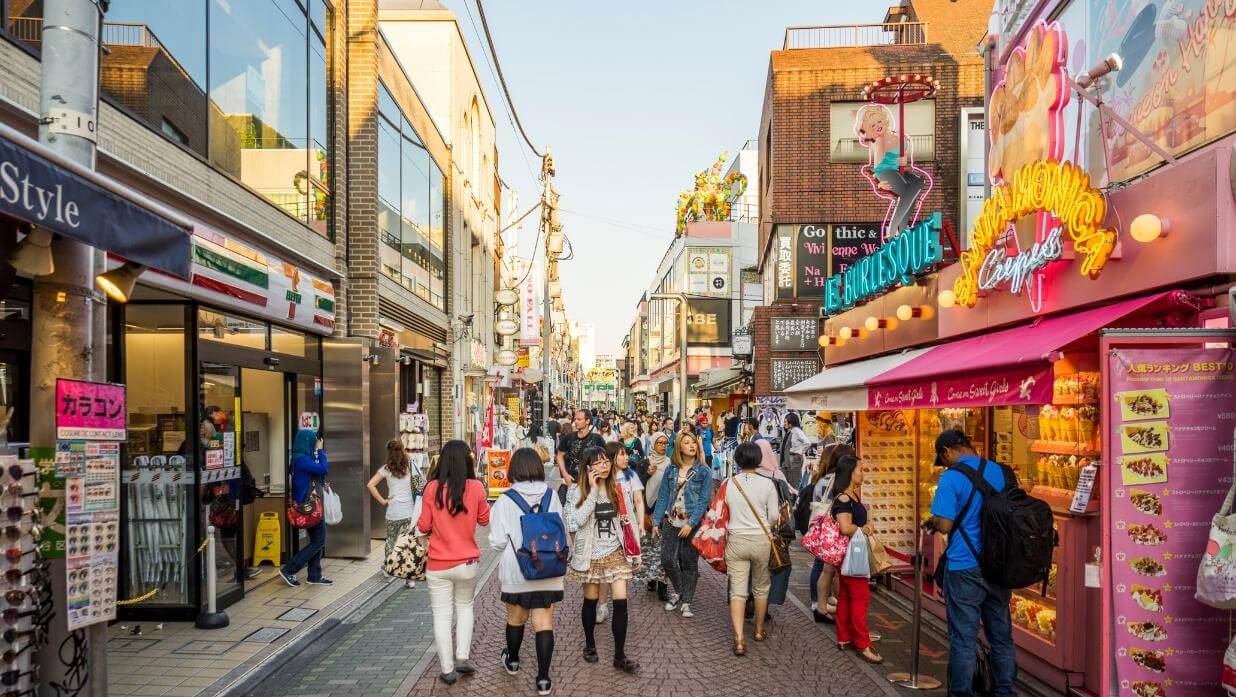
Takeshita Street in Harajuku is a 350-metre pedestrian runway packed with cosplay shops, character goods stores, and indie boutiques selling lace, neon, and glitter at accessible prices. Weekend crowds surge — visit between 10 a.m. and 1 p.m. to beat the peak wave.
Staples like Body Line and ACOS pop-ups stock wigs, coloured contacts, and precision-made cosplay accessories.
Kiddy Land’s nearby flagship side streets carry badges, gachapon keychains, and plushies. Bring cash, a foldable tote, and curiosity — side alleys hide the most interesting finds.
Grab a crepe from one of the street’s famous stands for fuel between shops.
Jump Shop Tokyo: Shonen Jump Merchandise Central
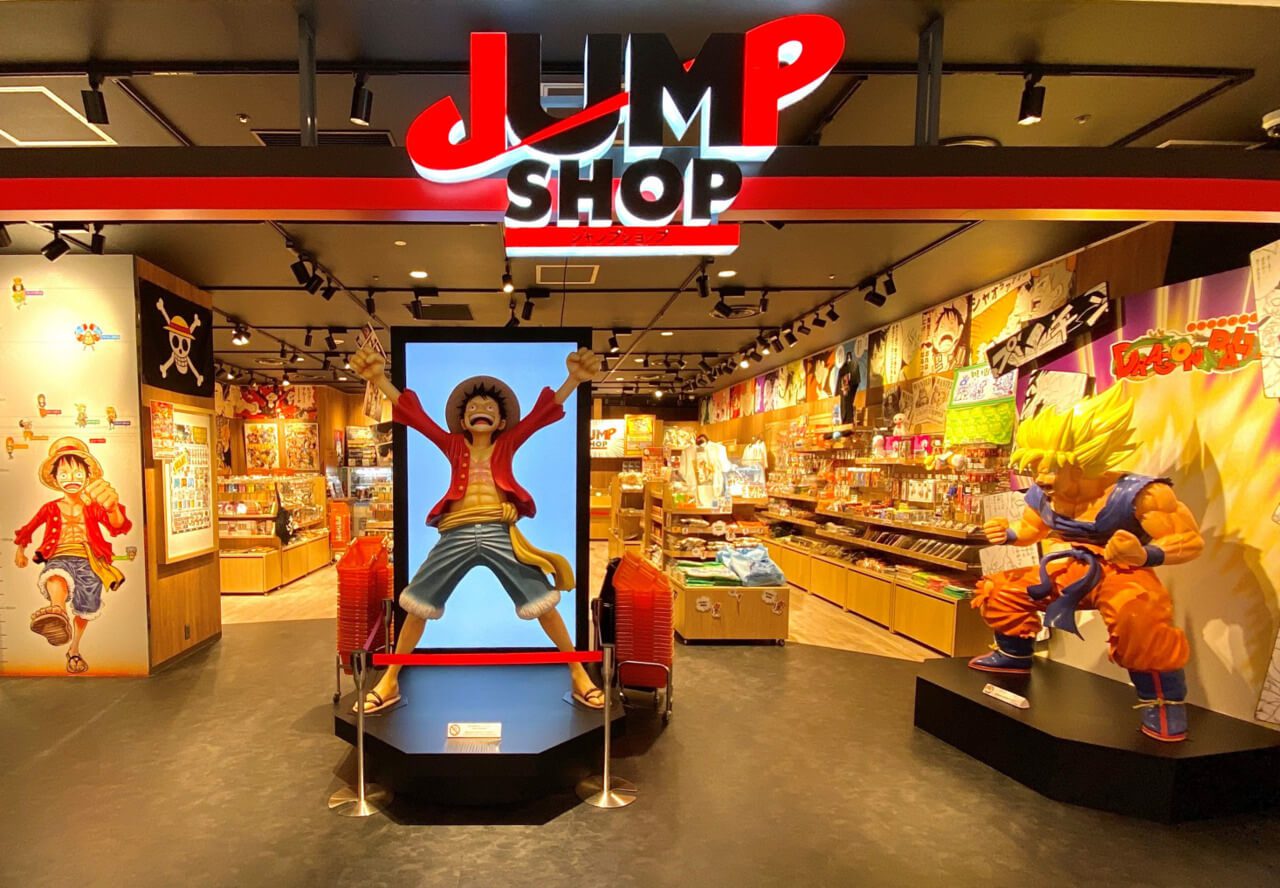
Jump Shop Tokyo is the official retail destination for Shonen Jump fans, stocking exclusive manga art, limited-edition collectible cards, badges, and rotating pop-up corners tied to current anime arcs.
The primary location sits inside Harajuku’s Laforet building; a secondary presence operates in central Shibuya.
Expect weekend queues, but staff keep lines moving efficiently. Go early on weekdays or weekday evenings for calmer browsing.
Prices range from ¥300 impulse buys to ¥15,000+ display-worthy figures — set a budget before entering.
Photo spots and mini displays near the entrance are free to use. Cosplay costumes occasionally appear during collab events; arrive ready and pose proudly.
Themed Cafés and Pop-Up Collaborations
Tokyo’s character café scene is one of the most dynamic in the world, with rotating collaborations launching and closing on tight schedules across Akihabara, Ikebukuro, and Shibuya.
Permanent staples provide reliable fallbacks when collab slots are full.
For shopping near these café hubs, the Akihabara Electric Town attraction guide maps the district’s layout and highlights key retail anchors alongside dining options.
How Do You Find Current Anime Café Collaborations in Tokyo?
The most reliable method is following official anime X (Twitter) accounts and venue chains — Animate Café, Pronto collabs, and Tower Records cafés post collaboration dates first, often 2–3 weeks before tickets open.
Reservation portals Eplus and Lawson Ticket handle most bookings.
Track the hashtag #コラボカフェ on X and Instagram alongside the series title for real-time announcements.
Join LINE alerts from major venues for instant notifications. Scan event calendars at Sunshine City and Parco Museum weekly — tie-ins with fan art walls and cosplay contests appear here first.
Book weekday afternoon slots for calmer vibes, fresher merchandise availability, and shorter queues at the merch counter.
Permanent Themed Restaurants Worth Visiting
Tokyo’s permanent themed restaurants anchor an itinerary when limited-time collabs are fully booked.
Akihabara’s maid cafés deliver polished skits and character menus year-round; Ikebukuro’s butler salons pour precise afternoon tea in tailored settings.
Ninja Akasaka in Akasaka turns dinner into a theatrical stealth quest with costumed servers and trick-door entrances — reservations are essential and available online.
Anison bars in Shinjuku and Akihabara play anime soundtracks continuously and occasionally host surprise talk nights with voice actors.
Check cosplay policies before arriving — some venues welcome costumes, others restrict them to protect the dining atmosphere.
Nakano Broadway’s retro game diners offer chiptune vibes and comfort food without a dress code.
Booking Tips and What to Expect at Anime Cafés
Most anime café collaborations use timed-entry reservations released weekly, sometimes via lottery, with prepayment required and a QR code shown at the door.
Cancellations are common — screenshot confirmation codes, seating times, and menu sets as backup.
Expect strict 60–90 minute seating windows, mandatory set menus priced at ¥2,000–¥4,000 per person, and a quick-fire merch line at the end of the session.
Bring cash for exclusive add-ons; a tote bag handles the swag haul.
Arrive 15 minutes before your slot — tardiness typically means forfeiture with no refund. Join venue mailing lists for presales, surprise restocks, and occasional ticket discounts.
Shopping for Anime Merchandise and Collectibles
Tokyo’s anime merchandise ecosystem spans new-release flagships, pre-owned treasure dens, doujinshi specialists, and gacha halls — each with its own rhythm and strategy. Knowing which format suits your target item saves time and money.
For tax refund strategies on larger purchases, the Tokyo duty-free shopping guide explains the refund process, eligible store types, and minimum spend thresholds step by step.
Figure Shops: New Releases and Pre-Owned Bargains
Akihabara, Ikebukuro, and Nakano Broadway each host figure shops stacking glass cases like tiny museums — spotlights, pristine bases, and “just arrived” tags on new releases alongside graded pre-owned stock at 30–60% below launch price.
Radio Kaikan’s ten floors in Akihabara cover day-one preorders and surprise restocks.
Nakano Broadway’s upper levels specialise in rare vaulted scales and nostalgic prize figures. Ikebukuro caters to otome-leaning lines and limited event exclusives.
Arrive early, circle back later in the day, and compare condition labels (A/B/C) before committing. Ask staff to inspect joints and paint on pre-owned pieces — most are happy to oblige.
Doujinshi and Artist Alley Culture at Toranoana
Toranoana in Akihabara is the city’s premier doujinshi retailer, with neatly categorised floors covering new releases, niche genres, and staff-picked highlights.
Coloured spine labels and clear genre signage make browsing fast even for first-time visitors.
On weekends, pop-up signings and artist alley events appear nearby, with creators selling limited print runs, original sketches, and exclusive merchandise unavailable through any retail channel.
Bring cash, travel light, and pick up protective sleeves at the checkout counter — staff offer them proactively for delicate prints.
Gacha Machines: Where to Find the Best Ones in Tokyo
Tokyo’s best gacha destinations are Akihabara’s Gachapon Kaikan (20 Sotokanda, open daily 11 a.m.–8 p.m.), Ikebukuro’s Gachapon no Depato in Sunshine City, and Nakano Broadway’s scattered machines on upper floors.
Sets rotate frequently — weekday mornings catch the freshest drops.
Akihabara’s Don Quijote hides rare machines between cosplay racks on upper floors.
Shinjuku’s Kabukicho arcades surprise with quirky indie lines that don’t appear in the major hubs.
All machines operate on 100-yen coins — carry a small supply. Community trading boards near Gachapon Kaikan let visitors swap duplicates on the spot.
Anime Events and Seasonal Gatherings in Tokyo
Tokyo’s anime event calendar peaks twice a year at Comiket and each spring at AnimeJapan, with cosplay meetups, fan markets, and pop-up exhibitions filling the gaps year-round.
Planning around at least one major event transforms a standard trip into a full-immersion experience.
For navigating crowded event days efficiently, the JR Pass vs. Tokyo Metro Pass comparison helps identify the most cost-effective transit option for multi-district event hopping.
Comiket: The World’s Largest Doujinshi Fair
Comiket (Comic Market) is a twice-yearly doujinshi mega-fair held at Tokyo Big Sight in Ariake, drawing 200,000–750,000 attendees across three to four days each summer (late August) and winter (late December).
Self-published manga, art books, music CDs, and zines fly off tables within the first hour of each session.
Arrive at opening time — lines form from 5 a.m. for popular circles. Bring cash only; most tables do not accept cards.
Pack water, a foldable tote, and comfortable shoes for long aisle walks.
Practise cosplay etiquette: use designated changing areas, ask permission before photographing other attendees, and respect the no-scan-share rule for doujinshi content.
East Halls focus on fan-made manga; West Halls carry art prints and merchandise.
Refuel at nearby Ariake cafés and catch sunset over Rainbow Bridge after securing your haul.
AnimeJapan and Industry Conventions
AnimeJapan is the industry’s flagship public convention, held each spring (typically late March) at Tokyo Big Sight.
Studio booths, premiere trailers, autograph lotteries, demo stations, and towering character installations fill the venue across two public days and two business days.
Morning drops at studio booths sell out fast — arrive at opening for the best selection.
Afternoon panels frequently feature surprise guest appearances from directors and voice actors.
Artist Alley spin-offs and publisher showcases run parallel to the main floor and offer fan art, portfolio reviews, and exclusive merchandise.
Charge all devices the night before, pack light, hydrate consistently, and plan a ramen dinner nearby to decompress after the day.
Cosplay Events in Harajuku and Ikebukuro
Harajuku’s Jingubashi and Takeshita Street transform into open-air cosplay stages on weekends and public holidays, with peak activity on Saturdays and golden-hour Sundays.
Ikebukuro’s Sunshine City plaza hosts organised cosplay events during fairs, holidays, and seasonal matsuri tie-ins including Halloween parades and spring sakura photo walks.
Public spaces are generally fine for casual shoots, but organised gatherings often require wristbands or photo passes available at the venue entrance.
Bring a simple outfit, a water bottle, and a polite request before pointing a camera at any cosplayer.
Budget Tips for Anime Pilgrims in Tokyo
Tokyo’s anime scene is surprisingly accessible on a tight budget — free museums, second-hand shops, and strategic timing can cut merchandise costs by 30–70% compared to retail. The key is knowing where to look and when to buy.
For broader savings strategies across the city, the Tokyo student discounts guide lists ID-verified deals at museums, arcades, and transport that apply to many anime destinations covered here.
Free Museums and Gallery Spaces in Tokyo
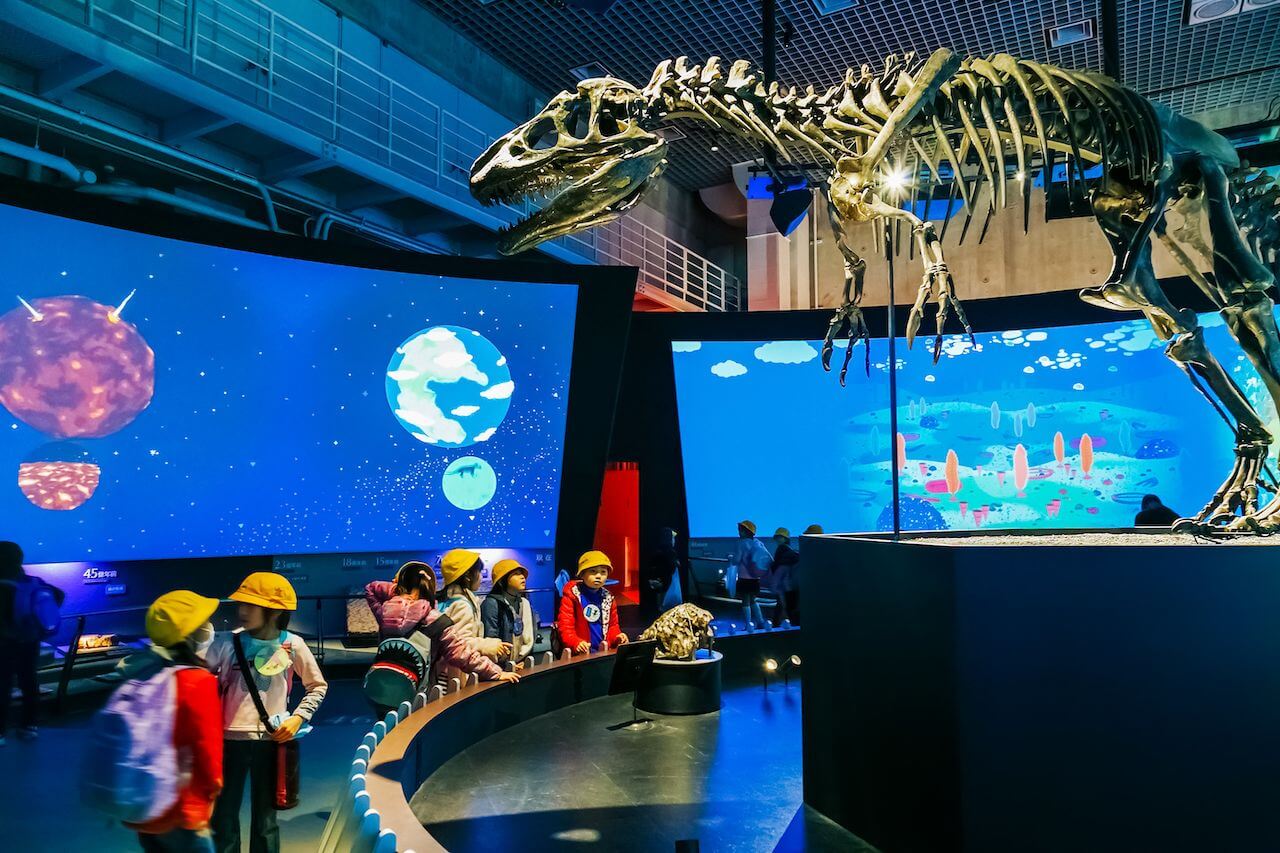
The Suginami Animation Museum (free admission) is the standout free option, but Tokyo hides additional no-cost anime experiences in corporate showrooms, campus galleries, and neighbourhood culture hubs.
Savvy visitors combine two or three free stops with one ticketed anchor to balance depth and budget.
Free corporate galleries in Akihabara and Odaiba showcase prototype merchandise, animation cels, and mini theatres.
University museums near Kanda host small but bold pop-culture retrospectives and occasional guest talks.
Ward-run culture centres post seasonal manga showcases and hands-on workshops — check local ward websites for current schedules.
Go midweek for quiet rooms and attentive docents who often share tips on hidden corners.
Tokyo Free Museum Days: When to Visit Without Paying
Save hundreds on Tokyo museum visits by timing your trip with free admission days at top cultural ... Read More
Collect pamphlets at each stop — they frequently list upcoming events not yet posted online.
Second-Hand Shops vs. Retail Stores in Tokyo
Second-hand shops — Mandarake, K-Books, Surugaya, and Book Off — offer vintage collectibles, out-of-print tankōbon, and retired character goods at prices 30–70% below original retail.
Patience and sharp eyes are the only tools required; haggling is rare but polite bundle requests occasionally succeed.
Retail flagships like Animate Ikebukuro, Shibuya Parco’s pop-up floors, and Ginza’s sleek brand stores guarantee pristine stock, fixed pricing, and well-organised aisles.
Tax-free counters at major retailers process refunds for purchases over ¥5,000 — keep your passport handy.
The smartest approach mixes both: scout second-hand first for older items, then fill gaps at retail for new releases and event exclusives.
How to Save Money on Limited-Edition Anime Merchandise
The most effective strategy is waiting 2–3 weeks after a hyped release — prices on Akihabara side-street stalls and Nakano Broadway shelves rebalance noticeably once the initial rush fades.
Ikebukuro’s Otome Road quietly restocks items that sold out elsewhere at closer-to-retail prices.
Track official drop calendars and lottery windows; set alerts for midnight online restocks on the Animate and Surugaya apps.
Compare floor-to-floor prices within Nakano Broadway — the third shop on a floor often undercuts the first by ¥200–¥500.
Bring cash; some vendors shave off card processing fees for instant deals.
How to Save Money on Tokyo Attractions With Discount Passes
Wondering how to experience Tokyo's dazzling attractions without emptying your wallet? Discount ... Read More
Bundle hunting at Surugaya branches frequently uncovers rare bonuses hidden inside mixed lots priced for quick clearance.
Sample Anime Pilgrimage Itineraries in Tokyo
Three ready-to-use itineraries below cover different trip lengths and priorities — a single-day Akihabara deep dive, a three-day cross-district otaku tour, and a weekend anime location hunt.
All routes use standard JR and Tokyo Metro lines; a topped-up Suica card handles every transit leg.
For navigating Tokyo’s photo-worthy backdrops between anime stops, the Tokyo photo spots and Instagram locations guide maps the best angles and lighting windows across all districts covered here.
One-Day Akihabara Deep Dive
Start at Akihabara Station’s Electric Town Exit at 10 a.m. and walk Chuo-dori north, stopping at Radio Kaikan (floors 2–10 for figures and models), then Kotobukiya for exclusive kits.
Mandarake Complex opens at noon — allocate 90 minutes for all eight floors.
Lunch at a themed café (book the 12:30 p.m. slot in advance).
Afternoon covers Animate Akihabara, the Gachapon Kaikan, and GiGO’s prize and rhythm floors.
Golden hour near Akihabara UDX offers the best cosplay photography light — ask permission before shooting.
Evening: arcade tournament at Taito HEY, then ramen on Kanda-Myojin-dori to close the day.
Three-Day Otaku Tour Across Tokyo
Day 1 — Ikebukuro: Animate flagship, Otome Road boutiques, Sunshine City’s Pokémon Center Mega Tokyo and character stores, then a character café for latte art (book the 2 p.m. slot). Evening: K-Books and second-hand browsing.
Day 2 — Nakano and Odaiba: Nakano Broadway’s Mandarake branches, vintage toy floors, and gacha machines (morning). Afternoon: Koenji thrift racks for otaku fashion mixing punk with pastel. Evening: Odaiba’s 1:1 scale Unicorn Gundam at sunset, then a VR arcade session.
Day 3 — Kanda, Shibuya, and Harajuku: Kanda-Jimbocho bookstores and Kanda Myojin Shrine (morning). Afternoon: Shibuya 109, Takeshita Street, and Jump Shop Tokyo in Laforet. Evening: karaoke with anime soundtrack selections, then ramen.
Weekend Anime Location Hunt in Tokyo
Day 1 — Shibuya to Odaiba: Photograph Shibuya Scramble Crossing at 9 a.m. before crowds peak. Walk to Yoyogi Park for Your Name atmosphere shots. Afternoon: Nakano Broadway for retro cels and gacha. Evening: Odaiba bayside views with the Unicorn Gundam lit at dusk.
Day 2 — Kanda, Akihabara, and Mitaka: Trace Love Live! steps between Kanda Myojin Shrine and Akihabara arcades in the morning. Ride the JR Chuo Line to Mitaka for the Ghibli Museum afternoon slot (pre-booked). Quiet lanes around Inokashira Park close the day.
Watch for pop-up exhibitions and fan art markets at each stop — they appear without much advance notice and reward flexible schedules.
Frequently Asked Questions (FAQs)
Is Akihabara safe for solo female travellers?
Akihabara is generally very safe for solo female travellers. The district is well-lit, heavily trafficked, and policed regularly.
Maid café touts on Chuo-dori are persistent but not aggressive — a firm “no thank you” ends the interaction. Stick to main streets after midnight and use the well-lit station exits.
What is the best time of year to visit Tokyo for anime events?
Late March (AnimeJapan), late August (Summer Comiket), and late December (Winter Comiket) are the peak anime event periods.
Spring also coincides with cherry blossom season, making it the most popular overall window.
Book accommodation at least three months ahead for event weekends.
Can I bring anime merchandise home without paying extra customs fees?
Most countries allow personal-use quantities of anime merchandise duty-free up to a declared value threshold — typically USD 800 in the US, CAD 800 in Canada, and GBP 135 in the UK.
Quantities suggesting resale intent may attract scrutiny. Keep receipts and tax-refund forms from Tokyo purchases as proof of value.
Do Tokyo anime shops accept credit cards?
Major retailers — Animate, Kotobukiya, and department store character shops — accept Visa, Mastercard, and IC cards.
Smaller second-hand shops, independent gacha vendors, and many Mandarake branches prefer cash.
Carry at least ¥10,000–¥20,000 in cash per shopping day to cover cash-only purchases and gacha machines.
How do I get a tax refund on anime merchandise in Tokyo?
Present your passport at the tax-free counter of participating stores after spending ¥5,000 or more (pre-tax) in a single transaction.
Staff process the refund on the spot, deducting 10% consumption tax.
Refunded goods must be sealed in a customs bag and declared at the airport on departure.
Most Animate, Kotobukiya, and Yodobashi Camera locations participate.
Are there English-speaking staff at major anime shops in Akihabara?
Animate Akihabara, Kotobukiya, and Radio Kaikan tenants employ English-speaking staff or keep translation tablets at counters.
Mandarake branches vary — basic English is common, but complex questions about item condition or rarity may require a translation app.
The Tokyo translation apps guide lists the most reliable tools for in-store communication. Or you can learn the most useful Japanese travel phrases which will come in handy.
What should I wear to a maid café or themed restaurant?
Casual street clothes are perfectly appropriate for maid cafés and most themed restaurants.
Some venues welcome cosplay; others restrict it to protect the in-house atmosphere; check the venue’s website or X account before arriving in costume.
Comfortable shoes matter more than outfit choice, given the amount of walking between stops.