Tokyo Coworking Spaces: The Complete Digital Nomad Guide




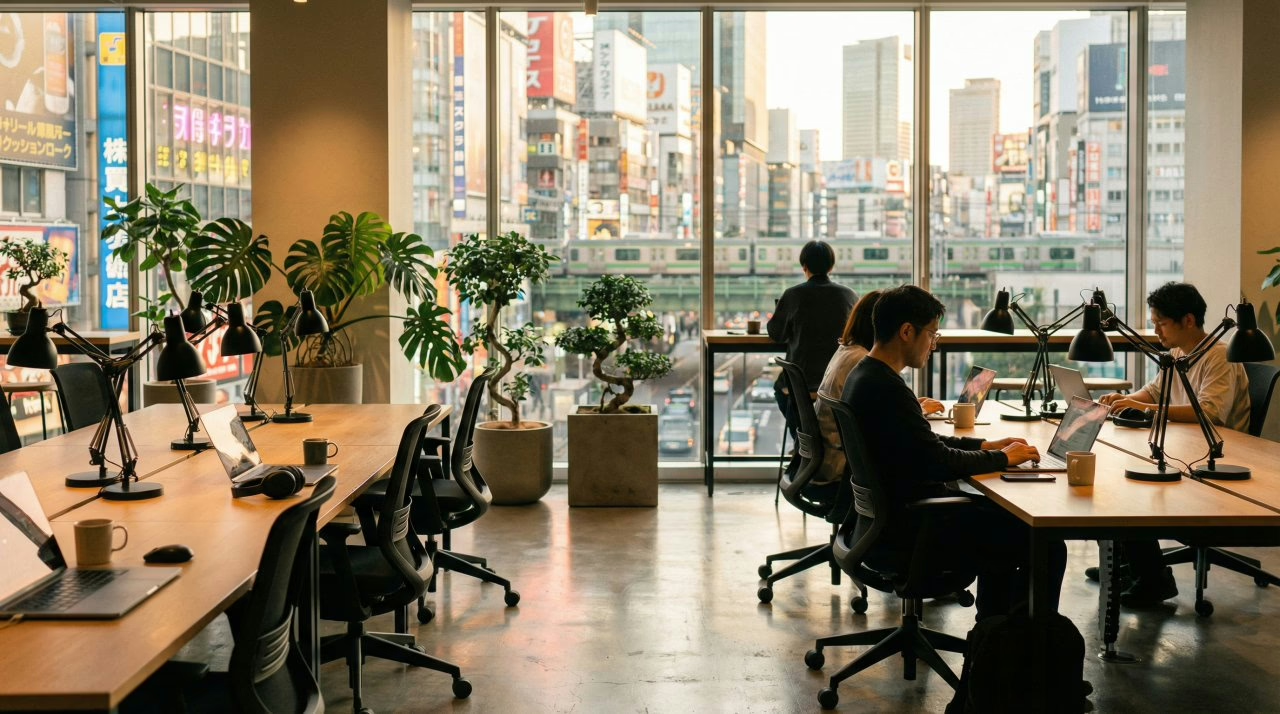
Best Coworking Spaces in Tokyo for Digital Nomads (2026) – Tokyo’s coworking scene is one of the most developed in Asia.
Sleek hubs in Shibuya, Marunouchi, and Roppongi offer fast Wi-Fi, soundproof phone booths, and flexible day passes that suit every budget and work style.
Cultural norms shape the rhythm here. Quiet zones mean whisper-level calls, tidy desks earn respect, and cashless payments via IC card or mobile wallet are the norm at most spaces.
Whether you need a hot desk for a single afternoon or a fixed desk for a full month, Tokyo has a coworking option that fits.
This guide maps the best spaces by neighborhood, explains pricing, and covers everything from pocket Wi-Fi to visa rules.
Key Takeaways
Hide- Shibuya, Shinjuku/Roppongi, Ginza/Marunouchi, and Ikebukuro/Nakano each offer distinct coworking vibes from premium to budget-friendly.
- Expect fast Wi‑Fi, phone booths, lockers, late hours, espresso, quiet-call etiquette, and cashless payments via IC cards or mobile wallets.
- Top picks: WeWork Shibuya, The Snack, Regus/Servcorp, Impact HUB; boutique options near Tokyo Station with skyline views.
- Budget alternatives include Ikebukuro/Nakano shared desks, internet cafés with private booths, and laptop-friendly cafes like Blue Bottle and Starbucks Reserve.
- Pricing: day passes ¥1,000–¥2,500; evening/weekend ¥4,000–¥8,000/month; hot desks ¥10,000–¥18,000/month; multi-location access available.
Best Coworking Spaces in Tokyo by Neighborhood
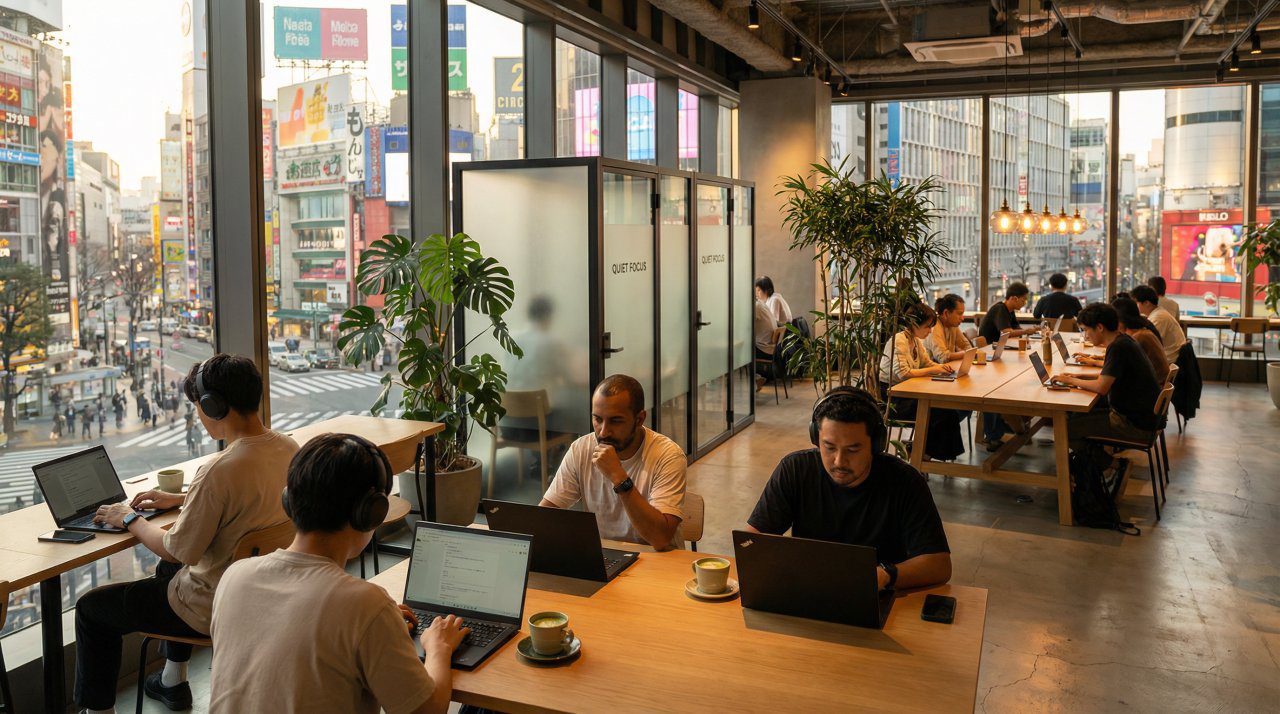
Tokyo’s coworking landscape divides neatly by district, each with its own energy and price point.
Shibuya suits tech startups and creatives, Marunouchi and Ginza serve corporate clients, and Ikebukuro or Nakano keep costs low without sacrificing connectivity.
Matching your neighborhood to your work style saves both commute time and daily spend. The sections below break down the top options district by district.
Tokyo Trip Add-Ons
Equip yourself for the ultimate Tokyo adventure with the following add-ons, curated just for you.








Shibuya: Tech Startups and Creative Energy
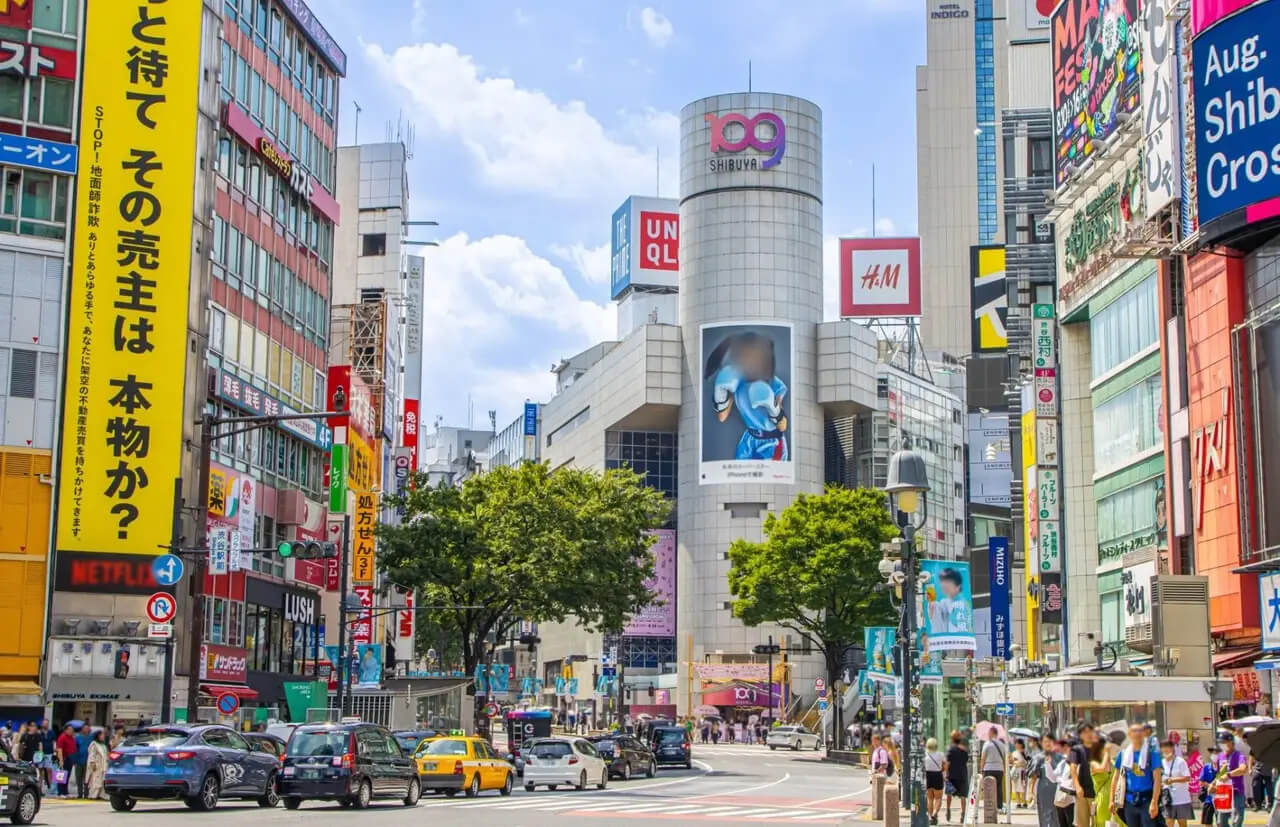
Shibuya is Tokyo’s startup heartland, packed with coworking spaces that cater to founders, freelancers, and remote teams.
Two venues stand out above the rest.
WeWork Shibuya sits above Center Gai and delivers polished amenities: ergonomic seating, artisan coffee, phone booths, and weekly networking events that regularly connect members with founders and investors.
Day passes start at approximately ¥3,000; hot desks run ¥15,000-¥18,000 per month.
The Snack offers a lighter, cafe-style atmosphere with flexible daily passes (around ¥1,500-¥2,000), punchy Wi-Fi, and a friendly crowd.
It suits solo workers who want community without corporate polish.
Both spaces sit within a short walk of Shibuya Station on the JR Yamanote Line, making transit easy.
- Spring Cherry Blossom Complete Guide: Best Viewing Spots Timing in Tokyo
- Tokyo Luggage Storage Guide for Travelers
- Useful Japanese Travel Phrases to Know Before Traveling to Tokyo
- Tokyo Power Outlets and Voltage: Smart Electronics Tips for Travelers
- Tokyo Solo Female Travel: Complete Safety Tips & Honest Advice
- Tokyo Budget Guide: ¥5,000 Daily Breakdown & Tips
Shinjuku and Roppongi: Business District Workspaces
Shinjuku and Roppongi attract professionals who need polished meeting rooms and reliable front-desk support. Two operators dominate this corridor.
Regus and Servcorp both maintain multiple floors in Shinjuku and Roppongi high-rises, offering glass-walled boardrooms, bilingual reception, AV-ready conference rooms, and on-demand printing.
Hourly meeting room rates typically run ¥2,000-¥5,000; monthly hot desks start around ¥20,000.
Impact HUB Tokyo, located near Roppongi, takes a warmer approach. Whiteboard walls, pop-up workshops, and pitch nights create a community-focused environment.
Flex Day passes cost approximately ¥2,000-¥2,500.
Both Shinjuku and Roppongi stations connect directly to the Yamanote, Oedo, and Hibiya lines, making client visits straightforward.
Ginza and Marunouchi: Upscale Options Near Tokyo Station
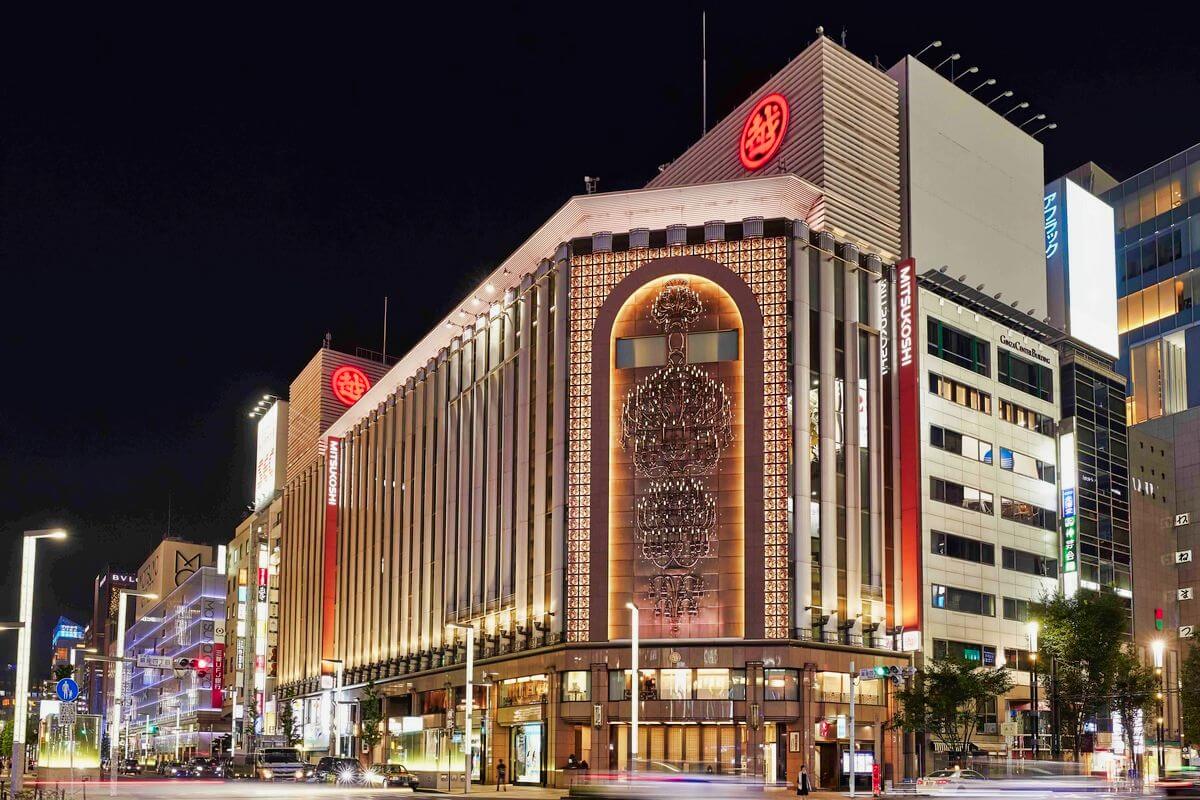
Ginza and Marunouchi offer some of Tokyo’s most prestigious coworking addresses, a short walk from Tokyo Station’s multiple exit gates.
Spaces here feature barista bars, hushed phone booths, and skyline views over the Imperial Palace gardens.
Day passes at premium Marunouchi hubs typically run ¥2,000-¥3,500. Many spaces along Naka-dori offer studio rooms with proper soundproofing for client calls.
For commuters, Tokyo Station’s underground passages connect directly to most buildings, keeping you dry on rainy days. Arrive early to secure window seats with Imperial Palace greenery views.
Cheaper Alternatives in Ikebukuro and Nakano
Ikebukuro and Nakano deliver solid coworking at significantly lower price points, typically ¥1,000-¥2,000 for a day pass.
Both areas sit on the JR Chuo and Yamanote lines, keeping central Tokyo within easy reach.
In Ikebukuro, spaces near Sunshine City offer early-morning access, lockers, phone booths, and commuter-friendly pricing.
The surrounding area has excellent ramen and convenience stores for long work sessions.
Nakano leans creative. Cozy studios near Nakano Broadway attract designers and developers, with mellow playlists and staff who are comfortable with backpacks and camera gear.
Shared desks here often include free coffee and extended evening hours.
Drop-In Friendly Cafes for Remote Work
Tokyo’s cafe culture is genuinely laptop-friendly, with several well-known chains and independent spots offering reliable Wi-Fi, plentiful outlets, and staff who tolerate long sessions.
The key is knowing which venues deliver consistent connectivity and which ones disappoint.
For a productive afternoon without a coworking membership, the options below are consistently reliable across multiple Tokyo neighborhoods.
Starbucks Reserve Roastery Tokyo
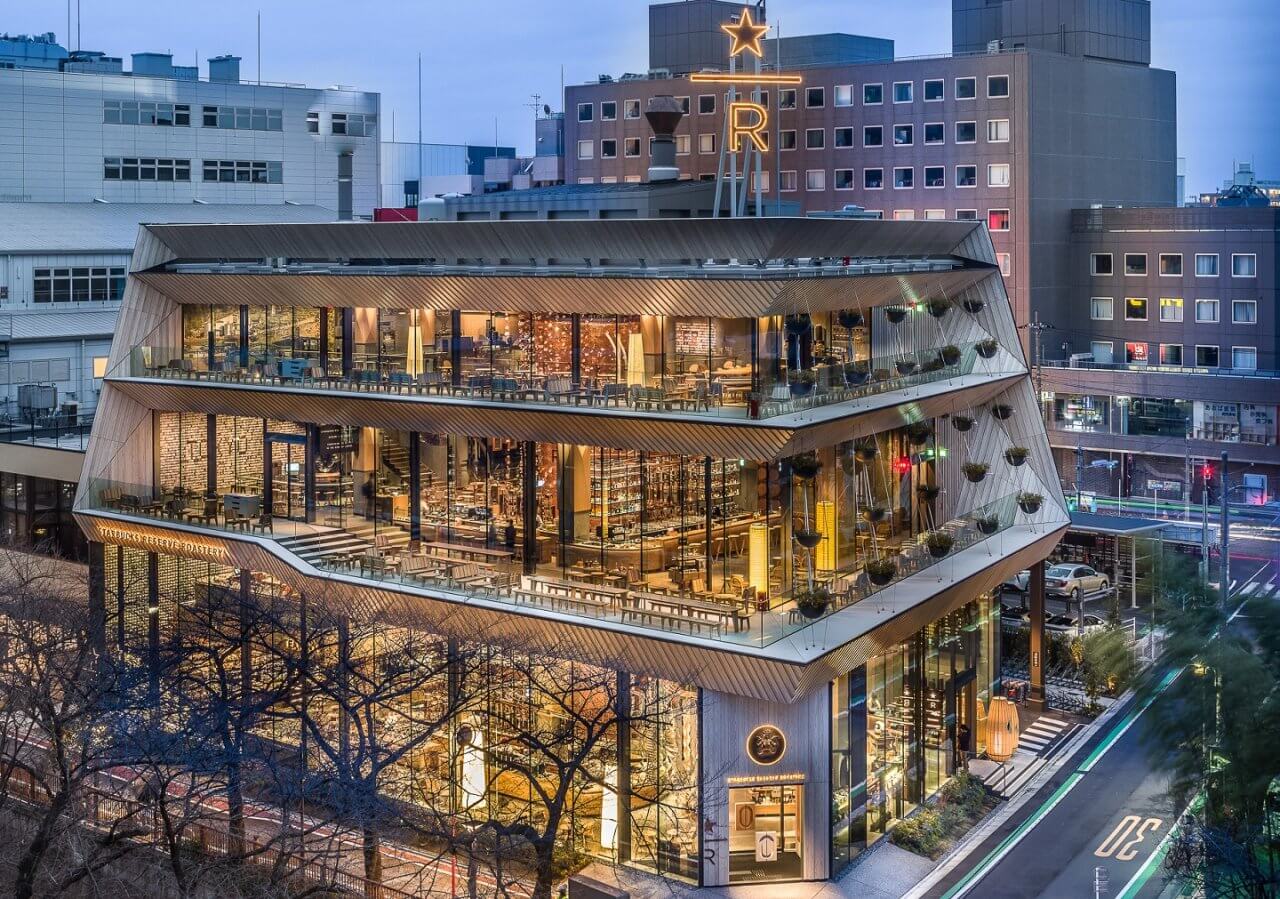
The Starbucks Reserve Roastery in Nakameguro is one of Tokyo’s best remote-work cafes, offering expansive communal tables, plentiful power outlets, and Wi-Fi that holds steady even during afternoon peaks.
The four-story building on the Meguro River opened in February 2019 and seats several hundred guests.
Arrive before noon or after 5 p.m. for the quietest pockets.
Ground-floor seating has the strongest Wi-Fi signal; upper levels near the tea bar are calmer.
Column clusters near the balcony rails have the most accessible outlets.
Address: 2-19-23 Aobadai, Meguro, Tokyo. Hours: 7 a.m.-11 p.m. daily.
Blue Bottle Coffee Shops Across Tokyo
Blue Bottle operates seven Tokyo locations, each offering bright interiors, steady Wi-Fi, and barista-quality coffee that rivals top independent cafes.
Shinjuku and Aoyama branches suit mid-morning sprints; Ebisu and Kiyosumi Shirakawa deliver calmer, studio-like atmospheres.
Power outlets are not universal across all seats, so scout early. Staff are relaxed about laptops as long as orders keep flowing.
Prices are mid-range, typically ¥600-¥900 per drink.
The Kiyosumi Shirakawa flagship, which opened in 2015 as Blue Bottle’s first Japan location, remains the most spacious and outlet-rich of the seven branches.
Local Independent Cafes with Power Outlets
Shimokitazawa, Koenji, and Yanaka host dozens of independent cafes where baristas know regulars by laptop sticker and outlets hide under communal tables.
These spots offer a mellow cafe ambiance that suits focused work without the corporate feel of chain coworking.
In Shimokitazawa, small roasters with lo-fi playlists and generous outlet availability are common along the backstreets south of the station.
Early afternoons are the sweet spot; mornings belong to commuters and evenings to date-night crowds.
Pack a slim power strip to share the charge and make a friend. Favor drip-coffee refills to extend your stay without awkwardness.
Internet Cafes: Private Booths for Focused Work
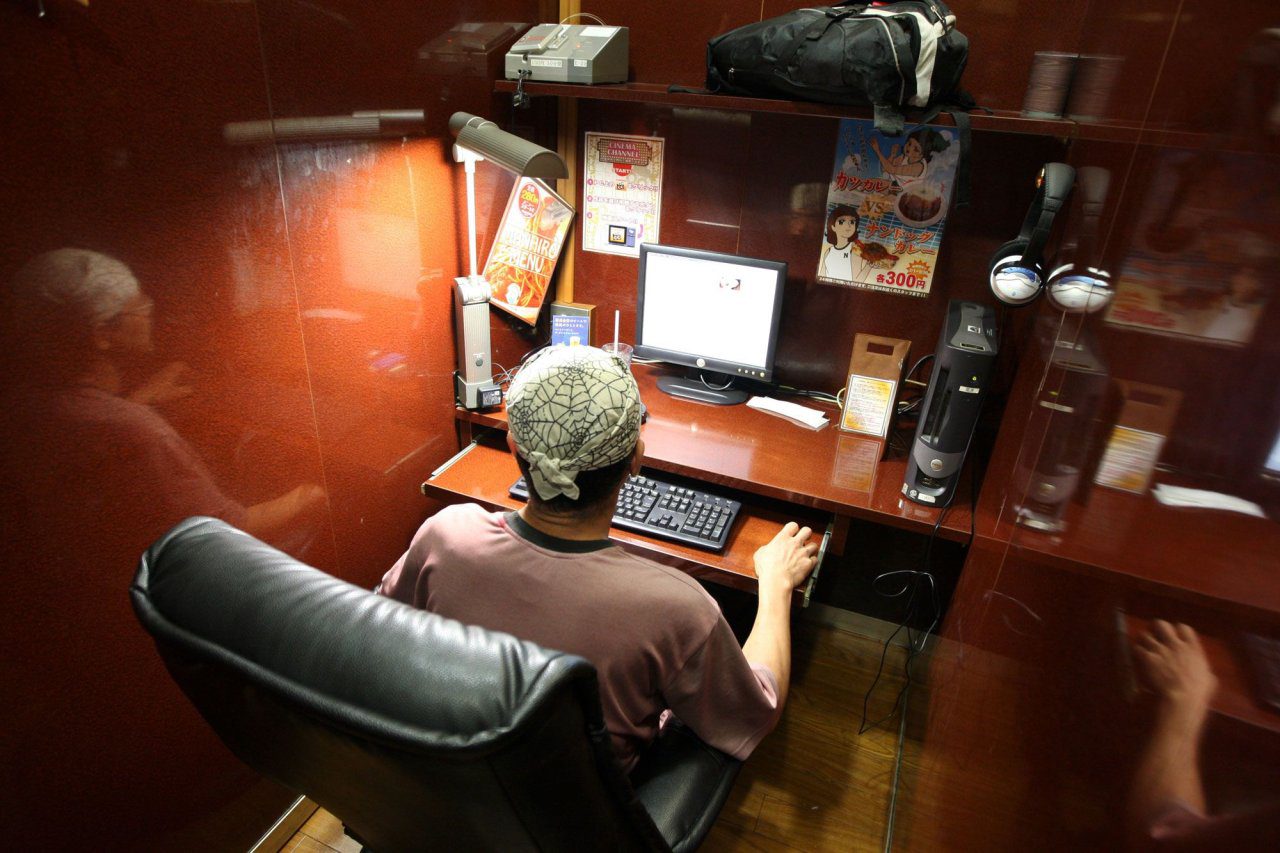
Tokyo’s internet cafes (manga kissa) offer private booths, free soft drinks, printers, and sometimes showers, making them a surprisingly practical option when deadlines loom.
Hourly rates typically run ¥400-¥700, with overnight flat-rate packages available from around ¥1,500.
For central convenience, try DiCE Shibuya. For budget marathon sessions, Manboo Ikebukuro is a reliable choice.
Both offer smoking-free floors and larger booths suitable for dual-screen setups or quiet video calls.
Arrive before lunch for better booth availability. Bring a light jacket, as air conditioning runs cold, and keep to whisper-level etiquette.
How Much Do Tokyo Coworking Spaces Cost?
Tokyo coworking prices range from ¥1,000 for a budget day pass to ¥35,000 per month for a fixed desk at a premium location.
The tier you choose depends on how many days per week you plan to work and which amenities matter most.
Here is a clear breakdown of the main pricing tiers across Tokyo:
- Day passes: ¥1,000-¥2,500 at budget and community spaces; ¥2,500-¥4,000 at premium venues like WeWork and Regus.
- Evening and weekend plans: ¥4,000-¥8,000 per month, ideal for side-project workers or those who sightsee during the day.
- Hot desks: ¥10,000-¥18,000 per month; includes locker access, free coffee, and member events at most spaces.
- Fixed desks: ¥20,000-¥35,000 per month; adds lockable storage, mail handling, and a permanent seat.
- Soundproof phone booths: ¥200-¥600 per 15 minutes at spaces that charge separately.
- Hourly meeting rooms: ¥2,000-¥5,000 per hour depending on room size and location.
Ask about student, creator, or off-peak discounts at community-run hubs. Many spaces also offer a free trial day to test the environment before committing.
Day Passes vs. Monthly Memberships: Which Is Better for You?
A day pass suits visitors staying fewer than two weeks or those with unpredictable schedules; a monthly membership saves money for anyone working four or more days per week in the same city.
The break-even point at most Tokyo spaces is roughly 8-10 day passes per month.
Day passes deliver low-commitment flexibility: drop in, plug in, leave when sightseeing calls.
Monthly plans bundle locker access, mail handling, priority meeting-room booking, and often free guest passes.
Track your actual usage for one week, then project forward. If you are spending more than ¥15,000 on day passes in a month, a hot-desk membership almost always wins on cost.
Compare extras carefully: free coffee, shower access, printing quotas, and phone booth credits can shift the value calculation significantly.
Internet Speed and Connectivity Across Tokyo
Tokyo ranks among the world’s fastest cities for fixed broadband, with average speeds of 150-200 Mbps in most coworking spaces and major cafes.
Mobile connectivity is equally strong, with NTT Docomo, au, and SoftBank all offering nationwide 5G coverage across central Tokyo districts.
Public Wi-Fi is widely available in train stations, libraries, and chain cafes, but speeds vary and security is limited.
A pocket Wi-Fi device or local SIM card is the smarter choice for consistent, private connectivity.
Public Wi-Fi Networks: Where They Work and Where They Don’t
Shinkansen lounges, major JR stations, and airport terminals offer reliable public Wi-Fi with quick logins, suitable for email and file syncing.
Chain cafes like Doutor and Starbucks deliver stable, predictable speeds on dedicated networks.
Ward libraries and tourist information centers provide quiet, strong connections ideal for focused sprints.
Hip neighborhoods like Shimokitazawa and Nakameguro have patchier hotspot coverage, so scout before committing to a long session.
Always use a VPN on public networks. Disable auto-join for unknown networks, browse HTTPS-only sites, and avoid accessing banking or client portals over shared connections.
Pocket Wi-Fi Rentals for Digital Nomads
Pocket Wi-Fi devices are available for pickup at Narita Airport, Haneda Airport, and Shinjuku counters, or delivered directly to your hotel.
Most units offer unlimited or high-cap LTE/5G data with all-day battery life; a portable charger is a smart backup.
Weeklong rental plans typically cost ¥3,500-¥5,000 total and beat daily rates for stays of five days or more.
Returns are as simple as a mailbox drop using the prepaid envelope provided.
Prioritize routers supporting multiple frequency bands for reliable performance in subway tunnels and high-rise buildings.
Confirm tethering limits if you plan to connect both a laptop and a phone simultaneously.
To stay connected everywhere in the city, check out this guide to Tokyo SIM card plans for travelers for a full comparison of data options.
SIM Card Options for Extended Stays
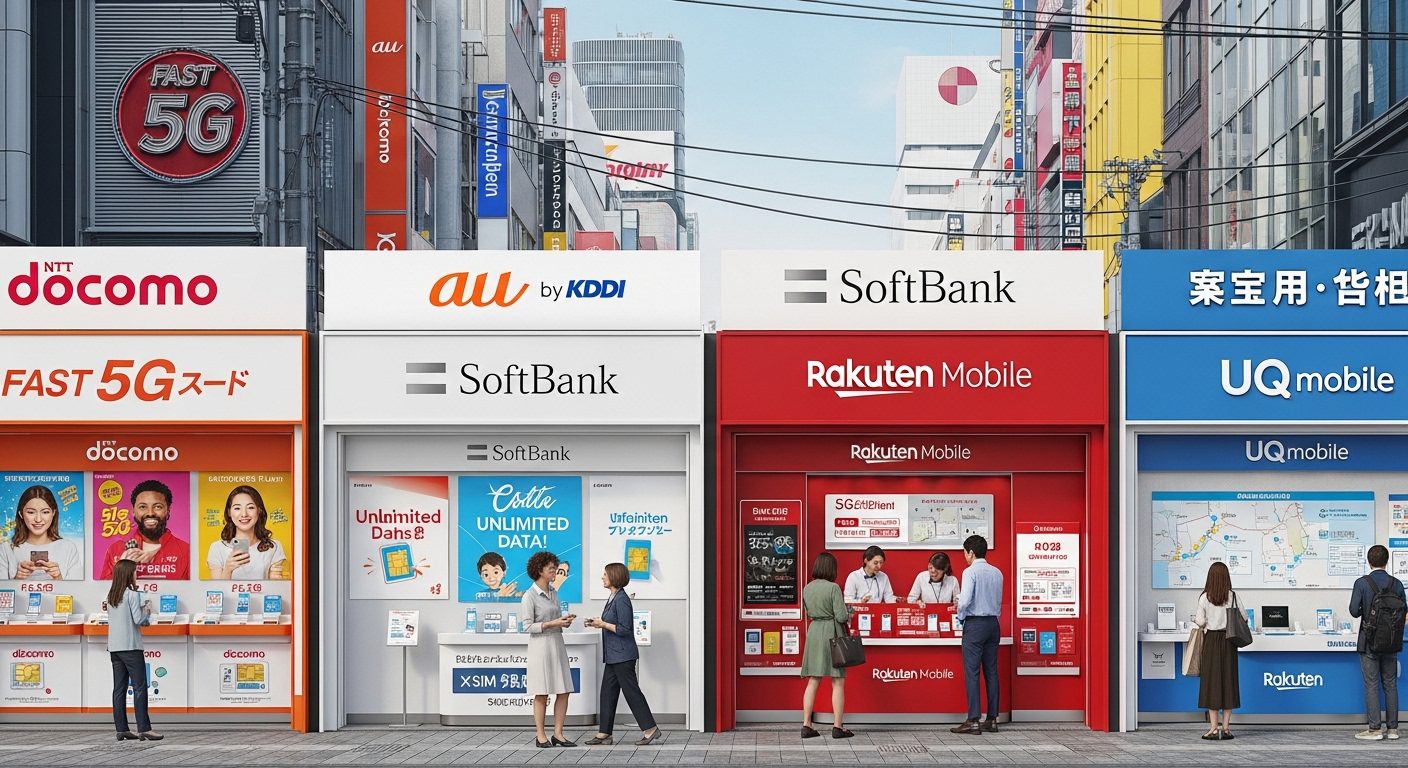
For stays longer than two weeks, a local SIM card from NTT Docomo, au, or SoftBank delivers faster speeds and more reliable subway handoffs than tourist-only pocket Wi-Fi units.
These carriers sell SIMs at airport counters and major electronics stores including Bic Camera and Yodobashi Camera.
Local MVNOs offer month-to-month plans with 10-20 GB of data at competitive prices.
Bring your passport and an unlocked phone; activation typically takes under 30 minutes in-store.
eSIM options let you activate a plan before landing. Scan the QR code, load prepaid data, and walk straight to your coworking desk without queuing at a counter.
For a detailed breakdown of data plans and where to buy, see this Tokyo SIM card guide for travelers.
 Airalo
 Yesim
Yesim Saily
Saily Klook
Klook NordVPN
Meeting Room Rentals and Video Call Spaces
Tokyo’s coworking hubs offer soundproof phone booths, private call pods, and hourly conference rooms that can be booked without a long-term membership.
These options suit client calls, pitch meetings, and team standups that need proper acoustics and reliable A/V.
Most major spaces allow non-members to book meeting rooms online, with door codes sent instantly after payment.
Soundproof Booths for Client Calls
Soundproof booths at Tokyo coworking spaces are compact, ventilated, and equipped with soft lighting, USB-C charging, and Wi-Fi speeds of 100-300 Mbps.
They are available at WeWork, Hive Shibuya, and Nagatacho GRID, among others.
Booking is done via app or kiosk in 15-60 minute slots. Pricing runs ¥200-¥600 per 15 minutes depending on the space and time of day.
Peak demand hits at lunch and between 5-7 p.m., so reserve five minutes early to test audio before your call starts.
Extras at most booths include ring lights, adjustable stools, and HDMI or USB-C display connections.
Conference Rooms by the Hour
Hourly conference rooms near Shibuya, Tokyo Station, and Akasaka are available to non-members at most major coworking operators.
Rooms seat 4-12 people and come equipped with large screens, HDMI hubs, whiteboards, and fiber internet.
The booking process is straightforward: choose room size, select a time block, pay online, and receive a door code. Most spaces offer a virtual tour so you can check lighting and layout before arriving.
Hourly rates run ¥2,000-¥5,000 depending on room size and location. Early-morning slots are quieter and often cheaper; late-afternoon slots offer the best natural light for video calls.
Phone Booth Options at Major Coworking Spaces
Solo callers benefit most from the phone pods tucked into Tokyo’s larger coworking hubs. These booths are sound-dampened, well-ventilated, and lit for flattering video, making them ideal for quick standups or extended interviews.
WeWork, Hive, and Nagatacho GRID all maintain multiple pods per floor. QR-code booking enables instant check-in with no front-desk interaction. Emergency overflow options include rentable meeting cubicles on the same floor.
For travelers moving between stations throughout the day, these booths allow a clean, private call without committing to a full-day desk rental.
Networking Events and Digital Nomad Community
Tokyo’s coworking scene supports an active calendar of meetups, pitch nights, and community events aimed at remote workers and entrepreneurs. English-language events are common in Shibuya, Roppongi, and Akasaka, with several recurring series running weekly or monthly.
Online communities extend the connections made in person, keeping momentum alive between events.
Meetups for Remote Workers and Entrepreneurs
Regular meetups for remote workers take place in Shibuya lofts, Nakameguro cafes, and riverside parks throughout the year. Formats range from casual morning cowork-and-coffee sessions near Omotesando to demo nights with lightning talks and feedback circles in Shibuya.
Park picnics with code sprints along the Sumida River and founder sessions in Kichijoji bars round out the calendar. Most events are free or low-cost; bring a business card and a one-line pitch.
For discovering current events, check Meetup.com under “Tokyo Digital Nomads” or “Tokyo Entrepreneurs” for updated listings.
English-Speaking Business Communities in Tokyo
Startup Grind Tokyo and Tokyo Tech Startups are the two most active English-language business communities, hosting regular events with structured agendas, speaker sessions, and post-talk networking.
Both groups meet monthly and maintain active online channels between events.
In Roppongi and Akasaka, members clubs run weekly mentor hours where you can book a 30-minute slot, bring a one-pager, and leave with concrete next steps.
Weekend salons in Nakameguro lean creative, featuring UX show-and-tells, indie dev demos, and rooftop conversations.
Cross-cultural breakfast sessions near Tokyo Station offer short lightning talks followed by coffee-fueled goal setting, with hosts who help decode local business etiquette for newcomers.
Slack Channels and Online Groups for Tokyo Nomads
Tokyo’s nomad community stays connected through several active Slack workspaces and online groups.
The most useful communities include:
- Tokyo Nomad Slack: daily cowork sessions, visa Q&A threads, and spontaneous ramen runs near Shibuya.
- Startup Japan Community: founder AMAs, pitch nights, and investor office hours in Ebisu.
- Women in Tech Japan: mentor circles, salary transparency resources, and safety tips for late-night commutes.
- Language Exchange Remote: bilingual coffeehouse meetups and productivity sessions.
These groups answer practical questions fast, from “which cafe has outlets after 3 p.m.” to housing leads and desk-swap arrangements.
Join two or three and contribute before asking; the community rewards generosity.
Do Digital Nomads Need a Special Visa for Japan?
Japan does not currently offer a dedicated digital nomad visa.
Most remote workers enter on a tourist visa (temporary visitor status), which permits stays of up to 90 days but prohibits performing paid work for Japanese clients or receiving income sourced in Japan.
For longer or more structured stays, the Business Manager visa is the most common legal route. Understanding the boundaries of each status is essential before booking a long-term coworking membership.
Tourist Visa Limitations and Work Restrictions
A Japanese tourist visa allows leisure activities, personal email, and online learning, but it does not permit paid work for Japanese clients or income sourced within Japan. Immigration enforcement takes this distinction seriously.
Remote workers earning income from overseas employers occupy a legal gray zone. The safest approach is to keep all income foreign, avoid client meetings tied to Japanese companies, and refrain from advertising services locally.
If your stay involves any paid engagement, research work permit requirements before arrival. Overstaying or violating visa conditions results in deportation and a re-entry ban.
Business Manager Visa for Long-Term Remote Work
The Business Manager visa (formally the Investor/Business Manager visa) is the most practical legal route for entrepreneurs who want to base themselves in Tokyo long-term.
It requires registering a Japanese company, securing a physical office address (not a PO box), and demonstrating a viable business plan with documented capital.
Required documents include a business plan, company registry paperwork, a signed office lease, and proof of capital (typically ¥5,000,000 or more).
Processing time runs 1-3 months through a regional immigration bureau.
Hiring a bilingual gyoseishoshi (administrative scrivener) simplifies the paperwork significantly.
Many applicants use small private offices in Shibuya or Kanda as their registered address, keeping costs manageable.
Coworking Without Breaking Immigration Rules
Using a coworking space for laptop work, Zoom calls, and personal projects is generally fine under tourist status.
The line is crossed when activities involve local clients, Japanese-sourced income, or services advertised to the Japanese market.
Practical steps to stay compliant:
- Keep all income foreign: get paid abroad, file taxes at home, and document everything.
- Avoid client meetings with Japanese companies or signing contracts with local entities.
- Choose discreet, commuter-friendly hubs in Shibuya, Nihonbashi, or Kanda.
- If planning a sustained stay, research the Business Manager or Highly Skilled Professional visa before arrival.
Practical Tips for Remote Workers in Tokyo
Tokyo runs on punctuality, cashless payments, and quiet public behavior.
A few practical adjustments make the transition from tourist to productive remote worker much smoother.
The sections below cover the three areas that catch most newcomers off guard: time zones, power outlets, and banking.
Time Zone Management for International Teams
Tokyo operates on Japan Standard Time (JST), which is UTC+9 with no daylight saving time.
This places Tokyo 9 hours ahead of GMT, 14 hours ahead of New York (EST), and 17 hours ahead of Los Angeles (PST).
The most productive overlap window for US East Coast teams is 8-11 a.m. JST, which catches New York at 7-10 p.m. the previous evening.
For European teams, late afternoon JST (4-6 p.m.) aligns with morning hours in London and Berlin.
Batch deep work before lunch, schedule standups during overlap windows, and use async updates with written summaries and captioned recordings to bridge time gaps.
Rotate meeting times weekly to share the burden fairly across time zones.
For navigating Tokyo’s business hours and scheduling logistics, this Tokyo time zone and business hours guide covers local schedules in detail.
Power Outlet Adapters and Voltage in Tokyo
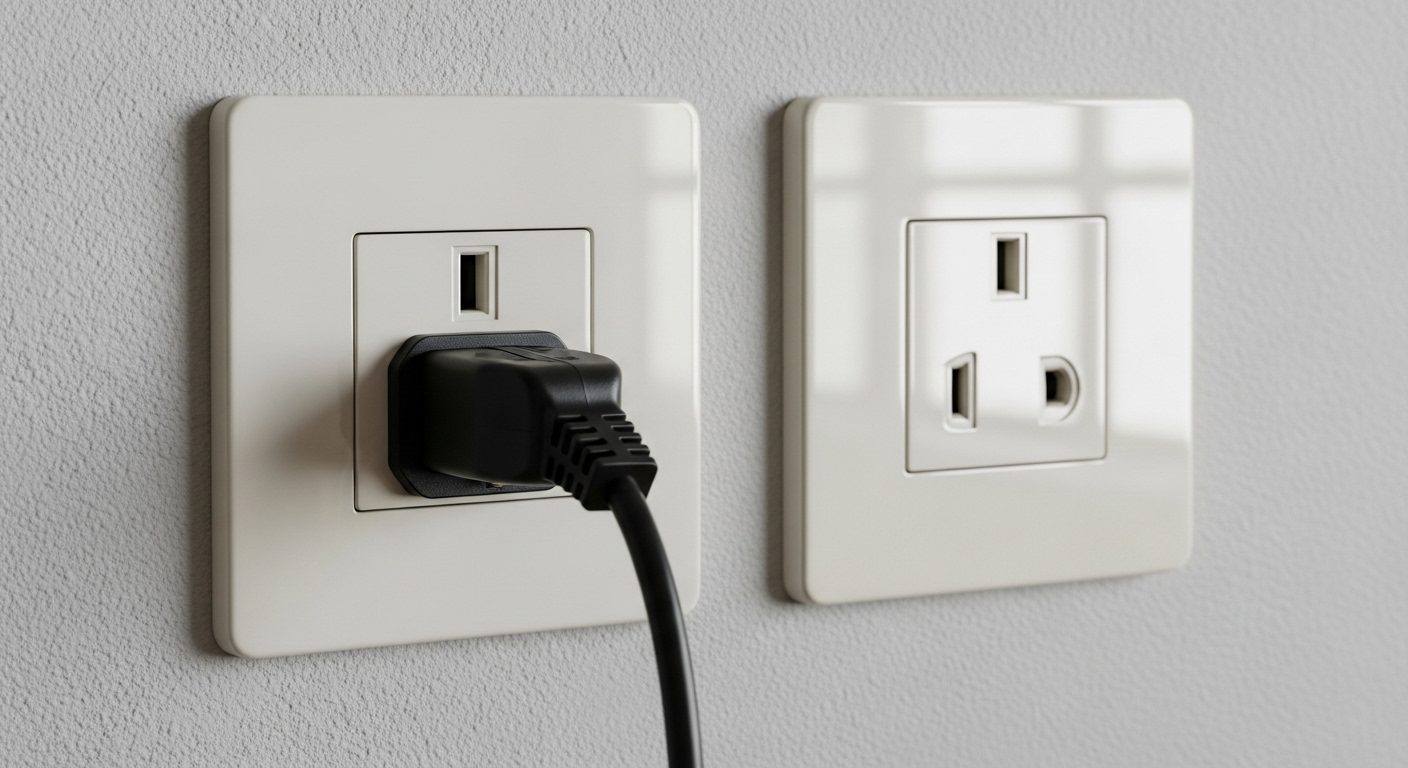
Tokyo uses Type A and Type B plugs with a 100V supply at 50-60 Hz.
Most laptop power bricks and phone chargers are rated 100-240V and work without a voltage converter; check the small label on your charger to confirm.
A compact Type A adapter with surge protection is the essential daily carry item.
Most coworking spaces keep spare adapters at the front desk, but they disappear quickly during busy hours.
USB-C charging hubs are widely available at electronics stores in Shibuya and Akihabara, reducing the number of individual bricks you need to carry.
Japan’s non-polarized outlets can feel loose; seat plugs firmly to avoid interrupted charging.
For the best electronics shopping options, see this comparison of Akihabara vs. Yodobashi Camera for electronics.
Banking and Payment Solutions for Foreign Workers
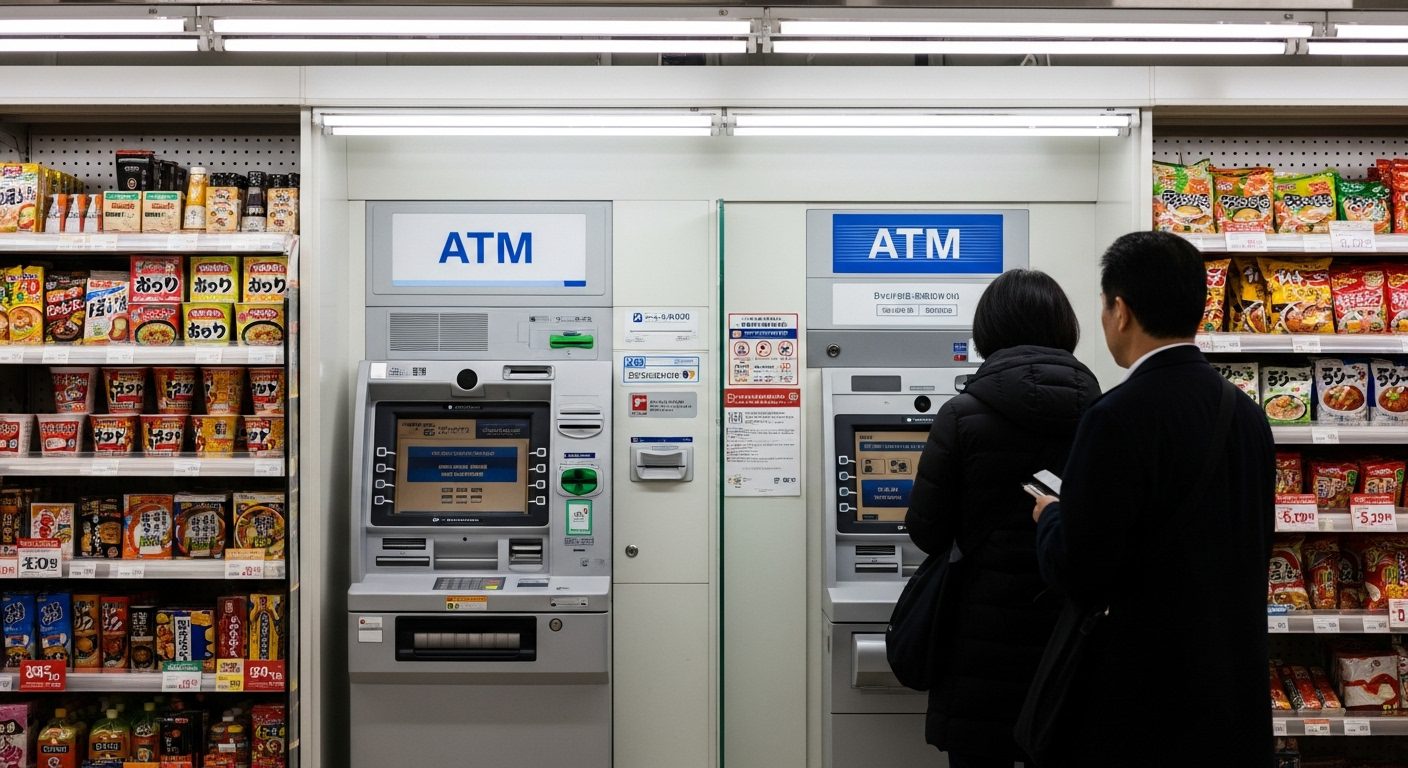
Most remote workers in Tokyo use a combination of a local bank account and a global fintech wallet to manage income and daily expenses efficiently.
Shinsei Bank and Sony Bank both offer English-language support, ATM access, and straightforward account opening for foreign residents.
Pair a local account with Wise or Revolut to receive client payments in multiple currencies, hold yen and dollars simultaneously, and time currency exchanges when rates are favorable.
For daily spending, Suica and PASMO IC cards are accepted at virtually every convenience store, train station, and many cafes.
Load them via mobile wallet for frictionless tap-and-go payments. Keep a small amount of yen cash for ramen shops and smaller establishments that remain cash-only.
Track invoices and tax obligations from the start.
Bookmark the National Tax Agency (NTA) website, save all receipts digitally, and set quarterly reminders for any home-country filing requirements.
Best Neighborhoods to Live as a Digital Nomad in Tokyo
Choosing a home base in Tokyo shapes your daily commute, social life, and monthly budget more than almost any other decision.
The four neighborhoods below represent the most popular choices among long-term remote workers, ranging from high-energy and expensive to calm and budget-friendly.
Shibuya and Meguro: Young Professional Areas
Shibuya and Meguro offer the densest concentration of coworking spaces, laptop-friendly cafes, and international community events in Tokyo.
Rent for a compact studio runs ¥80,000-¥130,000 per month; share houses offer furnished rooms from ¥50,000.
Both districts connect directly to the JR Yamanote Line and multiple subway lines, putting most of central Tokyo within 20 minutes.
Side streets feel calm and almost village-like despite the surrounding energy.
Nightlife leans social without being overwhelming: craft beer bars, vinyl lounges, and Meguro River walks provide easy decompression after long work sessions.
Shinjuku: Central Location with Late-Night Convenience
Shinjuku is Tokyo’s most connected transit hub, with over 200 exits and direct access to the Yamanote, Chuo, Oedo, and Marunouchi lines.
Late-night coworking lounges around the station keep working hours flexible, and Nishi-Shinjuku’s high-rise cafes offer quiet corners with strong Wi-Fi.
Shinjuku Gyoen provides green calm for midday resets, and the Tokyo Metropolitan Government Building observation deck offers free city views on clear days.
Kabukicho and Golden Gai supply after-hours variety.
Rent is slightly lower than Shibuya: compact studios from ¥70,000-¥110,000 per month. The 24-hour convenience store density is among the highest in the city, which matters on deadline nights.
Cheaper Residential Options in Nakano and Koenji
Nakano and Koenji sit two stops west of Shinjuku on the JR Chuo Line, offering significantly lower rents while maintaining fast access to central coworking hubs.
Compact studios in Nakano start around ¥55,000-¥80,000 per month; Koenji runs slightly lower.
Nakano Broadway’s backstreets have older buildings with lower rents and genuine neighborhood character.
Koenji’s south side offers quieter lanes, cheap bento spots, and easy cycling routes.
Share houses with flexible leases are common in both areas, providing furnished rooms and instant community from ¥40,000 per month.
Cafes near Koenji Station offer stable Wi-Fi, mellow playlists, and baristas who are comfortable with all-day laptop sessions.
Sample Digital Nomad Schedules in Tokyo
Structuring a productive day in Tokyo means working with the city’s rhythms rather than against them.
Quiet mornings, energetic afternoons, and vibrant evenings create natural work-life boundaries that most remote workers find easier to maintain here than in their home cities.
Balancing Work Hours with Tokyo Exploration
A practical daily rhythm for Tokyo remote workers starts with an early focus block, uses midday for exploration, and finishes with a short evening sprint before dinner.
This structure respects Tokyo’s quieter morning energy and takes advantage of the city’s evening culture.
- Dawn focus (7-10 a.m.): Grab a konbini coffee, claim a calm booth in Kanda or Shibuya, and complete deep work before crowds build.
- Midday reset (12-2 p.m.): Walk Ueno Park, eat onigiri under the trees, or visit a nearby museum. Return refreshed.
- Afternoon sprint (2-5 p.m.): Handle calls, emails, and collaborative tasks during the overlap window with European or US teams.
- Evening wander (5-7 p.m.): Finish tasks, then explore izakaya alleys, rooftop bars, or neighborhood streets.
For days when rain disrupts outdoor plans, this list of 21 best indoor activities in Tokyo keeps the schedule full without sacrificing productivity.
One-Month Coworking Itinerary Across Districts
A one-month rotation through Tokyo’s coworking districts lets each neighborhood shape the week’s tempo and social calendar.
Week 1 – Shinjuku: Morning sessions at view-rich coworking near the Metropolitan Government Building. Afternoons in Golden Gai for quick wins. Evenings in Omoide Yokocho for budget-friendly local cuisine.
Week 2 – Shibuya and Daikanyama: Sprint in sleek hubs near the Shibuya crossing. Decompress with leafy cafes, indie bookstores, and sunset walks along the Meguro River.
Week 3 – Asakusa and Ueno: Early temple atmosphere for focused morning work. Museum breaks at the Tokyo National Museum. Yakitori rewards in the evening.
Week 4 – Akihabara and Kichijoji: Hardware runs and retro arcade breaks in Akihabara. Coworking picnics in Inokashira Park. Weekend wild cards: markets, ramen crawls, and rooftop views.
Frequently Asked Questions (FAQs)
Can I use a coworking space in Tokyo for just one day without a membership?
Yes. Most Tokyo coworking spaces offer walk-in day passes priced at ¥1,000-¥4,000 depending on the venue and location.
WeWork, The Snack, and Impact HUB Tokyo all accept day-pass visitors without requiring a membership application.
What is the best coworking space in Tokyo for video calls?
WeWork Shibuya and Regus Shinjuku are the top choices for video calls, offering soundproof phone booths with 100-300 Mbps Wi-Fi, ring lights, and USB-C charging.
Book booths at least 30 minutes in advance during peak hours (lunch and 5-7 p.m.).
Are Tokyo coworking spaces open 24 hours?
Most premium coworking spaces in Tokyo operate from 8 a.m. to 10 p.m. on weekdays, with reduced hours on weekends.
Some spaces offer 24-hour access on higher-tier monthly memberships.
Internet cafes like DiCE and Manboo operate around the clock and are the most practical option for late-night work sessions.
Is English widely spoken at Tokyo coworking spaces?
English support varies by venue. WeWork, Regus, Servcorp, and Impact HUB Tokyo all have bilingual staff and English-language booking systems.
Smaller community spaces may have limited English, but icon-heavy signage and translation apps handle most situations smoothly.
The Tokyo translation apps guide covers the most useful tools for navigating language barriers.
How do I pay for coworking spaces in Tokyo?
Most coworking spaces in Tokyo accept credit cards, IC cards (Suica/PASMO), and mobile wallets (Apple Pay, Google Pay). Cash is accepted at some smaller venues but is rarely required.
Day passes at major chains can be purchased online in advance or at a front-desk kiosk on arrival.
What should I know about Tokyo etiquette in coworking spaces?
Tokyo coworking culture follows the same quiet norms as the broader city.
Keep phone calls to designated booths or quiet zones, tidy your desk before leaving, and avoid speakerphone use in open areas.
Punctuality for booked meeting rooms is expected.
For a broader overview of local customs, the Tokyo etiquette guide for first-time visitors covers the essentials.
Can I charge my devices safely at Tokyo coworking spaces?
Yes. Tokyo uses 100V Type A/B outlets, and most modern laptops and phone chargers are rated 100-240V and work without a voltage converter.
Coworking spaces typically have plentiful outlets and USB charging stations.
For electronics and adapter shopping, Akihabara and Yodobashi Camera are the best destinations, as covered in this Tokyo electronics shopping guide.