Japan Cherry Blossom Forecast 2026: Peak Bloom Dates, Top Viewing Spots & Expert Planning Tips




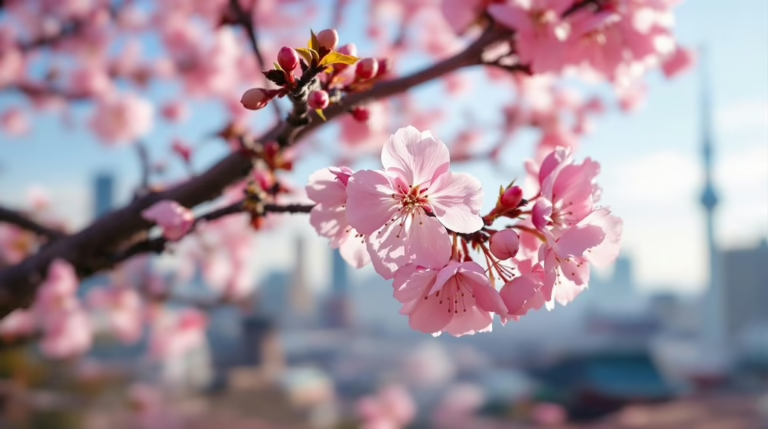
Plan Your 2026 Japan Cherry Blossom Trip: Forecast, Dates & Top Destinations – Mark your calendars for late March through early April 2026, that’s when Japan’s cherry blossoms transform the country into a pink paradise.
Central Honshu hits peak magnificence between March 31st and April 10th, while Mt. Fuji’s iconic sakura-framed views demand mid-April timing.
Timing is everything with sakura. My April 2025 trip taught me this lesson hard, miss the bloom window by even three days, and you’re either staring at bare trees or sweeping fallen petals. But nail that perfect timing? Magic happens.
The Bottom Line
Hide- Peak bloom lasts just ONE WEEK—timing is everything for Japan's cherry blossoms in 2026.
- Book hotels by December 2025 or pay 50-100% more during peak season. Seriously.
- The 8 AM secret: Same park, completely different experience—hundreds vs. thousands of people.
- Tokyo = modern parks + convenience. Kyoto = ancient temples + crowds. Mt. Fuji = iconic photos.
- Cherry blossom season isn't just about flowers—it's about 1,300 years of cultural traditions.
- Smart planning beats crowds: early starts, weekday visits, flexible itineraries.
- Tokyo blooms March 31, Kyoto peaks April 3-10, Mt. Fuji glows mid-April. Plan accordingly.
This comprehensive guide breaks down exactly when do cherry blossoms bloom in Japan across every major region, reveals 11 must-visit locations, and shares battle-tested tactics for beating crowds, stretching budgets, and capturing those Instagram-perfect moments.
The Ultimate Japan Cherry Blossom Guide 2026: Dates, Destinations & Planning Tips
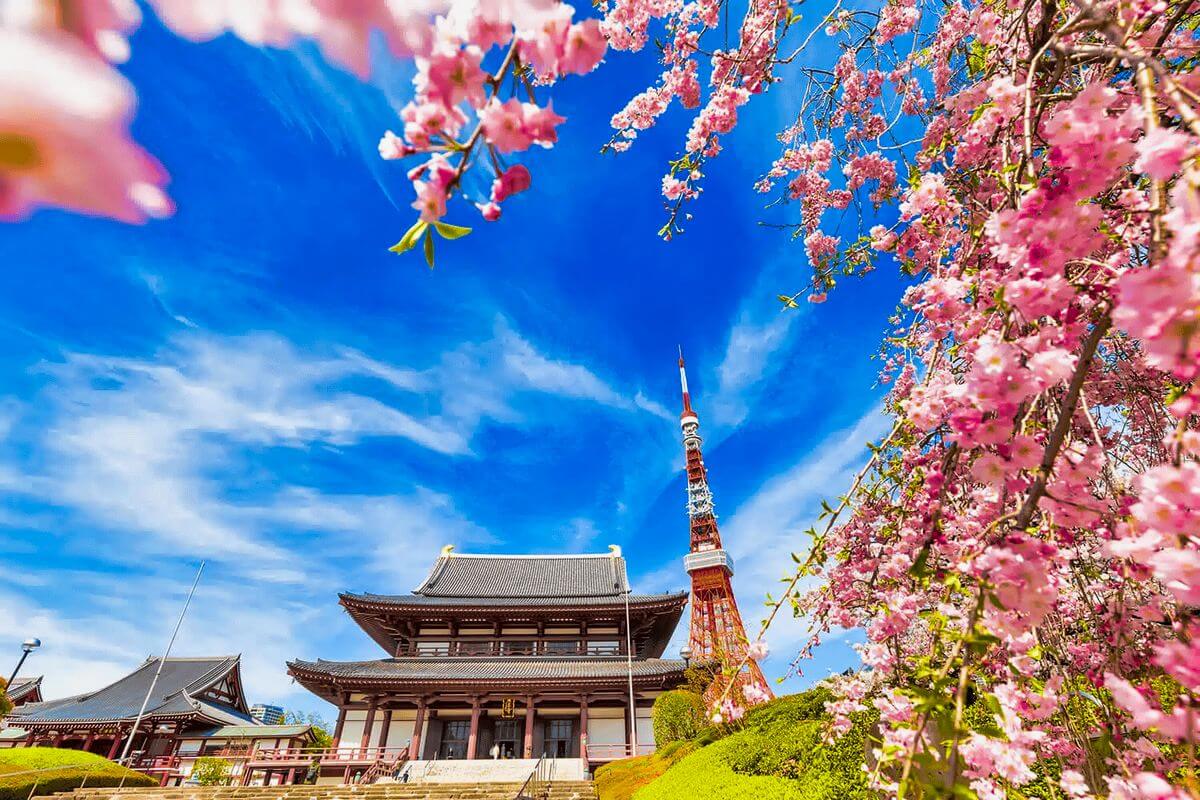
Think of Japan cherry blossom season as a slow-motion wave rolling north over four months. Subtropical Okinawa kicks things off in January, while frigid Hokkaido closes the show by mid-May, creating a staggered bloom pattern that smart travelers can chase across the archipelago.
- Tokyo QR Code Culture: Digital Payments & Menus Made Simple
- Tokyo Free Museum Days: When to Visit Without Paying
- Tokyo Rainy Day Fashion: What Locals Wear & Where to Buy Rain Gear Like a Pro
- Tokyo ATM Complete Guide: International-Friendly Cash Spots
- Tokyo Onsen Etiquette: Hot Spring Rules & Cultural Significance
- Tokyo Free Walking Tour Routes: Self-Guided Budget Adventures
Weather agencies drop their official 2026 predictions each March, frustratingly late for planning purposes, but that’s meteorology.
Here’s the thing though: historical patterns from 2025 give us rock-solid planning intel. When do cherry blossoms bloom in Japan?
Winter severity and spring warmth determine everything, but the dates cluster tightly around consistent averages.
Last year’s bloom calendar tells the story. Tokyo’s sakura peaked March 31st, tracking perfectly with the capital’s historical norms.
Osaka exploded into full glory April 3-4, matching Kyoto’s April 3rd spectacle almost identically.
Year-to-year variation rarely exceeds seven days, making early April the statistically safe choice for Kansai and Kanto regions.
Lock down your hotels immediately. Prime sakura-viewing neighborhoods sell out 6-12 months before peak bloom, we’re talking December 2025 or earlier. Procrastinate until spring 2026? You’ll pay double for rooms an hour away from anywhere good.
When Is Cherry Blossom Season in Japan? Regional Breakdown
Japan cherry blossom season spans four months across seven distinct climate zones, each offering unique viewing experiences and cultural contexts.
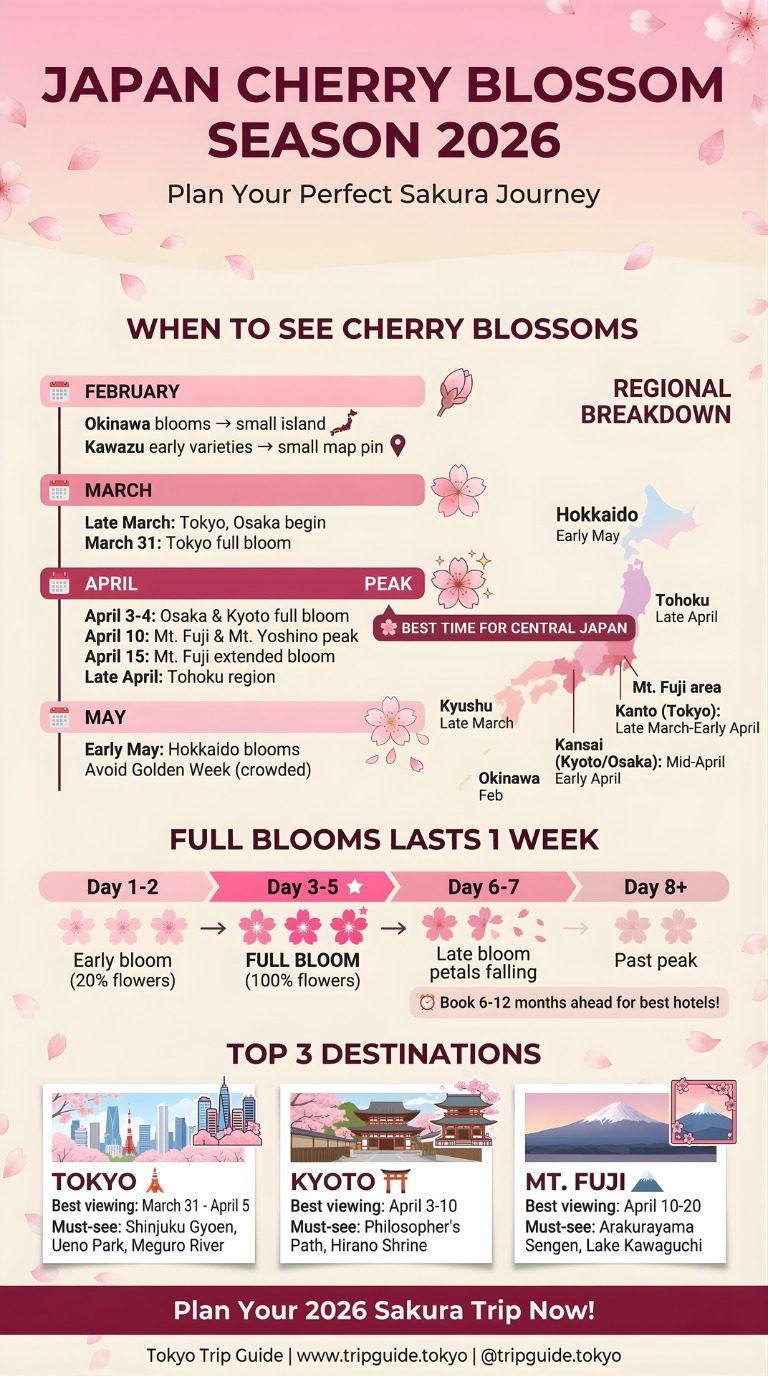
Planning your trip means understanding this geographic progression and timing your visit to catch peak bloom in your chosen destinations.
| Region | Major Cities | Cherry Blossom Season | Best Viewing Dates |
|---|---|---|---|
| Kanto | Tokyo | Late March | End of March to early April |
| Mount Fuji | Mt. Fuji | Early – Mid April | Mid-April |
| Kansai | Osaka, Kyoto, Nara | Late March to Early April | Early April |
| Okinawa | Naha | Late January – Early February | Early February |
| Kyushu | Fukuoka, Beppu, Kumamoto | Late March to Early April | End of March to early April |
| Izu Peninsula | Kawazu | End of February – Early March | Early March |
| Chubu | Nagano, Nagoya | Late March to Early April | Early April |
| Tohoku | Sendai, Hirosaki Castle | Mid to Late April | Late April |
| Hokkaido | Sapporo | Late April – Early May | Early May |
The season kicks off in Okinawa’s subtropical climate during late January, where early-blooming varieties color the islands long before mainland Japan shakes off winter.
Kawazu on the Izu Peninsula follows in late February with its distinctive deep pink blossoms. By late March, the main wave sweeps through central Honshu, covering Tokyo, Kyoto, Osaka, and Nagoya in clouds of pale pink petals.
April belongs to the mountains and northern regions. Mt. Fuji’s surrounding areas peak around April 10-20, offering those iconic shots of snow-capped peaks framed by cherry blossoms.
Tohoku’s historic castles, particularly Hirosaki, don’t reach full bloom until late April, while Hokkaido waits until Golden Week in early May, a spectacular finale that’s also impossibly crowded due to Japan’s national holiday.
Planning Around the One-Week Cherry Blossom Peak Bloom Window in Japan
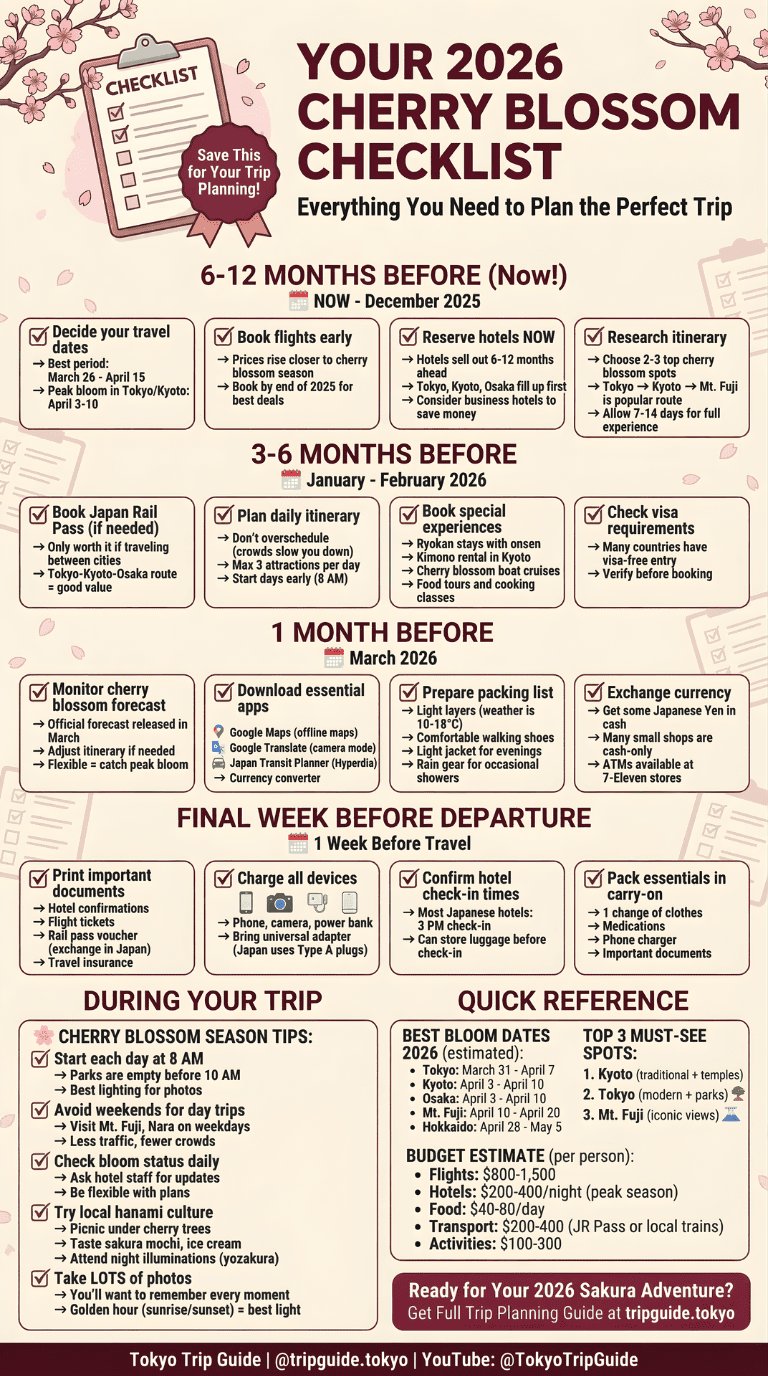
When do cherry blossoms bloom in Japan, and more importantly, how long do they last?
Full bloom lasts approximately one week under ideal conditions. Weather plays the deciding role, warm, calm days extend the display, while heavy rain or strong winds can strip trees bare in 24 hours.
The progression follows a predictable pattern. Days 1-2 bring early blooms, with about 20% of flowers open.
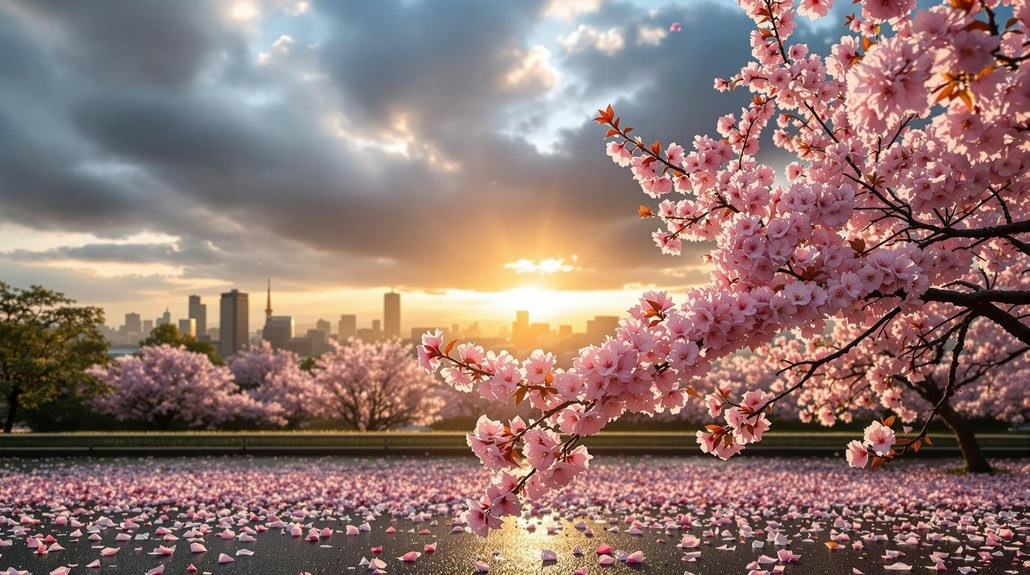
Days 3-5 deliver the main event, that perfect 100% coverage Instagram dreams are made of. Days 6-7 mark late bloom, when petals begin their famous drift to the ground.
Day 8 and beyond? You’ve missed it.
This narrow window makes flexibility your most valuable planning tool. Monitor the forecast as it develops in March 2026, and be ready to adjust your itinerary by a few days.
The difference between arriving on April 1st versus April 5th could mean the difference between peak perfection and bare branches.
Quick Reference Summary Table: 2026 Cherry Blossom Japan Guide
| Category | Key Information | Action Required |
|---|---|---|
| Best Viewing Dates | Tokyo: March 31 – April 7 Kyoto: April 3-10 Mt. Fuji: April 10-20 |
Monitor March 2026 forecast |
| Booking Deadline | Hotels: By December 2025 Tours/Experiences: 3-6 months ahead |
Book NOW for 2026 |
| Budget Estimate | $2,500-4,500 per person (2 weeks) Hotels: $200-400/night peak season |
Book early to save 30-50% |
| Crowd Avoidance | Start at 8 AM Weekday visits only outside cities Avoid 11 AM-3 PM peak |
Set early alarms |
| Top 3 Destinations | 1. Kyoto (culture + temples) 2. Tokyo (parks + convenience) 3. Mt. Fuji (iconic photos) |
Choose based on priorities |
| Peak Bloom Duration | 7 days per region Days 3-5 = 100% bloom |
Stay flexible with dates |
| Must-Try Experiences | Hanami picnic Sakura foods Night illuminations Onsen with views |
Book experiences ahead |
Best Places to See Cherry Blossoms in Japan: Top 11 Destinations
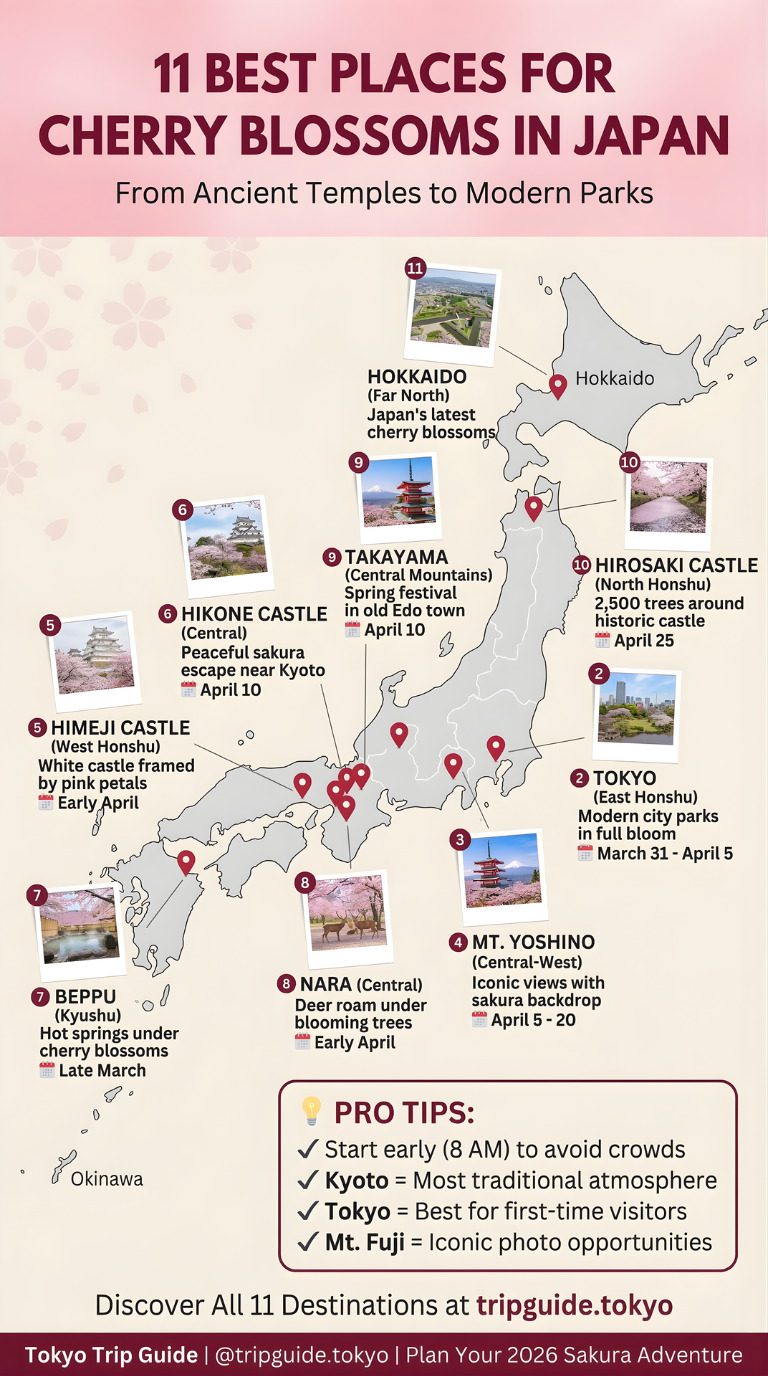
Cherry blossom Japan offers hundreds of viewing locations, from crowded urban parks to remote mountain temples.
Each region provides distinct atmospheres, architectural backdrops, and cultural experiences that go far beyond simply looking at flowers.
Kyoto: Ancient Temples Meet Cherry Blossom Perfection
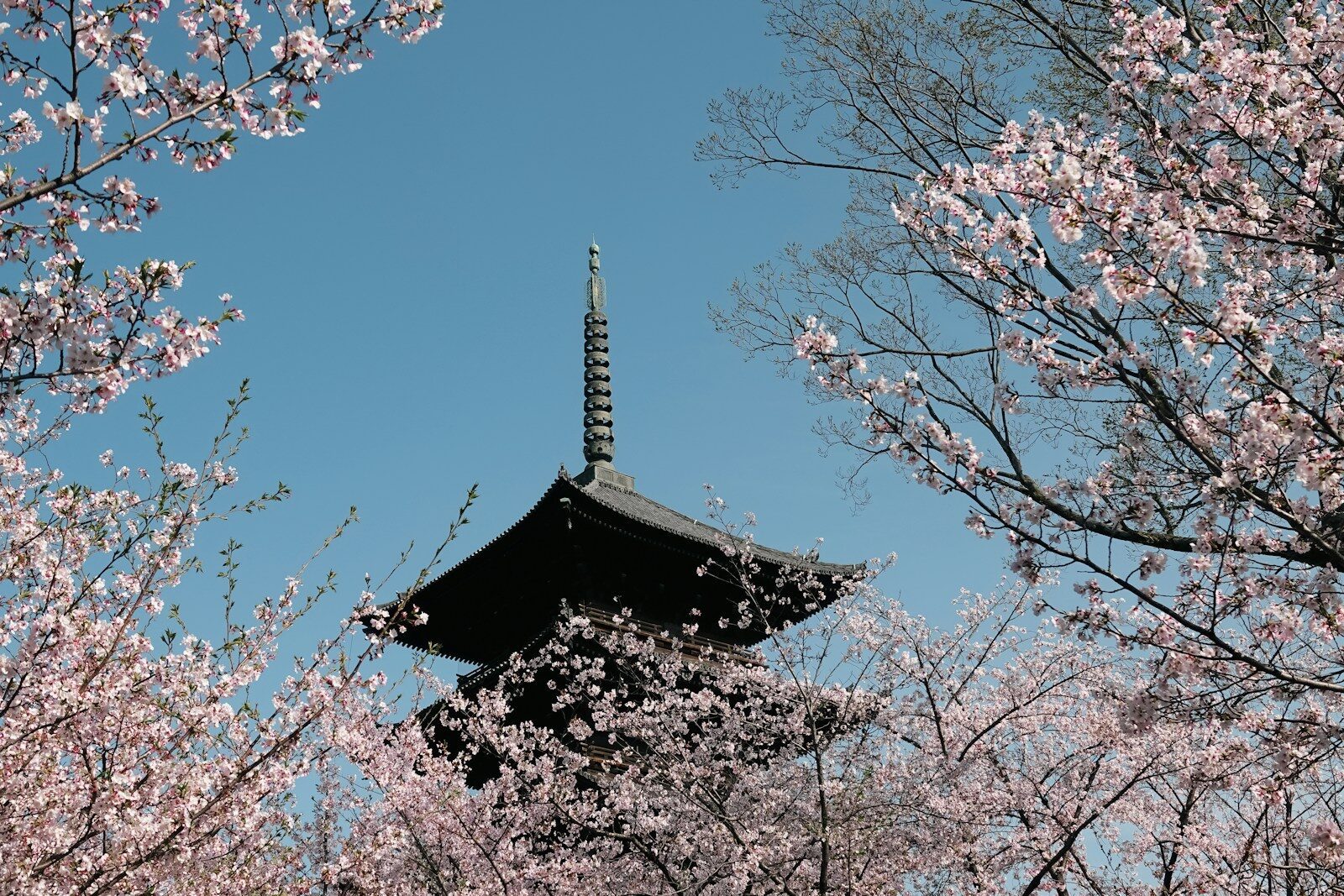
Kyoto sits at the top of every cherry blossom bucket list for one simple reason, nowhere else combines centuries of cultural heritage with such spectacular natural beauty.
The city’s 2,000+ temples and shrines provide endless perfect compositions: wooden pagodas framed by pink branches, stone paths carpeted with fallen petals, moss gardens dusted with sakura snow.
Best viewing time falls during the first two weeks of April, when Kyoto’s cherry blossoms bloom in Japan with perfect timing for Easter holiday travelers.
The city gets packed, genuinely crowded in ways that might surprise first-time visitors, but the magic compensates for the masses.
Plan an immersive cherry blossom day starting at 8 AM sharp. Hit Kiyomizu-dera before tour buses arrive, when morning light illuminates the wooden stage and surrounding trees in golden-pink perfection.
Walk down through Higashiyama’s historic streets, where traditional machiya houses and kimono-clad visitors create scenes straight from the Edo period.
The Philosopher’s Path delivers exactly what its name promises, a peaceful two-kilometer canal walk beneath a cherry blossom tunnel.
Stone temples hide along the route: silver-pavilioned Ginkaku-ji on the northern end, expansive Nanzen-ji in the south with its massive Sanmon gate framing distant mountains. March through early April transforms this path into Kyoto’s most photographed location.
Evening brings yozakura, the distinctly Japanese tradition of viewing illuminated night blossoms.
Hirano Shrine stages Kyoto’s best nighttime displays, hanging traditional lanterns throughout its grounds and hosting cherry blossom dance performances by shrine maidens.
If your visit coincides with April 10th, don’t miss Hirano’s festival parade, geishas, priests, and performers process through the grounds in historic costumes.
Best Cherry Blossom Viewing Spots in Kyoto
Kiyomizu-dera Temple offers that classic Kyoto experience, with wooden terraces, cobblestone approaches, and traditional architecture creating the perfect cultural context for cherry blossom viewing. The surrounding Higashiyama district preserves old Kyoto’s atmosphere better than anywhere else in the city.
Philosopher’s Path creates that ideal balance between nature and culture, a tree-lined canal walk connecting multiple temples and shrines. Two kilometers of cherry blossoms overhead, stone lanterns beside the water, and enough side streets to escape the crowds.
Hirano Shrine specializes in rare cherry varieties, over 60 different types, creating extended bloom periods and unique color combinations. Night illuminations transform the grounds into something magical, while the April 10th festival brings traditional Japan to life.
Fushimi Jikkokubune Cherry Blossom Cruise lets you experience cherry blossom season from the water, gliding through a tunnel of pink and white branches aboard a traditional wooden boat. The perspective changes everything, revealing compositions impossible from land.
Tokyo: Modern City Parks Transformed by Cherry Blossoms
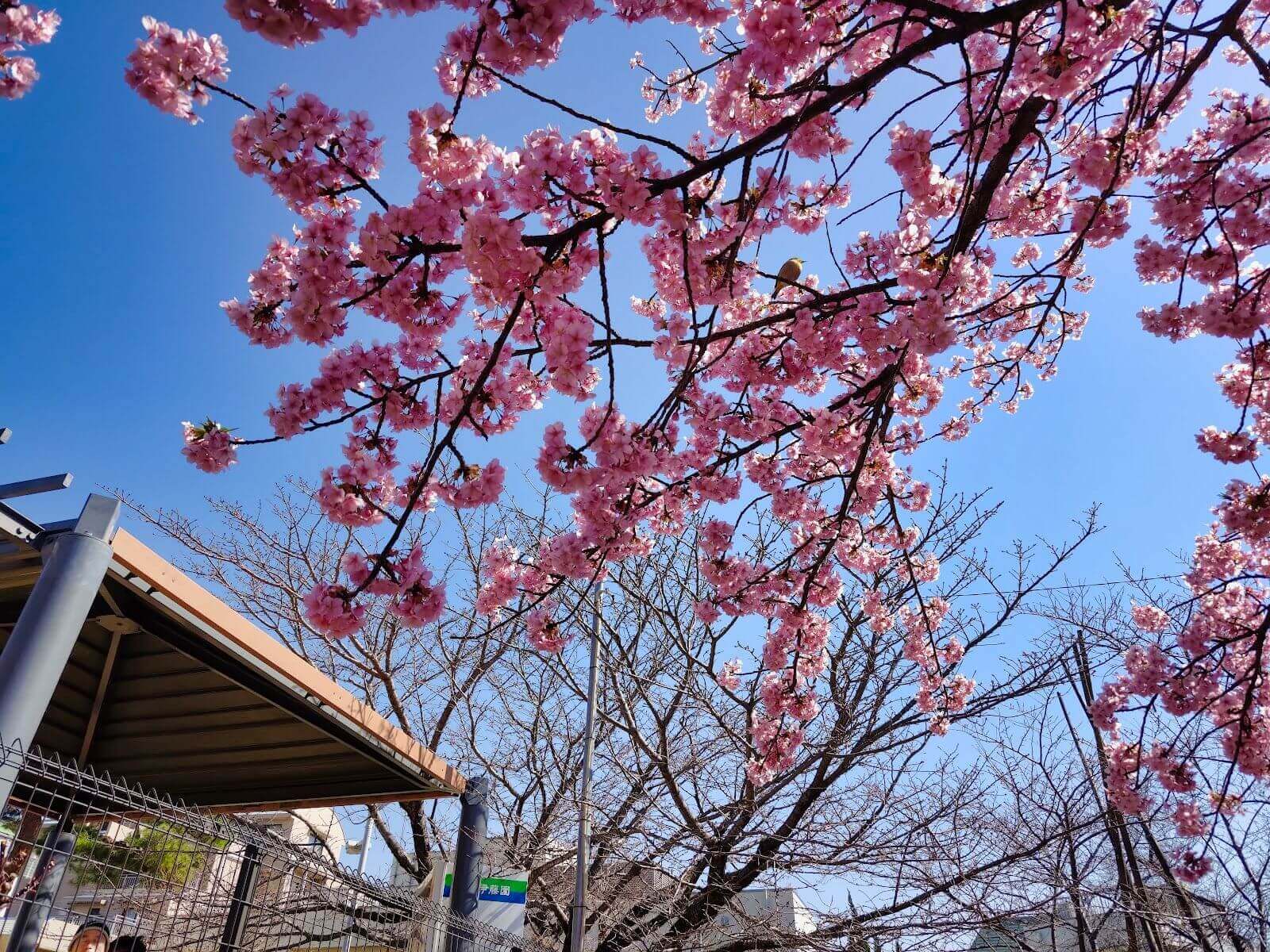
Tokyo, despite its futuristic reputation, maintains dozens of tranquil parks where cherry blossom Japan traditions flourish each spring. The capital handles crowds better than Kyoto, spreading millions of visitors across hundreds of locations, from tiny neighborhood parks to massive public gardens.
You don’t need to visit every famous spot. Choose one or two exceptional locations for a memorable half-day experience, then spend the rest of your time exploring Tokyo’s other attractions without cherry blossom tunnel vision.
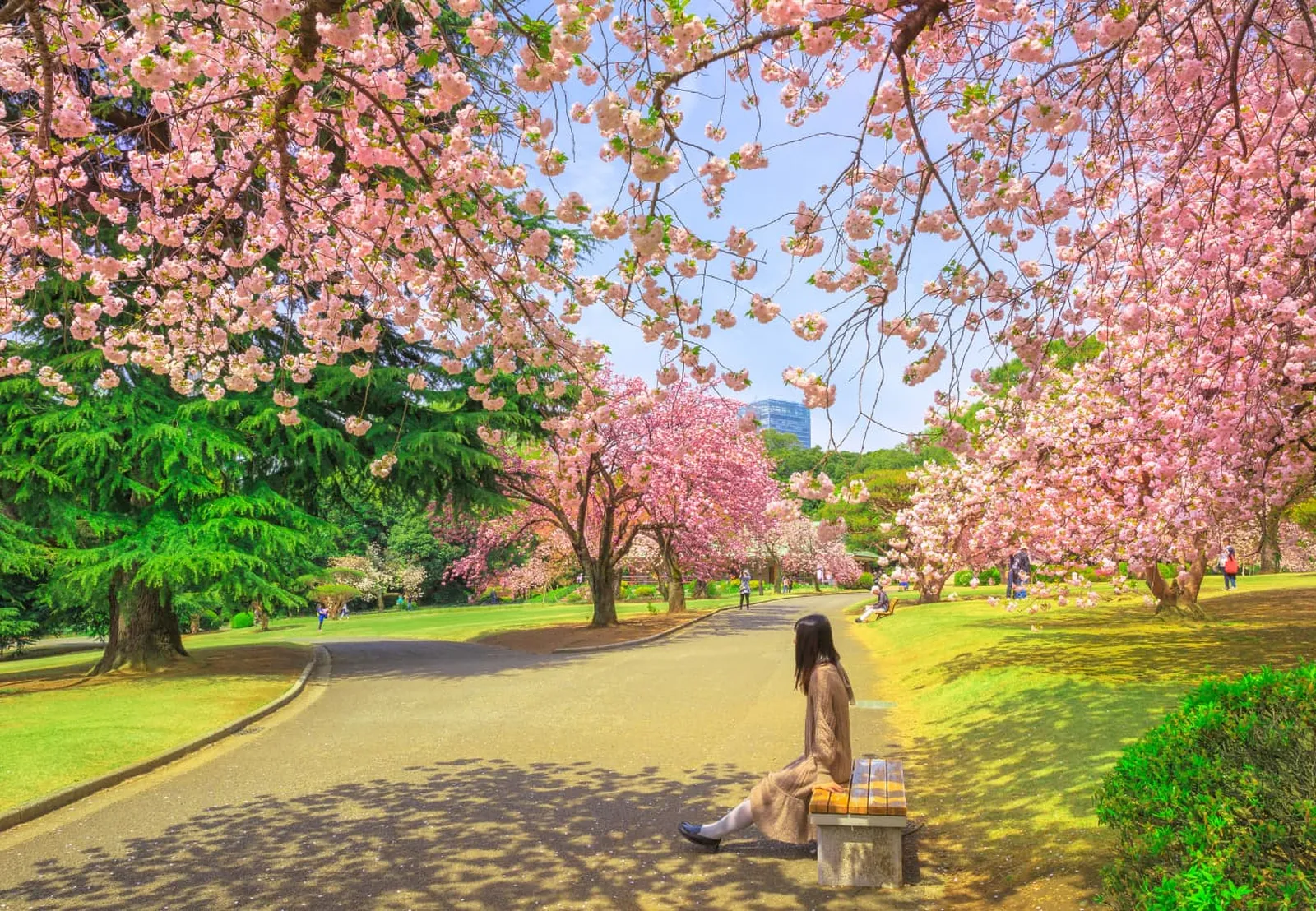
Shinjuku Gyoen combines three distinct garden styles, Japanese traditional, English landscape, and French formal, across 144 acres of central Tokyo greenery. Over 1,000 cherry trees representing a dozen varieties create extended bloom periods from late March through mid-April. The massive lawns accommodate picnicking families and friend groups practicing hanami, while manicured paths wind through quieter sections where you can almost forget you’re in the world’s largest metropolis.
Ueno Park delivers that authentic Japanese hanami atmosphere, complete with blue tarps claiming prime picnic spots, food stalls selling yakitori and beer, and traditional performances on makeshift stages. The energy peaks on weekends when Tokyo families claim their territories before dawn, creating a festival atmosphere that continues past sunset. Arrive early on weekdays for a calmer experience among the 800 cherry trees lining Ueno’s central path.
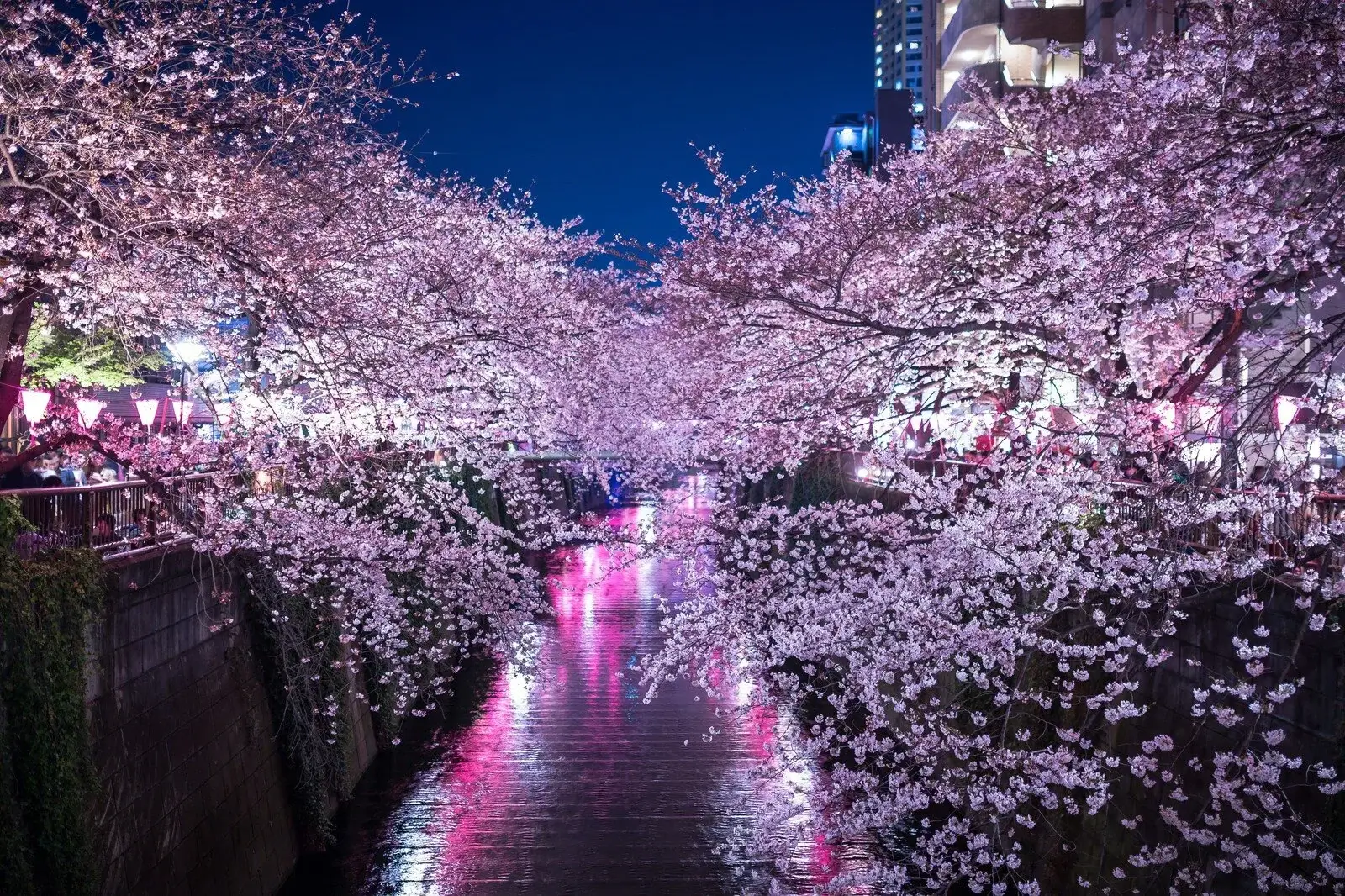
Meguro River transforms into Instagram’s favorite Tokyo cherry blossom location each April, when 4,000 trees create a pink tunnel over the narrow canal. Evening illuminations reflect in the water, petals drift downstream like pink snow, and the romantic atmosphere attracts couples from across the capital. Get there before 5 PM to secure a good spot for sunset photos. While you’re near the Meguro River, don’t forget to also visit Meguro Sky Garden.
Other cherry blossom viewing spots in Tokyo are Sangūbashi Park, Oshinari Park, as well as Shiba Park. We can also (but sometimes) enjoy the sakura view when visiting Kanda Myoujin Shrine, Kiyosumi Park, Tokyo Skytree, Imperial Palace East National Gardens, Sensō-ji, Saigōyama Park, or Meiji Jingu.
Mt. Fuji: Japan’s Most Iconic Cherry Blossom Views
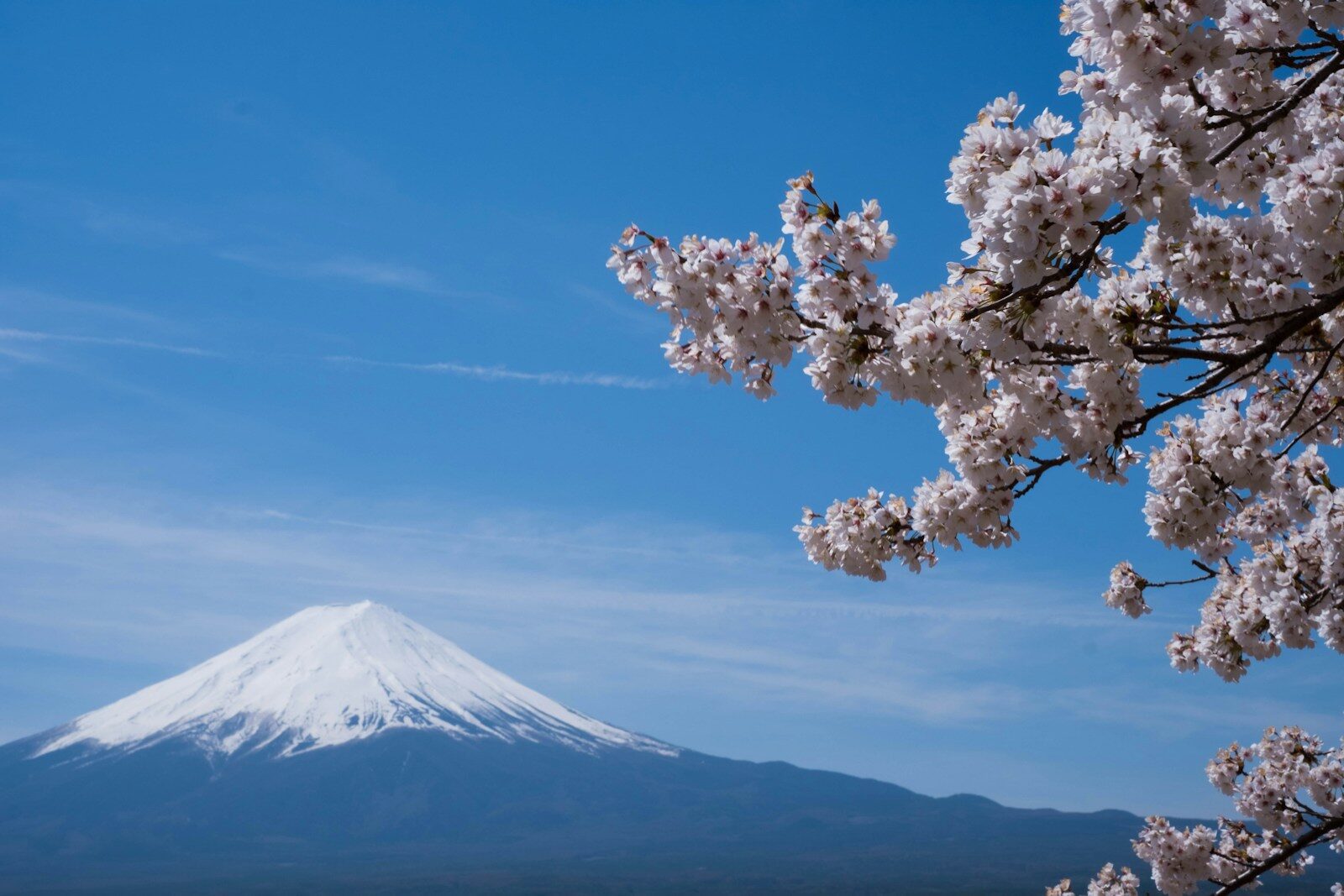
Want to see Mt. Fuji surrounded by cherry blossoms? Visit mid-April when the region hits peak bloom, about 10 days later than Tokyo and Kyoto. The two best spots for that iconic composition both require early arrival, before 9 AM, to beat tour buses and secure the perfect angle.
Arakurayama Sengen Park delivers Japan’s most photographed cherry blossom view: red Chureito Pagoda in the foreground, cherry trees in the middle ground, snow-capped Mt. Fuji towering behind. The shot appears on every Japan tourism poster for good reason, it’s perfect. Climb the 400 steps to the pagoda platform, position yourself among the hundred other photographers, and wait for clouds to clear.
Lake Kawaguchi offers multiple viewing points along its northern shore, where cherry trees frame Mt. Fuji’s reflection in calm morning water. The flexibility helps when clouds hide the summit, you can move along the shore seeking better angles, checking different compositions, waiting for that perfect moment when wind dies and Fuji emerges.
April mornings provide your best visibility window. Mt. Fuji appears most reliably between 7-9 AM on sunny days, before afternoon clouds roll in from the Pacific. Stay overnight at Lake Kawaguchi to maximize your chances, hotels along the northern shore offer early wake-up calls when Fuji shows itself.
The cherry blossom season in Japan runs about a week later around Mt. Fuji than in Tokyo, making this region perfect for mid-April visitors who missed Tokyo’s late March peak. While central Tokyo’s blossoms fade, Mt. Fuji’s surrounding areas burst into full glory.
Mt. Yoshino: A Sacred Mountain Covered in 30,000 Cherry Trees
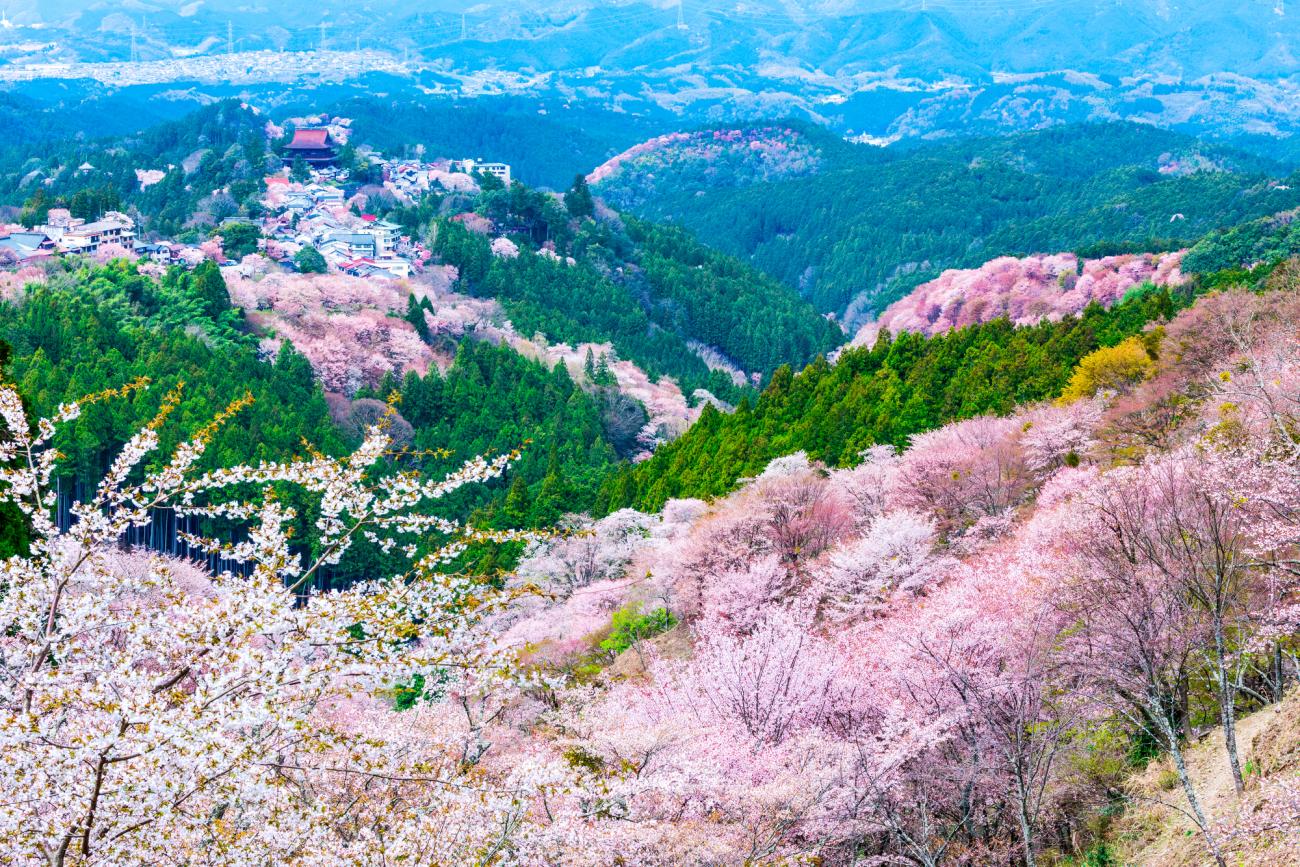
Nowhere else on Earth, not even elsewhere in Japan, matches Mt. Yoshino’s cherry blossom spectacle. Thirty thousand trees blanket the mountainside in four distinct elevation zones, creating a pink progression that extends the season from early to late April.
The mountain carries 1,300 years of Buddhist pilgrimage history, with over 30 temples scattered across its slopes. Walking down from the summit creates a cherry blossom pilgrimage, passing through tree tunnels, pausing at centuries-old shrines, experiencing Japan cherry blossom season as both natural wonder and spiritual journey.
Hanami takes on deeper meaning here, where you can recreate the legendary picnic held by warlord Toyotomi Hideyoshi 400 years ago. Lay down a mat beneath the blossoms, enjoy seasonal snacks and sake, breathe in the mountain air perfumed by millions of flowers.
The elevation gradient extends viewing opportunities. Lower slopes bloom in early April, middle sections peak mid-month, and the summit holds onto blossoms through late April. A single visit during the middle two weeks of April catches multiple bloom stages across different elevations.
Mt. Yoshino sits about two hours from Osaka, making it a perfect day trip or overnight escape. The journey itself becomes part of the experience, narrow mountain roads, small village stops, gradually increasing cherry density as you climb toward the sacred peak.
Himeji Castle: White Walls Framed by Pink Petals
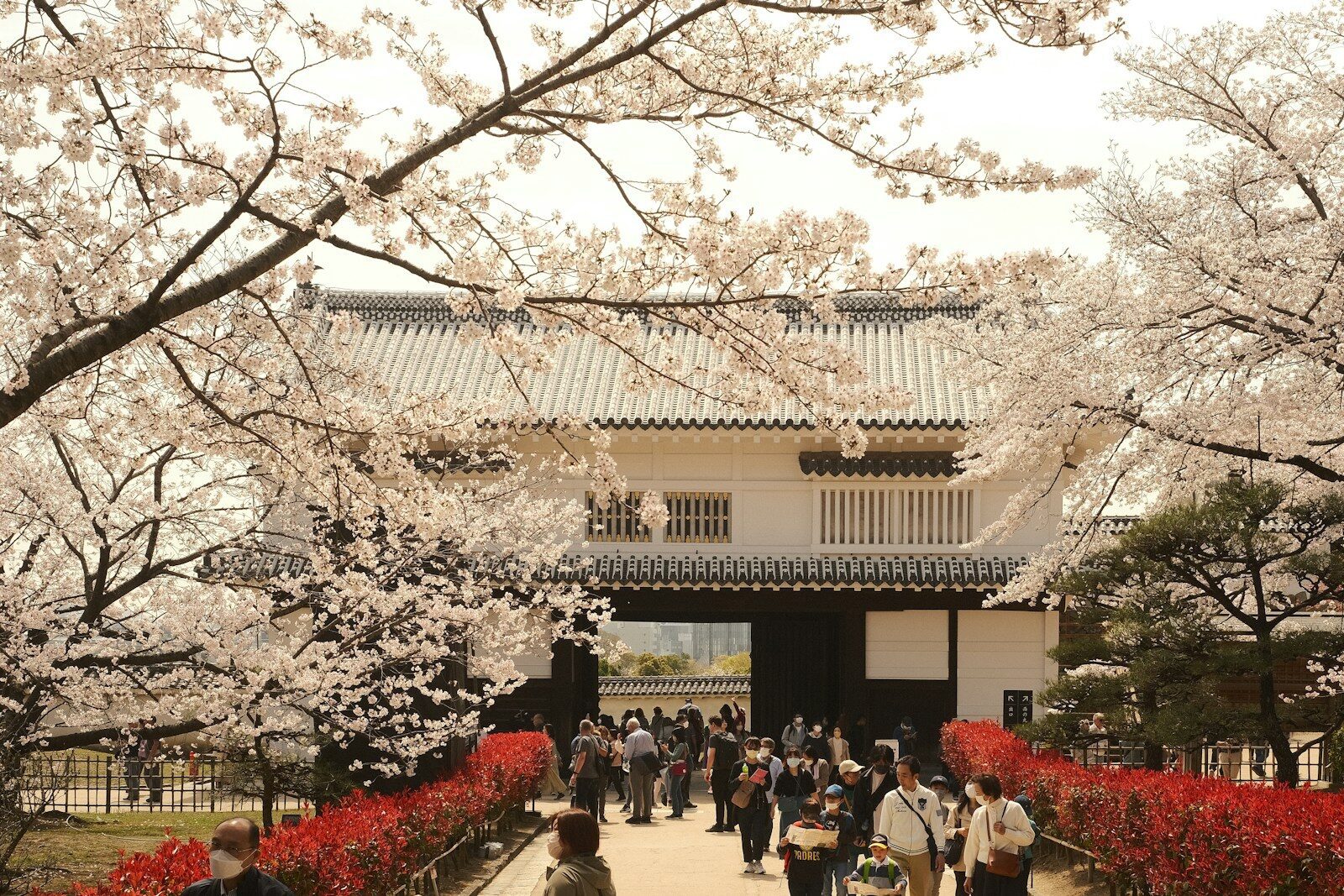
Ever seen that magical white castle surrounded by cherry blossoms in Japan travel photos? That’s Himeji Castle, UNESCO World Heritage site and one of Japan’s twelve original castles to survive wars, earthquakes, and centuries of history.
Himeji Castle isn’t just beautiful, it’s legendary. Built 700 years ago to guard trade routes to Kyoto, this massive fortress complex has survived everything history threw at it, maintaining its original wooden structure through careful restoration and a bit of luck. The white plastered walls earned it the nickname “White Heron Castle,” a grace that intensifies when cherry blossoms bloom in early April.
Over 1,000 cherry trees surround the castle grounds, creating that iconic composition of brilliant white architecture against soft pink nature. The contrast stuns every time, especially during peak bloom when falling petals drift past the castle’s elegant curves.
Try the boat ride around the castle moat for something genuinely special. Cherry trees line the water’s edge, their branches hanging low over the boats, creating a tunnel effect as you drift past the fortress walls. This perspective reveals compositions impossible from land, reflections, unusual angles, intimate views of blossoms with the castle rising behind.
The castle sits about an hour from Osaka by train, making it a manageable day trip during cherry blossom season. Combine it with Osaka sightseeing or Kyoto temple hopping for a full Kansai region experience.
Hikone Castle: Peaceful Cherry Blossoms Near Kyoto
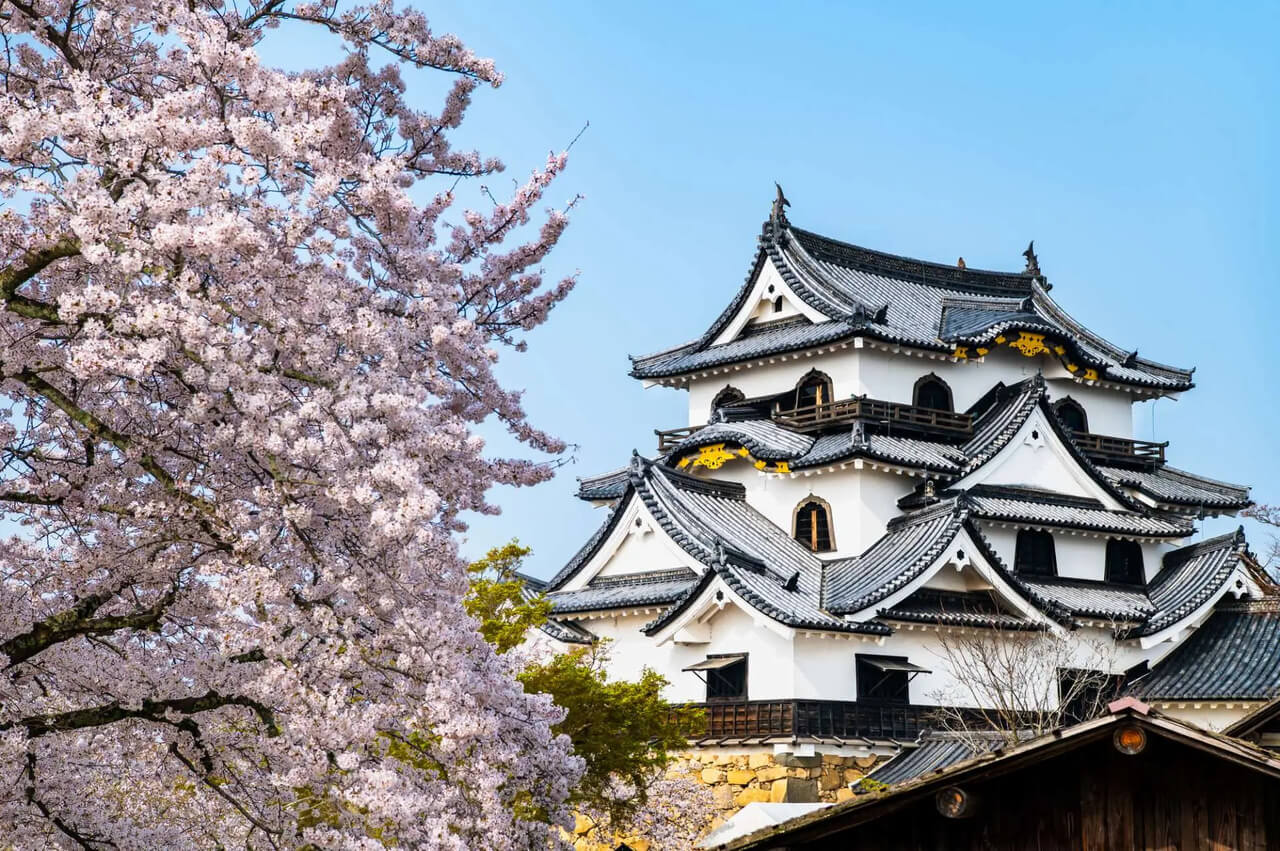
Kyoto feels busy during cherry blossom Japan season, with crowds that can overwhelm even patient travelers. Hikone Castle offers an alternative, peace, history, and 1,000 cherry trees beside Lake Biwa, Japan’s largest freshwater lake.
The castle perches on a hillside, connected to the lake shore by stone steps lined with centuries-old cherry trees. Climbing toward the keep feels like walking back through time, especially when pink petals drift past weathered stones and wooden gates.
Views from the top capture the full cherry blossom spectacle, trees surrounding the castle, Lake Biwa stretching toward distant mountains, spring unfurling across the landscape in every direction. The setting combines natural beauty with samurai history, creating that distinctly Japanese sense of mono no aware, the bittersweet beauty of fleeting moments.
Genkyuen Garden spreads beside the castle, offering traditional strolling paths through carefully composed landscapes. Ponds reflect cherry branches and tea houses, stone bridges cross narrow streams, and maintained grounds provide the kind of perfection that only Japanese gardens achieve.
Peak bloom hits around April 10th, slightly later than Kyoto’s early April rush. Use Hikone as a backup if you miss Kyoto’s peak, or visit both during the same trip for contrasting experiences, Kyoto’s ancient temple crowds versus Hikone’s lakeside tranquility.
Beppu: Hot Springs and Cherry Blossoms in Southern Japan
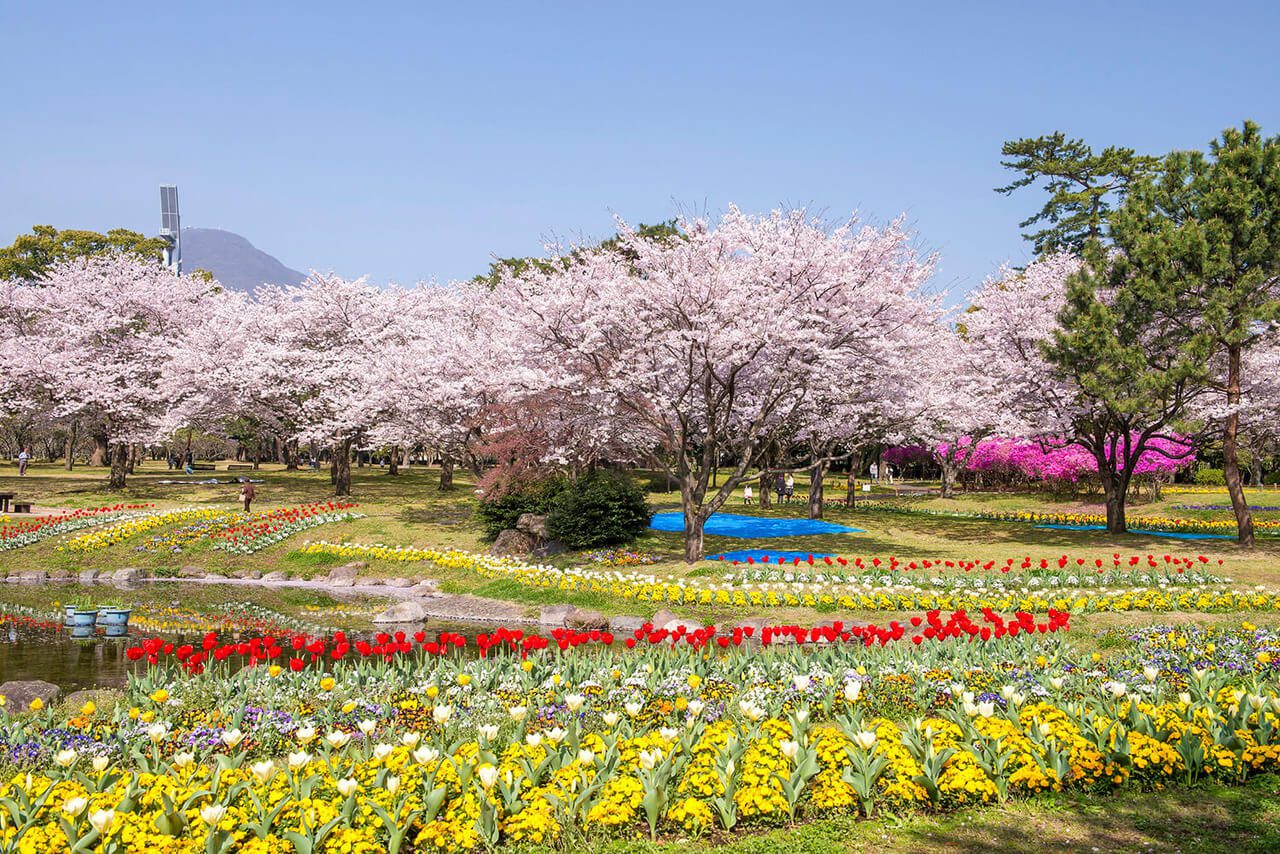
Beppu transforms hot spring bathing into something extraordinary during cherry blossom season, when outdoor onsen offer views of falling petals as you soak in volcanic waters. The experience captures everything special about traveling through Japan in spring.
By late March, Yufuin, one of Beppu’s most famous hot spring villages, sees full cherry bloom.
Traditional ryokan inns feature private baths overlooking gardens planted with cherry trees, creating intimate hanami experiences between dinner courses and morning soaks.
Don’t miss the “Hells of Beppu,” those colorful geothermal hot springs too hot for bathing but perfect for photography.
Steaming pools in shades of cobalt blue, blood red, and milky white create surreal landscapes, especially when cherry trees bloom around their edges.
The contrast between volcanic earth colors and delicate pink blossoms makes for unique photos you won’t capture anywhere else in Japan.
The onsen experience defines Beppu travel.
Soak in outdoor baths while cherry blossoms fall around you, breathe in sulfur-scented air mixed with flower perfume, feel volcanic heat relax travel-tired muscles. This is Japan cherry blossom season at its most relaxing.
Nara: Deer, Temples, and Cherry Blossoms
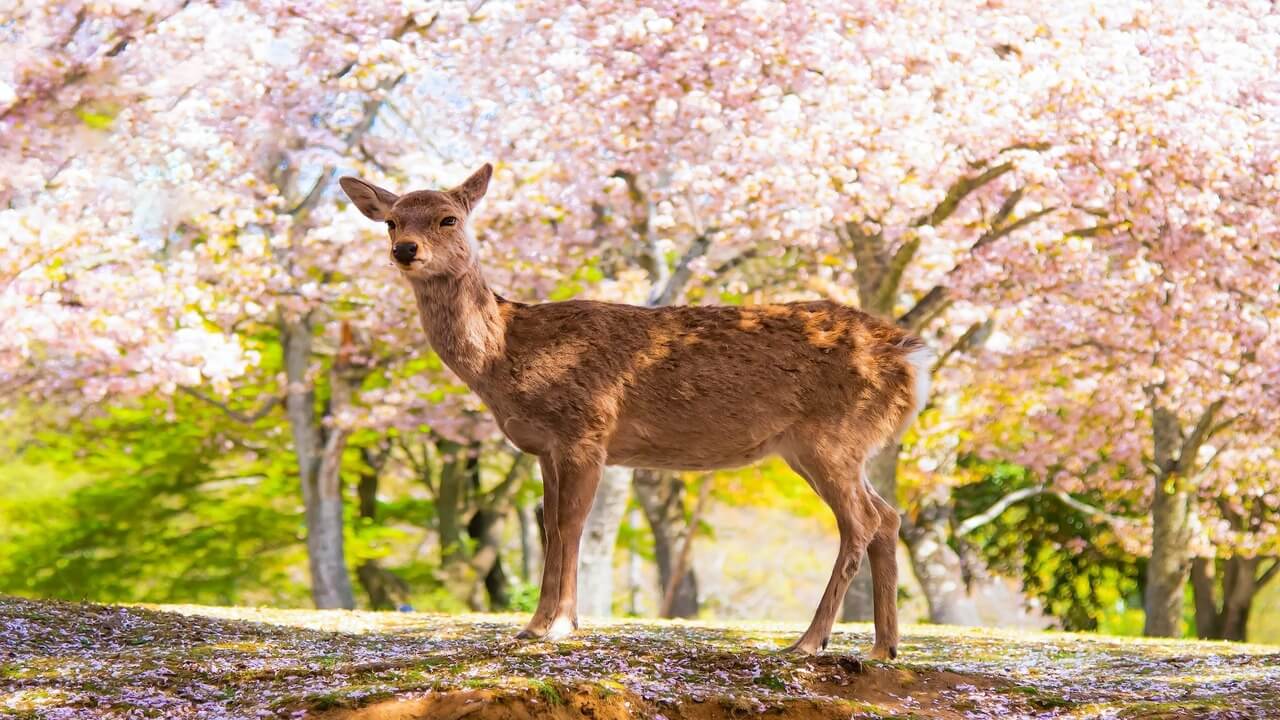
Traveling with kids? Nara delivers family-friendly cherry blossom experiences where 1,200 semi-wild deer roam freely among blooming trees.
Early April transforms Nara Park into a magical combination of animals, flowers, and ancient Buddhist temples.
The deer have lived here for centuries, considered sacred messengers in Shinto tradition. Watch them bow before accepting special crackers sold throughout the park, nap beneath cherry trees, wander right up to visitors without fear.
Kids absolutely love this interaction, feeding deer surrounded by pink blossoms creates memories that last.
Todai-ji Temple anchors the park with its massive bronze Buddha statue and enormous wooden hall, both framed by cherry trees during peak season. The spiritual atmosphere intensifies during bloom time, when falling petals drift past temple buildings and deer graze on new grass beneath flowering branches.
Photography opportunities multiply at Nara. Capture deer portraits with cherry blossoms in soft-focus backgrounds, frame ancient temple architecture through pink branches, photograph children’s delighted faces as deer bow for treats. The combination of elements creates unique compositions impossible anywhere else.
Takayama: Edo-Period Streets and Spring Festivals
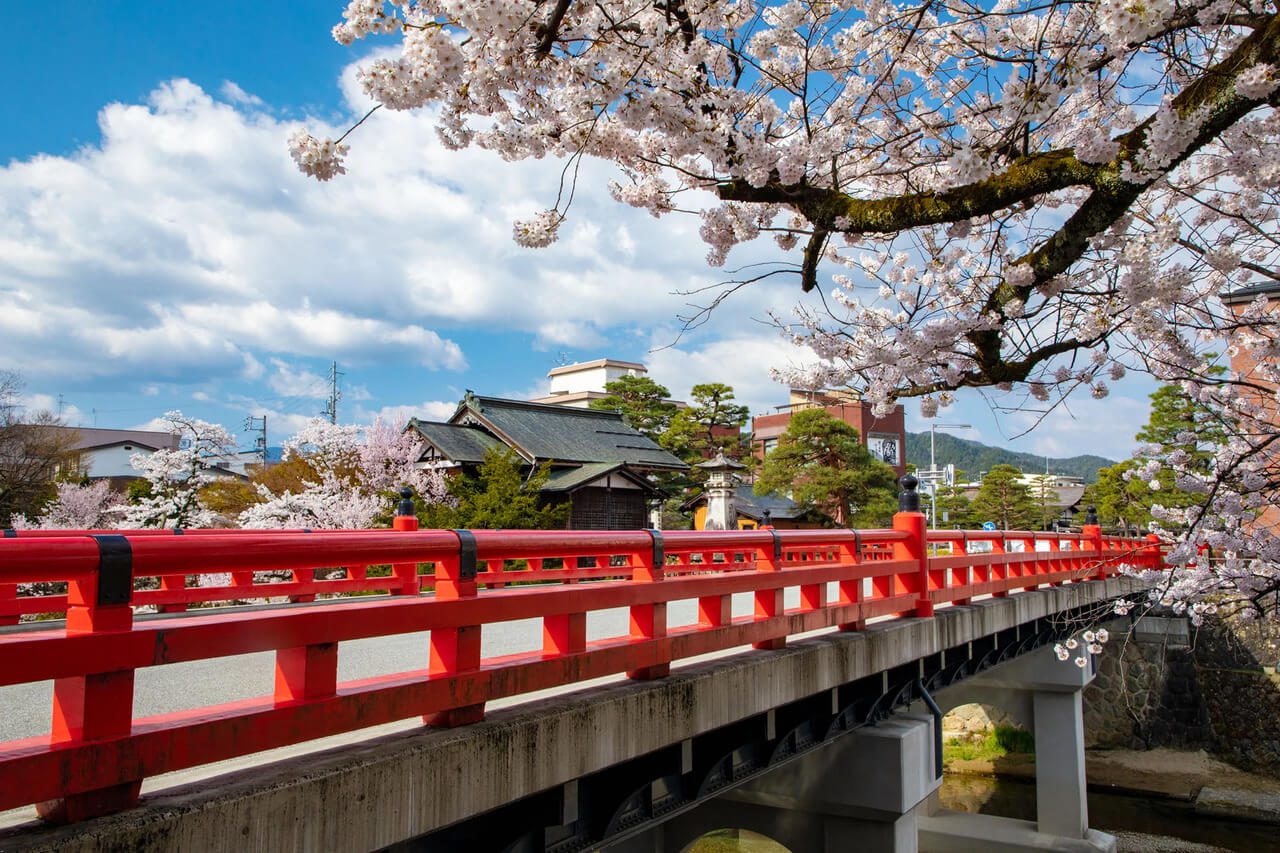
Takayama preserves Edo-period architecture better than almost anywhere in Japan, with entire streets of original merchant houses, sake breweries, and wooden storefronts. When do cherry blossoms bloom in this mountain town? Around April 10th, perfectly timed with Takayama’s legendary Spring Festival.
The Takayama Spring Festival brings history to life through massive yatai floats decorated with gold leaf, intricate carvings, and traditional textiles. These ornate structures roll through old town streets pulled by teams in period costume, drums echoing between wooden buildings, cherry petals drifting through the procession.
Night transforms the festival into something ethereal. Lanterns illuminate the floats, traditional music fills the darkness, cherry blossoms glow under strategic lighting. The scene captures Edo Japan’s atmosphere so completely that you half expect samurai to round the corner.
The mountain location means cooler temperatures and later blooms than Tokyo or Kyoto. Use Takayama as part of a multi-week Japan cherry blossom season journey, hitting central cities in early April then moving north as spring follows.
Hirosaki Castle: Northern Japan’s Cherry Blossom Masterpiece
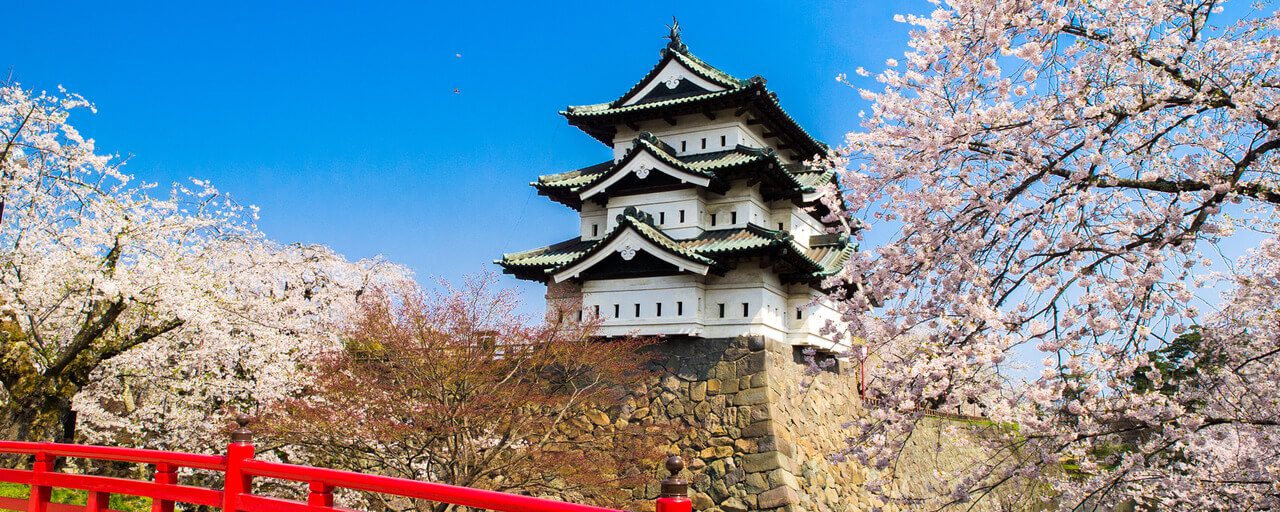
Hirosaki Castle ranks among Japan’s three most famous historic fortresses, and the 2,500 cherry trees planted across its extensive grounds create one of northern Japan’s most spectacular spring displays. Peak bloom arrives around April 25th, nearly a month later than Tokyo.
The castle and surrounding park occupy a massive area, offering multiple viewing experiences beyond simple flower gazing. Row a boat among floating petals on the castle moat, where cherry branches hang so low they brush the water. Walk paths lined with ancient trees, their gnarled branches creating tunnels of pink and white. Photograph the castle keep perfectly framed by foreground blossoms.
The cherry blossom festival transforms the grounds into a celebration zone, with food stalls, performances, and traditional craft demonstrations spread across the park. Local specialties and seasonal treats fill vendor booths, while musicians and dancers perform on temporary stages.
Hirosaki sits in northern Honshu, requiring dedicated travel time from Tokyo or Kyoto. The effort rewards patient travelers with late-season blooms and smaller crowds than central Japan’s famous locations. If you’re planning an extended Japan cherry blossom journey, include Hirosaki for that final northern flourish.
Hokkaido: Japan’s Latest Cherry Blossoms
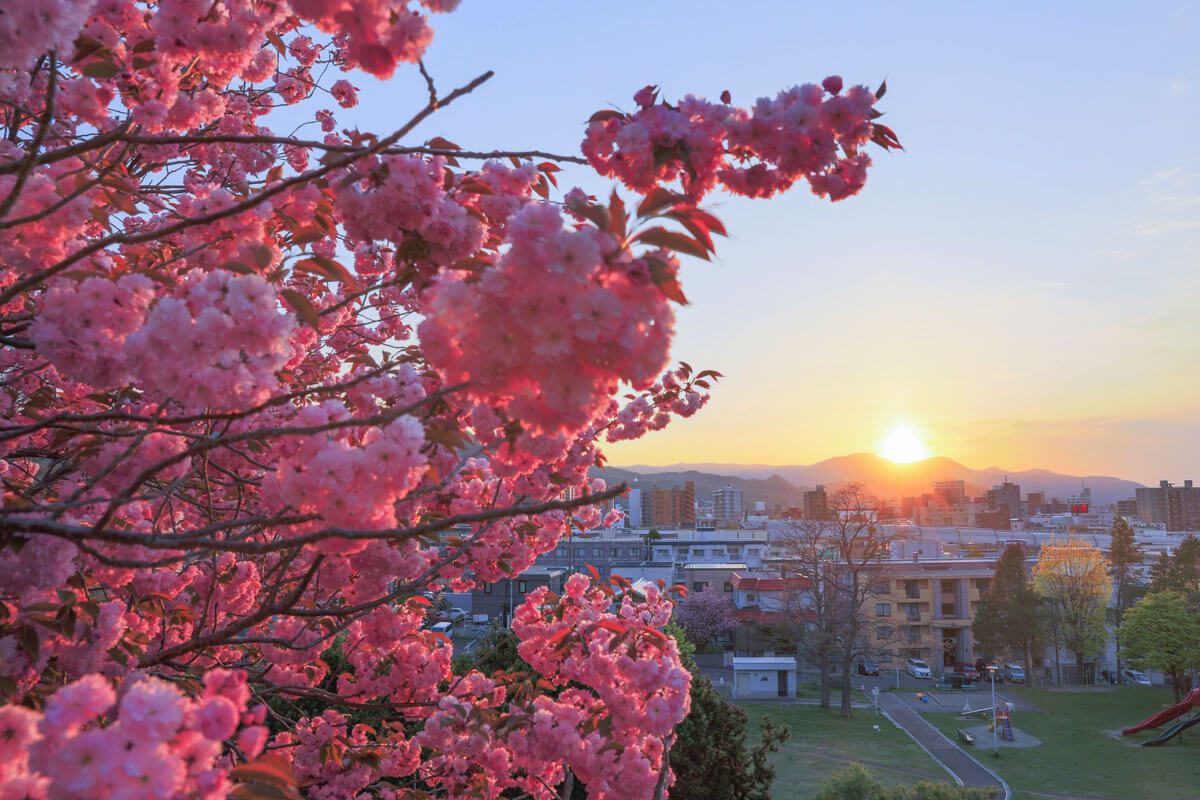
Hokkaido cherry blossom season arrives last, blooming through early May when everywhere south has long since lost its petals. This timing creates opportunities for travelers who missed central Japan’s early April peak, or who want to extend their sakura experience by chasing spring north.
Matsumae Park combines historic Matsumae Castle with cherry varieties you won’t find elsewhere in Japan. The northern climate favors certain cultivars, creating unique color combinations and longer bloom windows. Castle walls provide architectural context, while the surrounding park spreads across enough area to absorb crowds.
Goryokaku Park offers Hokkaido’s most distinctive cherry blossom viewing. The park fills a star-shaped Western-style fort built in the 1850s, visible in full glory from Goryokaku Tower. The elevated perspective reveals the fort’s geometric perfection, with cherry trees lining every wall and bastion.
Avoid the first week of May unless you enjoy massive crowds. Golden Week brings Japanese domestic tourists north in waves, filling hotels, jamming roads, and creating hour-long queues at popular attractions. Travel mid-late May for late blooms and normal crowd levels, or visit late April for early varieties just as they peak.
Book Your Japan Cherry Blossom 2026 Experience
Planning Japan cherry blossom season requires booking months ahead, particularly for accommodations and special experiences in Tokyo, Kyoto, and Osaka.
Hotels in prime viewing areas sell out as early as December 2025, leaving late planners with distant locations and premium prices.
Accommodations and Tours for Cherry Blossom Season
Book through Booking.com or Agoda now for the widest selection of hotels near cherry blossom viewing spots.
Properties within walking distance of Kyoto’s Philosopher’s Path, Tokyo’s Ueno Park, and other prime locations fill first, followed by anything with reasonable transit access.
Waiting until March 2026 means settling for whatever remains, usually at prices 50-100% higher than early booking rates.
Business hotels offer budget-friendly alternatives to luxury ryokan, particularly in cities where you’ll spend days sightseeing rather than enjoying hotel amenities. Save money on accommodations, spend it on experiences, kaiseki dinners, tea ceremonies, kimono rentals, guided tours.
Ryokan stays enhance cherry blossom trips through traditional architecture, multi-course meals, and private onsen baths. Search Booking.com and Agoda for ryokan properties in Hakone, Beppu, and Kyoto that offer cherry blossom views from rooms or baths. These properties book earliest and cost most, but the experience justifies the premium.
Reserve Your Japan Accommodation Now
Search through curated hotels and traditional ryokans on our partner websites. Get competitive rates, verified guest reviews, and instant booking options.
 Booking.com
 Agoda
Agoda Trip.com
 Expedia
 Tripadvisor
 Traveloka
Special Experiences and Activities
Book guided cherry blossom tours through Viator, GetYourGuide, or Klook for insider access and cultural context you’ll miss exploring alone.
Local guides know secret viewing spots, explain hanami traditions, and adjust itineraries based on bloom status.
Day tours cover multiple locations efficiently, while multi-day packages handle all logistics from hotels to transportation.
Kimono rental experiences transform cherry blossom viewing into something special. Walk through Kyoto’s historic districts dressed in traditional silk, creating photos you’ll treasure forever. Book through Klook or GetYourGuide for packages that include kimono selection, professional dressing, hair styling, and photography spots.
Cherry blossom boat cruises offer unique perspectives in Tokyo’s Sumida River, Kyoto’s Okazaki Canal, and other waterways. Reserve through Viator or GetYourGuide for guaranteed seats, these popular experiences sell out weeks ahead during peak bloom.
Tea ceremony experiences complement cherry blossom viewing through seasonal sweets and cultural context. Book through GetYourGuide or Viator for English-language ceremonies in Kyoto’s traditional tea houses, where matcha and wagashi sweets follow centuries-old protocols.
Book Your Tours During Cherry Blossom Season
Buy tickets in advance to avoid lines at popular Tokyo attractions during cherry blossom season.
 Viator
 GetYourGuide
 Klook
Klook WeGoTrip
Tokyo-Specific Cherry Blossom Bookings
Tokyo deserves special attention for cherry blossom planning, given the city’s combination of viewing locations, accommodation options, and cultural experiences. The capital handles spring tourism better than Kyoto, but early booking still matters.
Reserve Tokyo hotels through Agoda or Booking.com in neighborhoods near prime cherry blossom locations. Ueno, Asakusa, Shinjuku, and Meguro districts offer walking access to major viewing spots, while good transit connections let you explore the entire city. Business hotels in these areas provide comfort without luxury pricing.
Book Tokyo-specific experiences early. Cherry blossom viewing at Shinjuku Gyoen, boat cruises on the Sumida River, illumination events at Roppongi Midtown, all sell out as peak season approaches. Viator, Klook, and GetYourGuide offer combo packages that include multiple experiences at discounted rates.
Restaurant reservations become increasingly important during cherry blossom season, when Tokyo’s dining scene fills with domestic and international tourists. Book through TripAdvisor or local reservation platforms for kaiseki restaurants, traditional izakaya, and trendy spots near cherry blossom viewing areas. Walking hours among the blossoms builds appetite, plan accordingly.
Day trips from Tokyo require advance booking during cherry blossom season. Mt. Fuji area tours, Hakone onsen experiences, Nikko temple visits, all see peak demand in April. Reserve through Klook or GetYourGuide for group tours with transportation included, eliminating rental car hassles and crowded train logistics.
Book JR Pass or individual train tickets early if your Japan cherry blossom itinerary includes multiple cities. The pass saves money on Tokyo-Kyoto-Osaka routes but requires purchase before arriving in Japan. Individual reserved seats on shinkansen bullet trains can be booked through Trip.com or official JR websites three months ahead.
Tokyo Trip Add-Ons
Equip yourself for the ultimate Tokyo adventure with the following add-ons, curated just for you.








Cultural Experiences Beyond Just Viewing Flowers
Cherry blossom Japan offers far more than passive flower viewing.
The season brings cultural traditions, seasonal foods, and social customs that transform sakura from pretty scenery into something deeply meaningful.
Hanami: The Art of Japanese Cherry Blossom Viewing
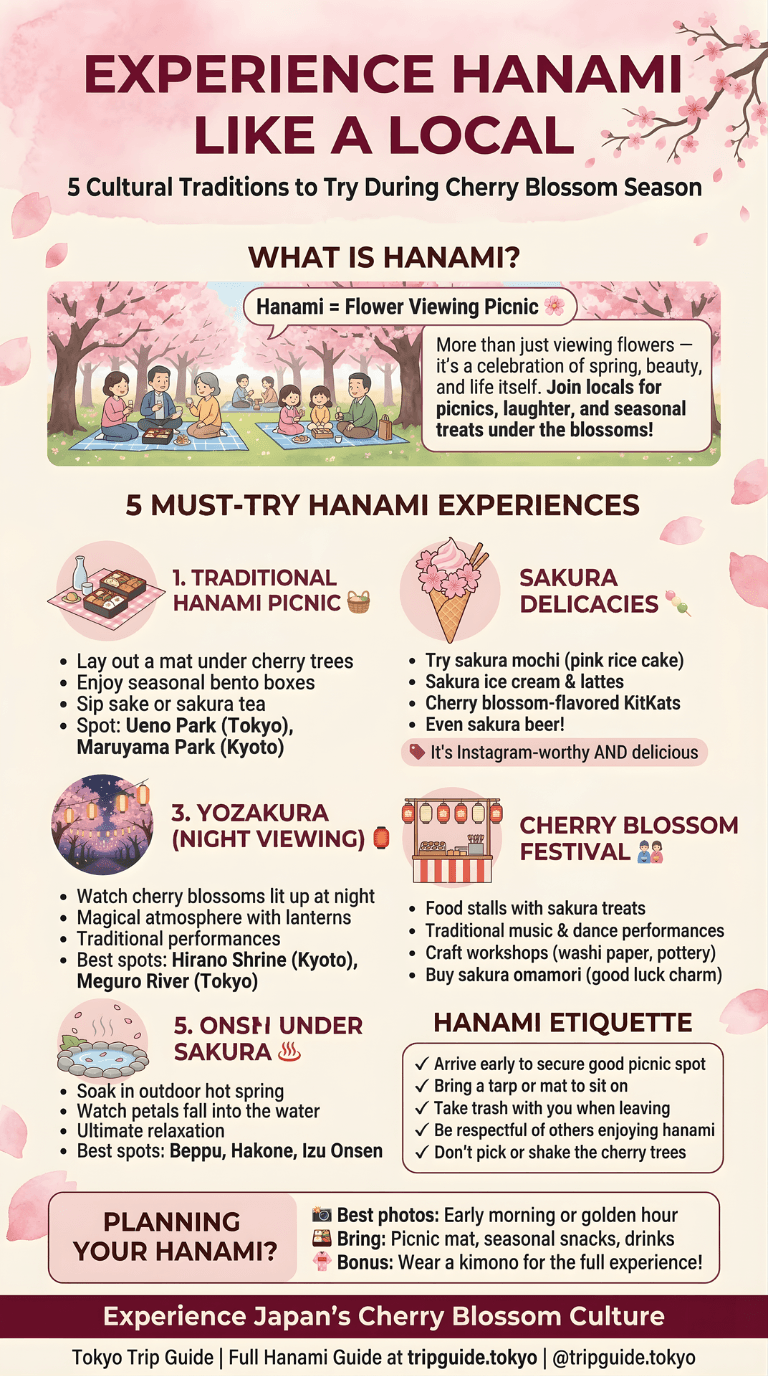
Hanami means “flower viewing,” but the practice carries centuries of cultural significance beyond its simple translation.
Japanese families and friend groups gather beneath blooming trees for picnics combining seasonal foods, sake or beer, conversation, and appreciation of fleeting beauty.
Traditional hanami follows unwritten social protocols developed over generations.
Arrive early to claim good spots, really early on weekends, when competition for prime viewing locations starts before dawn. Spread blue tarps or picnic blankets beneath favorite trees, marking territory that will host hours of eating, drinking, and celebration.
The custom dates to the Nara period (710-794 CE), when aristocrats gathered to compose poetry beneath cherry blossoms.
Over centuries, the practice spread through all social classes, evolving from refined court entertainment to nationwide spring celebration. Today’s hanami combines both aspects, aesthetic appreciation and social party, in distinctly Japanese fashion.
Visit Ueno Park or Yoyogi Park in Tokyo, Maruyama Park in Kyoto, or any major hanami location to observe (or join) the custom.
Most groups welcome friendly visitors who respect the space and contribute snacks or drinks. The social atmosphere peaks in the evening, when lantern light and sakura illuminations create magical settings.
Sakura-Flavored Foods and Seasonal Delicacies
When do cherry blossoms bloom in Japan? Ask any pastry chef, and they’ll tell you it’s time to create sakura-flavored everything.
Spring transforms store shelves with limited-edition treats incorporating pickled cherry leaves, cherry blossom extract, and that distinctive floral-sweet flavor profile.
Sakura mochi leads seasonal sweets, pink rice cakes wrapped in pickled cherry leaves, filled with sweet red bean paste. The combination sounds strange but tastes wonderful, balancing rice sweetness with salty-floral leaf notes. Buy them at any Japanese convenience store or traditional wagashi shop during cherry blossom season.
Sakura ice cream appears in two varieties. Soft-serve versions pile high from roadside stands and theme park counters, often shaped into flower bouquets. Premium versions from specialty shops incorporate real cherry blossom extracts and pickled leaves for authentic flavor. Both varieties photograph beautifully.
Sakura beer and sake hit shelves each spring, offering limited-edition drinks that capture the season in liquid form. Japanese breweries release special batches incorporating cherry blossom essences, creating beverages that taste like spring smells, floral, slightly sweet, distinctly seasonal.
Sakura lattes dominate cafe menus from March through May, when coffee shops and tea houses offer cherry blossom-flavored beverages topped with pink foam art. Starbucks Japan releases limited sakura drinks annually, creating collector’s cups and social media buzz.
Don’t leave Japan cherry blossom season without sampling multiple sakura-flavored items. The foods exist nowhere else, available only during this brief window when the nation embraces its iconic flower through every sense.
Cherry Blossom Festivals and Night Illuminations
Yozakura, night cherry blossom viewing, transforms sakura into completely different experiences than daytime hanami. Illuminated trees glow against dark skies, creating ethereal atmospheres enhanced by lantern light and careful staging.
Major cities host extensive illumination events during cherry blossom season. Tokyo lights Roppongi Midtown, Meguro River, and portions of Ueno Park. Kyoto illuminates Maruyama Park, Kodai-ji Temple, and the Philosopher’s Path. Osaka creates light shows at Osaka Castle and Kema Sakuranomiya Park.
Cherry blossom festivals activate parks and temple grounds throughout Japan during peak bloom. Food vendors sell seasonal specialties and local delicacies, performers stage traditional music and dance, craftspeople demonstrate traditional arts. The festival atmosphere intensifies during weekends, when crowds peak and energy builds.
Attend at least one major festival for the full Japan cherry blossom experience.
Hirano Shrine’s April 10th festival in Kyoto brings geisha, priests, and performers into the grounds.
Takayama’s Spring Festival combines massive floats with old-town architecture. Tokyo’s various parks host neighborhood-scale celebrations accessible without advance planning.
Staying in Traditional Ryokan During Cherry Blossom Season
A ryokan stay elevates Japan cherry blossom season from sightseeing to immersion. These traditional inns offer tatami-mat rooms, multi-course kaiseki dinners, communal and private onsen baths, and service standards refined over centuries.
Cherry blossom season ryokan experiences center on rooms and baths overlooking gardens planted with sakura.
Wake to pink petals drifting past sliding paper doors, soak in outdoor baths while watching blossoms fall into volcanic waters, dine on seasonal courses incorporating spring ingredients.
Hakone ryokan combine Mt. Fuji proximity with hot spring bathing, creating packages of Japan’s two most iconic experiences.
Kyoto ryokan offer traditional architecture and temple district locations, while Beppu ryokan specialize in diverse hot spring types and seasonal kaiseki cuisine.
Book ryokan stays through Booking.com or specialized Japanese accommodation sites months before cherry blossom season.
These properties maintain limited rooms and high demand, particularly those famous for cherry blossom views.
Expect to pay premium rates, $300-800 per person including dinner and breakfast, but the experience justifies the expense.
Onsen Bathing Beneath Cherry Blossoms
Outdoor onsen baths provide the most relaxing way to enjoy cherry blossoms in Japan, naked, warm, surrounded by nature, watching petals drift through steam. The combination of volcanic heat and spring flowers creates uniquely Japanese moments.
Izu Onsen offers coastal hot springs with ocean views and cherry blossoms, where you can hear waves while soaking beneath sakura. Beppu onsen provides the widest variety of bath types, milky blue, iron-red, clear, many surrounded by cherry trees during late March bloom.
Hakone sits closest to Tokyo, making it accessible for day trips or overnight escapes. The region’s famous outdoor baths offer Mt. Fuji views enhanced by foreground cherry blossoms, creating that perfect Japanese composition of volcano, spring flowers, and volcanic waters.
Most onsen separate by gender, following centuries of bathing tradition. Some facilities offer private family baths bookable by the hour, perfect for couples or those uncomfortable with communal bathing. All require complete nudity and pre-bath washing, follow posted protocols to respect local customs.
Planning Your Perfect Cherry Blossom Itinerary
Japan cherry blossom forecast accuracy improves as March approaches, but smart planning starts months earlier. Understanding seasonal progression, crowd patterns, and booking timelines separates magical trips from frustrating experiences.
Essential Planning Timeline and Booking Strategy
Book 6-12 months ahead for any chance at good hotels during Japan cherry blossom season. Prime locations in Tokyo, Kyoto, and Osaka sell out before New Year’s, leaving late planners with distant accommodations at inflated prices. December 2025 represents the absolute latest for securing decent hotels, waiting longer means accepting whatever remains.
Decide your travel dates based on when do cherry blossoms bloom in Japan across different regions. Late March through early April covers central Honshu’s peak, mid-April captures Mt. Fuji and mountain areas, late April brings northern Japan into bloom. Choose your priority regions, then book around their typical peak dates.
Research itinerary options that match bloom progression with your available time. One week allows either Tokyo-Kyoto concentration or wider geographic coverage with less depth. Two weeks enables full central Japan exploration plus side trips to Mt. Fuji, Hakone, or Hiroshima. Three weeks permits chasing bloom north from Kyushu through Hokkaido.
Regional Timing Strategies for Different Travel Dates
March 20-25 travelers should start in Osaka or Kyushu, where southern climates bring earlier blooms. This strategy puts you in Tokyo for late March peak, assuming a week-long itinerary moving northeast. Book Fukuoka or Osaka hotels first, Tokyo last.
March 26-April 5 visitors can enter through either Tokyo or Osaka, as both regions peak during early April. Focus on central Honshu, Tokyo, Kyoto, Osaka, Nara, where cherry blossom season in Japan reaches full glory. Book all accommodations early, as this period sees maximum demand.
After April 5 shifts focus north and to higher elevations. Tokyo and Kyoto’s cherries fade quickly after peak, but Mt. Fuji, Mt. Yoshino, and Takayama approach their best. Enter through Osaka or Tokyo, move toward mountains and northern regions as your trip progresses.
April 10-20 travelers should prioritize Mt. Fuji, Mt. Yoshino, Takayama, and other mountain areas where cherry blossom Japan season runs late. Central cities show only scattered late bloomers, making them less worthwhile than during early April peak.
Late April through early May belongs to Tohoku and Hokkaido, where northern Japan cherry blossom season concludes the spring progression. Avoid Golden Week (late April/early May national holidays) unless you enjoy massive crowds and triple-normal prices.
Daily Itinerary Best Practices
Start every day at 8 AM during cherry blossom season. Parks stand nearly empty before 10 AM, offering magical morning light and peaceful viewing impossible later. Photograph prime locations in morning calm, then explore secondary spots as crowds build.
Limit yourself to 2-3 cherry blossom locations daily. The scenery grows repetitive after multiple similar parks, and Japan cherry blossom season offers so much beyond flower viewing, temples, castles, museums, neighborhoods, food experiences. Balance sakura sites with broader cultural exploration.
Keep itineraries flexible to catch best blooms and weather. Cherry trees bloom days apart even within single cities, your guide or hotel concierge can direct you toward current peak locations. Sunny weather amplifies photo quality dramatically, making schedule adjustments worthwhile.
Avoid scheduling activities on travel days between cities. April crowds can double normal journey times, particularly around Tokyo and Kyoto. Arrive at stations 2-3 hours before train departures, allowing for lines, congestion, and unexpected delays.
Weekend vs Weekday Planning
Visit destinations outside Tokyo and Kyoto on weekdays only. Mt. Fuji, Hakone, Nikko, and Nara see manageable crowds Monday-Friday, then explode with domestic tourists every weekend. A journey that takes 2 hours on Tuesday requires 6 hours on Saturday.
Weekend travel within Tokyo or Kyoto works fine, these cities absorb crowds through sheer size and attraction diversity. But any destination requiring highway driving or limited-capacity transport (cable cars, ropeways) becomes problematic on Saturday and Sunday.
Book hotel checkout extensions or luggage storage if you must travel weekends. This prevents carrying bags through weekend crowds while allowing full days at destinations before moving to next cities.
Managing Crowds and Maximizing Your Experience
Yes, Japan gets crowded during cherry blossom season, genuinely, noticeably, sometimes frustratingly busy. But smart planning, flexible timing, and realistic expectations let you enjoy spectacular blooms without constant frustration.
Everything runs smoothly despite the crowds. Airport customs move efficiently, train stations provide clear English signage, tourist sites maintain clean restrooms and helpful staff. The infrastructure handles millions of visitors through excellent organization and legendary Japanese service standards.
When Crowds Peak During Japan Cherry Blossom Season 2026 and How to Avoid Them
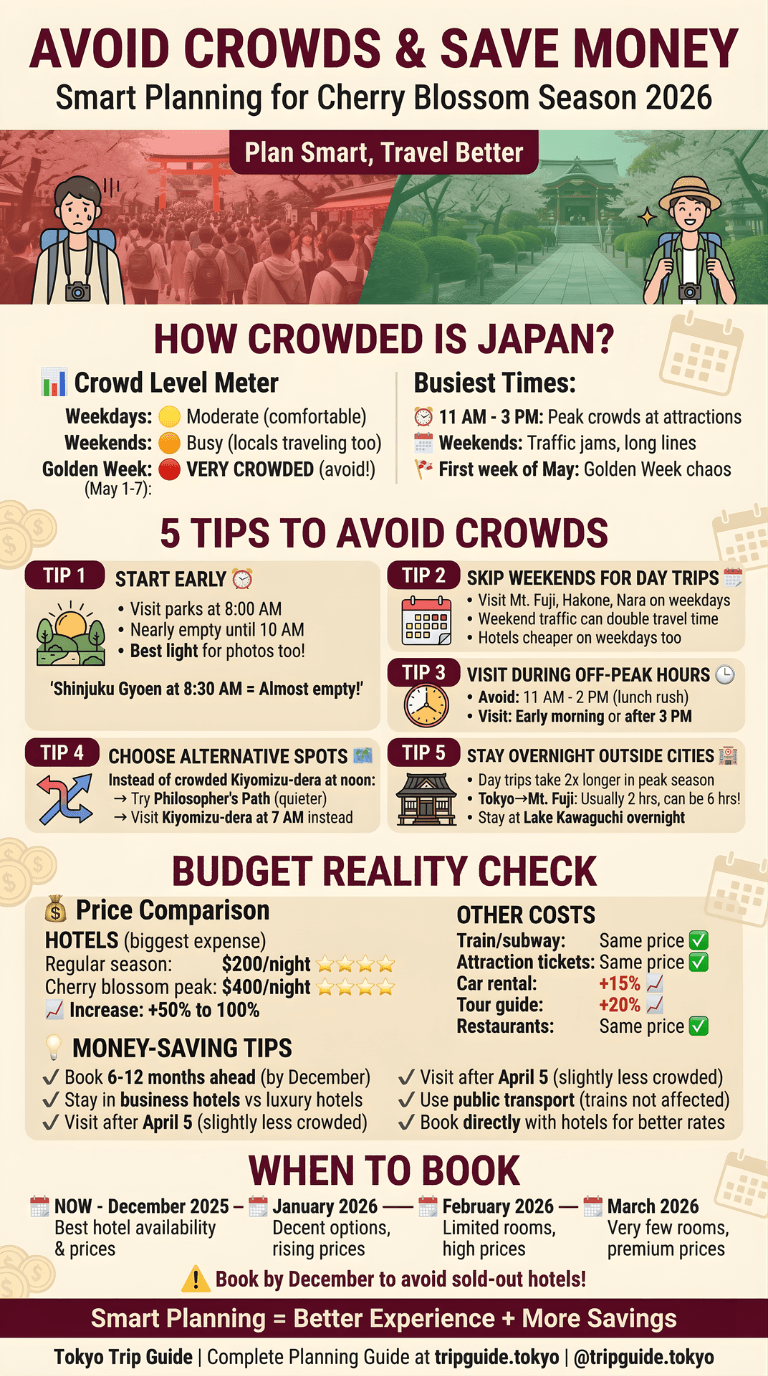
Weekends bring domestic tourists from across Japan, creating traffic jams on highways leading to Mt. Fuji, Hakone, and other destinations outside major cities. What takes 2 hours on Tuesday stretches to 5-6 hours on Saturday when everyone tries to reach the same cherry blossom viewing spots.
Kyoto feels busier than Tokyo or Osaka throughout cherry blossom season, thanks to concentrated attractions and narrower streets. Higashiyama district, Kiyomizu-dera, Sannenzaka, Ninenzaka, gets genuinely packed between 11 AM and 3 PM. Some visitors find the crowds overwhelming, particularly those seeking peaceful contemplation.
Cable cars, ropeways, and other limited-capacity transport create bottlenecks and queues. Lake Kawaguchi’s panoramic ropeway sees hour-long waits during peak season. Factor this time into itineraries, or skip these experiences in favor of walk-up viewpoints.
The 11 AM to 2 PM window brings maximum crowds to every popular attraction. Arrive early or late to avoid peak density, 8 AM gets you into nearly empty parks, while 4 PM catches afternoon light as crowds thin.
Practical Crowd-Avoidance Strategies
Start every day at 8 AM or earlier. Shinjuku Gyoen in Tokyo stands nearly empty at 8:30 AM, I photographed the main lawn with perhaps twenty people visible across acres of cherry trees. By 11 AM, thousands pack the same space.
Visit destinations outside cities on weekdays, saving weekends for urban exploration in Tokyo or Osaka. Mt. Fuji, Hakone, Nara, and Nikko become unpleasant on Saturdays and Sundays when domestic tourism peaks.
Schedule loosely rather than tightly. Three attractions per day allows breathing room when crowds slow movement. Five destinations creates stress as you rush between locations, unable to enjoy any fully.
Stay overnight when visiting areas outside your base city. Day trips to Mt. Fuji during cherry blossom season involve travel times that could double due to weekend traffic. Overnight at Lake Kawaguchi or Hakone lets you explore calmly, catch early morning Mt. Fuji views, and avoid rush-hour returns.
Skip Golden Week (late April/early May) unless you specifically want to experience Japan’s biggest domestic tourism surge. Hotels triple their prices, attractions create hour-long entry queues, and normally manageable crowds become genuinely overwhelming.
Setting Realistic Expectations
Japan cherry blossom season attracts millions of visitors globally, all concentrated in narrow geographic areas during a brief time window. Accept that popular locations will have crowds, lines will form for cable cars and restaurant tables, and perfect solitude exists only at 7 AM.
The experience remains magical despite the crowds. Cherry blossoms transform even the busiest parks into something special, cultural experiences feel authentic despite tourist presence, and Japanese efficiency keeps everything moving smoothly.
Focus on the beauty you’re witnessing rather than the people witnessing it alongside you. Crowds validate that you’ve found something spectacular, embrace the shared human desire to experience nature’s fleeting perfection.
Budget Reality: How Much Does Cherry Blossom Season Cost?
Japan ranks among the world’s pricier destinations year-round, but cherry blossom season pushes costs higher through supply-and-demand economics. Hotel rates surge as availability shrinks, transforming moderate trips into premium experiences.
Breaking Down Cherry Blossom Season Expenses
Hotels represent the biggest seasonal price increase, jumping 50-100% above normal rates during peak bloom periods. That standard four-star Tokyo or Kyoto hotel charging $200 per night in February demands $400 during early April cherry blossom season. Three-star properties and business hotels see similar percentage increases from lower base rates.
Properties near prime viewing spots, walking distance to Kyoto’s Philosopher’s Path, adjacent to Tokyo’s Ueno Park, command premium pricing and book earliest. Accepting hotels farther from cherry blossoms saves money but costs time navigating transit with limited Japanese language skills.
Car rental fees increase about 15% during peak season, while tour guide services jump 20-30% based on elevated demand. Competition for limited English-speaking guides drives rates up, particularly around Kyoto where guide services prove most valuable.
Everything else costs normal prices. Public transportation maintains standard fares, attraction entrance fees remain unchanged, restaurants serve meals at regular prices. Japan’s cherry blossom season premium applies primarily to accommodations and private transport, not general travel expenses.
Regional Price Variations
The Tokyo-Kyoto-Osaka golden triangle sees the steepest cherry blossom season price increases. These three cities attract maximum international tourism during peak bloom, creating hotel shortages that drive rates to premium levels.
Regional cities like Fukuoka, Hiroshima, and Kanazawa show smaller price jumps, 15-30% rather than 50-100%, while offering equally spectacular cherry blossoms in Japan with fewer crowds. Consider building itineraries around these alternatives if budget matters more than famous-name destinations.
Rural areas and small towns maintain near-normal pricing even during bloom season, rewarding travelers willing to explore beyond major tourist routes. A ryokan in a small onsen town costs half what Hakone or Kyoto properties charge for comparable experiences.
Money-Saving Strategies
Book by December 2025 before hotels implement cherry blossom season pricing surges. Properties often offer standard rates through early booking windows, saving 30-50% compared to February or March reservations.
Choose business hotels over luxury properties, particularly in cities where you’ll spend daylight hours sightseeing. Three-star chains like Dormy Inn, Route Inn, and Toyoko Inn provide clean comfortable rooms with included breakfast at $120-180 per night during peak season, half what four-star hotels charge.
Stay in suburbs with good transit access rather than premium neighborhoods. Hotels near JR Yamanote Line stations in Tokyo’s outer wards, or along Kyoto’s subway lines, cost significantly less than central properties while providing 20-30 minute access to major attractions.
Visit after April 5 when central Japan’s bloom fades, crowds thin, and prices drop, but Mt. Fuji, mountain regions, and northern areas approach their peak. This timing lets you experience spectacular cherry blossoms in Japan at reduced costs with smaller crowds.
Use public transportation rather than renting cars or hiring private drivers. JR Pass covers shinkansen bullet trains, local trains, and some buses throughout most of Japan, costing far less than car rental plus highway tolls plus parking fees.
Book accommodations and tours through Booking.com, Agoda, Klook, Viator, and GetYourGuide for competitive pricing and frequent discount promotions. Compare across platforms, the same hotel or tour often costs different amounts on different booking sites.
Weather and What to Pack for Cherry Blossom Season 2026
When do cherry blossoms bloom in Japan, and what’s the weather like? These questions share answers, early April blooms coincide with mild spring temperatures that make travel pleasant but require layered clothing for variable conditions.
Typical April Weather Patterns
Average temperatures range 10-18°C (50-64°F) during Japan cherry blossom season, with daytime highs reaching the upper teens on sunny days and overnight lows dropping to single digits. The range demands flexible clothing, layers you can add or remove as temperature fluctuates throughout the day.
Expect mostly pleasant, sunny weather interrupted by occasional rain showers. April brings spring stability after winter’s cold but before summer’s heat and humidity. Perfect travel weather, with the understanding that “perfect” still includes raincoat-requiring days.
Daytime comfort lets you explore in long-sleeve shirts, light sweaters, and breathable pants. Remove outer layers when sun warms afternoon hours, add them back when evening temperatures drop or clouds block solar heat.
Evenings require jackets or coats, particularly when participating in yozakura night viewing events. Temperatures fall fast after sunset, and standing still while photographing illuminated cherry blossoms in 10°C air feels much colder than walking through the same temperature during daylight.
Rain gear becomes necessary several days during typical two-week trips. April sees moderate precipitation, not monsoon levels, just occasional showers that last hours rather than days. Pack compact umbrellas and water-resistant jackets rather than heavy raincoats.
Regional Weather Variations
Central Japan, Tokyo, Kyoto, Osaka, enjoys the mildest cherry blossom season weather, with temperatures in the comfortable 10-18°C range and moderate rainfall. These regions define “typical” April conditions that most travelers experience.
Mt. Fuji areas run 5-10°C cooler due to elevation, particularly around Lake Kawaguchi and the five surrounding lakes. Morning temperatures near freezing aren’t uncommon in early April, warming to only 10-15°C by afternoon. Pack warmer layers if Mt. Fuji appears on your itinerary.
Hokkaido requires winter clothing even during its late April/early May cherry blossom season. Northern Japan maintains 5-12°C temperatures when cherry blossoms bloom in Japan’s northernmost region, with possible snow even in late April some years. Bring actual winter jackets, gloves, and warm layers for Hokkaido visits.
Kyushu and southern regions offer warmer weather, 12-20°C during late March cherry blossoms, allowing lighter clothing overall. You’ll still want layers for evening viewing, but daytime exploration requires less insulation than central or northern Japan.
Complete Packing List For Japan Cherry Blossom 2026
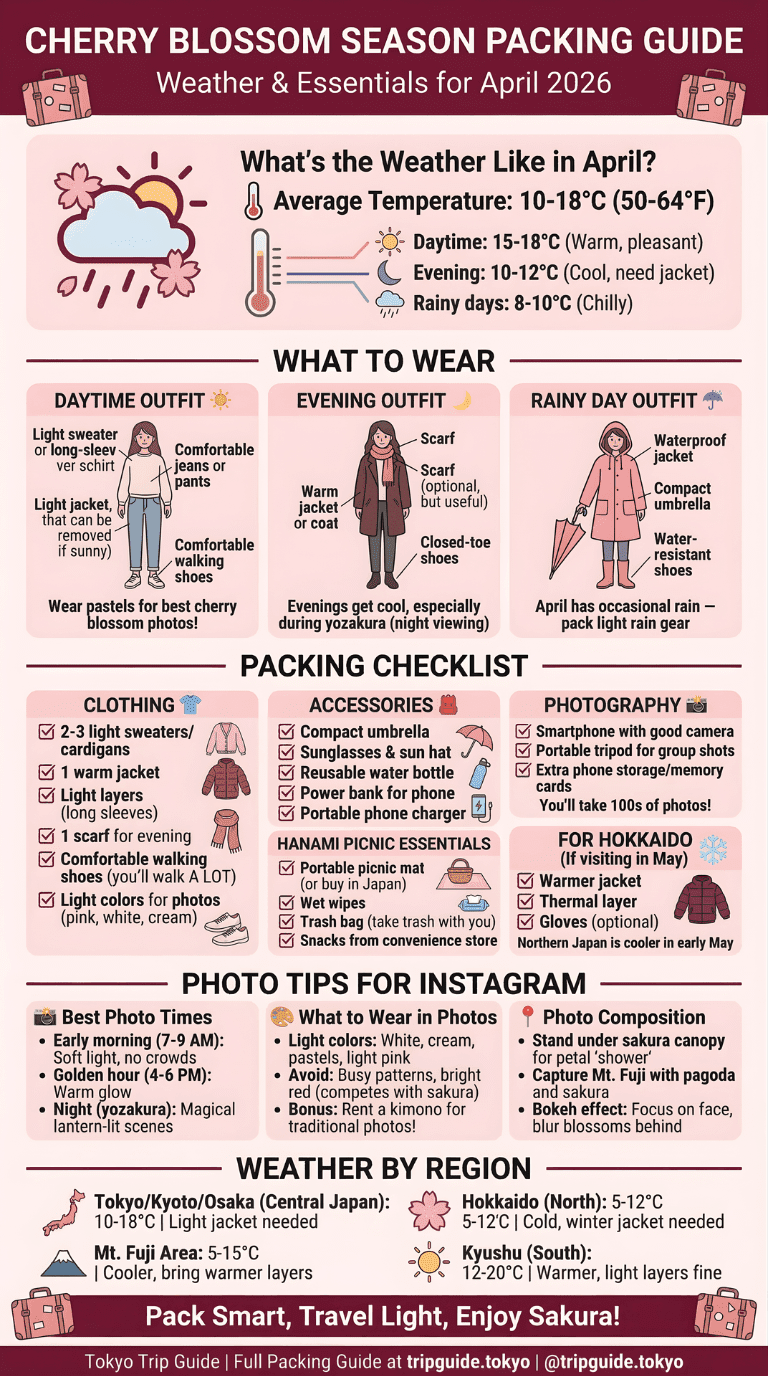
Clothing layers matter more than specific items. Pack 2-3 light sweaters or cardigans, one warm jacket for evenings, long-sleeve shirts for layering, and comfortable pants for walking. Choose light colors, pastels, whites, creams, that complement cherry blossom photography rather than competing with pink backgrounds.
Comfortable walking shoes rank as the most important packing item. You’ll walk 15,000-25,000 steps daily during cherry blossom season, exploring parks, climbing temple stairs, navigating train stations. Break in shoes before traveling, blisters ruin cherry blossom viewing faster than rain.
Accessories should include compact umbrellas, sunglasses for bright days, sun hats for extended outdoor time, reusable water bottles for staying hydrated, and portable phone chargers for maintaining battery through day-long photo sessions.
Photography gear needs only smartphone cameras for most travelers. Modern phone cameras capture excellent cherry blossom photos, particularly during golden hour light. Add portable tripods for group shots and selfies, plus extra storage capacity for the hundreds of photos you’ll take.
Hanami picnic supplies enhance traditional experiences. Bring portable picnic mats if you plan to participate in hanami culture, wet wipes for cleaning hands before eating, small trash bags for responsible waste disposal. Or purchase everything in Japan, convenience stores stock complete hanami supply kits during cherry blossom season.
Photography Tips for Maximum Instagram Impact During Cherry Blossom Season
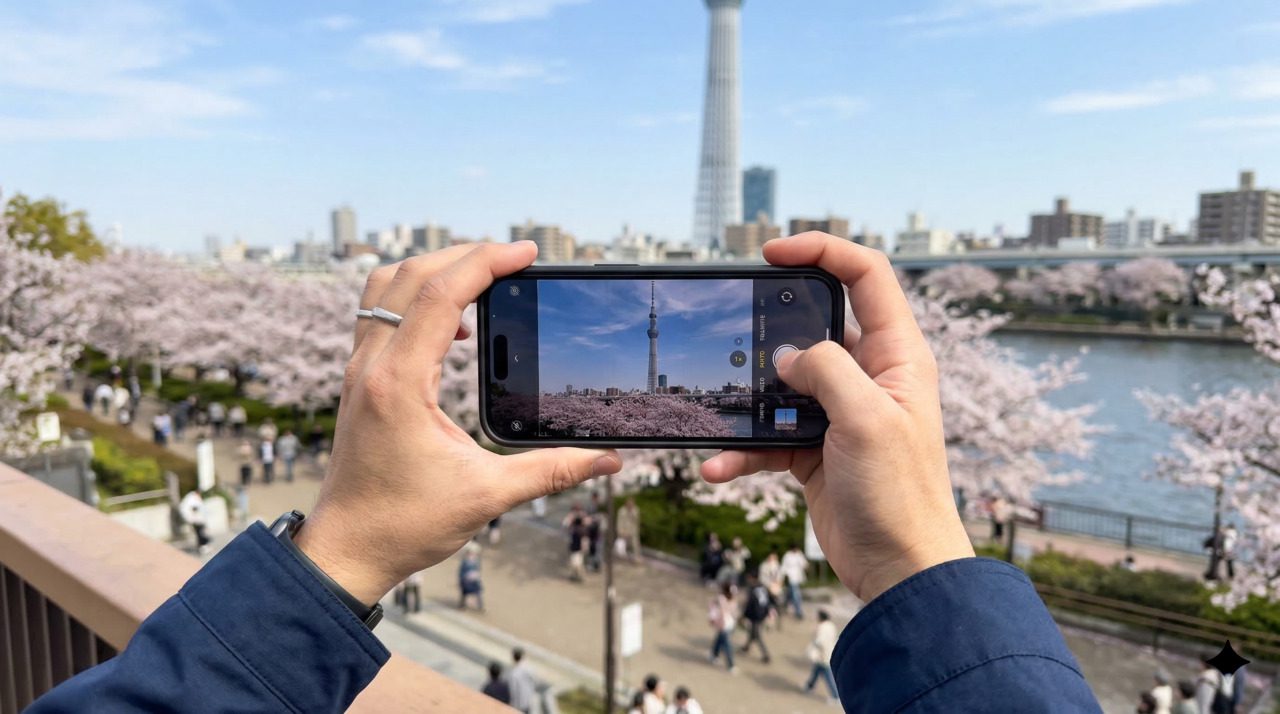
Best photo times occur during early morning (7-9 AM) when soft directional light illuminates blossoms without harsh shadows, and golden hour (4-6 PM) when warm sunset glow creates magical atmospheres. Midday sun washes out colors and creates unflattering contrast, use this time for lunch and indoor attractions.
Tokyo Photo Spots: Instagram-Worthy Locations & Tips
Glimpse Tokyo’s most Instagrammable spots—Shibuya, Shinjuku, Asakusa, Ginza, and hidden ... Read More
Night yozakura photography requires steady hands or small tripods, as illuminated cherry blossoms demand longer exposure times than daylight shots. Most smartphone cameras handle night scenes adequately, but bringing a compact camera with manual controls helps advanced photographers.
What to wear for photos matters more than most travelers realize. Light colors, white, cream, pastel pink, soft blue, complement cherry blossoms rather than competing with them. Avoid busy patterns, bright reds that clash with pink blossoms, and dark colors that disappear against shadows.
Rent a kimono for the ultimate cherry blossom photography experience. Traditional silk garments create stunning compositions, particularly in Kyoto’s historic districts where architecture matches clothing styles. Book through Klook or GetYourGuide for packages including kimono selection, professional dressing, hair styling, and recommended photo locations.
Composition techniques elevate amateur shots to professional quality. Stand under cherry blossom canopies to create petal “shower” effects with falling flowers. Frame Mt. Fuji through foreground cherry branches rather than centering the mountain. Use bokeh (blurred background) effects by focusing on faces while cherry blossoms blur into pink clouds behind.
Frequently Asked Questions About Japan Cherry Blossom 2026
What Month Is Cherry Blossom in Japan in 2026?
Japan’s 2026 sakura season is earlier than usual and absolutely spectacular. The blooming window stretches across a surprisingly wide calendar, from late January in subtropical Okinawa all the way to early May in chilly Hokkaido, making Japan essentially a rolling sakura conveyor belt of breathtaking proportions.
The heartland cities you’re most likely dreaming about — Tokyo, Kyoto, Osaka — fire off their blossoms squarely in late March to early April.
Here’s the precise 2026 city-by-city forecast, released by the Japan Meteorological Corporation (JMC) with AI-assisted modeling this year:
| City / Region | First Bloom | Peak / Full Bloom |
|---|---|---|
| Okinawa | Late January | Early February |
| Nagoya | ~March 17 | ~March 28 |
| Tokyo | ~March 19 | ~March 27 |
| Fukuoka | ~March 20 | ~March 29 |
| Kyoto | ~March 23 | ~April 1 |
| Osaka | ~March 24 | ~March 31 |
| Sendai | ~April 3 | ~April 8 |
| Kanazawa | ~April 1 | ~April 6 |
| Nagano | ~April 4 | ~April 10 |
| Aomori | ~April 18 | ~April 22 |
| Sapporo | ~April 25 | ~April 28 |
March dominates as the primary sakura month for Japan’s most iconic destinations in 2026. Climate warming is nudging Tokyo’s blooms roughly 4–5 days earlier than the historical average, so if you’ve been using old travel guides to plan, toss them.
April then picks up the baton beautifully, carrying the pink tide northward through Tohoku and into Hokkaido, gifting the nation a solid six-to-seven weeks of continuous blossom magic somewhere on the archipelago.
What is the best month to visit Japan for cherry blossoms?
Late March through early April is your golden window, full stop. This two-week corridor — roughly March 22 to April 5 — lets you chase blooms across Tokyo, Kyoto, Osaka, and Nara in a single, gloriously efficient itinerary, stacking cultural experiences like beautiful, pink-tinted pancakes.
Tokyo’s peak lands around March 27–29, 2026, and Kyoto follows just days behind at approximately April 1, creating a natural bloom migration that rewards flexible travelers who can hop between cities.
Savvy travelers should understand the “first bloom vs. full bloom” distinction — kaika (開花) is first flowering, while mankai (満開) is the explosive, Instagram-melting full bloom you’ve seen in every travel reel.
Plan your arrival for mankai, which in Tokyo means being on-site by approximately March 27, 2026, and staying through early April to catch the magical “hanafubuki” (花吹雪) — the blizzard of falling petals — which many argue is even more beautiful than the bloom itself.
If late March doesn’t work for your calendar, don’t panic — early April (April 1–10) is the next best option, and it’s arguably safer for itinerary planning, since you’ll still catch Kyoto, Osaka, Nara, and the Mount Fuji region at or near peak. The absolute safest bet for first-timers?
Target the first two weeks of April, which statistically covers full bloom in central Japan while also catching early blossoms in Tohoku.
Is Mid-April Too Late for Cherry Blossoms in Tokyo?
Here’s the honest truth; yes, mid-April is almost certainly too late for Tokyo’s main sakura show in 2026. With peak bloom forecast around March 27 and petals typically lasting only 7–10 days under ideal conditions, Tokyo’s iconic Somei Yoshino cherry trees will likely be fully leafed-out green by mid-April, which is beautiful in its own quiet way but decidedly not the pink explosion you flew 10 hours for.
The Japan Guide’s 2026 forecast confirms full bloom around March 27, meaning by April 14–15, the main event is essentially over.
Don’t despair, though — mid-April travelers have spectacular alternatives. Pivot north and you’ll discover an entirely different sakura universe unfolding in real time:
- Sendai (Miyagi) — Peak bloom around April 8–11, 2026, still potentially catchable in early-mid April
- Kanazawa — Full bloom approximately April 6–8, a sublime samurai-town backdrop for late cherry blossoms
- Nagano — Peak around April 10–11, with the Japanese Alps framing every single shot
- Hirosaki Castle, Aomori — The legendary festival runs April 17 – May 5, 2026, with 2,600 trees across 50 varieties at peak in late April
- Sapporo, Hokkaido — First bloom April 25, peak April 28, for the northernmost, most dramatic finale of the season
Embrace the “sakura chase” strategy — catch late Tokyo blooms in late weeping cherry or yamazakura varieties, then ride the Shinkansen north toward Aomori or Hirosaki for a mid-April experience that most tourists completely miss.
Mid-April in Hirosaki Castle is, frankly, one of Japan’s most underrated travel experiences, and you’ll have traded Tokyo’s crushing crowds for petal-strewn castle moats that look straight out of a Miyazaki film.
Which City Is Best for Cherry Blossoms in Japan?
Kyoto wins on pure aesthetic drama, and the data consistently backs up what experienced travelers have always known; there is simply no other city where ancient architecture and ephemeral sakura beauty fuse so completely and so cinematically.
The Philosopher’s Path, a 2-kilometer canal walk flanked by hundreds of cherry trees blooming around April 1, 2026, is the kind of experience that permanently rewires your definition of beauty.
Kiyomizu-dera Temple’s hillside views, Maruyama Park’s legendary weeping cherry (the “Gion no Yozakura”), and Fushimi’s canal boat rides create a layered, culturally rich sakura experience that no other Japanese city can fully replicate.
That said, Tokyo is arguably the most versatile and accessible choice, especially for first-time visitors who want variety, infrastructure, and sheer spectacle packed into one megacity.
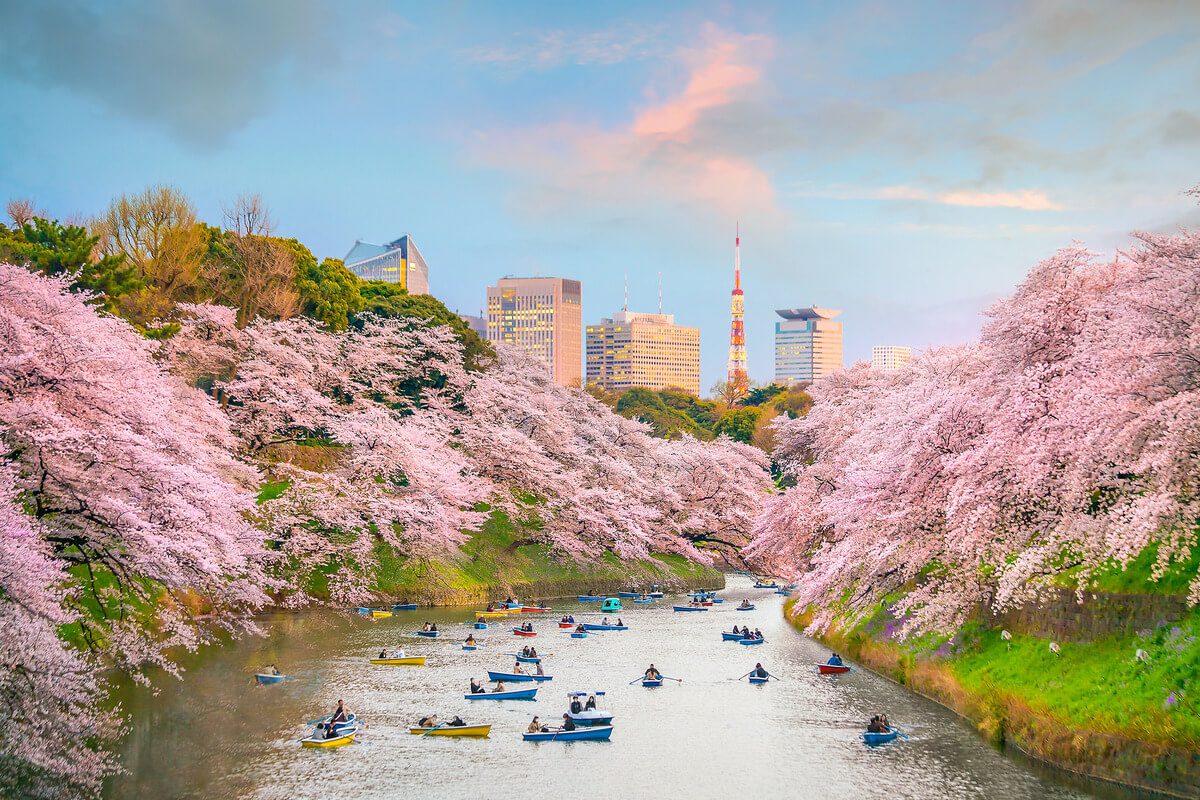
Chidorigafuchi moat with its rowboats drifting under 260 cherry trees, the 1,000-tree Ueno Park hanami festivals, Meguro River lit under warm lanterns at night, and Shinjuku Gyoen’s 1,500 trees across multiple Japanese garden styles — Tokyo delivers a sakura smorgasbord that rewards multiple days of exploration.
Peak timing around March 27, 2026, positions Tokyo slightly earlier than Kyoto, making a Tokyo-first, Kyoto-second itinerary the cleanest way to chase the bloom across both.
Here’s a quick city matchup for different traveler profiles:
| City | Peak 2026 | Best For | Vibe |
|---|---|---|---|
| Kyoto | ~April 1 | Cultural immersion, temples, romance | Elegant, ancient |
| Tokyo | ~March 27 | First-timers, variety, nighttime sakura | Electric, urban |
| Osaka | ~March 31 | Food lovers, casual hanami parties | Loud, festive |
| Hirosaki | ~Late April | Off-the-beaten-path, castle scenery | Serene, dramatic |
| Sapporo | ~April 28 | Late travelers, Hokkaido scenery | Cool, uncrowded |
For the single best city recommendation: choose Kyoto if you can only pick one, arrive around March 30 – April 2, 2026, and let its ancient streets, 49 varieties of cherry trees at Hirano Shrine, and timeless atmosphere do the rest.
If you want energy, spectacle, and the full urban-spring fantasy, Tokyo’s late-March window delivers an unmatched emotional punch that will have you booking your return flight before the petals even hit the ground.