Tokyo Nightlife: Roppongi vs. Shinjuku vs. Shibuya Compared




Roppongi vs. Shinjuku vs. Shibuya: Tokyo Nightlife Guide – Tokyo’s three nightlife powerhouses serve completely different crowds.
Roppongi draws international visitors with massive EDM clubs, strict dress codes, and cover charges of ¥3,000–5,000.
Shinjuku offers underground experimental music in tiny basement venues and Golden Gai’s 200+ shoebox bars where drinks run ¥700–1,000.
Shibuya attracts the youngest crowd with budget-friendly standing bars, live J-Pop venues, and entry fees of just ¥2,000–3,000.
Each district peaks at a different hour — Roppongi after midnight, Shinjuku’s izakayas by 7 PM, Shibuya around 10 PM.
Understanding these rhythms helps you craft the perfect Tokyo night out.
Key Highlights
Hide- Roppongi attracts an international crowd with high-end EDM and hip-hop clubs, strict dress codes, and premium pricing until sunrise.
- Shinjuku offers eclectic underground music in tiny basement venues, relaxed dress codes, and budget-friendly options from Golden Gai to Kabukicho.
- Shibuya targets youth culture with J-Pop and alternative rock, trendy live venues, casual atmosphere, and moderate entry fees.
- Roppongi is most expensive with ¥3,000-5,000 covers and ¥1,500-2,000 cocktails; Shibuya and Shinjuku offer more affordable alternatives.
- Shinjuku features experimental genres and intimate bars; Shibuya emphasizes local bands; Roppongi focuses on international DJs and massive clubs.
What Makes Each District Unique For Tokyo Nightlife Experience
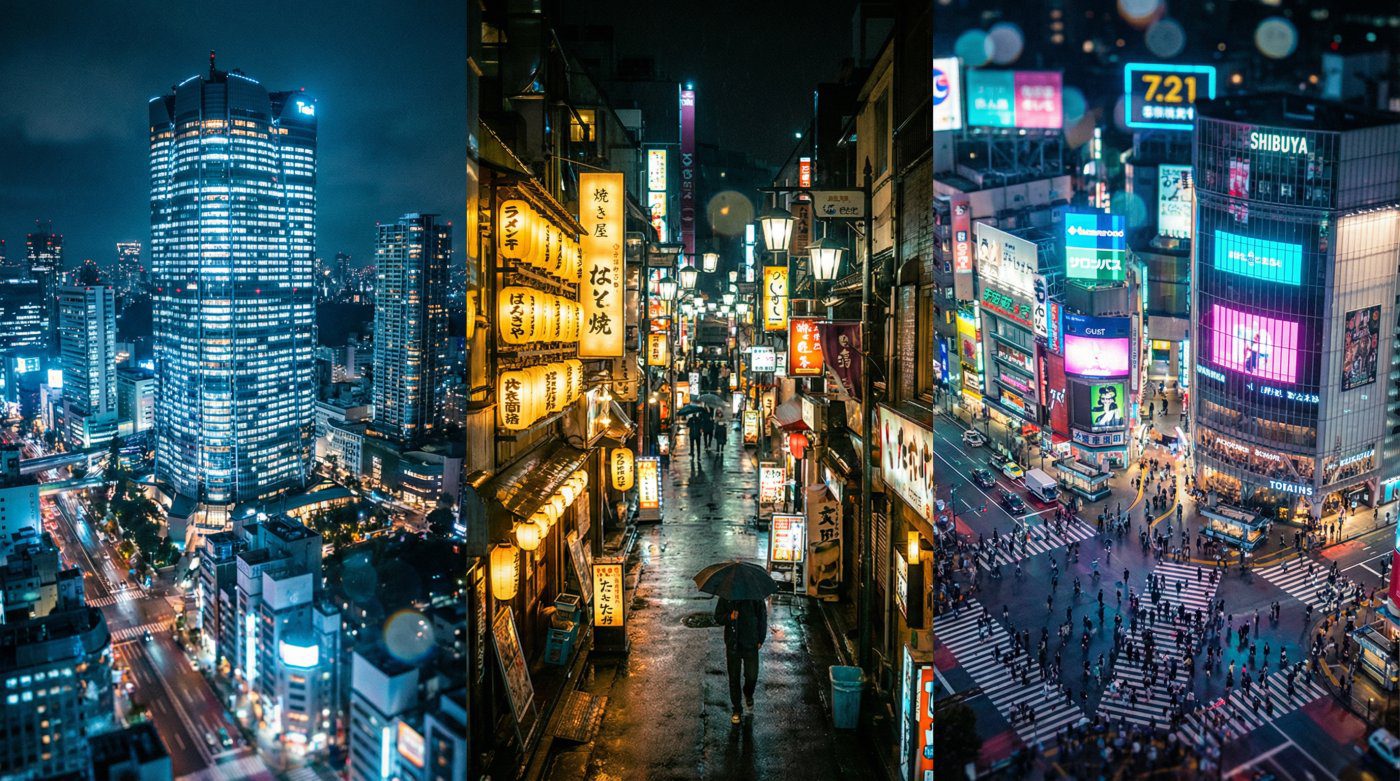
Tokyo’s nightlife districts each have a distinct personality that attracts a different type of visitor.
Roppongi is the cosmopolitan playground where international travelers and expats gather for upscale clubs and sky-high bars.
Shinjuku is the city’s largest entertainment zone, packed with everything from yakitori alleys to LGBTQ+ venues.
Shibuya is where Tokyo’s youth culture explodes across neon-lit streets after dark.
Knowing which neighborhood fits your style before you leave the hotel saves time, money, and potential disappointment.
Tokyo Trip Add-Ons
Equip yourself for the ultimate Tokyo adventure with the following add-ons, curated just for you.








Roppongi: International Clubs and Late-Night Luxury
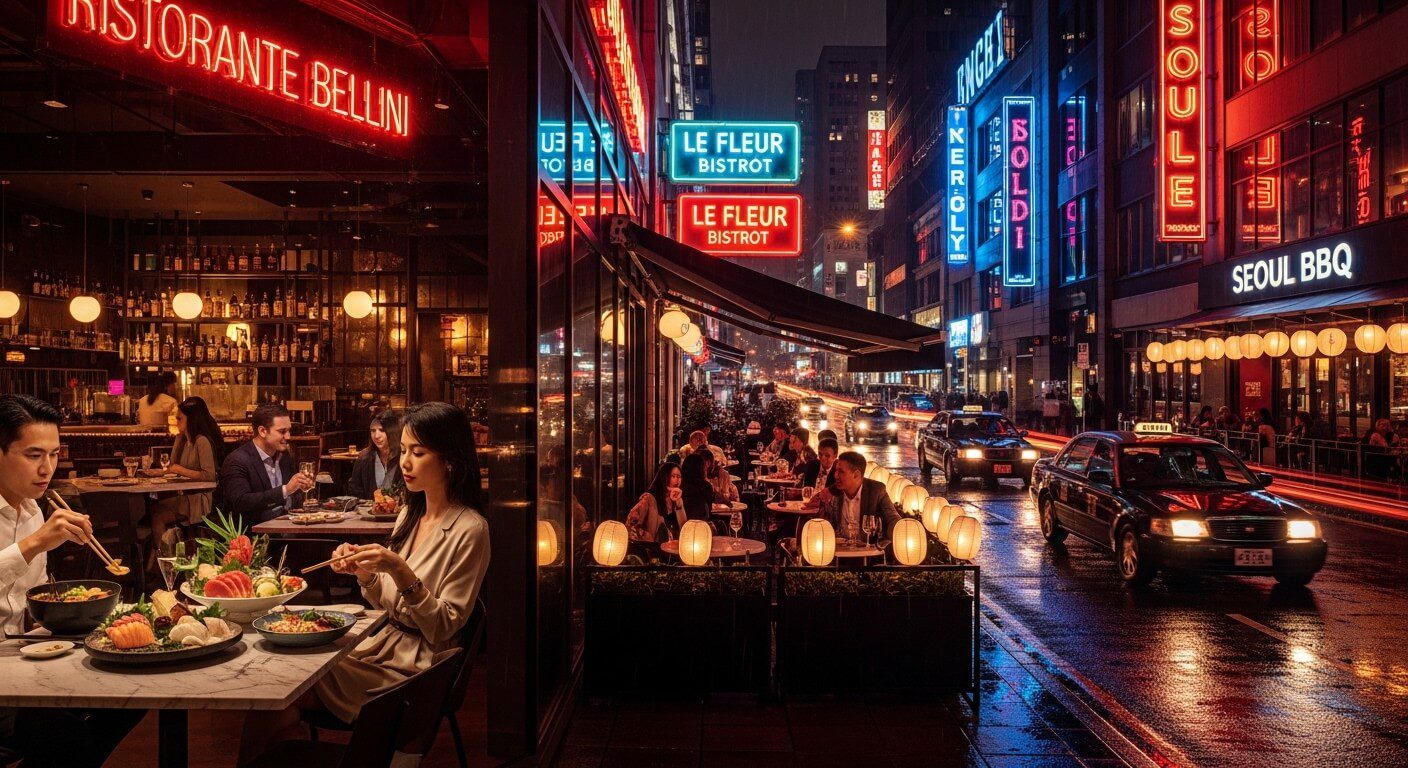
Roppongi is Tokyo’s premier destination for international nightlife, drawing expats, tourists, and well-heeled locals to its upscale clubs, rooftop lounges, and hotel bars.
The district operates on a different clock from the rest of the city — venues stay open until trains restart at 5 AM, making it the go-to area for anyone planning an all-nighter.
The trade-off is price. Cover charges at major clubs run ¥3,000–5,000, cocktails cost ¥1,500–2,000, and a full night out typically requires budgeting ¥10,000 or more.
Music and Club Culture in Roppongi
Roppongi clubs specialise in EDM and hip-hop, with international DJs regularly headlining large venues such as V2 Tokyo and Womb.
Late-night permits allow bass to keep pumping until sunrise, and the diverse international crowd creates energy that builds rather than fades as the night progresses.
This is the district where Tokyo nightlife for foreign visitors is most concentrated. You will hear more English than Japanese in some venues on a busy Friday night.
How Much Does a Night Out in Roppongi Cost?
A night out in Roppongi typically costs ¥8,000–15,000 per person, depending on how many venues you visit.
Cover charges run ¥3,000–5,000 at international clubs, cocktails are ¥1,500–2,000 each, and some venues add a table charge of ¥500–1,000 just for sitting down.
Budget at least ¥10,000 for a comfortable evening. Bottle service at premium clubs starts around ¥30,000.
Roppongi is the most expensive of the three districts by a significant margin.
Dress Codes and Entry Policies in Roppongi
Roppongi enforces the strictest dress codes of any Tokyo nightlife district.
Men are expected to wear collared shirts and clean leather shoes or smart dress sneakers — worn running shoes will get you turned away.
Women face fewer restrictions but should dress to match the upscale atmosphere.
Bring a valid photo ID (passport or residence card).
Some venues charge foreigners a cover fee while letting locals enter free, and a small number enforce a Japanese-speaker policy.
Knowing these rules in advance prevents an expensive taxi ride for nothing.
Roppongi’s Bar Scene: Rooftops, Hotel Bars, and Sports Pubs
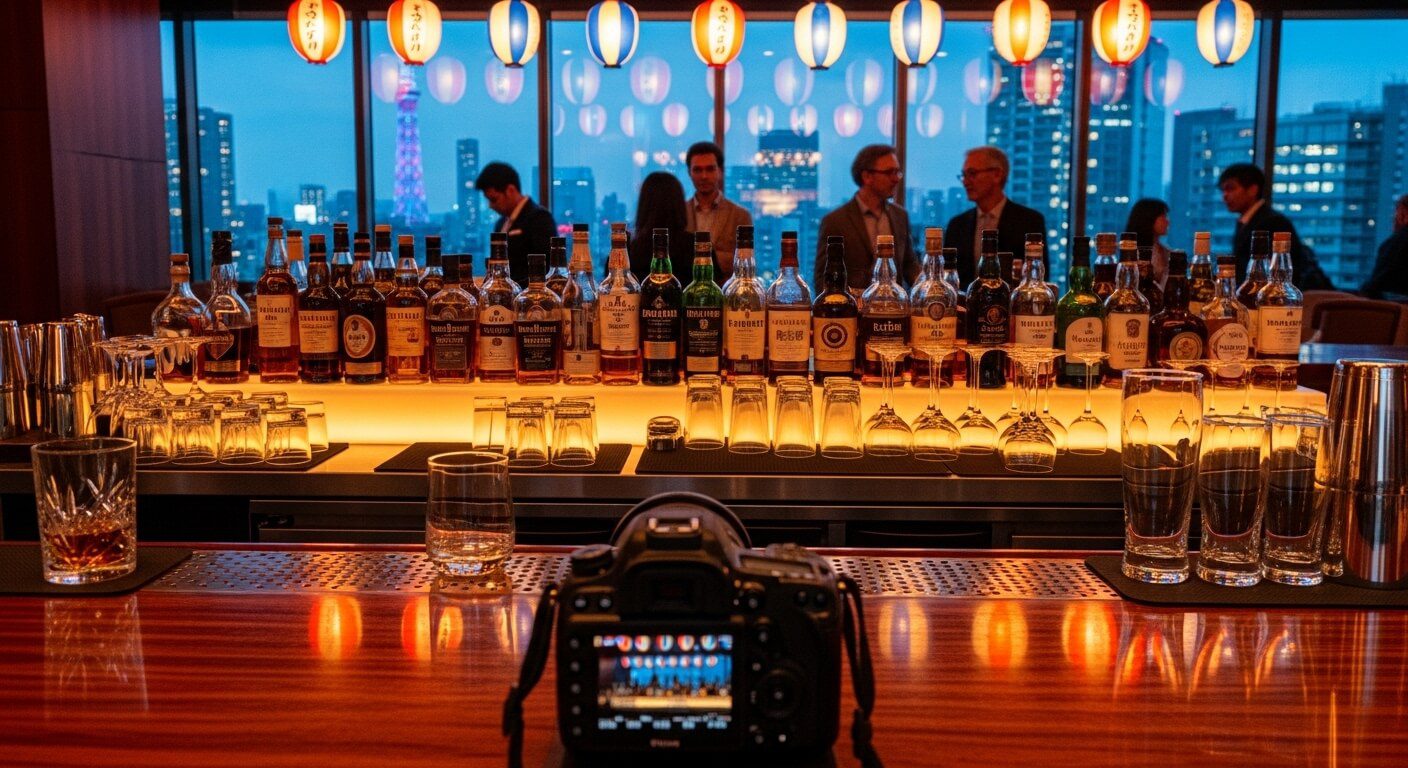
Three distinct bar ecosystems coexist in Roppongi. Rooftop lounges offer sky-high views with premium cocktails — expect to pay for the atmosphere.
Luxury hotel bars, such as the Ritz-Carlton’s 45th-floor bar, serve whiskey libraries and live jazz. Rowdy sports pubs showing Premier League and NFL games attract expats looking for a more casual, beer-soaked evening.
You can start the night at a hotel bar, move to a rooftop lounge, and end up in a sports pub at 3 AM — all within a ten-minute walk.
- Tokyo Student Discounts: Save Big With Student ID
- Tokyo Air Quality Guide: Pollution Levels & Health Tips
- Tokyo Autumn Food Guide: Seasonal Specialties & Where to Find Them
- Tokyo Summer Festivals: Beyond the Tourist Matsuri – Hidden Local Celebrations
- Tokyo Sakura Forecast: Cherry Blossom Predictions & Updates
- Tokyo WiFi Guide: Free Hotspots & Pocket WiFi Tips
Shinjuku: Tokyo’s Largest Entertainment District
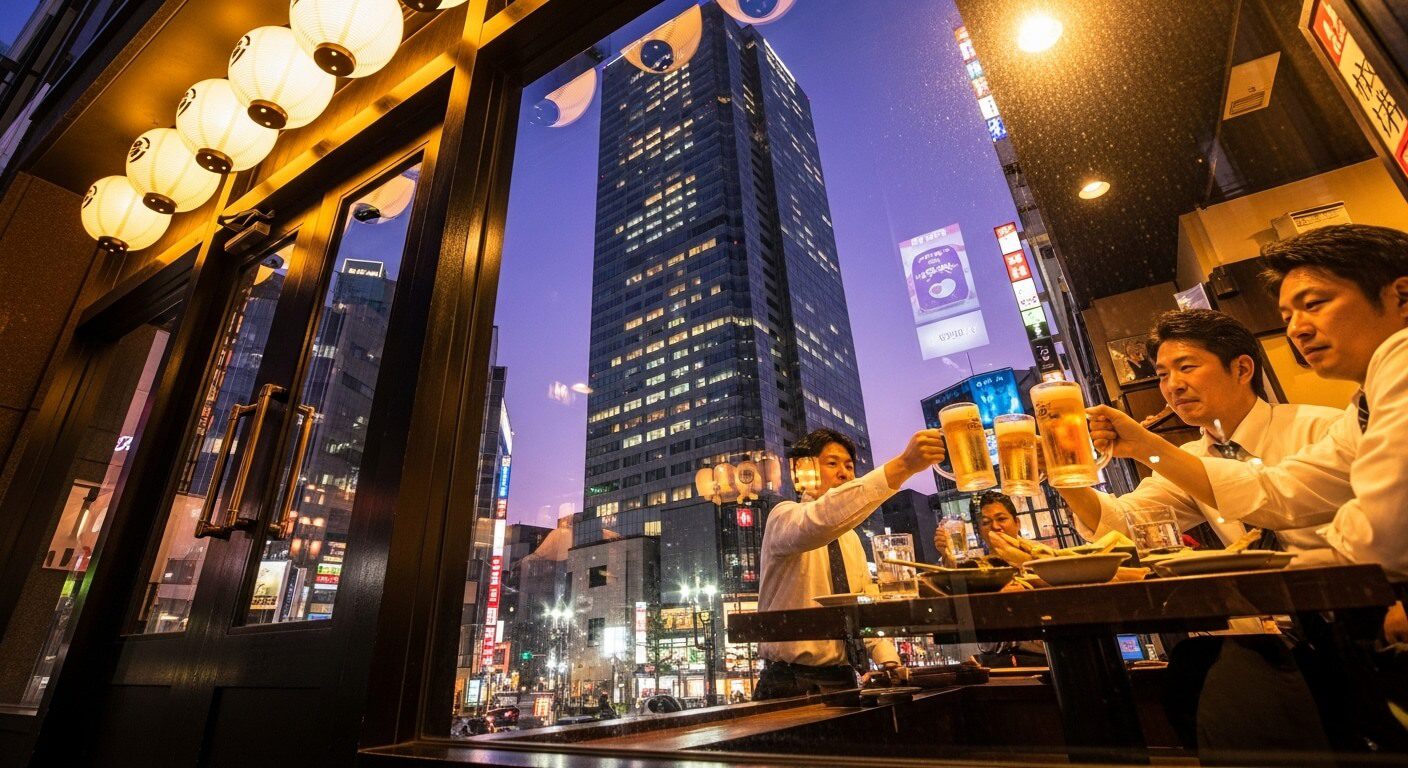
Shinjuku is the most diverse nightlife district in Tokyo, packing more entertainment per square metre than anywhere else in the city.
The neighbourhood spans everything from the neon-soaked chaos of Kabukicho to the intimate, phone-booth-sized bars of Golden Gai and the 300+ LGBTQ+ venues of Ni-chome.
Budget travellers can have a full night out for ¥3,000–5,000. High-rollers can spend ¥20,000+ on premium clubs and bottle service. The range is unmatched.
Kabukicho: What Visitors Should Know
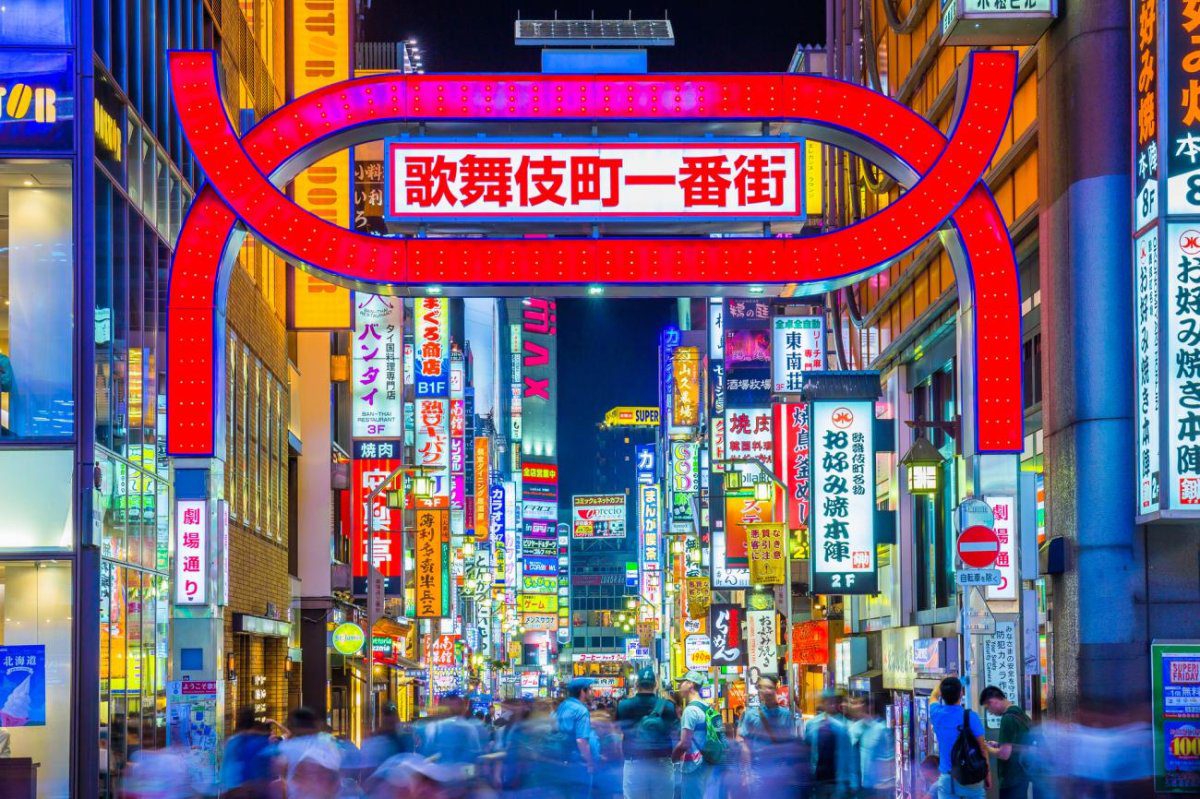
Kabukicho is Japan’s largest red-light district, located in the heart of Shinjuku. It draws millions of visitors each year and is generally safe for tourists who stay on well-lit main streets.
The key rule is to avoid touts who aggressively recruit outside bars and clubs — legitimate venues do not need street promoters.
Always check posted prices before entering any establishment. Some venues charge ¥10,000 for a single drink. Stick to busy, visible streets and you will have a memorable, trouble-free experience.
Golden Gai: Shinjuku’s Famous Tiny Bar Alley
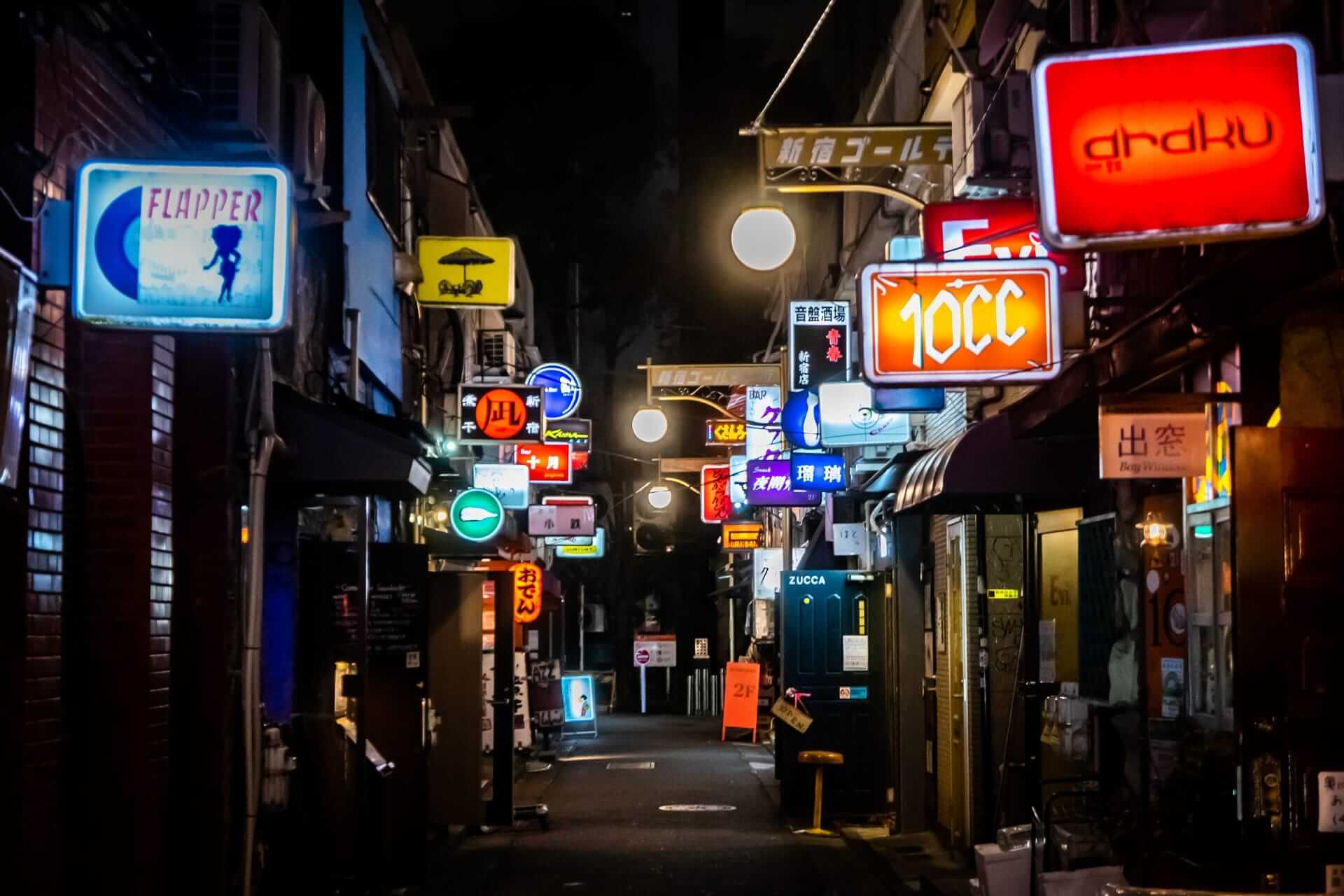
Shinjuku Golden Gai is a cluster of roughly 200 miniature bars packed into six narrow alleyways near Kabukicho.
Each bar seats five to seven people, creating an intimacy impossible to replicate in larger venues.
Drinks cost ¥700–1,000, and many bars charge a small cover of ¥500–1,000.
Some bars cater to regulars and prefer Japanese-speaking guests — it is worth poking your head in and asking if foreigners are welcome before sitting down. The best strategy is to visit three or four bars over the course of an evening, spending 45 minutes in each.
Shinjuku Ni-chome: Asia’s Largest LGBTQ+ Neighbourhood
Ni-chome contains over 300 gay bars, clubs, and venues packed into a few walkable blocks, making it the largest LGBTQ+ entertainment district in Asia.
Tiny standing bars, drag shows, and judgment-free spaces welcome everyone regardless of orientation or background.
The neighbourhood is welcoming to straight visitors as well. Weeknights tend to be more local and intimate; weekends draw larger, more mixed crowds.
How Much Does a Night Out in Shinjuku Cost?
Shinjuku offers the widest price range of the three districts. Budget travellers can cover a full evening — izakayas, standing bars, and a stop in Golden Gai — for ¥3,000–5,000 (approximately $20–35).
Mid-range nights with cocktails and karaoke run ¥8,000–12,000. Premium clubs with bottle service push ¥20,000 and above.
Golden Gai is the best value in the district: cheap drinks, zero pretension, and conversations you will not find anywhere else in Tokyo.
Shinjuku’s Drinking Alley Culture: Omoide Yokocho to Golden Gai
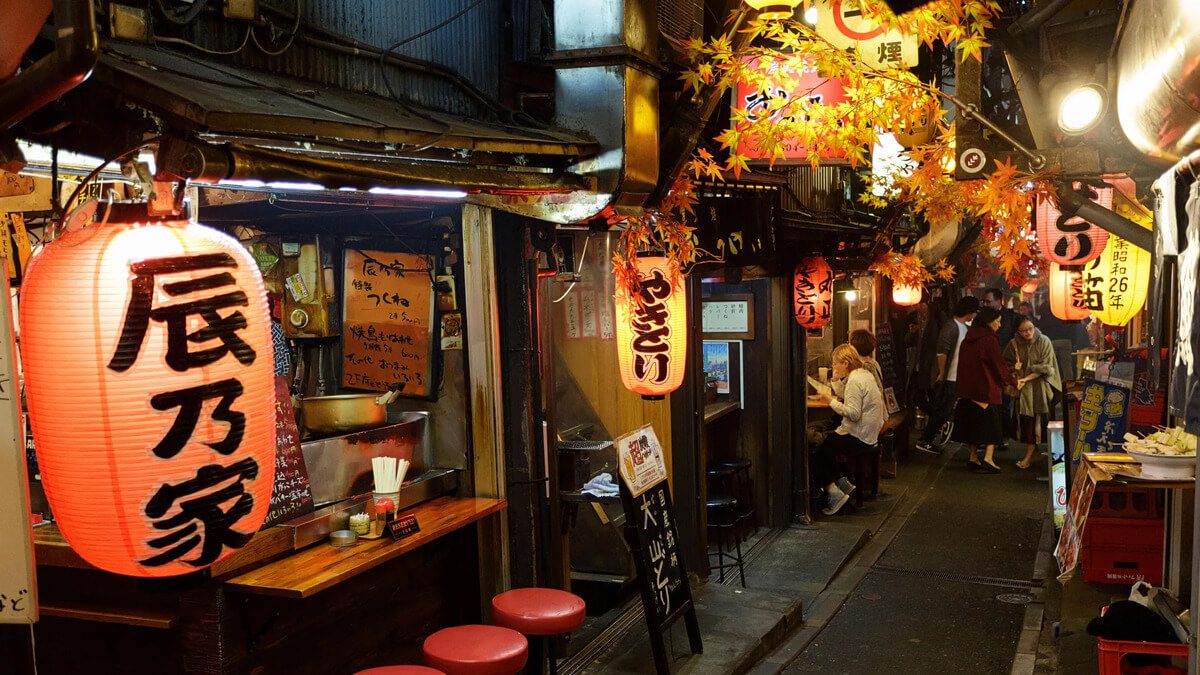
Omoide Yokocho (Memory Lane) is a narrow alley just west of Shinjuku Station packed with tiny yakitori stalls where salarymen decompress over grilled skewers and cold beer.
The smoke, shoulder-to-shoulder seating, and no-frills atmosphere make it one of the most authentic drinking experiences in Tokyo.
Golden Gai, a short walk east, takes the intimacy further.
Bar-hopping here means moving between shoebox-sized establishments every 45 minutes, having conversations with strangers that would never happen in a polished cocktail bar. This is raw, unfiltered Tokyo.
Shibuya: Youth Culture and Electric Street Energy
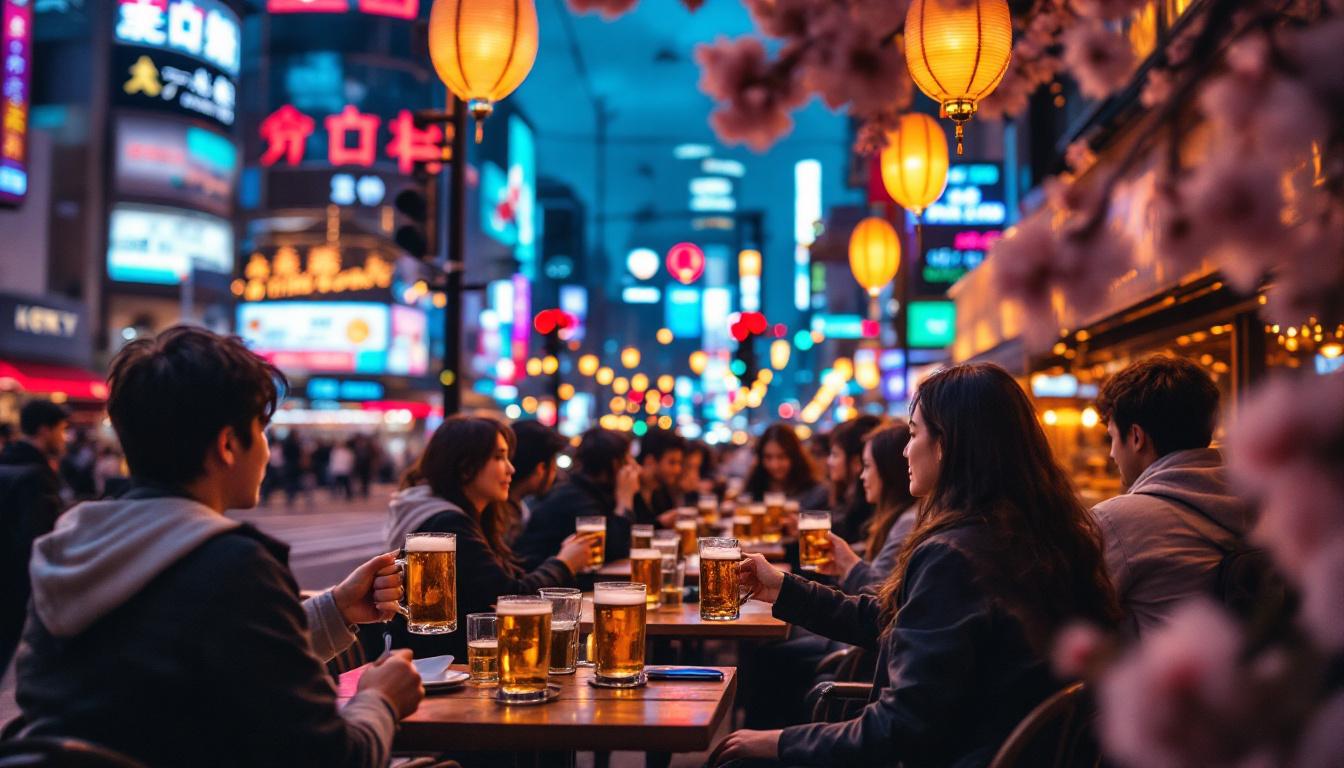
Shibuya is Tokyo’s youth nightlife capital, drawing the city’s youngest and most trend-conscious crowd to its neon-lit streets from sunset until dawn.
The famous Scramble Crossing — where up to 2,500 people cross simultaneously — sits at the centre of the district and serves as the natural starting point for any night out here.
Entry fees at most Shibuya venues run ¥2,000–3,000, often including one drink. Beers at standing bars cost around ¥500–800, making this the most budget-friendly of the three main districts.
Music Venues and Live Houses in Shibuya
Shibuya’s underground music scene operates literally beneath street level, in basement venues where Japan’s indie rock, punk, and electronic movements were born.
Key venues include WWW (three floors, capacity 700), Club Quattro (international acts alongside local heroes), and the O-East/O-West twin venues that host everything from J-Rock to techno.
Live shows typically start between 7 PM and 9 PM. Cover charges for live events run ¥2,500–4,000 and usually include one drink ticket.
Shibuya’s Standing Bars and Izakaya Clusters
Standing bars (tachinomi) dominate Shibuya’s casual drinking scene. Three zones are worth targeting on any bar-hopping route.
Nonbei Yokocho is a narrow alley near the station with cheap sake and a local crowd.
Shibuya Yokocho is a modern food hall packed with izakaya stalls serving regional specialties. The Dogenzaka area offers standalone tachinomi and yakitori joints on climbing streets.
Expect ¥500 beers and ¥300 skewers. The pace is fast, the prices are low, and nobody expects you to linger.
The Shibuya Scramble Crossing: Best Time to Experience It
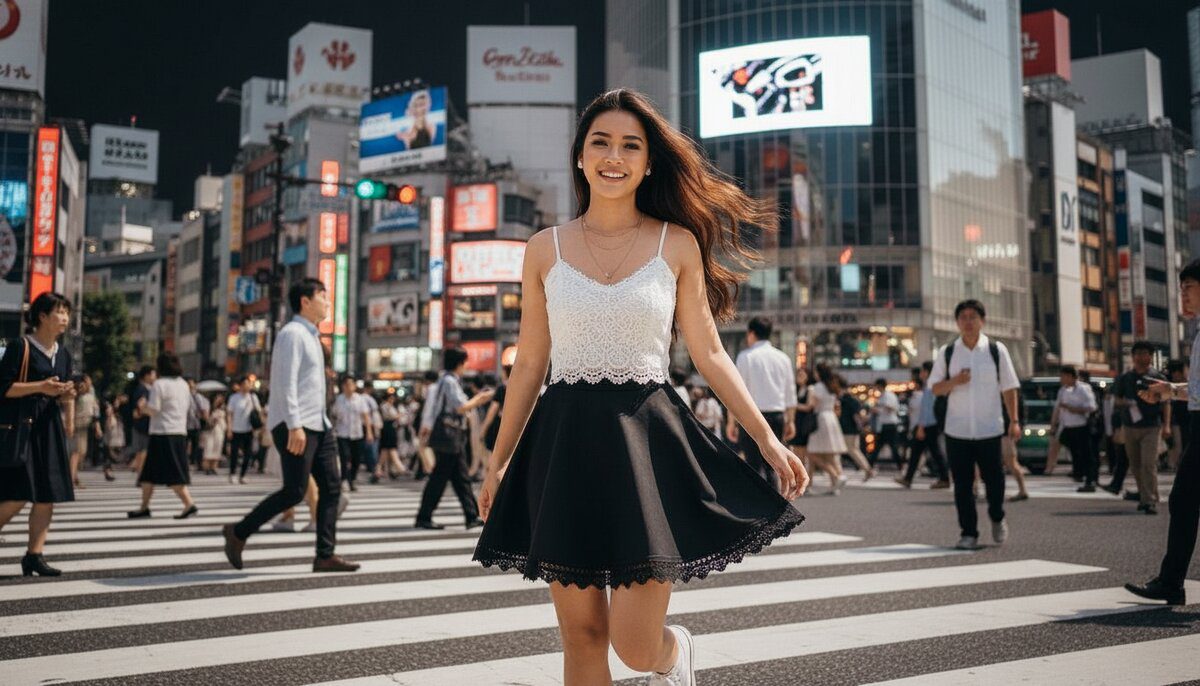
Shibuya Scramble Crossing is best experienced between 8 PM and 9 PM on a Friday or Saturday, when pedestrian volume peaks and the surrounding neon signs are fully illuminated.
The Starbucks on the second floor of the Shibuya Tsutaya building offers the most photographed overhead view.
The crossing is not just a photo opportunity — it is the natural launchpad for the district. Every direction from the crossing leads to a different nightlife experience: Center Gai to the north, Dogenzaka to the west, and the bar clusters of Udagawacho to the northwest.
Comparing the Club Scenes: Music, Prices, and Dress Codes
Tokyo’s three main nightlife districts each offer a distinct club experience.
The music genres, entry fees, and dress code expectations vary enough that choosing the wrong district for your taste can genuinely affect your night.
The table below summarises the key differences at a glance.
| Roppongi | Shinjuku | Shibuya | |
|---|---|---|---|
| Music | EDM, hip-hop | Experimental, indie, jazz | J-Pop, alternative rock |
| Cover charge | ¥3,000–5,000 | ¥0–2,000 | ¥2,000–3,000 |
| Cocktails | ¥1,500–2,000 | ¥700–1,200 | ¥800–1,200 |
| Dress code | Strict | Relaxed to moderate | Casual |
| Peak hours | Midnight–3 AM | 7 PM (izakayas), 10 PM (clubs) | 10 PM–4 AM |
Is Roppongi Too Expensive for Budget Travellers?
Roppongi is the most expensive Tokyo nightlife district, with cover charges of ¥3,000–5,000 and cocktails at ¥1,500–2,000.
Budget travellers who want to experience the area can limit costs by visiting hotel bars for one drink (no cover charge) or arriving before 10 PM when some venues offer free entry.
For a full club night, budget ¥10,000 minimum. Shinjuku and Shibuya offer comparable energy at roughly half the cost.
Entry Fees and Hidden Costs Across All Three Districts
Beyond cover charges, Tokyo clubs add costs that catch first-time visitors off guard. Table charges of ¥500–1,000 apply at many Roppongi venues simply for sitting down.
Some Shinjuku Golden Gai bars charge a ¥500–1,000 seating fee on top of drink prices. Shibuya live houses include one drink in the entry fee but charge ¥800 per drink after that.
Always ask “nomihoudai ka?” (all-you-can-drink?) before committing. Some clubs offer unlimited drinks for ¥3,000–4,000 — a strong deal if you plan to stay for several hours.
When Is the Best Time to Visit Each District?
The best time to visit each district depends on what you want. Roppongi peaks between midnight and 3 AM. Shinjuku’s izakayas fill by 7 PM, while Golden Gai warms up after 10 PM. Shibuya’s energy builds from 10 PM and sustains past 4 AM on weekends.
Arriving too early means wandering near-empty streets. Arriving too late means missing the authentic local crowd before tourists take over.
Weekend vs. Weeknight: Which Is Better?
Weekends and weeknights offer genuinely different experiences in each district. Friday nights deliver the best balance — serious party-goers, fewer tourists than Saturday, and authentic local energy in places like Golden Gai.
Saturday nights bring maximum crowds, cover charges that rise by ¥500–1,000, and tourist numbers that triple in Shibuya.
Weeknights (Tuesday through Thursday) are ideal for anyone seeking authentic local atmosphere.
Shinjuku’s Golden Gai becomes intimate, Shibuya’s izakayas fill with neighbourhood regulars, and Roppongi is noticeably quieter — better for conversation than clubbing. Thursday specifically functions as Japan’s unofficial pre-weekend, with locals starting early.
Seasonal Events That Transform Each Neighbourhood
Tokyo’s nightlife districts reinvent themselves during major seasonal events.
Shibuya during Halloween (late October) draws 100,000+ costumed revellers, streets close to traffic, and the energy is unlike any other night of the year.
Cherry blossom season (late March to April) creates massive hanami after-parties near Yoyogi Park that spill into Shibuya’s bars.
New Year’s Eve sees Roppongi host large countdown parties while Shinjuku empties as locals head to temples.
Summer matsuri bring yukata-clad crowds and street food vendors to all three districts. For more on seasonal planning, the Tokyo summer festivals hidden local guide covers events that most tourists miss.
Safety Tips for Tokyo’s Nightlife Districts
Tokyo is one of the safest major cities in the world, but specific risks exist in nightlife areas that tourists should understand before heading out.
Aggressive touts in Kabukicho and parts of Roppongi are the most common problem visitors encounter. Overpriced drinks at unlicensed venues are the second.
The good news: basic street awareness eliminates almost all risk.
How to Avoid Tourist Traps and Scams
The most reliable rule in Tokyo’s nightlife districts is simple: never follow a tout into a bar or club.
Legitimate venues do not need aggressive street recruiters. If someone is pulling you toward an entrance, the prices inside will not be posted clearly — and a single beer can cost ¥10,000.
Always check posted prices before ordering anything. Stick to busy, well-lit streets.
In Kabukicho specifically, decline offers from street promoters politely and keep walking. The best venues are the ones you find yourself, not the ones that find you.
Solo Travel Safety by District in Tokyo
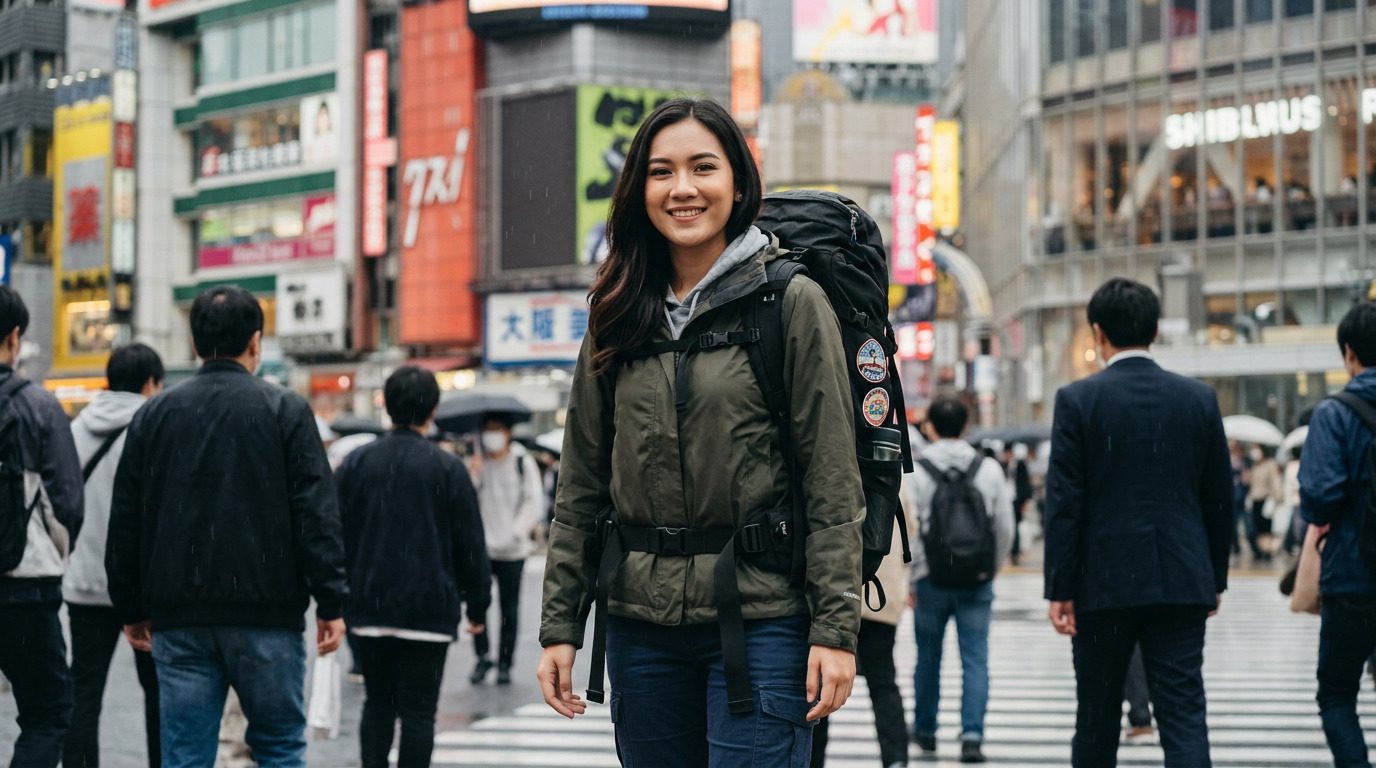
Shibuya is the safest district for solo travellers, with massive crowds, constant foot traffic, and a visible police presence near the Scramble Crossing.
Shinjuku’s Kabukicho looks intimidating but is genuinely safe — just decline street promoters and stay on main roads. Roppongi has the most aggressive tout culture of the three; keep walking and ignore anyone blocking your path.
Solo female travellers report feeling comfortable in all three areas. Keep valuables in a front pocket or zipped bag, and note the address of your hotel in Japanese — useful for taxis at 3 AM when communication is harder.
Also read our article on Tokyo backpacker guide.
Language Tips for Navigating Nightlife Venues
Roppongi has the highest concentration of English-speaking staff of any Tokyo nightlife district.
Shibuya and Shinjuku require more patience, though younger bartenders often speak enough English to help.
Google Translate’s camera function handles menus and posted price lists instantly.
Learn two phrases before going out: “ikura desu ka?” (how much is this?) and “nomihoudai arimasu ka?” (do you have all-you-can-drink?).
Both prevent the most common financial surprises. For broader communication help, the Tokyo translation apps guide covers the best tools for non-Japanese speakers.
Also read our guide on useful Japanese travel phrases which you can memorize before traveling to Tokyo.
Getting Around: Transport Between Nightlife Districts
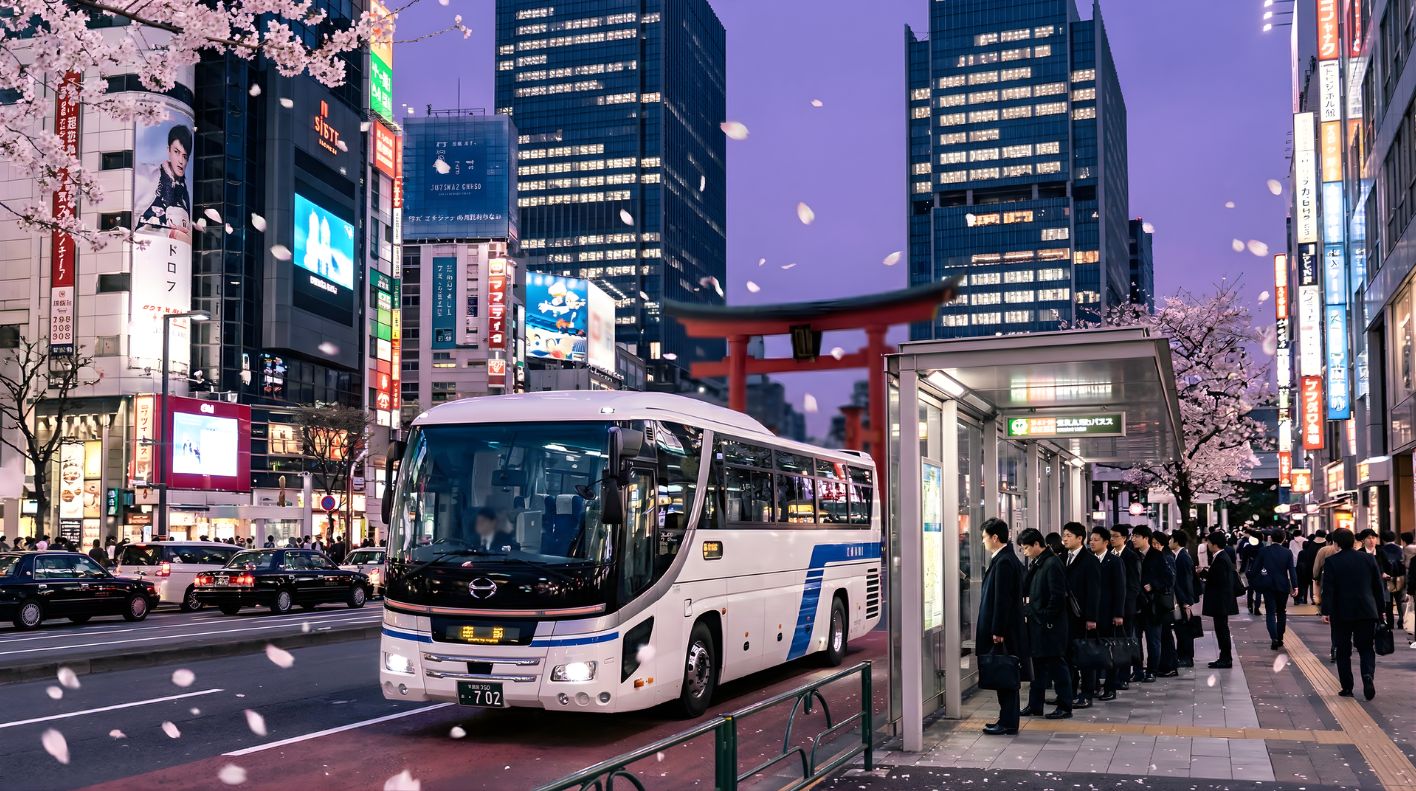
All three districts are connected by the JR Yamanote Line, which completes a full loop in roughly 60 minutes.
Direct journeys between any two of the three districts take 10–20 minutes by train.
The critical detail is timing: Tokyo trains stop running around 12:30–1:00 AM and restart at approximately 5:00 AM.
For a full breakdown of rail pass options, the JR Pass vs. Tokyo Metro Pass comparison explains which ticket suits different travel styles.
Get Greater Tokyo Pass
Enjoy unlimited travel on trains, trams, and Toei buses at no extra cost, making sightseeing in the Kanto area both affordable and convenient with considerable savings.
 Buy on Klook
 Buy on Traveloka
Rent a Car
Get ready for the adventure of a lifetime in Tokyo with a personalized rental car tailored to your needs.
 DiscoverCars
 RentalCars
Key Station Exits for Each District
Using the correct station exit saves 10–15 minutes of backtracking on every visit.
At Shibuya Station, the Hachiko Exit places you directly at the Scramble Crossing.
At Shinjuku Station, the East Exit leads to Kabukicho and Golden Gai; the West Exit serves quieter bars and skyscraper lounges.
At Roppongi Station (Hibiya Line), Exit 3 deposits you at Roppongi Crossing, the centre of the district’s nightlife.
Download Google Maps or a dedicated Tokyo metro app before your first night out. Navigation is straightforward once you know which exit to target.
 Trip.com
 12Go
12GoTaxis and Late-Night Transport After the Last Train
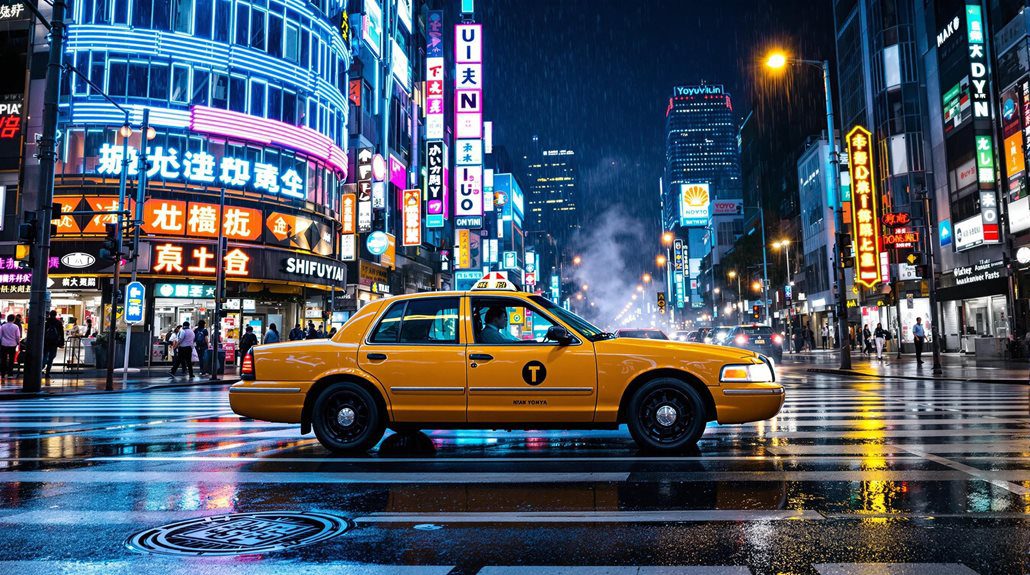
After trains stop at around 12:30–1:00 AM, taxis are the primary transport option. Fares between districts run ¥2,000–4,000 ($15–30) depending on distance and traffic.
Roppongi has dedicated taxi stands that make hailing easy. Shibuya and Shinjuku require more searching, especially between 1 AM and 3 AM on weekends.
Walk one block away from the main station area to find taxis faster — competition is lower away from the main drag.
The JapanTaxi app allows advance booking and avoids the need to hail from the street. Keep your hotel address saved in Japanese for the driver.
For a complete breakdown of costs and payment methods, the Tokyo taxi guide covers everything you need. Alternatively, the late-night Tokyo transportation guide explains all after-midnight options in detail.
Walking Distances Within Each District
All three districts are compact enough to navigate on foot once you arrive. In Roppongi, major clubs along Roppongi-dori are 5–10 minutes apart on foot.
In Shinjuku, crossing Kabukicho takes 8–12 minutes; Golden Gai itself is extremely compact and walkable in under five minutes.
In Shibuya, the walk from Center Gai to the Dogenzaka bar clusters takes 7–15 minutes depending on your route.
No transport is needed between venues within the same district. This makes spontaneous bar-hopping easy — follow an interesting crowd or a neon sign and see where it leads.
Tokyo Free Walking Tour Routes: Self-Guided Budget Adventures
Explore Tokyo's hidden temples, bustling markets, and stunning skyline views without spending a yen ... Read More
Food Options During Your Night Out
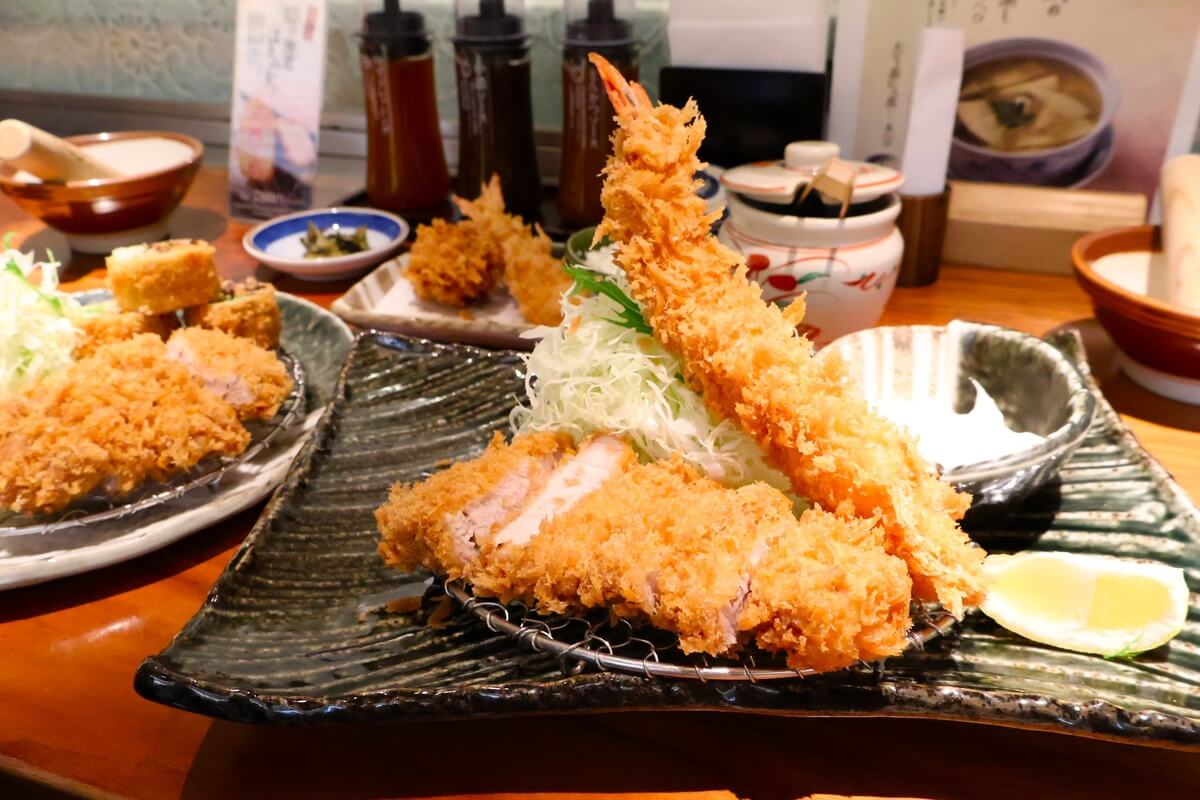
Tokyo’s nightlife districts are as strong on food as they are on drinks.
Every area has late-night ramen shops, 24-hour restaurants, and convenience stores (konbini) that serve genuinely good food around the clock.
Knowing where to eat in each district is as important as knowing where to drink.
For a broader look at where to eat across the city, the Tokyo foodie areas district guide covers daytime and evening dining by neighbourhood.
Late-Night Ramen by District
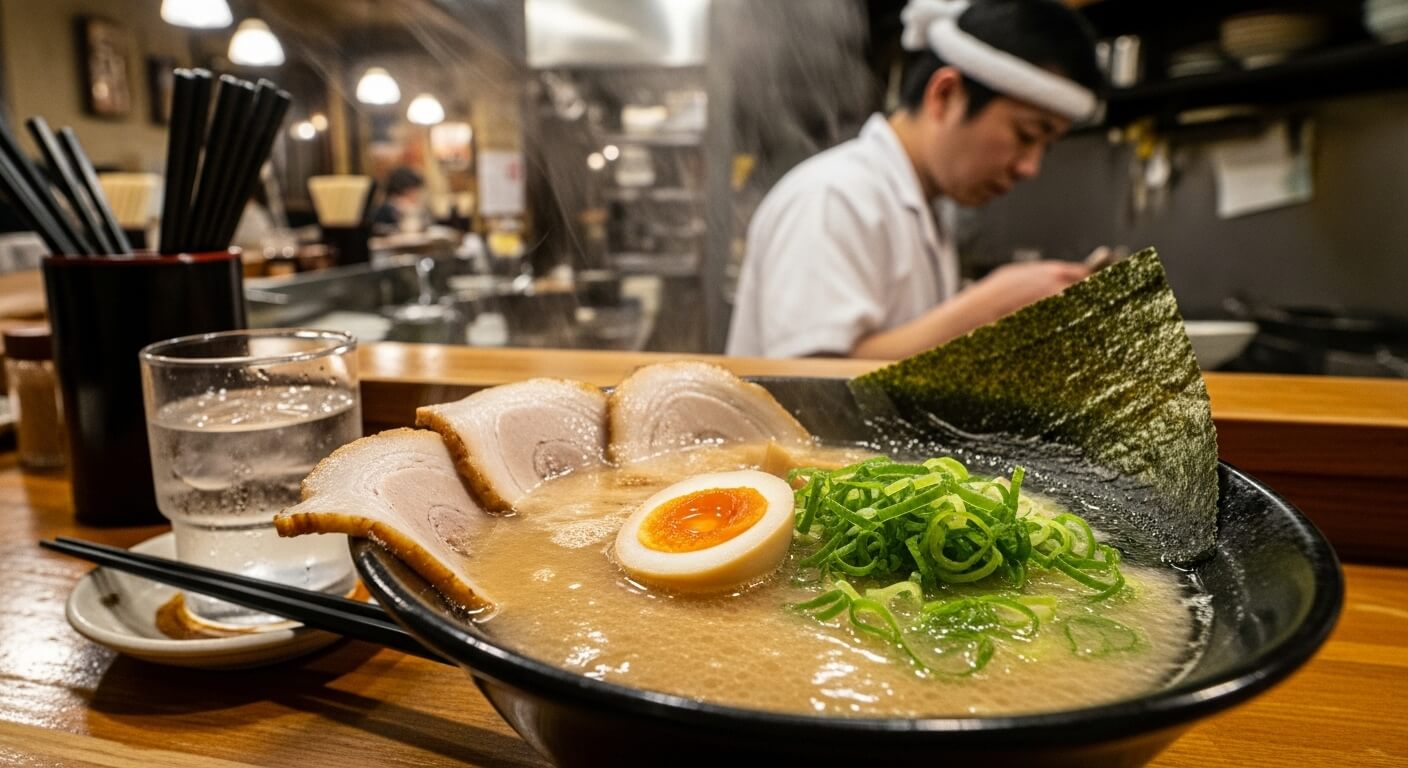
Each district has a signature late-night ramen option worth seeking out. In Roppongi, Ichiran near the crossing stays open until 6 AM and is ideal for post-club solo dining in individual booths.
In Shinjuku, Nagi Golden Gai serves rich niboshi (dried sardine) broth until dawn and is one of the most respected ramen shops in the area.
In Shibuya, Afuri’s yuzu shio ramen is lighter and citrus-forward — a good choice at 3 AM when something heavy feels like too much.
All three shops accept walk-ins. Expect a short queue at Ichiran and Afuri on weekend nights.
24-Hour Restaurants and Convenience Store Picks
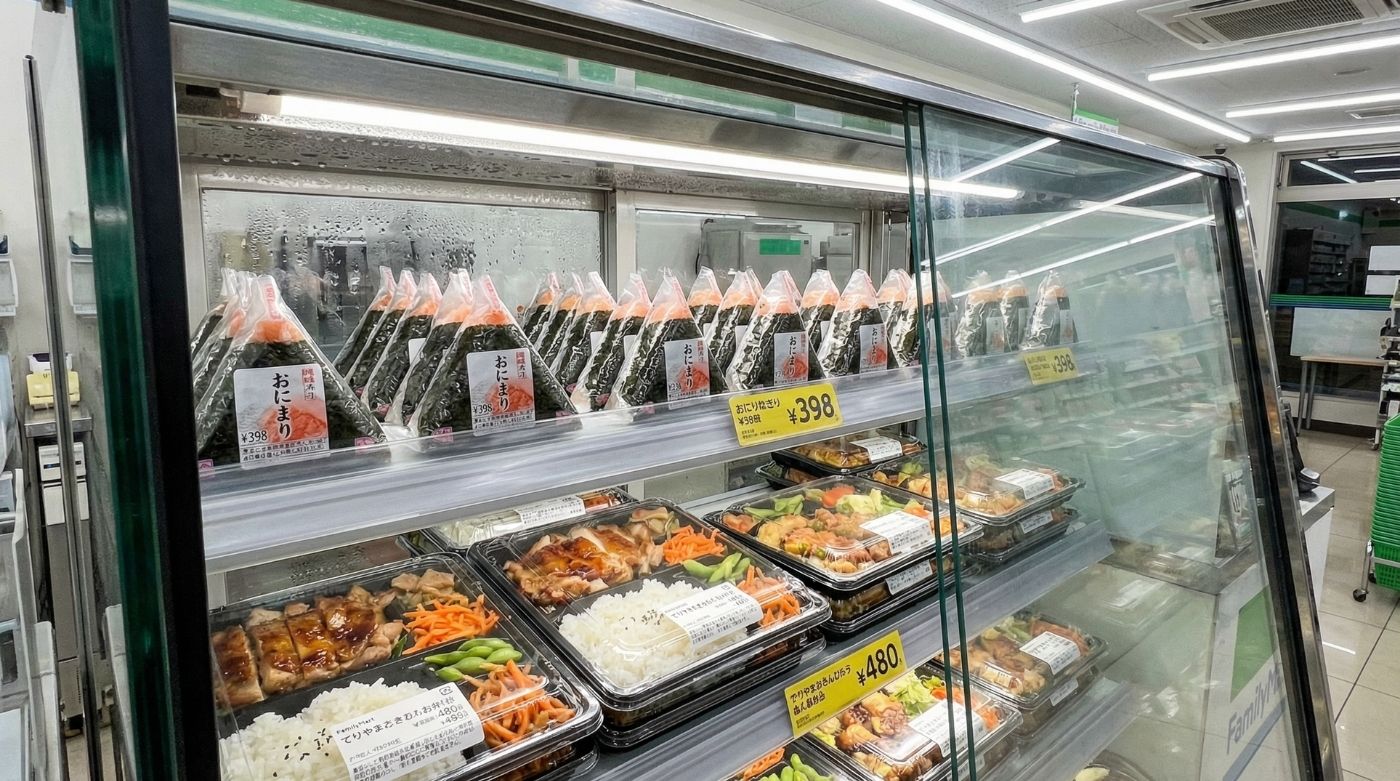
Beyond ramen, all three districts have 24-hour gyudon (beef bowl) chains — Yoshinoya and Sukiya never close and serve filling meals for ¥500–700. Roppongi’s international crowd means late-night kebab stands and burger joints operate alongside Japanese options.
Convenience stores in Tokyo (Family Mart, Lawson, 7-Eleven) are legitimate late-night food destinations. Family Mart’s famichiki fried chicken, Lawson’s karaage, and onigiri rice balls from any chain are all worth picking up between bars. Prices run ¥150–500 per item — the cheapest calories in the city at 2 AM.
Street Food Worth Finding in Each Area
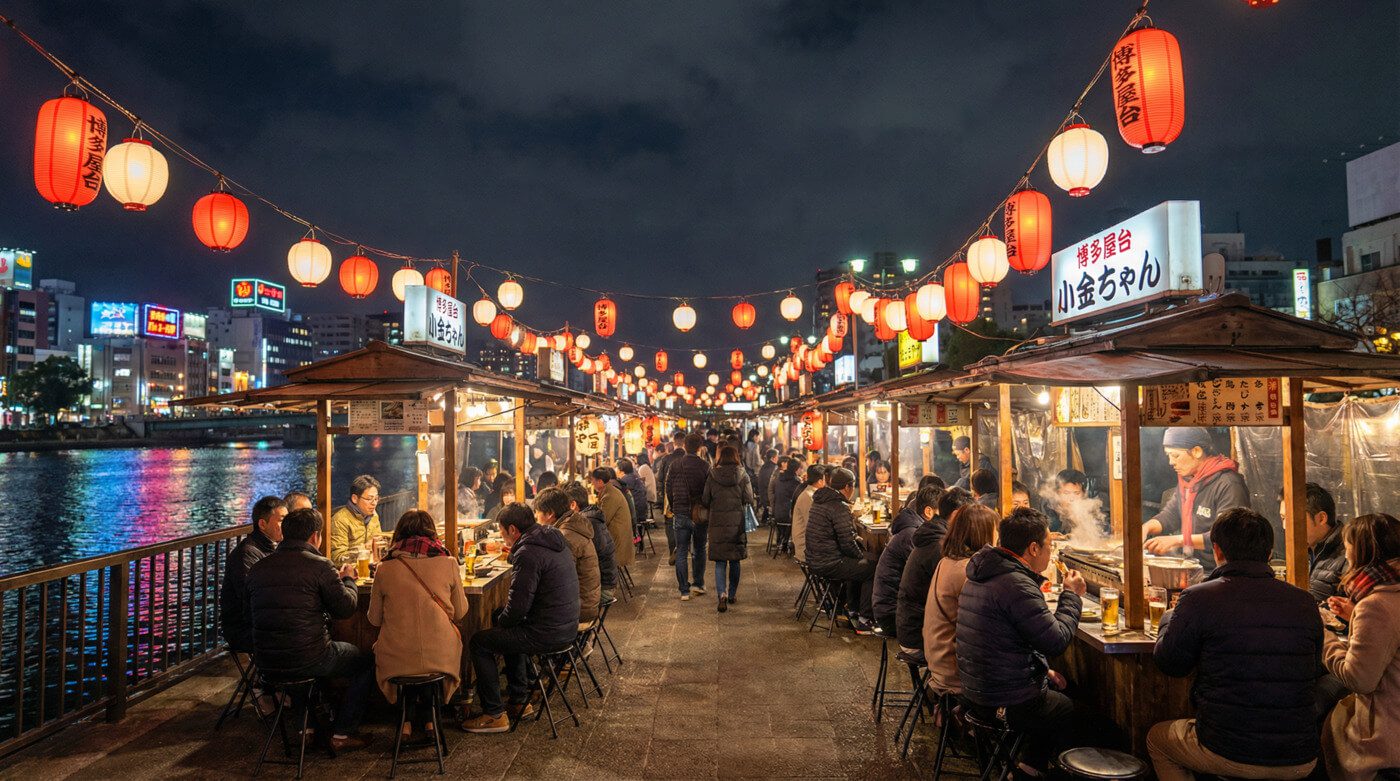
Shinjuku’s Omoide Yokocho (Memory Lane) offers grilled yakitori skewers you can eat standing up for ¥150–300 per stick — smoky, salty, and perfect between bars.
Shibuya’s street carts near Center Gai sell takoyaki (octopus balls) for ¥500–600 per portion. Roppongi’s late-night food trucks cluster near the main crossing and serve kebabs and quick bites until 4 AM.
No reservations, no waiting, no commitment. Grab food, eat while walking, and continue the night.
Which Tokyo Nightlife District Should You Choose?
The right district depends on your budget, music taste, and the type of crowd you want to be around.
Roppongi suits international travellers with a higher budget who want upscale clubs and English-friendly venues.
Shinjuku suits anyone who values variety, authenticity, and the freedom to spend as little or as much as they want.
Shibuya suits younger travellers and anyone who wants live music, affordable drinks, and the city’s most energetic street atmosphere.
There is no wrong answer — but there is a wrong district for your specific night.
Quick Match Guide: Personality to District
Use this breakdown to make the decision quickly.
- Roppongi: You have ¥10,000+ to spend, want an international crowd, prefer English-friendly venues, and plan to stay out until 5 AM.
- Shinjuku: You want variety, value authentic Japanese experiences, enjoy exploring hidden spots, and appreciate a wide price range.
- Shibuya: You are under 30 (or young at heart), want affordable drinks, love live music, and enjoy being surrounded by Tokyo’s youth culture.
If you cannot decide, start in Shibuya at 8 PM, take the last train to Roppongi for late-night dancing, and grab ramen in Shinjuku before heading home. The Yamanote Line connects all three in under 30 minutes.
Planning a Multi-District Night Out
A multi-district night works best when you plan your train times in advance. Trains run until approximately 12:30–1:00 AM, so any district jump after midnight requires a taxi.
The classic route — Shibuya early evening, Roppongi after midnight, Shinjuku for late-night food — covers all three districts without requiring more than one taxi.
Download a train navigation app before you start drinking. Set a last-train alarm for 12:00 AM as a reminder to check your route.
If you miss the last train, budget ¥2,000–4,000 for a taxi or plan to stay out until first trains at 5 AM using karaoke boxes or manga cafes as comfortable waiting spots.
For tips on dressing appropriately across all three districts, the Tokyo fashion districts comparison guide covers what locals wear in different neighbourhoods.
And if you want to find the best drink deals before the night gets expensive, the Tokyo happy hour guide by neighbourhood is worth reading before you head out.
First-Timer Recommendations by Travel Style
When it comes to picking the perfect district for a first Tokyo night out, personality matters way more than any guidebook checklist.
Trust me, forcing yourself into the wrong scene equals a wasted evening!
Here’s the honest breakdown:
- Solo adventurers and culture seekers: Shinjuku’s Golden Gai delivers intimate bar conversations and zero pressure to be social butterflies.
- Party animals craving high energy: Shibuya’s youth-driven chaos and spontaneous vibes match that “anything can happen” mentality.
- Social butterflies wanting international connections: Roppongi’s English-friendly expat scene removes language anxiety completely.
The best choice? Whichever district makes you genuinely excited rather than nervous. Your gut knows whether you’re craving cozy izakaya conversations or pumping club speakers!
Wrapping Up
Here’s the truth: choosing between these districts is like picking your favorite ramen shop in Tokyo—there’s no wrong answer!
A recent survey found that 68% of visitors end up hitting all three areas during their trip anyway.
Start with Shibuya if you’re feeling energetic, Roppongi for international vibes, or Shinjuku when you want endless options. Trust me, Tokyo’s nightlife won’t disappoint wherever you land first!
Frequently Asked Questions (FAQs)
Do Tokyo nightlife venues accept credit cards?
Many smaller bars in Golden Gai and Omoide Yokocho are cash-only. Larger clubs in Roppongi and Shibuya generally accept Visa and Mastercard. Carry at least ¥5,000–10,000 in cash before heading out — convenience store ATMs (7-Eleven, Japan Post) accept foreign cards 24 hours a day.
Is there an age limit to enter Tokyo clubs and bars?
The legal drinking age in Japan is 20. Most clubs and bars enforce this strictly and will ask for photo ID — a passport is the most reliable document to carry. Some venues in Roppongi also check ID at the door regardless of apparent age.
Can I visit all three districts in one night?
Visiting all three districts in one night is possible but tiring. The most practical approach is to spend two to three hours in each area and plan train connections carefully before midnight.
After the last train, a taxi between Shibuya and Roppongi costs approximately ¥2,000–3,000.
Are there nightlife options for non-drinkers in these districts?
Yes. Karaoke boxes in all three districts are popular with non-drinkers and charge by the hour (¥500–1,500 per person).
Live music venues in Shibuya sell soft drinks. Shibuya and Shinjuku also have 24-hour arcades and entertainment centres that do not require alcohol consumption.
What should I do if I miss the last train home?
If you miss the last train (around 12:30–1:00 AM), you have three options: take a taxi home (¥2,000–5,000 depending on distance), wait at a karaoke box or manga cafe until first trains at approximately 5:00 AM, or book a nearby capsule hotel.
Karaoke boxes charge ¥1,000–2,000 for an overnight stay and are the most comfortable waiting option.
Is Roppongi safe for solo female travellers?
Roppongi is generally safe, but it has the most aggressive tout culture of the three districts.
Solo female travellers should ignore anyone who approaches them outside clubs, avoid following strangers into unfamiliar venues, and stay on well-lit main streets.
The area around Roppongi Crossing has a visible police presence on weekend nights.
Are there quieter nightlife options beyond clubs and bars?
All three districts have quieter alternatives. Roppongi has jazz bars and whiskey lounges in hotel lobbies. Shinjuku has standing soba shops and quiet izakayas away from Kabukicho.
Shibuya has rooftop bars with views and low-key wine bars in the Daikanyama area, a short walk from the main district.
For a full list of low-cost evening activities, the best free things to do in Tokyo includes several evening options.