Tokyo Lost & Found: What to Do When You Lose Something




Lost Something in Tokyo? Step-by-Step Recovery Guide – Lost something in Tokyo? Don’t panic—act fast! Head to the nearest station office or koban, report the item, and share exact details: line, car number, door position, time, and stations.
Call the railway’s lost-and-found hotline; items move quickly to central depots.
Retrace steps, snap photos of locations and receipts, and use IC card history to nail the timeline. Translation apps help, and staff are famously kind.
With sharp details, recovery rates shine—stick around for pro tips and timelines.
TLDR
Hide- Report within 24 hours: visit a nearby koban or station lost-and-found and provide precise time, place, and item details.
- Identify the line/operator (JR East, Tokyo Metro, Toei, private) and contact the correct hotline or station office.
- Give specifics: train car number, door position, boarding/alighting stations, item color/brand, and unique features.
- Retrace steps and document: photos of locations, receipts, station/platform names, and timestamps to aid staff searches.
- Use translation apps and IC card history to communicate clearly and verify your travel timeline.
Lost Something in Tokyo? Your Step-by-Step Recovery Guide
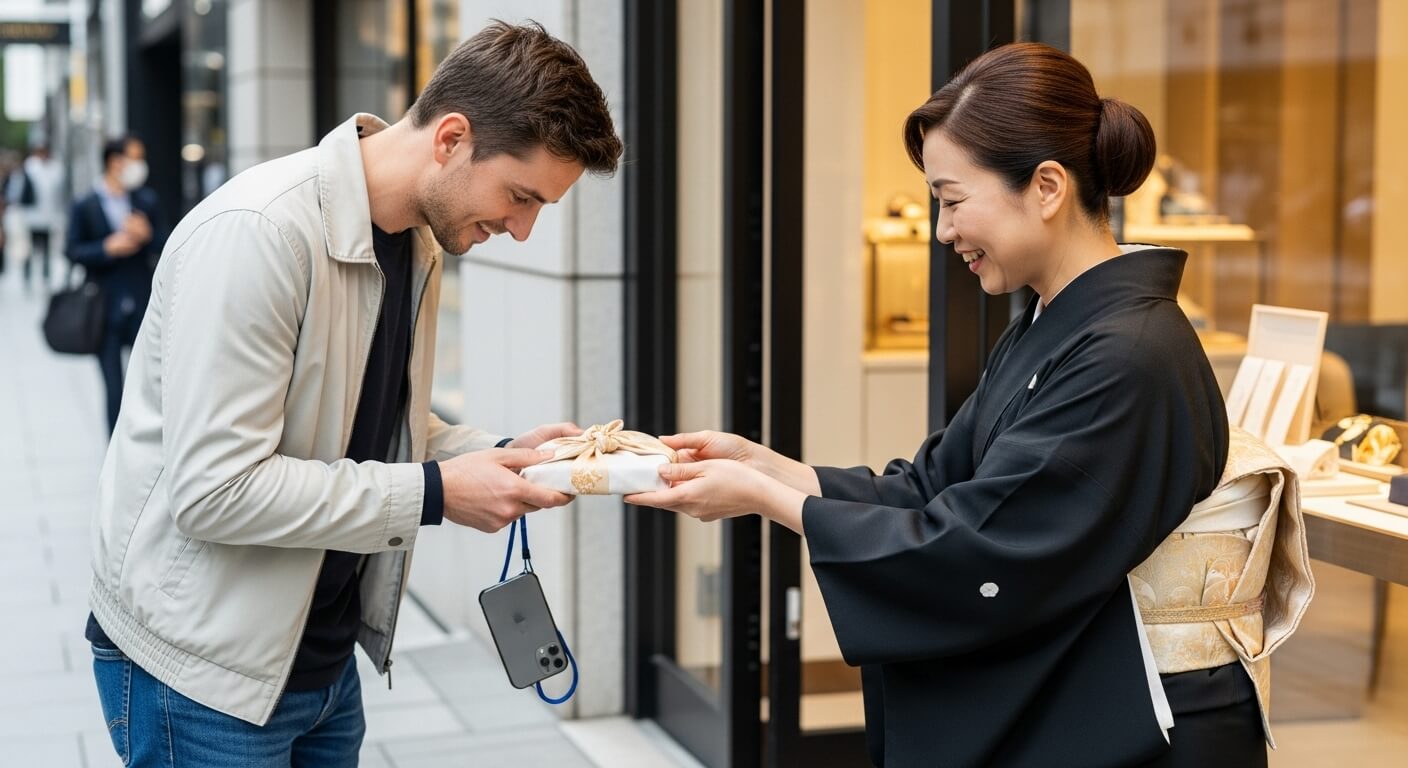
The moment a wallet vanishes on a Shibuya crosswalk or a phone slips between train seats, there’s a calm, proven playbook to follow in Tokyo.
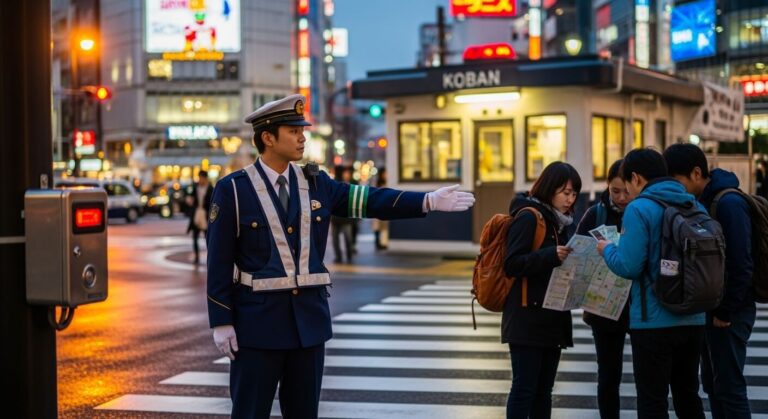
First, retrace steps fast: ask station staff at the nearest kiosk, then visit the line’s “Lost & Found” counter—JR, Metro, and private lines maintain separate desks.
Note car number, time, and route; details release doors.
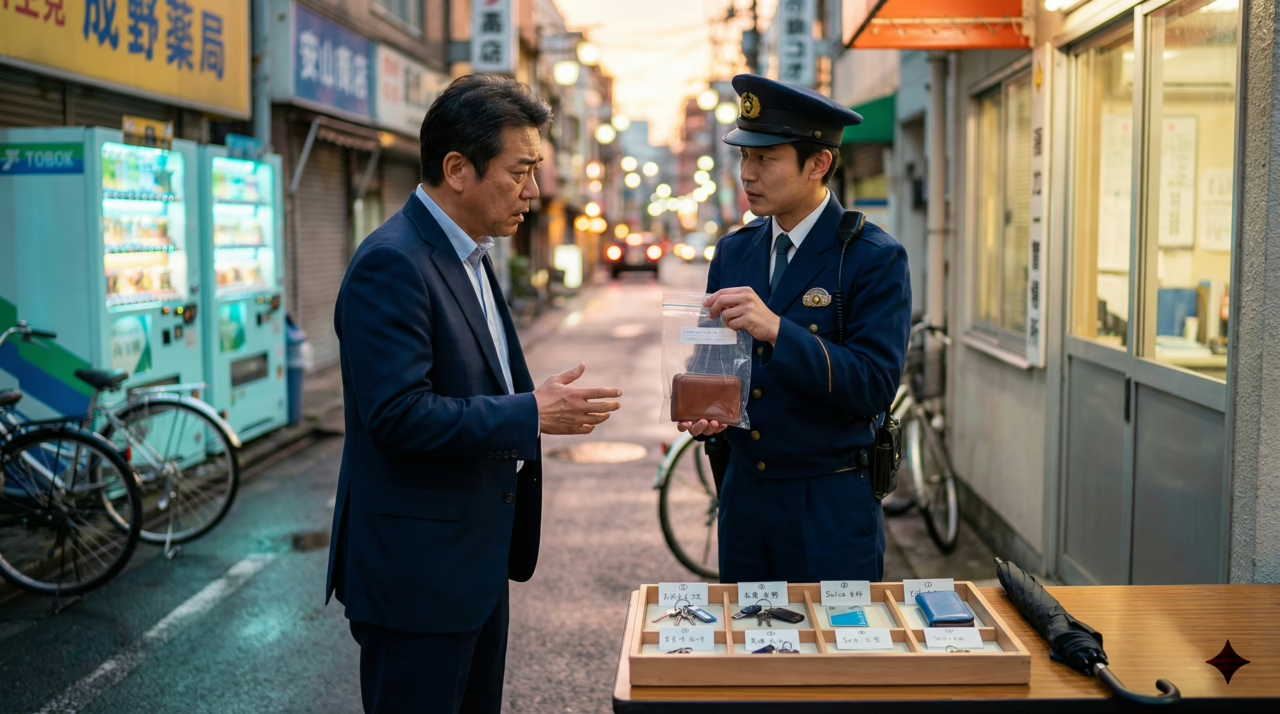
Next, file a report at the closest koban police box. Bring ID; for forgotten passports, show a photo or number if possible.
Police issue a receipt, a golden ticket for retrieval.
Finally, check citywide portals and station hotlines daily. Airports handle lost luggage at airline counters; call before trekking.
- Tokyo WiFi Guide: Free Hotspots & Pocket WiFi Tips
- Tokyo Free Walking Tour Routes: Self-Guided Budget Adventures
- Tokyo Budget Guide: ¥5,000 Daily Breakdown & Tips
- 11 Tokyo Autumn Foliage Spots & Viewing Tips
- Japan Cherry Blossom Forecast 2026: Peak Bloom Dates, Top Viewing Spots & Expert Planning Tips
- Tokyo Fashion Shopping: Harajuku vs. Ginza Style Districts
Stay nimble, snap photos of claims, and celebrate small wins—Tokyo rewards persistence!
Japan’s Incredible Lost and Found Success Rate

Here’s the wild truth: in Tokyo, odds are your lost phone, wallet, or umbrella will boomerang back to you!
That reliability isn’t magic—it stems from everyday cultural honesty, from schoolkids returning coins to office workers handing in cash without a second thought, all reinforced by efficient koban police boxes and meticulous station staff.
Tokyo Trip Add-Ons
Equip yourself for the ultimate Tokyo adventure with the following add-ons, curated just for you.








And the numbers back it up, with return rates for cash and phones regularly topping global charts—so relax, keep your claim ticket handy, and prepare to be pleasantly stunned.
Why You’ll Probably Get Your Stuff Back During in Tokyo
How often does a forgotten wallet actually come back to its owner? In Tokyo, astonishingly often.
People report Lost luggage at Haneda and Narita reappearing within hours, barcoded and calmly waiting at the airport police box.
Misplaced keys show up at station kiosks like punctual commuters, tagged with the exact platform and time—no drama, just results.
Here’s the liberating part: recovery is simple. Head to the nearest kōban (police box) or the station’s Lost & Found counter; staff will check a centralized database, ask brief questions, then guide you through a fast claim form.
Keep your IC card number, item color, and approximate timeline handy.
Prefer action? File online via the Tokyo Metropolitan Police portal.
Then celebrate with onigiri—your gear, your freedom, restored!
The Cultural Honesty That Makes Recovery Possible

Why do wallets boomerang back in Tokyo instead of vanishing into the urban ether? Because cultural honesty isn’t a slogan here—it’s a habit, practiced daily on trains, in konbini, and under neon crosswalks.
People hand found items to staff without fanfare, trusting the system the way surfers trust a steady swell.
That social trust frees everyone to explore boldly, knowing missteps don’t always end in loss.
Look around: uniformed station attendants log every umbrella, cafés keep a tidy stash of forgotten chargers, and police boxes—kōban—act like neighborhood lighthouses. This web of courtesy and procedure makes recovery feel normal, not miraculous.
When you drop a Suica on a bustling platform, don’t panic—ask the nearest clerk. Odds are, it’s already waiting, tagged, and grinning at your reunion.
Real Statistics That Will Surprise You
Curiously enough, the numbers back up Tokyo’s reputation with jaw-dropping clarity.
Police report millions of items turned in annually, and a stunning majority find their owners—wallets, phones, even cameras forgotten on trains.
Freedom lovers, take note: systems here don’t cage you; they liberate you to roam light, trusting the city’s quiet efficiency.
Consider the specifics. Lost luggage at Haneda and Narita often reappears within hours, thanks to barcode tracking, multilingual counters, and relentless staff who call, email, and even message hotels.
Pet recovery isn’t a long shot either—microchipped animals are rapidly matched via ward offices and neighborhood koban; posters plus social media amplify reach.
Action tip: label everything, snap serial numbers, and report fast at the nearest koban. Tokyo does the rest beautifully.
Immediate Actions When You Realize Something’s Missing in Tokyo
First things first: stop, breathe, and mentally walk back your last 30 minutes—stations, shops, platforms, even that vending machine with the flashing lights.
Then contact the right place fast: for wallets or passports call the nearest koban (police box), for phones ping your carrier and check station lost-and-found, and for items left on trains reach the railway company’s hotline or the station master.
Snap photos of where you were, note car numbers, times, receipts, and nearby landmarks—tiny details become golden breadcrumbs in Tokyo’s efficient system!
Stop and Retrace Your Last 30 Minutes
Even if panic nips at the heels, the smartest move is to freeze, breathe, and rewind the last 30 minutes like a highlight reel. Picture the route: ticket gates, convenience store counter, ramen bar stool, park bench with cicadas buzzing.
He scans pockets and bag compartments in a set order—his personal lost item checklist—then checks the floor, chair backs, and counter ledges where items love to hide.
He retraces steps physically, moving with purpose, not frenzy. At each stop, he notes time stamps—receipt times, train arrivals, vending machine purchases—anchoring memory to facts.
He snaps quick photos of each spot, jots landmarks, and keeps emergency contacts handy in case a witness offers help.
Freedom thrives in calm systems; order beats chaos, especially in Tokyo’s whirl.
Who to Contact First Based on What You Lost
How fast should the alert go out? Immediately.
If a wallet or passport vanished, head to the nearest koban (police box) and contact authorities; Tokyo police are efficient, kind, and used to “oops” moments.
For Lost documentation like visas or IDs, report it at once to the police, then your embassy—protect your freedom of movement before anything else.
Credit cards missing? Call the issuer to freeze them, then file a police report to anchor your claim.
Phone gone on the metro? Flag station staff; JR East and Tokyo Metro have swift lost-and-found networks.
Bag left in a taxi? Call the taxi company; keep the receipt or remember the car’s color and logo.
AirPods or umbrellas in cafes or shops? Ask staff; Tokyo’s honesty shines!
Taking Photos and Notes That Help Recovery
With the right calls made, the next smartest move is to capture details before memory blurs like a rainy Shibuya crosswalk. Snap quick photo documentation: the seat on the Yamanote Line, the café corner table, the coin locker number, even the station exit sign.
Photograph receipts, ticket stubs, and nearby landmarks—neon kanji, vending machines, quirky sculpture—anything that anchors time and place.
Then switch to sharp note taking strategies. Record when you last had the item, its color, brand, and quirks—scratches, stickers, a lucky charm.
Jot transit car numbers, station names, platform sides, and staff you spoke with. Use your phone’s voice memos if texting feels slow.
This crisp trail empowers kōban officers and lost-and-found counters, accelerating recovery and keeping your day gloriously unstuck.
Lost Items on Trains and Subways
Lost something on a Tokyo train? Start at the nearest station office—staff can radio ahead and point you to the correct Tokyo Metro Lost and Found Center by line, while JR East items often migrate to its central depot like socks to a mysterious laundry hub.
No Japanese? Flash a route map, show a photo, and use key phrases or translation apps—polite staff will guide you step by step with cheerful efficiency.
Tokyo Metro Lost and Found Centers by Line
Lost something on the Tokyo Metro? Act within the golden 24-hour window—it’s when cleaners, station staff, and control rooms still remember that umbrella with the bright polka dots!
Call the lost property office for the exact line you rode (e.g., Ginza Line, Tozai Line), give the train time, car number if you recall, and nearest station, and they’ll trace it with impressive precision.
Reporting Within 24 Hours: The Golden Window
Ever wonder why the first 24 hours in Tokyo can make or break a lost-item reunion? That’s the golden reporting window—move fast, and staff can trace cars, timestamps, and station transfers before items vanish into storage labyrinths.
Lost items logged within a day ride the system’s memory. File details immediately, note carriage numbers, door positions, and departure times.
Freedom thrives on readiness—act swiftly, stay calm, and let Tokyo’s efficiency work wonders!
Calling the Specific Train Line’s Lost Property Office
So the clock’s ticking from that golden 24-hour window—now it’s time to call the right people. Pick the exact train line: Tokyo Metro, Toei, JR East, or private rails.
Each has its own lost property number and hours.
Have ammo ready: item description, car number, boarding time, station names. Ask for the station’s holding office.
Be polite, persistent, and nimble—items migrate quickly between depots!
JR East Lost and Found: Where Everything Eventually Goes
How does a misplaced umbrella in Shinjuku end up reunited with its owner in Ueno? Through JR East’s quietly heroic lost-and-found pipeline.
Items scooped up from trains, platforms, and station benches flow toward central repositories, where staff sort, tag, and log everything—lost luggage, misplaced keys, even a lone sneaker. It’s efficient, almost elegant, like a conveyor belt for second chances.
Here’s the playbook. Start at the station where the item likely fell away from you; ask the ticket gate staff to check the day’s haul and recent train reports.
If nothing turns up, they’ll trace the object’s journey and direct you to the JR East central lost property office that handles your line.
Go fast, stay calm, and note train numbers and times—precision speeds reunions!
Navigating the System Without Speaking Japanese
That slick JR East pipeline works wonders, but none of it helps if words freeze on the tongue at the ticket gate. No panic—Tokyo’s rails reward calm moves and clear steps.
Even with language barriers, the system is forgiving, and small gestures go far. Think sleek signage, consistent forms, and a rhythm you can ride.
- Open translation apps; type “lost on train,” show the screen, and point to the line color and station name.
- Snap a photo of your ticket or IC card history; times and transfers are gold.
- Note car number markers on platforms; “Car 5, door 2” turns chaos into coordinates.
- Use item keywords: “phone,” “wallet,” “bag,” plus color and brand.
Keep your tone friendly, your timeline precise, and your freedom intact!
Station Staff Who Can Help Right Away
Need help fast? Station staff are the first line of rescue when a wallet vanishes between Shinjuku’s turnstiles or a phone slips under a Ginza Line seat.
Head straight to the nearest ticket gate booth—look for the glass window and blue-uniformed attendants—and ask for immediate assistance.
Point to a map, show a photo, or use simple keywords; they’ll radio the next stations, alert platform teams, and note your train car and door number with impressive precision.
On JR lines, seek the Midori-no-Madoguchi or the central gate office. On subways, visit the station master’s room near major exits.
They can issue a temporary pass to retrace steps, file a lost item report, and check real-time logs. Breathe.
Tokyo’s rail pros love reunions!
Left Behind at Restaurants, Cafes, and Shops
Forgot your umbrella at a Shibuya cafe or a scarf in a cozy Kagurazaka bistro?
Good news: most places hold items for weeks, but calling first can save a trek—though big department stores route everything to formal Lost Property counters, where showing up with details and ID wins fast results.
Even convenience stores log found goods with surprising rigor, so ask the staff politely by time and item description, then prepare for a quick, almost ceremonious handoff!
Why Most Businesses Keep Lost Items for Weeks
A curious quirk of Tokyo hospitality: most restaurants, cafes, and boutiques will hold onto lost items for weeks, sometimes a full month, before sending them to the local police lost-and-found.
Staff assume people retrace steps—after all, Lost luggage and forgotten souvenirs often boomerang back once the traveler realizes.
This pause protects privacy, eases retrieval, and keeps cherished things close to where they slipped away. It’s patient, orderly, and surprisingly liberating for wanderers who crave flexibility.
- Staff log details, time, and location, then bag items neatly—no mystery piles here.
- Valuables go in locked drawers; umbrellas and scarves wait in labeled bins.
- Managers post short-term notices near registers and doors.
After the hold window, items transfer to the ward’s koban system.
Expect calm efficiency, friendly verification, and swift reunions!
Calling Back vs. Visiting in Person
How best to reunite with that stray scarf or wallet—call first or dash back in person? In Tokyo’s restaurants, cafes, and small shops, speed matters.
A quick phone check prevents unnecessary Missing visits, especially if you’ve already boarded a train. Ask for the item by name, color, and location at the table; staff often tag belongings and stash them behind the counter within minutes.
If you’re nearby, go in person. Faces beat Lost calls when describing a black wallet among five black wallets, and you can confirm details on the spot.
Bring ID, show a receipt if you have one, and note the time and seat number.
For late-night spots, call before last orders; for morning bakeries, swing by at opening—fresh coffee, found treasure!
Department Store Lost Property Departments
Think of Tokyo’s department stores as calm, well-oiled hubs where lost goods swiftly find a safe perch. Staff log items fast, tag them with time and place, then route them to a centralized counter—often on a basement service floor.
In luxury department stores, multilingual attendants glide through the process, verifying identity with gentle precision. If an item vanished at an in-store café or restaurant, they cross-check receipts, CCTV, and housekeeping notes—no detective hat required.
- Ask for “Lost Property” or “Otoshi-mono,” then head to the service counter.
- Bring ID; a simple description facilitate swift retrieval.
- Confirm whether boutique shop policies require pickup at the specific concession.
- Get a reference slip; it speeds return visits.
They’ll even coordinate inter-store transfers—freedom-friendly efficiency!
Convenience Store Policies on Found Items
Those gleaming department counters have their match on the corner: Tokyo’s convenience stores treat forgotten items with brisk, almost clockwork care.
Clerks follow clear store policies—log the found items, bag them, time-stamp the slip, and hold behind the register.
Ask at the counter with a calm “wasuremono arimasen ka?” and describe color, brand, and time; they’ll check the ledger fast.
If not claimed within a day or two, most chains forward goods to the nearest police koban, where citywide databases take over. Drinks or perishable snacks?
Disposed, no drama. Valuables like wallets get sealed, receipts issued, and surveillance checked.
Act quickly, travel light, and note the branch location—there are many! Bonus tip: keep a photo of your umbrella; patterns matter here.
Taxi Lost and Found Recovery
Lost something in a Tokyo cab? Here’s the trick: each taxi company runs its own system, but the Tokyo Taxi Center acts as a central hub, so you can call them while also contacting the specific operator—double net, better catch!
Always grab the receipt—it lists the taxi company, vehicle number, time, and fare, turning a frustrating hunt into a laser-guided search.
Know that items usually appear in company databases within a few hours to a day, then filter into the Center’s records soon after.
With that combo—receipt details, company hotline, and the Center—you’ll be back together with your missing umbrella or phone faster than a green light on Omotesando!
Different Systems for Different Taxi Companies
While the city’s taxis may look similar at a glance, each company runs its own lost-and-found playbook—and that matters when a phone slips between the seats at 1 a.m.
Some Taxi systems are sleek apps; others rely on call centers and meticulous logbooks.
Riders should move fast, recall landmarks, and keep cool—freedom thrives on quick, informed action.
Expect different rhythms, but the goal’s the same: reunite you with your stuff. Use Fare verification—receipt totals, time stamps, and pick-up points—to triangulate the ride.
That tiny slip of paper? It’s your golden ticket, so snap a photo next time!
- Note the taxi color scheme and roof light logo
- Record route details and drop-off time
- Save the receipt for Fare verification
- Contact the company’s dedicated lost-property line
Tokyo Taxi Center: The Central Hub

How does a city this big keep track of so many missing umbrellas, wallets, and phones?
Enter the Tokyo Taxi Center—think of it as the city’s Taxi hub, calmly orchestrating chaos with precision.
When an item slips from your pocket and the cab pulls away, this central team becomes your lifeline, linking calls, dispatch logs, and drivers across fleets with impressive speed.
They field inquiries, trace routes, and coordinate returns for everything from earbuds to Lost luggage. Call or visit, share the pickup point, drop-off area, time window, and a quick description—simple, liberating steps that keep you moving.
Staff communicate directly with companies, then arrange pickup or delivery. It’s efficient, friendly, and surprisingly human.
Tokyo’s grid hums; your stuff finds its way back.
Getting Receipts That Save Your Search
A tiny slip of paper can be a miracle worker in Tokyo’s taxis. That receipt isn’t just clutter; it’s your golden ticket to swift recovery.
With receipt tracking, a rider can pinpoint company, vehicle number, time, and fare—details dispatchers love.
Keep it flat, snap a photo, and breathe easier; proof documentation turns a foggy memory into a clear trail.
- Ask the driver for a printed receipt—say “ryoshūsho onegai shimasu,” smile, and wait ten seconds.
- Check it for company name, phone, taxi number, pickup/drop-off, and timestamp.
- Photograph both sides immediately; back up to cloud or notes app.
- If lost already, retrace via card statement and map history to approximate the ride.
Receipts empower momentum. Freedom loves a paper trail!
Timeline for When Items Appear in the System
Curiously, lost items don’t pop into Tokyo’s taxi systems instantly, but the cadence is reliable and fast. Here’s the item timeline most riders can bank on: drivers usually discover belongings at shift’s end, then hand them to the depot within 2–6 hours.
Dispatch logs the find, pushes it to the company database, and—by late evening or early morning—syncs with the citywide portal.
Freedom lovers, breathe: your phone isn’t gone, just taking a brief bureaucratic detour.
Expect a practical recovery schedule. Check the taxi company hotline after three hours, then the central lost-and-found site by dawn.
Morning commuters often see updates surge between 6–10 a.m., like a digital tide.
If you rode after midnight, verify after 9 a.m.—night-shift turnovers lag slightly, but still move briskly.
Lost at Hotels and Accommodations in Tokyo

Lost something at your hotel in Tokyo? Here’s the playbook: ask the front desk about their lost-and-found protocol, note your room number and dates, and report it fast—especially if you checked out in a hurry and only noticed your missing charger on the Yamanote Line!
Book Your Tokyo Stay Today
Browse curated hotels/traditional ryokans from our partner platforms. Best prices, verified reviews, instant booking.
 Booking.com
 Agoda
Agoda Trip.com
 Expedia
 Tripadvisor
 Traveloka
If the item turns up after you’ve left, most properties can ship internationally via Yamato or Japan Post, but expect handling fees, insured shipping costs, and timelines ranging from a few days to a couple of weeks—worth it for that favorite jacket, right?
Hotel Lost and Found Procedures
That sinking “where did I put it?” moment hits differently in a hotel lobby, but Tokyo’s accommodations handle it with impressive calm and clockwork precision.
Staff log found items with timestamps, locations, and descriptions, then secure them in a back-office vault—think tidy shelves, labeled bags, zero drama.
During hotel check-in, guests hear quick reminders about room key security, because keys and wallets are the usual escape artists. Ask the front desk first; they’ll radio housekeeping, scan CCTV timelines, and coordinate like air-traffic control.
- Report details fast: time, place, item description, and unique marks.
- Show ID and your room number; they verify before releasing anything.
- Request a written incident record or claim number.
- Arrange shipping for recovered items through the concierge.
Checking Out Without Your Belongings
Even if the suitcase is zipped and the taxi meter’s ticking, leaving a charger—or a whole passport—behind doesn’t have to derail the day.
In Tokyo, hotels move fast yet methodically; front desks log items within minutes, housekeeping radios updates, and managers keep a cool paper trail.
Ask for the duty manager, confirm room number and checkout time, and request they check the safe, fridge drawers, and bed skirt gap—sneaky spot! Mention Lost luggage explicitly on the form.
While Checking out, snap photos of the room and the lobby’s lost-and-found tag for reference. Share a reachable phone, email, and your next stop—Shinjuku station locker, café near Ueno, or tonight’s ryokan.
Keep momentum: borrow a universal charger, get a temporary travel card, and breathe—freedom resumes.
International Shipping for Items Found After You Leave
How quickly can a forgotten jacket cross oceans? Hotels in Tokyo handle international shipping with surprising grace, following clear lost item procedures that feel almost ceremonial.
Guests report the loss, confirm descriptions, then choose a courier—simple steps, swift momentum.
Picture a bell desk turning detective, snapping photos, verifying tags, and packaging like pros!
- Confirm the item: share photos, brand details, and where it was last seen.
- Approve shipping: select courier, insurance, and delivery address in one message.
- Provide ID and payment: hotels often invoice securely before dispatch.
- Track it live: receive a tracking link and status updates.
Staff keep communication crisp, polite, and delightfully efficient. Ask for eco-friendly packing or signature-on-delivery if that frees your mind—Tokyo hotels get it, and they deliver, literally!
Fees and Timeframes You Should Know in Tokyo
All that smooth shipping magic comes with price tags and clocks to watch, so here’s what most travelers actually pay and wait.
Hotels in Tokyo often hold items 14–30 days, then transfer to a ward lost office; recovery time extends if weekends or holidays stack up.
Expect handling or Lost fees from ¥500 to ¥2,000, plus courier costs—domestic from ¥800–¥2,000, international far higher depending on weight.
Front desks usually verify ownership within 24–72 hours; add a day if the item’s in housekeeping or security. Need speed?
Ask for same-day bike courier inside the 23 wards—fast, not cheap, but liberating.
For passports or electronics, anticipate identity checks and sealed packaging, which can add a day. Pro tip: confirm cutoff times before checkout to dodge delay.
Police Koban Lost Property System in Tokyo
Lost something on the street or in a shop? Head to the nearest koban to file a quick report, then track it through the Tokyo Metropolitan Police Lost and Found Center, which neatly catalogs wallets, passports, umbrellas, and more.
Know the split: items found in trains or stations usually go to the transit authorities first, while street finds and shop leftovers head straight to police.
Police keep valuables for months but perishables and low-value items for a far shorter window—so move fast!
When to File a Report at Your Nearest Koban
Ever wonder when it’s worth ducking into a nearby koban to make things official? A sharp moment: when an item is valuable, identity-linked, or could be misused.
Koban procedures are quick—think short form, clear timeline, and a receipt number you can track.
Follow the reporting protocols and you boost your odds while keeping your day flexible, not fettered.
- Lost a passport, residence card, phone, wallet, or keys? File immediately.
- Suspect theft or tampering—like a cut bag strap or forced zipper? Report it.
- Found something pricey and want to do right by karma? Hand it in.
- Time-sensitive travel ahead? Log the loss for documentation.
Expect a calm desk, simple questions, and kind efficiency—no drama, just crisp action.
The Tokyo Metropolitan Police Lost and Found Center
Think of the Tokyo Metropolitan Police Lost and Found Center as the city’s grand clearinghouse for misplaced treasures—where items handed in at koban stations, trains, and taxis ultimately converge. It hums like a calm command post, cataloging wallets, umbrellas, passports, and the odd skateboard with almost ceremonial care.
Freedom lovers, rejoice: your stuff isn’t vanishing into bureaucracy; it’s entering a well-oiled system.
Here’s the play: file online reporting first to plant a flag, then call with specifics—brand, color, quirky stickers, that coffee stain shaped like Hokkaido. Bring ID when visiting; polite staff guide you swiftly, and yes, there’s a tidy paper trail.
Ask your provider about lost item insurance; reimbursements can soften the blow. Act fast, stay precise, and reclaim your day!
Items That Go Directly to Police vs. Transit Authorities
Here’s the split-second decision most Tokyo commuters don’t realize they’re making: where an item is lost determines who gets it first. On trains, subways, and stations, staff collect finds and send them to the transit authority’s lost property center before handing anything to police.
On sidewalks, in parks, or near a koban, officers log items immediately into the Police Koban Lost Property System—swift, tidy, and surprisingly friendly.
- Lost luggage on a JR platform? Hand it to station staff; they tag, track, and route it centrally.
- Personal identification found on the street? Walk it to the nearest koban—police prioritize IDs.
- Cash discovered in a bus? Transit staff take first custody.
- Smartphones in taxis? Contact the taxi company before calling police.
Move fast, ask clearly, and claim your freedom back!
How Long Police Keep Different Types of Items
A quirk of Tokyo’s koban system is how precisely it clocks each item’s stay. Police split finds into clear item categories, each with its own storage duration, and the timers start the moment a report lands.
Cash? Usually three months.
IDs and passports get rushed to issuing agencies, while bank cards bow out fast—often within a few days.
Everyday goods—umbrellas, scarves, tote bags—linger around one to three months, depending on condition and value. Electronics and jewelry enjoy longer grace periods, because, well, people really want those back!
Perishables barely last; safety rules send food packing quickly. Pro tip: file a claim early, then check weekly.
If no one claims your stuff and you asked for it, you might legally become the new owner. Freedom win!
Passports, IDs, and Critical Documents
Lost your passport or ID in Tokyo? First stop is your embassy or consulate for reporting and a temporary travel document, then follow their replacement steps.
While doing so, also contact your bank to freeze credit cards and alert issuers for rapid reissues.
If a phone has vanished, use remote lock and location services immediately, crank up “Lost Mode,” and breathe—Tokyo’s orderly systems often reunite people with their most critical stuff!
Embassy Contact for Lost Passports
Stranded without a passport—now what? First, breathe.
In Tokyo, the passport embassy routine is efficient, polite, and surprisingly humane.
A traveler with a lost passport should pivot fast: document what happened, secure identification backups, and contact their embassy’s emergency line.
Freedom returns quicker when steps are crisp and focused!
- File a police report at the nearest koban; request a Loss Report (Ishitsubutsu Todoke) number.
- Call the passport embassy; note after-hours emergency numbers posted online and at the chancery door.
- Gather essentials: a passport photo, any ID, travel itinerary, and a copy of the lost passport if available.
- Bring yen or a card for fees; embassies rarely accept cashless dreams alone.
Expect punctual staff, clear forms, and comforting predictability—Tokyo’s quiet superpower.
Temporary Travel Documents and Replacement Process
Think of this as Tokyo’s fast lane to freedom: temporary travel documents get you moving while the full replacement churns in the background.
After reporting the loss, staff at your embassy or consulate can issue an emergency passport or laissez-passer, usually within a day, sometimes hours.
They’ll want a police report, a passport photo, and proof of identity—digital copies help; printouts help more.
Head to a neighborhood photo booth (conbini-adjacent and everywhere), grab compliant photos, then visit the nearest ward police box for a loss report number.
Need to fly? Airlines at Haneda and Narita recognize emergency documents; arrive early for extra checks.
Keep scans of IDs in cloud storage, separate from devices and, yes, that bag with the lost luggage—because lost luggage loves dramatic timing.
Credit Cards and Bank Notifications
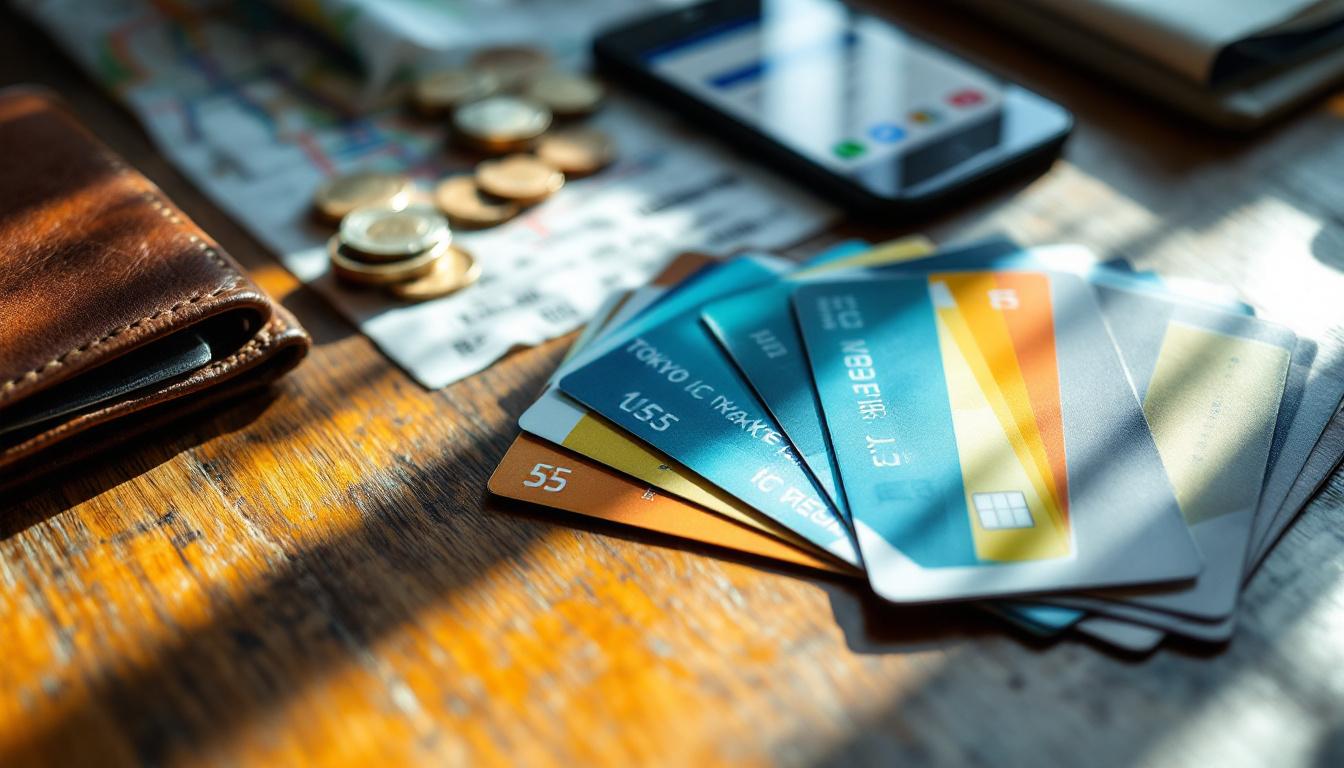
How fast should someone move when a wallet vanishes in Tokyo? Immediately.
Credit card security starts the moment they notice the loss—call the card issuers, freeze cards in-app if possible, and note the time. Tokyo’s calm won’t help a compromised account, but swift action will.
After reporting to the nearest koban, they should request a loss report number; banks love tidy documentation.
- Call the international number on the card’s statement or app.
- Ask for a temporary freeze, then a full replacement.
- Verify recent transactions and dispute anything suspicious.
- Record confirmation numbers and agent names.
Next, they should follow each bank’s notification procedures with precision. Japan’s ATMs can be forgiving, but fraudsters aren’t.
Keep receipts, screenshot app logs, and breathe—decisive steps preserve both yen and freedom.
Mobile Phone Loss: Remote Lock and Location Services

A lost phone in Tokyo doesn’t have to turn into a full-blown crisis—treat it like a sprint, not a marathon. First move: trigger a remote lock using Find My iPhone or Google’s Find My Device, then enable location tracking.
If the dot lands in a café or train station, call the venue and ask for the lost-and-found; Tokyo staff are famously diligent. If it’s moving, don’t chase—report details at the nearest koban (police box), then breathe.
Next, ping the phone with a loud alert, add a lock-screen message with a contact number, and log out of banking apps.
For SIM security, ask your carrier to suspend service temporarily.
Finally, check JR East or Metro lost property counters—items often resurface within 24–48 hours. Freedom restored!
Lost at Tourist Attractions and Parks in Tokyo

Lost something between churros at Tokyo Disneyland or the breezy bayside of Tokyo DisneySea?
Here’s how the big spots handle it: theme parks and amusement venues run centralized lost-and-found counters with ticket-linked reports.
Major museums use item logs and claim numbers. While temples and shrines keep neatly tagged items at the office or offer prayer hall pick-up—quiet, orderly, reassuring.
Book Tokyo Attractions Now
Skip ticket lines and secure your spot at Tokyo's top attractions. From Tokyo Skytree to teamLab, reserve tours and activities in advance.
 Viator
 GetYourGuide
 Klook
Klook WeGoTrip
Stick around after closing announcements, ask staff in uniform immediately, and snap a quick photo of where you last had it. Tokyo’s recovery systems are surprisingly efficient, and you might walk out reunited and grinning!
Disneyland and DisneySea Lost and Found
Ever wondered where wayward Mickey ears and wandering smartphones end up in Tokyo? At Tokyo Disneyland and DisneySea, lost goods glide into a famously efficient system—think cheerful Cast Members, swift reports, and barcoded magic.
Here’s the inside scoop, blending Disneyland secrets with real-deal Lost and found tips, minus the fairy dust, plus clear steps.
- Head to Guest Relations near each park’s entrance; report items quickly, especially before parade crowds shuffle memories.
- Use the multilingual online form after leaving; detailed descriptions and timestamps boost matches.
- Check ride exits and nearby benches first; many items linger where the thrill peaked.
- Keep airtags or labels on gear; staff love identifiers, and reunions happen fast.
Expect courteous calls, tidy storage, and surprisingly speedy returns. Adventure reclaimed!
Major Museums and Their Recovery Systems
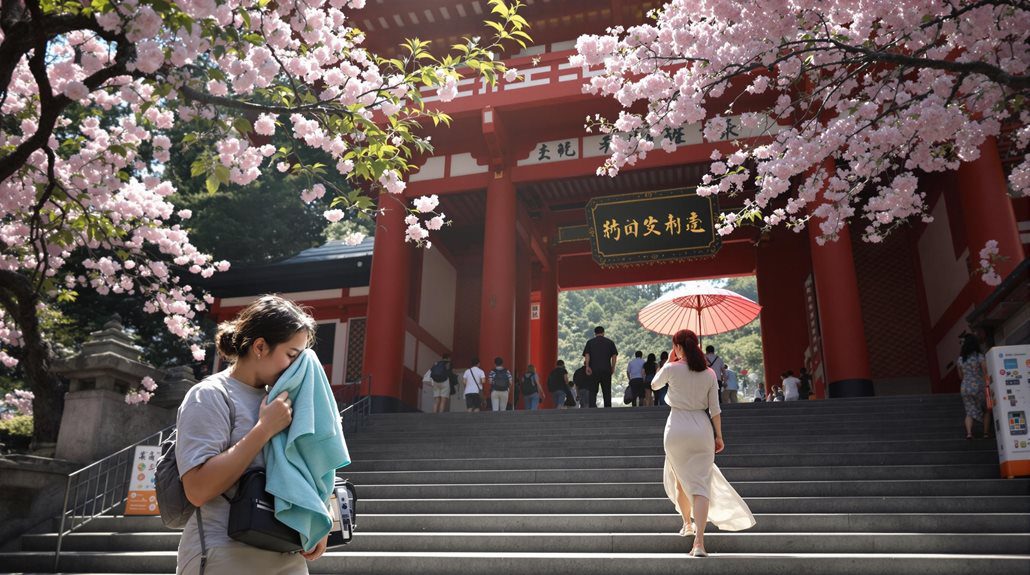
Inside Tokyo’s big-name museums—think the National Museum in Ueno, Mori Art Museum in Roppongi, and teamLab’s digital wonderlands—misplaced items flow into tightly run recovery systems that actually work.
Staff patrol galleries like friendly hawks, and anything found is logged, bagged, and routed to a central counter.
Visitors file concise forms, show ID, and—boom—phones, jackets, and notebooks reappear with surprising efficiency.
These institutions pair artwork security with guest care, so lost sunglasses and museum artifacts never mix.
At teamLab, attendants sweep exit zones and track items by time and room; at Mori, reception and floor staff sync via headsets; at Ueno, old-school counters meet modern databases.
Pro tip: note your gallery number, keep ticket stubs, and return quickly—momentum is your ally!
Temple and Shrine Lost Property Handling

From sleek museum counters to incense-scented courtyards, the rhythm changes but the reliability doesn’t. At Tokyo’s temples and shrines, lost items drift toward small offices near the main gate or amulet stalls.
Staff log finds daily, then hand them to local police within a few days, so quick action pays off. A calm bow, a simple “sumimasen,” and mindful temple etiquette open doors faster than frantic gestures.
- Ask at the juyojo or office by the torii; show a photo and describe color, brand, and time.
- If praying first, follow shrine rituals: cleanse at the chozuya, then inquire.
- Note precinct name; check the nearest koban after three days.
- Leave a contact number; revisit during posted reception hours.
Amusement Parks and Entertainment Venues in Tokyo

A day at Tokyo’s big-name parks— Tokyo Disneyland, Tokyo DisneySea, Fuji-Q Highland, Ghibli Park pop-ups, even teamLab—feels like a whirlwind of neon snacks and photo ops, which is exactly how phones and Suica cards slip away.
When that happens, don’t panic—head straight to Guest Relations or the nearest information counter, where staff log finds hourly and radio updates across zones.
At theme parks, note the lost item slip number and timing; check again before leaving because items often ride the system faster than you do.
After closing, property moves to a central desk, then to the local police koban within 3–7 days.
Fuji-Q’s carnival rides love shaking loose sunglasses—secure them or use lockers!
For teamLab, report immediately; cleaners sweep rooms between cycles, and recovered devices appear quickly.
Technology That Helps You Find Lost Items
Lost your phone or bag in Tokyo? Start with the big hitters: use Find My iPhone or Android Device Manager to ping, lock, or erase your device.
Then check AirTag or Tile trackers—station staff and koban police boxes are used to scanning found items, so ask them to listen for that cheerful chirp.
For wallet mysteries, scan recent credit card transactions to pinpoint the last shop or station. Cross-check Google Timeline or Location History for a breadcrumb trail you can retrace fast.
Find My iPhone and Android Device Manager
How does a vanished phone suddenly reappear on a tiny map like a beacon in the Tokyo night? With Find My iPhone and Android Device Manager, a lost device becomes traceable, quietly pinging from Shibuya crossings or tucked café corners.
The tone is simple: protect freedom of movement through smart device security, then act fast with recovery apps that guide each step.
- Enable location services and sign in on another device; watch the live map narrow the search.
- Trigger Play Sound; even in a humming train car, that chirp cuts through.
- Switch to Lost Mode to lock, display a contact number, and prevent data leaks.
- If risk rises, remotely erase, then file a report at the nearest koban with the logged location.
AirTag and Tile Tracker Recovery in Tokyo
When wanderlust collides with forgetfulness, tiny trackers like AirTag and Tile become secret allies across Tokyo’s bustle. A traveler can ping a lost backpack at Shinjuku Station, watch the dot glide on the map, then follow signage to the station’s kōban or Lost & Found counter—staff are used to these beeps.
Precision Finding works well in dense alleys; hold up the phone and let arrows guide the rescue mission!
Attach trackers to baggage tags, camera pouches, or bike keys, especially if lodging uses smart locks—no more key panic. Switch AirTags to Lost Mode with a contact number; many Tokyoites will scan and call.
For Tiles, crowd-finding thrives in transit hubs and cafés. Pro tip: mute devices briefly when approaching quiet spaces.
Credit Card Transaction Tracking
Those beeping trackers are handy, but Tokyo offers another stealthy ally: credit card transaction alerts that breadcrumb a path to misplaced stuff. When a wallet vanishes between Shibuya and Shimokitazawa, pinged purchases can sketch the route—convenience stores, ramen counters, late-night karaoke.
Follow the timestamps, call the last shop, and ask staff to check their lost-and-found; Tokyo’s clerks are famously diligent.
- Enable real-time alerts in your banking app before you roam.
- Cross-check merchant names with station exits to narrow the search.
- Call the card’s back number to freeze selectively, then unfreeze if it turns up.
- Document everything to speed transaction disputes.
If a rogue charge appears, act fast: report credit card fraud, file a police report (koban nearby!), and keep receipts to prove your timeline.
Google Timeline and Location History
A quiet lifesaver hides in plain sight on most phones: Google Timeline, the breadcrumb trail that can retrace a day’s dash through Tokyo’s neon and noodle steam.
Open Google Maps, tap your profile, then Timeline—boom, a map of your day appears, with stops like Shibuya Crossing, ramen counters, and late-night record shops.
If a wallet or camera vanished, scan timestamps in Google Timeline to pinpoint the last café or train platform. Zoom into segments, check transit lines, and match arrival times—Tokyo runs like clockwork, so precision pays.
Cross-check with Location History on specific dates, then call the shop or station with confidence.
Privacy-wise, control is yours: pause tracking, delete entries, or export details. Freedom means choosing your trail, then using it wisely!
Language Barriers in Lost Item Recovery
Lost something in Tokyo? No panic—simple phrases like “Otoshimono desu” (I lost an item) and “Koban wa doko desu ka?” (Where is the police box?) pair beautifully with reliable translation apps like Google Translate and DeepL, which handle receipts, signs, and quick conversations surprisingly well.
When words stall, Tourist Information Centers cheerfully bridge the gap, and several rail lines and airports offer English-speaking lost and found counters that guide visitors step by step, forms and all.
Key Japanese Phrases for Lost Property
Ever wonder which Japanese phrases actually get results when something goes missing? Here’s the toolkit locals actually use, perfect when Lost luggage turns a day sideways and language barriers feel like a brick wall.
Short, polite phrases paired with clear gestures and a calm smile open doors fast, whether in a station office, police box, or hotel lobby.
- “Wasuremono o sagashiteimasu.” (I’m looking for a lost item.)
- “Kono saifu/バッグ o mimashita ka?” (Have you seen this wallet/bag?)
- “Otoshimono uketsuke wa doko desu ka?” (Where is the lost-and-found?)
- “Rōkaru densha de nakushimashita.” (I lost it on a local train.)
Add specifics and you’re golden: time, line name, color, brand. Show a photo, receipt, or luggage tag, and politely end with “Onegai shimasu.” It’s concise, respectful, and surprisingly powerful!
Translation Apps That Actually Work
How to cut through the static when English hits a wall? They reach for tools that tame language barriers fast.
Google Translate shines for speed: download Japanese offline, tap “Conversation,” and let auto-detect juggle both voices—great on a busy platform. Camera mode reads signs and lost-and-found forms; it’s not poetic, but it’s precise enough to trace a phone’s trail.
For app reliability in the wild, DeepL delivers cleaner sentences for names, dates, and locations—perfect when filing reports that must sound sane. Navitime’s bilingual transit info helps describe where the item vanished, down to exits and line colors.
They keep phrases short, avoid slang, and confirm nouns aloud—wallet, Suica, black backpack—then show photos. Friendly tone, steady pace, clear facts.
Freedom regained, belongings inbound!
Tourist Information Centers as Intermediaries
When apps hit their limit, the city’s Tourist Information Centers step in like friendly referees. Staff bridge language gaps with calm efficiency, calling stations, taxi companies, and shops to chase down Lost luggage or Lost souvenirs.
Locations pop up in transit hubs—Shinjuku, Ueno, Asakusa—so help is never far, even when panic is. They coach visitors on forms, time windows, and retrieval spots, cutting through bureaucratic fog with a smile.
- Clarify the timeline: when and where the item was last seen.
- Share ticket numbers, seat info, or bag details—brands, colors, quirky charms.
- Request phone calls on your behalf to rail and taxi lost-and-found counters.
- Get guidance on pickup logistics, storage fees, and ID requirements.
Walk in stressed, walk out with a plan—and hope rekindled.
English-Speaking Lost and Found Services
A language snag shouldn’t derail a reunion with a misplaced phone or backpack, and Tokyo quietly excels at English-friendly help. Most police koban offer basic English, logging details, printing claim slips, and calling dispatch—clean, bright counters where nervous energy melts fast.
JR East Lost & Found offices at major hubs like Shinjuku and Tokyo Station provide English forms and pickup guidance; staff can track items across lines, a small miracle in rush-hour chaos.
When language barriers loom, dial 03-3201-3331 for the Tokyo Metropolitan Police English line, or use 24/7 translation apps at stations that accept interpretation calls. Volunteer organizations and city-backed hotlines bridge gaps, politely phoning taxis or shops on one’s behalf.
Pro tip: snap item photos, note times, and move quickly!
Describing Your Lost Item for Best Results
Here’s the secret Tokyo tip: describe your item like a pro—color, brand, size, and any distinctive features—so staff can spot it fast.
Add serial numbers or unique identifiers when possible, and back it up with photos or receipts for instant proof of ownership.
Think “black Uniqlo tote with a frayed strap and a subway ticket inside,” not just “bag,” and you’ll shave hours off the search!
Details That Speed Up Identification
Though it’s tempting to say “black wallet” and call it a day, precision wins in Tokyo’s lost-and-found maze. A savvy seeker offers crisp Identification details—brand, color tone, size, material, and standout quirks—so staff can scan shelves fast.
Photo documentation helps memory, but words still matter; think “navy leather bifold with a red stitch and Suica tucked behind a clear sleeve.” Keep it breezy yet specific—Tokyo rewards clarity!
- Mention where it likely slipped away: Ginza Line car 3, Shibuya scramble, or a Shinjuku cafe counter.
- Note time windows: “Between 2:30–3:10 p.m.,” not “this afternoon.”
- Describe interior traits: coin zipper, two card stacks, embossed logo.
- Call out wear patterns: scuffed corner, faint coffee scent—yes, really!
Officials love accuracy; it speeds reunions.
Photos and Receipts as Proof of Ownership
When the adrenaline dips and practicality kicks in, nothing proves ownership in Tokyo faster than visuals and paper trails. A quick phone photo of your bag’s scuffs or your umbrella’s quirky pattern becomes instant ownership proof, helping staff at koban and station offices match finds without hesitation.
Keep receipts in your wallet or cloud; clerks love clear timestamps and store names, and yes, it speeds things up.
Snap your gear before heading out—inside a café, on a train platform, under neon. Capture logos, distinctive stitching, and condition.
Save purchase emails, warranty cards, and cash-register slips; that documentation importance turns a maybe into a yes.
If you’re privacy-minded, redact payment details, but leave dates visible. Freedom thrives when evidence travels light and decisive!
Serial Numbers and Unique Identifiers
Two tiny details can open Tokyo’s lost-and-found magic: serial numbers and quirky identifiers. When reporting a missing item, staff perk up at precise data—serial numbers and unique identifiers cut through the noise like neon in Shibuya.
Think of them as your fast lane to reunion, a shortcut past vague guesses and mismatched claims.
List them boldly, and watch the system work for you:
- Device serial numbers from settings menus or the box at home.
- IMEI or MAC addresses saved in cloud accounts or bills.
- Engraved initials, registration IDs, or membership numbers on gear.
- Custom codes, lock combinations, or firmware versions you noted.
Snap a photo of screens or labels before travel. Store the details in a secure note.
Freedom loves preparation—and Japan rewards it!
Color, Brand, and Distinctive Features
Numbers get attention, but color, brand, and distinctive features seal the deal at a Tokyo counter. Staff don’t want guesses—they want vivid, confident detail.
Use sharp color identification: not just “blue,” but “midnight blue with a matte finish,” “glossy cherry red,” or “cream with gold flecks.” That precision narrows the hunt fast.
Next, lean into brand recognition. Say “Uniqlo compact umbrella,” “Muji passport case,” or “Sony WH-1000XM4, black, with worn ear pads.” Name logos, textures, and small quirks—scratches near the zipper, a frayed strap, a charm shaped like a tiny torii gate.
Keep receipts or photos on your phone; show them boldly.
Speak clearly, stay calm, and let the details roam free. Tokyo’s lost-and-found teams love good clues!
Timeline Expectations for Different Items
Electronics in Tokyo often boomerang back within a few days, especially if lost on trains or in stations—so report them fast and check within 48–72 hours.
Wallets and bags follow predictable rhythms: cash may be intact (yes, really), but expect a week or two as they filter through station offices to the citywide center, while phones and cameras boast impressively high return rates thanks to serial numbers and lock screens.
Clothing and accessories are trickier—if they don’t surface within 3–5 days, consider them runway-bound to the recycling stream, and move on with a shrug and a story!
Electronics: Usually Found Within Days
A small miracle of Tokyo life: lost phones and tablets often boomerang back within a few days. In this city, station offices and koban treat electronics like VIP guests, logged, labeled, and routed fast.
With smart electronics tips and solid device security, recovery feels less like a gamble and more like a quick detour.
- Head first to the nearest koban or station lost-and-found; bring time, place, and train line details.
- File an online report via the Metropolitan Police lost property portal; it speeds database matching.
- Ping the device with “Find My” services, then share the last known location when reporting.
- Keep chargers and cases distinctive—stickers, bright cords, or engraving help staff spot yours.
Most cases wrap within 72 hours—swift, almost theatrical.
Wallets and Bags: Recovery Patterns
Ever wonder how fast a lost wallet or bag finds its way home in Tokyo? Typically, wallets boomerang back within 24–72 hours, especially when found on trains or in stations; bags trail slightly longer, often three to five days, as staff verify contents.
Think orderly queues, bright kiosks, and meticulous logs—freedom-friendly systems that let you roam again without fretting.
First moves matter. File a report at the nearest koban, then check station and department store counters; afterward, scan Tokyo Metropolitan Police databases and lost item apps for daily updates.
Keep receipts and photos for insurance claims, just in case. Label essentials, tuck a contact card inside, and snap a quick inventory.
If you leave it behind, Tokyo’s calm choreography usually returns it—gracefully.
Phones and Cameras: High Return Rates
Those glowing lifelines—phones and cameras—tend to boomerang back in Tokyo with impressive speed. Locals turn them in fast, and station staff act like rescue ninjas.
Expect same-day finds at station koban or the line’s main lost property office; metro hubs like Shinjuku and Shibuya move swiftly.
If found on trains, items usually arrive at the terminal within hours—so breathe, then act.
- File a report at the nearest koban; bring train line, car number, and time if possible.
- Check station and JR/Metro online portals; updates appear rapidly.
- Call the terminal station’s lost property desk before day’s end.
- Activate “Find My” and keep it ringing; polite persistence helps.
Forgotten souvenirs and Lost luggage feel dramatic, but tech draws quick, honest attention.
Clothing and Accessories: When to Give Up
While phones sprint home, clothing and accessories play the long game in Tokyo’s lost-and-found ecosystem. Jackets and scarves often surface within 24–72 hours at station koban or ward centers, but umbrellas vanish like shooting stars—give those up after a day.
Hats and gloves? Check the exact station or café within two days, then file an online claim and set a one-week reminder.
After seven days, odds thin, yet not zero—Tokyo loves order.
Beyond the hunt, think recovery-friendly clothing care: label inside seams, photograph distinctive stitching, note brands. For accessory styling, keep a minimalist roster when roaming—one statement piece, not five—so tracking stays simple.
If it’s still missing after two weeks, release it with a smile, then treasure the story more than the stuff.
Claiming Your Recovered Item
Ready to claim that reunited treasure? Expect to show clear proof of ownership—think serial numbers, distinctive marks, or photos—then head to the designated pickup counter (police lost-property, train station office, or airport desk) during posted hours.
Note that storage fees may accrue and shipping can be arranged for a reasonable cost. If you can’t go in person, authorized proxies or mail-back options are often allowed with proper ID and a simple permission form—no need to stage a dramatic courier heist!
Proof of Ownership Requirements
Curiously, the “proof” part isn’t as scary as it sounds—Tokyo’s lost-and-found system just wants to make sure the item truly belongs to the claimant. Staff focus on ownership proof and item verification, asking specific questions that only the real owner could answer.
Think of it as a friendly gate: secure, fair, and surprisingly efficient.
- Describe unique details: lock-screen wallpaper, a scuffed corner, a sticker under the case, or a custom rucksack strap.
- Provide records: device serials, IMEI numbers, transit card IDs, or a bike’s registration tag.
- Show timestamps: a receipt, app login time, or a photo taken that afternoon—little breadcrumbs that sing your story.
- Confirm contents: wallet color plus two cards inside, a key count, or a book with dog‑eared pages.
Be ready, answer confidently, and reclaim your freedom to roam!
Pickup Locations and Operating Hours
A lost-and-found win in Tokyo usually ends at one of three places: the police station where it was turned in, the train or subway line’s own lost-property center, or the city’s central Lost & Found at the Metropolitan Police Lost Property Center in Iidabashi.
Each spot has clear pickup procedures—bring ID, your claim number, and a brief description—and staff move fast, like pros rescuing your day.
Operating schedules vary, so check before you dash. Police stations generally run daily with extended hours; railway centers keep business-hours on weekdays, shorter on weekends; Iidabashi operates standard weekdays, buzzing yet orderly.
Arrive early to skip lines, confirm which location actually holds the item, and note last-call cutoffs—doors shut on time.
Celebrate with a victory coffee nearby!
Storage Fees and Shipping Costs
Two costs can sneak into a happy reunion: storage fees and shipping. He keeps it simple: storage fees kick in after a grace period, and they can climb daily, nudging quick pickups.
Shipping costs vary by size, weight, distance, and carrier speed—standard is cheaper, express flies but bites harder. He suggests asking staff to quote both totals before deciding; numbers beat guesswork every time.
- Confirm the grace window and the daily rate; calendars matter as much as coins.
- Request dimensions and weight from staff to estimate shipping costs accurately.
- Compare carrier options—Japan Post, courier lockers, or convenience-store dispatch—for flexibility.
- Bundle multiple items in one shipment to tame costs and reduce packaging waste.
Bottom line: move fast, compare, and choose the path that feels light and free.
What Happens If You Can’t Pick Up in Person
No in-person pickup? No worries—Tokyo plays nice with distance.
Most stations, police koban, and airport counters arrange shipping for recovered goods, from lost luggage to tiny forgotten items.
Expect a short verification dance: item description, claim number, ID copy, and a delivery address. Choose courier speed like a bento—standard, express, or international—then pay by card or cash-on-delivery.
Can’t handle it yourself? Authorize a friend or concierge with a simple letter of proxy, copies of your ID, and the claim slip.
Many hotels happily act as receivers, holding packages at the front desk.
If your item screams “urgent”—passports, devices—call ahead; staff will flag priority handling and secure packing. Pro tip: confirm packaging requests, track the parcel, and savor your freedom.
Prevention Strategies After the Scare
After that heart-thumping scare, smart tools and habits become your best travel buddies! They’ll hear about compact Tile trackers and GPS tags worth buying, simple routines for keeping tabs on keys and phones, travel insurance that actually covers misplaced gear, and digital backups in the cloud so photos and documents don’t vanish.
Think trusted brands, practical checklists, and easy set-ups they can handle before boarding the Yamanote Line.
Tile Trackers and GPS Devices Worth Buying
Curiously, the easiest peace-of-mind in Tokyo might fit on a key ring. Smart trackers and compact GPS devices help belongings ping their location through dense alleys, buzzing trains, and neon chaos.
A traveler slips one on a camera strap or scooter key, then relaxes—because if it wanders, the map lights up and the chase begins!
- Tile Pro: loud ring, strong Bluetooth range, and a crowd-finding network that actually delivers in busy stations.
- Apple AirTag: pinpoint Precision Finding near iPhones; perfect for backpacks in Shibuya’s human river.
- Samsung Galaxy SmartTag2: slick with Galaxy phones, long battery life, rugged enough for rain-slicked nights.
- Jiobit/Tracki mini GPS: real-time cellular tracking for bikes or luggage hopping prefectures.
Setup is quick: attach, name, enable notifications. Then roam.
Tokyo stays yours.
Better Habits for Keeping Track
How does a city this kinetic stay kind to forgetful minds? By coaching small, repeatable moves.
Habit formation starts with a “landing zone” ritual: keys, Suica, and earbuds always docked in the same pocket or a tiny tray by the door.
In cafés, pick a consistent seat facing your bag, touch-check before standing, then do a quick “triangle scan”—table, chair, floor. It feels simple, but Tokyo rewards consistency like a well-timed train.
Lean on smart organizational tools without feeling tethered. Use a slim pouch system—tech in one, cash in another—color-coded for quick grabs on crowded platforms.
Set gentle alarms labeled “Wallet?” before transfers.
Snap a location photo of your seat in libraries or izakaya nooks. Freedom loves structure, and structure sets you free!
Travel Insurance That Covers Lost Items
Why not turn last week’s heart-stopping “Where’s my wallet?” into a plan that actually breathes easier? A smart travel policy turns panic into paperwork, then back into playtime.
In Tokyo, coverage for lost items can reimburse essentials, speed replacements, and keep the itinerary humming—ramen still steaming, trains still on time.
Choose policies that name specific caps for electronics, cash, and documents, and verify whether “mysterious disappearance” is covered, not only theft. Document everything, then glide through the claim process like a Shinkansen—swift and tidy.
- Photograph receipts, tags, and serial numbers before departure
- File a koban (police box) report within 24 hours for proof
- Contact the insurer immediately; note claim numbers and deadlines
- Keep necessary forms handy, plus a small emergency yen stash
Digital Backups and Cloud Storage
Ever lost a phone and felt your soul briefly leave your body? In Tokyo, the fastest way to stay unshackled is simple: set digital backups to run automatically, then forget about them.
Photos, passports, rail passes—everything—should sync to cloud storage so a lost device becomes an inconvenience, not a crisis. Think freedom-in-a-pocket, not panic-in-a-tram.
Here’s the local’s playbook. Enable iCloud or Google Drive for full-device backups, plus auto‑upload for photos and scans of IDs.
Store boarding passes and Suica details in both your wallet app and cloud notes, labeled clearly. Add a password manager with biometrics, and switch on “Find My” or “Find My Device” before wheels-up.
Test a restore at home—ten minutes now saves hours later. Lose the phone, keep your trip.
Wrapping Up
In the end, Tokyo makes lost-and-found feel almost magical. With roughly 83% of lost wallets returned, the city turns panic into relief—picture that many items marching back to their owners like loyal homing pigeons.
Travelers can breathe easier, knowing clear descriptions, quick station visits, and simple forms usually seal the deal. So they can explore boldly, label essentials, snap item photos, and trust the system—because in Tokyo, even absentminded moments often get a graceful second chance!
Frequently Asked Questions (FAQs)
How quickly should I report a lost item in Tokyo?
Report it as soon as possible, ideally within 24 hours. Fast reports improve the chance of finding items before they move to central storage.
Where do I go if I lost something on a Tokyo train?
Go to the nearest station office first. Then contact the correct operator such as JR East, Tokyo Metro, Toei, or the private railway you used.
What if I lost my passport in Tokyo?
File a report at a koban immediately and then contact your embassy or consulate. You will usually need a police report number and replacement documents.
Can I recover a lost phone in Tokyo without speaking Japanese?
Yes. Use a translation app, show photos, and provide exact time and location details. Station staff and police are used to helping foreign travelers.
Do Tokyo taxis have a central lost and found?
Taxi companies manage their own lost property first, but the Tokyo Taxi Center can help coordinate searches. A taxi receipt gives the best results.
How long do Tokyo hotels keep lost items?
Many hotels keep non-perishable items for about 14 to 30 days, but each property sets its own policy. Ask the front desk for the exact deadline.
Are wallets and phones often returned in Tokyo?
Yes. Tokyo has a strong lost-and-found culture and organized reporting systems, especially for items turned in at stations, shops, taxis, and koban.
What proof do I need to claim a recovered item?
Bring ID and any proof of ownership you have, such as photos, receipts, serial numbers, warranty emails, or a detailed description of the item and its contents.