Tokyo Cheap Eats Under ¥1,000: The Local Budget Food Guide




Eating in Tokyo on a Budget: Best Cheap Eats Under ¥1,000 – Tokyo’s best cheap eats hide in plain sight — department store basements, convenience store hot counters, and student-packed side streets.
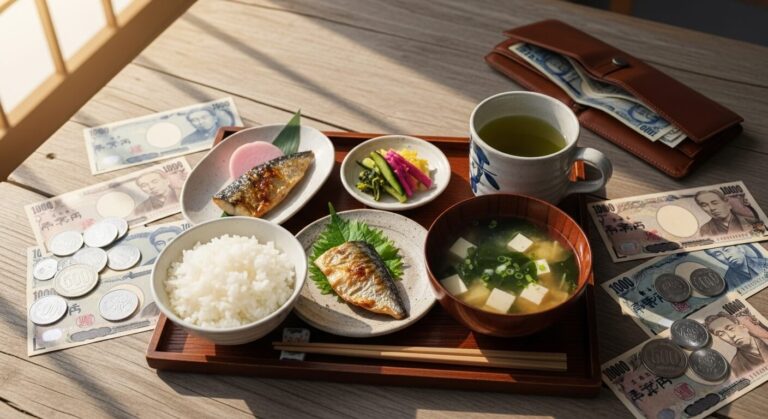
A ¥1,000 budget buys standing sushi, rich tonkotsu ramen, or a full izakaya lunch set.
This guide covers every category locals rely on, from konbini karaage to university curry houses, so you eat well without the tourist markup.
Key Highlights
Hide- Convenience stores offer hot food like karaage, onigiri, and nikuman for ¥150-¥500, with quality options at Seven-Eleven, FamilyMart, and Lawson.
- Department store basement food courts serve ramen, sushi, and tempura under ¥1,000, with post-5 PM discounts at locations like Isetan.
- Yatai stalls and night markets in Shibuya and Shinjuku serve takoyaki and yakitori for ¥500-¥800, open late near train stations.
- Ramen shops across Tokyo offer tonkotsu and tsukemen bowls from ¥500-¥800, with ¥100 noodle refills maximizing value.
- University districts like Waseda and Takadanobaba feature curry houses and student cafeterias serving generous portions for ¥500-¥800.
Tokyo Convenience Store Food: Better Than You Think

Japan’s convenience stores — Seven-Eleven, FamilyMart, and Lawson — serve hot, freshly prepared food from dedicated counters found in every branch across Tokyo. Prices range from ¥150 to ¥500 per item, making konbini one of the most reliable cheap eats options in the city.
Each store runs a hot food counter stocked with karaage chicken, nikuman pork buns, croquettes, and onigiri rice balls. Items rotate seasonally, so there is almost always something new to try alongside the permanent favourites.
The three chains compete fiercely on quality, which works in your favour. Seven-Eleven’s nikuman costs ¥150. FamilyMart’s Famichiki fried chicken is ¥180. Lawson’s Karaage-kun crispy chicken nuggets are ¥216, and their premium tuna mayo onigiri is ¥150.
- Tokyo Obon Festival: Understanding Japan’s Ghost Festival
- Tokyo Electronics Shopping: Akihabara vs. Yodobashi Camera
- Useful Japanese Travel Phrases to Know Before Traveling to Tokyo
- Summer Matsuri Guide: Summer Festival Tips in Tokyo
- Tokyo Typhoon Season: Safety Tips & Indoor Backup Plans
- JR Pass vs. Tokyo Metro Pass: The Smart Traveler’s Guide to Choosing Your Perfect Rail Pass
For a full meal under ¥500, combine one hot item with an onigiri and a carton of miso soup — all available at the same counter.
Convenience stores in Tokyo are open 24 hours, making them the default option for late-night cheap eats in Tokyo when other venues have closed.
Tokyo Trip Add-Ons
Equip yourself for the ultimate Tokyo adventure with the following add-ons, curated just for you.








Seven-Eleven
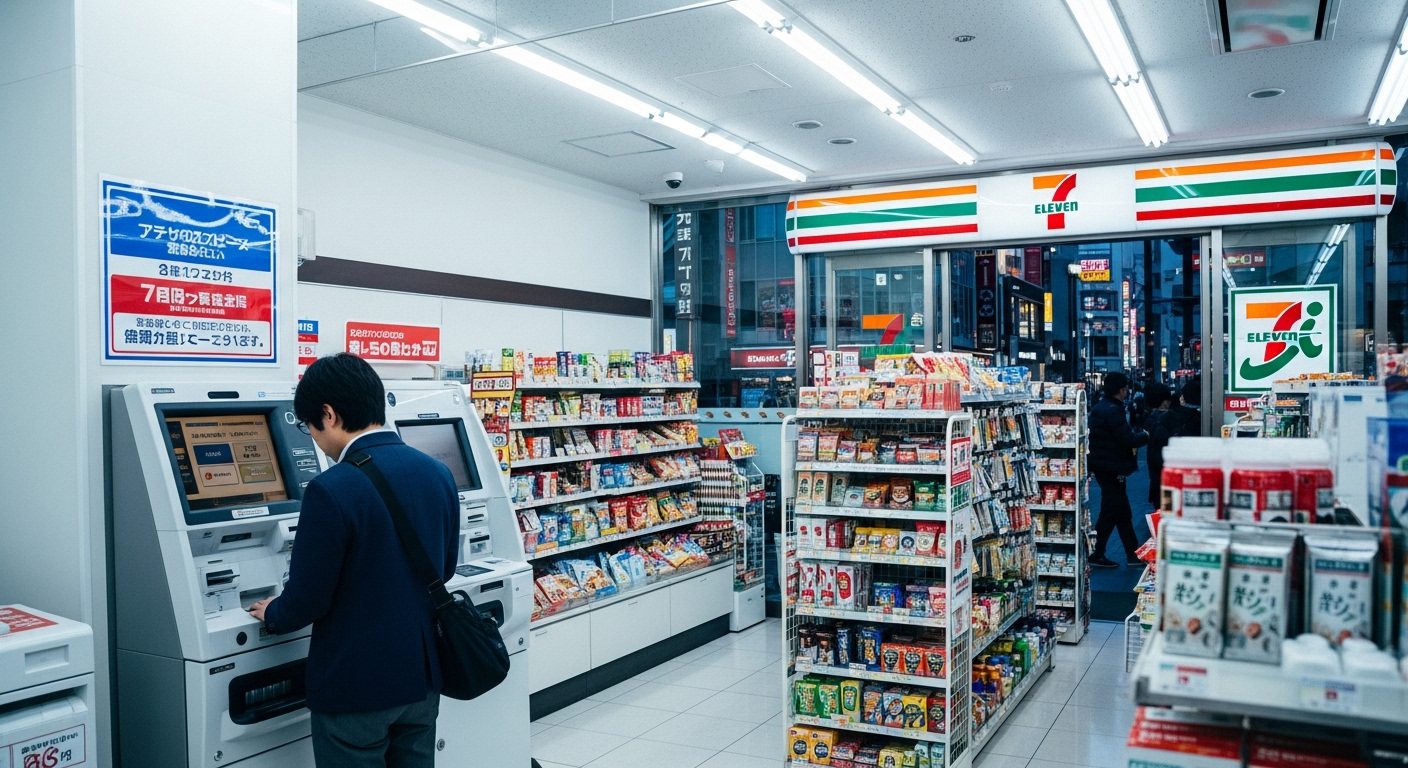
Seven-Eleven’s hot food counter is stocked from 11 AM onward with karaage chicken, hash browns, and steamed nikuman pork buns at ¥150 each. The fried chicken is consistently ranked among the best fast-food karaage in Tokyo by local food media.
The onigiri range includes over 20 varieties at most branches, priced between ¥130 and ¥200. Salmon, tuna mayo, and kombu are perennial bestsellers.
FamilyMart
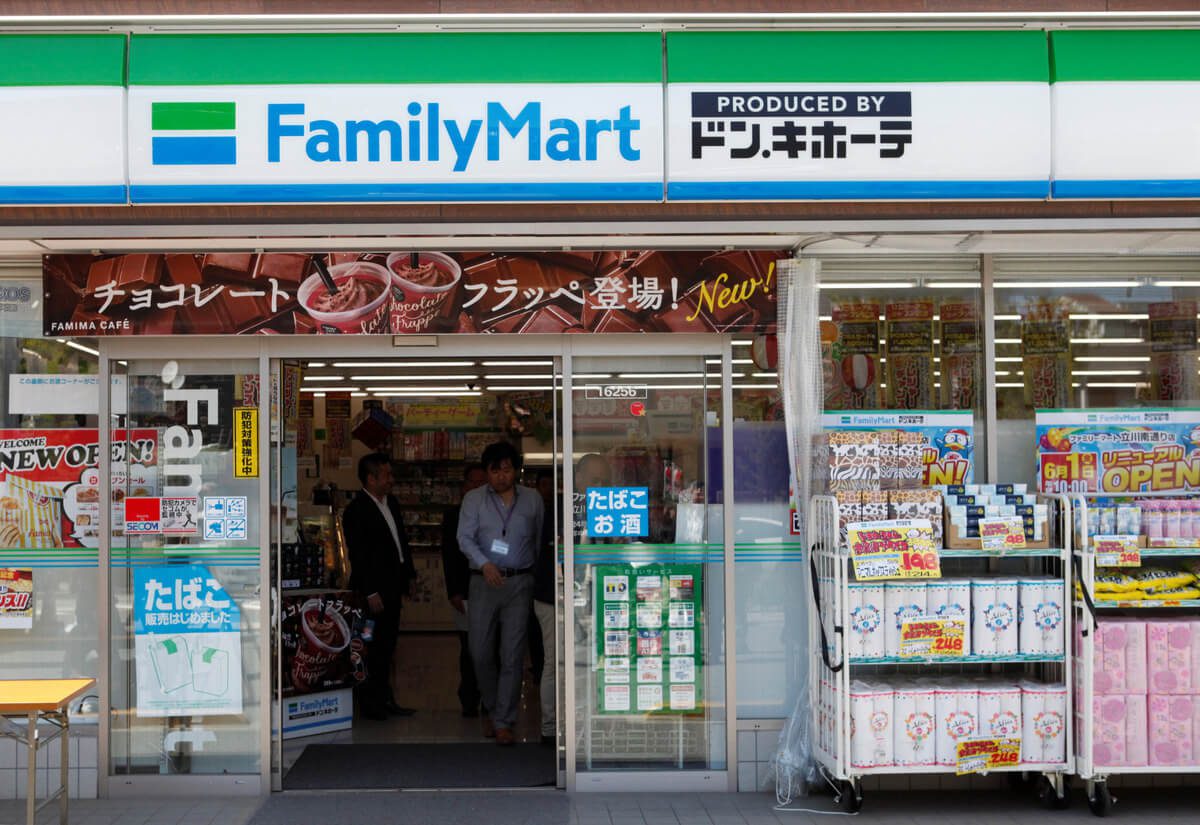
FamilyMart’s signature product is the Famichiki, a bone-in fried chicken piece sold for ¥180. It has a dedicated following among Tokyo office workers and students.
The chain also stocks a strong range of chilled pasta dishes, sandwiches, and hot soups, most priced under ¥400. FamilyMart recently updated its packaging to reduce plastic use without changing portion sizes.
Lawson
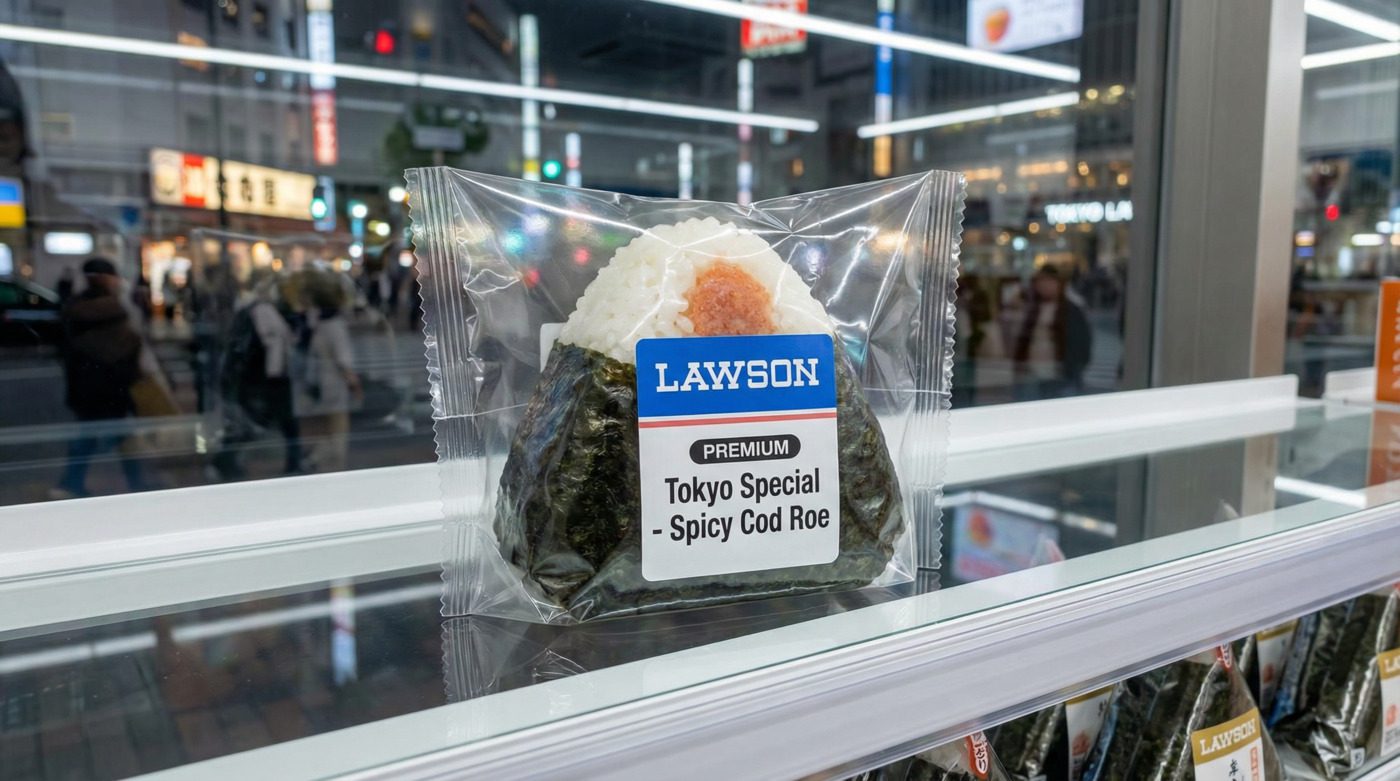
Lawson stands out for its onigiri creativity. The “Devil’s Onigiri” — spicy cod roe and seaweed — costs ¥198 and regularly sells out by early afternoon at busy branches.
The Karaage-kun nuggets (¥216 for a small box) come in regular, red (spicy), and cheese flavours. Lawson also carries a premium “Uchi Café” dessert line with items under ¥300, useful for a budget sweet finish.
Is Depachika Worth It for Budget Eating?
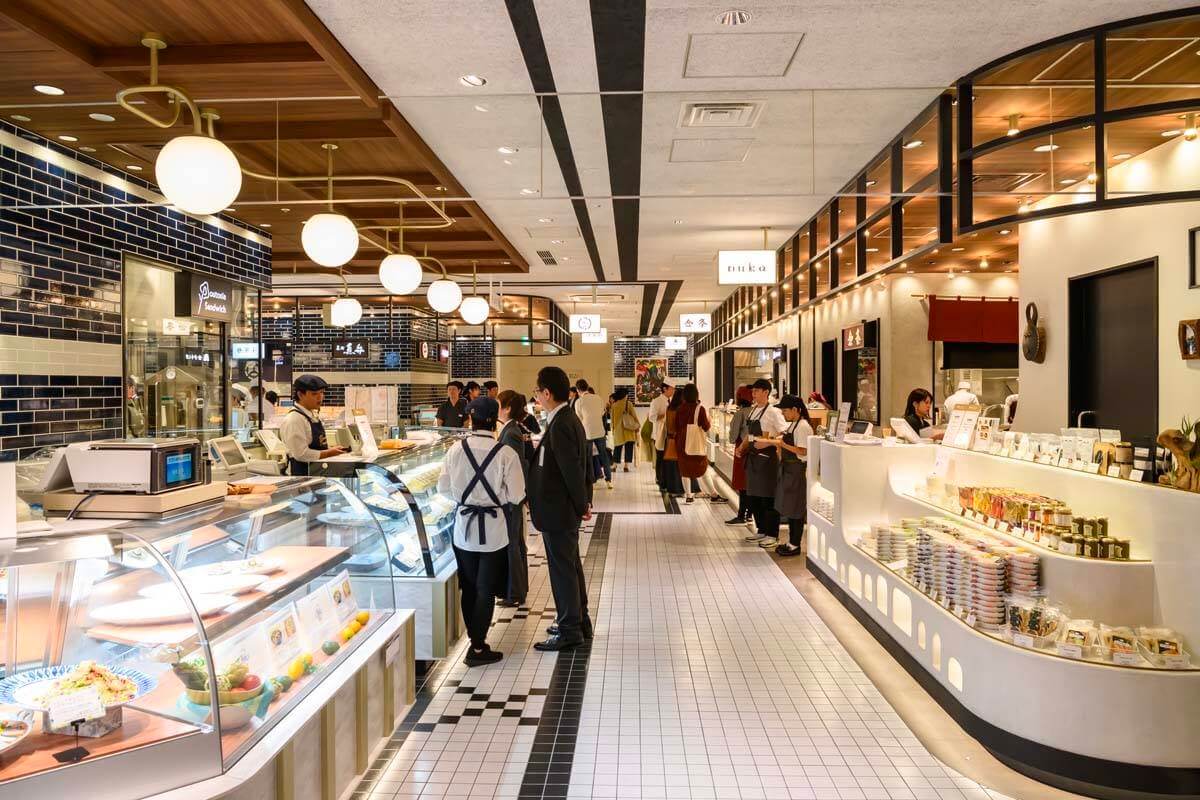
Yes — Tokyo’s department store basement food halls (depachika) offer restaurant-quality meals for under ¥1,000, with post-5 PM discounts of 20–50% on prepared foods at stores including Isetan, Mitsukoshi, and Takashimaya.
Depachika are the basement floors of major department stores, dedicated entirely to food. They combine takeaway counters, standing dining areas, and specialty stalls selling everything from sushi to tempura to bento boxes.
The best strategy is to arrive after 5 PM, when vendors discount unsold prepared foods to clear stock before closing. A ¥1,200 bento can drop to ¥600. Tempura sets marked at ¥900 at lunch often sell for ¥450 by 7 PM.
Mitsukoshi Nihombashi
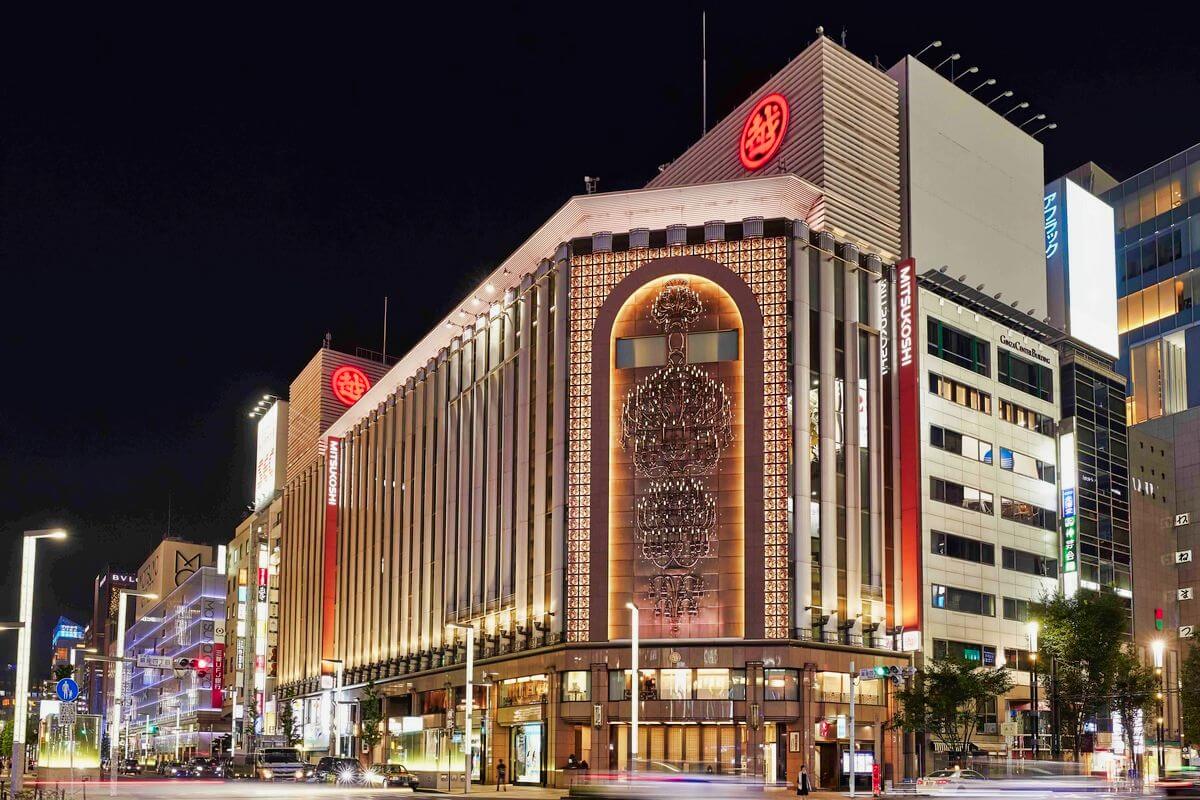
Mitsukoshi’s flagship Nihombashi store houses a standing sushi counter in its basement where nigiri is prepared to order. Prices run around ¥800 for a set of six pieces during lunch hours, with tuna, salmon, and seasonal fish available daily.
The counter seats approximately 12 people standing. No reservation is needed — join the queue, point at the fish you want, and pay at the end. English menus are available on request.
Isetan Shinjuku
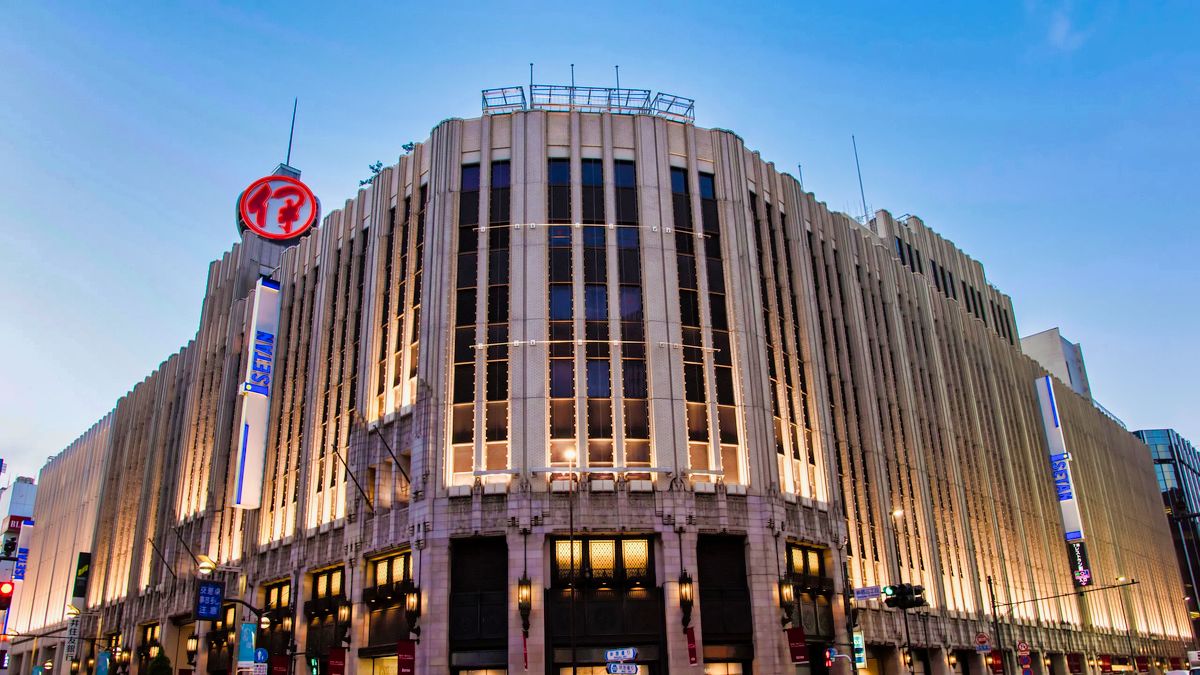
Isetan’s Shinjuku basement is one of the largest depachika in Tokyo, spanning two floors. The tempura station on the B2 level sells individual pieces from ¥150 and set boxes from ¥700.
After 7 PM, staff apply yellow discount stickers to remaining stock. Arriving at this time is a reliable way to eat high-quality tempura — shrimp, sweet potato, lotus root — for under ¥500 total.
Tokyo Station’s Underground Food Halls
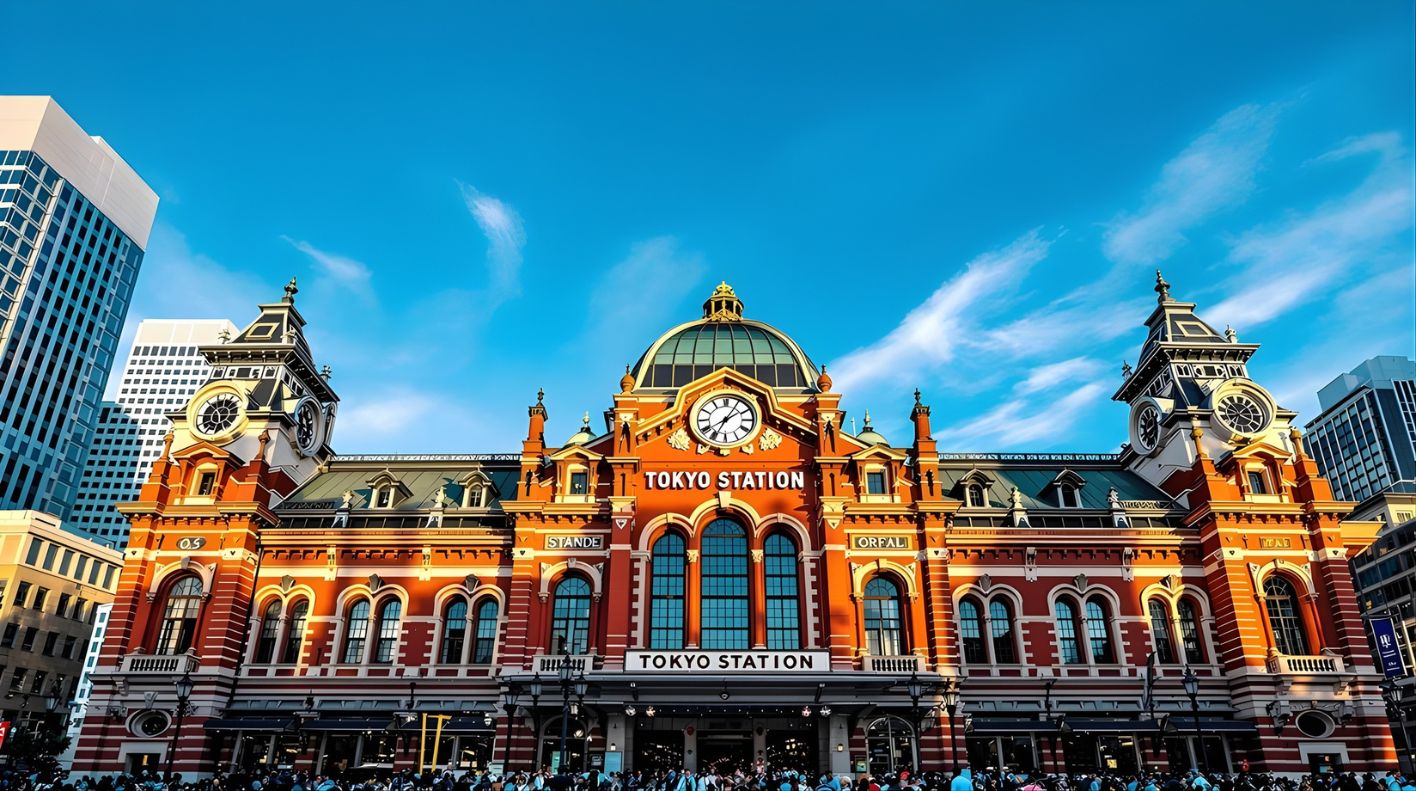
Tokyo Station’s underground concourse connects to multiple depachika-style food halls including Gransta and Daimaru’s basement. Together they house over 100 food vendors.
Options include fresh sushi conveyor belts, gyoza stands, yakitori counters, and regional bento boxes from across Japan. Most individual items are priced under ¥1,000. The area is busiest between 7 AM and 9 AM and again from 5 PM to 8 PM on weekdays.
Yatai Food Stalls and Street Food
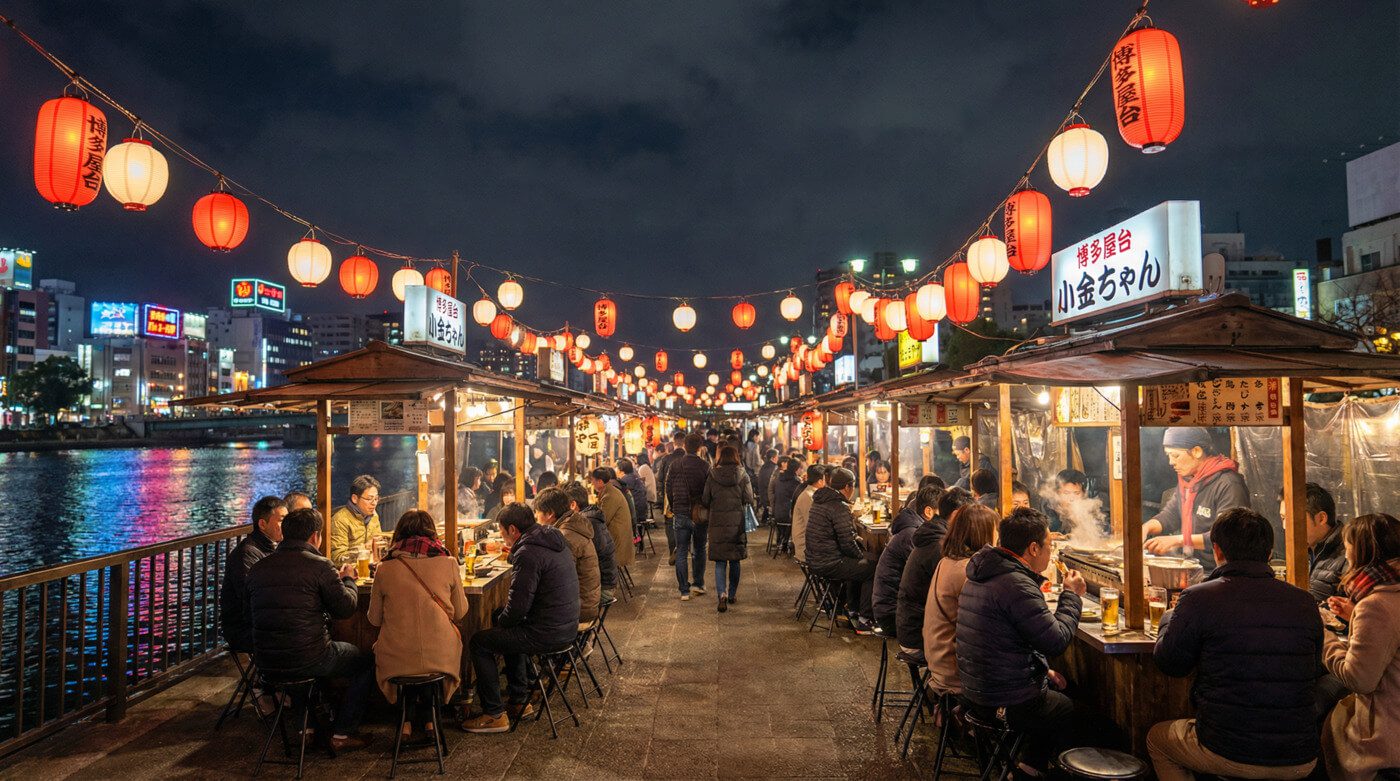
Tokyo’s yatai — small mobile food stalls — operate near train stations, in covered market streets, and at night markets throughout the city. Prices typically run ¥300 to ¥800 per item, and most stalls are cash only.
Yatai are most active in the evenings from around 6 PM, though some market-based stalls open from mid-morning. They serve the same food that local workers grab on the way home: takoyaki, yakitori, taiyaki, and grilled corn.
Omoide Yokocho, Shinjuku
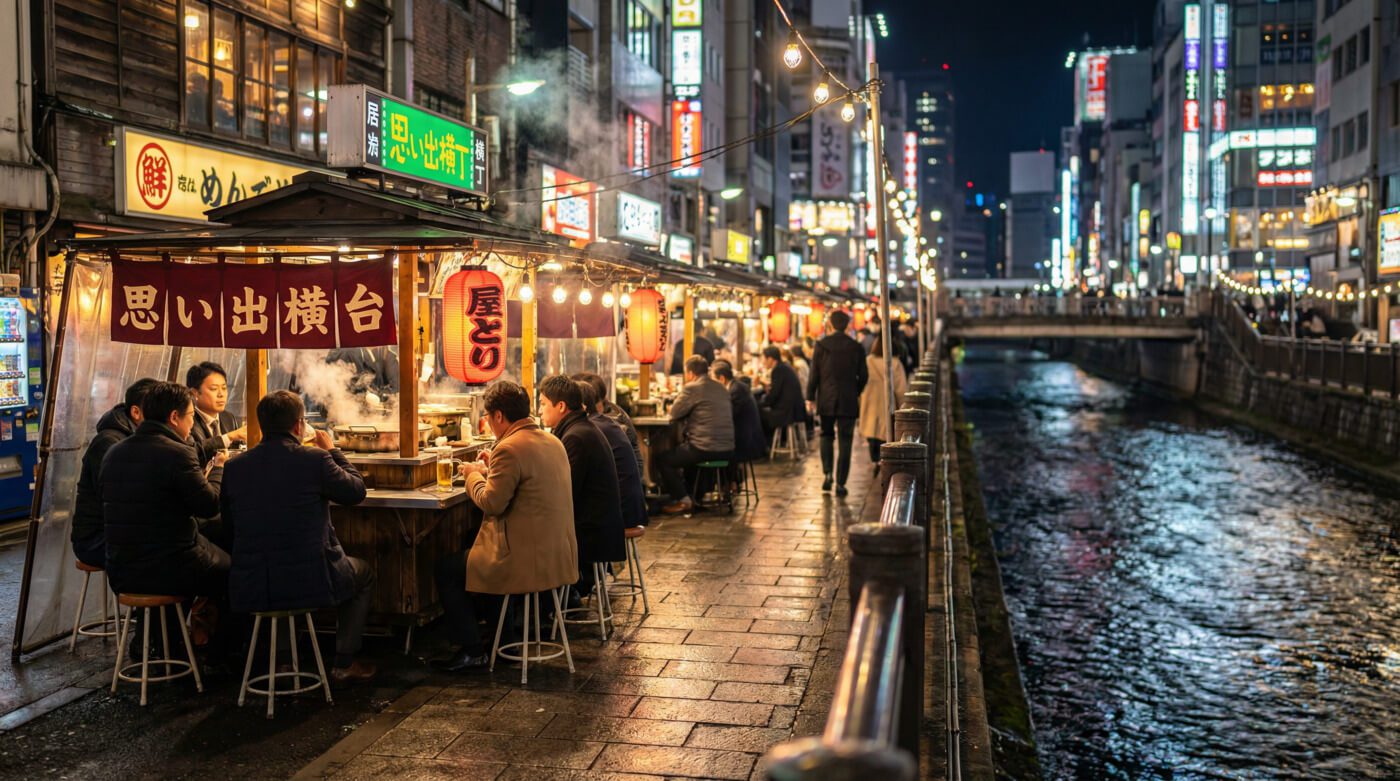
Omoide Yokocho — known in English as Memory Lane — is a narrow alley behind Shinjuku Station’s west exit packed with around 60 tiny stalls and restaurants. It dates to the postwar period and retains its original low-ceiling, smoke-filled atmosphere.
Yakitori skewers here cost ¥150 to ¥250 each. A meal of six skewers and a beer comes to around ¥800 to ¥1,000 total. The stalls specialise in chicken offcuts — hearts, gizzards, neck meat — grilled over charcoal. Most stalls open from 5 PM and close around midnight.
For more on navigating Tokyo’s dining neighbourhoods, see our guide to Tokyo’s best food districts and cuisines.
Shibuya’s Late-Night Takoyaki Stands

Takoyaki vendors set up near Shibuya Station’s Hachiko exit from around 9 PM. Six pieces of octopus-filled batter balls cost ¥500 to ¥700, topped with bonito flakes, mayonnaise, and takoyaki sauce.
The stalls typically operate until 2 AM to 3 AM on weekends, making them one of the few cheap eats options in Shibuya after midnight. Watch the vendors rotate each ball with metal picks — the technique takes years to master.
Ameya-Yokocho Market, Ueno

Ameya-Yokocho (Ameyoko) is a covered market street running beneath the JR tracks between Ueno and Okachimachi stations. It has operated since the postwar black market era and now houses around 400 shops and stalls.
Yakitori skewers start at ¥300. Korean bibimbap bowls are available from ¥700 to ¥800. Several stalls sell fresh fruit skewers and taiyaki fish-shaped cakes for ¥200 to ¥350. The market runs from approximately 10 AM to 8 PM daily, with some stalls staying open later.
Ramen Shops: Where to Eat for ¥500–¥800
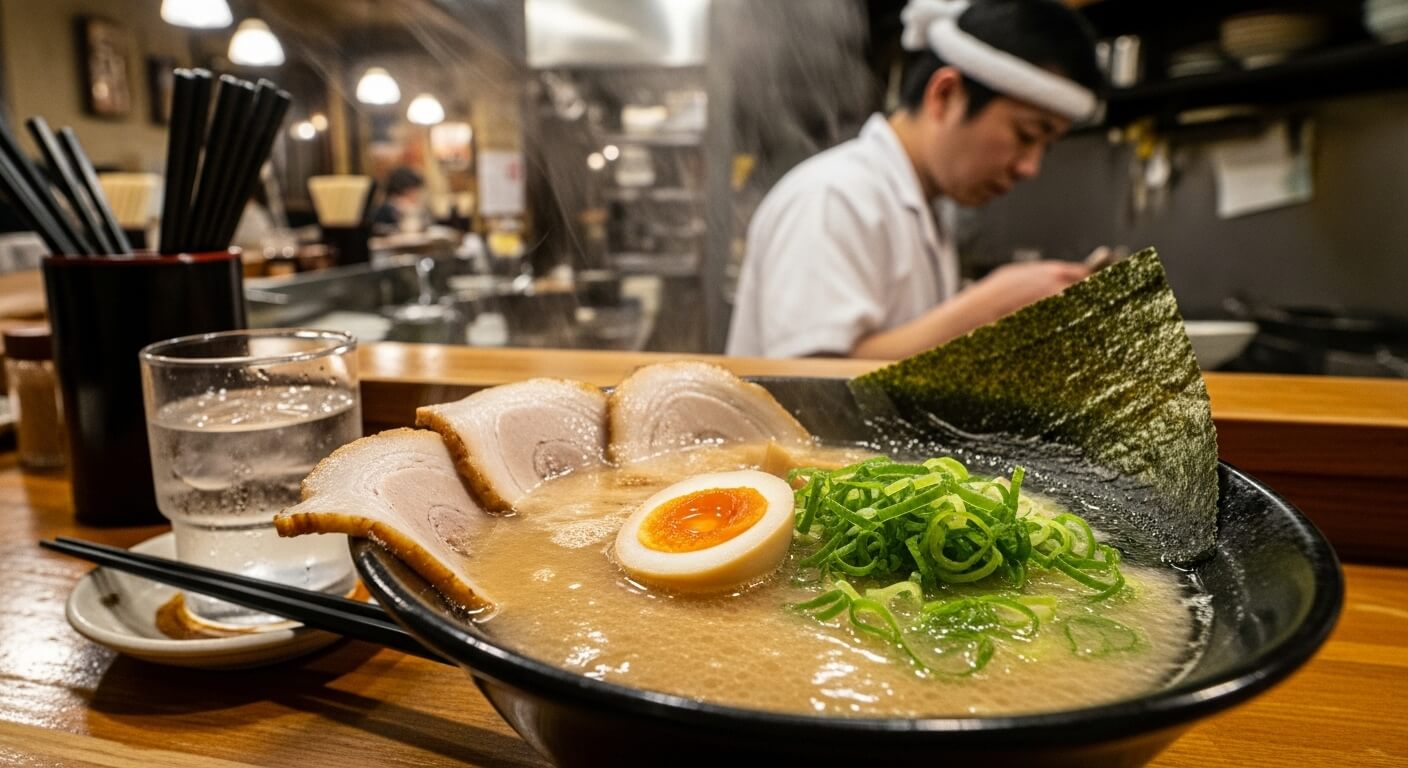
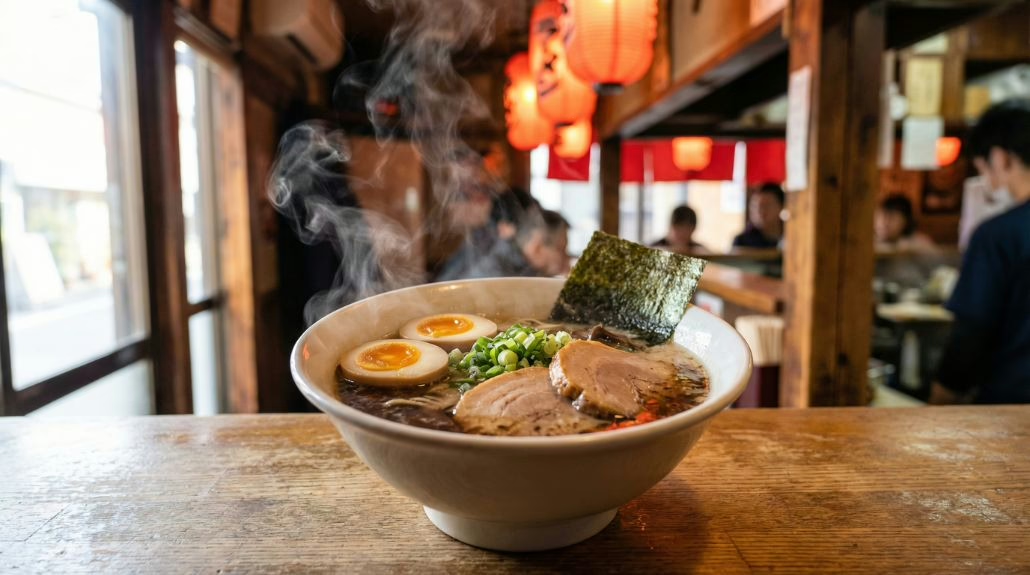
Tokyo’s neighbourhood ramen shops serve bowls of tonkotsu, shoyu, miso, and tsukemen for ¥500 to ¥800. Most offer kaedama — an extra noodle refill — for ¥100, making them one of the highest-value cheap eats options in the city.
The best-value ramen is found away from major tourist intersections. Side streets in Shinjuku, Harajuku, and Shibuya consistently offer lower prices than shops on main shopping streets.
Shinjuku’s Ramen Alleys
Shinjuku concentrates some of Tokyo’s best-value ramen within a few blocks of the station. Omoide Yokocho’s ramen counters serve tonkotsu bowls for ¥680 to ¥780, with pork bones simmered for 18 or more hours.
Golden Gai — the cluster of tiny bars north of Shinjuku Station — transforms during lunch hours (11 AM to 2 PM) into a ramen destination. Several bars serve bowls for ¥500 to ¥700 before switching to their evening drinks menu. Arriving at lunchtime avoids the evening crowds and higher prices.
For tips on ordering and paying at ramen counters, our Tokyo ramen shop etiquette guide covers everything you need to know.
Harajuku and Shibuya’s Student Ramen Spots
Cat Street — the pedestrian lane connecting Harajuku to Shibuya — has developed a cluster of ramen shops catering to the area’s student and young professional population. T’s TanTan serves sesame-based vegetarian ramen for ¥750. Afuri offers a vegan yuzu shio bowl for ¥890. Soranoiro’s vegetable-packed bowl is ¥800.
Center Gai, Shibuya’s main youth shopping street, has several 24-hour ramen counters where bowls start at ¥500. These spots are busiest between midnight and 4 AM on weekends, when they serve a mix of night-shift workers and late-night diners.
Tsukiji Outer Market
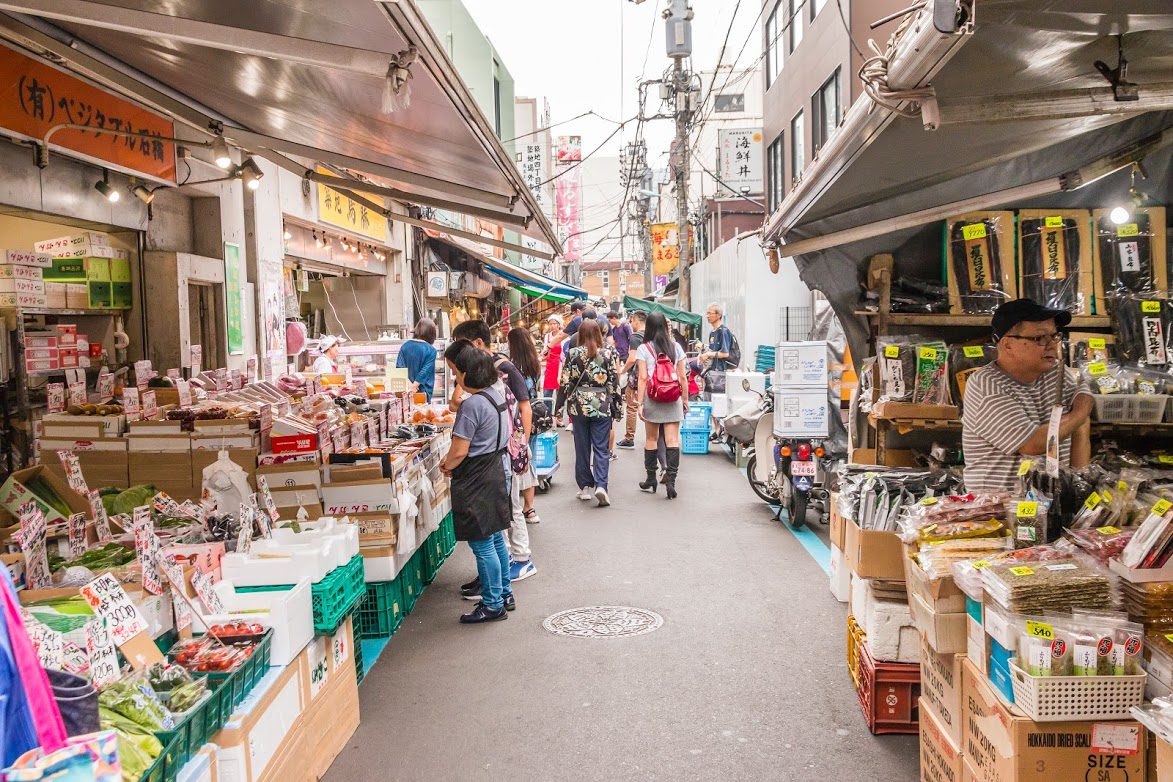
Tsukiji Outer Market operates daily from approximately 5 AM to 2 PM, with most stalls at their busiest between 6 AM and 10 AM. It remains one of Tokyo’s top destinations for fresh, affordable seafood despite the inner wholesale market relocating to Toyosu in 2018.
Fresh sashimi don bowls — piled with tuna, salmon, and seasonal fish — are available from multiple vendors for under ¥900. Arriving before 8 AM gives the best selection. By 10 AM, popular items often sell out.
Tagoyaki (sweet Japanese rolled omelette) stands line the main market street. A full tamagoyaki costs ¥500 to ¥700 depending on size, and most vendors offer free samples. The egg is cooked fresh to order on rectangular iron pans.
For a broader look at Tokyo’s seasonal food scene, the Tokyo autumn food guide covers market specialties available in cooler months.
University Districts: Cheap Eats Around Waseda and Todai
Tokyo’s university neighbourhoods consistently offer the lowest restaurant prices in the city. Competition for student customers keeps portions large and prices low, with most meals available for ¥500 to ¥800.
Takadanobaba and the Waseda Area
Takadanobaba, the neighbourhood surrounding Waseda University, is widely regarded as one of Tokyo’s best areas for budget curry. Multiple curry houses compete directly for student customers, resulting in large portions at low prices.
Baba Curry serves monster-sized portions for under ¥800. Spice Magic offers customisable heat levels from mild to extreme. Several shops have been operating for over 20 years, feeding successive generations of Waseda students.
Waseda’s student cafeterias (shokudo) are open to the public. A standard lunch set — rice, miso soup, a main dish, and a side — costs ¥500 to ¥600. The cafeterias are open on weekdays during term time, typically from 11 AM to 2 PM.
Hongo and the Todai Area
The streets surrounding Tokyo University (Todai) in Hongo are packed with long-established family-run restaurants that have fed students for decades. Teishoku set meals — a main dish with rice, miso soup, and pickles — cost ¥700 to ¥900 at most spots.
The area also has a concentration of affordable Chinese restaurants, many operating from basement premises, serving gyoza, mapo tofu, and fried rice for under ¥800. Several have been run by the same families since the 1970s.
Cafes around the Hongo campus offer coffee and light meals at prices below the Tokyo average. Many welcome non-students and stay open through the afternoon, making them useful rest stops during a walking tour of the area.
If you’re exploring Tokyo on a tight budget more broadly, our list of free things to do in Tokyo pairs well with this eating guide.
Do Izakayas Offer Good Value for Lunch?
Yes — many Tokyo izakayas serve weekday lunch sets for ¥700 to ¥1,000, including a main dish, rice, miso soup, and pickles. These sets are separate from the evening menu and represent some of the best-value sit-down meals in the city.
Izakayas in business districts like Marunouchi, Shimbashi, and Shinjuku compete for the salaryman lunch crowd, which keeps prices low and portions generous. The same venues switch to their evening drinks-and-small-plates format after 5 PM.
Business District Lunch Sets
Marunouchi, the corporate district east of Tokyo Station, has dozens of izakayas and teishoku restaurants targeting office workers. Lunch sets here typically include grilled fish or a meat main, rice, miso soup, and a small salad for ¥800 to ¥1,000.
Ginza’s side streets and basement floors hide affordable lunch options despite the district’s luxury reputation.
Standing soba bars serve hot or cold noodle sets for ¥600 to ¥800. Several department store basement restaurants offer lunch-only set menus at prices 30 to 40% below their dinner equivalents.
For more enjoying, fun evening without breaking the bank, try to find happy hour near you around Tokyo.
After-Work Drinking on a Budget
Tokyo’s tachinomi (standing bar) culture offers one of the cheapest ways to eat and drink after 5 PM. Standing bars in Ebisu, Shimbashi, and Yurakucho serve draft beer from ¥300 and small plates (yakitori, edamame, pickles) for ¥200 to ¥400 each.
Ikebukuro’s izakayas near the west exit regularly offer nomihōdai (all-you-can-drink) packages for ¥1,000 to ¥1,500 for two hours, usually including unlimited beer, highballs, and soft drinks alongside a food menu.
For neighbourhood-specific drink deals, our Tokyo happy hour guide lists the best offers by area.
Chain Restaurants Worth Eating At
Tokyo’s budget chain restaurants deliver consistent quality at prices that rival convenience stores. Yoshinoya, Sukiya, Tenya, and Katsuya each have dozens of branches across the city and serve complete meals for ¥500 to ¥900.
Yoshinoya and Sukiya
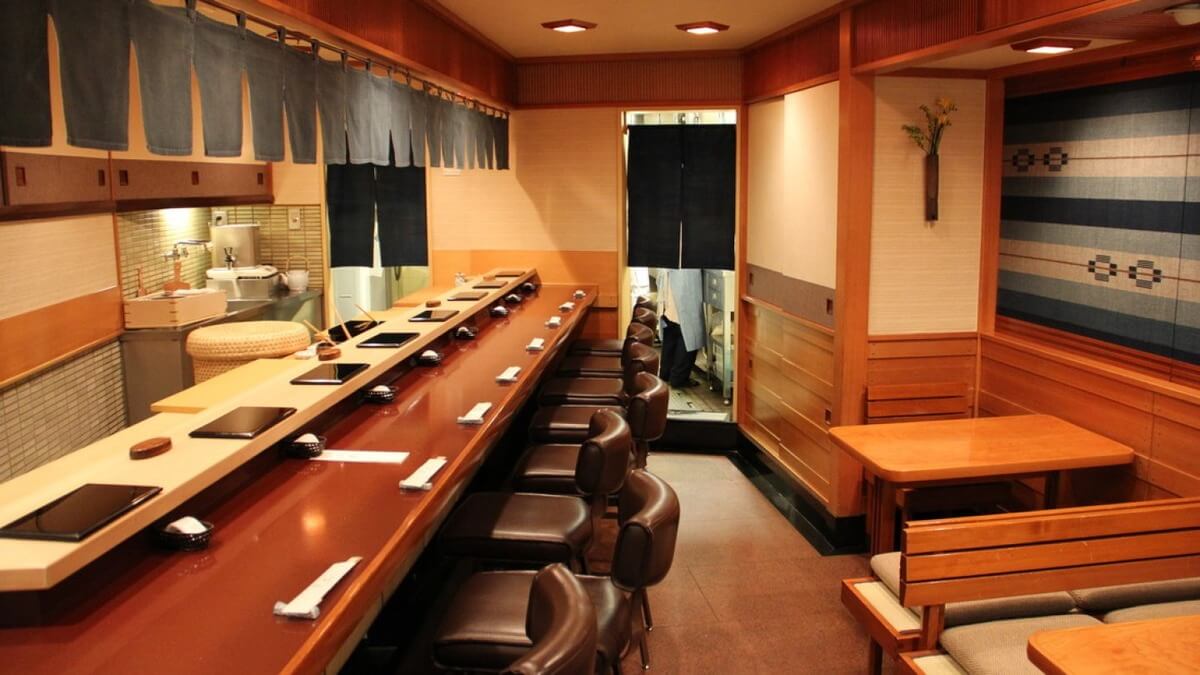
Both chains specialise in gyudon — beef bowl — served over steamed rice. A standard bowl at Yoshinoya costs ¥468.
Sukiya’s equivalent is ¥430. Both include free miso soup refills at most branches.
Limited-time menu items rotate every six to eight weeks and often feature regional ingredients or fusion toppings such as Korean-style gochujang beef or Hokkaido cheese.
Tokyo branches sometimes test exclusive items before national rollout, so the menu at a Shinjuku or Shibuya location may differ from branches in other cities.
Tenya and Katsuya
Tenya serves tempura teishoku sets — a selection of fried shrimp, vegetables, and fish over rice with miso soup and pickles — for ¥790 to ¥890.
The chain uses fresh ingredients and fries to order, which distinguishes it from fast-food tempura.
Katsuya’s tonkatsu (breaded pork cutlet) sets start at ¥690 and include rice, miso soup, and shredded cabbage.
Both chains offer seasonal specials: Tenya’s autumn matsutake mushroom tempura and Katsuya’s winter oyster katsu are popular enough that regular customers plan visits around them.
Lunch sets at both chains represent better value than ordering à la carte. The set format — main, rice, soup, pickles — provides a complete meal for under ¥900 at most branches.
Late-Night Cheap Eats in Tokyo
Tokyo’s best late-night budget food is found in residential neighbourhoods, not tourist districts.
Venues near apartment clusters serve proper hot meals for ¥500 to ¥800 around the clock, while equivalent spots in Shibuya or Roppongi’s main streets charge significantly more for smaller portions.
24-Hour Spots in Residential Areas
Akasaka’s 24-hour udon shops serve handmade noodle bowls for under ¥700. Tempura udon — thick noodles in dashi broth topped with a fried prawn — is the standard order and costs around ¥650 at most counters.
Roppongi’s residential side streets (not the main Roppongi crossing area) have gyudon joints and ramen counters open until dawn. These spots charge local prices because their customer base is primarily taxi drivers, night-shift workers, and residents rather than tourists.
Late-night kissaten (old-style coffee shops) in Akasaka and Shinjuku serve thick toast with butter and a coffee for around ¥500. Many have been operating since the 1970s and maintain the same menu and prices.
How Do Vending Machine Restaurants Work in Tokyo?
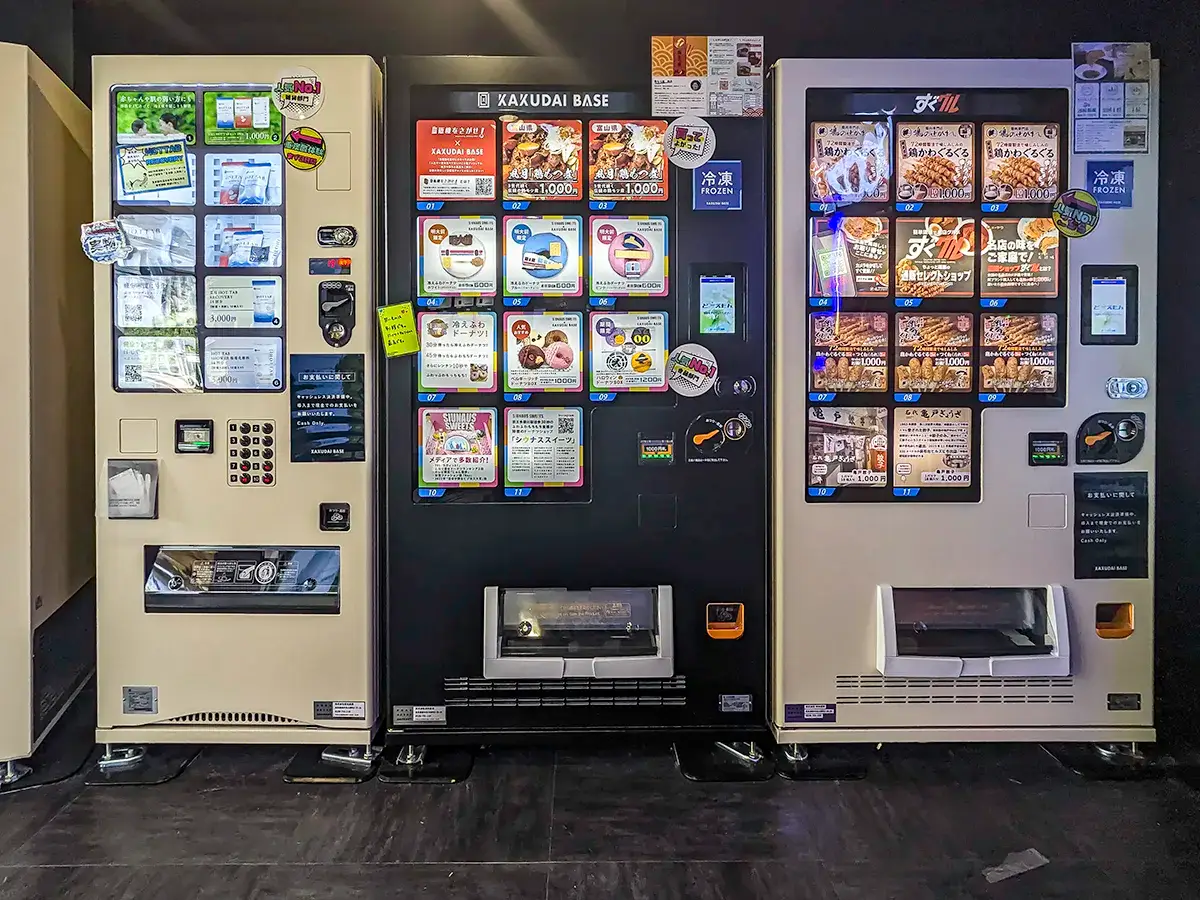
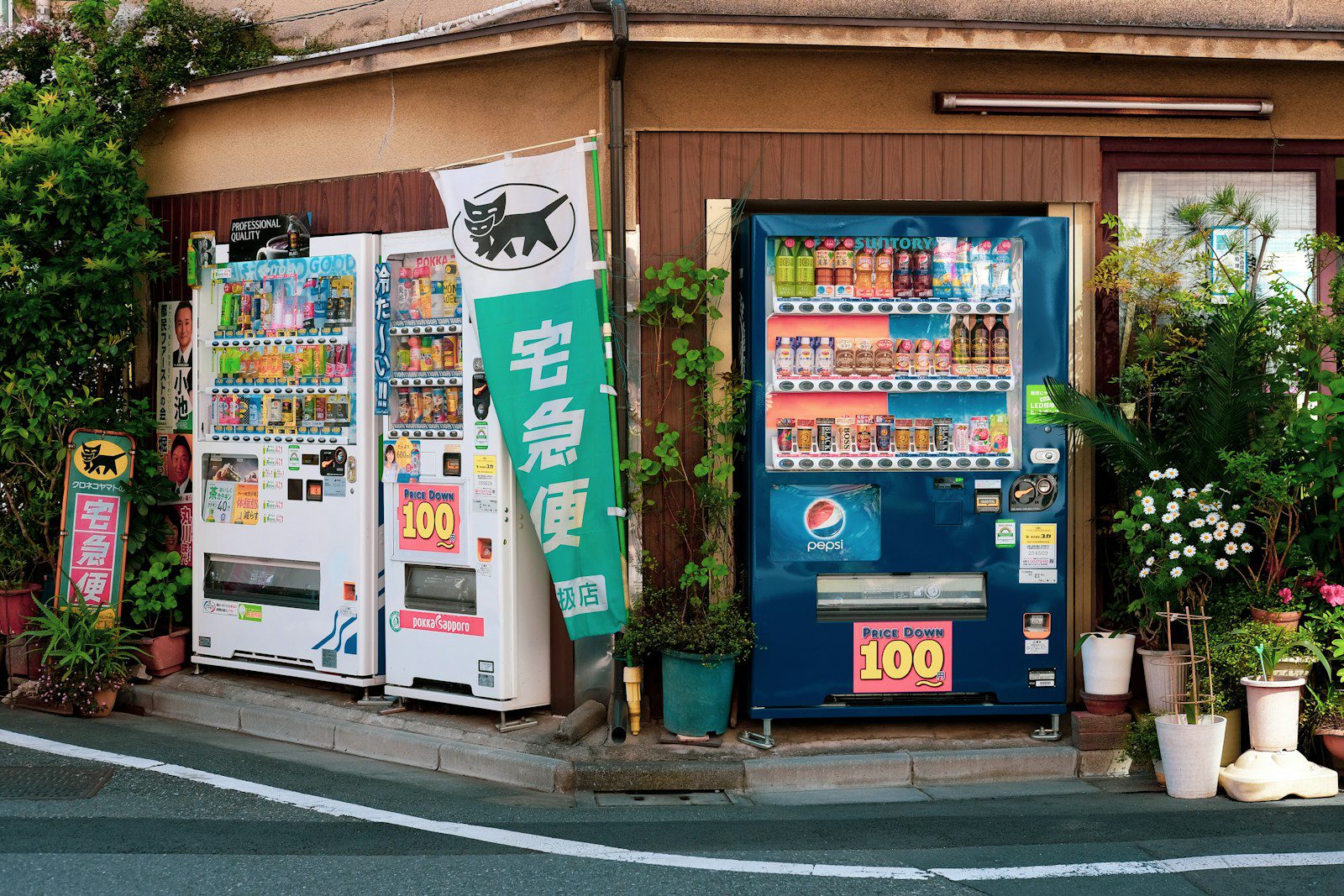
Vending machine restaurants — called shokken-ki or ticket-machine restaurants — require you to buy a meal ticket from a machine at the entrance, then hand it to the kitchen staff. The system is common at ramen shops, gyudon chains, and udon counters across Tokyo.
The process is straightforward: select your meal on the machine’s touchscreen or button panel, pay (cash or IC card at most machines), receive a printed or physical ticket, and hand it to the counter staff when you sit down. Many machines now have English-language options.
Some fully automated vending machine restaurants dispense hot food directly — ramen cups, fried chicken, and hamburgers — for ¥400 to ¥600. These are most common near train stations and in residential areas, and are stocked and temperature-monitored daily.
Wrapping Up
Tokyo’s best cheap eats hide exactly where budget travelers fear to look—those crowded basement food courts, tiny ramen counters, and student-packed side streets.
Funny how avoiding tourist traps leads straight to authentic flavor!
Armed with this guide, ¥1,000 becomes a passport to incredible meals.
So ditch the guidebook restaurants and follow the salarymen, students, and locals. Trust me, your wallet and taste buds will thank you!
Frequently Asked Questions (FAQs)
Can tourists use university cafeterias in Tokyo?
Yes. Cafeterias at Waseda University and Tokyo University (Todai) are generally open to the public during weekday lunch hours in term time. A standard set meal costs ¥500 to ¥600. Check the university’s website for current opening hours before visiting.
What is the cheapest full meal you can buy in Tokyo?
A full meal — main dish, rice, and miso soup — can be found for as little as ¥430 at gyudon chains like Sukiya. University cafeterias serve complete set meals for ¥500 to ¥600.
Convenience store combinations of an onigiri, hot item, and miso soup cost around ¥400 to ¥500.
Are Tokyo convenience store meals safe to eat?
Yes. Japanese convenience store food is subject to strict food safety regulations. Hot items are held at regulated temperatures and labelled with preparation times.
Chilled items display clear use-by dates. Seven-Eleven, FamilyMart, and Lawson all operate under Japan’s Food Sanitation Act.
Do Tokyo ramen shops have English menus?
Many do, particularly in tourist-heavy areas like Shinjuku, Shibuya, and Harajuku.
Shops in residential neighbourhoods are less likely to have English menus, but most display photographs of dishes on the wall or on the ticket machine. Pointing at a photo is universally understood.
What time do depachika discounts start?
Most department store basement food halls begin discounting prepared foods between 5 PM and 7 PM, with the deepest discounts (30 to 50% off) appearing in the final 30 to 60 minutes before closing, typically around 7:30 PM to 8 PM.
Isetan Shinjuku and Mitsukoshi Nihombashi both follow this pattern.
Is cash required at yatai food stalls in Tokyo?
Most yatai stalls are cash only. Carry small bills (¥500 and ¥1,000 notes) when visiting Omoide Yokocho, Ameya-Yokocho, or late-night takoyaki stands.
Some larger market stalls now accept IC cards (Suica or Pasmo), but this is not universal.
For help managing payments in Tokyo, see our guide to Tokyo QR code payments and digital menus.
What is kaedama and which ramen shops offer it?
Kaedama is an extra noodle refill served in the remaining broth from your original bowl. It costs ¥100 at most tonkotsu ramen shops and is most common in Hakata-style ramen restaurants.
To order, call out “kaedama” to the counter staff when your bowl is nearly empty. Not all ramen styles offer it — it is standard at tonkotsu shops but rare at shoyu or miso ramen counters.