
3-Day Luxury Tokyo Escape for Couples
A romantic and indulgent 3-day getaway in Tokyo for couples, featuring upscale dining, iconic sights, and intimate experiences.
3 Days
Couples
Luxury
Romantic Getaway
Estimated Cost: ¥294,200
Trip Overview
Experience a romantic and luxurious three-day escape in Tokyo designed specifically for couples.
This memorable getaway includes dining at some of the city’s most exquisite restaurants, exploring Tokyo’s iconic landmarks such as the Tokyo Tower and Shibuya Crossing, and enjoying a range of intimate activities like private boat rides on the Sumida River and serene moments in traditional Japanese gardens.
Each day is thoughtfully planned to blend upscale dining experiences with visits to renowned sights, ensuring couples have the opportunity to create lasting memories together in one of the world’s most vibrant and enchanting cities.
Duration
3 Days
Ideal For
Couples
Budget Level
Luxury
Theme
Romantic Getaway
3-Day Luxury Tokyo Escape: A Romantic Couple’s Guide – There’s something magical about experiencing Tokyo with someone you love.
The city’s blend of ancient tradition and cutting-edge modernity creates the perfect backdrop for romance.
Our carefully crafted 3-day luxury itinerary takes you through the most romantic spots in Tokyo, from peaceful gardens to world-class dining experiences.
Designed for couples seeking a premium experience, this short but sweet getaway combines iconic landmarks with intimate moments, all while indulging in the finest experiences Japan’s capital has to offer.
Day 1: Romantic Beginnings in Shinjuku and Shibuya
Your luxury Tokyo adventure begins with a perfect balance of tranquility and excitement as we guide you through some of the city’s most iconic districts.
Morning Serenity at Shinjuku Gyoen National Garden
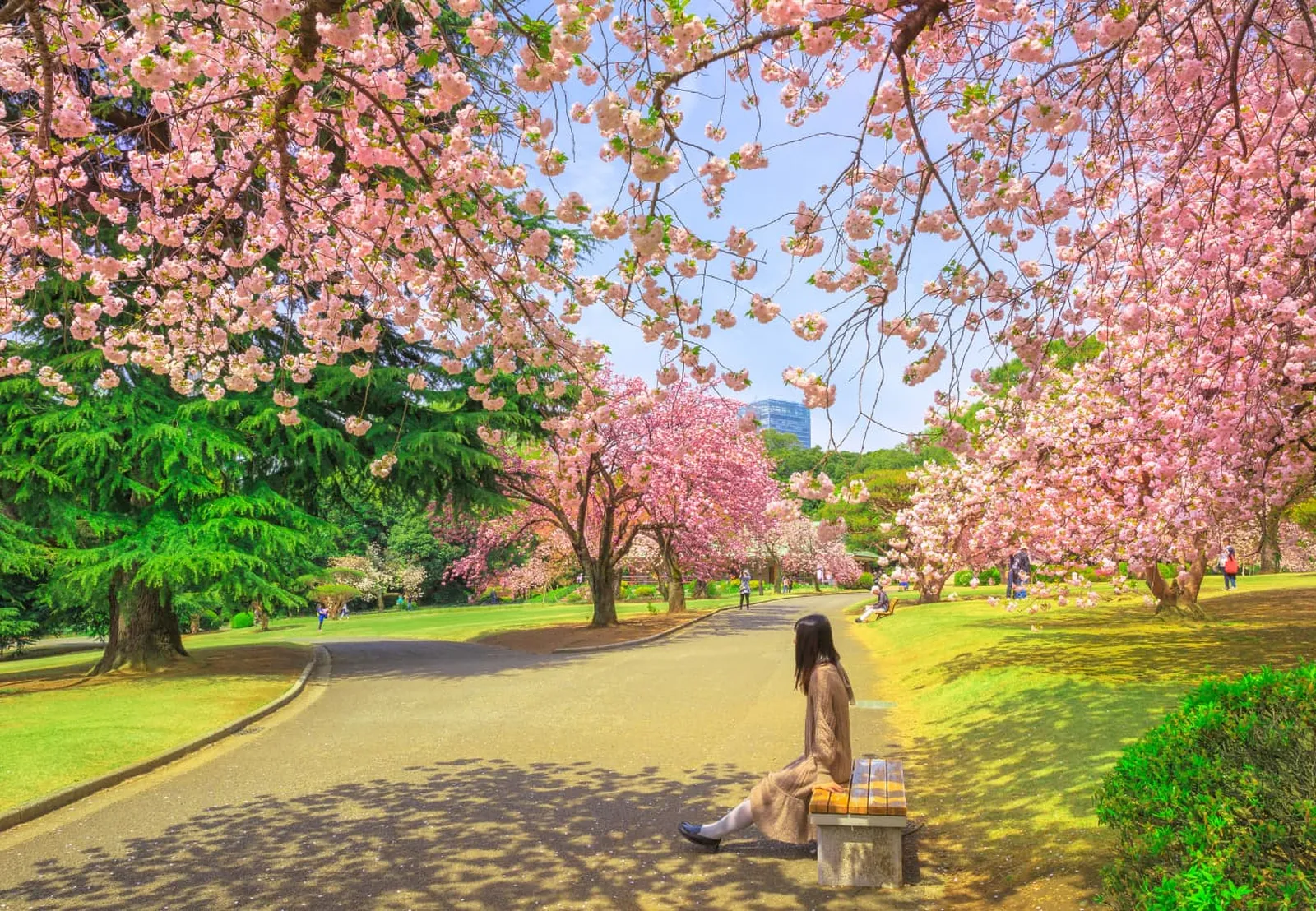
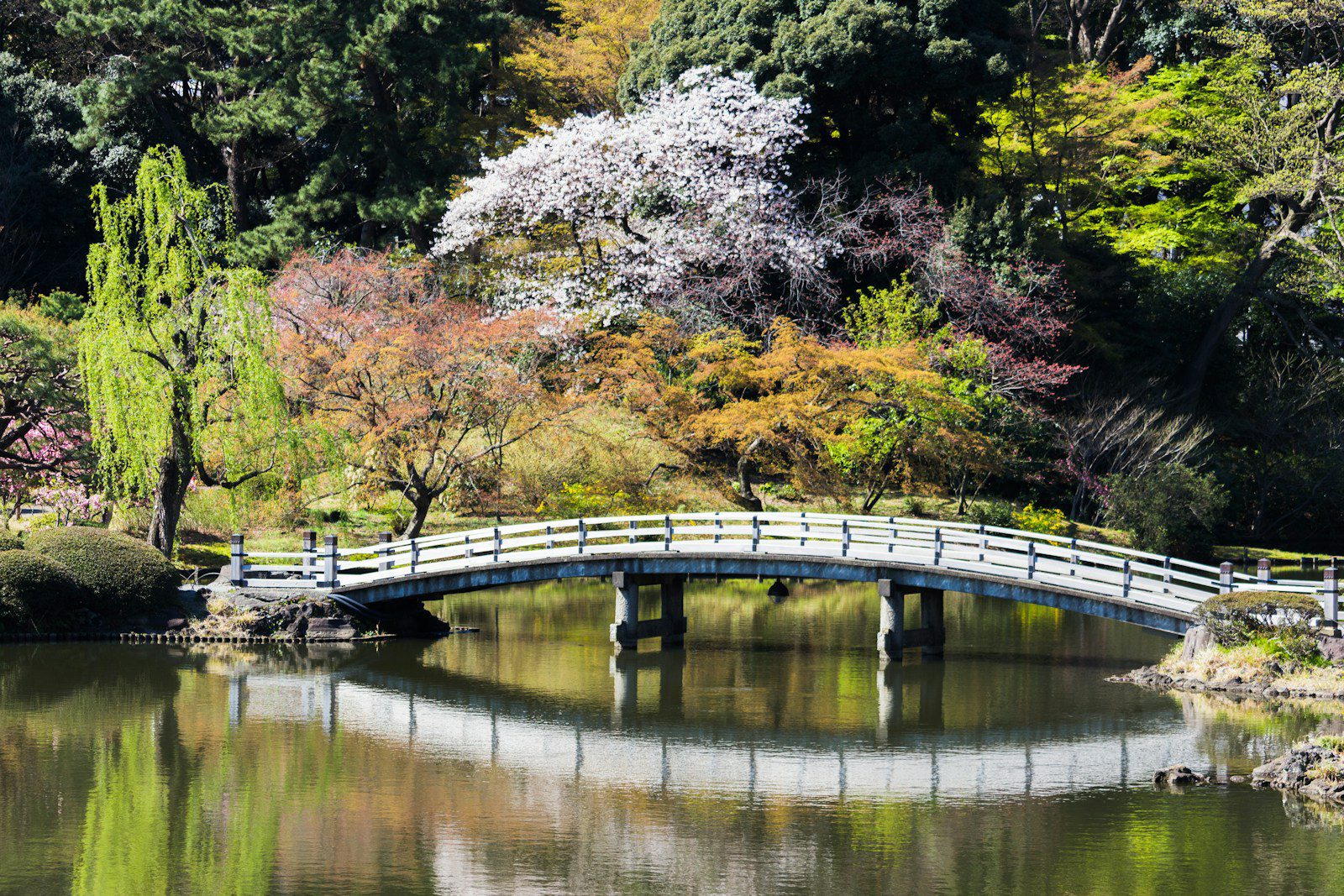
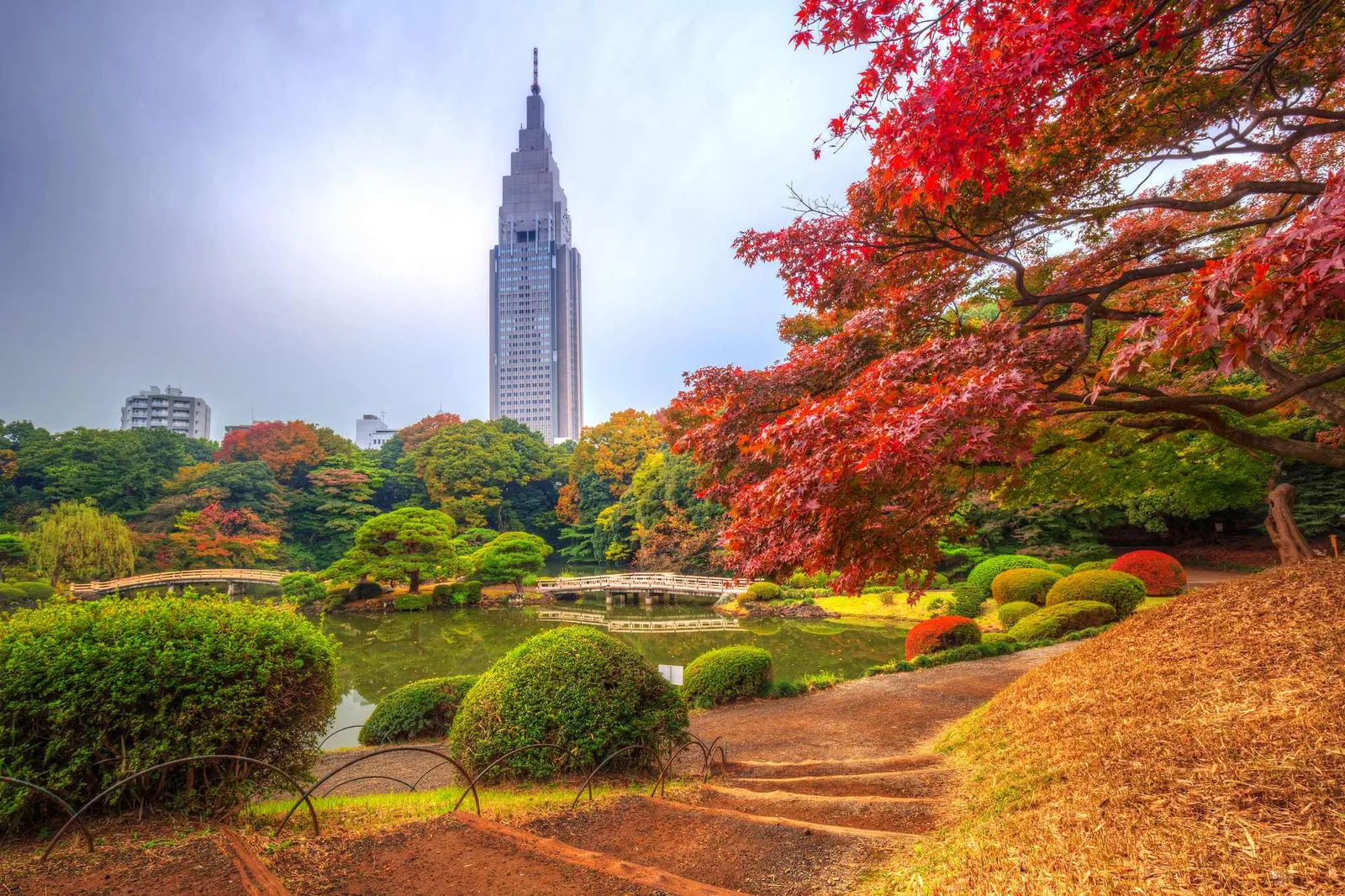
Start your day with a peaceful morning stroll through Shinjuku Gyoen National Garden.
This expansive park offers a welcome contrast to Tokyo’s urban landscape, with meticulously maintained Japanese gardens, serene ponds, and seasonal blooms.
Also read: 2-Day Luxury Tokyo Weekend Trip Itinerary for Couples
Walking hand-in-hand along the winding paths, you’ll discover charming bridges, traditional tea houses, and perfect spots for couple photos.
The garden changes its character with each season—cherry blossoms in spring, lush greenery in summer, fiery maples in autumn, and snow-dusted landscapes in winter.
The entrance fee is a modest ¥500 per person, making this beautiful experience one of the more affordable luxuries in Tokyo.
Also read:
We recommend arriving right at opening time (10:00 AM) to enjoy the gardens at their most peaceful, before the midday crowds arrive.
Michelin-Starred Lunch at Kagurazaka Ishikawa
After your morning walk, it’s time for your first culinary adventure. Kagurazaka Ishikawa offers an exceptional kaiseki dining experience—a traditional multi-course Japanese meal prepared with artistic precision.
Located in the charming Kagurazaka district, this three-Michelin-starred restaurant serves dishes that celebrate seasonal ingredients presented as edible art.
The intimate setting with private dining rooms creates a perfect atmosphere for couples.
Chef Hideki Ishikawa’s culinary creations showcase the best of Japanese cuisine, from delicate sashimi to perfectly grilled fish. At ¥15,000 per person, this experience represents Japanese cuisine at its finest.
Remember to make reservations well in advance—at least two months is recommended for this coveted dining spot.
Afternoon at the Iconic Shibuya Crossing
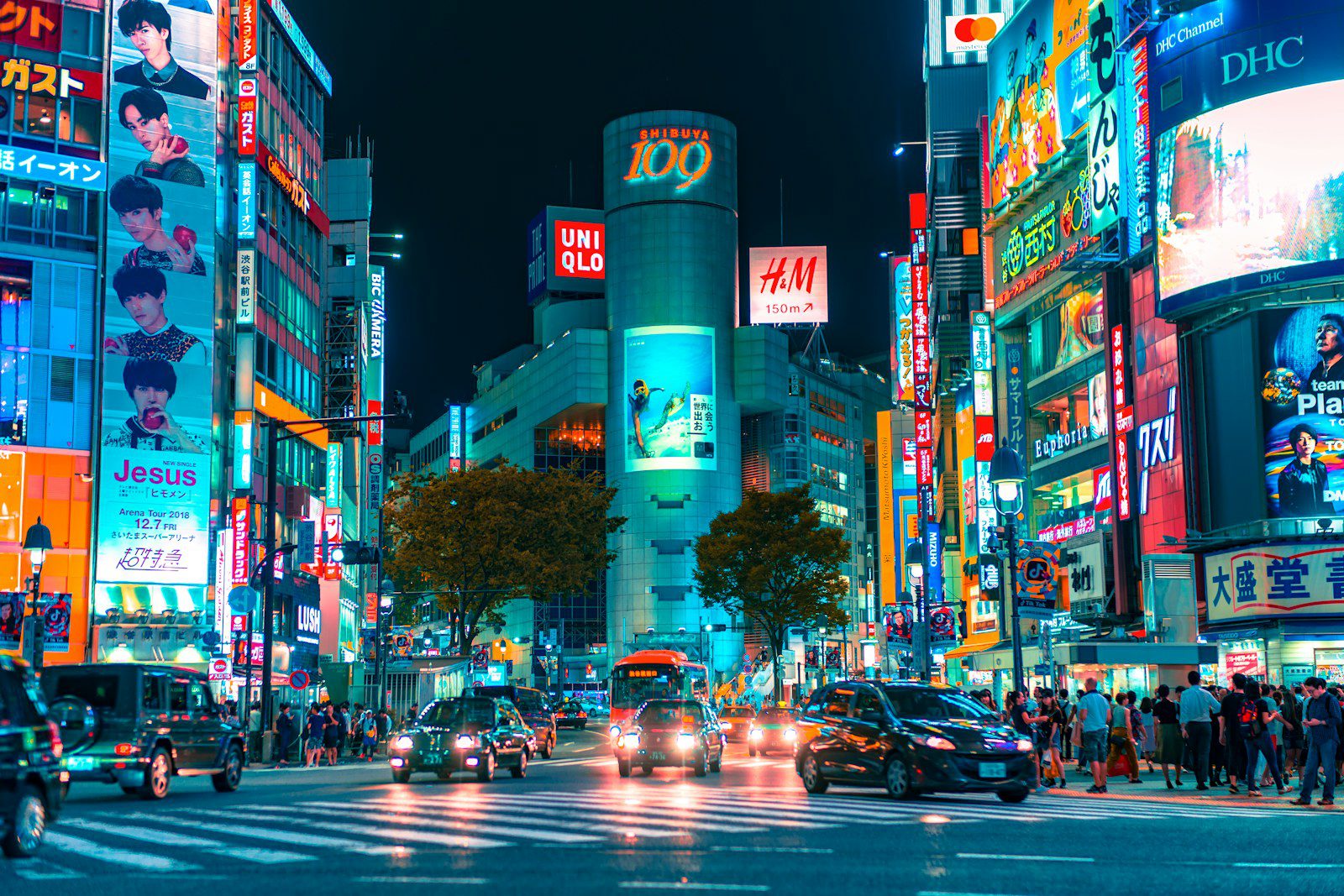
After lunch, head to the world-famous Shibuya Crossing. While seemingly a tourist cliché, there’s something genuinely thrilling about crossing this intersection hand-in-hand with your partner while thousands of people surge forward around you.
The experience feels like being in the center of Tokyo’s beating heart.
After your crossing adventure, explore the surrounding area’s luxury boutiques. From high-end Japanese designer shops to international fashion houses, Shibuya offers excellent shopping opportunities for couples looking to bring home something special.
Set aside about ¥10,000 for shopping, though you might be tempted to spend more at these stylish establishments.
Unforgettable Dinner at Sukiyabashi Jiro Ginza
Cap your first day with an extraordinary dining experience at Sukiyabashi Jiro, made famous worldwide by the documentary “Jiro Dreams of Sushi.”
This small sushi bar in Ginza, with just ten counter seats, offers what many consider the ultimate sushi experience in Tokyo.
Chef Jiro Ono and his team serve a carefully choreographed omakase (chef’s choice) meal featuring around 20 pieces of sushi, each prepared right before your eyes. The focus on perfection, from rice temperature to fish quality, creates an unforgettable culinary journey.
At ¥40,000 per person, this ranks among Tokyo’s most expensive dining experiences—but for sushi lovers, it’s worth every yen. Reservations are extremely difficult to secure and typically must be made months in advance, often requiring assistance from your hotel concierge.
Day 2: Cultural Immersion in Asakusa and Scenic Views in Odaiba
Your second day balances traditional Japanese culture with modern attractions as you explore contrasting districts of Tokyo.
Traditional Morning at Senso-ji Temple
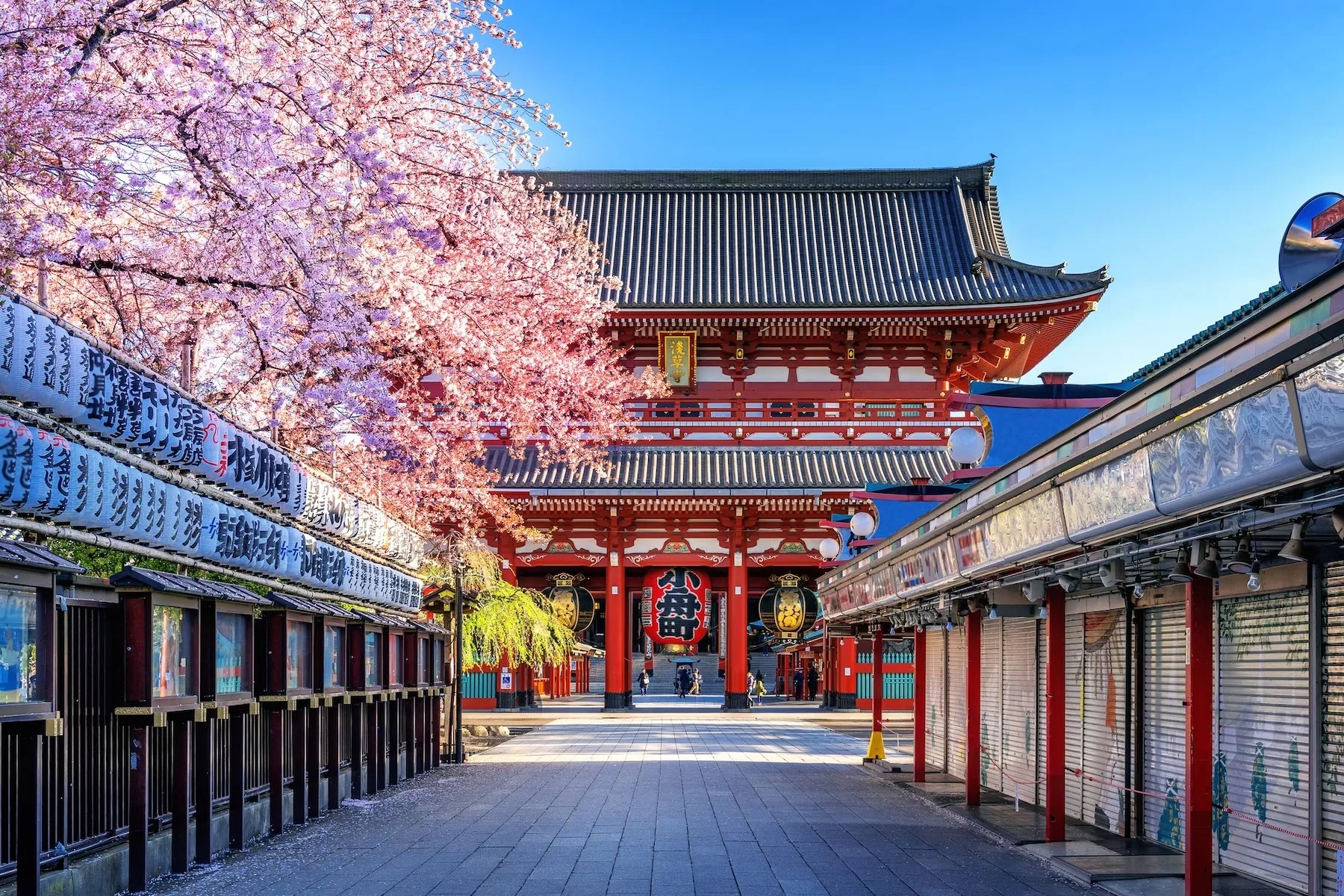
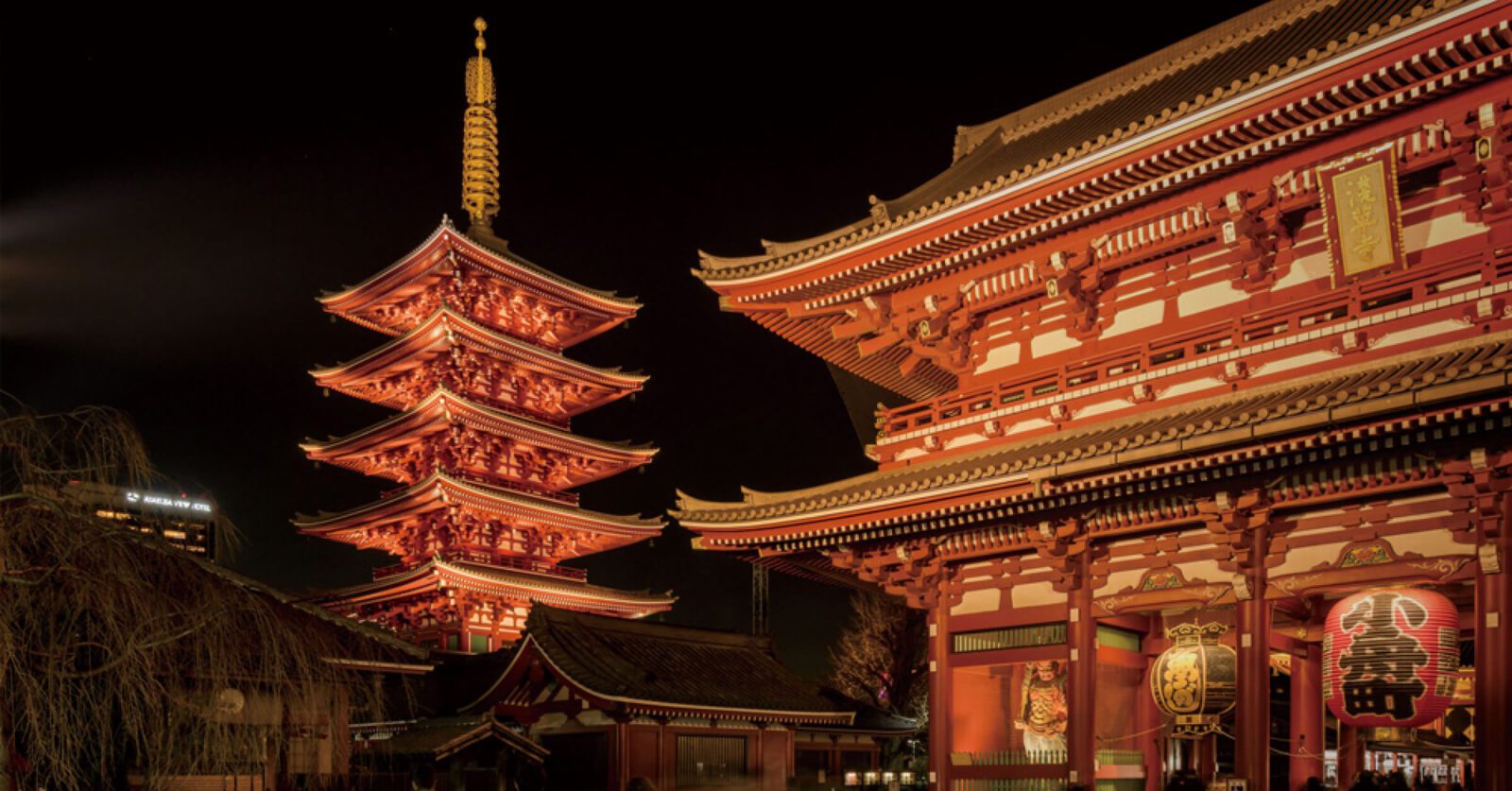
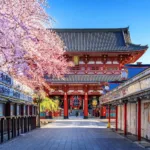
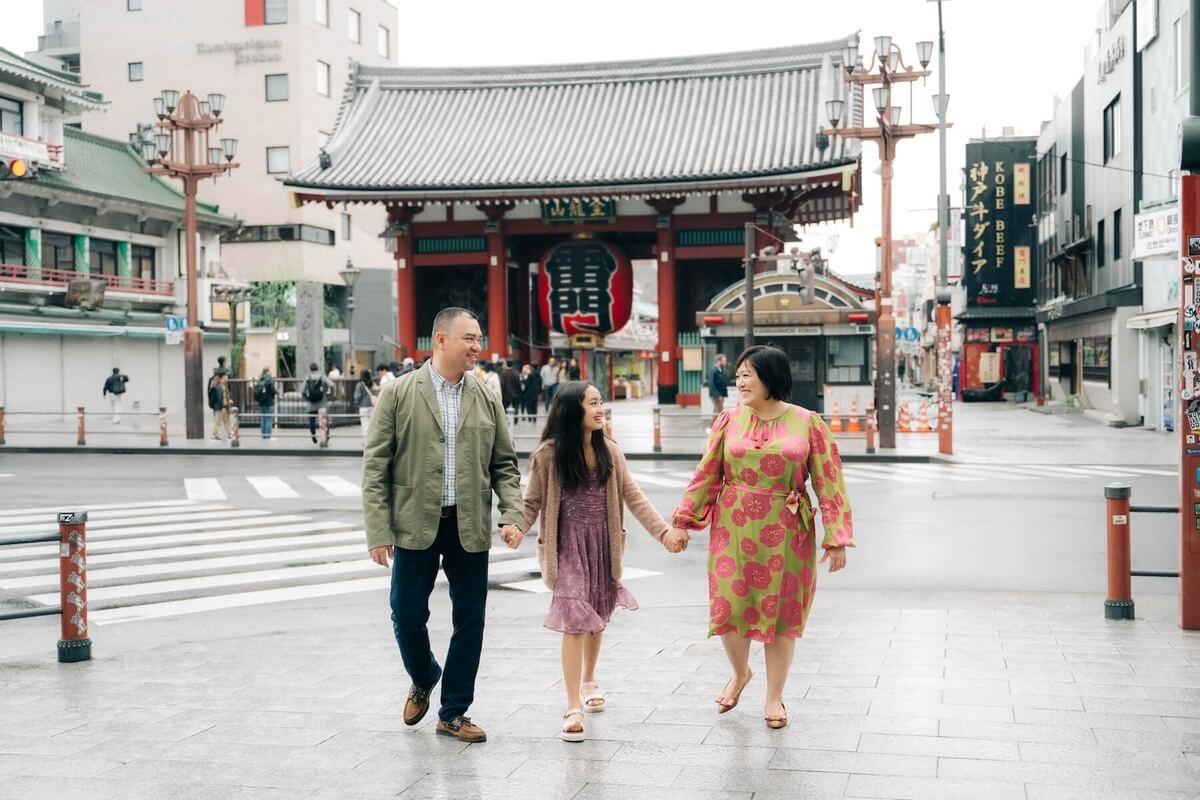
Begin your day at Tokyo’s oldest and most famous Buddhist temple, Senso-ji in Asakusa. Dating back to 645 AD, this historic site offers a glimpse into Japan’s spiritual heritage.
Approach via the famous Kaminarimon Gate and walk along Nakamise-dori, a shopping street lined with vendors selling traditional crafts and snacks.
The temple’s main hall features a beautiful five-story pagoda and offers a serene atmosphere despite being one of Tokyo’s most visited attractions.
While entry to the temple is free, we recommend setting aside ¥2,000 for small souvenirs or traditional good luck charms (omamori) that make meaningful keepsakes from your trip. Arriving by 9:00 AM helps you beat the crowds and enjoy a more intimate experience.
Authentic Lunch at Mugitoro
Just a short walk from Senso-ji, Mugitoro offers a quintessential Japanese dining experience in a traditional setting. This well-established restaurant specializes in grated yam dishes and grilled fish, prepared with seasonal ingredients that showcase Japanese culinary traditions.
The restaurant’s wooden interior with private dining areas creates an intimate atmosphere perfect for couples.
At approximately ¥5,000 per person, Mugitoro provides excellent value for an authentic Japanese meal in a historic district.
Try their signature mugitoro (grated mountain yam) dishes for a unique culinary experience you won’t find in many other countries.
Romantic Afternoon at Odaiba Seaside Park
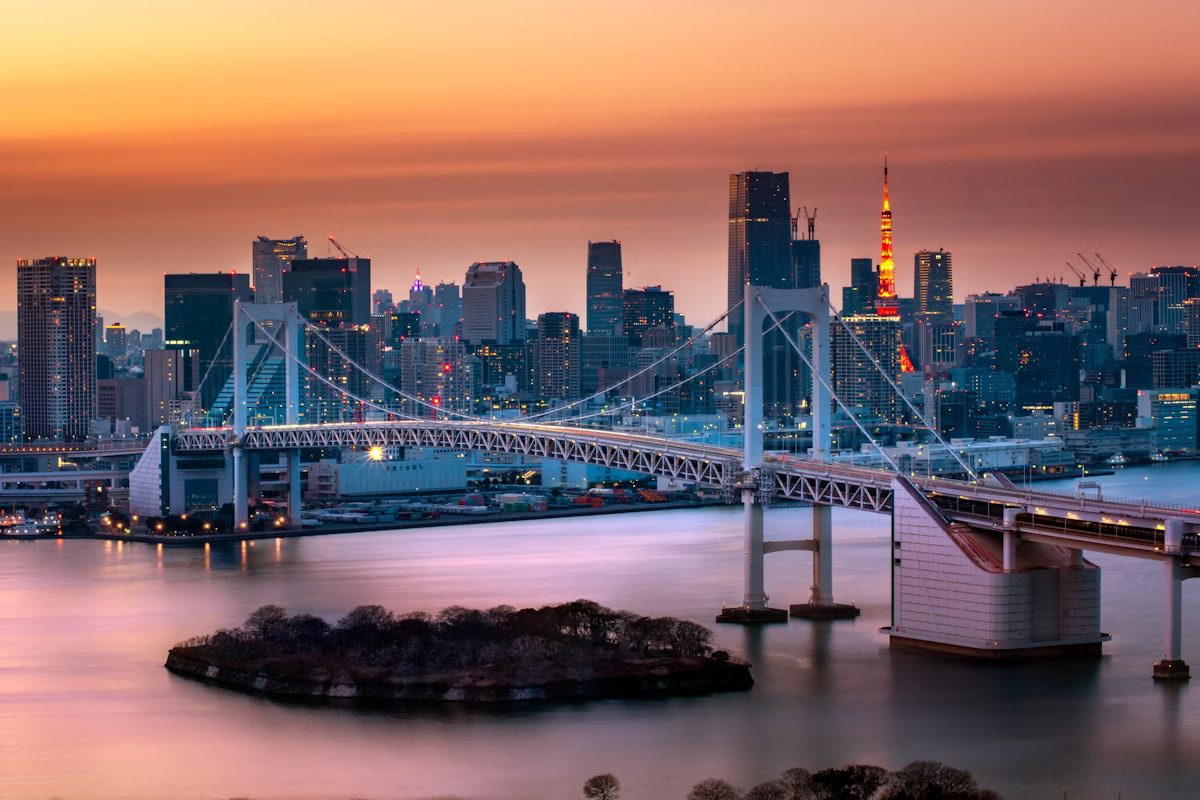
For your afternoon, travel to Odaiba—a man-made island in Tokyo Bay that offers spectacular views of the city skyline.
Odaiba Seaside Park features a small beach area where you can take off your shoes and feel the sand between your toes while looking at the iconic Rainbow Bridge and Tokyo skyline.
This area is particularly magical in the late afternoon as the sun begins to set and the city lights start to twinkle across the bay.
The combination of urban views and waterfront setting creates a surprisingly romantic atmosphere in the heart of the metropolis. This experience costs nothing but will likely become one of your favorite Tokyo memories.
Sunset Dinner at Hamazushi
Complete your second day with dinner at Hamazushi, located in DiverCity Tokyo Plaza.
This upscale sushi restaurant offers fresh, high-quality fish with a contemporary approach to traditional Japanese cuisine.
The restaurant’s large windows provide stunning views of the waterfront, particularly beautiful at sunset.
The relaxed yet elegant atmosphere makes for a perfect romantic dinner without the formality of the previous night’s experience.
At ¥8,000 per person, it offers excellent value while maintaining a luxury dining experience. Try their chef’s selection of seasonal fish and local specialties while watching the Rainbow Bridge light up as darkness falls over Tokyo Bay.
Day 3: Luxury Relaxation and Farewell in Central Tokyo
Your final day focuses on relaxation and indulgence as you prepare to bid farewell to Tokyo.
Couples’ Spa Treatment at Mandarin Oriental
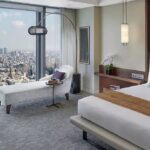
Start your last day with pure indulgence at the Mandarin Oriental Tokyo’s world-class spa.
This sanctuary of calm sits high above the city, offering panoramic views while you enjoy a couples’ treatment package.
The spa blends Japanese bathing traditions with modern luxury techniques.
Your couples’ package typically includes private onsen (hot spring bath) time, followed by side-by-side massages designed to release travel fatigue.
The serene atmosphere, attentive service, and exceptional facilities make this ¥30,000 per person splurge well worth it.
Book at least two weeks in advance and arrive 30 minutes early to enjoy the full range of facilities before your treatment.
Refined Lunch at Tempura Kondo
After your spa experience, head to Ginza for lunch at Tempura Kondo.
This two-Michelin-starred restaurant specializes exclusively in tempura, elevating this common dish to an art form.
Chef Fumio Kondo personally selects the freshest seasonal ingredients and prepares them with precision in front of diners.
The simple, elegant interior allows you to focus completely on the food—perfectly crisp vegetables and seafood with a light, grease-free batter.
At ¥10,000 per person, this lunch offers a masterclass in tempura preparation and a wonderful contrast to your previous dining experiences in Tokyo. The delicate, light nature of the meal is perfect following your relaxing spa morning.
Afternoon Shopping in Ginza
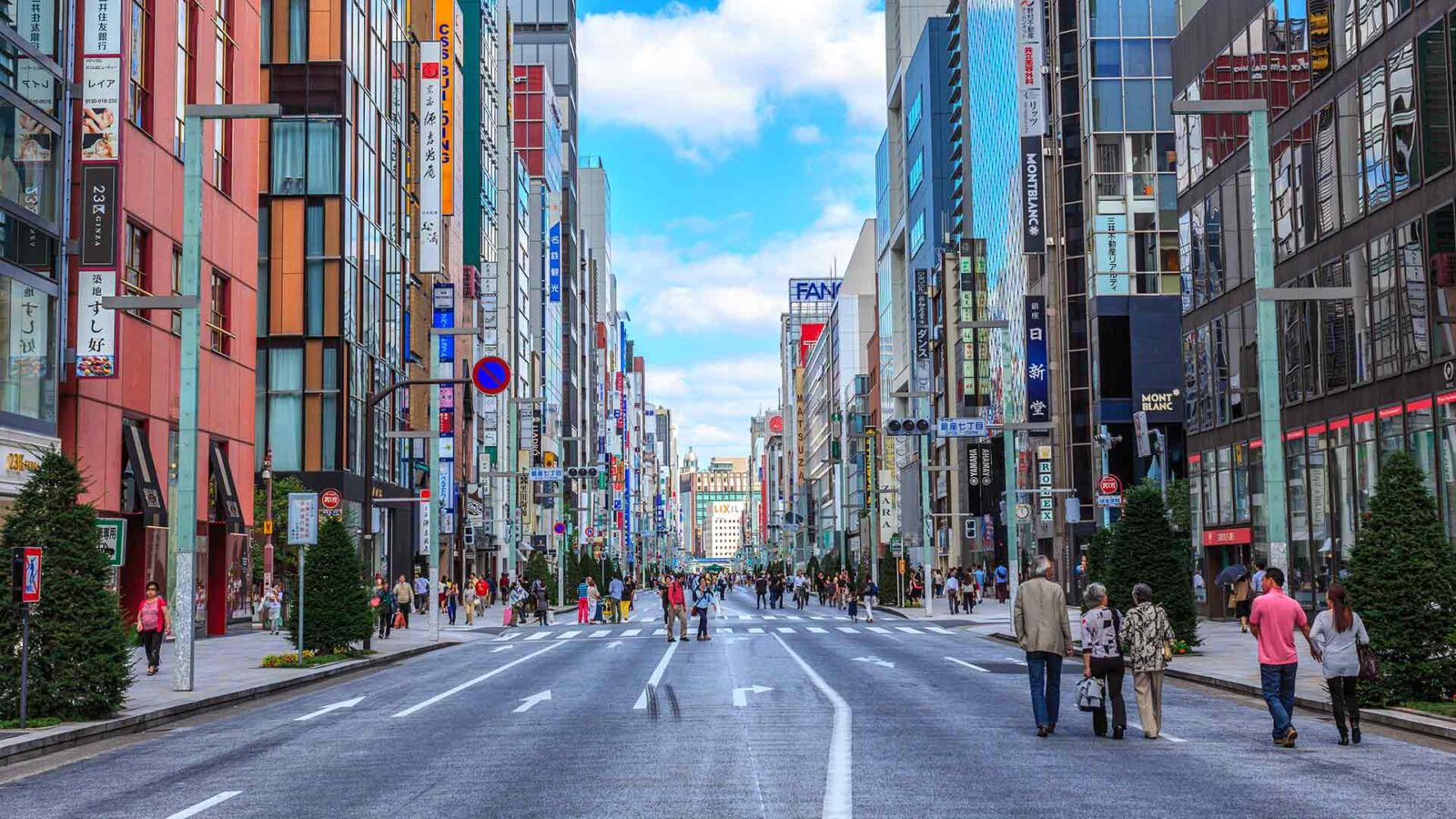
Spend your final afternoon exploring Ginza, Tokyo’s premier luxury shopping district. This area houses flagship stores of Japanese and international luxury brands, from Mikimoto pearls to Chanel.
The wide, tree-lined streets and impressive architecture make shopping here a pleasure.
Don’t miss Ginza Six, Tokyo’s most luxurious shopping complex, featuring art installations alongside high-end boutiques.
Even if you’re just window shopping, the dazzling displays and impeccable service make for an enjoyable afternoon.
We’ve budgeted about ¥20,000 for potential purchases, but this is entirely optional—the experience of exploring this elegant district costs nothing.
Final Night Celebration at Roppongi Hills Club
For your farewell dinner, the exclusive Roppongi Hills Club offers the perfect setting.
Located on the upper floors of Mori Tower, this members-only club (accessible to hotel guests through proper arrangements) provides spectacular panoramic views of Tokyo’s nighttime skyline.
The contemporary Japanese cuisine features premium ingredients and artistic presentation, complemented by an extensive wine list.
At ¥20,000 per person, this final meal provides a fitting conclusion to your luxury Tokyo experience.
As you dine surrounded by the glittering lights of the city spread out below, you’ll have the perfect opportunity to reflect on your romantic getaway and plan your next Japanese adventure.
Practical Tips for Your Luxury Tokyo Getaway
Our curated itinerary works best when paired with the right accommodations and preparation. Here are some helpful suggestions to enhance your experience:
Where to Stay
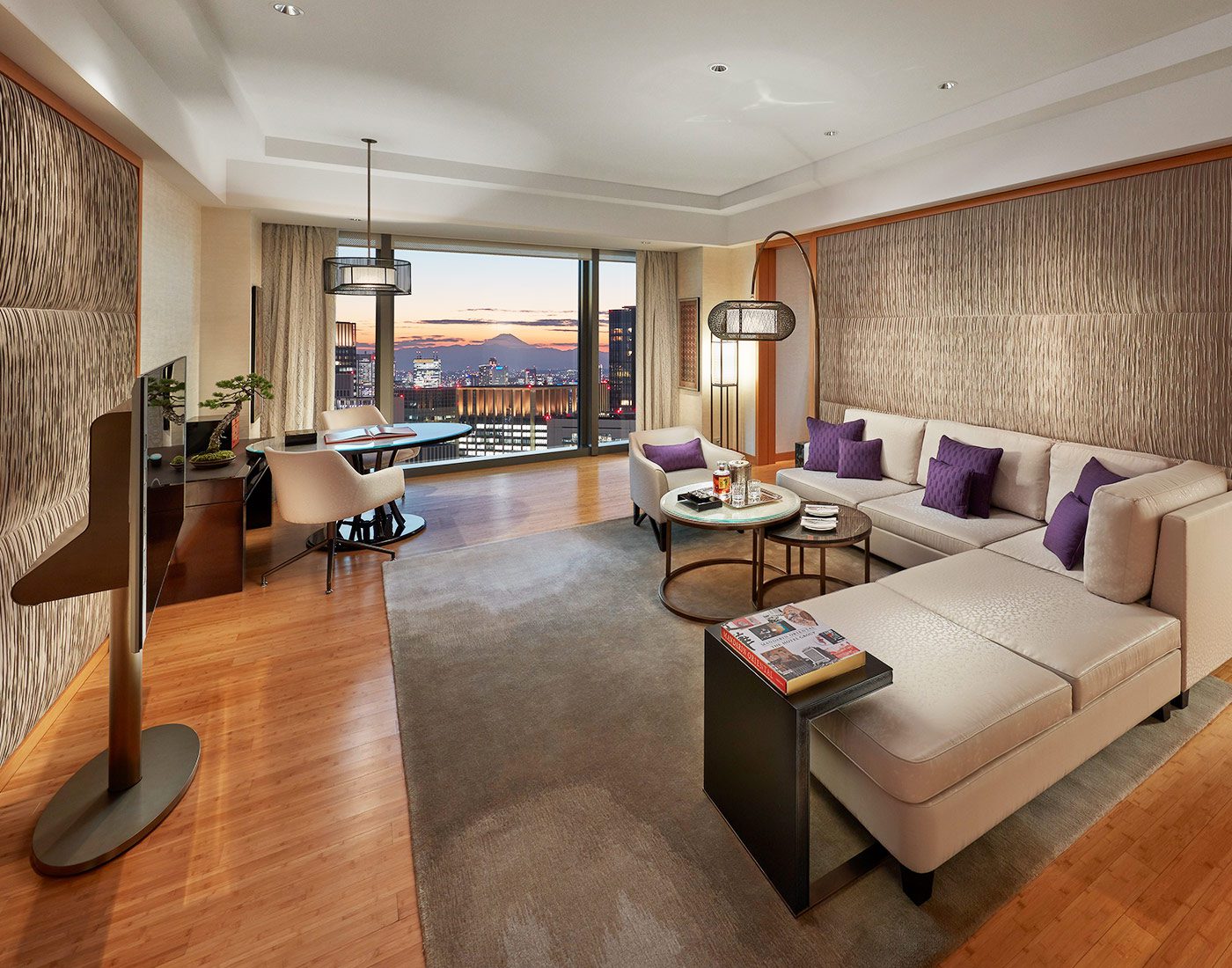
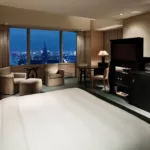
For a truly luxury experience, we recommend the Mandarin Oriental Tokyo or Park Hyatt Tokyo. Both offer exceptional service, spacious rooms with stunning views, and convenient locations.
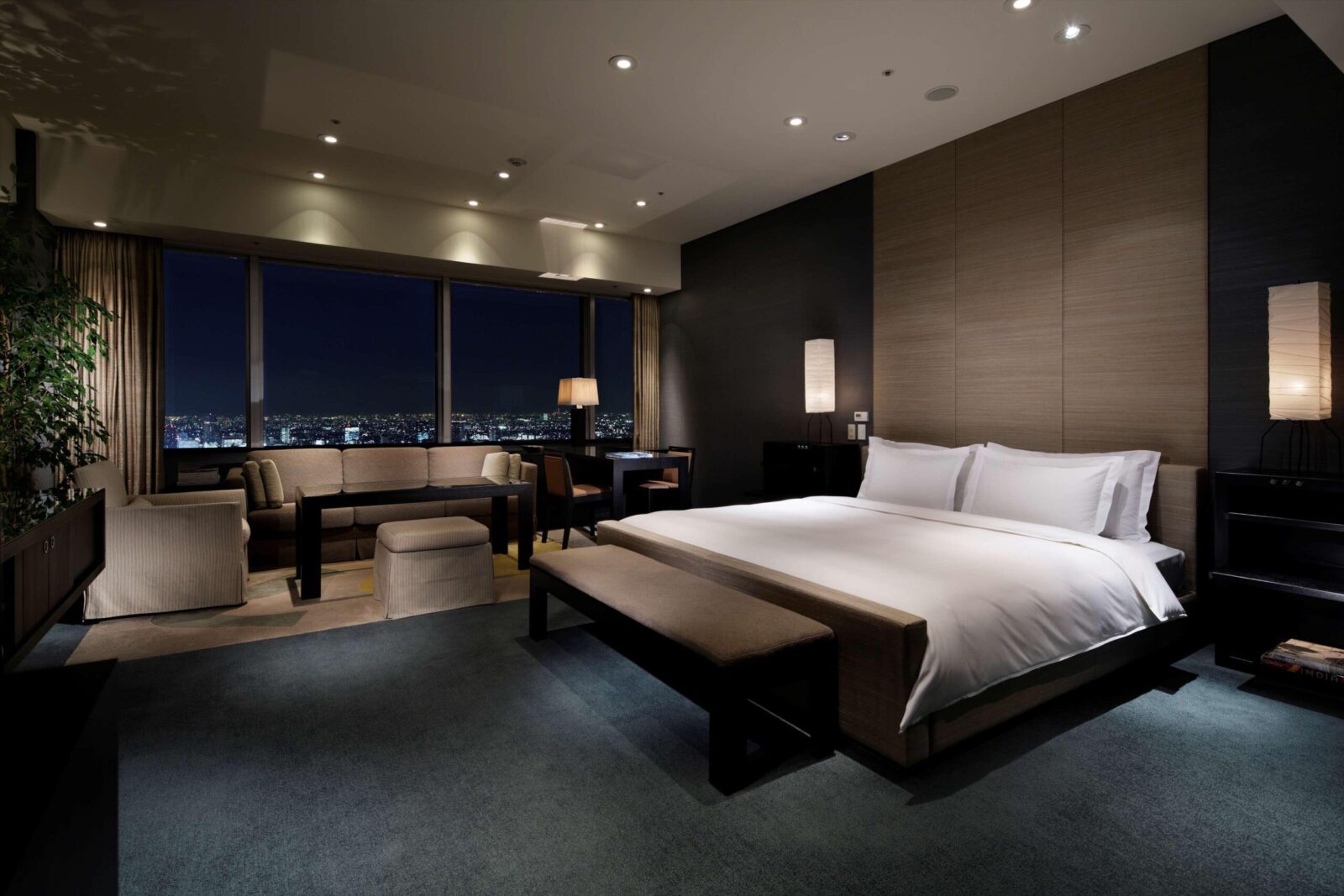
Expect to pay between ¥40,000-¥50,000 per night at these five-star properties.
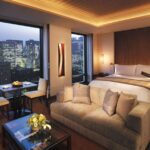
Alternatively, The Peninsula Tokyo and Aman Tokyo provide equally luxurious experiences with distinctive styles.
These hotels offer much more than just a place to sleep—they become part of your Tokyo experience with their attention to detail, world-class dining options, and ability to arrange special romantic touches for couples.
Transportation Considerations
While Tokyo’s public transportation system is famously efficient, couples on a luxury getaway might consider hiring a private car and driver for at least part of your stay.
This service costs approximately ¥50,000-¥70,000 per day but offers convenience and comfort, especially when traveling between distant locations or after an indulgent dinner with sake pairings.
For a more authentic experience, Tokyo’s clean and punctual taxis provide a good alternative at about ¥1,400 per day for shorter trips. The subway and JR lines connect all locations on our itinerary and cost just a few hundred yen per trip.
Dining Reservations
The restaurants in our itinerary rank among Tokyo’s finest, which means reservations are essential. For Sukiyabashi Jiro and Kagurazaka Ishikawa, book at least three months in advance.
Your hotel concierge can assist with securing these difficult reservations and may have access to tables not available to the general public.
Many high-end Tokyo restaurants require credit card guarantees and charge cancellation fees, so be certain of your plans before booking.
Also note that some establishments (including Sukiyabashi Jiro) don’t accept reservations from foreigners directly—another reason why staying at a luxury hotel with concierge service proves valuable.
Packing and Etiquette
Pack elegantly for this trip. Many upscale Tokyo restaurants have dress codes requiring jackets for men and comparable attire for women.
While casual clothes work for daytime sightseeing, you’ll need more formal options for your evening dining experiences.
Remember that in Japan, tipping is not customary and may even cause confusion. The exceptional service you’ll receive comes standard with no expectation of additional payment.
However, respect for customs, punctuality for reservations, and appreciation expressed verbally will always be welcomed.
A small gift for exceptional service, presented with both hands and a bow, can be appropriate in certain situations—your hotel concierge can advise on specifics.
Our 3-day luxury Tokyo itinerary strikes a perfect balance between activity and relaxation, traditional experiences and modern indulgences.
The carefully selected locations offer intimate moments for connection while experiencing the best of Japanese culture.
Though the estimated total cost of ¥294,200 (approximately $2,000) makes this a premium experience, the memories you’ll create together will prove priceless.
Trip Highlights
Attraction
- Shinjuku Gyoen National Garden
- Shibuya Crossing and Shopping
- Senso-ji Temple
Meal
- Lunch at Kagurazaka Ishikawa
- Dinner at Sukiyabashi Jiro Ginza
- Lunch at Mugitoro
Relaxation
- Spa Treatment at Mandarin Oriental
Shopping
- Ginza Luxury Shopping
Daily Itinerary
Day 1: Tokyo
1
Arrival and romantic exploration of Shinjuku and Shibuya.
10:00 AM - 12:00 PM Shinjuku Gyoen National Garden
AttractionStroll through this serene park, perfect for a quiet morning with beautiful landscapes and seasonal flowers.
11 Naitomachi, Shinjuku-ku
¥500 per person (¥1,000 total)
A peaceful start to your luxury escape.
1:00 PM - 2:30 PM Lunch at Kagurazaka Ishikawa
MealEnjoy a Michelin-starred kaiseki lunch, a traditional multi-course Japanese meal, in an intimate setting.
5-37 Kagurazaka, Shinjuku-ku
¥15,000 per person (¥30,000 total)
Reservation required.
3:00 PM - 5:00 PM Shibuya Crossing and Shopping
AttractionExperience the iconic Shibuya Crossing and explore luxury boutiques in Shibuya for a romantic shopping spree.
Shibuya Station, Shibuya-ku
¥10,000 (estimated shopping expenses)
Hold hands while crossing the busiest intersection in the world.
7:00 PM - 9:00 PM Dinner at Sukiyabashi Jiro Ginza
MealSavor an unforgettable sushi dining experience at this world-renowned, Michelin-starred restaurant.
4 Chome-2-15 Ginza, Chuo-ku
¥40,000 per person (¥80,000 total)
Reservations are extremely competitive; book months in advance.
Day 2: Tokyo
2
Cultural immersion and relaxation in Asakusa and Odaiba.
9:00 AM - 11:30 AM Senso-ji Temple
AttractionVisit Tokyo's oldest temple, explore Nakamise-dori for traditional souvenirs, and enjoy the historic atmosphere.
2-3-1 Asakusa, Taito-ku
Free (¥2,000 for small souvenirs)
A cultural highlight for couples to experience together.
12:00 PM - 1:30 PM Lunch at Mugitoro
MealRelish a luxurious traditional Japanese meal with grilled fish and seasonal ingredients near Asakusa.
2-2-4 Asakusa, Taito-ku
¥5,000 per person (¥10,000 total)
A cozy spot with authentic flavors.
3:00 PM - 5:30 PM Odaiba Seaside Park and Rainbow Bridge View
AttractionTake a romantic walk along the beach at Odaiba, with stunning views of the Rainbow Bridge and Tokyo skyline.
1-4-1 Daiba, Minato-ku
Free
Perfect for a relaxing afternoon together.
7:00 PM - 9:00 PM Dinner at Hamazushi
MealEnjoy a premium sushi dining experience with waterfront views, offering a modern yet intimate atmosphere.
DiverCity Tokyo Plaza, Odaiba
¥8,000 per person (¥16,000 total)
End the day with a scenic dinner.
Day 3: Tokyo
3
Luxury relaxation and farewell in Ginza.
10:00 AM - 12:30 PM Spa Treatment at Mandarin Oriental
RelaxationIndulge in a couples' spa package with massages and luxurious amenities at this world-class hotel spa.
2-1-1 Nihonbashi Muromachi, Chuo-ku
¥30,000 per person (¥60,000 total)
Advance booking recommended.
1:00 PM - 2:30 PM Lunch at Tempura Kondo
MealExperience a refined tempura tasting menu at this Michelin-starred restaurant in the heart of Ginza.
5-5-13 Ginza, Chuo-ku
¥10,000 per person (¥20,000 total)
A light yet luxurious meal.
3:00 PM - 5:00 PM Ginza Luxury Shopping
ShoppingExplore high-end boutiques and department stores like Ginza Six for a memorable shopping experience.
Ginza District, Chuo-ku
¥20,000 (estimated shopping expenses)
Perfect for picking up luxury souvenirs or gifts.
7:00 PM - 9:00 PM Farewell Dinner at Roppongi Hills Club
MealCelebrate your final night with a fine dining experience offering panoramic views of Tokyo’s skyline.
Roppongi Hills Mori Tower, 6-10-1 Roppongi, Minato-ku
¥20,000 per person (¥40,000 total)
A romantic way to end your trip.
Related Tours
Powered by
Handpicked tours & excursions that perfectly align with this travel plan.

Tokyo 6hr Private Tour with Government-Licensed Guide
Check Details
Tokyo Customized Private Tour: See Top Attractions in 1 Day
Check Details
Official Street Go-Kart in Shibuya
Check Details
Tokyo, Sumida River Walk to Asakusa Senso-ji temple Tour
Check Details
Tokyo Panoramic 1 Day: Meiji Shrine, Asakusa, Odaiba and SKYTREE®
Check Details Viator
Budget Breakdown
Total Cost
¥294,200
JPY
People
Per person: ¥294,200 / 2 people
Cost Categories
Attractions
¥3,000
Meals
¥196,000
Transport
¥4,200 (¥1,400/day for 2 people)
Shopping
¥30,000
Other
¥60,000 (Spa Treatment)
Traveler Tips
Book accommodations at luxury hotels like the Mandarin Oriental or Park Hyatt Tokyo, ~¥20,000–¥50,000/night.
Make restaurant reservations well in advance, especially for Michelin-starred venues like Sukiyabashi Jiro.
Consider hiring a private guide or driver for a personalized experience if budget allows.
Carry cash as some high-end boutiques or traditional shops may not accept cards.
Dress elegantly for fine dining and upscale areas like Ginza and Roppongi.
🎢 Related Attractions
-
Shinjuku Gyoen National Garden
11 Naitomachi, Shinjuku City, Tokyo 160-0014, Japan
A well-known city park in Tokyo that combines thre...
-
Shibuya Scramble Crossing
2-2-1 Dogenzaka, Shibuya-ku, Tokyo 150-0043, Japan
Shibuya Scramble Crossing is an intersection locat...
-
Tokyo Tower
4 Chome-2-8 Shibakoen, Minato City, Tokyo 105-0011, Japan
Tokyo Tower is a notable building in Tokyo, Japan,...
-
Sensō-ji
2 Chome-3-1 Asakusa, Taito City, Tokyo 111-0032, Japan
Tokyo's oldest temple, completed in 645, was built...
🏨 Related Accommodations
-

Aman Tokyo
The Otemachi Tower, 1 Chome-5-6 Ōtemachi, Chiyoda City, Tokyo 100-0004, Japan
-

Grand Hyatt Tokyo
6-10-3 Roppongi, Tokyo 106-0032, Japan
-
Mandarin Oriental, Tokyo
2 Chome-1-1 Nihonbashi Muromachi, Chuo City, Tokyo 103-8328, Japan
-
Park Hyatt Tokyo
3-7-1-2 Nishi Shinjuku, Tokyo 163-1055, Japan
-
The Peninsula Tokyo
1-8-1 Yurakucho, Tokyo 100-0006, Japan
Not sure which hotel to select? Try these hotel search engines below
Itinerary Map
Day 1
- Shinjuku Gyoen National Garden
- Lunch at Kagurazaka Ishikawa
- Shibuya Crossing and Shopping
- Dinner at Sukiyabashi Jiro Ginza
Day 2
- Senso-ji Temple
- Lunch at Mugitoro
- Odaiba Seaside Park and Rainbow Bridge View
- Dinner at Hamazushi
Day 3
- Spa Treatment at Mandarin Oriental
- Lunch at Tempura Kondo
- Ginza Luxury Shopping
- Farewell Dinner at Roppongi Hills Club
Neighborhoods
When to Go



 DiscoverCars
 RentalCars
 Trip.com
 Klook
Klook
Tokyo Trip Add-Ons
Equip yourself for the ultimate Tokyo adventure with the following add-ons, curated just for you.




Related Itineraries
Disclaimer
While we at Tokyo Trip Guide do our best to provide accurate itinerary details, costs and availability may vary. We recommend confirming prices and reservations directly with the listed restaurants, attractions, or service providers.
Some links may earn us a small commission at no extra cost to you. Thank you for supporting our recommendations!