
Takeshita Street
Takeshita Street in Harajuku: short but iconic 350–400 meter pedestrian shopping street in Harajuku packed with youth fashion boutiques, crepe stands, character goods, and people-watching opportunities.
 Book Experience Now!
Check current price and availability.
 Viator
 Tripadvisor
 Trip.com
 GetYourGuide
 Klook
Klook
 Traveloka
Overview
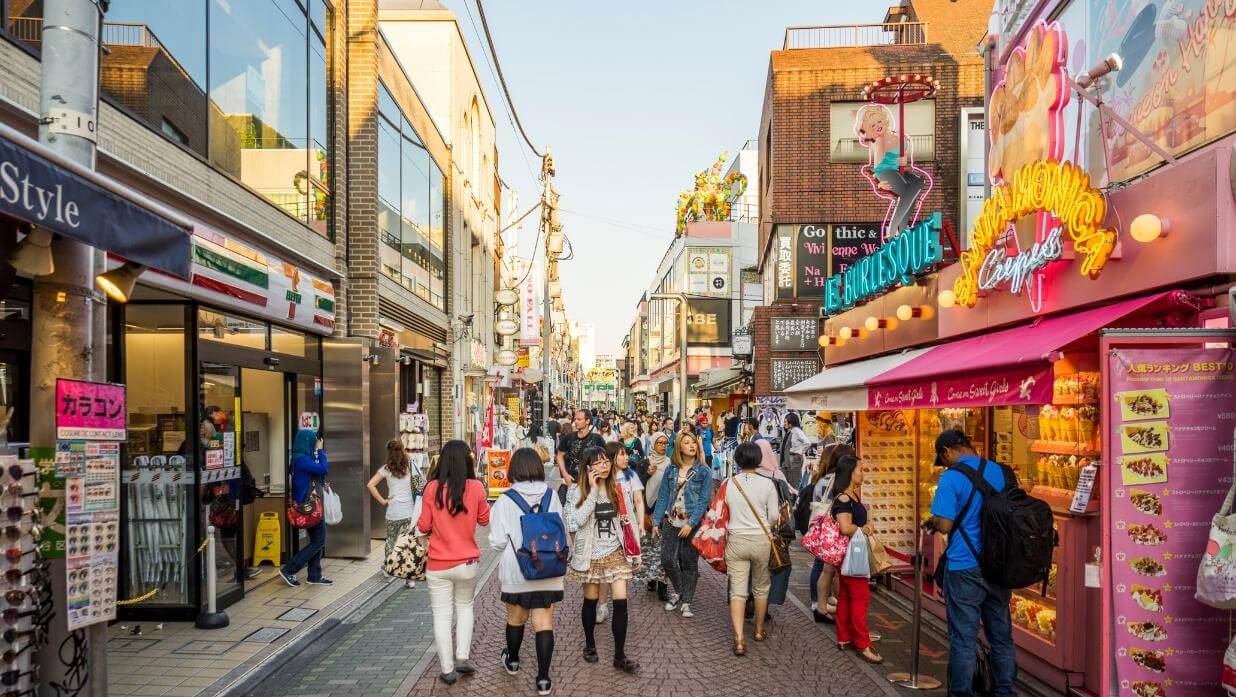
If you want to understand modern Tokyo youth culture in a single snapshot, you walk down Takeshita Street. This 350–400 meter pedestrian street runs from JR Harajuku Station’s Takeshita Exit down to Meiji-dori and is absolutely crammed with sweet shops, fast-fashion boutiques, second-hand stores, animal cafes, and more colors than your camera can handle.
On weekends and holidays, it can get so crowded that you move at “slow shuffle” speed, which at least gives you time to actually look at everything.
The street has been a youth trend hub since at least the 1980s, when “Takenoko-zoku” dance groups and Harajuku fashion kids started turning it into a stage, and it kept that energy as international brands, kawaii culture, and influencer-driven trends moved in from the 1990s onward.
Today, you get a mashup of crepe stands, rainbow cotton candy, SoLaDo and Harajuku Alta department buildings, Cute Cube with themed cafes, and rows of shops selling everything from pastel platform shoes to spiked leather jackets.
Is it touristy? Yes.
Is it still fun if you accept that and just go along with it? Also yes.
Takeshita Street: 400 Meters of Pure Harajuku Chaos (In a Good Way)
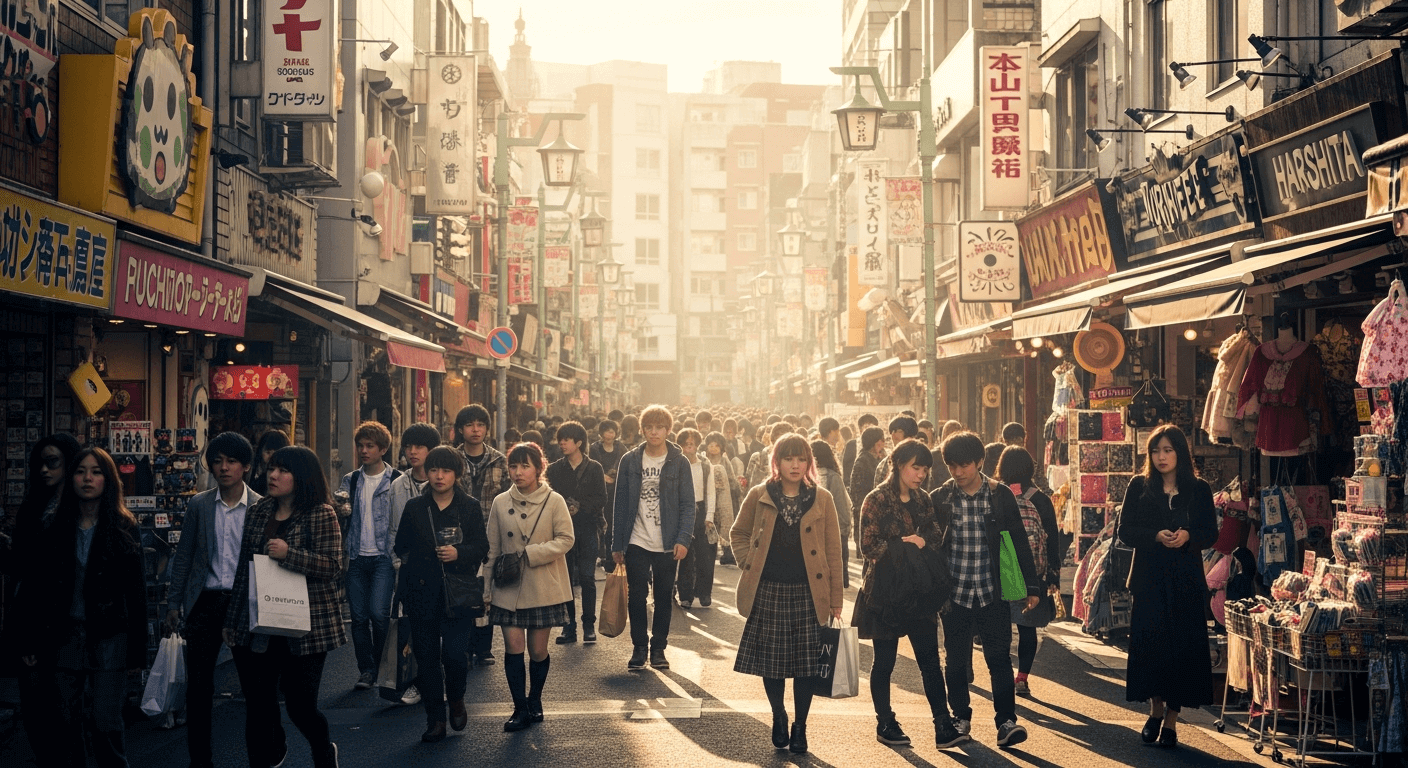
If you want a crash course in Tokyo youth culture, Takeshita Street is where you start. This short, 350–400 meter stretch in Harajuku runs from JR Harajuku Station’s Takeshita Exit down to Meiji-dori, and every meter is packed with crepe stands, fast-fashion boutiques, character shops, animal cafes, and teenagers doing informal market research on the next big trend.
On a busy Sunday, you’re not really “walking” the street—you’re slowly drifting in a crowd, snack in hand, wondering how you ended up in a live-action social media feed.
Takeshita Street Guide: How to Survive (and Enjoy) Harajuku’s Busiest Lane
Takeshita Street isn’t just a shopping street; it’s a stage where Tokyo’s younger crowd tests out ideas in real time.
For decades, this narrow lane in Shibuya City has been a launchpad for Harajuku fashion, from the wild “Takenoko-zoku” dancers of the 1980s to the layered, kawaii-driven looks that travel the world via Instagram today.
You’ll see high schoolers still in uniform, tourists clutching crepes like trophies, and fully styled fashion kids who clearly got dressed with this street in mind.
The combination of a short physical length and high shop density means almost every storefront is trying to grab your attention with bright signage, limited-edition collabs, or “only in Harajuku” gimmicks.
The commercial mix is surprisingly strategic. You have SoLaDo Harajuku and Harajuku Alta pulling in teens with accessible fashion, accessory shops selling everything from socks covered in characters to chokers and platform shoes, and then the food side: crepes, rainbow cotton candy, bubble tea, Korean street snacks, and every sugary thing your dentist warns you about.
Also read:
- Tokyo Onsen Etiquette: Hot Spring Rules & Cultural Significance
- Tokyo Foodie Areas: Best Districts for Different Cuisines & Dining Experiences
- Tokyo Station Made Simple: Master Japan’s Busiest Hub
- Tokyo Earthquake Preparedness: What Travelers Should Know
- Tokyo SIM Card Guide: Best Plans for Travelers
- Tokyo Laundry Guide: Coin Laundries & Hotel Services Made Simple
It’s touristy, absolutely, but also still a local hangout, which is why the energy doesn’t feel fake. You might not buy anything big, but you’ll almost certainly leave with at least one small accessory and 30 new photos.
Where Takeshita Street Is and How to Get There
Takeshita Street sits in the Harajuku area of Shibuya City, at 1 Jingumae, Shibuya, Tokyo 150-0001. The northern entrance is literally outside JR Harajuku Station’s Takeshita Exit—walk out, look up at the archway, and you’re there.
The street heads downhill slightly toward Meiji-dori, where it ends near other Harajuku shopping zones and connects easily to Omotesando and Cat Street if you want to keep walking.
Nearest Stations and Access
Reaching Takeshita Street is simple, which is part of why it’s always busy. From JR Harajuku Station, use the Takeshita Exit and you’re basically dropped on the doorstep.
If you’re coming by subway, Meiji-jingumae (Harajuku) Station on the Tokyo Metro Chiyoda and Fukutoshin Lines is about a 3–4 minute walk away; just follow signs toward Harajuku and you’ll hit Meiji-dori, then see the flow of people heading into the street.
Buses stopping around Harajuku Station and along Meiji-dori also work, but trains are the cleanest option for most visitors.
When to Go to Takeshita Street (and What to Expect)
Takeshita Street is technically accessible 24 hours a day as it’s a public street, but the experience lives between late morning and evening.
Shops generally open around 10:00–11:00 AM and close around 8:00–9:00 PM, and from 11:00 AM to 6:00 PM the street becomes pedestrian-only with vehicles banned.
That car-free window is when crowds peak, especially on weekends and during school holidays.
Crowd strategy matters if you dislike human pinball. Weekday late mornings and early afternoons are calmer; you can actually stop to read menus without being pushed along by the flow.
Weekend afternoons, especially Sundays, are another story—Takeshita can feel packed wall-to-wall, which is fun if you like high energy and people-watching, and less fun if you’re sensitive to noise or tight spaces. The street works in any season, though spring and autumn offer the most comfortable climate for slow strolling.
Summer brings humidity and more visitors; winter is chilly but manageable if you’re ducking into shops regularly.
Is Takeshita Street Worth the Hype?
Even if you come “just to look,” it helps to know what’s on offer so your wallet doesn’t get ambushed. The product and experience mix is designed to capture a wide range of budgets and interests in a very short stretch.
Food and Snacks
The crepe shops alone justify the train ride. Multiple famous stands line the street, each with glass displays of plastic sample crepes loaded with fruit, whipped cream, cheesecake slices, ice cream, and occasionally things like tuna and lettuce for the savory-inclined.
Most cost in the 400–700 yen range, which makes them an easy impulse buy.
Then come the Instagram-heavy items: rainbow cotton candy taller than a child’s head, extra-colorful tapioca drinks, and themed sweets that rotate with trends.
You’re not here for fine dining—you’re here for sugar, photos, and the excuse that “vacation calories don’t count.”
Fashion and Accessories
Fashion here skews youthful, trendy, and sometimes aggressively cute. SoLaDo Harajuku and similar mini-malls pack multiple budget-friendly clothing brands under one roof, targeting teens and early twenties with prices that don’t destroy allowance money.
On street level, you’ll find accessory shops selling hair clips, earrings, socks, bags, and phone cases, typically in the 300–2,000 yen range.
There are also second-hand and resale shops, plus some more alternative or edgy clothing options that hint at Harajuku’s subculture roots.
It’s not all high fashion—this is very much “street-level retail lab” for what might become tomorrow’s mainstream look.
Character Goods and Quirky Spots
If you’re traveling with kids or anyone who loves cute things, this street is dangerous.
Character stores and small pop-up-style shops sell items themed around popular Japanese characters, K‑pop idols, and whatever franchise is trending.
You’ll also pass animal cafes (owls, cats, hedgehogs, etc.), photo sticker booths, and occasional themed spots inside buildings like Cute Cube.
These add up fast in both time and money, so it helps to set a rough budget before you get distracted by a hedgehog in a tiny costume.
Budget and Practicalities
From a budget perspective, Takeshita Street looks cheap at first glance but can become “Moderate” very quickly once you start adding food, small items, and experiences.
A basic pass-through with one crepe and a small souvenir might cost 1,000–2,000 yen, while an afternoon that includes multiple snacks, fashion purchases, and a themed or animal cafe stop can easily run 5,000–10,000 yen per person.
This is not Ginza-level spending, but it’s also not a purely budget outing if you’re impulsive.
There’s no unified WiFi or central facility management—this is a public street with many independent tenants—so services like accessible toilets, seating, or elevators depend entirely on individual buildings.
Public toilets are available near JR Harajuku Station and in some nearby facilities, but you won’t find a single “Takeshita complex” with everything under one roof.
Credit cards are widely accepted in larger shops and chains, and some boutiques offer tax-free shopping for tourists hitting the spending threshold.
Who Will Enjoy Takeshita Street
Takeshita Street works best if you treat it as a short, high-density side trip rather than a full-day destination. If you enjoy youth fashion, trend watching, street photography, or snack-hopping, you’ll get a lot out of 1–2 hours here.
Families with teens, friend groups in their 20s, and solo travelers who like people-watching tend to rate the street highly; Tripadvisor scores hover around 4.0 out of 5 from more than 4,500 reviews, which is solid for a place that’s basically just one very busy road.
If you hate crowds, loud environments, or overtly touristy setups, this will probably feel more stressful than fun. In that case, coming on a weekday morning, skipping the most crowded central segment, and using side exits to connect to quieter backstreets around Harajuku might be a better way to sample the area.
The good news is that it’s easy to bail: you’re seconds from the station, and Omotesando’s wider, calmer streets are just a short walk away.
Final Tips for Your Visit
Give yourself a clear time window—say, 60–90 minutes—so you don’t end up stuck all afternoon in analysis paralysis over which crepe stand to pick.
Start at the JR Harajuku side, walk slowly down to Meiji-dori, then decide if you want a second pass or to break off toward Omotesando or Meiji Jingu Shrine for a nature reset.
Comfortable shoes are non-negotiable, and a small bag is smarter than a big backpack in tight crowds.
Most importantly, don’t overthink it. Takeshita Street isn’t about “deep” cultural insight; it’s about watching how Tokyo’s younger generation eats, shops, and expresses itself in a highly compressed space.
Grab a crepe, browse a few stores, enjoy the chaos, and then escape before your wallet—or your patience—runs out.
SEO Meta Title: Takeshita Street Harajuku Guide 2025 (Tokyo)
SEO Meta Description: Discover Takeshita Street in Harajuku: 400m of youth fashion, crepes, kawaii shops, and people-watching. Access, best times to go, what to eat, and how to plan your visit.
Alternative Blog Post Titles
- Takeshita Street Guide: How to Survive (and Enjoy) Harajuku’s Busiest Lane
- 400 Meters of Harajuku: What to Eat, Buy, and See on Takeshita Street
- Takeshita Street, Tokyo: A First-Timer’s Guide to Harajuku’s Youth Fashion Hub
- Crepes, Kawaii, and Crowds: Visiting Takeshita Street in Harajuku
- Is Takeshita Street Worth the Hype? An Honest Harajuku Walkthrough
Read More
Attraction Types
Tourist Attraction
Shopping Street
Fashion District
Street Food Area
Things to Know
- Onsite services
- Pedestrian-only zone 11:00 AM–6:00 PM (no cars during that window)
- Public toilets available at/around JR Harajuku Station and nearby facilities
- Most buildings accept credit cards; some offer tax-free shopping
- Wheelchair-accessible car park or on-site parking
- As a public street with many small shops, there is no single unified:
- Free public WiFi for the entire street
- Central wheelchair-accessible toilets (depends on individual buildings)
Our Notes & Verdicts
Our Rating: 4.8
As our travel blog team left JR Harajuku Station and spotted the Takeshita Street arch, we anticipated eating a lot of sweets. The street measures about 350–400 meters, but we needed more than two hours to walk it. We paused for crepes, browsed SoLaDo for clothing bargains, and stared at oversized rainbow cotton candy carried by children.
Crowds fill the street, especially on weekends when it seems packed with people. This slow movement helps when checking shop windows for unusual accessories, character socks, or T-shirts bought on impulse.
The experience was enjoyable even without purchases. We saw high school students in uniforms gathering after classes, tourists holding crepe cones proudly, and stylish locals striding like models.
Certain shops target tourists, and some items cost more than in quieter areas. Visitors pay in part for the lively mood and many unique Harajuku sights. Our suggestion: arrive on a weekday late morning to skip crowds, or join the bustle on a Sunday afternoon for the complete visit.
In any case, wear comfortable shoes, carry snack money, and plan to leave with at least one unplanned accessory.
🏨 Related Accommodations
-

The Okura Tokyo
2-10-4 Toranomon, Minato-ku, Tokyo 105-0001, Japan
-

Four Seasons Hotel Tokyo at Marunouchi
1-11-1 Marunouchi, Tokyo 100-6277, Japan
-

Hoshinoya Tokyo
1-9-1 Otemachi, Tokyo 100-0004, Japan
-

Courtyard by Marriott Tokyo Station
2-1-3 Kyobashi, Chuho-ku, Tokyo 104-0031, Japan
-

Ana Intercontinental Tokyo
1-12-33 Akasaka Minato, Tokyo 107-0052, Japan
Not sure which hotel to select? Try these hotel search engines below
🍽️ Related Restaurants
-

Sushi Saito
1-4-5 1F Ark Hills South Tower, Roppongi, Minato 107-0052 Tokyo Prefecture
Japanese, Seafood
-
-

-
Sushizanmai Tsukijiekimae-Ten
3-11-9 Tsukiji Square bldg1F, Tsukiji, Chuo 104-0045 Tokyo Prefecture
Sushi, Healthy
-

 Explore More Restaurants
Operating Hours
Location
1 Chome-16-6 Jingumae, Shibuya, Tokyo 150-0001, Japan
Nearest Train Station(s)
JR: Harajuku Station – Takeshita Exit, JR Yamanote Line, literally at the top of the street | Subway: Meiji-jingumae (Harajuku) Station – Tokyo Metro Chiyoda Line/Fukutoshin Line, about 3–4 minutes’ walk
Nearest Bus Stop(s)
Harajuku Station Bus Stop | Meiji-jingumae / Omotesando-dori area bus stops along Meiji-dori
 DiscoverCars
 RentalCars
Tokyo Trip Add-Ons
Equip yourself for the ultimate Tokyo adventure with the following add-ons, curated just for you.








Related Attractions
Shibuya Sky
An observation deck located high above Shibuya, of...
Tokyo Station Marunouchi North Gate Dome
A major railway station in Tokyo that plays a sign...
Meiji Jingu Gyoen
Tranquil garden within Meiji Shrine featuring iris...
Yoyogi Park
Park on the site of the 1964 Olympic village. The ...
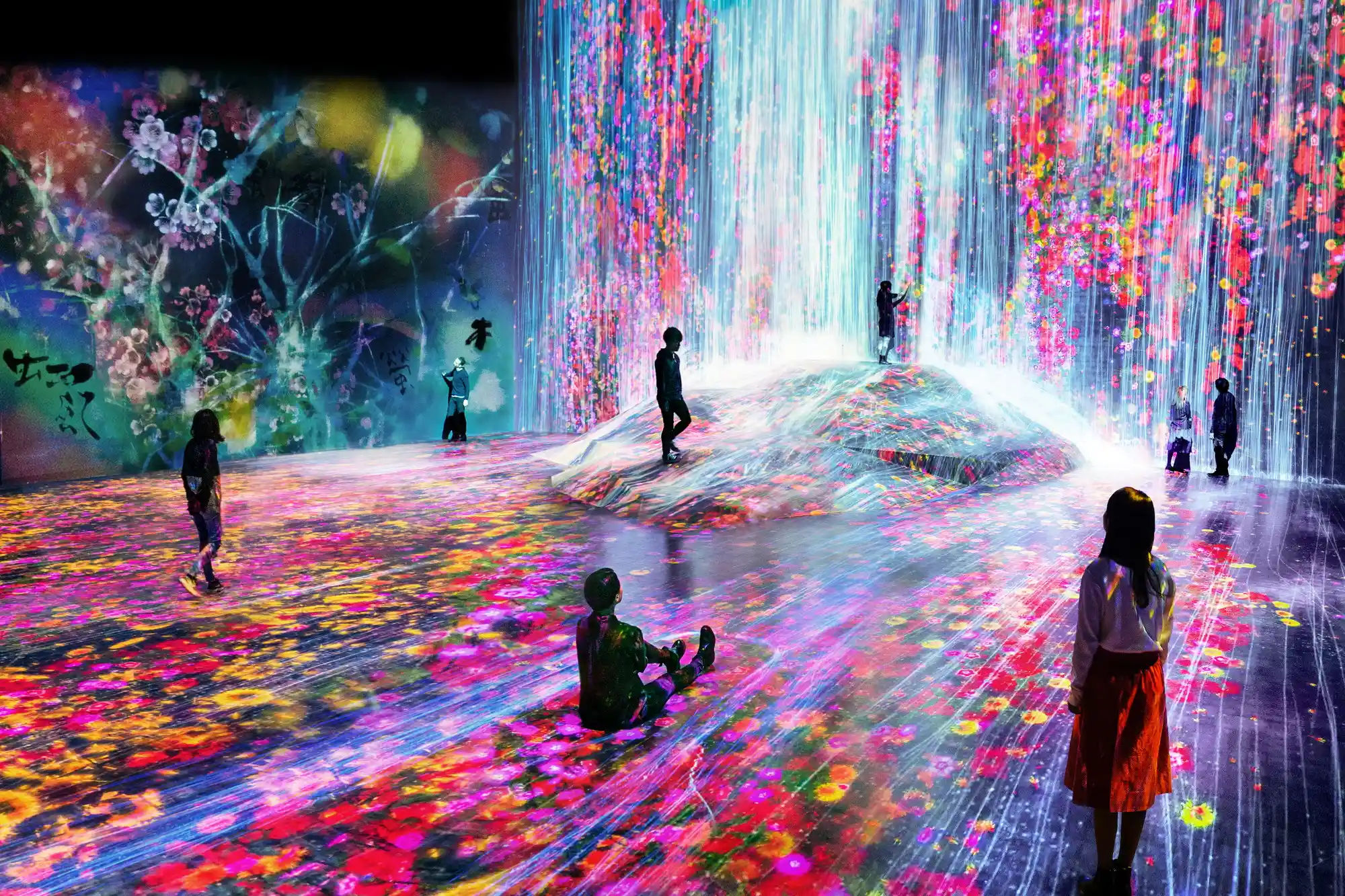
teamLab Borderless: MORI Building DIGITAL ART MUSEUM
Well-known museum featuring bright and futuristic ...
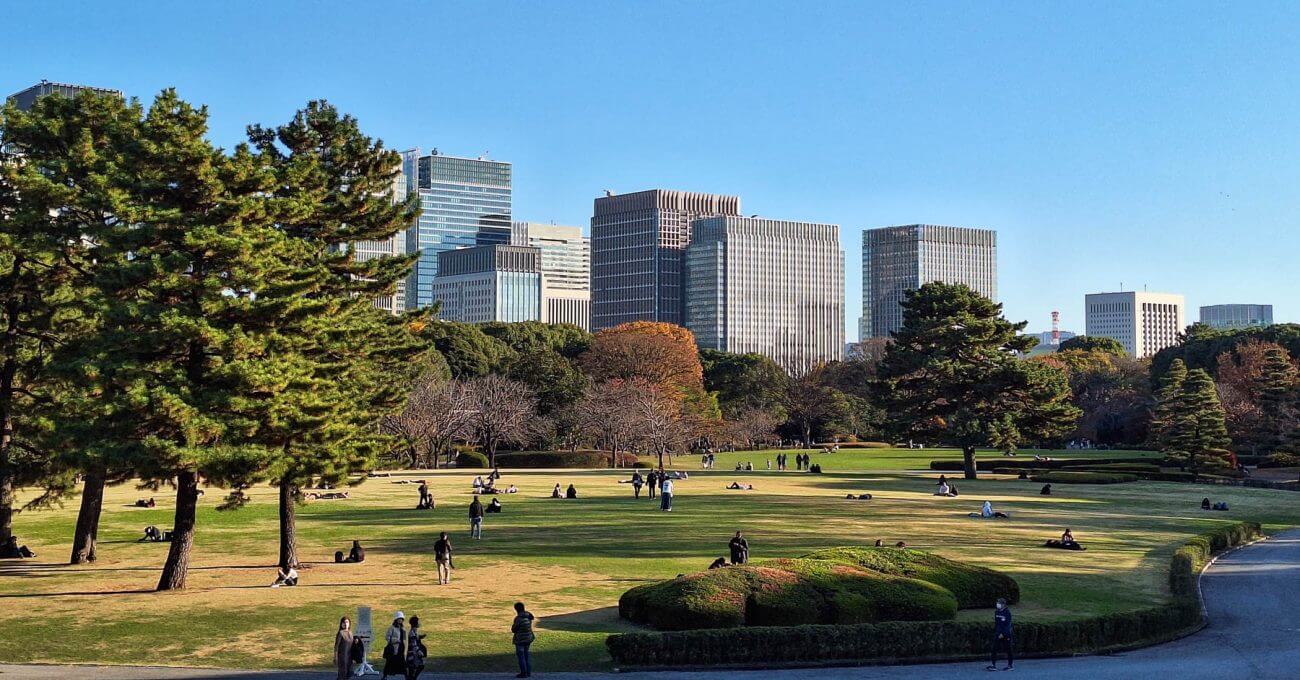
Imperial Palace East National Gardens
Palace gardens & Edo castle ruins. Large landscape...
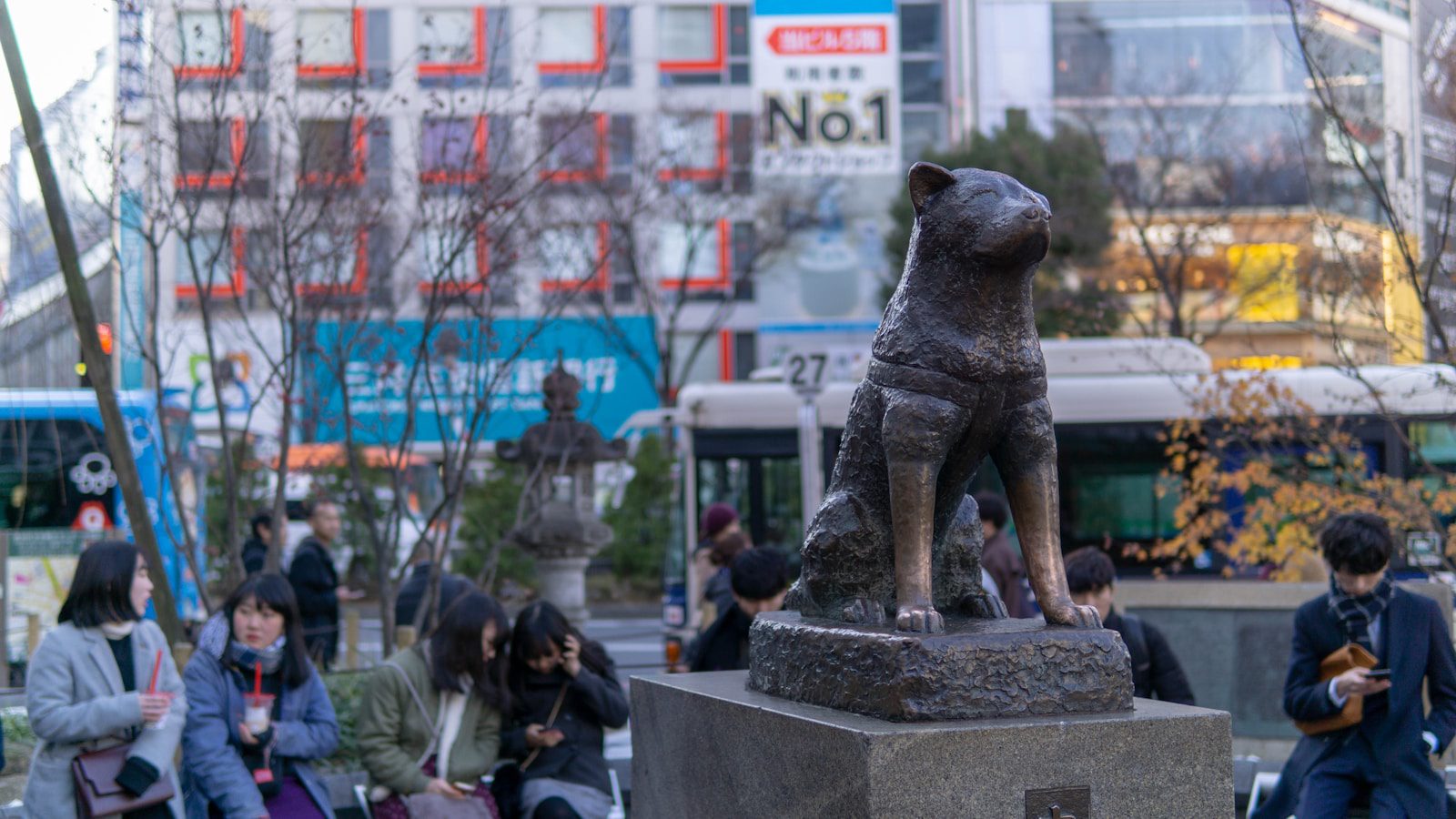
Hachiko Statue
A well-known statue of a devoted dog. A favorite g...
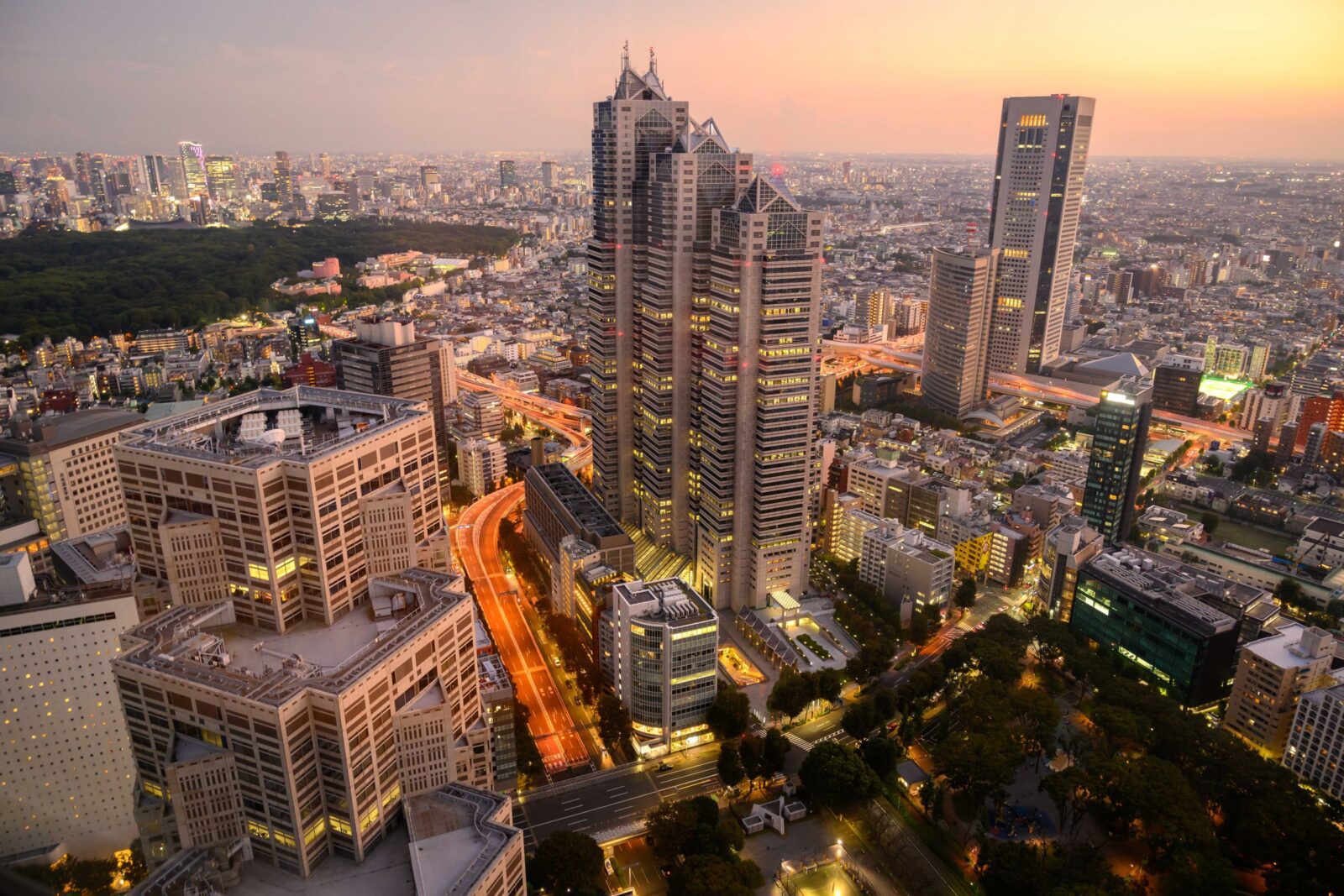
Tokyo Metropolitan Government Building
Free observation decks atop Tokyo's iconic twin-to...
Disclaimer
While we at Tokyo Trip Guide do our best to show you accurate prices, we just can't promise they'll stay the same. Here's why: since we're not actually selling anything ourselves - we work with partner companies who set their own prices - we can't control what deals they offer. That's why it's best to check directly with our suggested deal providers to see their latest prices for attraction tickets.
Just so you know, if you end up buying something from the providers we list here, we might get a small commission. We'd be really happy if you used our recommended links to make your bookings!