
Shinjuku Golden-Gai
This historic maze of narrow alleys in Shinjuku's Kabukicho district is crammed with over 200 cozy little bars. It's famous for its intimate nightlife and that classic old Tokyo vibe.
4.5 (10690 reviews)
Overview
Book Experience
Attraction Types
Operating Hours
Location
Things to Know
 Book Experience Now!
Check current price and availability.
 Viator
 Booking.com
 Tripadvisor
 Trip.com
 GetYourGuide
 Klook
Klook
 Traveloka
Overview
Want to check out Tokyo’s nightlife from decades ago? Shinjuku Golden Gai’s your spot—as long as you don’t mind cramming into bars the size of a closet. This little area in Kabukicho packs six skinny alleys with over 200 mini bars, most holding just 5-10 people.
It somehow made it through the post-war rebuilds and the bubble economy madness, skipping the demolition that took out most of old Shinjuku. Today, it’s a real time capsule blending charming old buildings with a wild mix of bars, each one with its own vibe, loyal crowd, and rules like no cameras or seat fees.
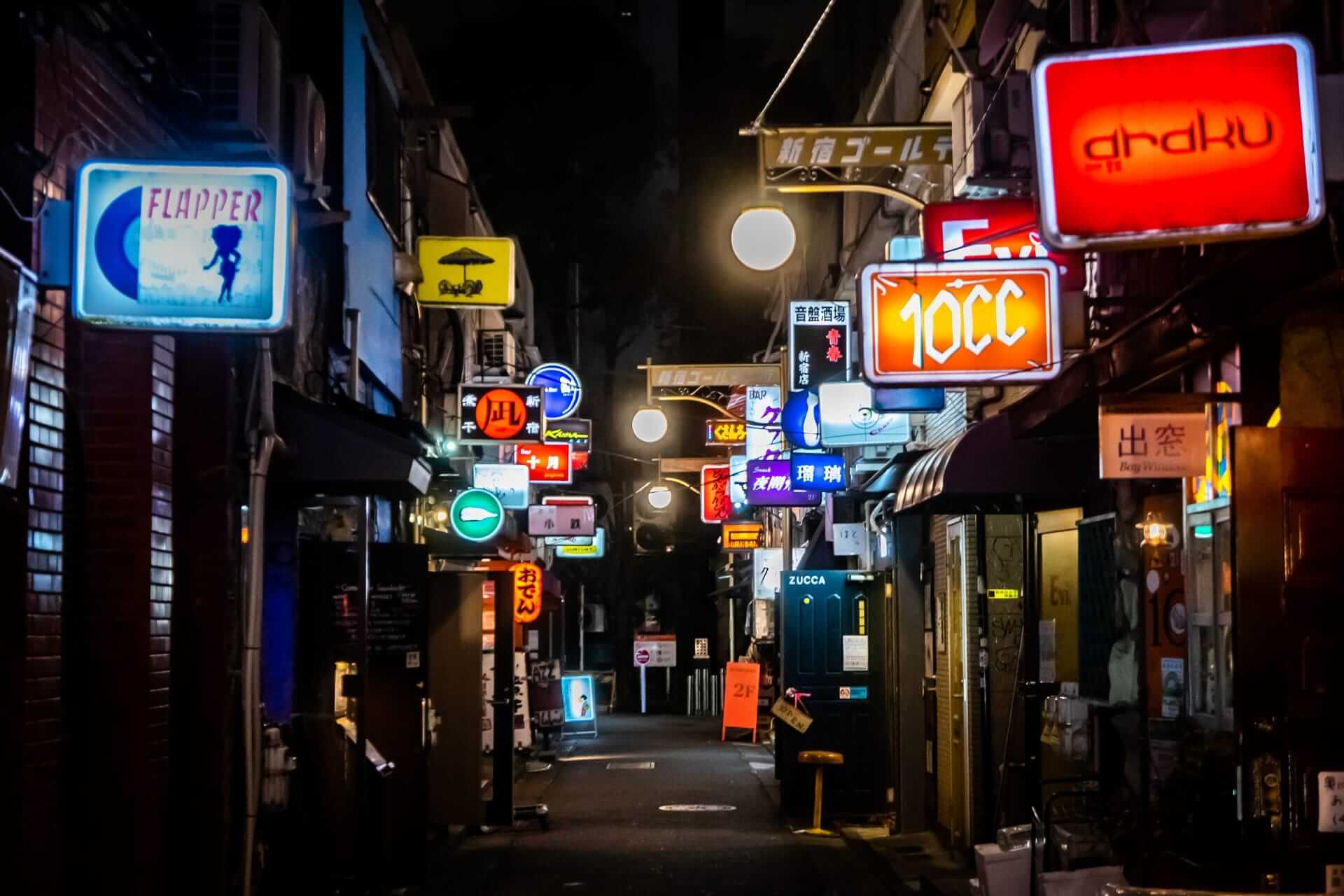
Wandering Golden Gai feels like stepping onto a film set, but the faded paint, handmade signs, and tight stairways are all legit. Bars typically open at 7 or 8 PM, stay hopping past midnight, and some keep going till 5 AM on weekends.
You’ll spot everyone from wide-eyed tourists to locals who’ve parked at the same eight-seat bar for 20 years. Count on cover charges at lots of places (usually 500-1,000 yen), plus drinks that run pricier than your average Tokyo spot—say 800-1,500 yen each.
Some bars roll out the welcome mat for tourists, others stick to their regulars, and a handful have English-speaking bartenders to show you around. Skip it if you’re with a rowdy party crew; the feel is cozy, chatty, and quirky enough to send you home with tales of the horror movie-themed bar or the one run by a writer’s grandkid.
Shinjuku Golden Gai: Tiny Tokyo Bar Guide 2026 – Tokyo pulses with neon and crowds. But squeeze into Shinjuku Golden Gai.
This warren of six alleys hides over 200 bars, each a shoebox of wood and memory. No chains here.
No blasting music. Just counters for five or six souls, drinks that hit hard, talks that linger.
Golden Gai Tokyo defies the city’s gloss. It demands you slow down, lean in, pay up.
In 2026, it pulls stronger than ever. Crowds thin out post-boom, locals reclaim stools.
Ready to dive into this pocket of real Tokyo nightlife?
Shinjuku Golden Gai Bars: 2026 Nightlife Survival Guide
Shinjuku Golden Gai sits in Kabukicho’s eastern edge, a low-slung rebel amid skyscrapers. Picture two-story shacks, paint curling off like old skin, signs scrawled by hand.
Alleys twist narrow—one person wide at spots. Bars cram in, 10 square meters apiece.
You climb steep stairs, grip rails tight. This isn’t remake.
It’s survivor.
These spots trace back to post-war black markets. They morphed through red-light days into bar havens by the ’60s.
Artists, writers flocked for cheap space, raw vibe. Tokyo boomed around them—towers shot up, neon drowned streets.
Golden Gai hunkered down. Owners fought redevelopment, bar by bar.
Also read:
Now, in 2026, it stands as Tokyo’s last gasp of old Shinjuku.
The Bohemian Pull That Stuck
Bohemian roots run deep. Jazz haunts.
Punk dens. Cinema shrines.
Walls bulge with flyers, Polaroids, decades of dust. Themes stick from owners’ whims—go boards, horse races, forgotten bands.
You pick a door, step into someone’s obsession. Elbow-to-elbow with strangers.
Silence? Impossible.
Chat sparks fast, or stare at your whiskey.
What Happens Inside Golden Gai Tokyo Bars
Bars ignite after dark. Daytime?
Dead alleys, shuttered fronts, stale beer whiff. Hit 8 PM.
Lights flicker on. Crowds shuffle, voices rise.
You wander, peek in, claim a stool if luck holds. Second floors hide extra seats—duck low, climb sharp angles.
Built for shorter frames, these stairs test modern legs.
Atmosphere crushes you close. Five seats max, often less.
Smoke curls if allowed—vents fight losing battles. Bartenders rule, mix drinks strong, eye newcomers sharp.
Themes dictate playlists: jazz croons low, punk snarls gritty. Walls preach history.
You sip, talk shop with locals, swap traveler tales. Time stretches.
One hour per spot. Move on.
Cover Charges and Drink Realities
Covers hit first—500 to 1,000 yen. Otoshi snack arrives unasked, small but standard.
Drinks? 800 to 1,500 yen.
Steep for Tokyo. Why?
Tiny turns, night-only hours. No volume saves them.
Bar hop four to six? 5,000 to 8,000 yen each.
Also read:
Grumble less when you taste the pour, feel the squeeze. Premium buys intimacy. Cash only, mostly. Cards? Rare.
Getting to Shinjuku Golden Gai in 2026
Walk five to ten minutes from JR Shinjuku Station East Exit. Subway?
Shinjuku-Sanchome, Exit E2—eight minutes flat. GPS pins 35.6947, 139.7058.
Kabukicho paths lead through host clubs, touts hawking shows. Ignore them.
Hunt low buildings, neon clusters odd against towers. Alleys beckon.
Once in, no maps rule. Six alleys link by slits.
Signs hint welcomes: English OK, tourists fine, or regulars only. Respect.
Full downstairs? Eye stairs.
Squeeze up. Wander blind, or scout themes from street.
Phones glow less here—vibe demands presence.
Dodging Kabukicho Traps
Touts push hard. Smile, nod, keep stride.
Golden Gai Tokyo glows distinct—ramshackle charm, no gloss. Weeknights quieter, easier seats.
Weekends? Lines form at hits.
Best Times for Your Golden Gai Shinjuku Night
Prime hits 8:30 PM weekdays, 9 PM weekends. Early bird?
Empty paths mock you. Bars peak late, roll to 4 or 5 AM.
Spend 45 minutes each—drinks, chats, exit. Full crawl?
Three hours minimum. Year-round solid.
Summer sweats tight spaces. Winter chills walks, warms bars.
Spring, fall? Perfect strolls.
Seasons tweak feel slight. Humidity clings summer nights, AC strains.
Cozy counters save you. Bundle winter coats for alleys.
Cherry blossoms or leaves frame approaches best.
Weekend vs. Weeknight Flows
Weekdays let locals lead. Easier chats.
Weekends mix tourists heavy. Busiest spots queue.
Go midweek for pure pulse.
Picking Bars in Golden Gai Tokyo
Over 200 choices overwhelm first-timers. Scout signs.
Tourist nods: Albatross for craft pours, Champion karaoke belts, Cinema Club film nods. Busier, friendlier.
Regulars-only? Signs scream it—back off.
Private spots, their call. Wander catches gems.
Etiquette seals nights. Ask covers upfront.
No photos sans nod—kicked fast. Volume low.
Intimacy thrives quiet. Groups over three?
Split or skip—seats don’t flex.
Tourist-Friendly Gems
Albatross pours precise, chats easy. Champion sings loud, bonds quick.
Cinema walls screen classics, vibes warm. Lines form weekends.
Worth wait.
Who Thrives in Golden Gai Shinjuku—and Who Bails
Solo travelers shine. Strangers turn friends fast.
History nuts soak post-war grit. Photo hounds frame neon alleys, peeling wood.
Conversation seekers win big—forced proximity sparks real talk. Dry humor fits: “Stool’s taken?
Whole bar’s taken.”
Skip if smoke chokes, space-starved, budget-tight. Large crews fracture.
Loud packs clash. Izakayas cheaper elsewhere.
The Misfit Warnings
Smoke lingers thick. Cramped kills claustrophobes.
Costs bite. Groups grind halt.
Pro Tips to Nail Your 2026 Golden Gai Tokyo Visit
Cash stacked. Cards falter deep in.
Official site goldengai.jp updates rare—blogs rule intel. No shouting.
Permission for snaps. Respect signs, owners’ gazes.
Bar hop smart—mix themes, pace drinks. End with memories sharper than hangovers.
Golden Gai endures. You will too.
Read More
Attraction Types
Tourist Attraction
Bar District
Business Park
Ramen Restaurant
Nightlife Area
Historic District
Things to Know
- Onsite services
- Public toilets available in the district
- Some bars have English-speaking staff
- Nearby convenience stores and ATMs
- Wheelchair accessible entrance
- Wheelchair accessible parking lot
- No unified wheelchair accessibility (narrow stairs, tight spaces common)
- No on-site parking (rely on nearby paid lots)
- No central free WiFi
- No wheelchair-accessible toilets in most bars
Our Notes & Verdicts
Our Rating: 4.8
When our travel blog crew first strolled into Shinjuku Golden Gai around 9 PM on a Thursday, we really had no clue what to expect besides “tiny bars crammed into old buildings.” But man, it turned out way more charming and cozy than any write-up had hinted at. We slipped into this six-seat spot run by a super friendly bartender who spoke pretty good English. He whipped up some surprisingly tasty cocktails while chatting about the area’s history and tipping us off on which bars welcomed tourists and which were strictly for locals.
The cover charge—700 yen—seemed totally worth it for that personal vibe and atmosphere. And seeing all these other little bars pack out with salarymen, artists, and fellow travelers really showed us how Golden Gai pulls double duty as a tourist spot and a real local hangout.
Bar-hopping here’s nothing like those big pub crawls elsewhere—you’re not shuffling through huge rooms or faceless crowds. Nah, you’re squeezing into a new eight-person nook every 45 minutes, saying hi to the folks right next to you (elbows bumping makes it inevitable), and soaking up how each owner turns their 20 square meters into its own little universe.
A few had cool themes—like one plastered wall-to-wall with punk rock posters, or another all about classic movies—while others just felt like a buddy’s killer-stocked living room that pours drinks. Yeah, it adds up quick if you do four or five bars in a night—figure 5,000-8,000 yen per person with covers and drinks—but knocking back drinks in a 1960s Tokyo time warp, swapping stories with locals and visitors from everywhere, made it one of our top Tokyo nights ever.
Oh, and skip it if you’re after dance floors, blasting music, or space to dance around; Golden Gai’s all about that up-close intimacy, and that’s what makes it special.
🏨 Related Accommodations
-

Grand Hyatt Tokyo
6-10-3 Roppongi, Tokyo 106-0032, Japan
-
Palace Hotel Tokyo
1-1-1 Marunouchi, Tokyo 100-0005, Japan
-
Dai-ichi Hotel Tokyo
1-2-6 Shimbashi, Minato, Tokyo 105-8621, Japan
-
Park Hyatt Tokyo
3-7-1-2 Nishi Shinjuku, Tokyo 163-1055, Japan
-

Ana Intercontinental Tokyo
1-12-33 Akasaka Minato, Tokyo 107-0052, Japan
Not sure which hotel to select? Try these hotel search engines below
🍽️ Related Restaurants
-
-
-
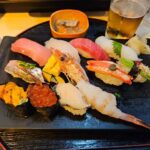
Sushizanmai Tsukijiekimae-Ten
3-11-9 Tsukiji Square bldg1F, Tsukiji, Chuo 104-0045 Tokyo Prefecture
Sushi, Healthy
-
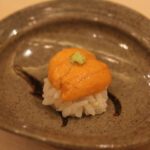
Sushi Saito
1-4-5 1F Ark Hills South Tower, Roppongi, Minato 107-0052 Tokyo Prefecture
Japanese, Seafood
-
 Explore More Restaurants
Operating Hours
Location
Kabukicho, Shinjuku City, Tokyo 160-0021, Japan
Nearest Train Station(s)
JR: Shinjuku Station (East Exit, 5-10 minute walk on JR Yamanote Line, Chuo Line, Sobu Line) | Subway: Shinjuku-Sanchome Station (Exit E2, Tokyo Metro Marunouchi Line, Fukutoshin Line, Toei Shinjuku Line, 5-8 minute walk)
Nearest Bus Stop(s)
Shinjuku Station East Exit Bus Stops | Kabukicho area bus stops serving local Toei routes
 DiscoverCars
 RentalCars
Tokyo Trip Add-Ons
Equip yourself for the ultimate Tokyo adventure with the following add-ons, curated just for you.








Related Attractions
Sangūbashi Park
Small neighborhood park in Yoyogi, Shibuya, known ...
Shibuya Sky
An observation deck located high above Shibuya, of...
teamLab Borderless: MORI Building DIGITAL ART MUSEUM
Well-known museum featuring bright and futuristic ...
Meiji Jingu Gyoen
Tranquil garden within Meiji Shrine featuring iris...
Tsukiji Outer Market
Large wholesale fish market featuring a diverse se...
Tokyo Metropolitan Government Building
Free observation decks atop Tokyo's iconic twin-to...
Shibuya Scramble Crossing
Shibuya Scramble Crossing is an intersection locat...
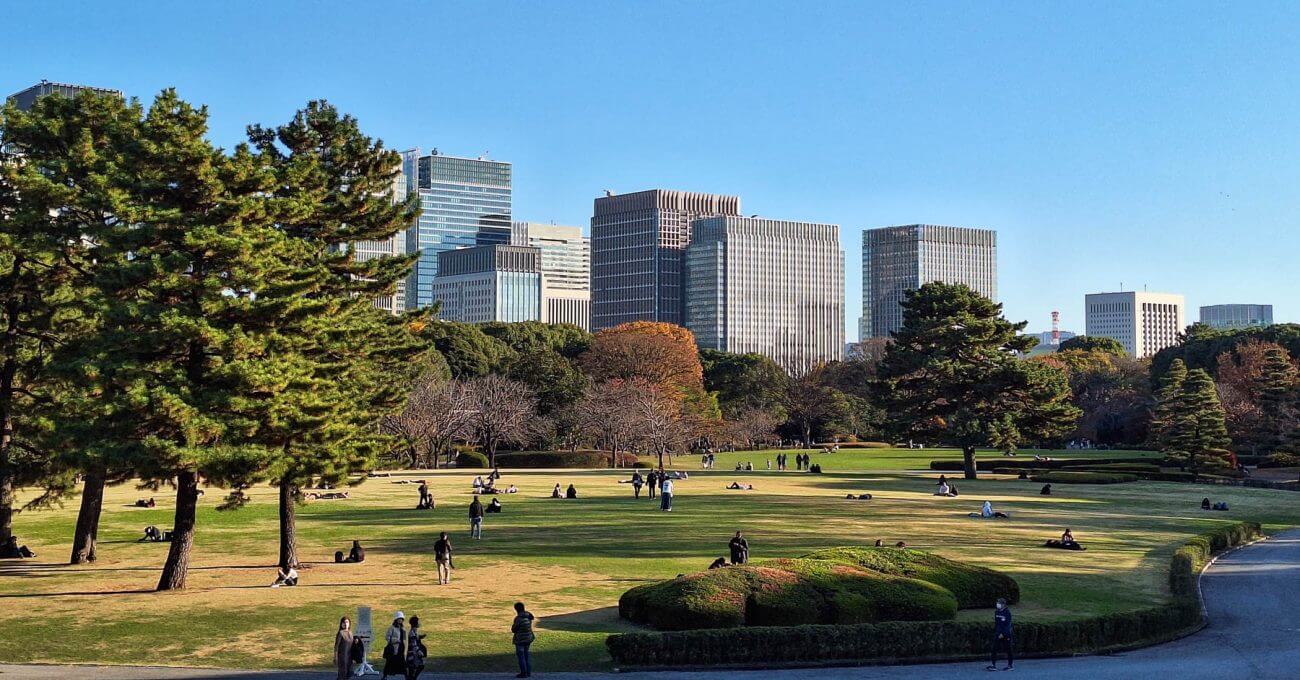
Imperial Palace East National Gardens
Palace gardens & Edo castle ruins. Large landscape...
Frequently Asked Questions (FAQs)
Golden Gai is famous for being Tokyo’s time capsule of post-war nightlife—a tiny district in Kabukicho, Shinjuku, where over 200 miniature bars squeeze into six narrow alleys connected by passageways barely wide enough for one person to walk through. Each bar typically seats only 5-12 people, creating an intimate atmosphere you won’t find in modern Tokyo establishments.
The buildings themselves are architectural relics, low-slung wooden two-story structures with peeling paint, hand-scrawled signs, and steep stairs that look like they’ve survived multiple decades through sheer stubbornness.
What makes Golden Gai stand out is how each tiny bar operates as its own universe with unique themes—jazz bars, punk rock spots, literary salons, cinema-themed spaces, horror movie dens, and everything in between. The district earned its reputation as a gathering place for writers, artists, and musicians from the 1960s onward, and that bohemian, creative energy still permeates the alleys today even as tourists have discovered it.
You’re not just going to Golden Gai to drink; you’re experiencing one of the last remaining examples of old Tokyo nightlife that somehow dodged the wrecking ball during Japan’s economic boom. The visual appeal of neon signs reflecting off narrow wet alleyways, combined with the intimacy of bars where you’ll inevitably chat with whoever’s sitting next to you, creates an atmosphere that’s become increasingly rare in modern Tokyo.
Yes, Golden Gai is generally safe at night, which might surprise you given it sits in the middle of Kabukicho—Tokyo’s famous red-light district known for host clubs, adult entertainment, and the occasional shady character trying to pull tourists into questionable establishments. The reality is that Tokyo as a whole maintains extremely low crime rates, and Golden Gai benefits from that broader safety while also having its own community of bar owners who look out for the area.
The biggest “safety” concerns aren’t about physical danger but rather about unexpected costs and cultural misunderstandings. Some bars charge cover fees (500-1,500 yen) that aren’t always clearly posted, drinks run expensive (800-1,500 yen each), and a few establishments prefer regulars over tourists, which can create awkward situations if you walk into the wrong place.
The area also has a strong smoking culture, so if secondhand smoke triggers health issues, that’s something to plan for. Walking through Kabukicho to reach Golden Gai means passing touts and adult entertainment venues, but they’re generally trying to sell services rather than cause trouble—just keep walking and don’t engage if approached.
The practical advice: bring plenty of cash since many tiny bars don’t accept cards, avoid taking photos without permission (some bar owners get genuinely upset about this), and respect posted signs about whether a bar welcomes tourists or prefers regulars only. As long as you’re not stumbling around drunk and disrespecting local customs, Golden Gai at night is no more dangerous than any other Tokyo nightlife district—which is to say, remarkably safe by global standards.
Shinjuku Golden Gai is located in the Kabukicho district of Shinjuku City at 1 Chome-1-6 Kabukicho, Tokyo 160-0021. The district sits in eastern Shinjuku, roughly a 5-10 minute walk from JR Shinjuku Station’s East Exit, making it surprisingly accessible considering how hidden it feels once you’re inside the narrow alleyways.
If you’re navigating by GPS, the coordinates center around 35.6947, 139.7058, which will drop you right into the cluster of low-rise wooden buildings that look completely out of place among Shinjuku’s modern skyscrapers.
From JR Shinjuku Station, take the East Exit and head toward Kabukicho—you’ll walk through Tokyo’s most famous entertainment district past host clubs and neon signs until you spot a pocket of old two-story buildings that look like they wandered in from 1960s Tokyo and decided to stay. If you’re coming by subway, Shinjuku-Sanchome Station on the Tokyo Metro Marunouchi Line, Fukutoshin Line, or Toei Shinjuku Line puts you about 5-8 minutes away via Exit E2.
The walk takes you through Kabukicho’s main streets, which can feel overwhelming with bright signs and occasional touts, but Golden Gai itself sits in a quieter pocket where the narrow alleys create their own separate world.
Once you arrive, the district consists of six main alleys with connecting passages threading between them—there’s no real “entrance” or gate, you just start walking through the narrow lanes and suddenly you’re surrounded by tiny bar doorways, steep staircases leading to second-floor establishments, and enough neon signage to make any photographer happy. The whole area occupies maybe a few city blocks, so you can’t really get lost, though you might get turned around trying to remember which alley had the bar you wanted to return to.
Disclaimer
While we at Tokyo Trip Guide do our best to show you accurate prices, we just can't promise they'll stay the same. Here's why: since we're not actually selling anything ourselves - we work with partner companies who set their own prices - we can't control what deals they offer. That's why it's best to check directly with our suggested deal providers to see their latest prices for attraction tickets.
Just so you know, if you end up buying something from the providers we list here, we might get a small commission. We'd be really happy if you used our recommended links to make your bookings!