Tokyo Solo Female Travel: Complete Safety Tips & Honest Advice




Solo Female Travel in Tokyo: Safety Guide & Practical Tips – Tokyo consistently ranks among the safest major cities in the world for solo female travelers.
The city’s low crime rates, 24/7 staffed police boxes, women-only train cars, and deeply ingrained cultural respect create a protective environment that is genuinely rare among global capitals.
This guide covers everything a solo female traveler needs: transportation strategies, safe neighborhoods, cultural norms, nightlife awareness, and practical tech tools.
Whether this is your first solo trip or your fifth return visit, the advice here is specific, actionable, and grounded in how Tokyo actually works.
Key Takeaways
Hide- Tokyo ranks in the global top three for lowest crime rates, with violent crime nearly nonexistent in tourist areas.
- Women-only train cars operate on most lines during weekday morning rush hours (7-9 AM) and late-night hours (after 11 PM).
- Neighborhoods like Shinjuku, Shibuya, Asakusa, Shimokitazawa, and Nakameguro are consistently rated safe and solo-friendly after dark.
- Roppongi and Kabukicho require extra vigilance due to aggressive touts and overpriced establishments.
- Apps like Google Translate, Life360, and VoiceTra significantly boost confidence and safety when navigating alone.
Is Tokyo Safe for Solo Female Travelers?
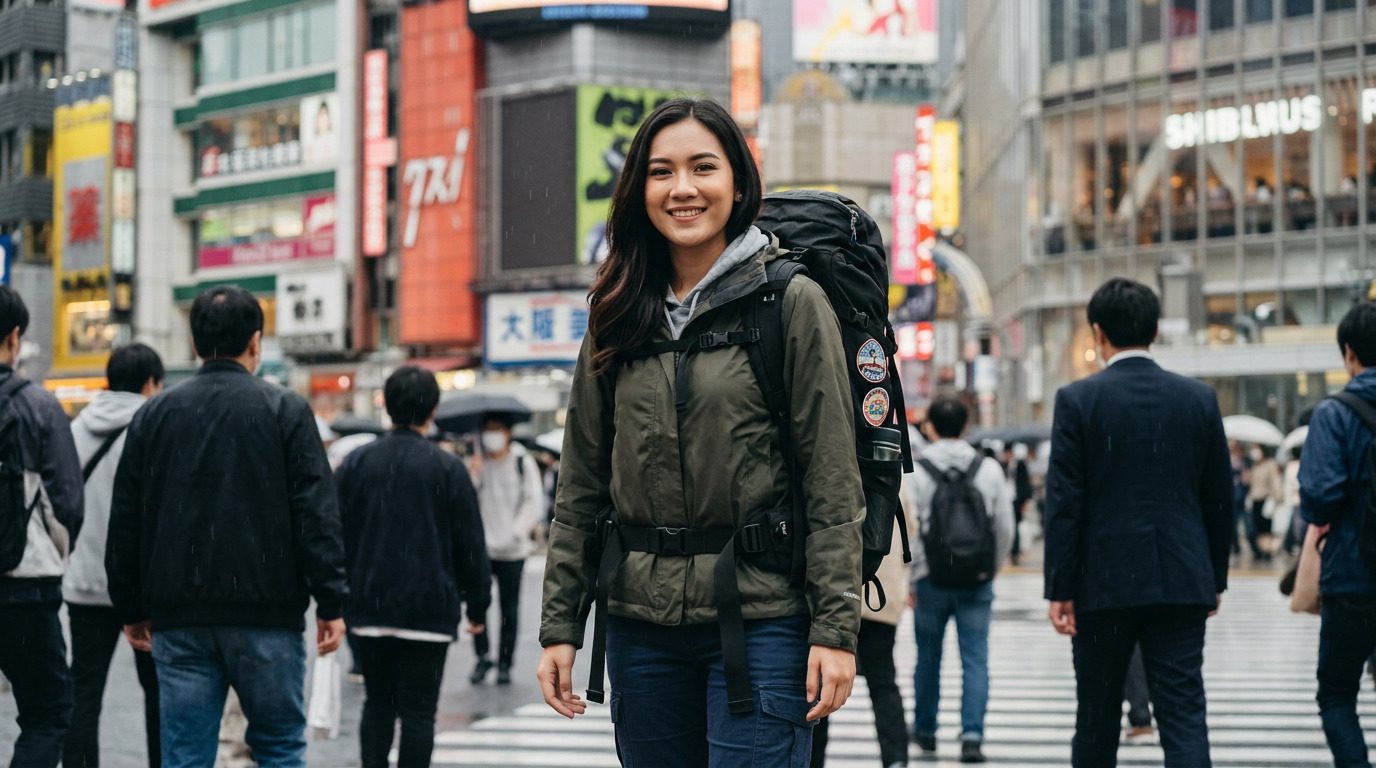
Yes. Tokyo is one of the safest cities in the world for solo female travelers.
The city maintains violent crime rates that are a fraction of most Western capitals, and women routinely walk home alone at midnight without concern.
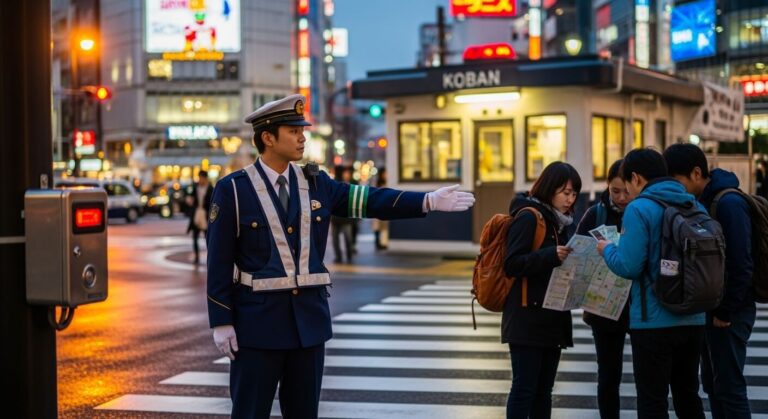
Tokyo’s safety comes from a combination of factors: Japan’s cultural emphasis on collective responsibility, an omnipresent police presence through koban (police boxes) staffed 24/7, strict gun laws, and low tolerance for public intoxication.
- Tokyo Summer Festivals: Beyond the Tourist Matsuri – Hidden Local Celebrations
- Tokyo ATM Complete Guide: International-Friendly Cash Spots
- Tokyo Autumn Food Guide: Seasonal Specialties & Where to Find Them
- Tokyo Healthcare for Travelers: Hospitals & Travel Insurance
- Spring Cherry Blossom Complete Guide: Best Viewing Spots Timing in Tokyo
- Tokyo Nightlife: Roppongi vs. Shinjuku vs. Shibuya Compared
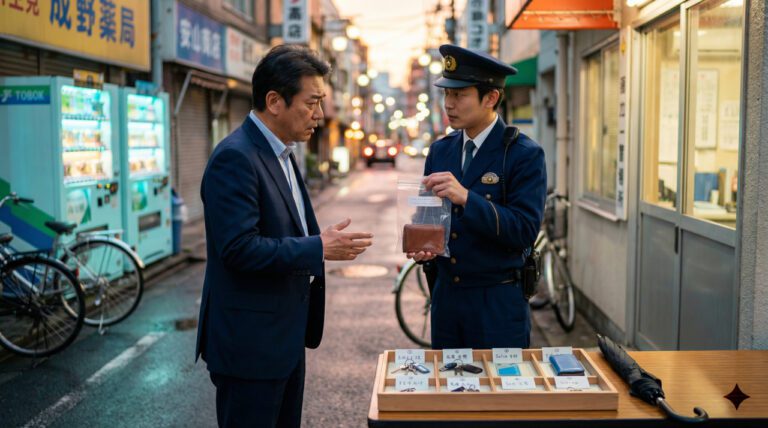
Lost wallets are regularly returned with cash intact. Laptops left unattended in cafes are rarely touched.
These are not exceptional stories here; they are everyday occurrences.
That said, awareness still matters. Specific districts, late-night situations, and crowded trains require practical knowledge covered throughout this guide.
Tokyo Trip Add-Ons
Equip yourself for the ultimate Tokyo adventure with the following add-ons, curated just for you.








Why Tokyo Feels Different from Other Major Cities
Tokyo operates on a social contract that most Western cities simply do not share. Public shaming carries significant cultural weight, making opportunistic crime feel personally disgraceful rather than tempting.
Unlike cities where pickpocketing is a constant background concern, Tokyo’s crowded trains and busy tourist areas are genuinely low-risk environments. Women fall asleep on trains regularly without incident.
Language barriers, which might seem like a disadvantage, often work in a solo traveler’s favor. Locals go out of their way to help confused tourists, frequently walking them directly to their destination rather than just pointing.
Security cameras are ubiquitous, gun ownership is tightly restricted, and public drunkenness is socially discouraged. The result is an urban environment where your biggest daily decision really is choosing between ramen shops.
Getting Around Tokyo Safely on Your Own as a Tokyo Solo Female Traveler
Tokyo’s transportation network is one of the safest and most reliable in the world.
Trains run with precise timing until approximately 1 AM, taxis are metered and trustworthy, and the city’s 24-hour convenience stores create natural safe havens throughout every neighborhood.
For solo female travelers, the system offers specific features designed with safety in mind, most notably women-only train cars that operate during peak hours on most major lines.
 Trip.com
 12Go
12GoRent a Car
Get ready for the adventure of a lifetime in Tokyo with a personalized rental car tailored to your needs.
 DiscoverCars
 RentalCars
 Trip.com
Get Greater Tokyo Pass
Enjoy unlimited travel on trains, trams, and Toei buses at no extra cost, making sightseeing in the Kanto area both affordable and convenient with considerable savings.
 Buy on Traveloka
Women-Only Train Cars: When and How to Use Them
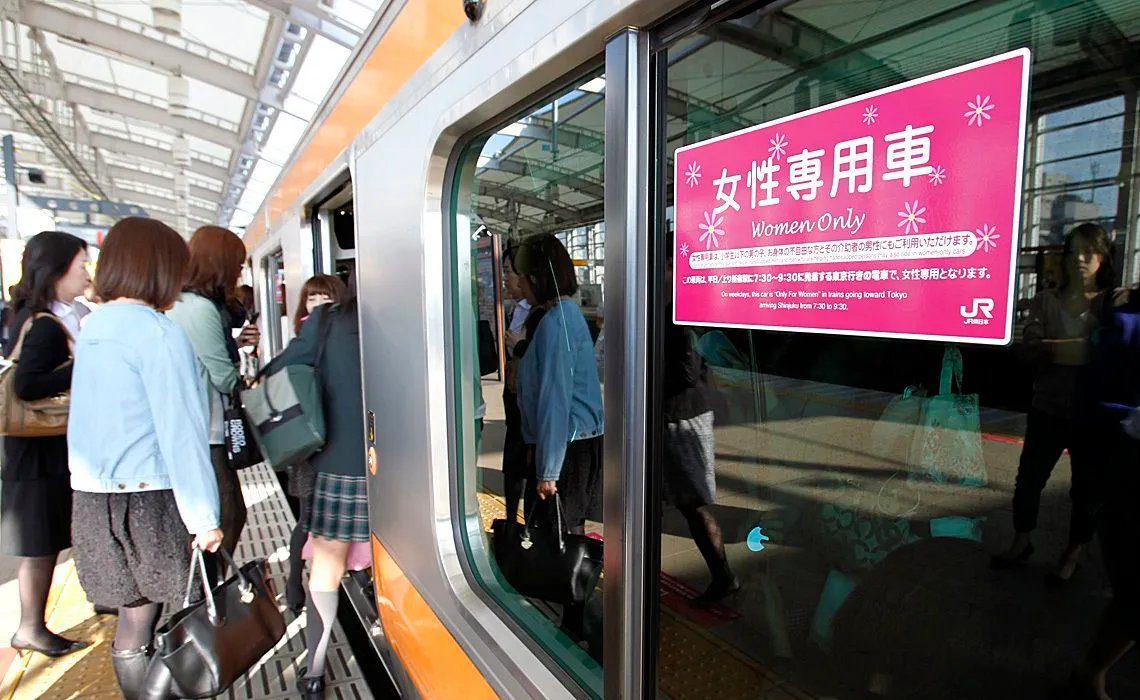
Women-only train cars operate on most Tokyo lines during weekday morning rush hours (7-9 AM) and late-night hours (after 11 PM on most lines). They are free to use and require no special ticket or pass.
Look for bright pink signs and floor markings at designated platform positions.
The Japanese text reads 女性専用車両, and an illustrated female silhouette marks the boarding area clearly.
During off-peak hours, these cars revert to general use. If you board during a non-designated period, there is no issue; simply move if the car switches back to women-only service.
Lines including the Tokyo Metro Chiyoda, Marunouchi, and Hanzomon lines, plus JR lines such as the Chuo-Sobu and Keihin-Tohoku, all operate women-only cars. Check the specific line’s schedule, as hours vary slightly.
Finding the Pink Signs at Every Station
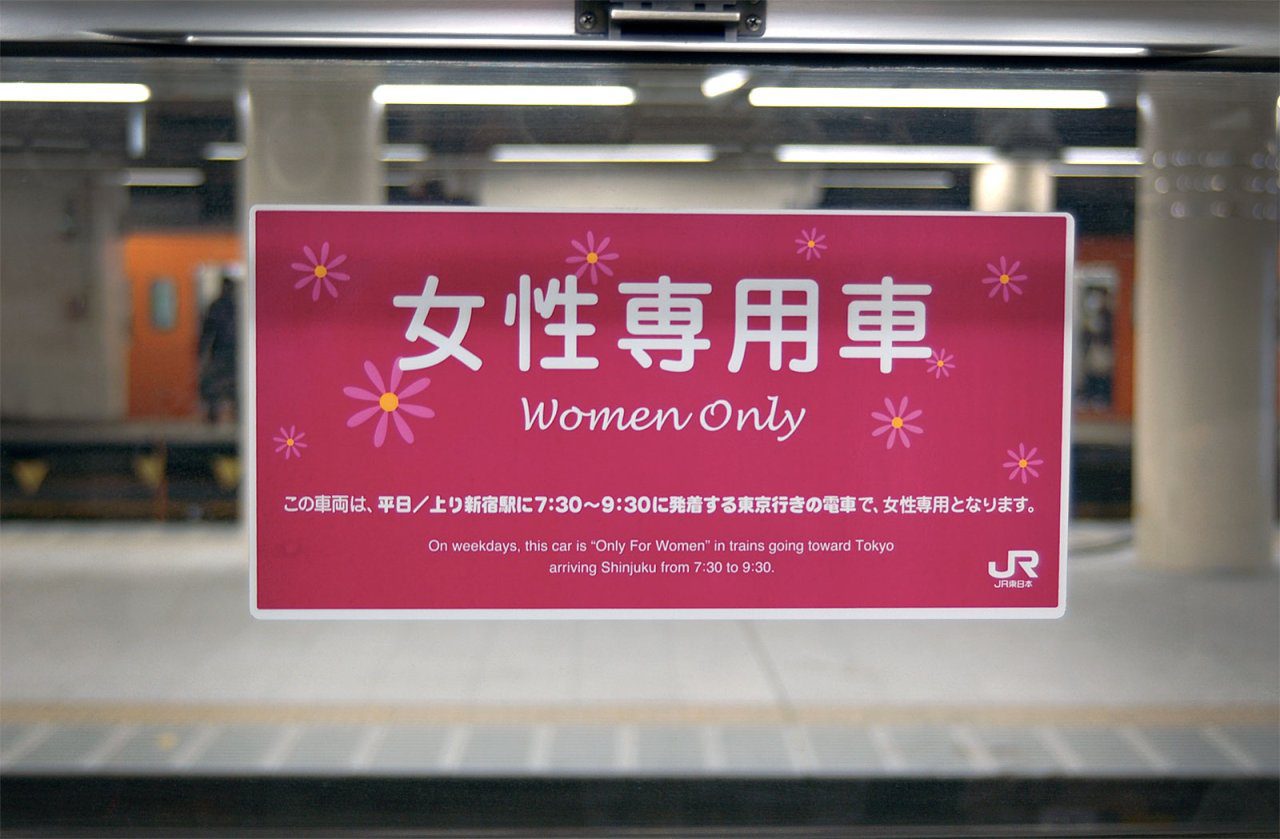
Pink signs marking women-only boarding areas appear on platform floors, overhead displays, and wall-mounted signs.
They create an unmistakable visual trail from the platform entrance to the correct boarding position.
Simply follow the pink pathway during rush hours to claim your designated space. Station staff near ticket gates can point you in the right direction if you are unsure.
Solo-Friendly Transportation Options Beyond Trains
Bike rentals through services like Docomo’s red cycle-share program transform neighborhood exploration into flexible, enjoyable travel.
The city’s expanding network of dedicated cycling paths makes pedaling surprisingly safe and intuitive across many districts.
Electric scooter rentals have expanded recently. Stick to designated lanes, avoid crowded pedestrian zones, and never ride on sidewalks regardless of what you see locals doing.
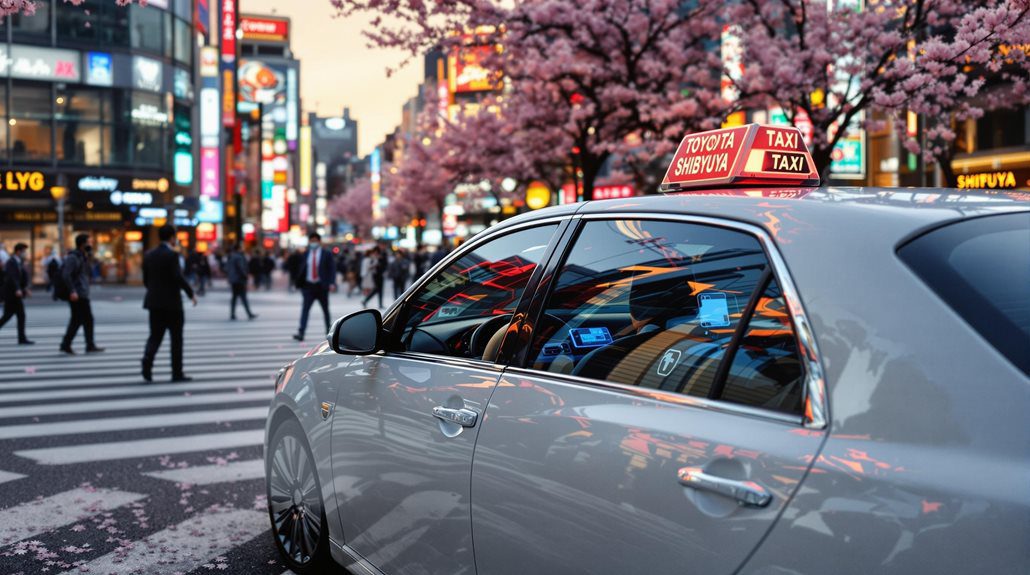
Taxis offer reliable door-to-door service during late nights. Female drivers are available through apps like JapanTaxi when preferred. Our complete Tokyo taxi guide covers hailing, payment, and tipping etiquette in detail.
Is It Safe to Travel Alone in Tokyo at Night?
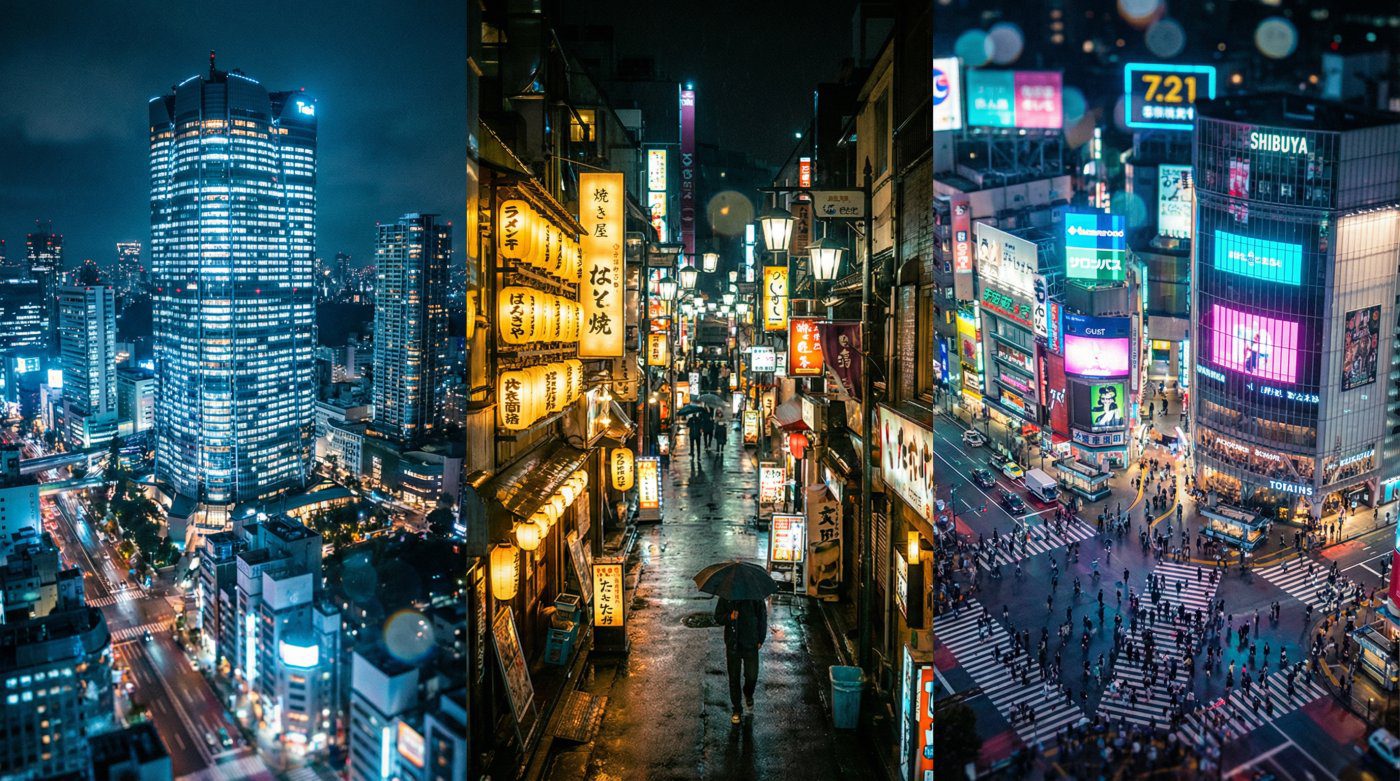
Yes. Tokyo’s nighttime streets maintain a level of safety that surprises most first-time visitors.
Solo female travelers routinely navigate midnight neighborhoods with a confidence that would seem reckless in most other global capitals.
Well-lit convenience stores and vending machines create natural waypoints throughout every neighborhood after dark. Taxis are metered and trustworthy, and 24-hour establishments are common across the city.
If you miss the last train, internet cafes (manga kissa) offer secure overnight stays for approximately 1,500–3,000 yen.
Tokyo’s last trains depart most major stations between midnight and 1 AM. After that, taxis and ride-hailing apps become the primary options for getting home safely.
Taxis in Tokyo are metered, regulated, and reliable. Drivers wear white gloves, doors open automatically, and overcharging is extremely rare.
The Japan Taxi app (now called GO) lets you book in advance and pay by card.
Uber operates in Tokyo and is a solid option for solo travelers who prefer app-based booking with fare estimates shown upfront.
Female drivers can be requested through some services when preferred.
For budget travelers who miss the last train, internet cafes (manga kissa) offer secure overnight stays with private booths, showers, and 24-hour staff.
Costs typically range from 1,500 to 3,000 yen for an overnight stay. You might want to read our guide on Tokyo backpacker guide for further money saving tips.
For a full breakdown of after-midnight options, see our guide to late night transportation in Tokyo.
Cycling and Alternative Transport
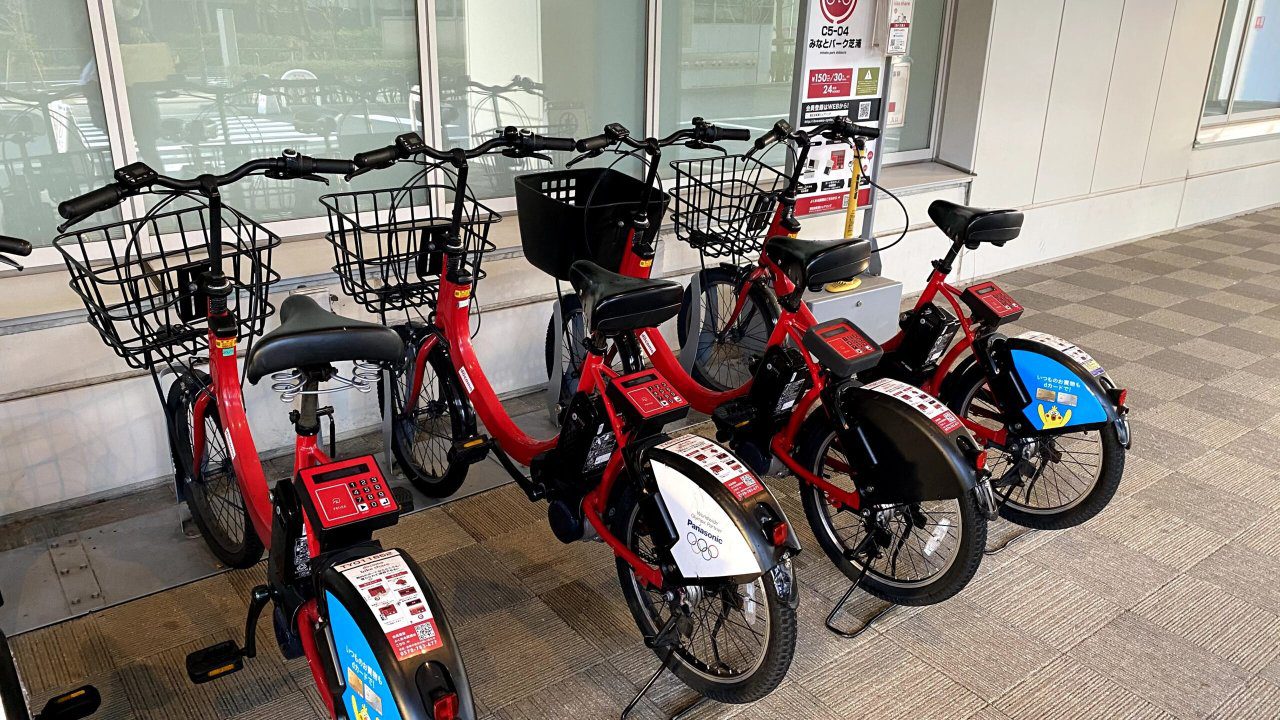
Docomo Bike Share operates red cycles available at docking stations across central Tokyo. Day passes cost 1,650 yen and allow 30-minute rides between stations.
The city’s expanding network of dedicated cycling paths makes pedaling through neighborhoods like Yanaka, Shimokitazawa, and along the Meguro River genuinely pleasant and safe.
Electric scooters are available through services like Luup but require a valid license in Japan. Stick to designated lanes and avoid sidewalks regardless of what other riders do.
Choosing Accommodation That Prioritizes Your Safety
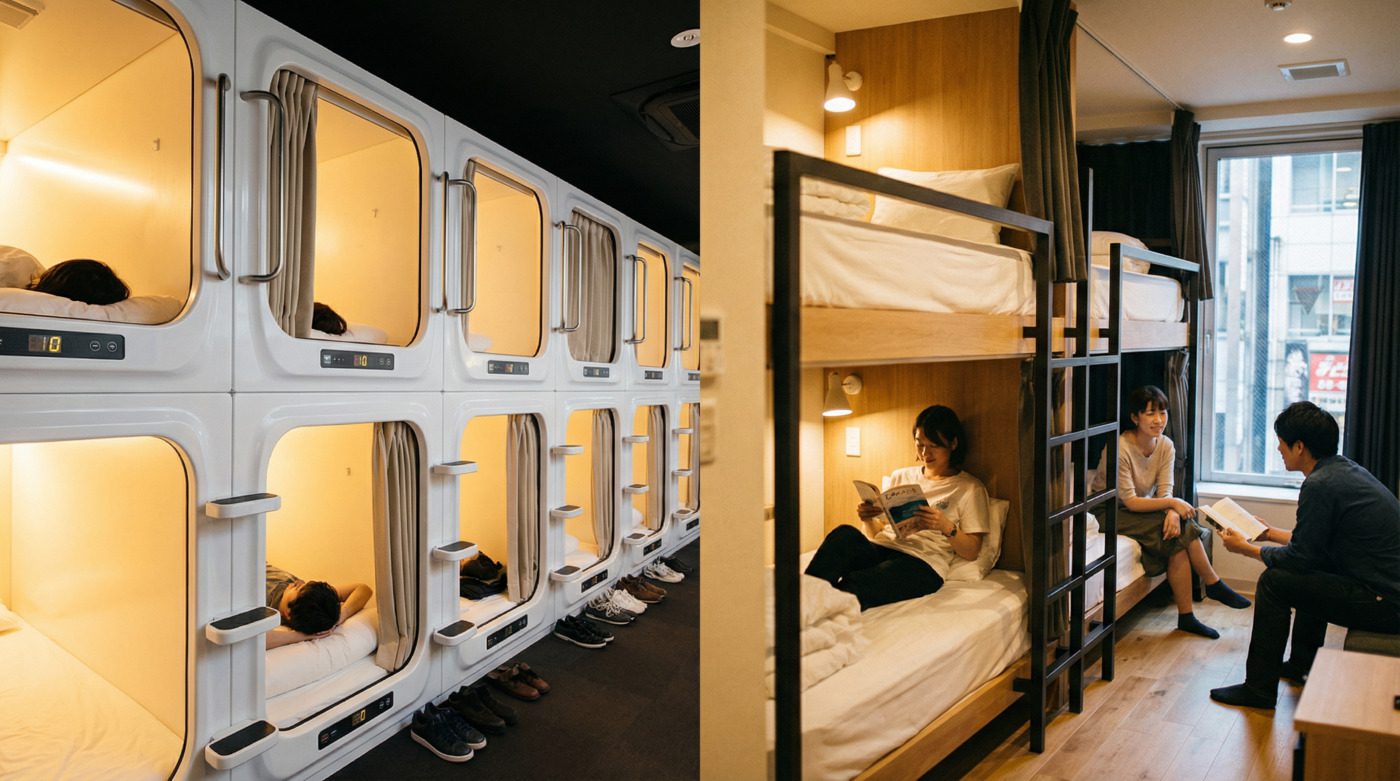
Tokyo’s accommodation market has responded directly to solo female traveler demand. Women-only floors, female-exclusive capsule hotels and hostels, and thoughtfully designed business hotels now offer specific safety features at every price point.
Neighborhood selection matters as much as the property itself. Staying within a 10-minute walk of a major station in a well-lit area with 24-hour convenience stores nearby creates a natural safety baseline.
Women-Only Floors and Female-Friendly Hotels
Many Tokyo hotels now offer dedicated women-only floors accessible only by female guests using special keycards or elevator codes.
These floors typically feature hallway surveillance cameras, monitored access points, and amenities like hair straighteners, facial steamers, and quality skincare products.
Brands leading this category include Remm Hotels, Sotetsu Fresa Inn, and Tokyu Stay.
Rates at these properties typically start around 8,000-12,000 yen per night for a standard single room.
When booking, filter for “ladies floor” (レディースフロア) on Japanese booking sites like Jalan or Rakuten Travel, or search “women-only floor” on Booking.com and Agoda.
Read our guide on useful Japanese travel phrases to learn before traveling to Tokyo that will save you in general communication purpose as a solo female traveler in Tokyo.
Capsule Hotels Designed for Solo Women
Female-only capsule hotels offer lockable pod doors, personal lighting, USB charging ports, and communal lounges, all within women-only facilities.
They cost significantly less than standard hotel rooms, typically 3,500-6,000 yen per night.
Nine Hours Woman Kanda (Chiyoda ward) and Nadeshiko Hotel Shibuya are two of the most highly rated options.
Both offer complimentary toiletries, spacious powder rooms, and multilingual staff.
These properties are particularly well-suited to solo travelers on longer trips who want to stretch their accommodation budget toward experiences instead.
What to Look for in Neighborhood Selection
The safest neighborhoods for solo female travelers combine pedestrian traffic after dark, visible police presence, and easy transit access.
Shinjuku, Shibuya, and Asakusa all meet these criteria and offer 24-hour convenience stores within short walking distance of most hotels.
Shimokitazawa and Nakameguro are excellent choices for travelers who prefer a quieter, more residential atmosphere while still maintaining good transit connections and active evening foot traffic.
Key factors to check before booking:
- Walking distance to the nearest major train station (aim for under 10 minutes)
- Presence of a koban (police box) within a few blocks
- Availability of 24-hour establishments like Family Mart or Lawson nearby
- Mix of residential and commercial activity ensuring foot traffic into the evening
Dining Out Solo Without Feeling Awkward
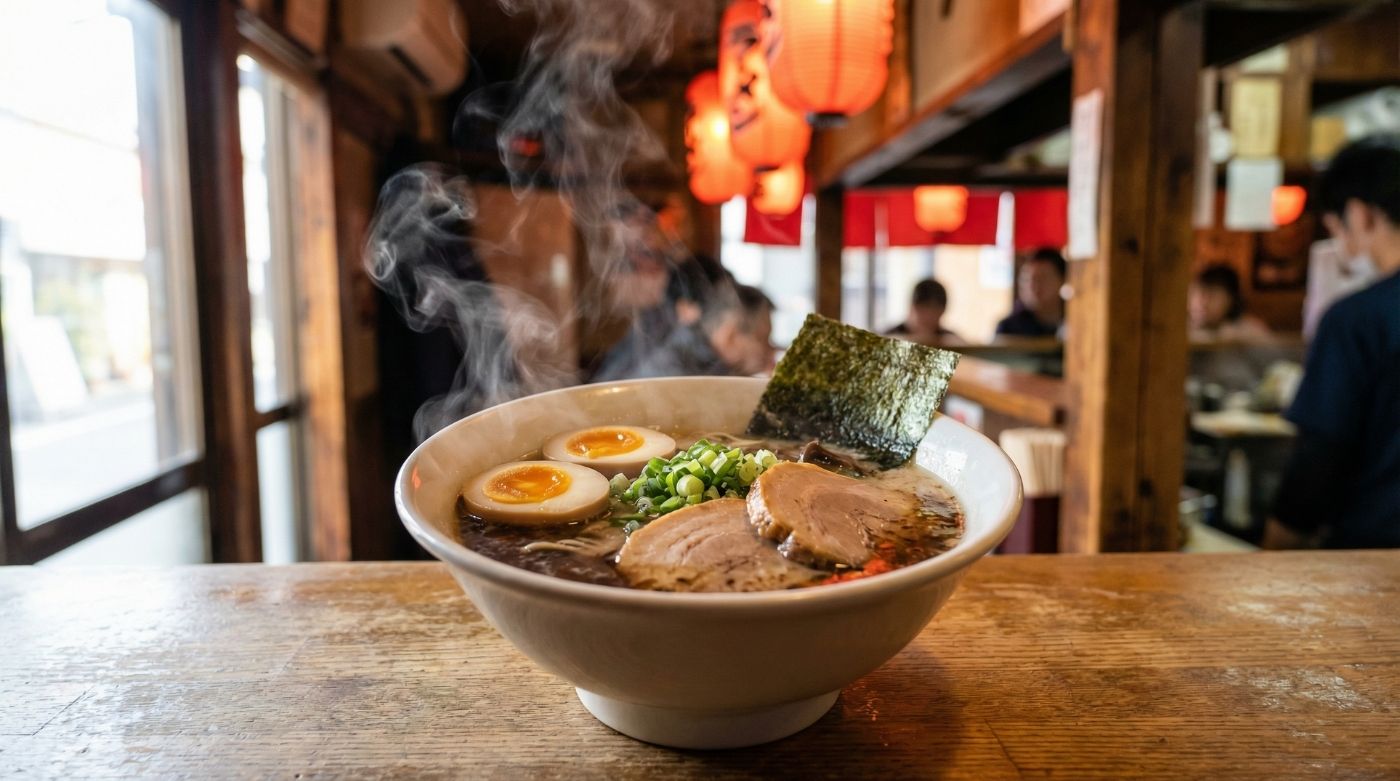
Tokyo’s restaurant culture actively accommodates solo diners. Counter seating is standard across ramen shops, sushi bars, izakayas, and curry houses.
Eating alone here carries zero social stigma and is, in many venues, the default experience.
Restaurant Types Perfect for Eating Alone

Ramen shops are the gold standard for solo dining. Most feature counter seating with dividers between seats, creating a private, focused eating experience. Many use ticket vending machines at the entrance, eliminating the need for any verbal ordering.
Conveyor belt sushi (kaiten-zushi) chains like Sushiro and Kura Sushi as well as any Tokyo restaurants let you grab plates at your own pace with no waiter interaction required. Tablet ordering is standard at most locations.
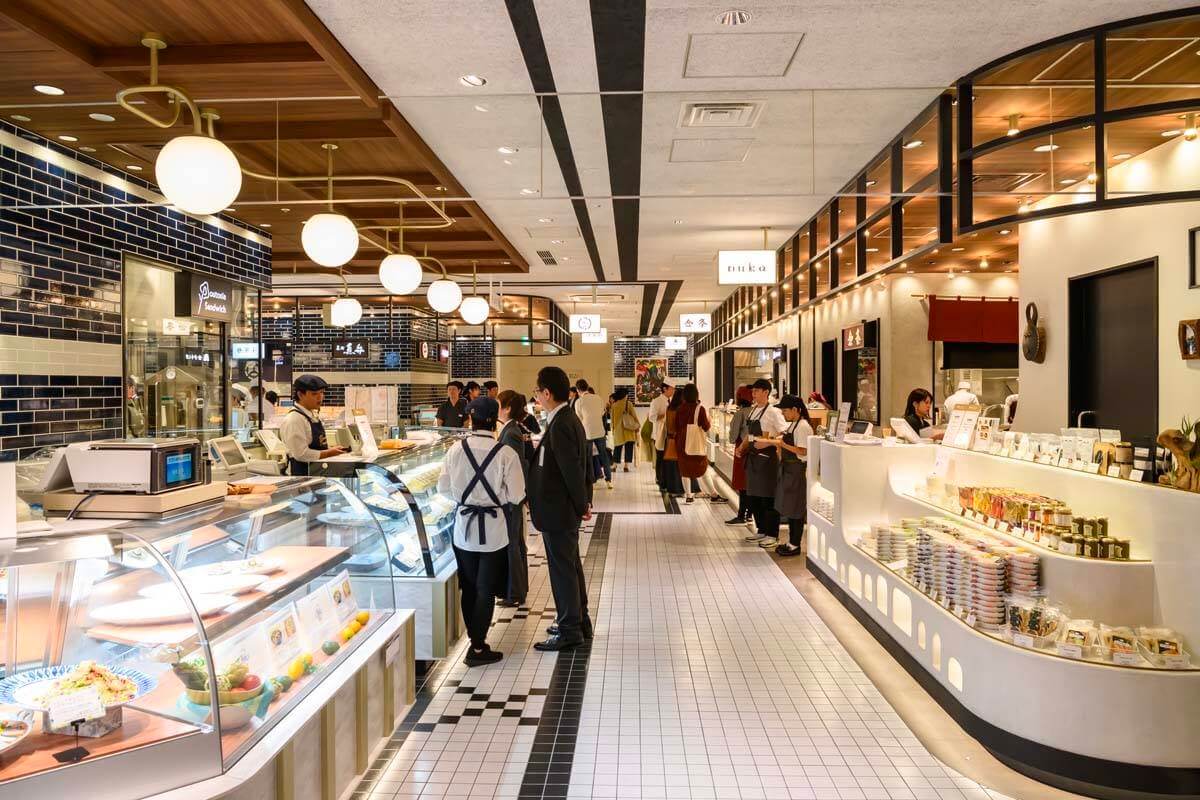
Department store basement food halls (depachika) offer dozens of counter seats across different cuisine types, from tempura to tonkatsu. These are excellent for solo lunches in areas like Shinjuku or Ginza.
Kissaten (old-school Japanese coffee shops) serve thick toast, strong coffee, and a book-friendly atmosphere where lingering for an hour is expected and welcomed.
How to Handle Counter Seating Like a Pro
Place bags on the hooks provided beneath the counter, never on adjacent seats. This is standard dining etiquette and signals awareness of shared space.
Wet towels (oshibori) are provided before meals for cleaning hands. Use them before eating, then fold and set aside. Watch neighboring diners for cues about chopstick versus hand etiquette, particularly at sushi bars where both are acceptable.
Conversation with chefs is welcome if they initiate it, but comfortable silence is equally normal. Counter seating at high-end sushi bars often becomes a genuine performance, with chefs slicing and torching ingredients directly in front of you.
Izakayas, Cafes, and Ramen Shops for Solo Diners
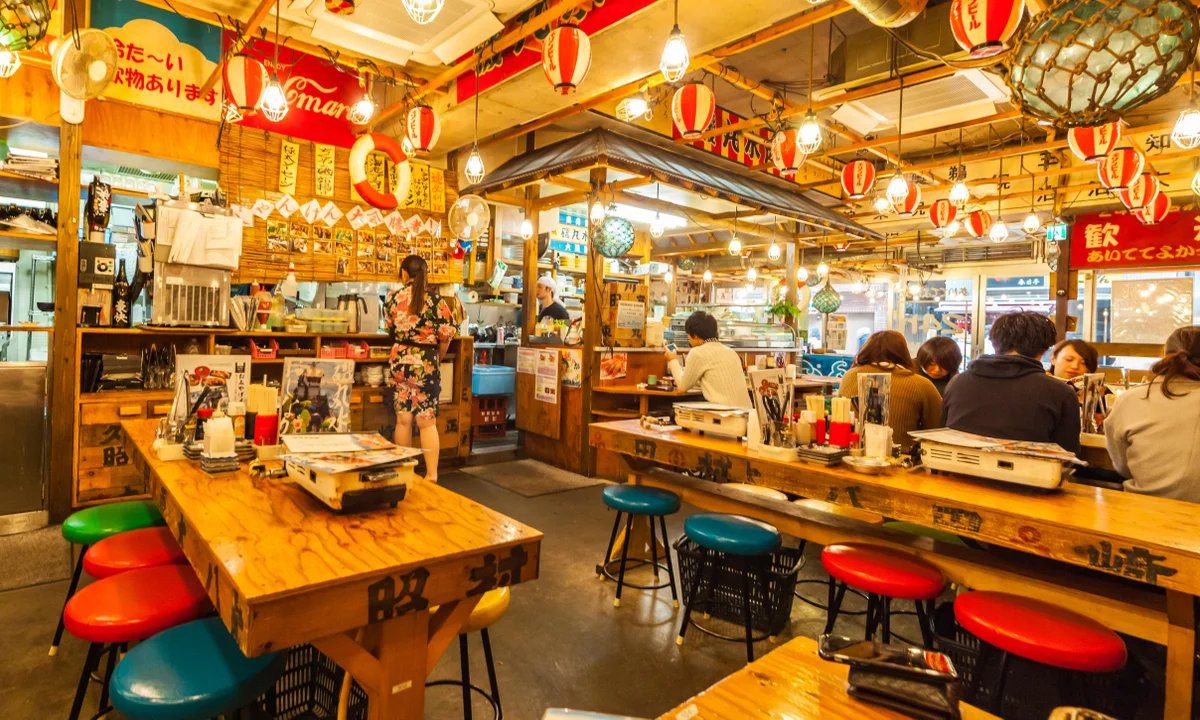
Local izakaya chains like Torikizoku and Kin no Kura use picture menus and tablet ordering systems, making language barriers a non-issue. Both chains are affordable, with most dishes priced between 300-600 yen.
For a broader guide to Tokyo’s best dining neighborhoods, our Tokyo foodie areas guide covers the top districts by cuisine type and atmosphere. You can also read our complete guide on Tokyo izakaya guide.
Standing ramen shops in Shinjuku and Shibuya offer quick, affordable meals alongside salarymen and students. Nobody glances twice at a woman eating alone. The experience is efficient, delicious, and entirely comfortable.
Tour Izakayas, Cafes, and Ramen Shops Around Tokyo
Instead of going alone, book an exclusive tour to crawl the most authentic izakayas, cafes and ramen shops on Tripadvisor and build that connection.
 Book Shibuya Local Bar & Izakaya Crawl Tour
Cultural Norms That Affect Solo Female Travelers
Tokyo is welcoming to independent women travelers, but a few cultural expectations shape daily interactions.
Understanding dress codes, photography rules at sacred sites, and onsen etiquette will prevent awkward moments and open experiences that many tourists miss.
Dress Codes and Social Expectations
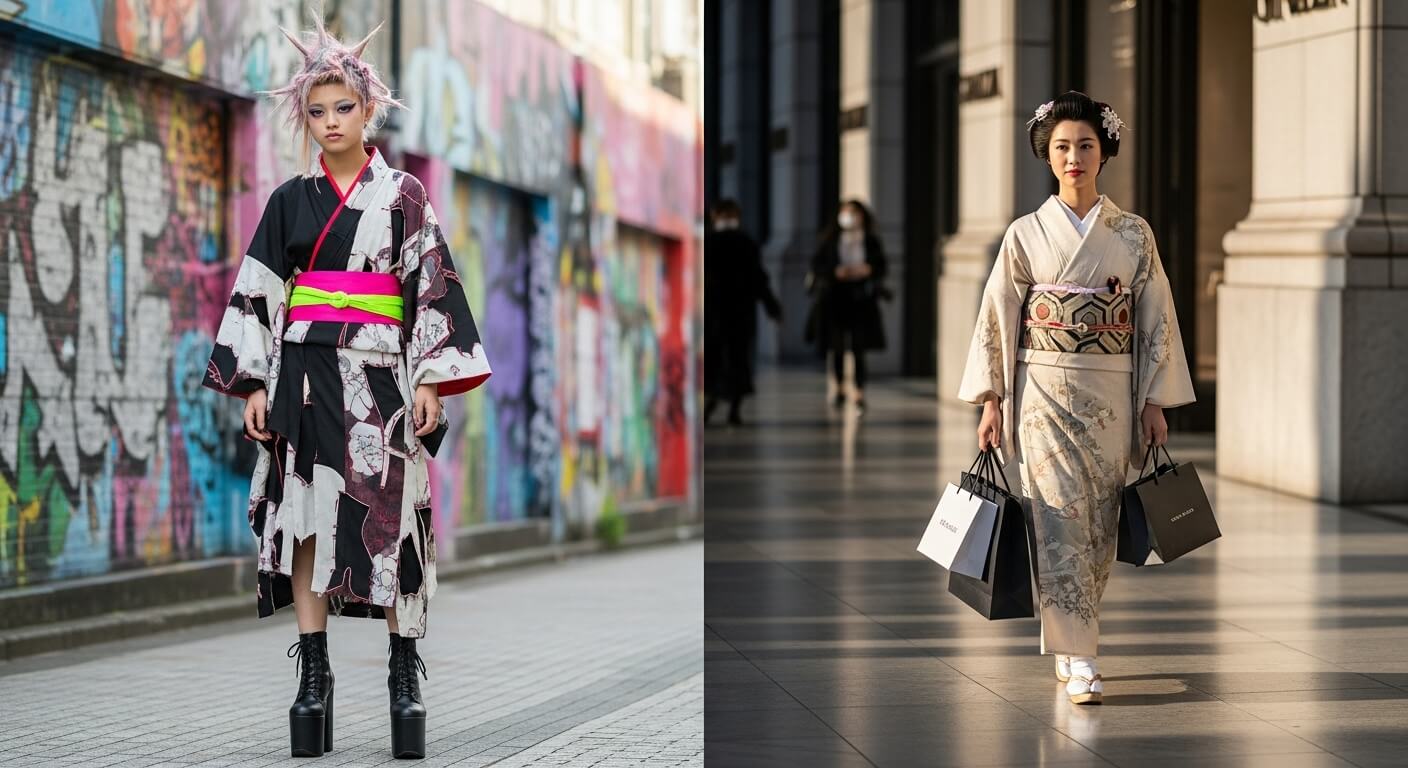
Tokyo’s dress culture leans toward modest sophistication. Clean lines, neutral colors, and polished presentation are the norm across most neighborhoods. Revealing cuts and very short hemlines are uncommon outside specific nightlife zones.
For temple and shrine visits, cover shoulders and avoid low necklines. Many sites provide wraps or scarves at the entrance for visitors who need them.
On public transit, keep voices low and phones on silent. Eating while walking is considered somewhat disrespectful by older locals, though it is widely practiced by younger generations in tourist areas.
Removing shoes before entering homes, traditional restaurants, and ryokans is non-negotiable. Look for the genkan (entryway step) as your cue.
Photography Etiquette at Shrines and Temples
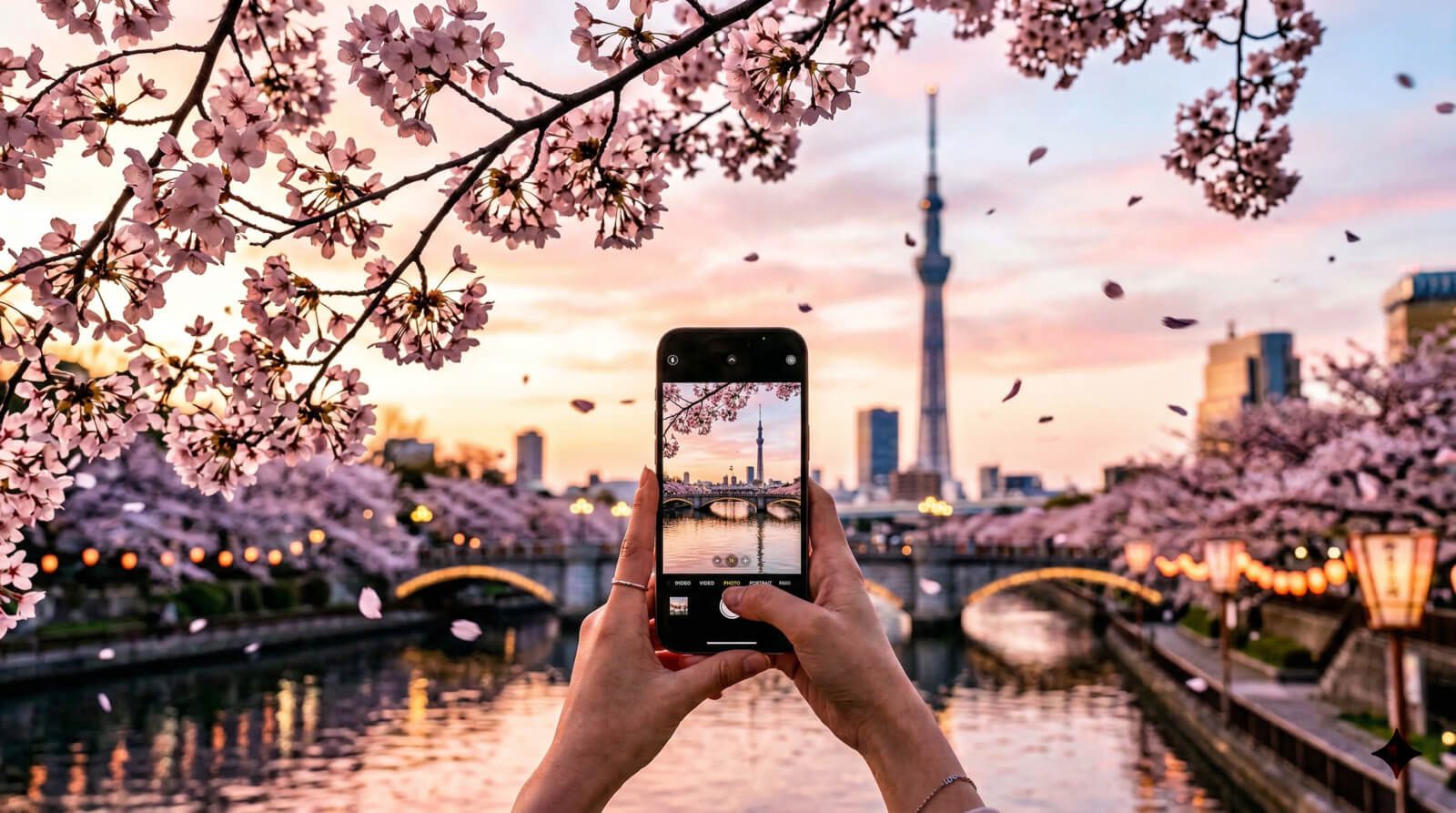
Check for photography prohibition signs (a crossed-out camera symbol) before photographing inside any temple or shrine building. Inner sanctuaries, prayer halls, and areas where ceremonies are conducted are typically off-limits.
Flash photography is prohibited in most sacred spaces and damages delicate artwork. Keep flash disabled as a default setting.
When locals are actively praying or bowing, lower your camera and give them space. Photograph gardens, gates, and architectural details from respectful distances instead. The resulting images are often more interesting anyway.
Do You Need to Follow Onsen Rules?
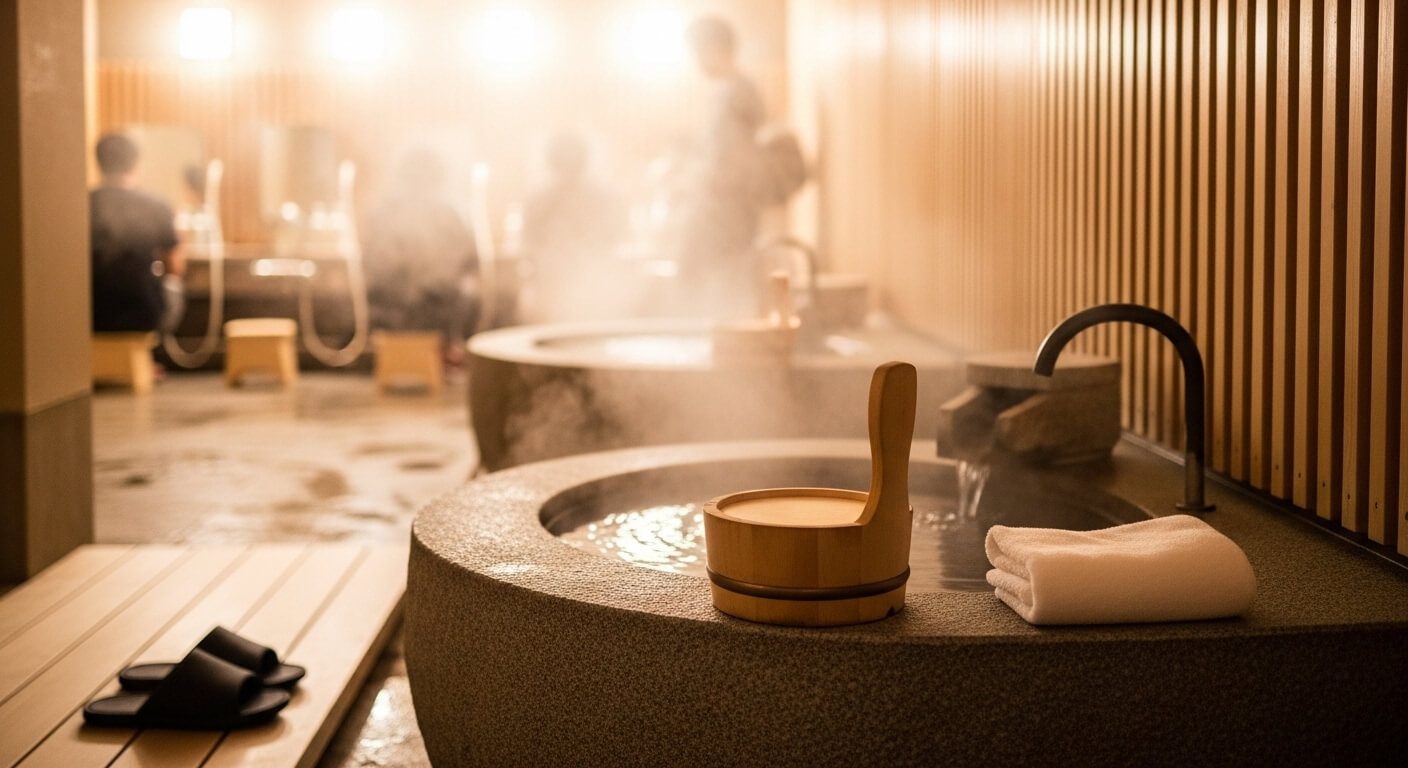
Yes. Onsen etiquette is specific and non-negotiable at most facilities. Following the rules correctly ensures a comfortable experience for everyone and avoids embarrassing situations.
Wash thoroughly at the shower stations before entering any shared bath. This is mandatory, not optional. The small towel you carry is for modesty while walking to the pools; it must never touch the water.
Keep hair completely tied up and away from the water. Silence is expected in bathing areas. Loud conversation is considered disrespectful to other bathers.
Many onsen and sento (public bathhouses) prohibit guests with visible tattoos. Check the policy before booking. Female-only floors at neighborhood sento provide a comfortable introduction for first-timers.
For a full breakdown of rules and cultural context, read our Tokyo onsen etiquette guide.
Handling Unwanted Attention the Tokyo Way
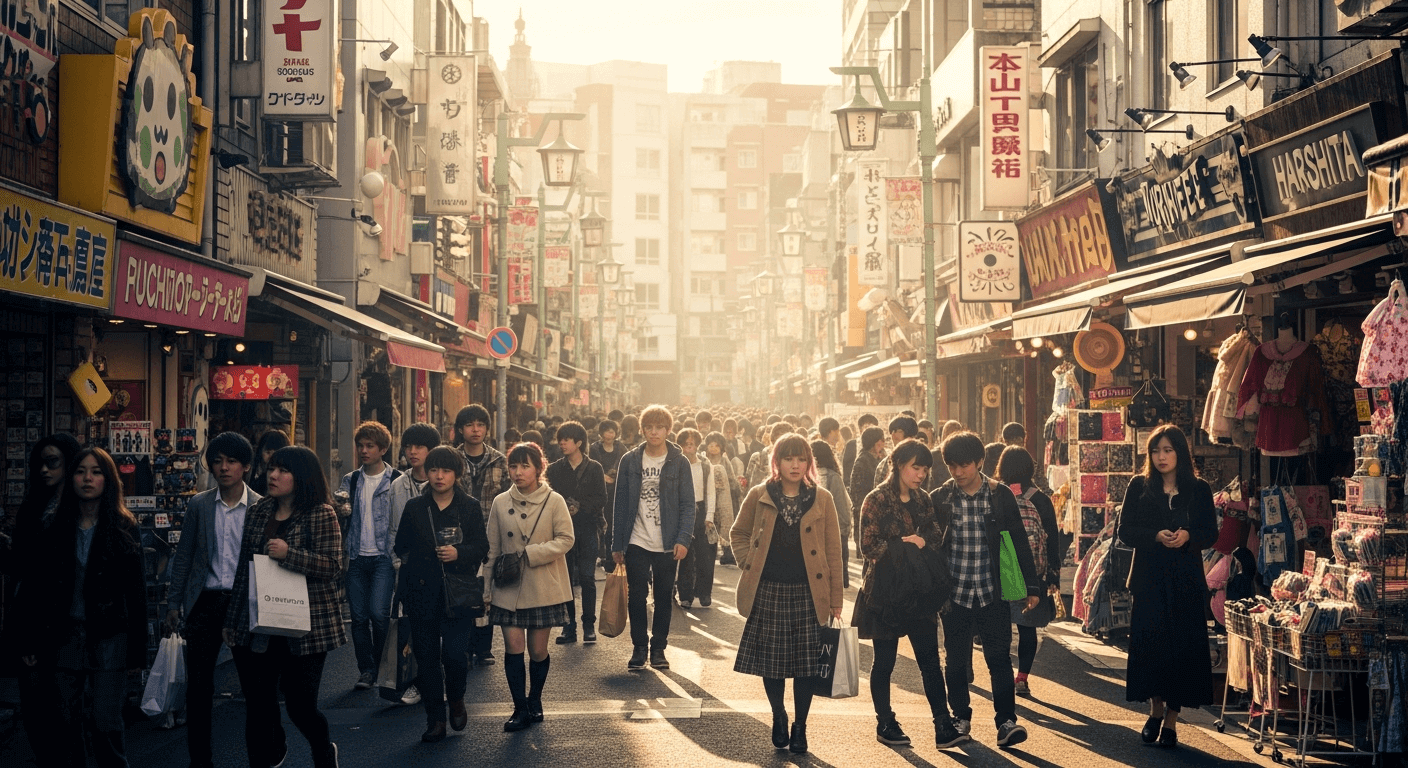
While Tokyo is genuinely safe, solo female travelers should know how to handle chikan (groping on crowded trains).
This is a real issue taken seriously by both authorities and the public, and Japan has specific systems in place to address it.
Recognizing Chikan and What to Do About It
Chikan refers to groping that typically occurs on packed trains during rush hours. It differs from accidental contact in crowded spaces and is a criminal offense under Japanese law.
If you experience inappropriate contact, say “yamete kudasai” (stop, please) loudly and clearly. Volume matters here. Japanese bystanders are more likely to intervene when the situation is made audible.
Press the emergency button inside the train car to alert the driver, or report directly to station staff at the nearest exit. Station attendants are trained to handle these reports and will contact police if needed.
Using women-only cars during rush hours is the most effective preventive measure. Positioning yourself near other women or near the conductor’s car also reduces risk.
Saying No Firmly in Japanese Culture
Japanese communication defaults to indirectness, which can make asserting boundaries feel complicated for visitors. However, when personal safety is involved, directness is both appropriate and respected.
Key phrases to know:
- “Yamete kudasai” (stop, please) – firm and clear
- “Dame desu” (no / that’s not okay) – direct refusal
- “Keisatsu o yonde kudasai” (please call the police)
Deliver these with steady eye contact and no apologetic smile. Japanese bystanders respect assertive boundary-setting in these situations more than many Western travelers expect.
Do not worry about seeming rude. Politeness norms do not apply when your safety is at stake.
Getting Help from Station Staff and Police
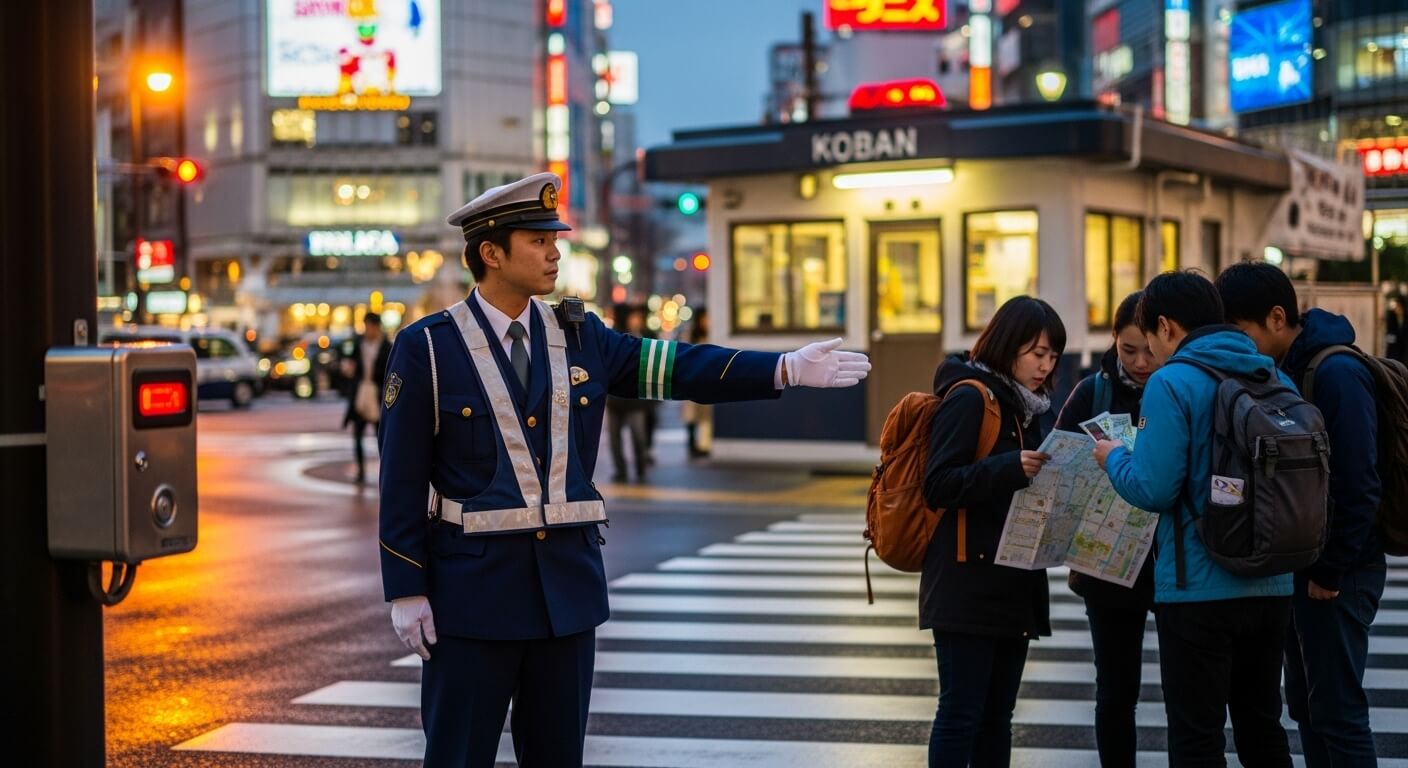
Koban (police boxes) appear every few blocks throughout Tokyo, marked by distinctive red lanterns and staffed 24/7. Officers speak basic English and routinely use translation apps to communicate with foreign visitors.
Station attendants wear identifying badges and respond immediately when approached at ticket gates or information booths. They are trained to take harassment reports seriously.
Emergency numbers to save before your trip:
- Police: 110
- Ambulance / Fire: 119
- Japan Visitor Hotline (multilingual, 24/7): 050-3816-2787
Holding your phone’s power button activates emergency SOS on most smartphones, which can also be useful in urgent situations.
Also refer to our guide on Tokyo emergency numbers article to find more information about getting help.
Tokyo Nightlife Safety for Women on Their Own
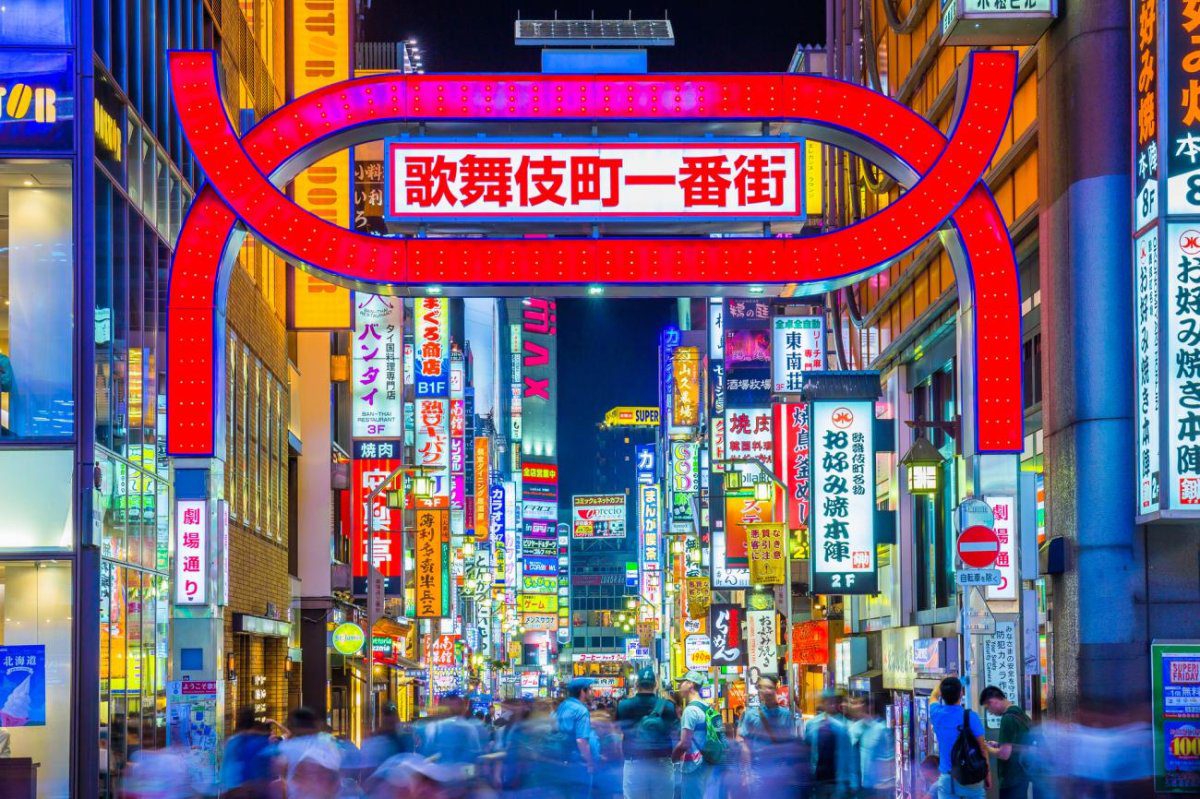
Tokyo’s nightlife is genuinely enjoyable for solo female travelers, but the experience varies significantly by district. Knowing which neighborhoods welcome independent women and which ones require sharper awareness makes a real difference.
Before jumping further to the next sections, please first read our guide on Tokyo nighlife districts comparison to have better understanding about nightlife in Tokyo and which district you should go for safer and better experience.
Districts That Welcome Solo Female Visitors
Several Tokyo neighborhoods have earned strong reputations for safe, welcoming nightlife for solo women. Each offers good lighting, active foot traffic, and easy transit access.
- Shimokitazawa: Bohemian atmosphere with cozy izakayas, live music venues, and a young, creative crowd. Very safe after dark.
- Nakameguro: Riverside cafes and boutique bars with a sophisticated, relaxed vibe. Excellent for solo evening dining.
- Kichijoji: Family-friendly energy that extends into evening hours. Active street life and a variety of bar types.
- Daikanyama: Upscale and calm, with well-lit streets and a mix of wine bars and independent restaurants.
- Shinjuku (outside Kabukicho): Golden Gai’s tiny bars are a Tokyo institution and genuinely welcoming to solo visitors.
Red Flags in Roppongi and Kabukicho
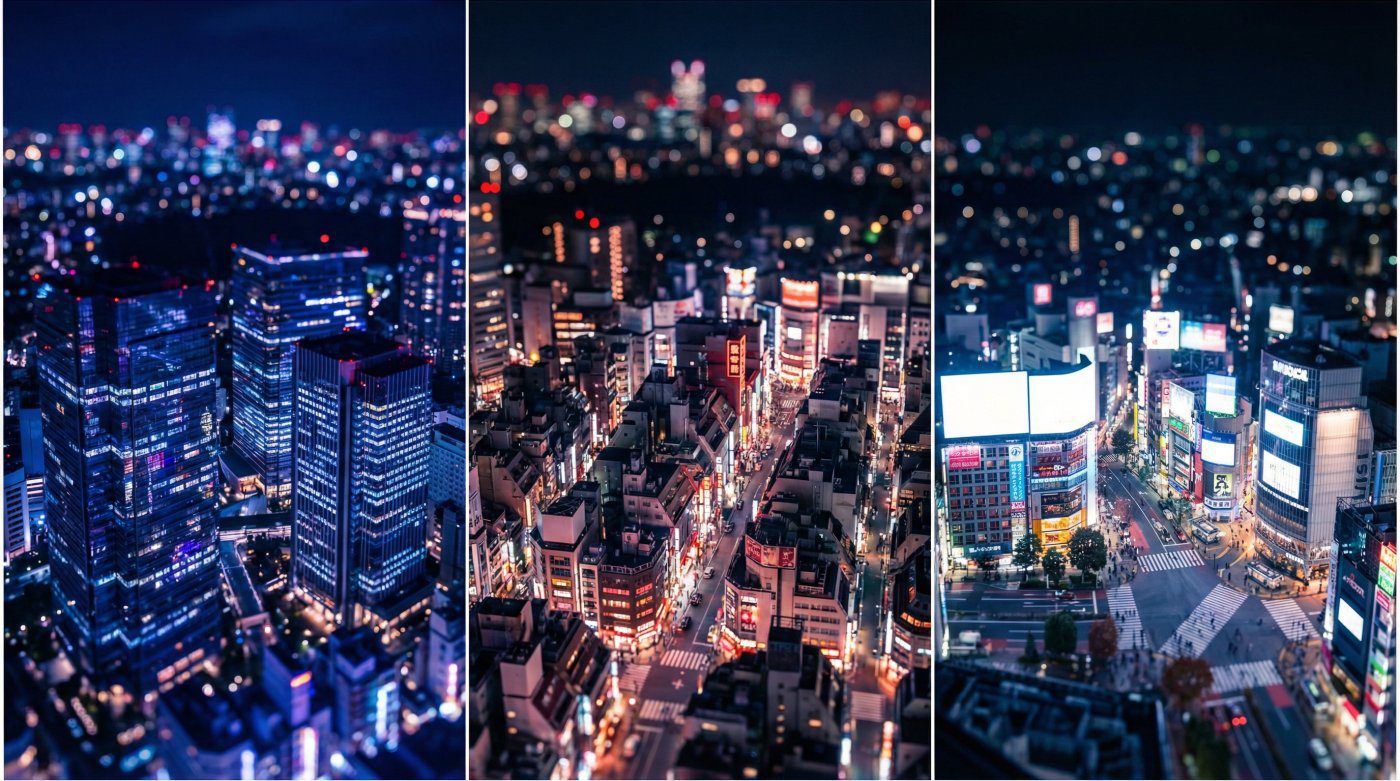
Roppongi and Kabukicho are Tokyo’s two most notorious entertainment districts for aggressive touts. Both areas have legitimate venues, but both also attract individuals who target tourists.
Touts in these areas may block sidewalks, grab arms, and insist on guiding you to specific establishments. Legitimate venues do not use street hawkers. Ignore anyone who approaches you on the street in these areas.
Specific red flags to watch for:
- Being led down narrow side streets away from main roads
- Establishments without visible menus or prices posted outside
- Anyone offering “special deals,” “free entry,” or “private parties”
- Drinks being offered by strangers before you have sat down
Stick to well-lit main streets, keep your phone charged, and never leave a drink unattended.
Making Smart Choices About Bars and Clubs
Research venues before going out. Check Google reviews, look at recent Instagram tags, and read recent posts on forums like Reddit’s r/JapanTravel for up-to-date recommendations.
Once inside a venue, watch your drink being prepared and never leave it unattended while dancing or using the restroom. Share your location with a trusted contact back home and set a check-in time.
Choose venues with visible staff and security presence. Well-run establishments in Shibuya, Shinjuku (outside Kabukicho), and Shimokitazawa are generally safe and welcoming to solo female visitors.
Technology and Apps That Boost Your Confidence
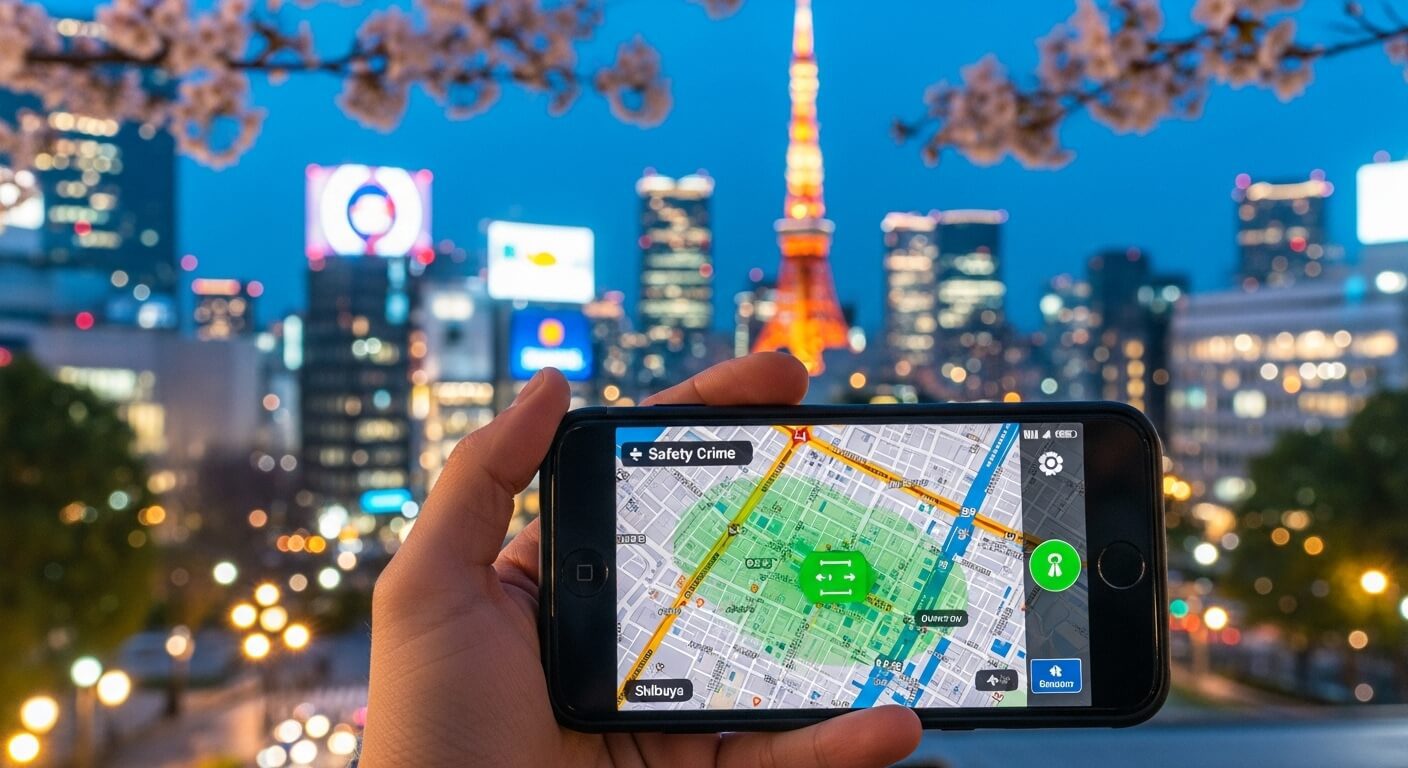
The right apps transform a smartphone into a practical safety tool. Translation, navigation, location sharing, and medical access are all available at no cost or low cost before you board your flight.
Translation Tools for Emergency Communication
Google Translate’s camera feature reads signs, menus, and documents in real time. Download the Japanese language pack for offline use before arriving.
VoiceTra, developed by Japan’s National Institute of Information and Communications Technology, handles spoken Japanese with strong accuracy and is free to download.
Emergency phrases to save offline:
- “Tasukete kudasai” (help me, please)
- “Byoin wa doko desu ka?” (where is the hospital?)
- “Keisatsu o yonde kudasai” (please call the police)
- “Yamete kudasai” (stop, please)
For a full comparison of translation tools, our Tokyo translation apps guide covers the best options for non-Japanese speakers.
Location Sharing and Check-In Apps
Apps like Life360 and Find My (iPhone) let trusted contacts track your real-time location without requiring constant text updates. Set this up before departure and share access only with people you trust.
Download Life360
WhatsApp’s live location feature works well for shorter check-in windows, such as sharing your location for a two-hour evening out. Google Maps’ sharing function doubles as both a navigation tool and a safety tracker.
Disable location sharing when you want privacy, and be selective about who has access to your real-time movements.
Finding English-Speaking Medical Help
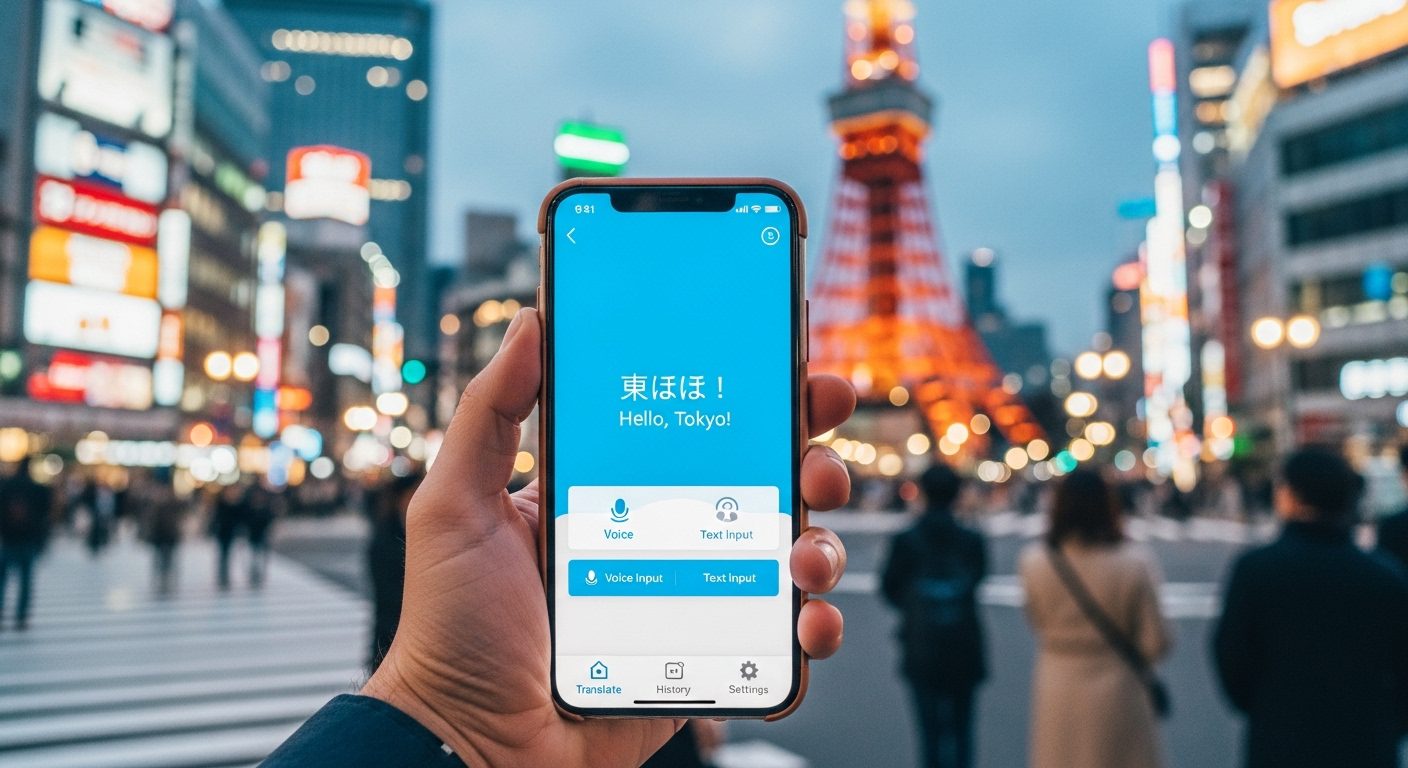
Tokyo’s healthcare system is excellent, but navigating it without Japanese language support requires preparation. Save these contacts before your trip:
- Japan Visitor Hotline (multilingual, 24/7): 050-3816-2787
- AMDA International Medical Information Center: 03-5285-8088
- TELL Lifeline (English crisis counseling and medical referrals): 03-5774-0992
- Tokyo Metropolitan Health and Medical Information Center: 03-5285-8181
Tokyo Medical and Surgical Clinic (Minato ward) and St. Luke’s International Hospital (Chuo ward) both maintain strong reputations for English-language medical care.
For comprehensive guidance on hospitals and insurance, see our Tokyo healthcare for travelers guide.
Shopping and Exploring Tourist Spots Independently
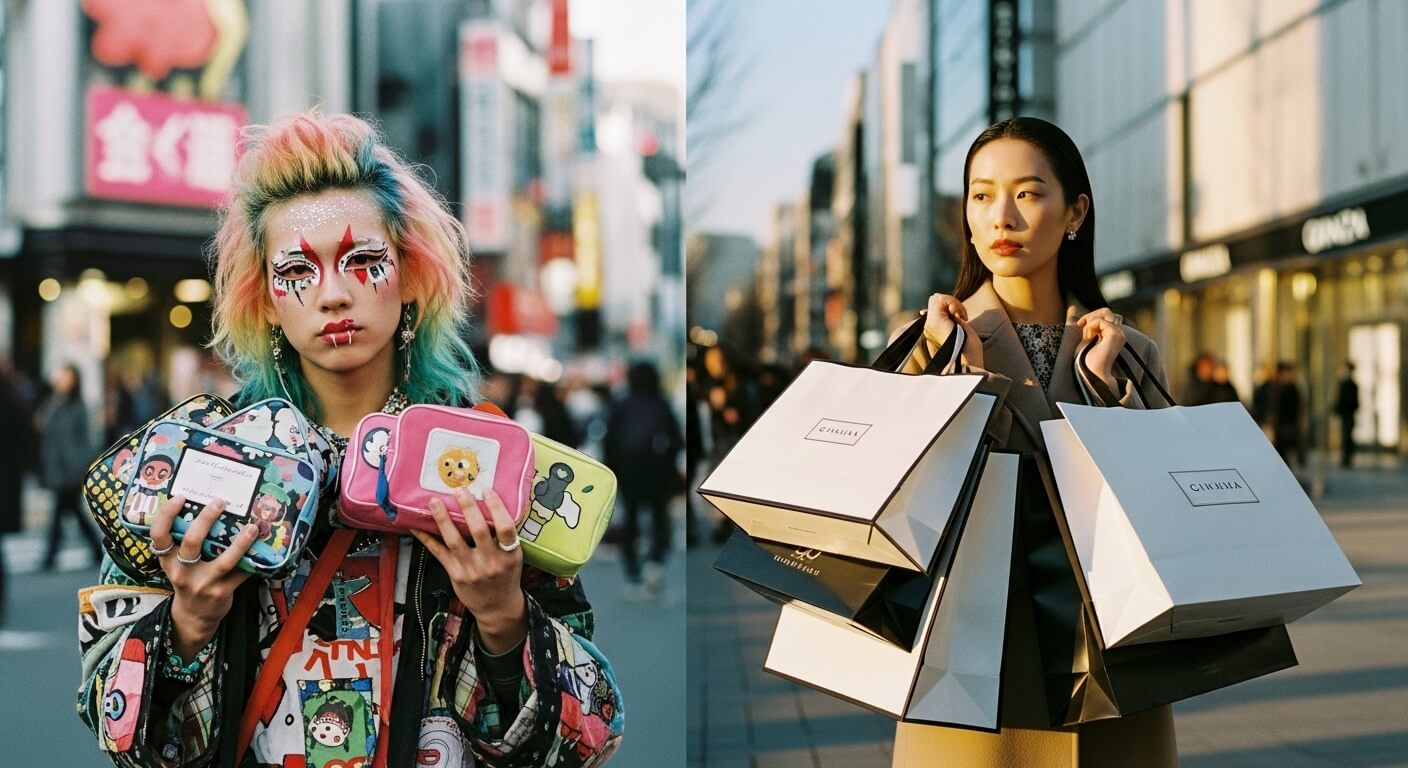
Tokyo’s tourist areas are safe for solo exploration, but timing and awareness make the experience significantly more enjoyable.
Crowds can work in your favor as a natural safety buffer, while strategic timing reduces both stress and risk.
Crowds Can Be Your Friend: Busy vs. Quiet Areas
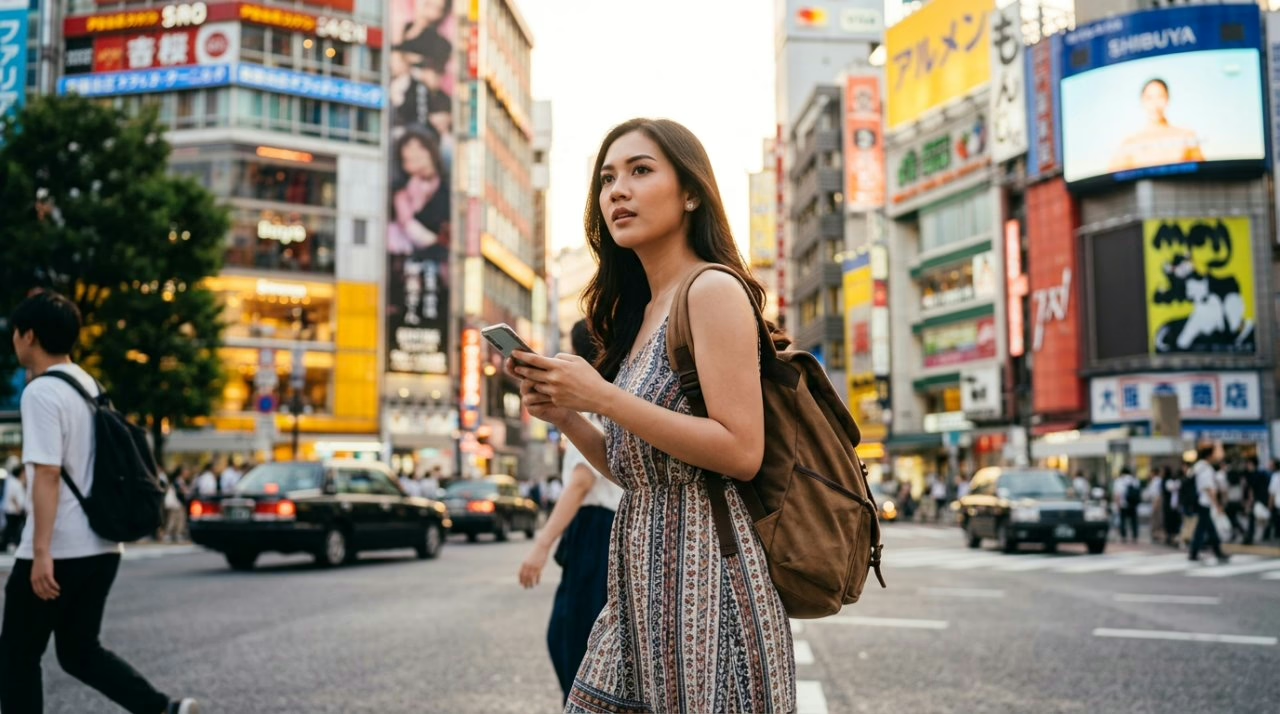
Busy areas like Shibuya Crossing, Senso-ji Temple, and Shinjuku Station provide constant witnesses, well-lit pathways, and a natural safety net simply through volume of people.
Solo female travelers often feel more comfortable in these high-traffic zones than in quieter residential streets after dark.
In quieter areas, particularly residential neighborhoods late at night, heightened awareness is sensible. Stick to main boulevards where restaurants, convenience stores, and pedestrians cluster.
Trust your instincts if a deserted alley feels uncomfortable, even during daylight hours. Tokyo is safe, but common sense still applies.
Best Times to Visit Popular Spots
Visit Senso-ji Temple before 9 AM to experience the grounds without tour bus crowds and to photograph the Kaminarimon gate without obstruction. The same early-morning strategy works at Meiji Jingu and Hamarikyu Gardens.
Shibuya Crossing is manageable on weekday mornings from 10 AM onward. Avoid it between 5-8 PM on weekdays when commuter and tourist traffic peaks simultaneously.
Skip Golden Week (late April to early May) and the New Year holiday period (December 29 to January 3) if crowd avoidance is a priority. Our Golden Week Tokyo planning guide covers strategies for navigating those specific dates.
Evening shopping between 6-8 PM in districts like Harajuku and Shimokitazawa offers good energy without overwhelming density.
Keeping Your Belongings Secure in Popular Spots
Tokyo’s low crime rate is real, but distraction-based theft does occur in heavily touristed areas. Basic precautions eliminate most risk.
Wear backpacks on your front in dense crowds like Shibuya Crossing or Nakamise Street in Asakusa. Use crossbody bags worn across the chest rather than hanging from one shoulder.
Keep wallets and phones in zippered interior pockets. Separate credit cards and cash into different compartments so a single loss does not wipe out all your funds.
Stay aware of your surroundings when stopping to photograph. Distraction at Instagram-worthy moments is when opportunistic theft is most likely to occur, even in a safe city.
- Tokyo Fashion Areas Comparison: Harajuku vs. Ginza vs. Shibuya Style Districts
- Tokyo Foodie Areas: Best Districts for Different Cuisines & Dining Experiences
- Tokyo Fashion Shopping: Harajuku vs. Ginza Style Districts
- Tokyo Electronics Shopping: Akihabara vs. Yodobashi Camera
- Tokyo Duty-Free Shopping: Best Stores & Tax Refund Process
- Tokyo Souvenir Guide: Unique Gifts Beyond Tourist Traps
Meeting People While Maintaining Boundaries
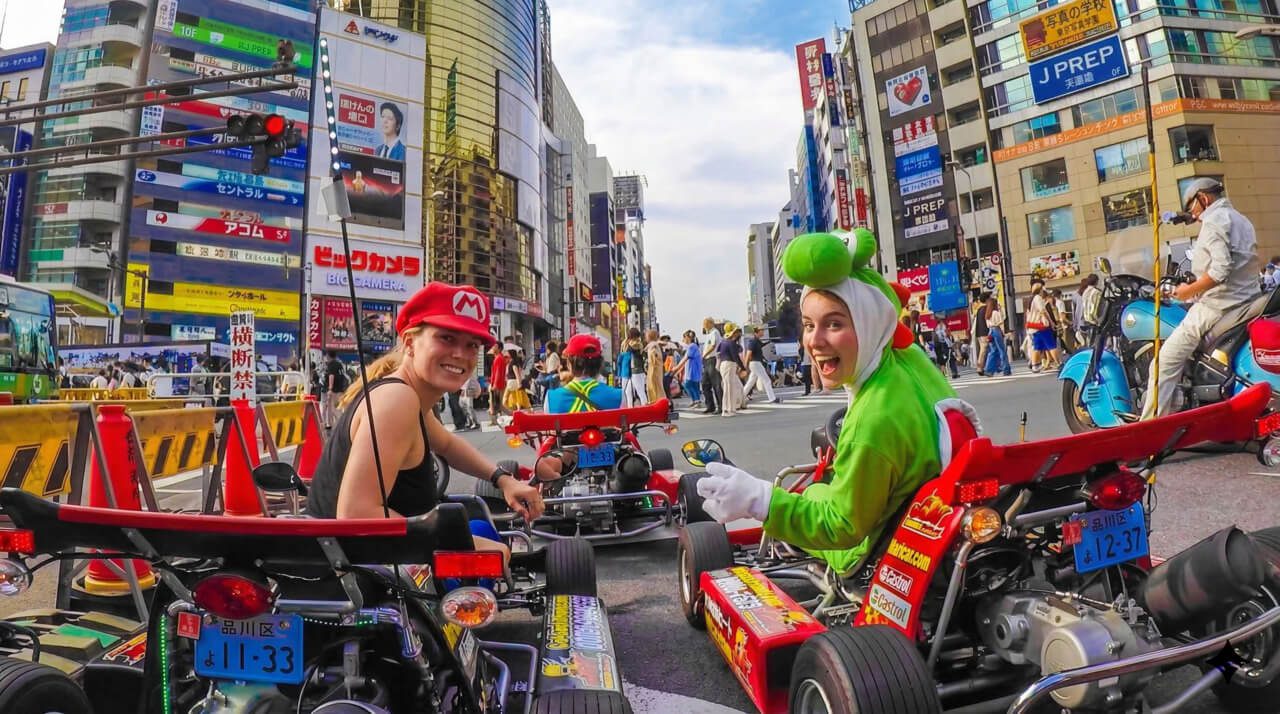
Tokyo offers genuine opportunities to connect with other travelers and locals without compromising personal safety.
The key is choosing structured environments that provide natural exits and public settings.
Safe Ways to Connect with Other Travelers
Organized walking tours through neighborhoods like Asakusa, Yanaka, and Shimokitazawa are among the best ways to meet fellow travelers. Vetted guides facilitate natural conversation without one-on-one pressure.
Hostel common room activities create built-in conversation starters in a supervised environment. Even if you are staying in a private room at a hotel, many hostels welcome non-guests at their bars or events for a small fee.
Useful platforms for meeting people in Tokyo:
- Meetup.com: English-friendly events ranging from izakaya nights to temple walks
- Tourlina: App connecting verified female travelers seeking adventure companions
- HelloTalk: Language exchange app for meeting locals who want cultural exchange
- Bumble BFF: Connecting women travelers for daytime activities
Choose daytime meetups in public spaces first. Establish comfort before committing to evening plans with people you have just met.
Reading Social Cues in Japanese Culture
Japanese communication relies heavily on indirect expression and nonverbal signals. Understanding these cues makes interactions safer and more authentic.
Physical distance in conversation is greater than in many Western cultures. Softer eye contact and subtle head nods signal understanding and engagement. Pauses and silence are meaningful, not awkward.
When someone repeatedly says “maybe” or “it’s a little difficult,” they are politely declining. This indirect “no” is a clear signal, not an invitation to push further.
Recognizing these patterns helps you navigate social situations confidently and avoid misreading intentions in either direction.
You can even join a group of fellow tourists when deciding to ride Tokyo Mario Kart.
Money Matters and Avoiding Financial Scams
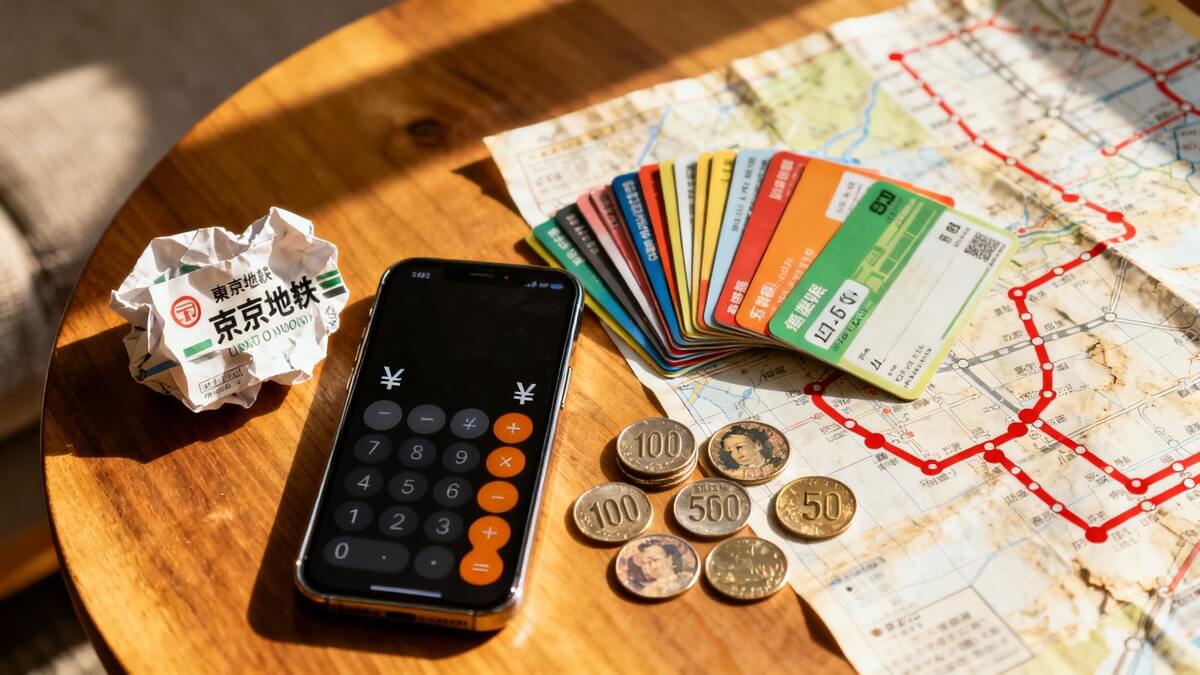
Tokyo is one of the safest cities in the world for financial transactions, but a few specific pitfalls catch tourists off guard.
Knowing where to find reliable ATMs, recognizing inflated pricing, and using credit cards safely will prevent unnecessary losses.
ATM Locations and Cash Management
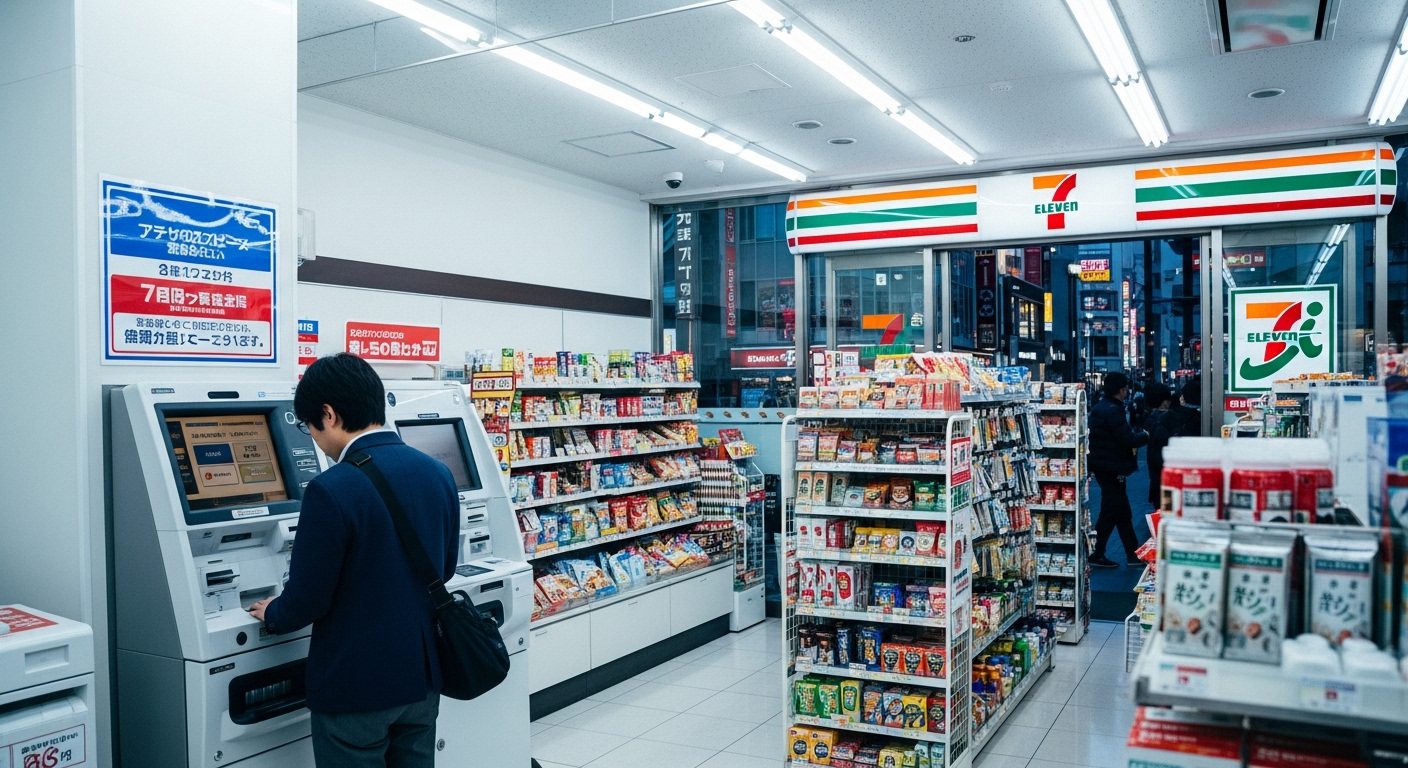
Not all ATMs in Tokyo accept foreign cards. The most reliable options for international travelers are 7-Eleven convenience store ATMs, which accept most foreign cards and offer English menus.
Japan Post Bank ATMs (marked with a red logo) are also widely compatible and available at post offices throughout the city.
Citibank branches in central Tokyo offer commission-free withdrawals for certain cardholders. Airport ATMs at Narita and Haneda provide good exchange rates for initial cash needs on arrival.
Withdraw larger amounts to minimize per-transaction fees, but be aware of daily withdrawal limits set by your home bank. Carrying 10,000-20,000 yen in cash at all times is practical, as many smaller restaurants, shrines, and local shops remain cash-only.
Read our complete Tokyo ATM guide for 24/7 cash access with foreign cards that will help you manage cash in hands better and safer.
Spotting Tourist Traps and Overpriced Services
Tourist traps in Tokyo are not always obvious. Some present themselves as authentic experiences while charging prices significantly above local norms.
Asakusa’s Nakamise Street sells souvenirs at prices two to three times higher than what you would pay in residential neighborhood shops or 100-yen stores.
For better value, our Tokyo souvenir guide points to alternatives beyond the obvious tourist spots.
Watch for ticket scams near major attractions. Individuals offering “discounted” passes near Senso-ji or teamLab venues are selling worthless or counterfeit tickets.
Restaurant touts in Roppongi and Shibuya often lead visitors to establishments with inflated prices and mandatory table charges (seki-ryou) that are not disclosed upfront. If someone is aggressively pushing a “special deal,” walk away.
Using Credit Cards Safely
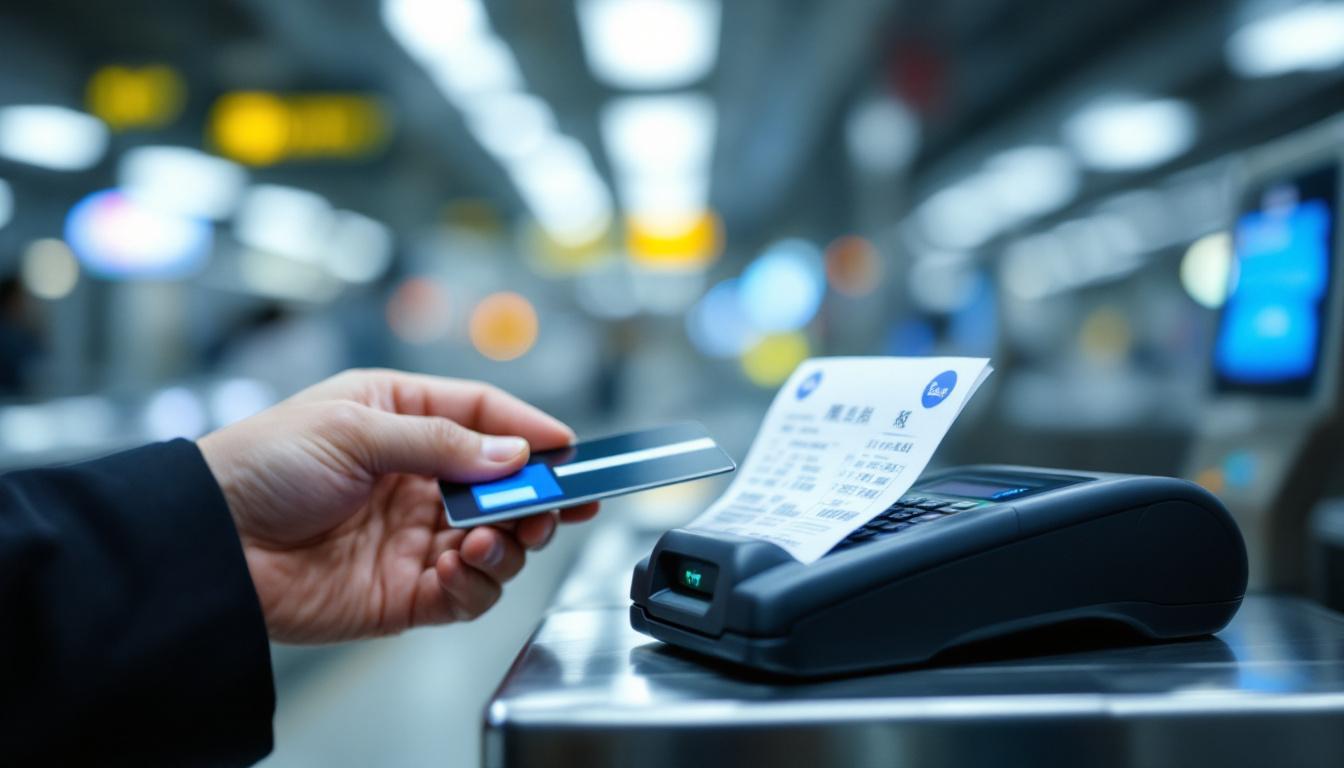
Notify your bank before departure to prevent fraud algorithms from blocking legitimate Tokyo purchases. This is a simple step that prevents significant inconvenience.
Shield your PIN at ATMs and payment terminals. Skimming devices are rare in Tokyo but not unheard of, even in upscale areas. Request receipts and verify amounts before signing.
Carry backup cards stored separately from your primary wallet. Japan’s tip-free culture means unexpected charges on receipts warrant immediate investigation rather than assumption of error.
For contactless payment options, our Tokyo QR code and digital payments guide covers IC cards, QR payments, and which apps work best for foreign visitors.
What to Pack for Peace of Mind as a Solo Female Traveler in Tokyo
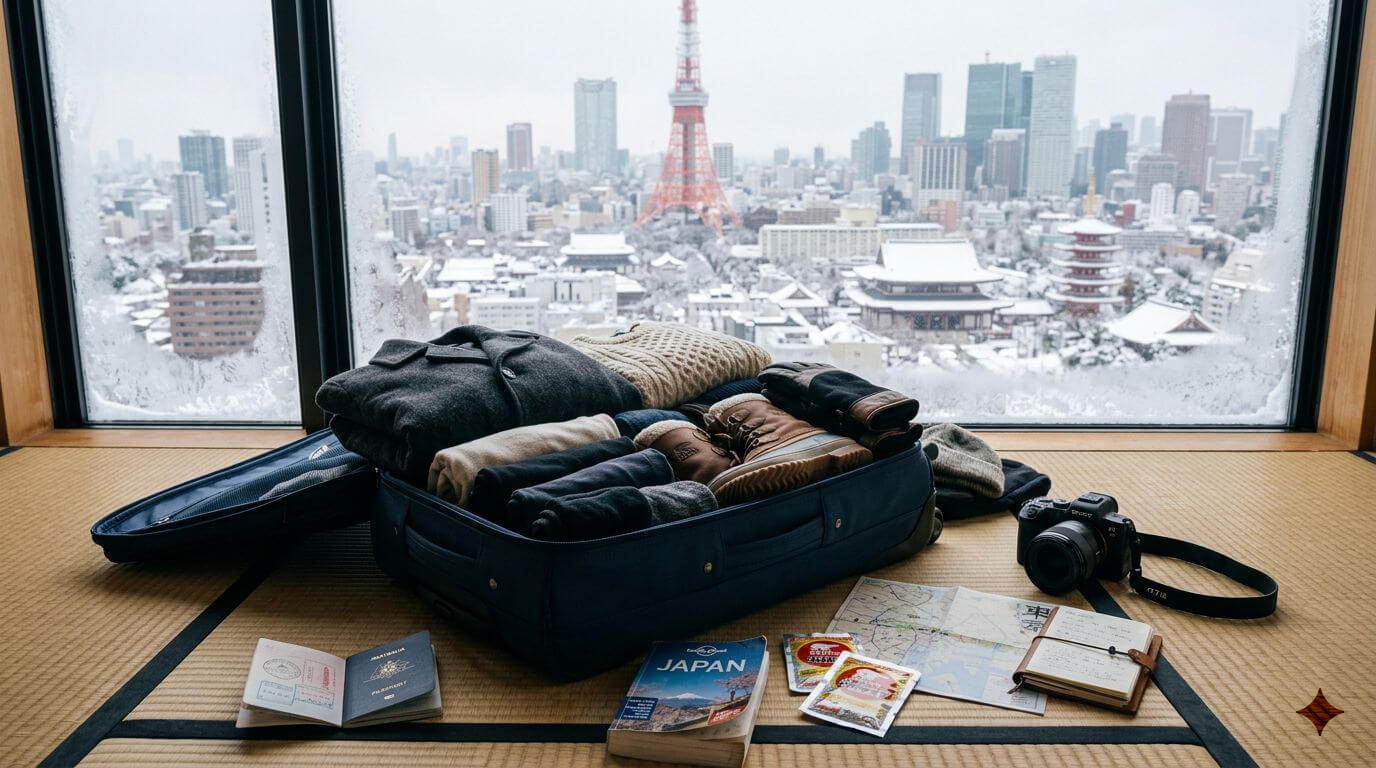
Packing smart for Tokyo means prioritizing a small set of genuinely useful safety items over a large collection of anxiety-relief gadgets.
The right combination of practical gear, appropriate clothing, and organized documents covers most scenarios without adding significant weight.
Safety Gear That Actually Helps
A portable phone charger with at least 10,000 mAh capacity is the single most useful safety item for solo travelers. GPS navigation, translation apps, and location sharing all drain battery quickly. Running out of power in an unfamiliar area is a genuine inconvenience.
An RFID-blocking wallet protects credit cards from electronic skimming on crowded trains. These are inexpensive and lightweight.
A personal alarm keychain is worth packing despite Tokyo’s low crime rate. It takes up no meaningful space and provides a loud deterrent in the unlikely event it is needed.
Store a photocopy of your passport separately from the original. Keep the original in your hotel safe and carry the photocopy for daily use. Photograph all important documents and store them in a cloud service accessible offline.
Clothing Choices That Match Local Standards
Tokyo’s dress culture is modest and polished. Knee-length skirts, breathable linen trousers, and loose-fitting tops work across most contexts, from Harajuku cafes to traditional ryokans.
Cover shoulders when visiting temples and shrines. Many sites provide wraps at the entrance, but having a light scarf in your bag is more convenient.
Neutral tones (black, navy, grey, beige) dominate Tokyo’s everyday fashion landscape. Dressing in this palette helps you blend into business districts and residential neighborhoods without drawing unnecessary attention.
Pack versatile layers. Tokyo’s weather shifts significantly between seasons, and even summer evenings can be cool in air-conditioned restaurants and transit stations.
Emergency Contact Information and Documents
Save the following contacts in your phone before departure:
- Your home country’s embassy in Tokyo (phone number and address)
- Credit card emergency hotlines for instant cancellation
- Travel insurance 24-hour assistance line
- Your hotel’s address written in Japanese characters (show to taxi drivers)
- Japan Visitor Hotline: 050-3816-2787
Document storage apps with offline access, such as 1Password or Google Drive with offline sync enabled, function as portable filing cabinets when physical copies are unavailable.
For comprehensive guidance on insurance coverage, our Tokyo travel insurance guide covers what to include and which providers work best for Japan trips.
Building Your Solo Travel Itinerary with Safety in Mind
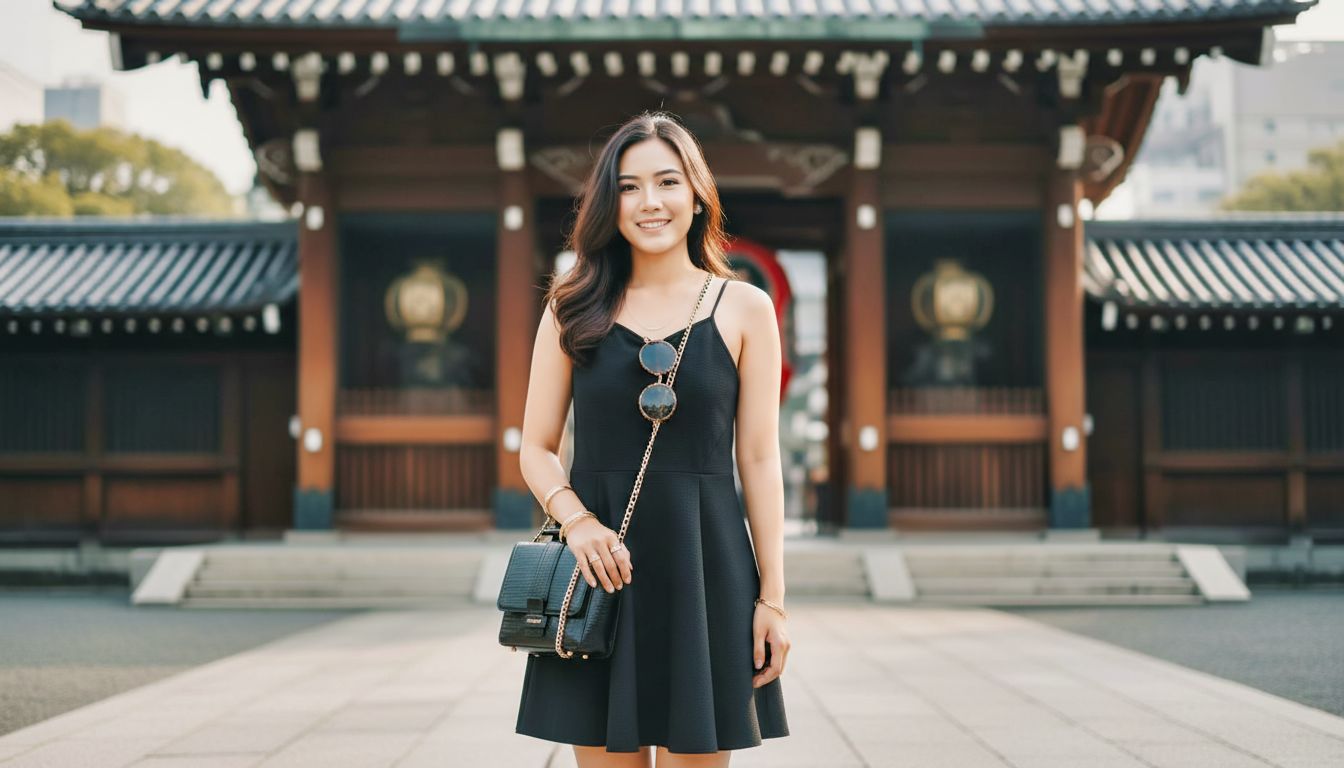
A well-planned Tokyo itinerary creates freedom rather than restricting it. The goal is not to control every moment but to establish a foundation that lets spontaneous discoveries happen safely.
Day Trips and Excursions Perfect for Going Alone
Tokyo’s surrounding regions are exceptionally well-suited to solo day trips. Public transportation connections are straightforward, English signage is common at major sites, and tourist infrastructure is reliable.
Top solo-friendly day trips from Tokyo:
- Kamakura: Ancient temples, the Great Buddha (Kotoku-in, free entry to grounds), and scenic hiking trails. 1 hour from Shinjuku via Shonan-Shinjuku Line. Entry to Kotoku-in costs 300 yen.
- Nikko: UNESCO World Heritage shrines and waterfalls. 2 hours from Shinjuku via Tobu Nikko Line. Day passes available from 2,800 yen.
- Hakone: Hot springs, volcanic valleys, and the Hakone Open-Air Museum (entry 1,600 yen). 85 minutes from Shinjuku via Romancecar.
- Mount Takao (Takao-san): Easy hiking trails with summit views. 50 minutes from Shinjuku on the Keio Line. Cable car costs 490 yen one way.
Activities Where You’ll Meet Other Solo Travelers
Cooking classes in Asakusa and tea ceremony experiences in traditional machiya townhouses naturally attract solo participants and create easy conversation starters.
Walking tours through Yanaka’s nostalgic streets and nighttime food tours in Shibuya draw a high proportion of solo travelers. These structured-yet-casual formats provide social interaction when desired and independence when not.
Language exchange meetups, particularly those held in Shimokitazawa cafes, create relaxed environments where solo female travelers connect authentically with both locals and other visitors.
Volunteer activities at community gardens and English conversation cafes offer meaningful engagement while building friendships organically over repeated visits.
Balancing Adventure with Smart Planning
Share your daily itinerary with a trusted contact before heading out each morning. A simple WhatsApp message with your planned locations and a check-in time takes 30 seconds and provides significant peace of mind for both you and the people who care about you.
Research cultural etiquette for specific venues before visiting. Knowing the rules at shrines, onsen, and formal restaurants prevents awkward situations and allows you to focus on the experience itself.
Map backup routes between neighborhoods so you are never stranded if a train line is delayed. Pre-select one or two evening dining options in safe, well-lit areas rather than making decisions when tired and hungry.
Leave genuine flexibility in each day. The hidden ramen shop, the unexpected festival, the spontaneous conversation with a local – these are the moments that define a solo trip. Planning creates the foundation; curiosity fills the rest.
Frequently Asked Questions (FAQs)
Do I need a Japan Rail Pass as a solo female traveler in Tokyo?
A Japan Rail Pass is not necessary for travelers staying only in Tokyo. The Tokyo Metro and Toei subway networks cover most tourist areas efficiently. A Suica IC card loaded with cash is the most flexible option for daily transit.
The JR Pass becomes worthwhile if you plan day trips to Nikko, Kamakura, or beyond. Our JR Pass vs. Tokyo Metro Pass comparison breaks down the cost difference clearly.
Is it safe to use Tokyo's public restrooms alone at night?
Yes. Tokyo’s public restrooms are among the cleanest and best-maintained in the world. Facilities at major train stations, convenience stores, and parks are well-lit, regularly cleaned, and monitored by station staff.
Convenience store restrooms (Family Mart, Lawson, 7-Eleven) are available 24 hours and are a reliable option throughout the city.
What should I do if I get lost in Tokyo?
Enter the nearest convenience store or koban (police box). Convenience store staff are accustomed to helping lost tourists and will often call a taxi or write down directions.
Koban officers use translation apps and are trained to assist foreign visitors.
Google Maps works reliably throughout Tokyo with a local SIM card or pocket WiFi. Our Tokyo lost and found guide also covers what to do if belongings go missing.
Are there any areas in Tokyo that solo female travelers should avoid entirely?
No area of Tokyo requires complete avoidance, but Roppongi and Kabukicho (Shinjuku’s red-light district) require significantly more vigilance after dark.
Aggressive touts, overpriced establishments, and occasional drink-spiking incidents have been reported in both areas. If you visit, stick to well-lit main streets, go with a group if possible, and never leave a drink unattended.
How do I handle a medical emergency in Tokyo as a solo traveler?
Call 119 for ambulance and fire services. For non-emergency medical guidance, call the Japan Visitor Hotline at 050-3816-2787, which operates 24/7 in multiple languages.
St. Luke’s International Hospital in Chuo ward and Tokyo Medical and Surgical Clinic in Minato ward both offer English-language care.
Carry your travel insurance card and policy number at all times. Our Tokyo healthcare for travelers guide covers hospitals, clinics, and insurance claims in detail.
Is Tokyo expensive for solo female travelers on a budget?
Tokyo is manageable on a budget with the right approach. Capsule hotels cost 3,500-6,000 yen per night. Ramen and set lunch menus (teishoku) at local restaurants typically cost 800-1,200 yen.
The Tokyo Metro day pass costs 600 yen and covers most tourist areas.
Many major attractions, including Meiji Jingu, Shinjuku Gyoen (500 yen entry), and Senso-ji, are free or very low cost.
Our guide to free things to do in Tokyo lists 19 no-cost experiences worth adding to any itinerary.
What is the best way to stay connected to the internet in Tokyo?
A local SIM card or pocket WiFi rental is strongly recommended for solo travelers.
Staying connected supports navigation, translation, location sharing, and emergency communication.
Pocket WiFi devices can be rented at Narita or Haneda airports from around 300-500 yen per day.
Local SIM cards from IIJmio or Mobal offer data-only plans starting around 2,000 yen for 15 days. Our Tokyo SIM card guide compares the best plans currently available for travelers.
Is it safe to use dating apps as a solo female traveler in Tokyo?
Dating apps are widely used in Tokyo and most interactions are straightforward.
Always meet for the first time in a public place during daylight hours, share your location with a trusted contact before going, and trust your instincts if something feels off. Avoid sharing your accommodation address before establishing trust.
Do I need a VPN or special apps to stay connected safely in Tokyo?
A VPN is not legally required in Japan and is not necessary for basic safety.
However, using one on public WiFi networks in cafes and hotels adds a useful layer of protection for banking and personal accounts.
Download your essential apps, offline maps, and translation tools before arrival to reduce dependence on public networks.