Tokyo Convenience Store Food Under ¥500: The Complete Budget Meal Guide




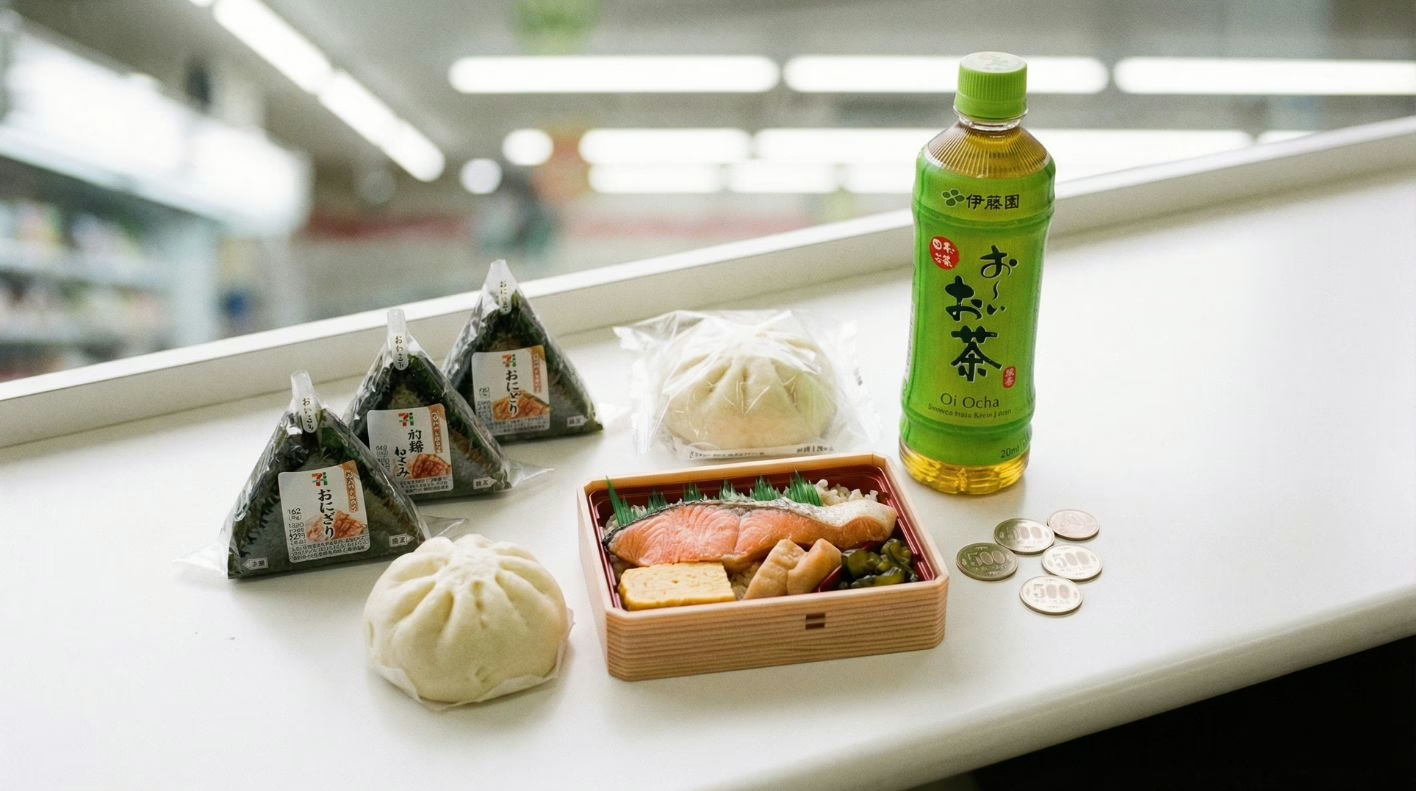
What to Eat at Tokyo Convenience Stores: Budget Guide Under ¥500 – Tokyo’s convenience stores—called konbini—offer incredible meals under ¥500 that rival restaurant quality at a fraction of the price.
These 24/7 shops stock everything from premium onigiri rice balls (¥150-200) to satisfying bento boxes (¥400-450), with items restocked three times daily ensuring maximum freshness.
The hot food counters serve crispy fried chicken and croquettes for ¥150-300, while premium cup ramen costs ¥350-450 and tastes restaurant-worthy.
Smart timing matters: visit during morning restocks (6-8 AM) or evening discount hours (8-10 PM) for 20-30% off stickers.
Each major chain—7-Eleven, FamilyMart, and Lawson—offers exclusive collaborations and seasonal specialties that release even more value when you know what to look for.
Key Highlights
Hide- Tokyo convenience stores offer fresh, quality meals under ¥500, with items restocked three times daily and strict expiration controls.
- Shop during 6-8 AM or 8-10 PM for fresh stock and evening discounts of 20-30% off bento boxes.
- Onigiri (¥298 for premium), bento boxes (¥200-¥450), and hot fried items (¥150-¥300) provide satisfying budget meals.
- Premium cup ramen costs ¥350-¥450, while traditional sweets like mochi and daifuku range from ¥100-¥300.
- Look for limited-edition collaborations with restaurants and seasonal regional specialties for exclusive flavors under ¥500.
What Makes Tokyo Convenience Store Food So Good?
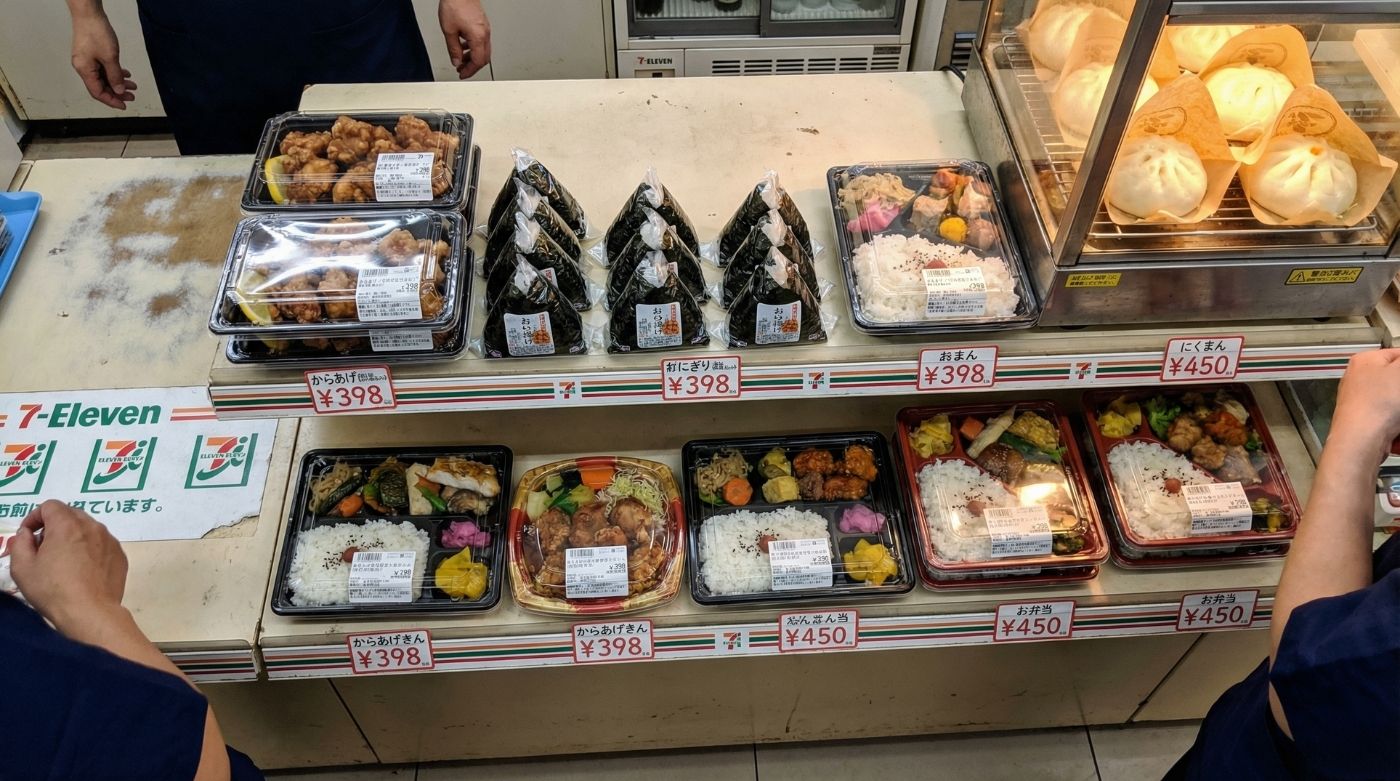
Tokyo konbini food stands out because of rigorous freshness systems, not despite being convenience stores.
Items are restocked at 6 AM, 11 AM, and 5 PM daily, and unsold food is pulled from shelves hours before its expiration date—not days.
Japanese convenience stores operate on military-grade logistics.
Temperature-controlled distribution networks, strict food safety audits, and daily freshness checks mean a ¥298 katsu sandwich can genuinely taste better than a sit-down meal costing triple the price.
The three major chains—7-Eleven, FamilyMart, and Lawson—each invest heavily in private-label product development, hiring food scientists and partnering with famous chefs and restaurants. That investment shows in every bite.
- Tokyo With Kids: Family-Friendly Activities & Tips
- Rainy-Season Rescue: 21 Best Indoor Activities in Tokyo
- Tokyo Airport Transportation: Cheapest vs. Fastest Options
- Tokyo Postal Made Easy: Ship Souvenirs and Forward Bags
- Tokyo Anime & Manga Guide: Pilgrimages, Shops & Pop Culture Sites
- Golden Week in Tokyo: Crowds, Closures & Smart Planning Tips
Basic konbini etiquette is simple: don’t eat inside unless seating is available, dispose of rubbish in the store’s bins, and greet staff with a polite “arigatou gozaimasu” (also read some useful Japanese travel phrases to enrich your Japanese vocabularies).
Locals treat these spaces as essential infrastructure, and that cultural respect drives consistently excellent standards.
Tokyo Trip Add-Ons
Equip yourself for the ultimate Tokyo adventure with the following add-ons, curated just for you.








Is Convenience Store Food in Tokyo Fresh?
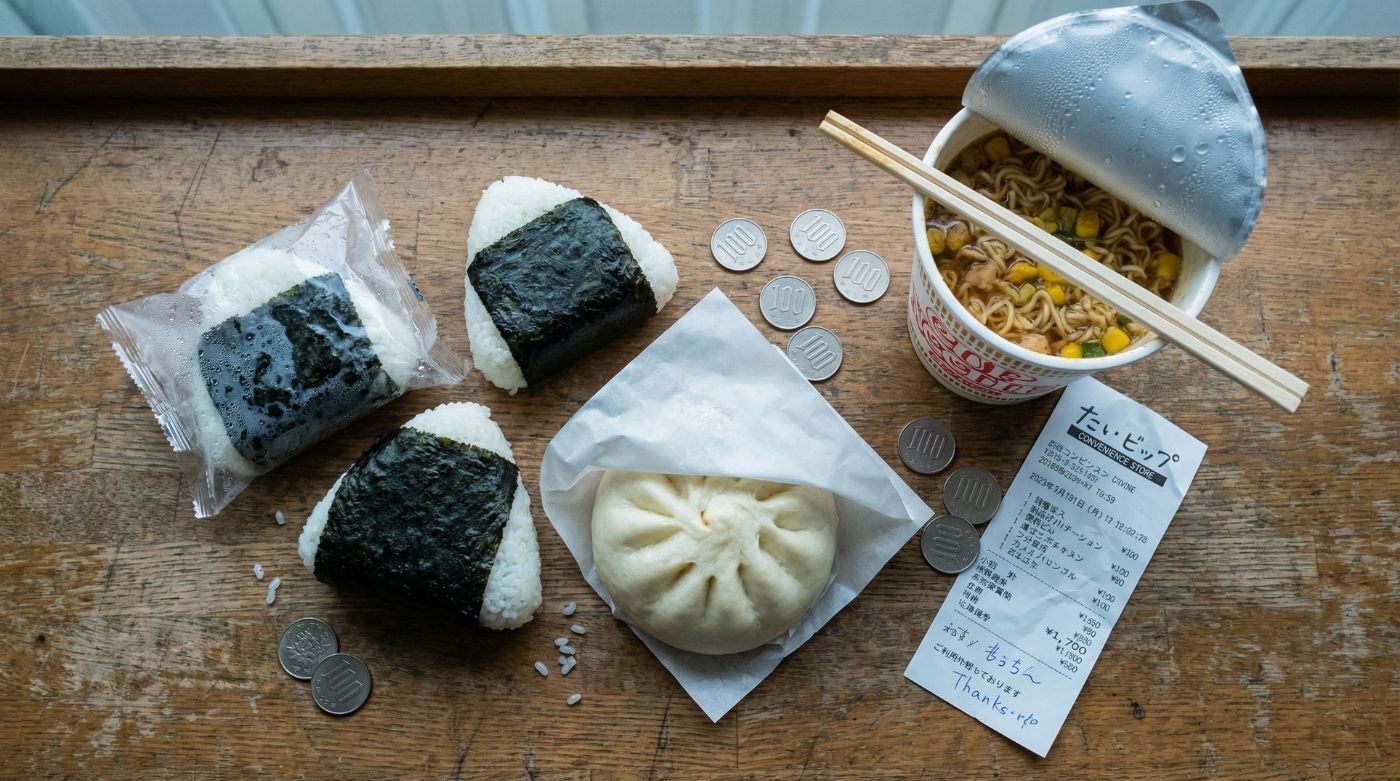
Yes. Tokyo konbini restock fresh food three times daily—around 6 AM, 11 AM, and 5 PM—and pull unsold items from shelves hours before their printed expiration date.
You are virtually guaranteed fresh food at any hour.
Each item carries a printed expiration timestamp, not just a date. Onigiri and sandwiches typically show a same-day cutoff, while bento boxes last until midnight of the purchase day. This system makes Tokyo konbini food safer and fresher than many supermarket deli counters worldwide.
Timing Your Visits for the Best Deals
Shopping at the right time unlocks both the freshest selection and the biggest discounts. The three restock windows—6–8 AM, 11 AM–1 PM, and 5–7 PM—are when shelves are fullest and variety is highest.
The best-kept secret is the evening discount window between 8–10 PM. Staff attach yellow markdown stickers to bento boxes and onigiri approaching their sell-by time, cutting prices by 20–30%. A ¥450 bento drops to roughly ¥315–¥360—still perfectly fresh and delicious.
Avoid the 3–4 PM lull. Shelves look picked over, and the next restock hasn’t arrived yet. Weekend mornings see heavier restocks because stores anticipate higher foot traffic from tourists and locals alike.
Onigiri: Varieties, Prices, and Which Chains Do It Best
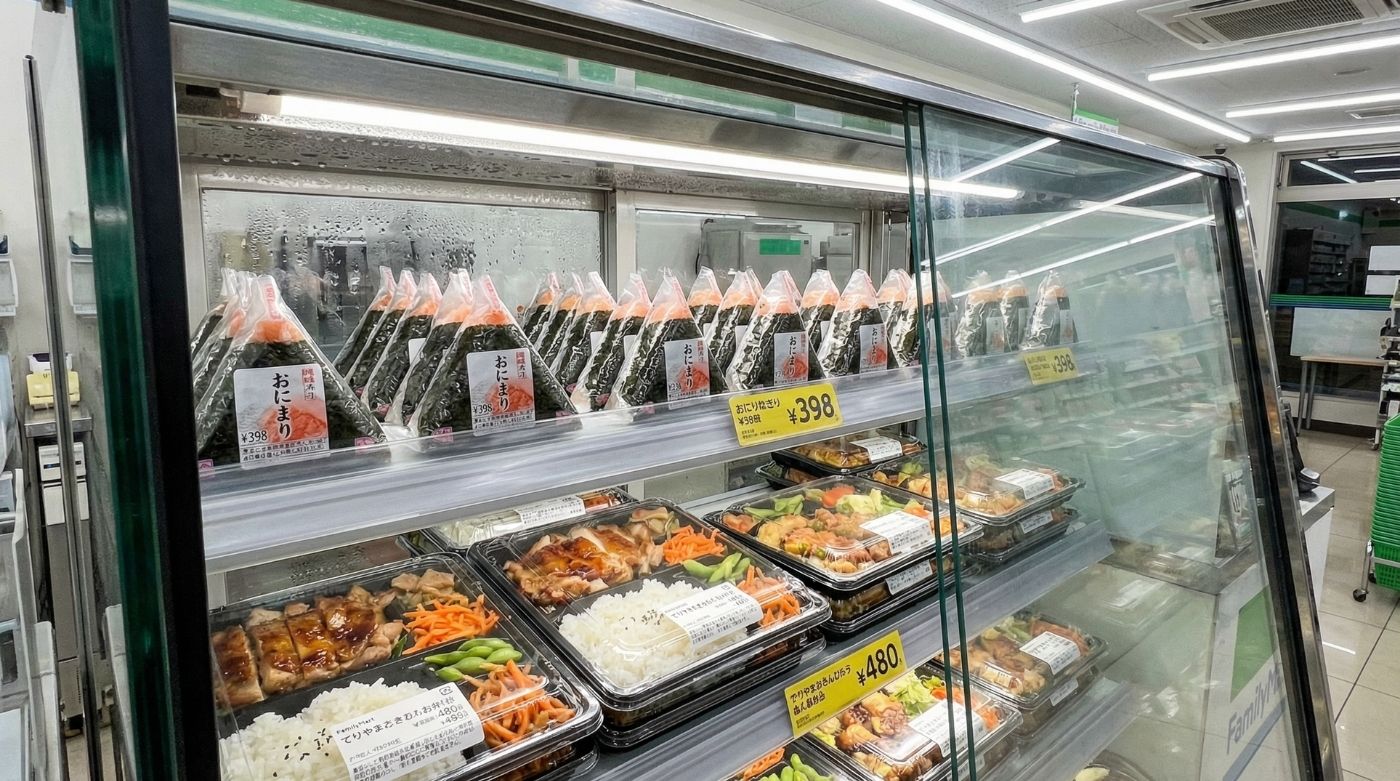
Onigiri (triangular rice balls wrapped in seaweed) are the backbone of konbini cuisine.
Prices range from ¥120 for standard fillings to ¥298 for premium varieties, making them the most cost-efficient single item in the store.
Classic fillings to try first:
- Tuna mayo (ツナマヨ) — The undisputed bestseller across all chains; creamy, mild, and satisfying
- Salmon (sake, 鮭) — Flaked grilled salmon with a clean, savoury flavour; ¥130–¥160
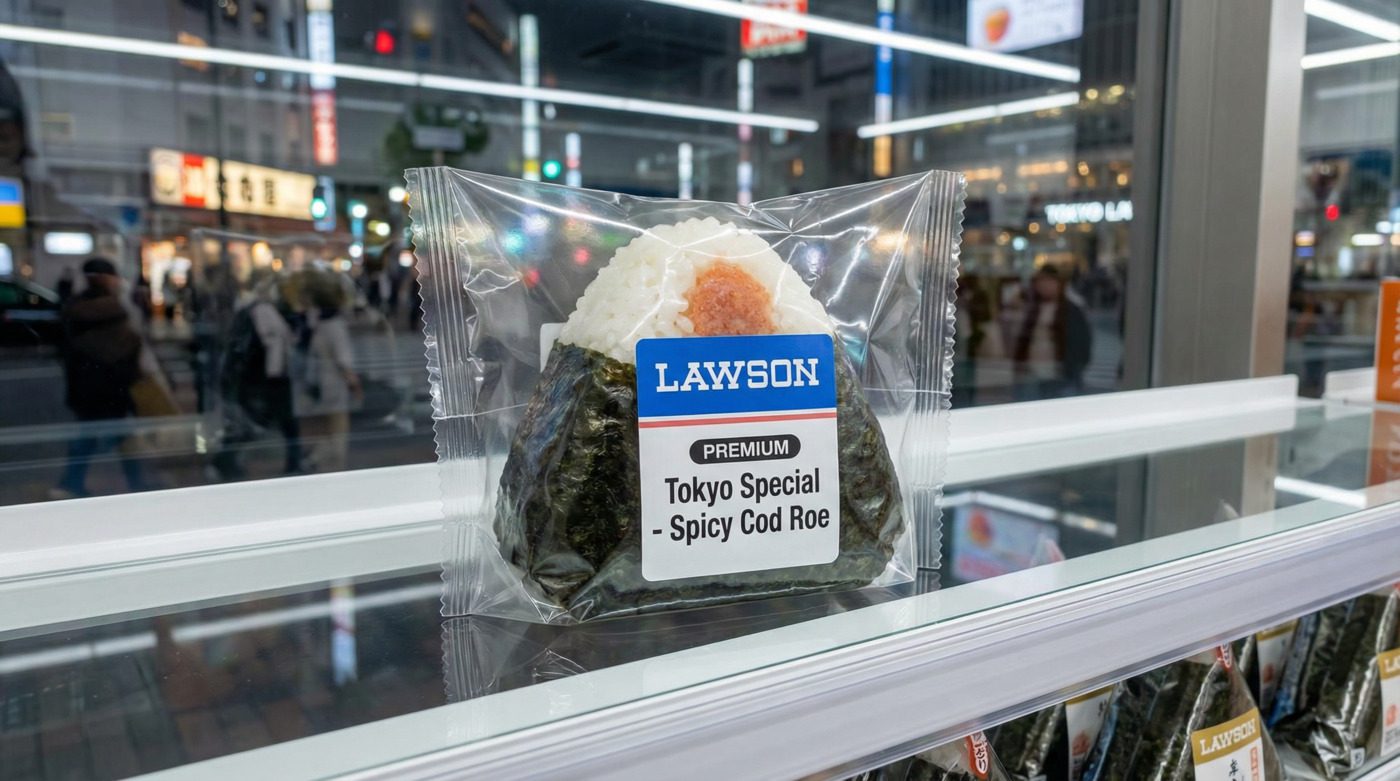
- Spicy cod roe (mentaiko, 明太子) — Bold and briny; pairs perfectly with a bottle of green tea
- Kelp (konbu, 昆布) — Umami-rich and vegetarian-friendly; often the cheapest option at ¥120
Chain highlights:
- 7-Eleven’s “Gold Series” onigiri uses premium-grade rice and restaurant-sourced fillings; priced at ¥220–¥298
- Lawson’s Akuma no Onigiri (Devil Onigiri) combines tempura crumbs, mentsuyu broth, and nori for a crunchy, addictive texture; ¥178
- FamilyMart rotates limited-time fillings seasonally—truffle, wagyu beef, and regional specialties appear regularly
The packaging is an engineering feat: a pull-tab system keeps the nori sheet separate from the rice until you open it, ensuring maximum crispness. Grab three different varieties for under ¥500 and turn lunch into a tasting session.
Bento Boxes Under ¥500 All Over Tokyo Convenience Stores
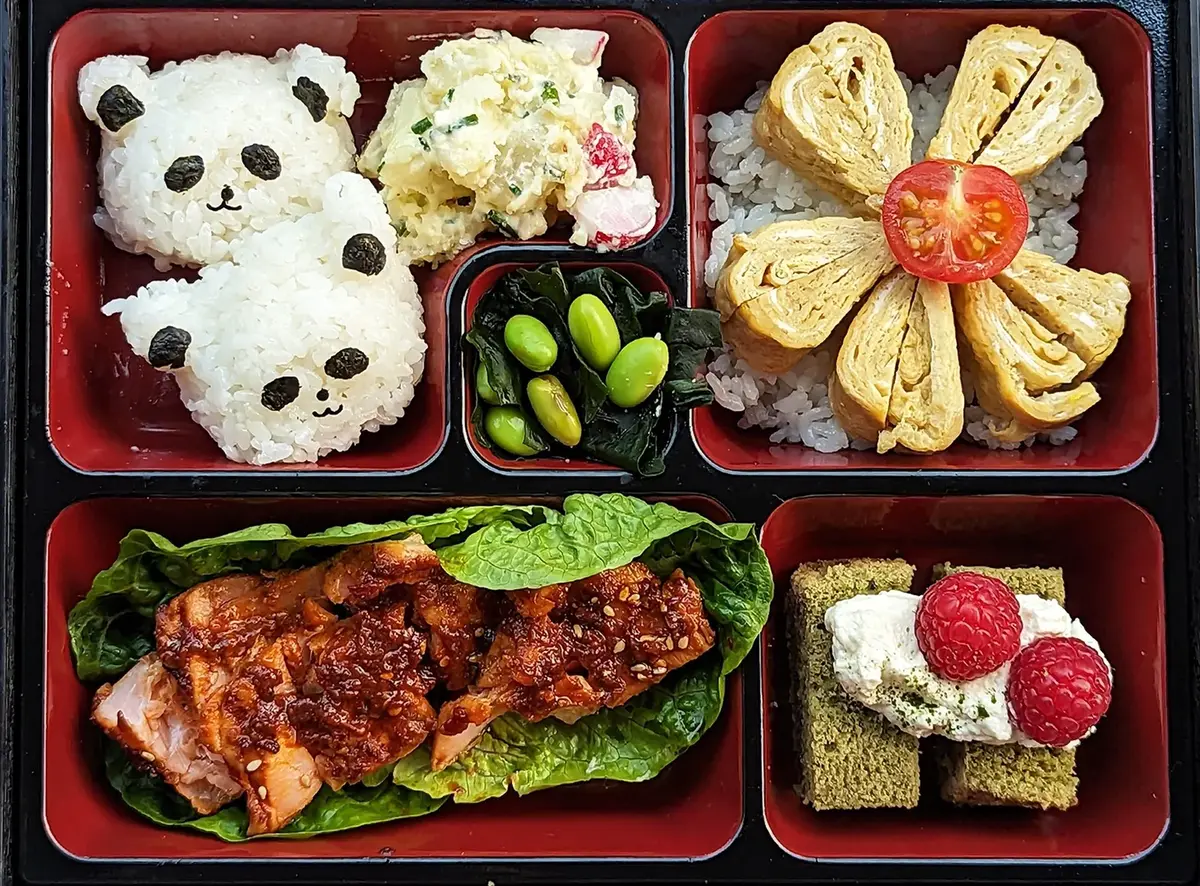
Konbini bento boxes offer the best calorie-per-yen value in Tokyo.
Standard bento boxes cost ¥350–¥450 and include rice, a protein, pickled vegetables, and at least one side dish—a complete meal in a single container.
Budget-tier bento boxes (¥200–¥320) focus on a single protein like grilled salmon or teriyaki chicken over rice.
Premium bento boxes (¥420–¥500) add multiple compartments with variety proteins, tamagoyaki (rolled omelette), and seasonal vegetables.
Look for “kigen gentei” (期間限定) stickers signalling limited-edition seasonal bento.
Cherry blossom season brings sakura-pickled rice and spring bamboo shoot proteins. Autumn versions feature chestnut rice and simmered root vegetables. These rotate every four to six weeks and disappear without warning.
Regional specialties are distributed nationwide through chain logistics.
You can find Hokkaido-style salmon bento in Shibuya or Kyushu mentaiko rice in Shinjuku without leaving Tokyo—a genuine culinary shortcut for budget travellers exploring Tokyo’s best food districts and neighbourhoods.
Hot Food Counter: Karaage, Croquettes, and Steamed Buns
The hot food counter is the most underrated section of any Tokyo konbini. Items are cooked fresh throughout the day under heat lamps, priced between ¥100 and ¥300, and ready to eat immediately.
Must-try hot counter items:
- Karaage chicken — Soy-and-ginger marinated chicken, fried to a crispy golden crust; ¥200–¥300 for a 3–4 piece portion
- Potato croquettes (korokke) — Creamy mashed potato in panko breadcrumbs; ¥100–¥150 each
- Nikuman (pork buns) — Pillowy steamed buns filled with seasoned pork; ¥150–¥180 each
- Curry pan — Deep-fried bread filled with Japanese curry; ¥150–¥200
- Fried chicken tenders — Lighter than karaage, ideal for pairing with a cold drink
Fresh batches arrive at the hot counter during the same restock windows as chilled food: 7–9 AM, 12–1 PM, and 5–7 PM.
Hitting these windows means piping-hot food rather than items that have been sitting under a lamp for two hours.
If an item you want isn’t on display, ask staff: “Hoka ni arimasu ka?” (Do you have others in the back?). Popular items like pizza-man and cheese curry buns often have reserve stock during peak hours.
Premium Cup Noodles and Cold Noodle Bowls
Japanese convenience stores have elevated instant noodles into a legitimate meal category.
Premium cup ramen costs ¥298–¥450 and uses separate flavour oil packets, thick-cut noodles, and restaurant-developed broths that bear no resemblance to budget supermarket ramen.
Top premium cup noodles by chain:
- Nissin Raoh Series (¥298–¥398) — Available at all three major chains; tonkotsu and shoyu varieties with chewy, non-fried noodles
- 7-Eleven Gold Series Ramen (¥350–¥450) — Developed with actual ramen restaurants; includes a separate pork fat oil sachet
- Lawson Premium Tsukemen (¥398) — Dipping-style ramen with a concentrated dipping broth and bouncy noodles
Upgrade any cup noodle by adding ingredients from the refrigerated section: a soft-boiled marinated egg (ajitsuke tamago, ¥80–¥120), a slice of chashu pork (¥150), or a spoonful of kimchi (¥100–¥150). The total still lands under ¥500 and rivals a ¥1,200 ramen shop bowl.
During summer, the refrigerated noodle section expands significantly. Cold soba, zaru udon, and tsukemen bowls cost ¥298–¥398 and are served ready-to-eat. FamilyMart is particularly strong on Hokkaido-style cold ramen; Lawson stocks excellent Kanto-region zaru soba.
How Much Does Convenience Store Food Cost in Tokyo?
Most Tokyo konbini meals cost between ¥300 and ¥500. A single onigiri costs ¥120–¥298, a bento box costs ¥350–¥500, hot counter items cost ¥100–¥300, and premium cup noodles cost ¥298–¥450.
A practical full meal combining one bento box (¥400) and one bottle of tea (¥150) totals ¥550—just over budget.
Swap the bento for two onigiri (¥260 combined) and a hot croquette (¥130) to stay comfortably under ¥500 with more variety.
Evening markdown stickers (8–10 PM) reduce bento prices by 20–30%, making it possible to eat a full, high-quality meal for ¥280–¥360.
This is the single most effective budget strategy available to Tokyo travellers, alongside exploring free things to do in Tokyo to offset dining costs.
Sweet Treats and Desserts Tokyo Convenience Store
Tokyo konbini dessert sections punch well above their price point. Traditional Japanese sweets (wagashi) cost ¥100–¥300, while Western-style pastries with Japanese twists rarely exceed ¥400.
Traditional sweets worth trying:
- Daifuku mochi (¥100–¥150) — Soft rice cake filled with sweet red bean paste; available year-round
- Mitarashi dango (¥150–¥200) — Grilled rice dumplings glazed with a soy-sugar sauce
- Kusa mochi (¥120–¥180) — Mugwort-infused green mochi with an earthy, herbal flavour
- Seasonal sakura mochi (¥150–¥220) — Available March–April; cherry-leaf-wrapped pink rice cake
Western-style pastries with Japanese twists:
- Matcha cream puffs (¥180–¥250)
- Red bean croissants (¥200–¥280)
- Basque cheesecake slices at Lawson (¥298) — consistently rated among the best convenience store desserts in Japan
Limited-edition collaborations with premium brands appear seasonally. FamilyMart has partnered with Pierre Hermé for macarons and Godiva for chocolate parfaits, both priced under ¥500. These sell out within days of release—check the “new arrivals” shelf at the store entrance.
Drinks: Japanese Teas, Seasonal Sodas, and Alcoholic Options
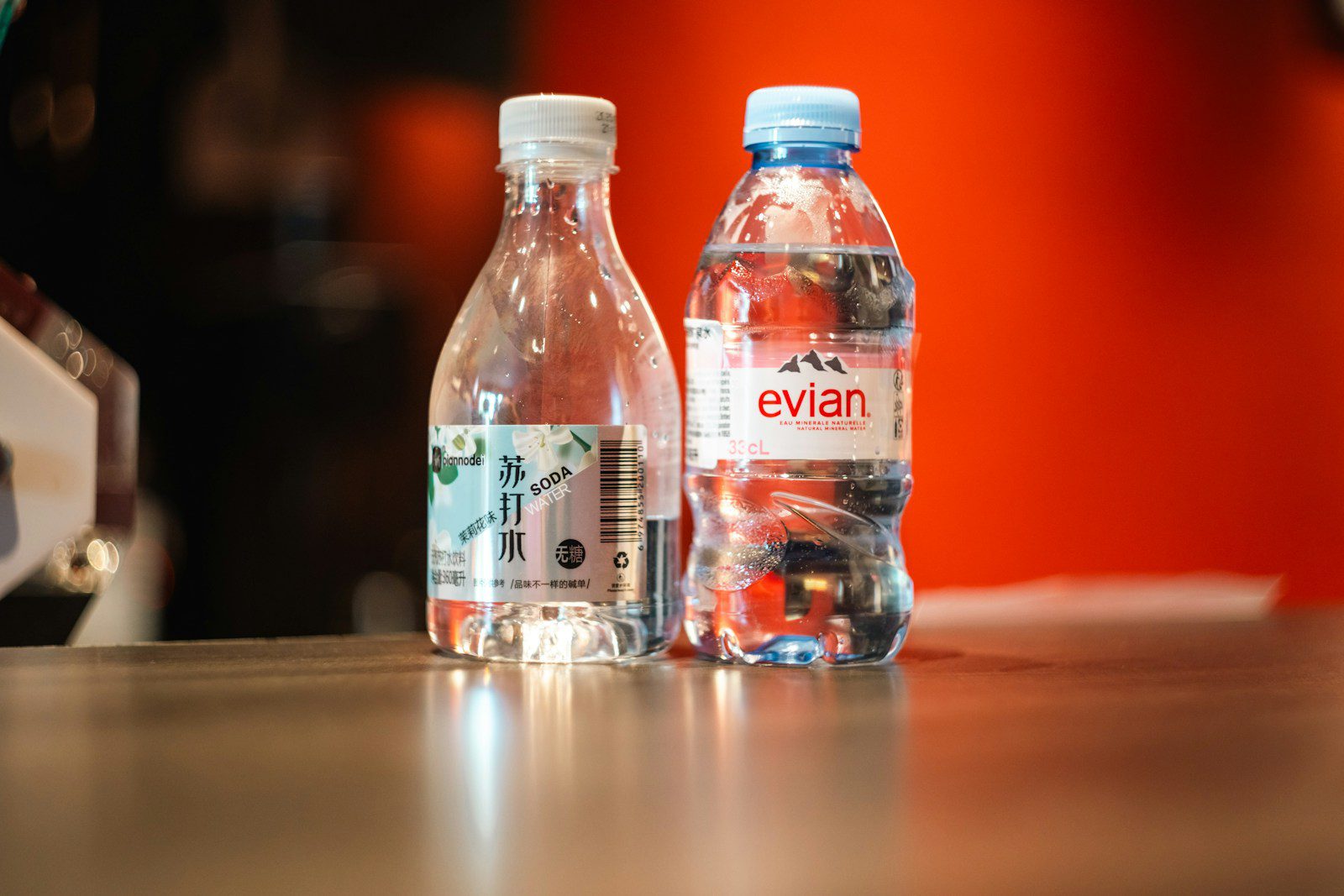
The drinks section at Tokyo konbini extends far beyond green tea and cola. Most bottles cost ¥100–¥160, leaving ample room in a ¥500 budget after buying food.
Japanese teas to try:
- Hojicha (roasted green tea) — Warm, toasty, low-caffeine; ideal for evening drinking
- Genmaicha (brown rice tea) — Nutty, popcorn-like flavour; pairs well with savoury food
- Mugicha (barley tea) — Caffeine-free, slightly bitter; a summer staple served cold
- Matcha latte — Sweetened, creamy, and available hot or cold depending on the season
Unique soft drinks:
- Calpis — A tangy, milky cultured drink with a yoghurt-lemonade flavour; ¥130–¥160
- Seasonal Fanta flavours — Sakura (March–April), melon (summer), and sweet potato (autumn)
- Cream soda — Vanilla-flavoured carbonated drink with a nostalgic Japanese café taste
Alcoholic options are stocked from late afternoon. Suntory Premium Malt’s beer costs ¥250–¥350. Chu-hi (canned cocktails) in yuzu, peach, and lemon flavours cost ¥150–¥250. Decent table wines are available for ¥350–¥500. All are chilled and ready to drink.
Drinks rotate seasonally with the same frequency as food. When you spot a flavour you haven’t seen before, buy it immediately—limited runs disappear within two to three weeks.
Chain-by-Chain Guide: 7-Eleven, FamilyMart, and Lawson
Each of Tokyo’s three major convenience store chains has developed distinct strengths. Knowing which chain excels at what turns random browsing into a targeted mission.
7-Eleven Japan
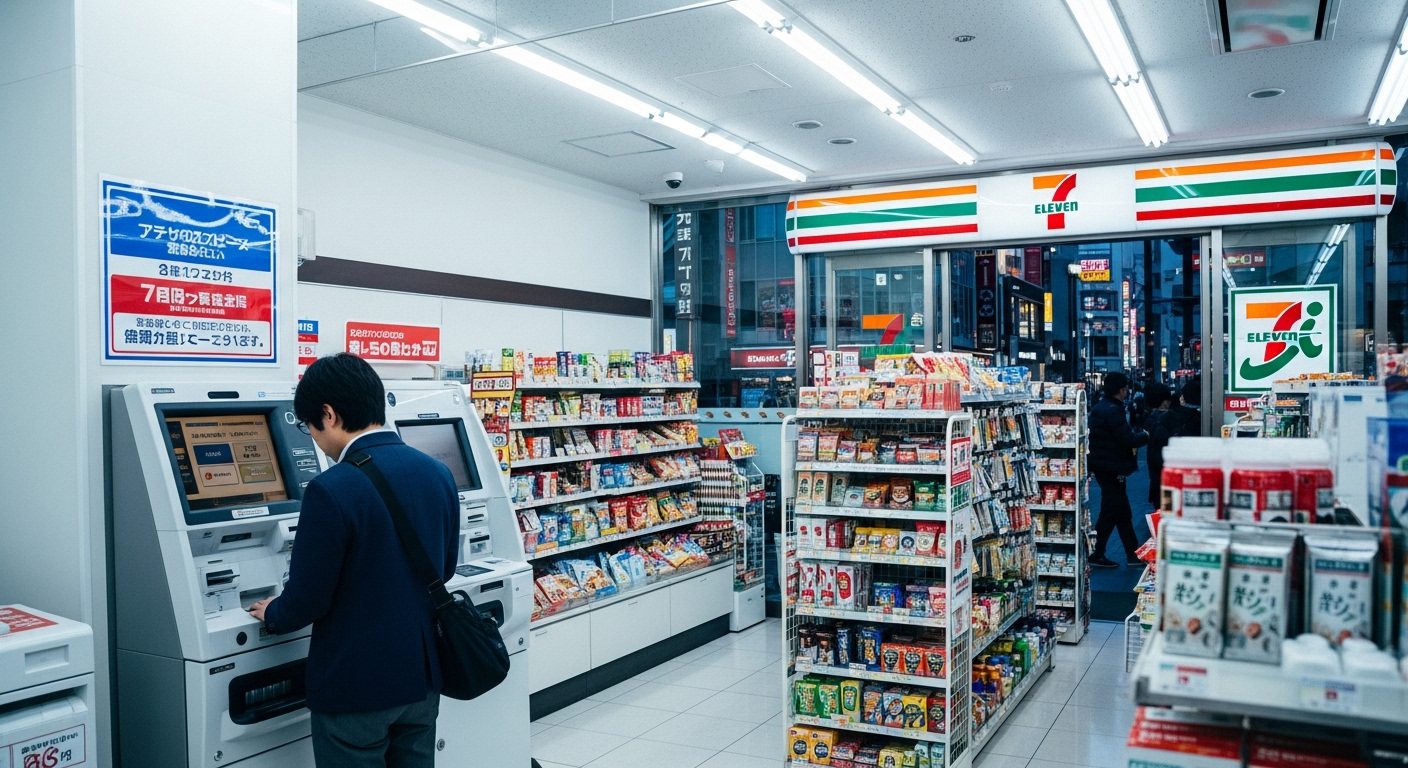
7-Eleven Japan is the largest konbini chain in the country, with over 21,000 locations nationwide.
Its Gold Series private-label line covers onigiri, ramen, sandwiches, and desserts—all developed to a premium standard.
Notable restaurant collaborations include Ippudo Ramen cup noodles (Hakata tonkotsu broth; ¥250), Tsujiri matcha desserts from Kyoto (¥200–¥400), and Morinaga limited-edition ice creams. These exclusives rotate every four to eight weeks.
FamilyMart
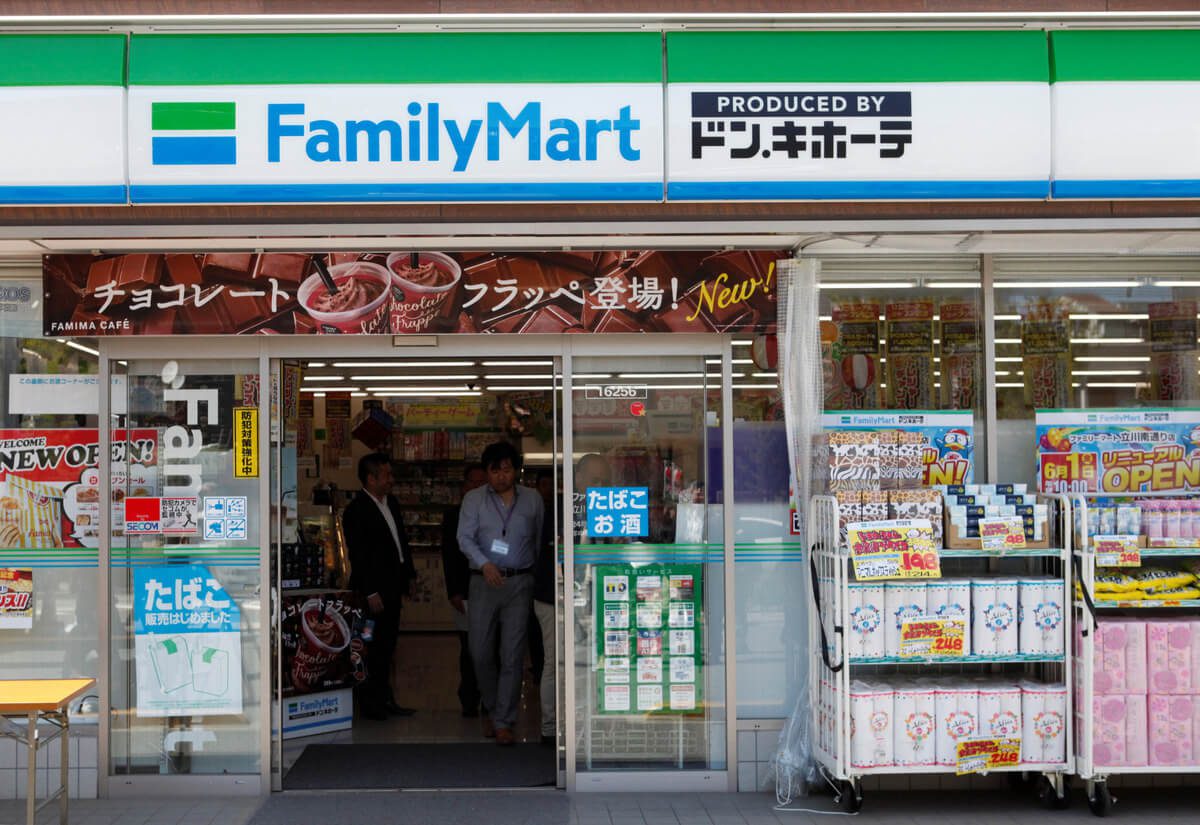
FamilyMart’s “FamilyMart Collection” private-label line is particularly strong on pasta dishes (¥298) and fried chicken.
Their Famichiki fried chicken (¥230) has a cult following among Tokyo locals and is widely considered the best hot counter chicken across all three chains.
FamilyMart also leads on regional flavour rotations, regularly stocking Kyoto-style matcha desserts, Osaka takoyaki-flavoured snacks, and Hokkaido dairy products.
Their cold noodle range in summer is the most extensive of the three chains.
Lawson
Lawson’s “Uchi Café” dessert series is the most acclaimed convenience store dessert line in Japan. The Basque cheesecake (¥298), premium roll cake (¥248), and seasonal parfaits regularly trend on Japanese social media.
Lawson partners with celebrity chefs and patissiers for limited-edition drops. Their “Lawson Select” line covers everyday staples at competitive prices, while the premium tier features collaborations with top culinary talent. Lawson’s Karaage-kun (¥230 for five pieces) is the chain’s signature hot counter item and has been sold since 1986.
For travellers who enjoy exploring Tokyo’s retail culture more broadly, the same attention to quality and exclusivity found in konbini collaborations also appears in Tokyo’s unique souvenir shopping scene.
Navigating Payment and Language at the Checkout in Tokyo Convenience Store
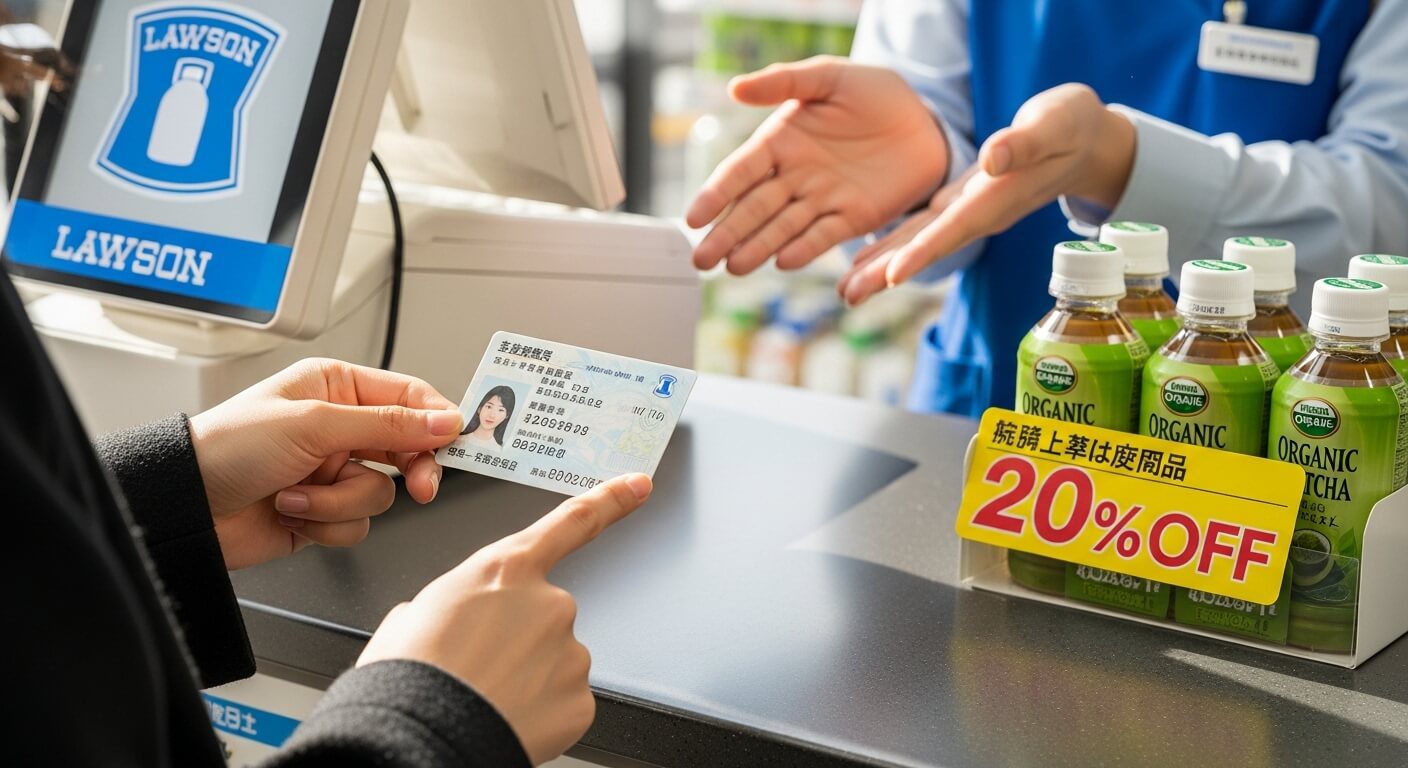
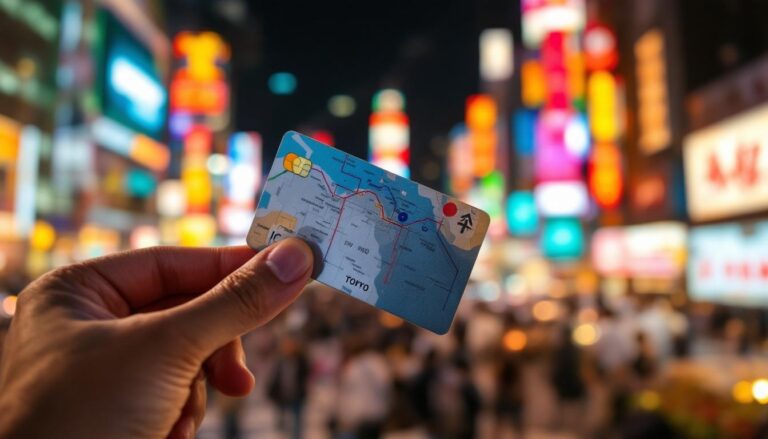
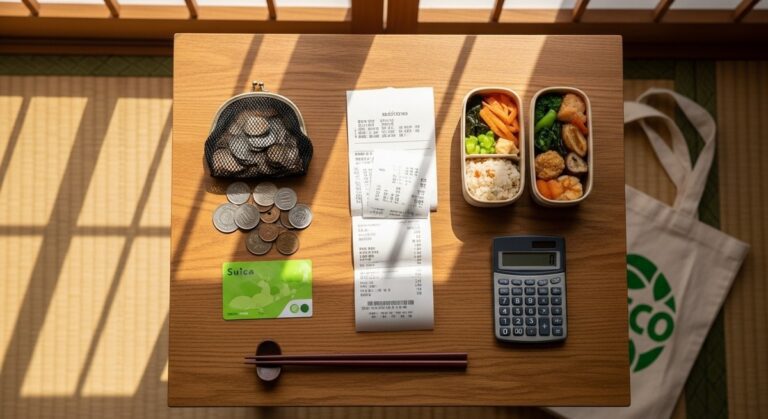
Tokyo convenience stores accept cash, IC cards (Suica, Pasmo), major credit cards, and QR code payments (PayPay, LINE Pay, d-Payment). IC cards are the fastest checkout method and work at all three major chains.
If you are already using a Suica card for the train network, the same card pays for konbini purchases instantly. Top up your card at any station machine or at the konbini register itself. For a full walkthrough, see our guide to topping up a Suica card in Tokyo.
Cash remains universally accepted and is the safest backup. Bring small notes (¥1,000 bills) to keep checkout smooth. Staff will count your change carefully and hand it back with both hands—a standard Japanese courtesy.
Essential phrases for food shopping:
- “Kore kudasai” (KOH-reh koo-dah-sigh) — “This one, please” while pointing
- “Atatamemasu ka?” (ah-tah-tah-meh-mahs kah) — Staff asking if you want it heated; nod yes, shake head no
- “Ikura desu ka?” (ee-KOO-rah dess kah) — “How much is this?”
- “Arigatou gozaimasu” — “Thank you very much”; use this at every transaction
Reading expiration labels:
- 消費期限 (shōhi kigen) — Use-by date; applies to perishables like sandwiches and onigiri
- 賞味期限 (shōmi kigen) — Best-before date; applies to shelf-stable items like cup noodles
- 要冷蔵 (yō rēizō) — Refrigerate immediately after purchase
Japanese dates follow a year/month/day format. “25.03.15” means 15 March 2025. Understanding this prevents accidentally buying something on its last day.
For broader help with language barriers across Tokyo, the Tokyo translation apps guide covers the best tools for non-Japanese speakers—several of which include a camera-scan feature that reads Japanese food labels in real time.
Do You Need to Tip at Tokyo Convenience Stores?
No. Tipping is not practised anywhere in Japan, including convenience stores. Leaving coins on the counter or adding extra money will confuse staff. Simply say “arigatou gozaimasu” and collect your receipt—that is the complete social transaction.
This no-tipping culture extends to all food service in Tokyo, from konbini to high-end restaurants. Budget travellers benefit directly: the price on the label is the total price you pay, with no expectation of additional gratuity. For a full overview of local customs, the Tokyo etiquette guide for first-time visitors covers everything you need to know before your trip.
Frequently Asked Questions (FAQs)
Can I eat inside a Tokyo convenience store?
Some konbini have small eat-in areas with counters or tables, usually near the entrance or at the back. Look for chairs or a counter before sitting down.
If no seating exists, take your food outside or back to your accommodation. Eating while walking is generally frowned upon in Japan.
Are Tokyo convenience store meals suitable for vegetarians?
Vegetarian options are limited but available. Konbu (kelp) onigiri, plain rice balls, vegetable-filled sandwiches, and most wagashi sweets contain no meat.
However, many broths and sauces contain fish-based dashi, so strict vegetarians should check labels carefully.
The konbu onigiri (¥120–¥150) is the safest and most widely available vegetarian staple.
Can I use a credit card at Tokyo convenience stores?
Yes. All three major chains—7-Eleven, FamilyMart, and Lawson—accept Visa, Mastercard, and American Express at the register.
IC cards (Suica, Pasmo) and QR code payments (PayPay, LINE Pay) are also accepted. Cash is always a reliable backup. Contactless payments via smartphone are increasingly common and fast.
What is the best convenience store chain in Tokyo for desserts?
Lawson is widely considered the best chain for desserts. Its “Uchi Café” series includes the Basque cheesecake (¥298), premium roll cake (¥248), and seasonal parfaits developed with professional patissiers.
7-Eleven’s Gold Series desserts and FamilyMart’s limited-edition brand collaborations are strong runners-up.
Are there gluten-free options at Tokyo convenience stores?
Dedicated gluten-free labelling is rare in Japanese konbini. Plain onigiri filled with salmon or konbu are naturally low in gluten, but cross-contamination in production facilities is common and not always disclosed.
Travellers with coeliac disease should exercise caution and use a translation app to scan ingredient lists for 小麦 (komugi, wheat).
How do I find out about new or limited-edition konbini items?
Check the “new arrivals” shelf at the store entrance—chains update this weekly. Japanese convenience store fan accounts on Instagram and X (Twitter) post new releases in real time, often with English commentary.
Searching “konbini new items” or the chain name in English on social media surfaces current releases quickly.
Is it safe to eat convenience store food late at night?
Yes. Tokyo konbini operate 24 hours and maintain the same freshness and safety standards at 2 AM as at 2 PM.
Items approaching their expiration time receive markdown stickers rather than being left on shelves past their cutoff.
The 8–10 PM window is actually ideal for discounted bento boxes that are still well within their safe consumption window.