
Momiji Waterfall
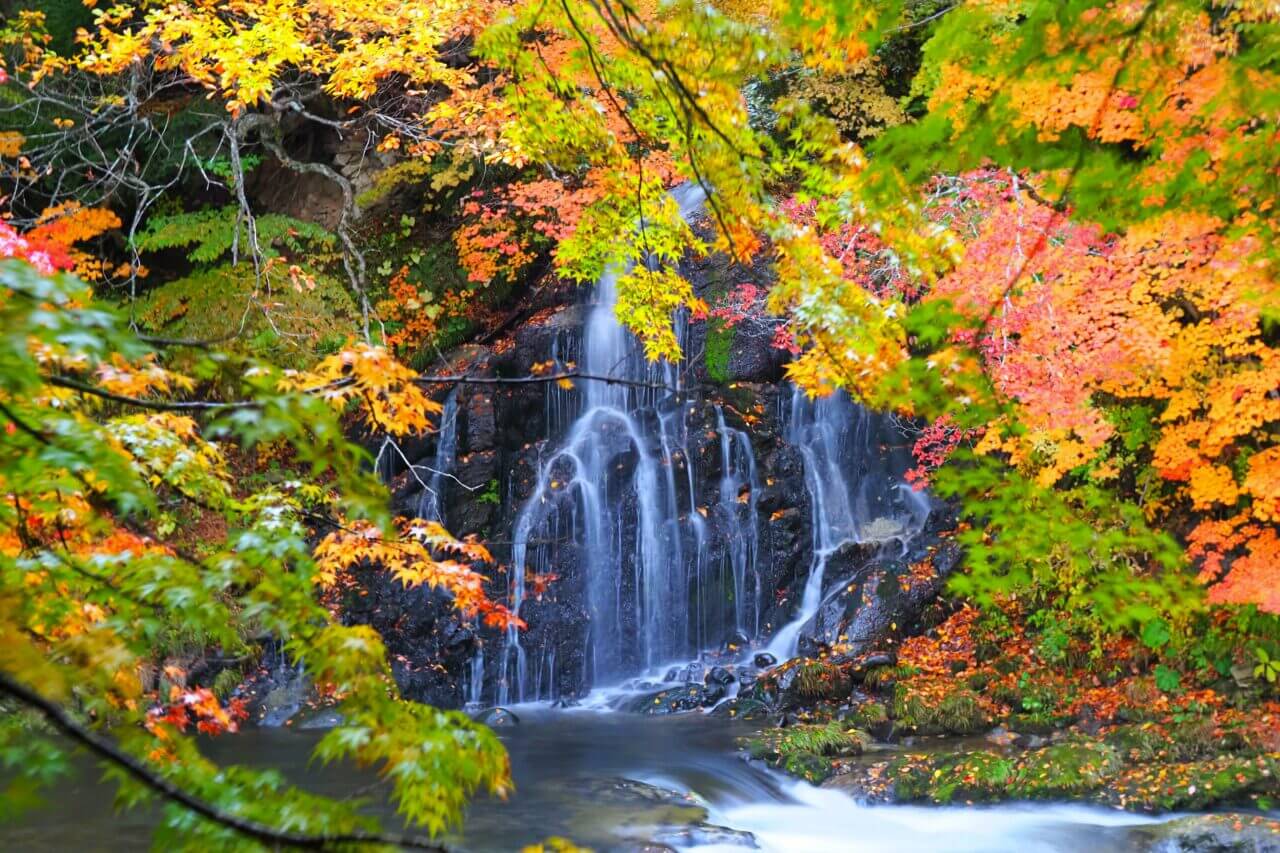
Small landscaped waterfall and maple-filled ravine in Shiba Park, offering a quiet nature escape with Tokyo Tower rising in the background.
4 Chome-3-25 Shibakoen, Minato City, Tokyo 105-0011, Japan
 Book Experience Now!
 Viator
 Tripadvisor
 Klook
Klook
Overview
Momiji Waterfall in Shiba Park provides a brief escape from the buildings and crowds of central Tokyo. The waterfall is located in a small valley-like area of Shiba Park in Minato City. It lies a short walk from Tokyo Tower and dates to the Meiji era, when landscape designer Yasuhei Nagaoka created it.
The site offers a small-scale Japanese garden with a man-made waterfall, layered rocks, maples (momiji), walking paths, and benches. A slight change in elevation blocks out city noise, so visitors can watch the flowing water for about 15 minutes.
The name “Momiji” refers to the maples. In autumn, their leaves turn red and gold for striking photos. In summer, the area provides shade and cool moisture. After rain, the waterfall flows more strongly, and moss on the rocks appears vivid in photos.
There is no entry fee, ticket line, or need for planning. Enter Shiba Park and follow paths down to the ravine with the small stream. The site suits a short, easy nature break amid Tokyo Tower visits and other city plans.
Momiji Waterfall: A Hidden Green Pocket Under Tokyo Tower
If you’re planning a Tokyo itinerary that swings between neon and nature, Momiji Waterfall is a small but surprisingly soothing stop to plug into your day.
Tucked inside Shiba Park in Minato City, just a short walk from Tokyo Tower, this man‑made cascade hides in a maple‑filled ravine that feels way more “forest walk” than “downtown business district.”
How to Visit Momiji Waterfall in Shiba Park: A Short Nature Break in Central Tokyo
Momiji Waterfall sits in the Momiji Valley area of Shiba Park, at 4‑3‑25 Shibakoen, Minato City, Tokyo 105‑0011. You’re basically in Tokyo Tower’s backyard here—close enough that you can pair observation decks and city views with a 10–15 minute nature break without touching a train.
The ravine is small, but the combination of running water, stonework, and layered maple trees flips your brain into “park mode” surprisingly fast.
The name “Momiji” comes from the Japanese word for maple, and the design leans into that theme hard. In autumn, the leaves around the falls turn deep red and gold, framing the water like a postcard background you didn’t have to hike hours to reach.
In spring and early summer, the area goes heavy on fresh greens and moss—especially after rain, when the waterfall flow is stronger and the rocks look like someone turned the saturation slider up.
Also read:
- Tokyo Emergency Numbers and Phrases Every Traveler Should Know
- Tokyo Bus System: Routes Tourists Should Know
- Tokyo Foodie Areas: Best Districts for Different Cuisines & Dining Experiences
- Tokyo With Kids: Family-Friendly Activities & Tips
- Navigating Tokyo’s Airports: From Narita to Haneda Smoothly
- Complete Guide to Topping Up a Suica Card in Tokyo
It’s not a dramatic mountain waterfall; it’s more of a carefully tuned “urban oasis” installed to give nearby office workers, locals, and wandering tourists a place to breathe.
Getting There: Easy Add-On to a Tokyo Tower Visit
One of the biggest advantages of Momiji Waterfall is how low-effort it is to reach. You’re not signing up for an Okutama-style trek here; you’re walking a few city blocks and following park paths.
That makes it ideal as a filler between bigger attractions or as a quiet reset when the city energy starts to feel like too much.
Nearest Stations and Walking Time
The closest subway stop is Akabanebashi Station on the Toei Oedo Line, roughly a 5–8 minute walk through Shiba Park to the waterfall area.
Onarimon Station (Toei Mita Line) is about 8–10 minutes away, while Daimon Station (Toei Asakusa and Mita Lines) and JR Hamamatsucho Station sit 12–15 minutes out on foot.
If you’re already at Tokyo Tower, you’re essentially next door—walk downhill into Shiba Park, look for the lower, tree-filled section, and you’ll find the ravine.
Several Toei bus routes stop around Shibakoen and Tokyo Tower, which works nicely if you’re combining this with other Minato-area sights. Once you’re in the park, there’s no ticket gate or formal entrance; you just follow the paths down toward the stream.
GPS around 35.6563, 139.7497 will put you in the right zone if you like exact coordinates.
What to Expect at Momiji Waterfall When You Arrive
Set expectations realistically and you’ll be pleasantly surprised. Momiji Waterfall is small, green, and intentional—it feels more like a compact Japanese garden corner than a wild natural site.
You’ll find a short cascade over stonework, a stream winding along the bottom of the ravine, walking paths on either side, and benches where you can sit and pretend you’re not five minutes from skyscrapers.
The best word here is “reset.” You’re probably not going to spend an hour, but 15–30 minutes of listening to water and watching leaves move in the breeze does wonders when your day has been all trains, crowds, and smartphone maps. In autumn, photographers come for the foliage; in other seasons, it’s mostly locals, Tokyo Tower spillover, and travelers who did enough pre-trip research to find it.
Entry is free, which makes it a zero-risk add-on: if you love it, great; if it’s not your thing, you’ve only spent a short walk.
When to Go and How Long to Stay
The area is part of Shiba Park, so it’s effectively open 24 hours a day, though it only makes sense to visit while there’s daylight.
There are no bright decorative lights or dramatic night illuminations—after dark, it’s just a dim ravine with running water, which is more “where’s my footing?” than “romantic stroll.”
Season-wise, autumn is the clear winner. The maple leaves around the falls hit peak color from mid‑November into early December in most years, and the contrast of red foliage, grey rock, and moving water is the kind of scene that makes even basic phone cameras look better than expected.
Spring brings fresh greens and mild temperatures; summer gives you shade and a cooler microclimate compared to exposed city streets; winter is quieter and a bit bare, but still works if you’re already nearby. Realistically, you’re looking at a 15–30 minute stop unless you’re deep into photography or sketching.
Practical Details: Cost, Facilities, and Accessibility
From a budget perspective, Momiji Waterfall is as friendly as it gets. There’s no admission fee, no ticket machine, and no required purchase—your only cost is whatever it took to get you to Shiba Park.
That makes it a solid option if you’re stacking several paid attractions in one day and want something that doesn’t hit your wallet.
Facilities are basic but workable. Public toilets are available elsewhere in Shiba Park and near Tokyo Tower, but there’s no dedicated restroom or shelter right at the waterfall.
There’s also no on-site cafe or restaurant; you’ll find plenty of food and coffee options around Tokyo Tower and in nearby streets, just not in the ravine itself.
As for accessibility, paths around the area are generally walkable, but slopes, steps, and uneven ground can make it challenging for wheelchairs or strollers, especially when the ground is wet.
There’s no dedicated parking directly for the waterfall, though paid parking lots exist around Tokyo Tower and Shiba Park.
Who Should Add Momiji Waterfall to Their Itinerary?
Momiji Waterfall makes the most sense if you’re already planning to visit Tokyo Tower, Zojoji Temple, or the broader Shiba Park area.
Think of it as a bonus: you’re in the neighborhood anyway, so why not spend an extra 20 minutes in a spot that isn’t monetized, branded, and crowded to the point of stress?
It’s especially good for travelers who like mixing “big ticket” viewpoints with smaller local corners so the day doesn’t feel like a continuous queue.
If you’re chasing major waterfalls or full-on hiking experiences, this is not your main event—you’ll want places in Okutama or further afield for that.
But for city explorers who appreciate small pockets of green, photographers hunting for calm compositions with a bit of seasonal color, or couples needing a quiet bench between attractions, Momiji Waterfall does its job very well.
It’s the kind of place you don’t brag about loudly, but you’re glad you found.
Read More
Attraction Types
Tourist Attraction
Waterfall (landscaped)
Urban Park
Green Space
Scenic Spot
Viewpoint
Walking Spot
Relaxation Area
Things to Know
- Good for kids
- Free public access (no admission fee)
- Walking paths and benches
- Proximity to public toilets within Shiba Park and Tokyo Tower area
- Nearby public transport (multiple subway/JR lines and buses)
- Dedicated wheelchair‑accessible car park at the waterfall
- As a small landscaped corner of a public park, there is no unified:
- On-site parking directly for the waterfall (use nearby paid parking around Tokyo Tower)
- On-site restaurant or cafe (plenty around Tokyo Tower, not at the waterfall itself)
- Free WiFi specific to the waterfall area
Our Notes & Verdicts
Our Rating: 4.9
Momiji Waterfall does not match its dramatic name. Visitors might expect a scene like a small Nikko hidden downtown. The site is smaller and quieter, but its appeal increases with time.
The waterfall lies in Shiba Park, a short walk from Tokyo Tower. It sits in a landscaped ravine with maples over a rocky stream. A path leads down from the main route, where city noise drops sharply. Office workers eat store-bought lunches on nearby benches. Couples pose for photos amid the water and plants. Tourists value this hidden spot amid major attractions.
Momiji Waterfall alone does not justify a long trip across Japan. It works well with a visit to Tokyo Tower or Zojoji Temple. View the observation deck and skyline from there, then walk five to ten minutes into Shiba Park. Sit by flowing water and trees that turn color in seasons.
In autumn, red momiji leaves surround the falls and enhance smartphone photos. After rain, the water provides a soothing sound. The free site offers a brief break during a Tokyo itinerary.
🏨 Related Accommodations
-

Futakotamagawa Excel Hotel Tokyu
1-14-1 Tamagawa Setagaya Ku, Tokyo 158-0094, Japan
Not sure which hotel to select? Try these hotel search engines below
Operating Hours
Location
4 Chome-3-25 Shibakoen, Minato City, Tokyo 105-0011, Japan
Nearest Train Station(s)
Subway: Akabanebashi Station (Toei Oedo Line), about 5–8 minutes’ walk via Shiba Park | Subway: Onarimon Station (Toei Mita Line), about 8–10 minutes’ walk | Subway: Daimon Station (Toei Asakusa/Mita Lines), about 12–15 minutes’ walk | JR: Hamamatsucho Station (JR Yamanote/Keihin-Tohoku Lines), around 15 minutes’ walk through Shiba Park and past Tokyo Tower
Nearest Bus Stop(s)
Shibakoen Bus Stop (Toei buses along Shiba Park / Tokyo Tower area) | Tokyo Tower / Shibakoen area stops on local Toei routes
 DiscoverCars
 RentalCars
 Trip.com
Tokyo Trip Add-Ons
Equip yourself for the ultimate Tokyo adventure with the following add-ons, curated just for you.








Related Attractions
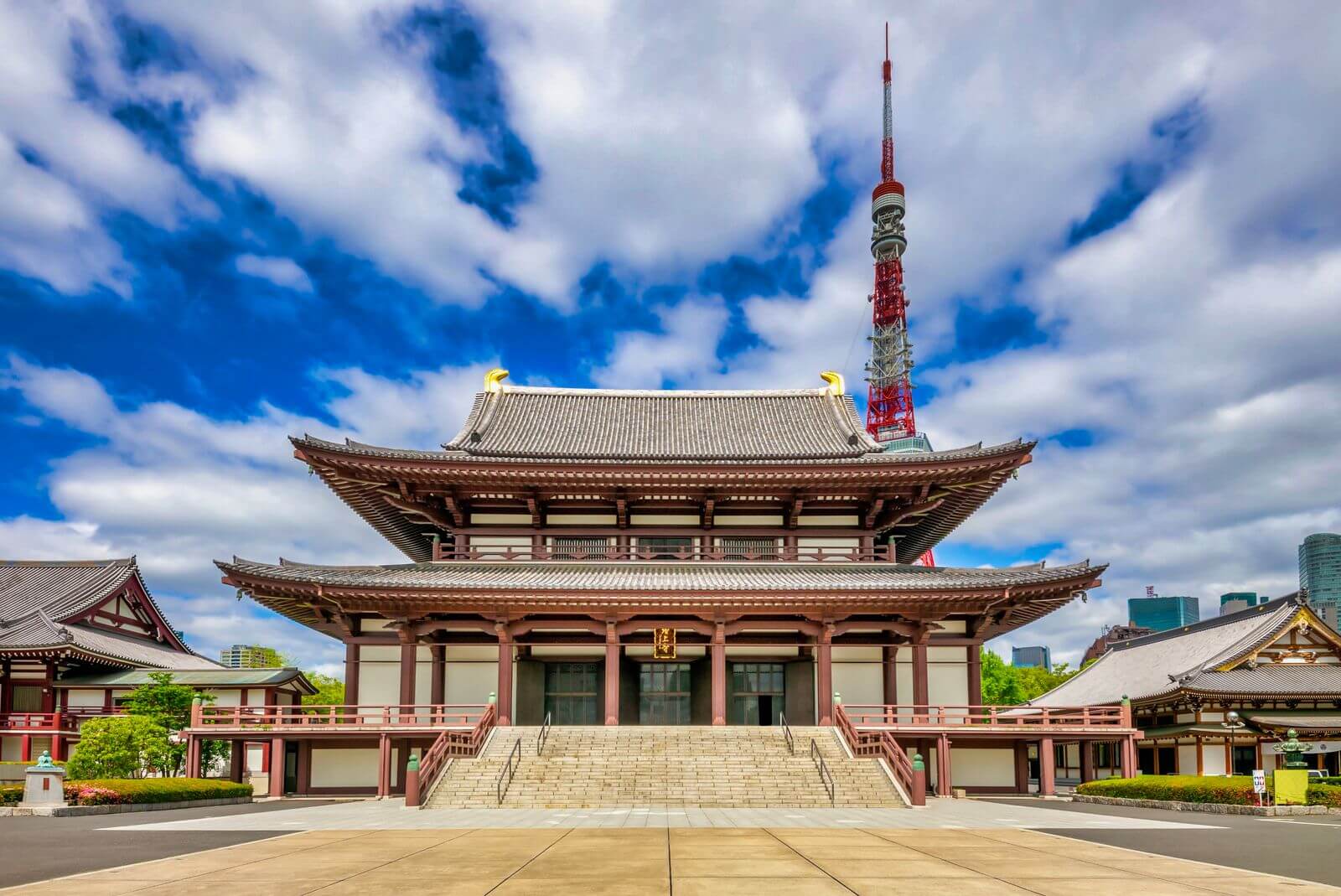
Shiba Park
Historic public park established in 1873, surround...
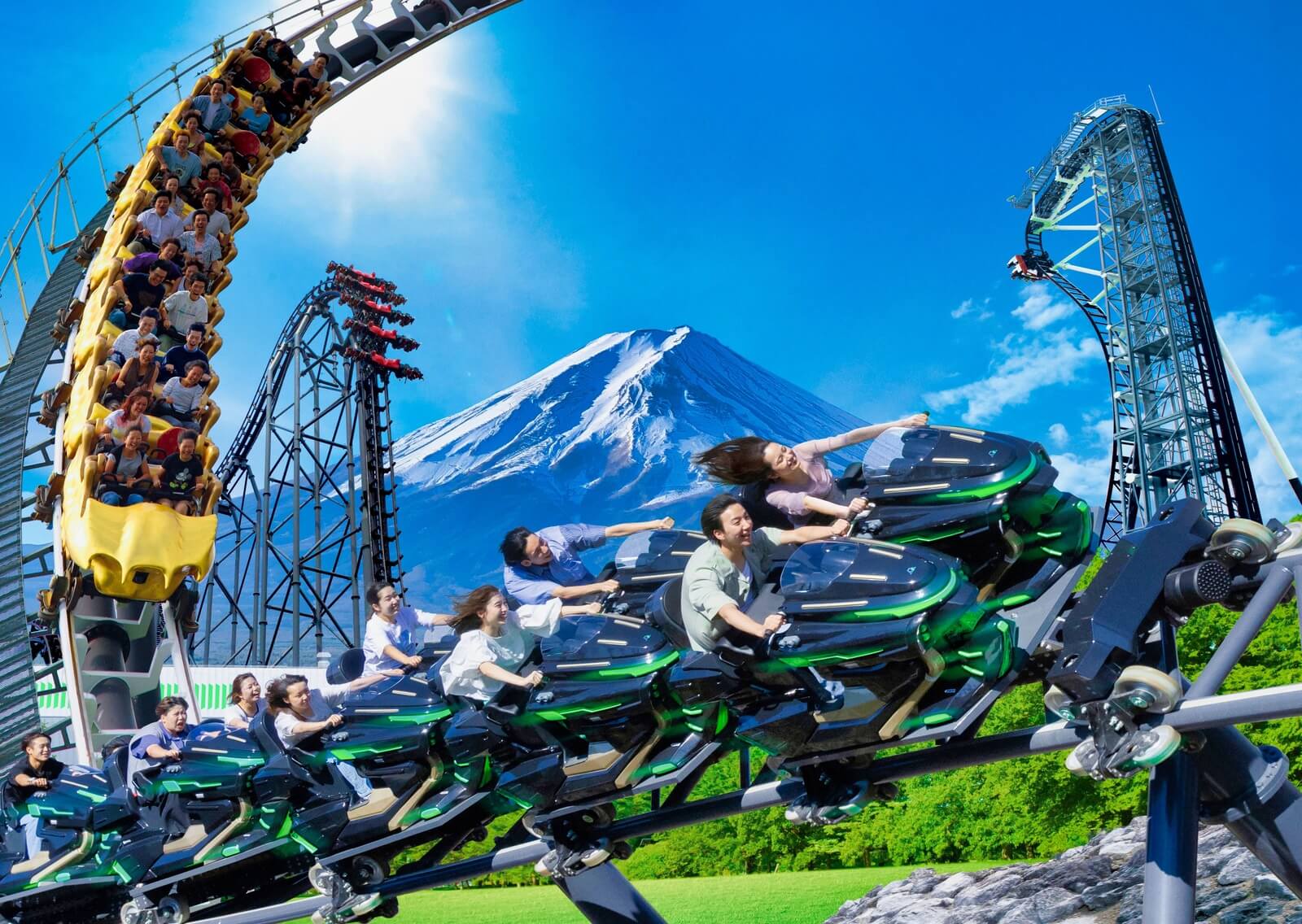
Fuji-Q Highland
World-famous amusement park at the base of Mount F...
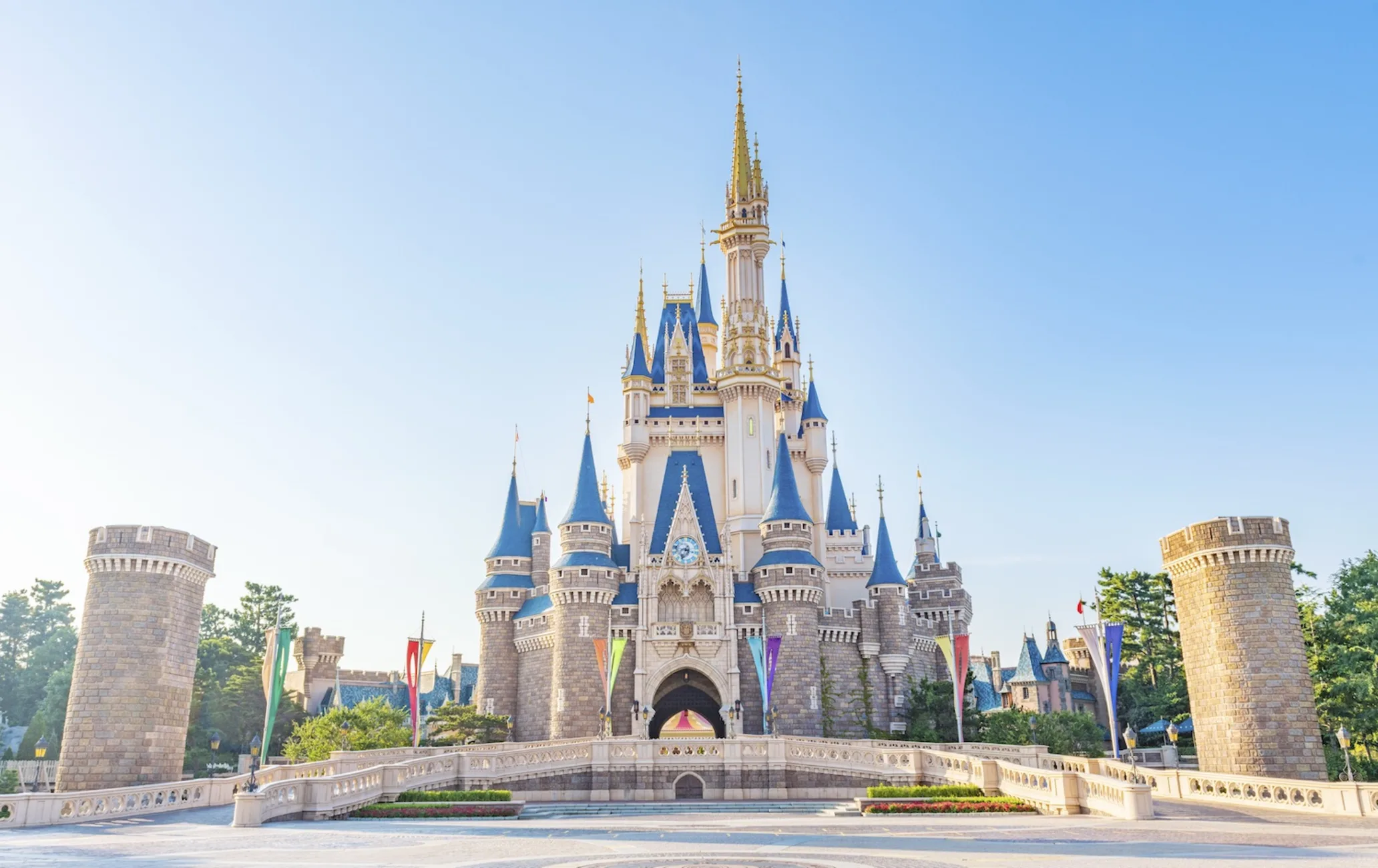
Tokyo Disneyland
Theme park that features various rides and live sh...
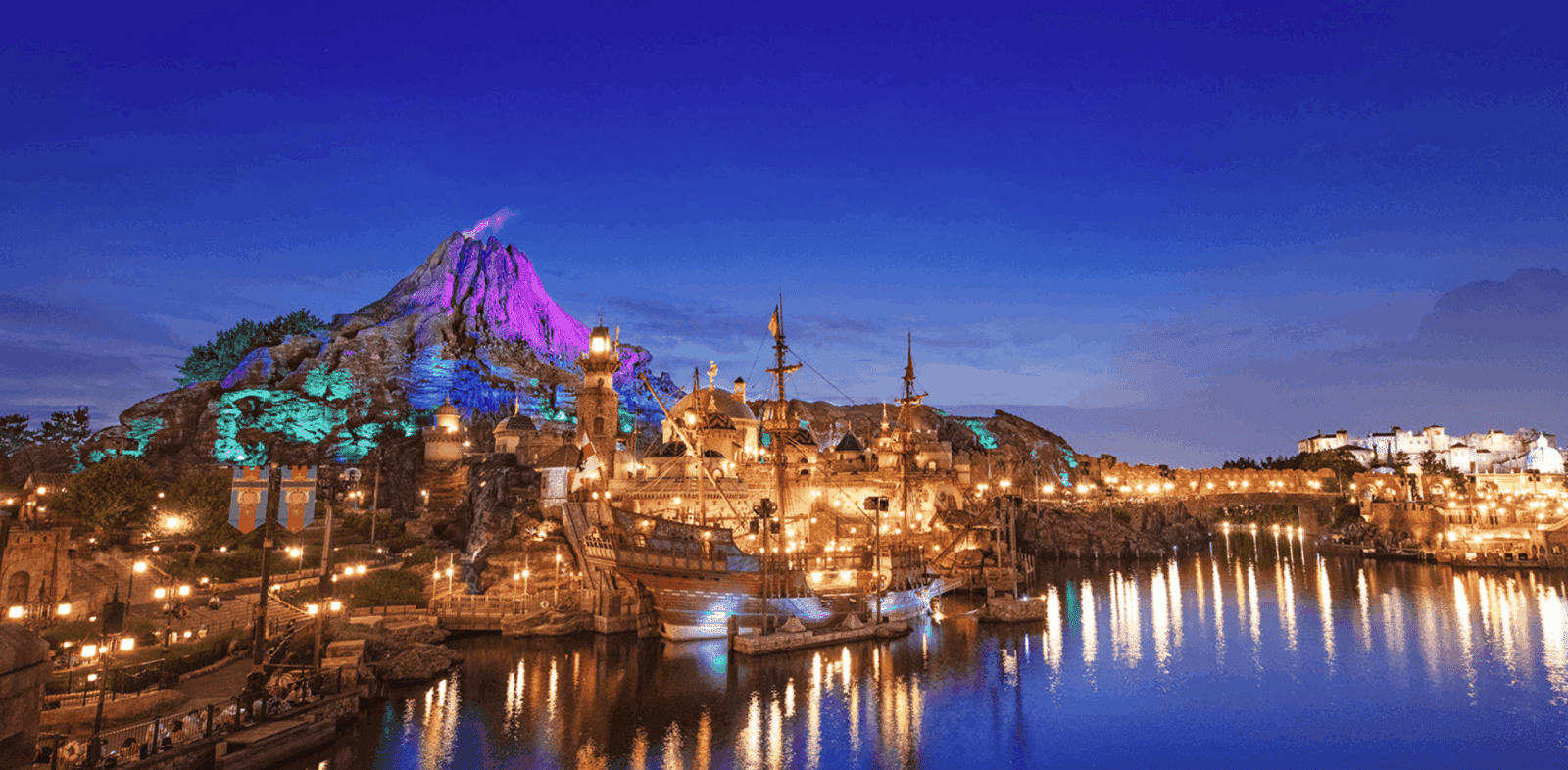
Tokyo DisneySea
Disney's sea-themed park featuring 7 ports of call...
Disclaimer
While we at Tokyo Trip Guide do our best to show you accurate prices, we just can't promise they'll stay the same. Here's why: since we're not actually selling anything ourselves - we work with partner companies who set their own prices - we can't control what deals they offer. That's why it's best to check directly with our suggested deal providers to see their latest prices for attraction tickets.
Just so you know, if you end up buying something from the providers we list here, we might get a small commission. We'd be really happy if you used our recommended links to make your bookings!