
Meguro River
Scenic urban river corridor famous for its 3.8 km cherry blossom tunnel, trendy Nakameguro cafes, and relaxed waterside walks in south-central Tokyo.
1 Chome-13-8 Kamimeguro, Meguro City, Tokyo 153-0051, Japan
 Book Experience Now!
Check current price and availability.
 Viator
 Booking.com
 Tripadvisor
 Trip.com
 GetYourGuide
 Klook
Klook
 Traveloka
Overview
Photos of a Tokyo river covered in pink blossoms often show the Meguro River. It extends nearly 8 km through the Setagaya, Meguro, and Shinagawa wards. Visitors focus on a 3.8 km section lined with about 800 cherry trees, mainly near Nakameguro and Meguro Stations.
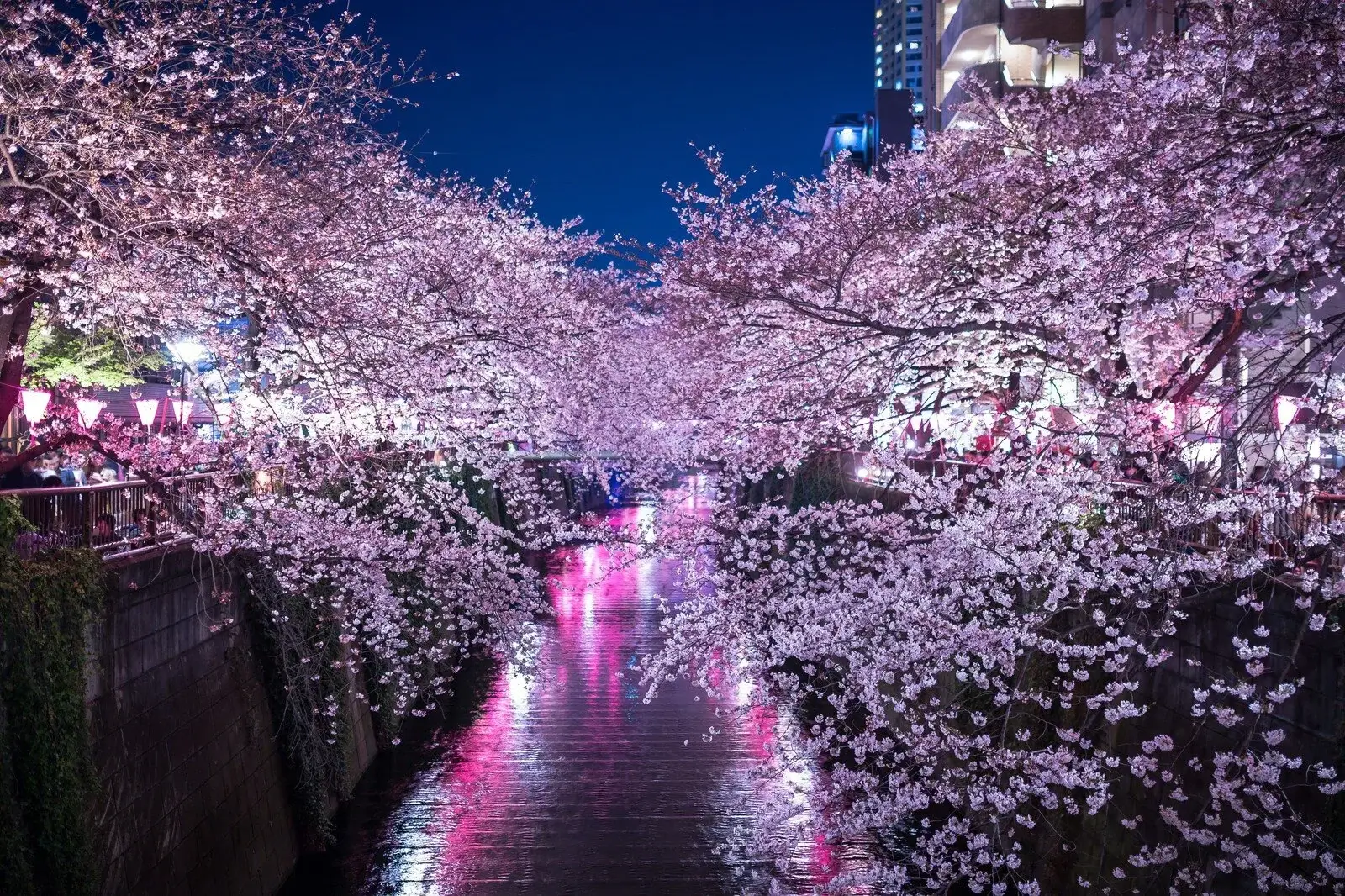
In spring, branches from both riverbanks extend over the water and nearly touch. This forms a sakura canopy that prompts many people to take photos, even if they avoid cameras usually.
The site appeals beyond cherry blossom fans. Riverside paths provide a daily green space for locals such as dog walkers, joggers, parents with strollers, and remote workers on short walks.
Nakameguro has developed into a popular neighborhood. Specialty coffee shops, bakeries, wine bars, and small boutiques line the area above the riverbank. People can walk from a cafe to the sakura tunnel in under a minute.
Meguro River: Tokyo’s Cherry Blossom Icon and Year-Round Urban Escape
If you’ve scrolled through Instagram and seen photos of a river completely buried under pink blossoms, chances are you were looking at the Meguro River.
This roughly 8 km urban waterway threading through Setagaya, Meguro, and Shinagawa wards has become synonymous with hanami season, but it’s worth visiting in any season if you appreciate the mix of natural beauty and urban lifestyle that makes Tokyo feel balanced.
Meguro Sky Garden
Meguro Sky Garden: Tokyo’s Floating Urban Oasis Above the Highway When we first heard about a ... Read More
Planning a Meguro River Visit: Sakura Season Crowds, Cafes, and Quieter Alternatives
Every spring, the Meguro River transforms into one of Tokyo’s most photographed spots.
About 800 cherry trees line roughly 3.8 km of the promenade, with the densest, most dramatic section running through Nakameguro and connecting toward Meguro Station.
In peak bloom (typically late March to early April, depending on the year), tree branches from both sides of the river lean inward until they nearly form a tunnel, and the whole scene glows pink during the day and gets lit up at night with lanterns.
Understanding the Hanami Rush
During cherry blossom season, the river becomes a full-blown festival site.
Temporary food and drink stalls pop up along the promenade, selling everything from street food to festival specials—takoyaki, yakitori, sake, beer, you name it.
Crowds swell, especially on weekends and evenings, creating a controlled chaos that feels equal parts party and relaxed stroll depending on what time you arrive.
If you hate mobs of people, arriving early morning (8–9 AM) before crowds peak gives you a quieter experience, though you might miss the festival atmosphere.
Evening visits after 7 PM also thin things out a bit, though some of the temporary stalls close as night deepens.
The illuminations that switch on after dark deserve their own mention.
Lanterns and soft lighting strung along the river turn the sakura into something almost unreal—pink petals backlit against dark water and black sky is legitimately striking from a photography standpoint.
Also read:
- Tokyo Onsen Etiquette: Hot Spring Rules & Cultural Significance
- Tokyo Drinking Water: Tap Water Safety & Alternatives
- Tokyo Translation Apps: Must-Have Tools For Non-Japanese Speakers
- Tokyo Time Zone and Business Hours: A Traveler’s Handy Schedule
- Tokyo Emergency Numbers and Phrases Every Traveler Should Know
- Navigating Tokyo’s Airports: From Narita to Haneda Smoothly
Fair warning: everyone else knows this too, so pack patience along with your phone charger.
Beyond Cherry Blossoms: What to Do at Meguro River in Every Season
Here’s what blows people away about the Meguro River: it’s actually excellent to visit when the blossoms are gone.
Summer brings lush green foliage and a cooler microclimate perfect for evening walks, autumn offers comfortable temperatures and occasional maple color, and even winter has a quiet appeal if you don’t mind bare branches and fewer crowds.
The Nakameguro Factor
The Nakameguro section (named after the neighborhood stretching along the embankment) has become one of Tokyo’s trendiest riverside districts.
Coffee shops, wine bars, boutiques, bakeries, and small restaurants sit right above the water, creating a lifestyle vibe that draws locals as much as tourists.
You can do a loose 30–60 minute loop: walk the riverside paths, duck into a side street café, grab a drink or snack, meander back to the water, and repeat.
It feels more “living in Tokyo” than “checking off tourist boxes,” even though you’re definitely checking off a box.
Prices lean toward the trendy-neighborhood side—expect to pay 800 yen or more for specialty coffee and 1,500+ yen for lunch—but you’re paying for atmosphere and location as much as quality.
The shops and cafes are real neighborhood establishments, not fabricated tourist traps, which makes a difference in how the experience feels.
Where the Meguro River Is and How to Access It
The Meguro River runs through south-central Tokyo, and you have multiple entry points depending on which section appeals to you.
The most popular section for tourists is definitely around Nakameguro and Meguro Stations, where the tree density peaks and the neighborhood vibes are strongest.
Best Train Access
For the sakura-thick Nakameguro section, Nakameguro Station (Tokyo Metro Hibiya Line or Tokyu Toyoko Line) is literally a 1-minute walk to the river promenade—use the East or Central Exit and you’ll spot the water immediately.
If you’re coming from Meguro Station proper (JR Yamanote Line, Tokyu Meguro Line, Toei Mita Line, or Tokyo Metro Namboku), it’s about 5–10 minutes on foot to the riverside paths, though you’ll hit a less-crowded downstream section.
For a quieter, upstream experience with denser tree canopy, Ikejiri-Ohashi Station (Tokyu Den-en-toshi Line) puts you in a more local, less touristy segment.
The trade-off is fewer cafes and shops nearby, but if you’re pure about wanting the nature experience, this works.
GPS and Navigation
The Nakameguro promenade sits around 35.6447, 139.6987 (near Naka-Meguro Station and Nakano Bridge)—punch that into Google Maps and you’ll land right on the riverside paths.
The river is well-signed and hard to miss once you’re in the neighborhood; just follow the crowds during sakura season or the locals walking dogs in other months.
Seasonal Strategy: When to Go and What to Expect
Choosing your season dramatically changes the Meguro River experience.
Spring means crowds, festivals, and jaw-dropping scenery; other seasons offer quieter beauty and a more authentic neighborhood feel.
There’s no “wrong” time, but your priorities matter.
Spring (Late March–Early April)
Peak hanami season brings those famous 800 cherry trees into full bloom.
Expect crowds, especially afternoons and evenings on weekends—parking your body and staying put for 15 minutes is legit challenging during peak hours.
Early morning visits (before 9 AM) or weekday afternoons offer better flow, though you’ll miss the festive evening energy.
The upside: this is THE cherry blossom experience, and if hanami is on your Tokyo bucket list, the Meguro River delivers.
Summer (June–August)
Green leaves take over, temperatures rise, and humidity kicks in.
The riverside becomes a cooler refuge than surrounding streets, and evening walks feel pleasant even in heat.
Crowds drop significantly compared to spring.
This is when locals actually use the river for jogging, casual dates, and dog walks.
You’ll see the neighborhood in its real day-to-day mode rather than festival mode.
Autumn (September–November)
Comfortable temperatures, occasional foliage color, and manageable crowds make this an underrated time to visit.
The river doesn’t have the “Instagram moment” factor of sakura season, but that’s partly why it’s less packed.
If you prefer experiencing a place without fighting for space, autumn hits the sweet spot.
Winter (December–February)
Bare branches, quiet vibes, and cold temperatures characterize winter at the Meguro River.
It’s less visually dramatic, but if you enjoy calm urban walks and don’t mind bundling up, the neighborhood still works.
Cafes are warm refuges between outdoor strolls.
What You’ll Actually Do Along the Meguro River
The Meguro River isn’t a “destination” in the sense of having paid admission or scheduled activities.
You’re essentially walking, potentially shopping, and definitely eating or drinking somewhere along the way.
Walking the Promenade
The paved riverside paths are smooth and walker-friendly, making it easy to do casual walks without specialized gear.
You can cover the main Nakameguro section in 30–45 minutes if you’re just walking, or take 2+ hours if you keep stopping at shops and cafes.
Dog walkers, joggers, and stroller-pushing parents all share the space, so you’re on a legitimate neighborhood greenway, not some cordoned-off tourist zone.
Nakameguro Shopping and Dining
The neighborhood above the embankment is where your money goes.
Specialty coffee shops like % Arabica and Verve Coffee serve serious coffee alongside casual conversation; wine bars with small plates attract after-work crowds; boutiques sell everything from high-end fashion to quirky local goods.
Most spots are small, independent places rather than chains, which gives the whole area a curated feel—you’re basically shopping where locals shop.
Sakura Festival (Spring Only)
During peak bloom, temporary stalls line the promenade selling festival food, drinks, and souvenirs.
Takoyaki, yakitori skewers, sake, beer, and snacks from various vendors create a party atmosphere, especially after dark when the lantern illuminations come on.
Budget an extra 1,000–3,000 yen per person for food and drinks if you’re planning to enjoy the festival energy.
Visitor Reviews and Reputation
On Tripadvisor, the Meguro River scores a solid 4.3 out of 5 stars with 617 reviews from the main Tokyo listing.
Other segments like the Meguro River Greenway (in Setagaya) show similarly strong ratings around 4.1 stars.
The consensus is clear: people genuinely enjoy this river, whether they’re visiting for sakura season or a casual neighborhood walk.
What People Love
Positive reviews consistently highlight the stunning cherry blossom canopy, the convenient central Tokyo location, the mix of nature and trendy neighborhood vibe, and the fact that it’s free to walk the promenade.
Photographers appreciate the visual drama, particularly during spring; locals appreciate having a quality greenway for daily walks.
Common Criticisms
The spring crowds overwhelm some visitors, especially those who dislike feeling packed shoulder-to-shoulder for an extended period.
A few reviews mention that without the blossoms, the river feels “just okay” compared to other Tokyo attractions—though counterarguments point out that’s kind of the whole point of seasonal tourism in Japan.
Some shops and cafes get called out as overpriced, though others defend the prices as fair for the Nakameguro location.
Practical Logistics and Money
Visiting the Meguro River requires almost no planning or spending beyond transport costs, unless you’re hitting cafes and shops.
The promenade is free to access, open 24 hours a day year-round, and paved paths make it universally walkable.
During sakura festivals, temporary illuminations typically run until about 8:00 PM, though exact times vary yearly.
Budget-wise, you’re looking at transport costs to reach Nakameguro or Meguro Stations (a standard Tokyo subway/train ride, roughly 150–220 yen depending on your starting point).
From there, walking the river costs nothing.
If you stop at cafes or restaurants, budget 800–5,000 yen depending on what and where you eat.
During sakura festival season, add another 1,000–3,000 yen for festival food and drinks if desired.
There’s no central visitor center or information desk at the river itself; information appears on Tokyo tourism sites and the Japanese national tourism site.
No on-site parking means relying on coin parking lots around the neighborhood—expect to pay 200–500 yen per 30 minutes depending on location.
Who Should Visit the Meguro River
If you appreciate a mix of nature, urban design, and local neighborhood culture, the Meguro River works any time of year.
Spring sakura seekers obviously fit the bill, but so do summer strollers, autumn walkers, and anyone curious about what Tokyo actually looks like when it’s not packed with tourists—just walk the river in winter and you’ll see locals living their lives around you.
Photographers, Instagram enthusiasts, and anyone hunting for “pretty Tokyo” photos should absolutely visit during sakura season, though be prepared for massive crowds.
If you prefer your experiences less crowded and more quiet, cherry blossom season is actually the time to skip—visit in summer or autumn instead for a different but equally valid experience.
When to Skip It
If you hate crowds, avoid sakura season weekends and evenings.
If you’re skeptical about how good a river can be without dramatic natural features (waterfalls, steep gorges), you might find the Meguro underwhelming—it’s an urban landscape, not a wilderness adventure.
And if you’ve already seen every other Tokyo attraction and are squeezed for time, the river is a nice add-on but not a “must-do” single destination.
Final Tips Before You Go Visiting Meguro River
Arrive early morning or go on a weekday if you want to avoid crowds, and bring comfortable walking shoes since you’ll likely cover 1–3 km depending on your exploration depth.
During festival season, bring cash in addition to your card, since some temporary stalls only accept cash.
The Meguro River represents Tokyo at its best: packed with layers—natural beauty, urban planning, neighborhood culture, and seasonal rhythm all coexisting in one accessible 8 km stretch.
Whether you’re chasing sakura blossoms in spring or taking a casual walk past trendy cafes in any other season, this river delivers exactly what it promises: a place where you can feel like you’re escaping the city without actually leaving it.
Read More
Attraction Types
Tourist Attraction
Urban River
Promenade
Cherry Blossom Spot
Hanami Spot
Walking Route
Greenway
Scenic Neighborhood
Things to Know
- Good for kids
- Free public access (no ticket needed)
- Paved riverside paths suitable for walking, jogging, strollers
- Public toilets at/near major stations (Nakameguro, Meguro, Ikejiri-Ohashi)
- Dedicated wheelchair-accessible car parks for the promenade
- Dedicated on-site parking (rely on coin parking around stations)
- Free public WiFi along the river
Our Notes & Verdicts
Our Rating: 4.8
During cherry blossom season, a walk along the Meguro River explains why locals mention “hanami crowds” with a mix of amusement and distress. Near Nakameguro Station, branches from about 800 cherry trees form a 3.8 km tunnel of blossoms. Pale pink petals, lanterns, and reflections in the dark water create strong settings for dramatic photos.
Visitors move slowly along the promenade, buy drinks from temporary festival stalls, and take part in a street party atmosphere among the flowers. The activity involves more than just viewing sakura.
On a visit outside blossom season, the Nakameguro area serves as a calm walking path lined with small cafes, bakeries, wine bars, and boutiques. A 30–60 minute loop switches between waterside paths and side streets.
Some shops charge high prices, such as 800-yen coffee. Still, the neighborhood appeal and direct access to the river turn it into a regular walking route rather than a single tourist stop.
The Meguro River suits visits in different seasons—cherry blossom crowds, quiet summer evening walks, and autumn scenes of Tokyo’s “Instagram river” without the crowds.
🏨 Related Accommodations
-

The Strings By Intercontinental, Tokyo, An IHG Hotel
26-32/F Shinagawa East One Tower, Tokyo 108-0000, Japan
-

Grand Nikko Tokyo Daiba
2-6-1 Daiba, Tokyo 135-8701, Japan
-

Hilton Tokyo Odaiba
1 Chome-9-1 Daiba, Tokyo 135-8625, Japan
-

The Westin Tokyo
1-4-1 Mita, Meguro-ku, Tokyo 153-8580, Japan
-

The Prince Sakura Tower Tokyo Autograph Collection
3-13-1 Takanawa, Tokyo 108-8612, Japan
Not sure which hotel to select? Try these hotel search engines below
Operating Hours
Location
1 Chome-13-8 Kamimeguro, Meguro City, Tokyo 153-0051, Japan
Nearest Train Station(s)
Tokyo Metro Hibiya Line / Tokyu Toyoko Line: Nakameguro Station (1 minute walk to river, east/central exit) | JR Yamanote Line / Tokyu Meguro Line / Toei Mita / Tokyo Metro Namboku: Meguro Station (5–10 minutes walk downstream) | Tokyu Den-en-toshi Line: Ikejiri-Ohashi Station (quieter upstream section)
Nearest Bus Stop(s)
Local Toei and Tokyu buses serving Meguro Station and Nakameguro areas
 DiscoverCars
 RentalCars
Tokyo Trip Add-Ons
Equip yourself for the ultimate Tokyo adventure with the following add-ons, curated just for you.








Related Attractions
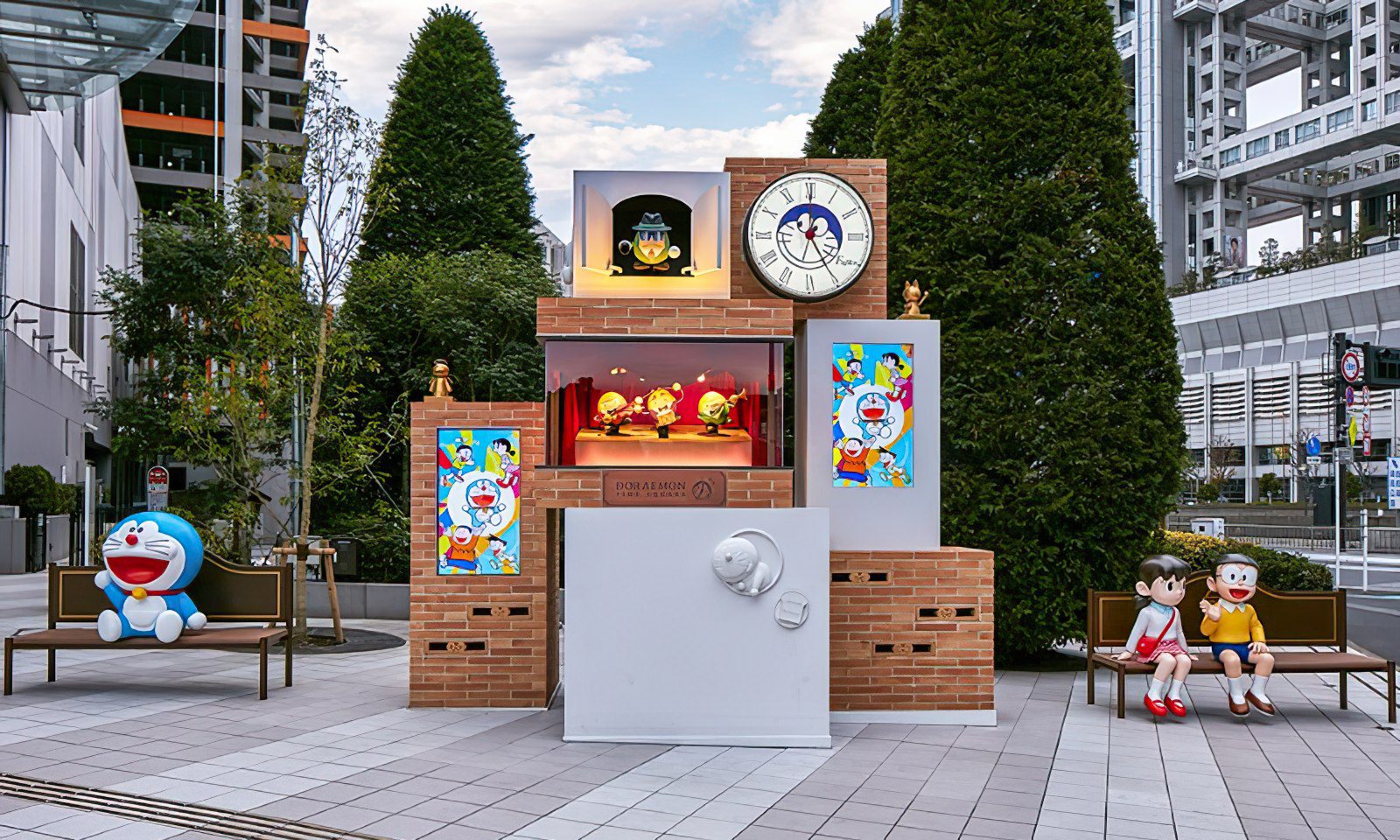
Doraemon Times Square
The Doraemon Time Square is located just outside a...
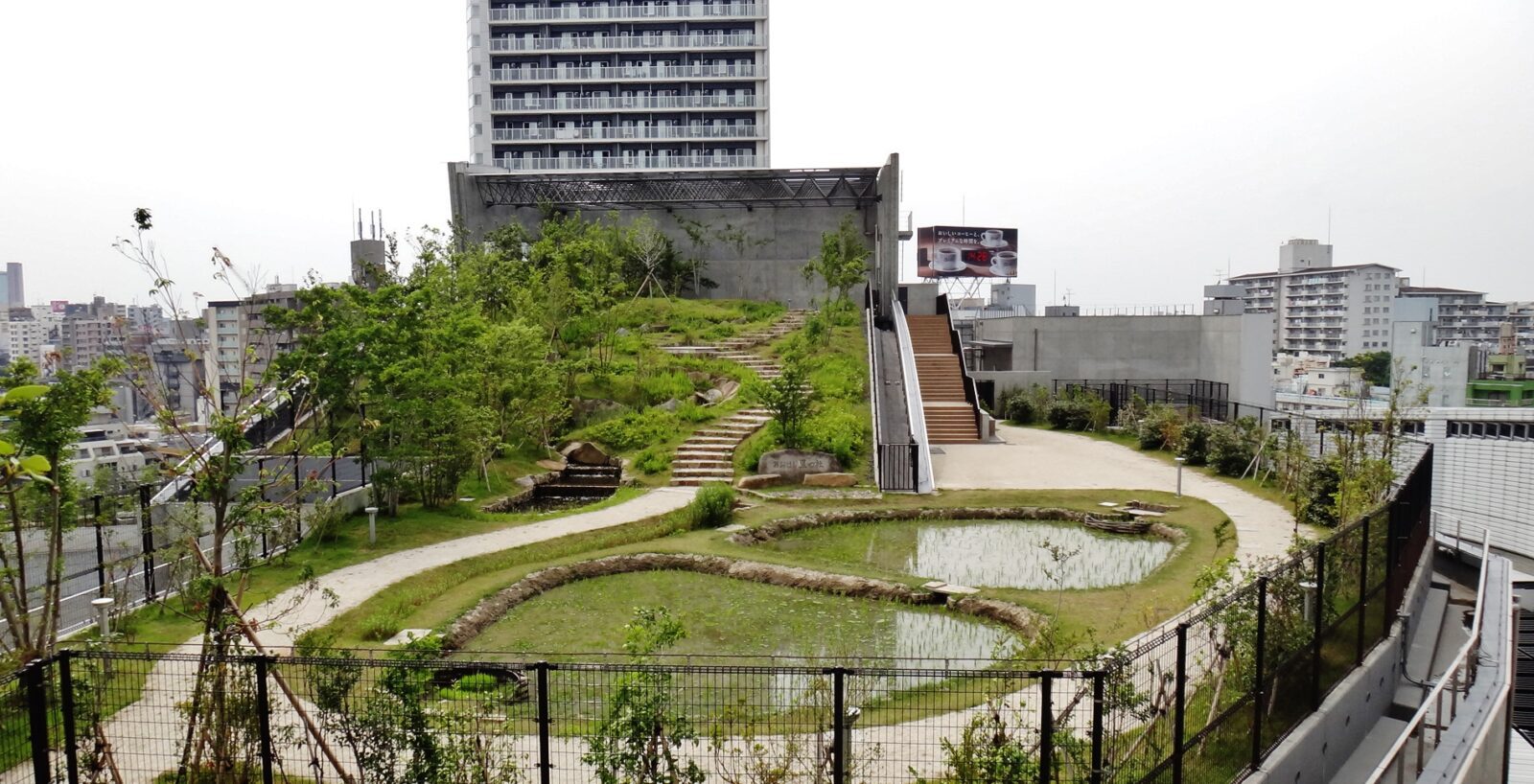
Meguro Sky Garden
Rooftop garden oasis built over a busy expressway ...
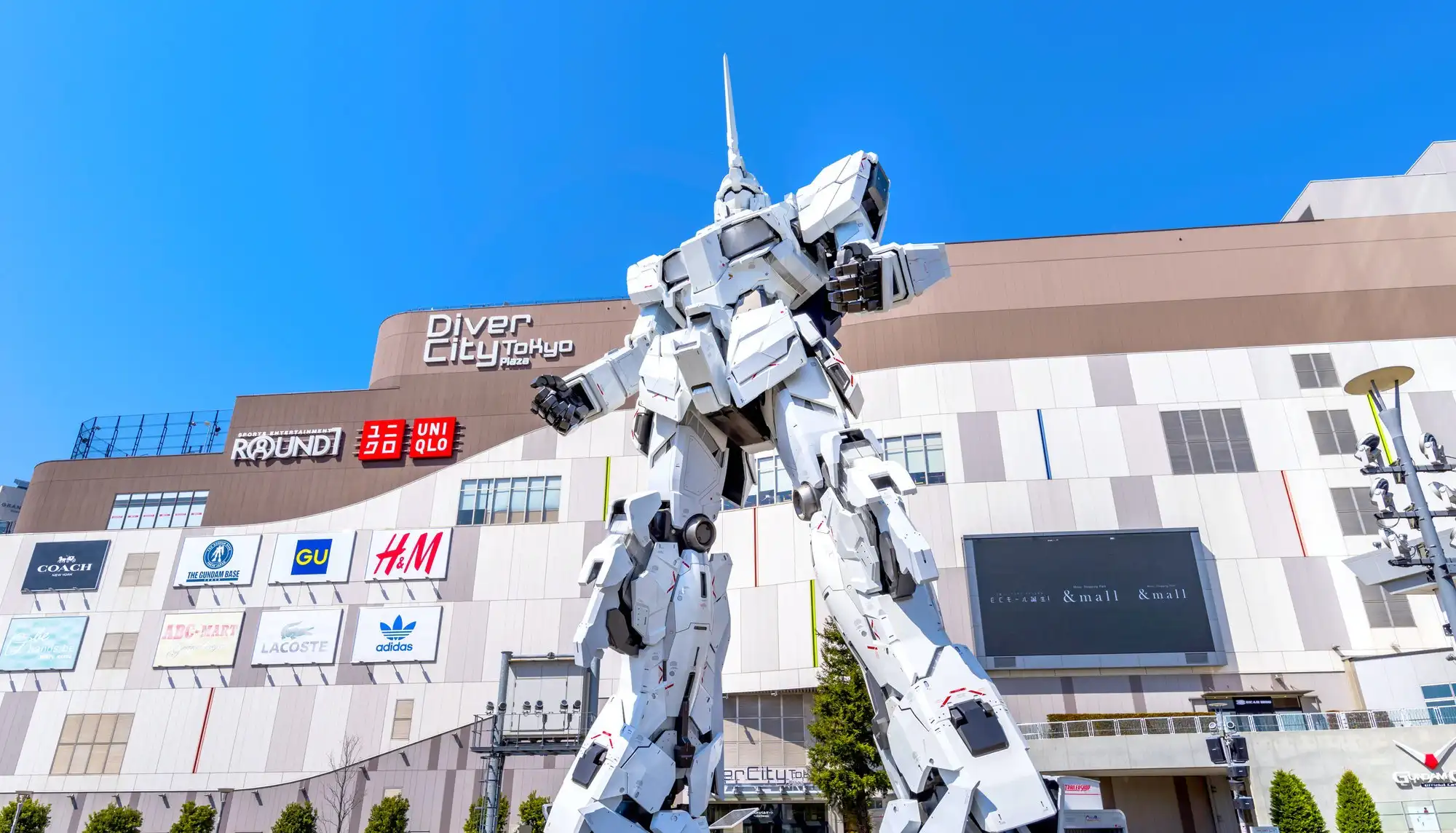
Unicorn Gundam
Giant statue of sci-fi anime character. Giant whit...
Saigōyama Park
Urban park featuring an artificial waterfall, colo...
Disclaimer
While we at Tokyo Trip Guide do our best to show you accurate prices, we just can't promise they'll stay the same. Here's why: since we're not actually selling anything ourselves - we work with partner companies who set their own prices - we can't control what deals they offer. That's why it's best to check directly with our suggested deal providers to see their latest prices for attraction tickets.
Just so you know, if you end up buying something from the providers we list here, we might get a small commission. We'd be really happy if you used our recommended links to make your bookings!